


You’ve cleaned everything.
The surfaces are clear.
The floor is spotless.
The bed is made.
And yet… something still feels off.
The room looks fine—but it doesn’t feel fresh.
If your bedroom feels tired even when it’s clean, the issue isn’t cleanliness.
It’s something deeper—and often overlooked.
Clean Doesn’t Always Mean Refreshed
Cleaning removes dirt. But it doesn’t always restore energy.
A room can be visually tidy while still feeling:
-
Flat
-
Heavy
-
Slightly worn
This is especially true in bedrooms, where comfort and atmosphere matter more than perfection.
Because a bedroom isn’t just a space—it’s an experience.
The Problem You Don’t See: Fabric Fatigue
One of the biggest reasons a bedroom feels tired is something most people never think about: fabric fatigue.
Your bedding is used every single night.
Over time:
-
Fibers compress
-
Textures lose their softness
-
Colors become visually “dull”
Even if everything is clean, the materials themselves can feel… exhausted.
And since bedding takes up most of the visual space in a bedroom, this effect is amplified.
Why Your Bed Sets the Tone
The bed isn’t just part of the room—it defines it.
If your sheets feel worn, your entire space feels less inviting.
If your bedding lacks dimension, the room feels flat.
If everything looks the same week after week, your space starts to feel static.
This is why simply cleaning doesn’t reset the feeling of your bedroom.
You’re maintaining—but not refreshing.
The Missing Element: Rotation
What most bedrooms lack isn’t effort—it’s variation.
Using the same bedding continuously creates:
-
Faster wear
-
Less visual interest
-
A sense of repetition
Introducing even a simple rotation changes everything.
Switching between different sheet sets—even subtly different ones—can:
-
Restore softness
-
Brighten the space
-
Create a sense of renewal
It’s a small shift with a big impact.
Texture and Tone Matter More Than You Think
Another reason bedrooms feel tired is a lack of contrast in texture and tone.
If everything is:
-
The same color
-
The same finish
-
The same weight
The space can feel visually flat—even if it’s clean.
Soft patterns, layered fabrics, and gentle color variation bring life back into the room.
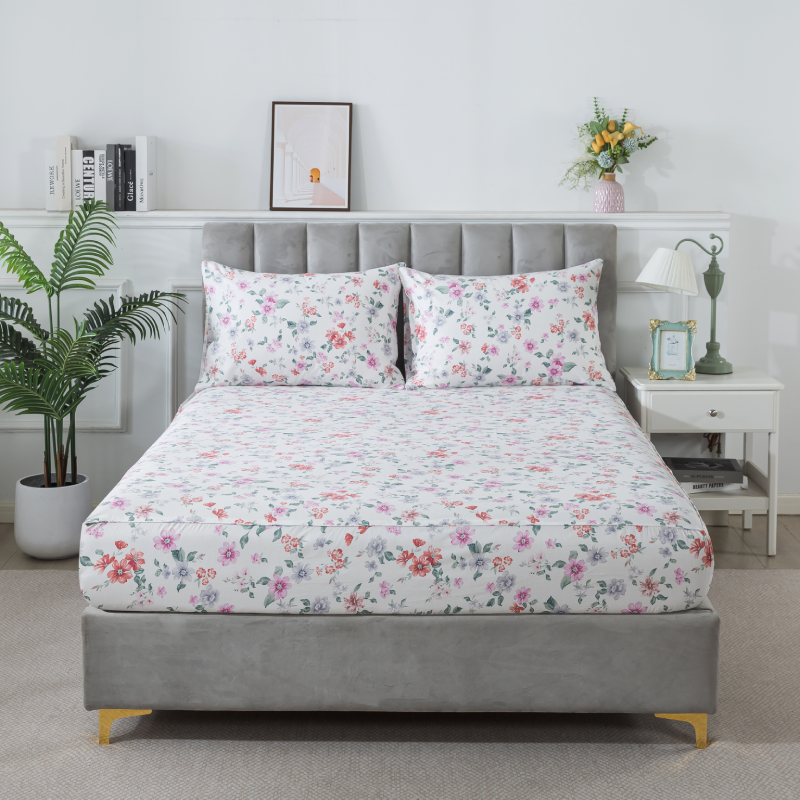
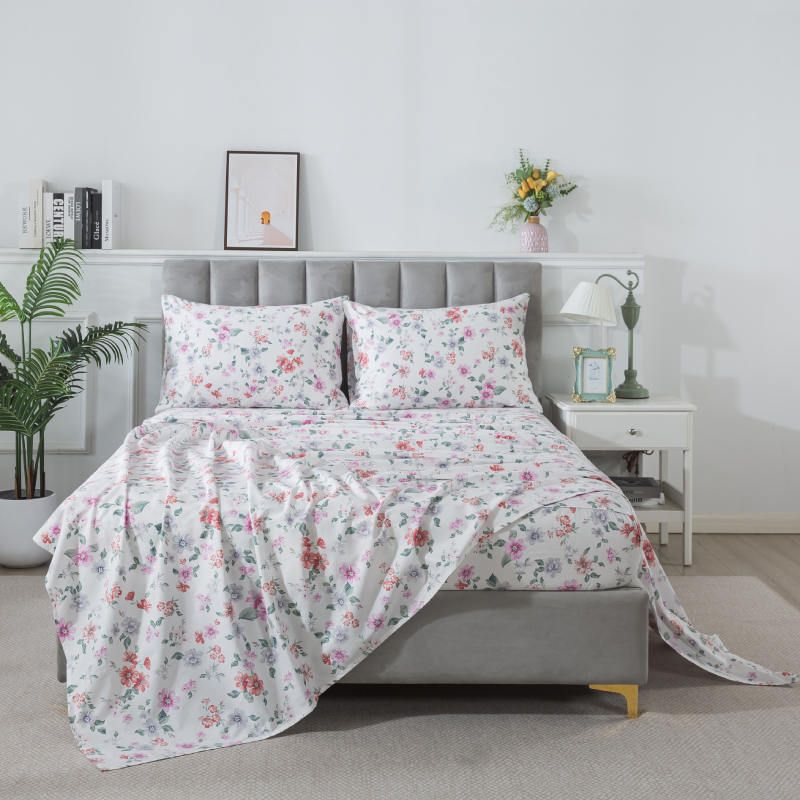
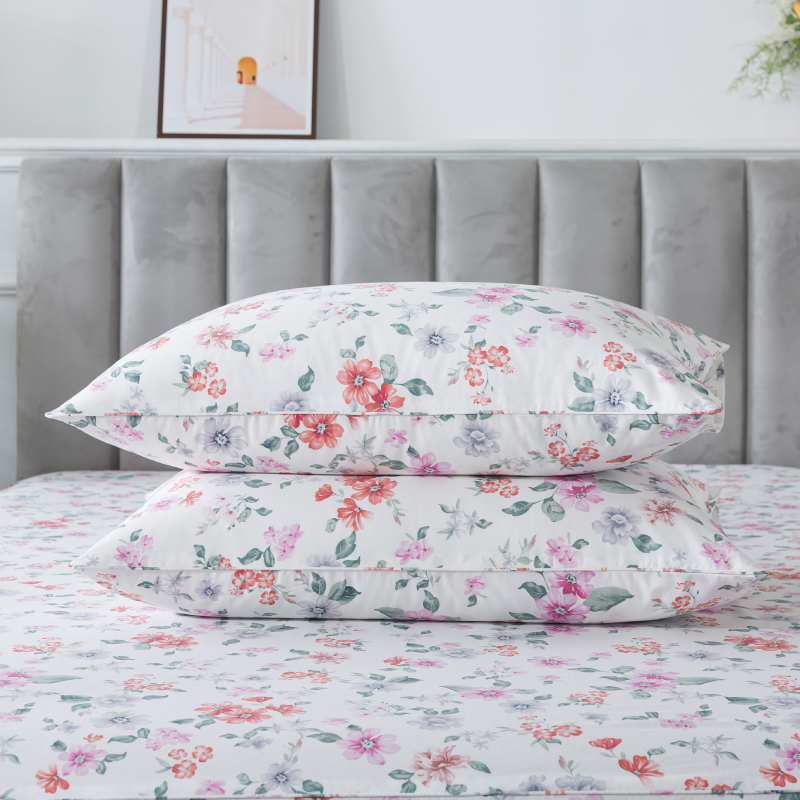
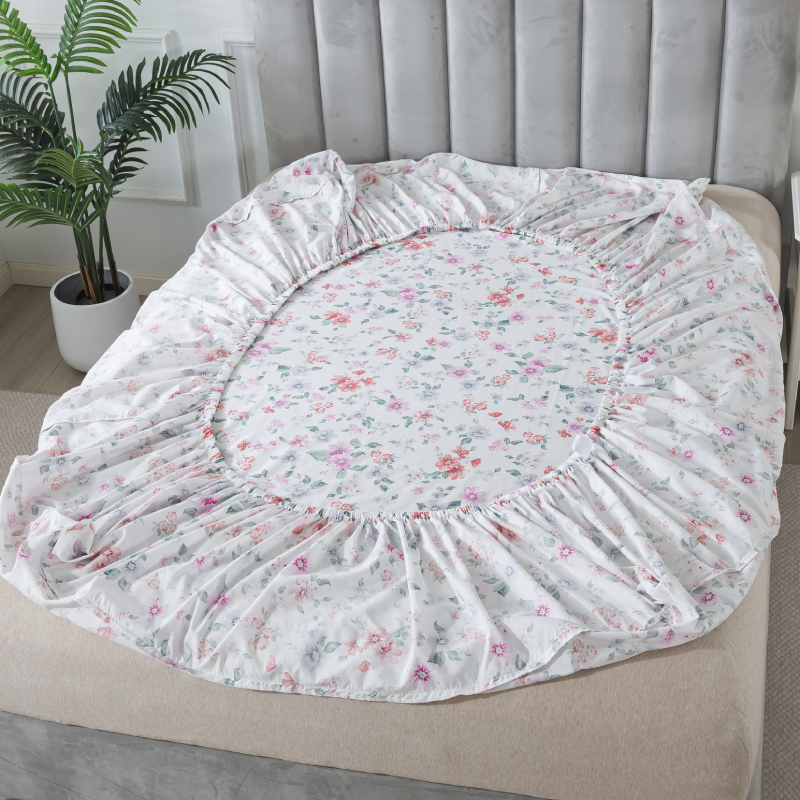
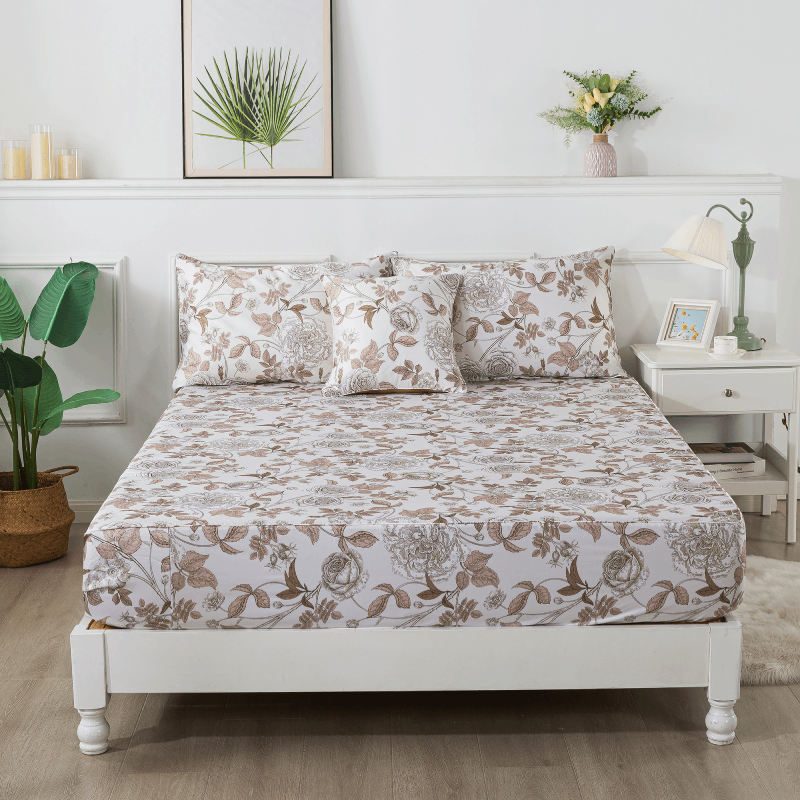
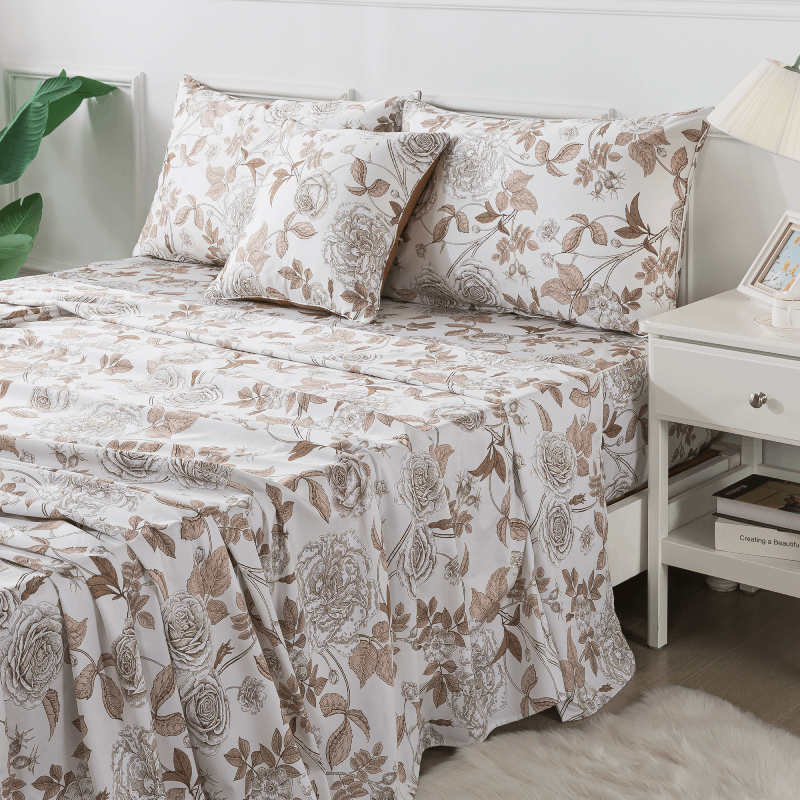
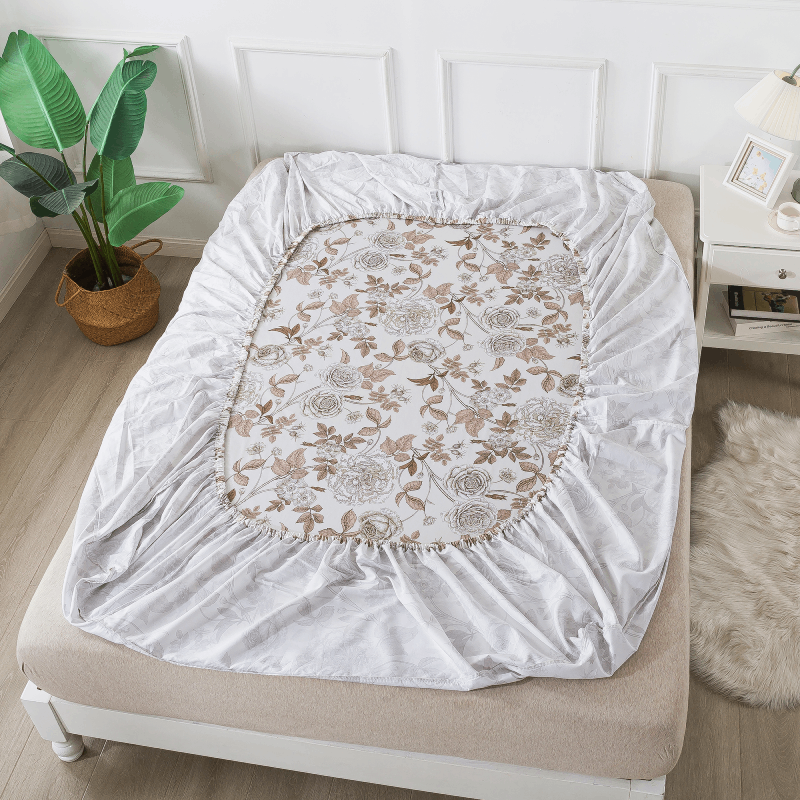
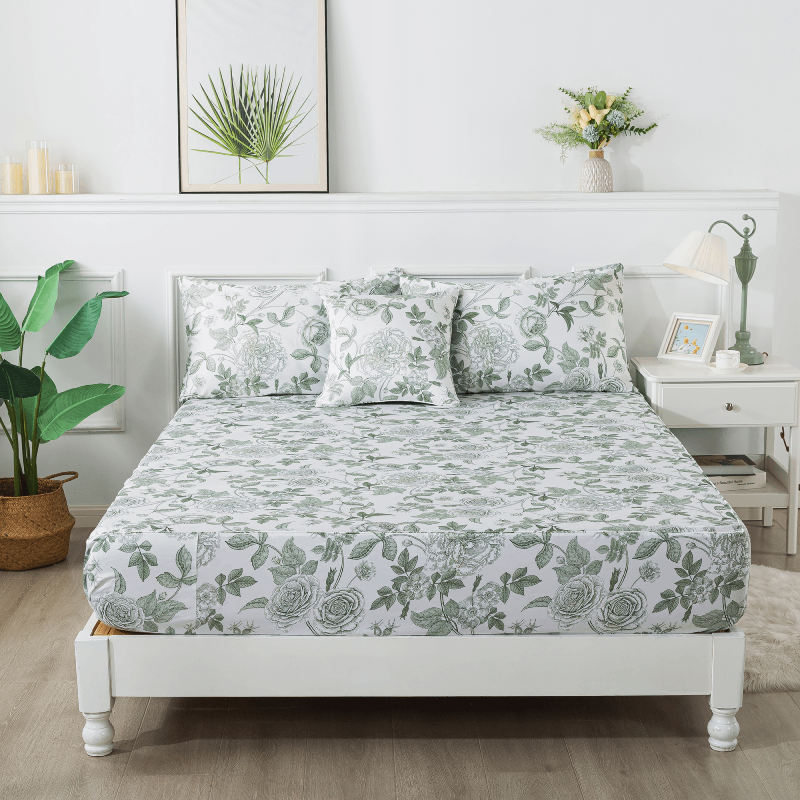
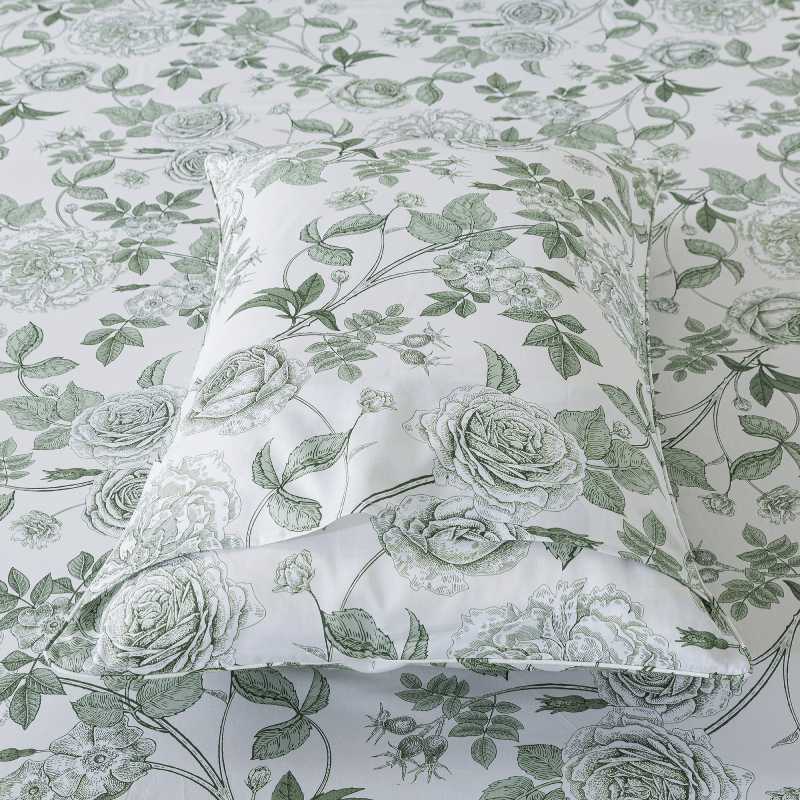
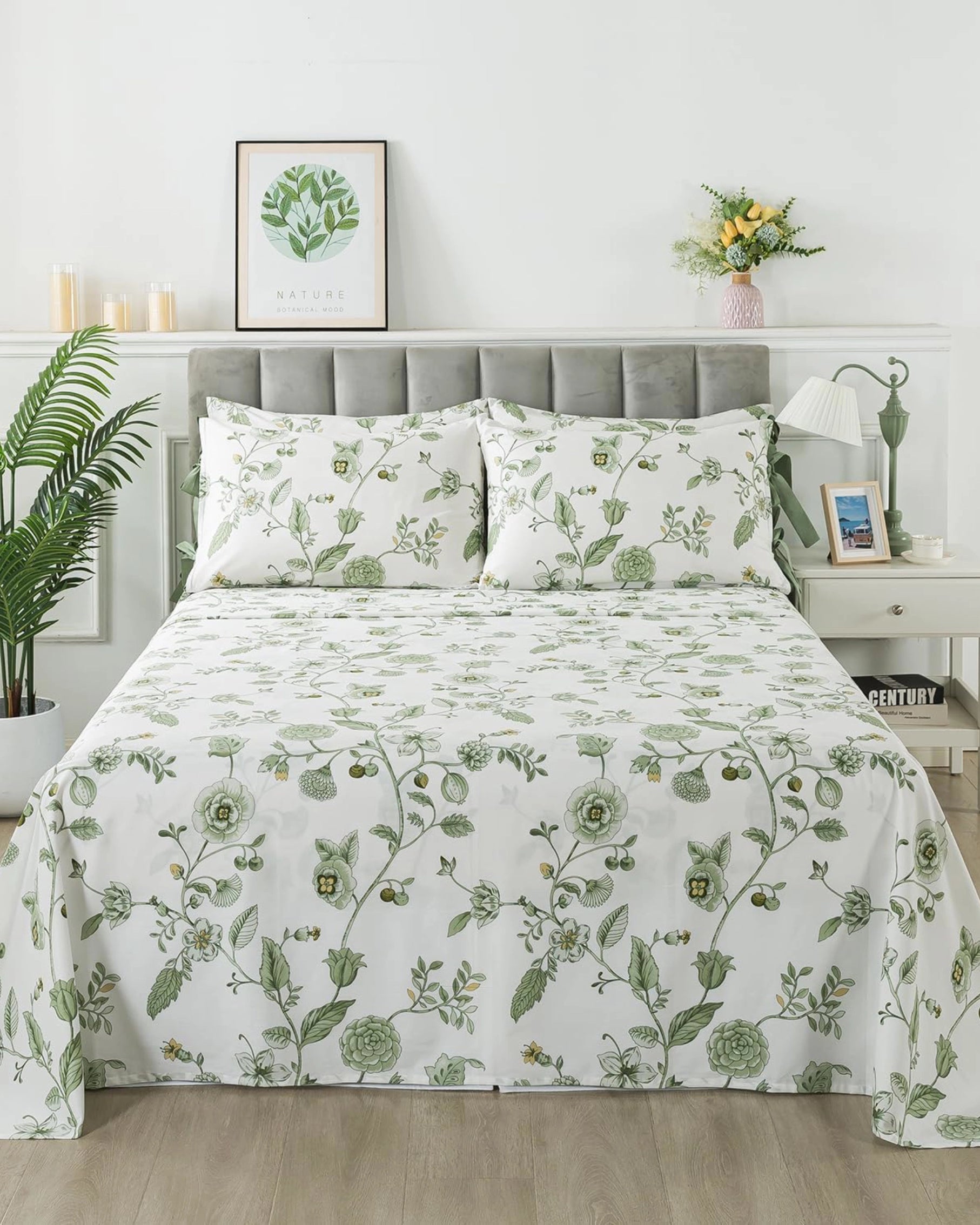
For example, introducing something like a soft floral sheet set
https://fadfay.com/collections/sheet-set
can subtly warm up the space and add movement without overwhelming it.
Fresh Doesn’t Mean New
You don’t need to redesign your bedroom.
You don’t need more furniture.
And you don’t need a complete makeover.
Often, all it takes is:
-
Changing your bedding
-
Rotating textures
-
Refreshing what’s already there
Freshness comes from change—not just cleanliness.

The Feeling of a Reset Space
Think about how a hotel bed feels.
It’s not just clean—it feels reset.
That feeling comes from:
-
Crisp, well-maintained fabrics
-
Balanced layers
-
A sense of intention
You can recreate that at home—not by doing more, but by structuring your bedding differently.
A Bedroom That Feels Alive Again
When you shift from maintaining to refreshing, your bedroom changes.
It starts to feel:
-
Softer
-
Lighter
-
More inviting
Not because it’s cleaner—but because it’s more dynamic.
Even small adjustments—like rotating between sets or introducing subtle patterns—can bring that feeling back.
Final Thoughts
If your bedroom feels tired, it’s not because you’re doing something wrong.
It’s because cleanliness alone isn’t enough.
A comfortable space needs movement. Variation. A sense of renewal.
And sometimes, the simplest way to bring your bedroom back to life…
is to start with your sheets.