

A bedroom should do more than simply hold a bed—it should invite you in, night after night, with a sense of ease, warmth, and quiet comfort. The most inviting bedrooms aren’t necessarily the most expensive or perfectly styled. Instead, they are thoughtfully designed to support real life: restful sleep, relaxed evenings, and slow, gentle mornings.
Below is a practical framework for designing a bedroom that consistently feels welcoming—every single night.
1. Start with the Foundation: Comfort-First Bedding
The bed is the focal point of the room, both visually and functionally. If it doesn’t feel right, nothing else matters.
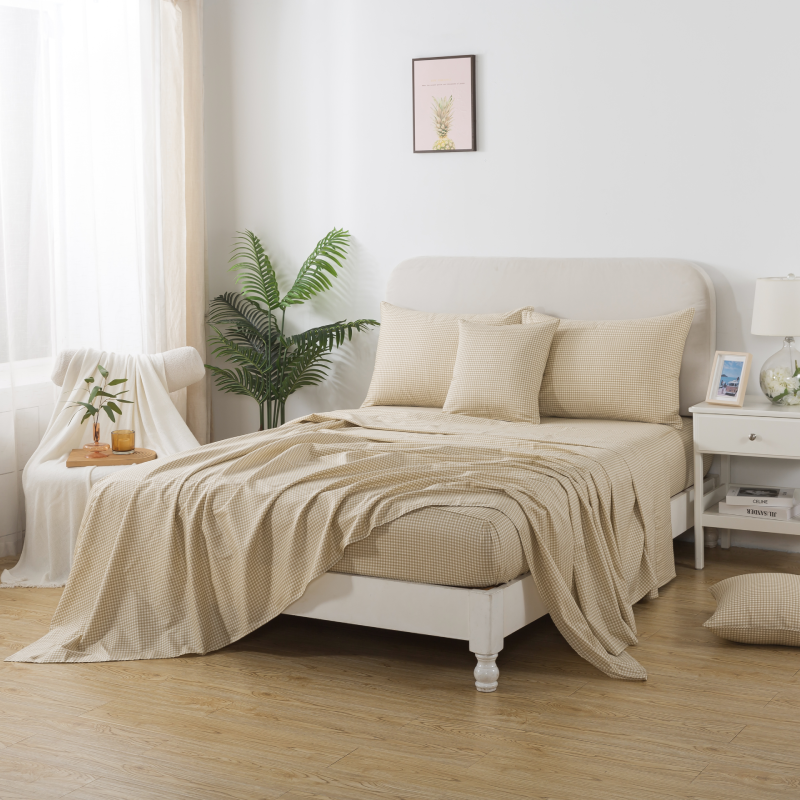
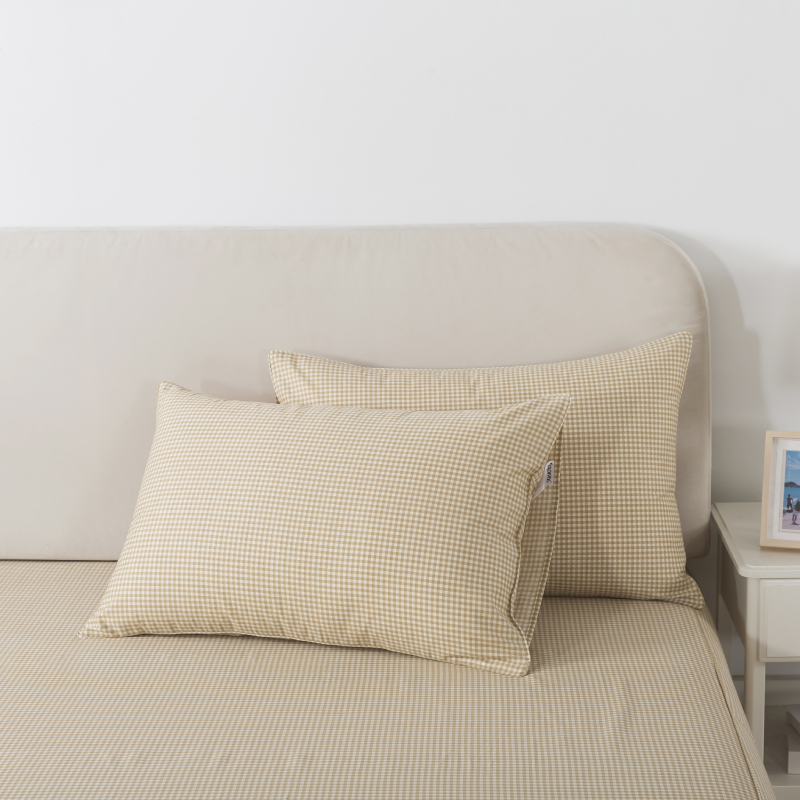
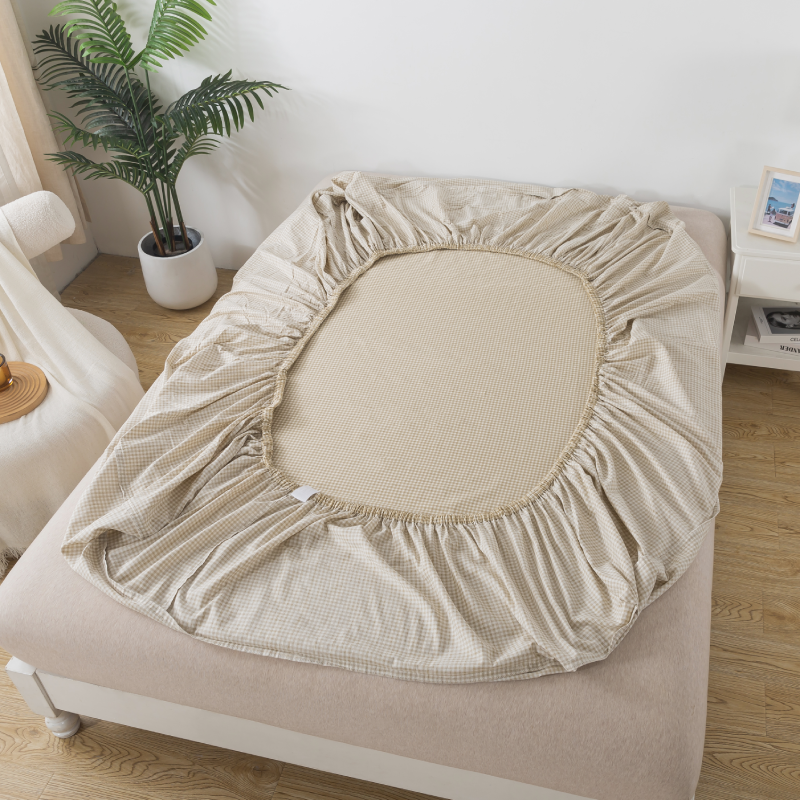
Choose materials that prioritize breathability and tactile comfort. Natural fibers like cotton—especially long-staple or double-gauze cotton—offer a balance of softness, airflow, and durability. These fabrics adapt to your body temperature and become more comfortable over time.
Equally important is weight and drape. Bedding that is too heavy feels restrictive, while overly thin layers lack presence. The goal is a “just right” sensation—light enough to breathe, substantial enough to feel secure.
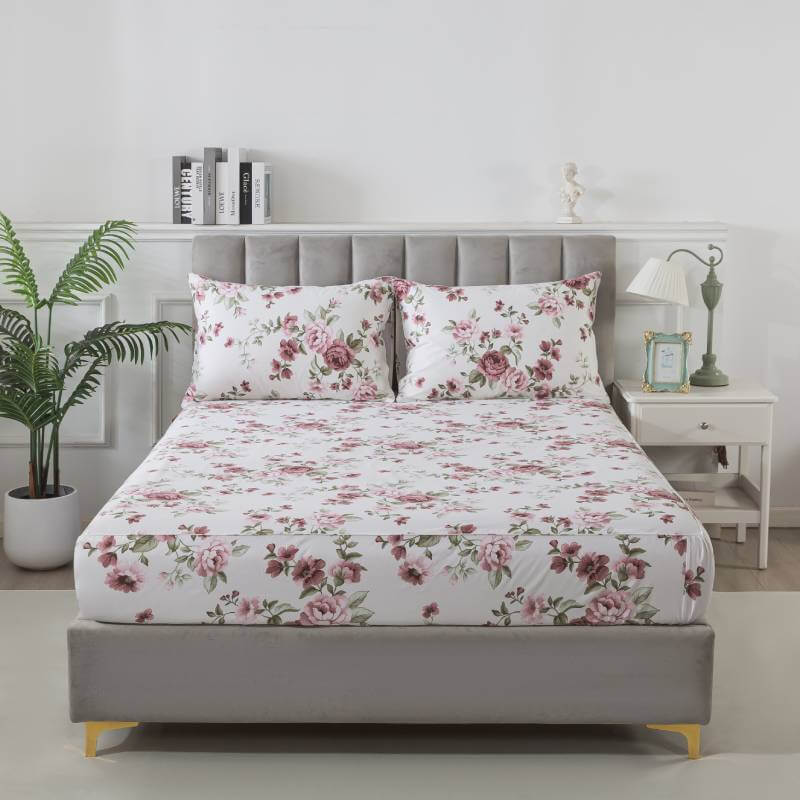
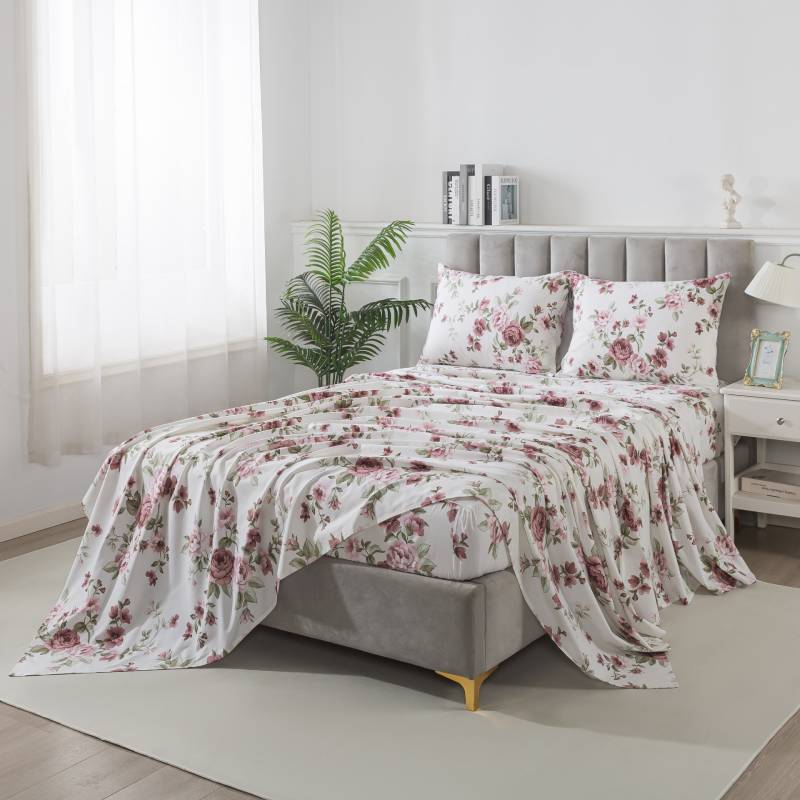
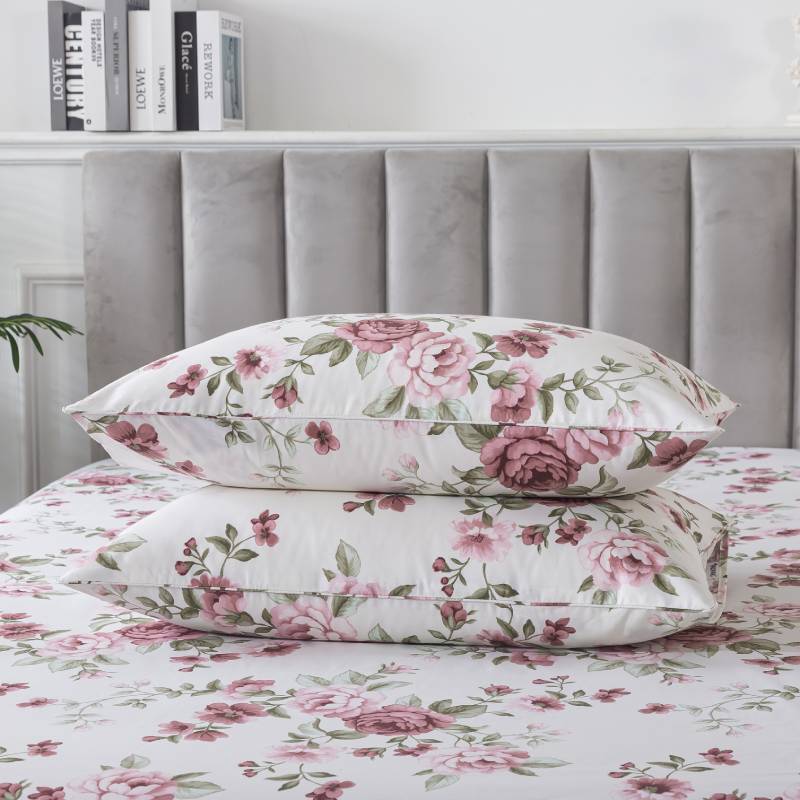
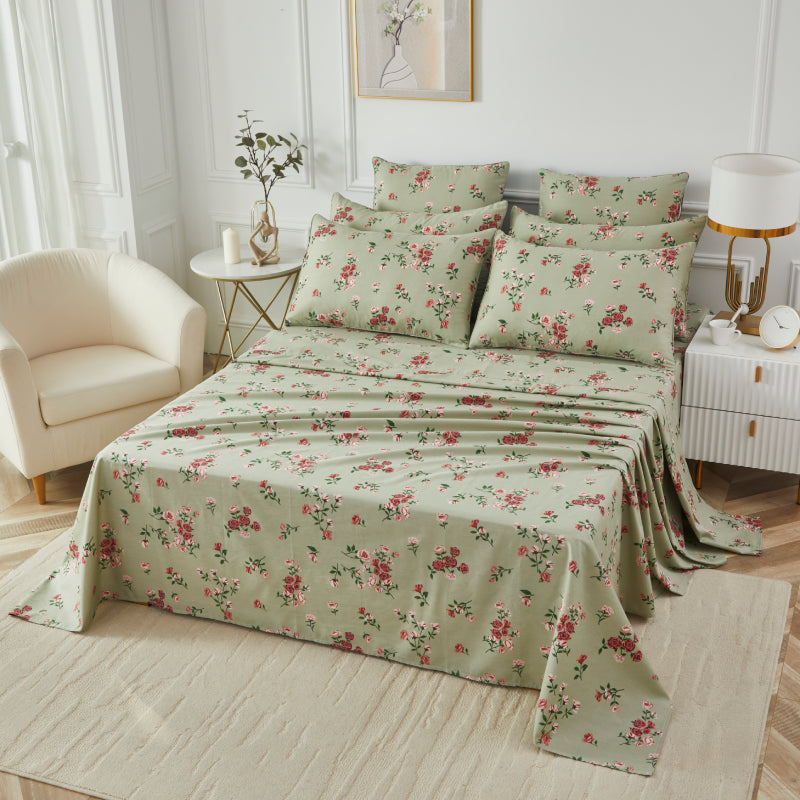
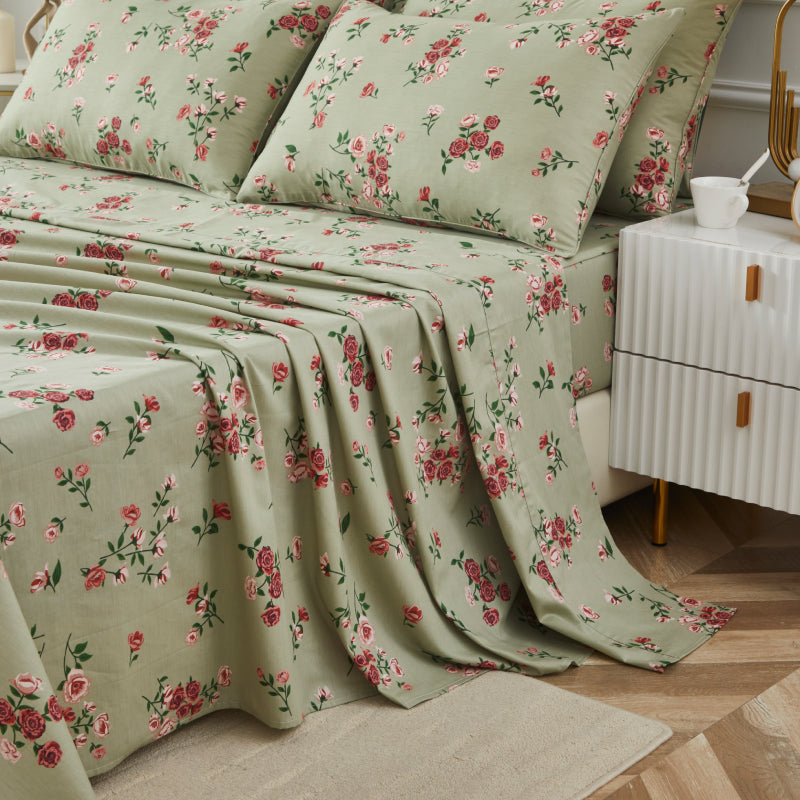
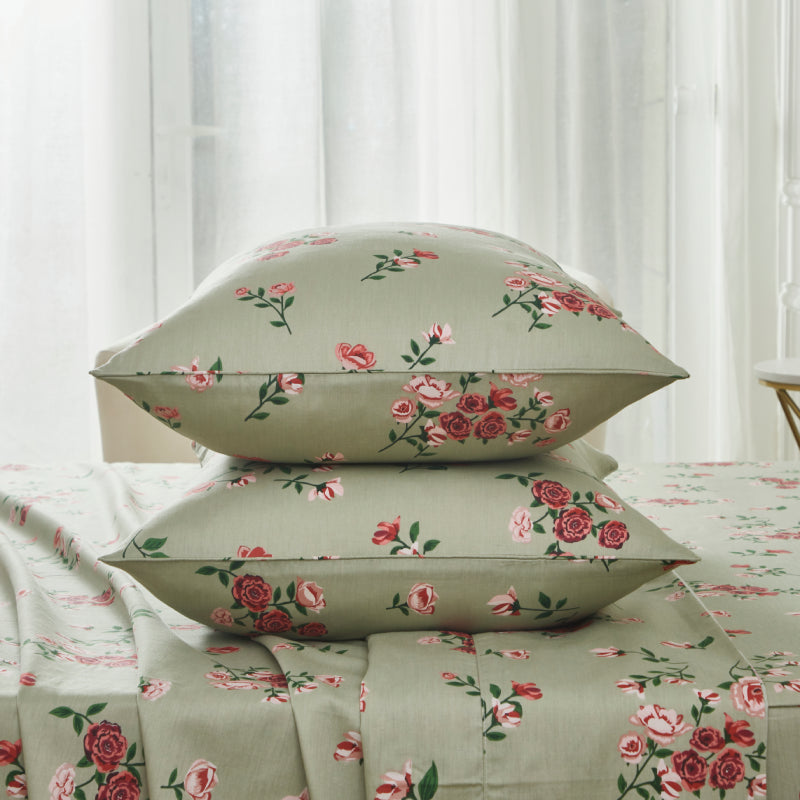
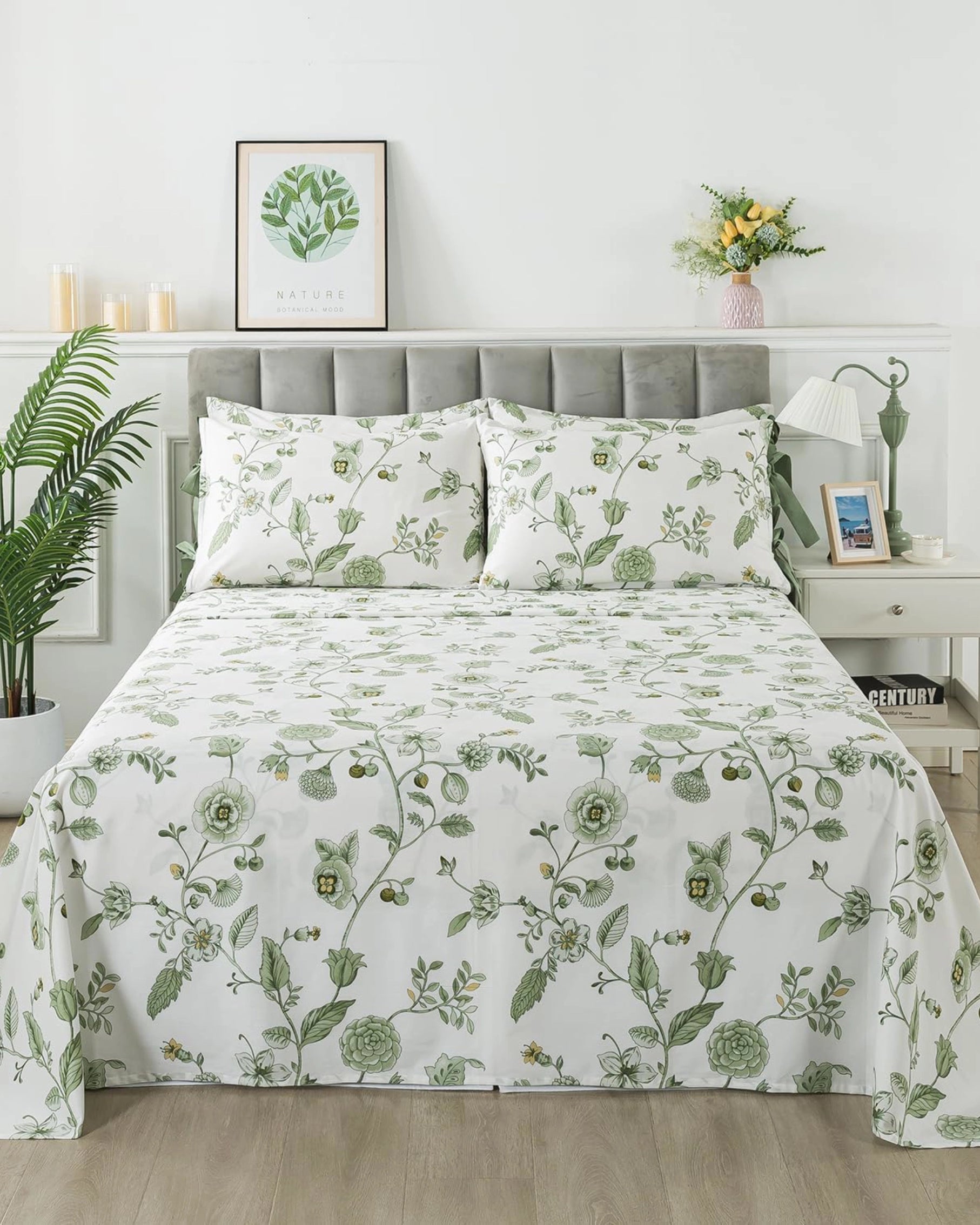
Design-wise, subtle floral or nature-inspired patterns can add visual softness without overwhelming the space. The key is restraint: patterns should calm the eye, not compete for attention.
2. Create a Layered Lighting Strategy
Lighting defines mood more than any other element.
Avoid relying solely on overhead lighting. Instead, build layers:
- Ambient lighting for general illumination
- Task lighting for reading or winding down
- Accent lighting for atmosphere
Warm light (around 2700K–3000K) is essential for evening comfort. It mimics sunset tones and signals the body to relax.
Bedside lamps with soft shades, wall sconces, or even subtle LED strips behind a headboard can create depth without clutter. The goal is to eliminate harsh contrasts and create a gentle, enveloping glow.

3. Use Texture to Add Quiet Depth
An inviting bedroom isn’t flat—it has dimension you can see and feel.
Layer different textures:
- Smooth cotton sheets
- Lightly crinkled quilts
- Soft rugs underfoot
- Linen or gauze curtains
These elements interact subtly, creating a tactile environment that feels lived-in rather than staged.
Texture also plays a psychological role. Soft, touchable materials signal safety and comfort, helping your body transition into rest mode more easily.
4. Keep the Layout Intuitive and Uncluttered
A crowded room creates mental noise. An inviting bedroom feels effortless to move through.
Focus on:
- Clear pathways around the bed
- Minimal but functional furniture
- Balanced spacing between elements
Every object should have a purpose—either functional or emotional. If it does neither, it likely doesn’t belong.
Storage should be discreet and integrated. Hidden storage solutions maintain visual calm while supporting everyday living.
5. Choose a Calming Color Palette
Color influences how a room feels before you even touch anything.
Inviting bedrooms tend to use:
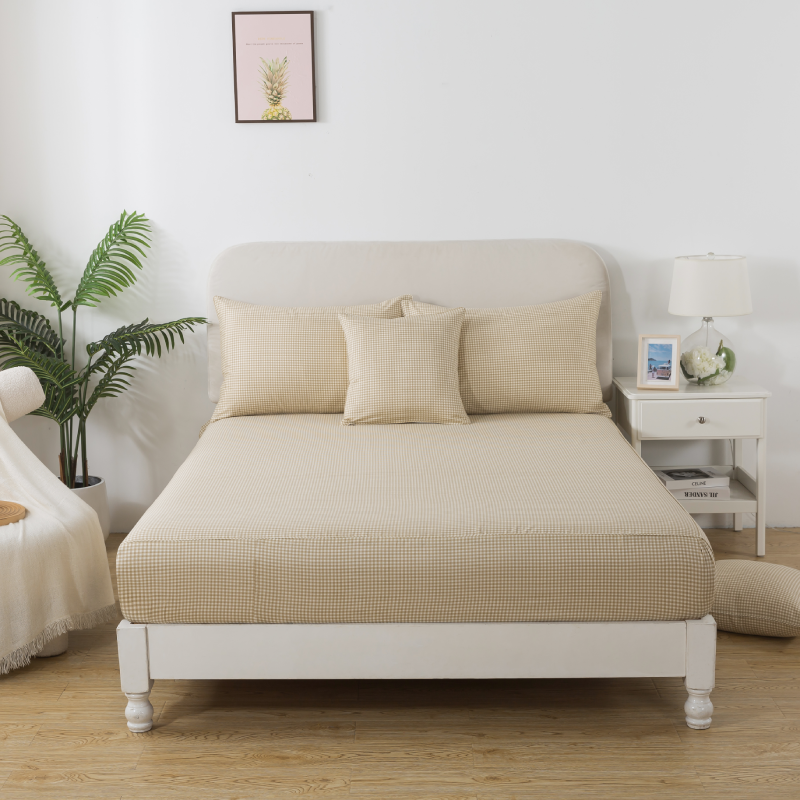
- Soft neutrals (ivory, beige, warm gray)
- Muted pastels (dusty blue, sage green, blush tones)
- Nature-inspired hues
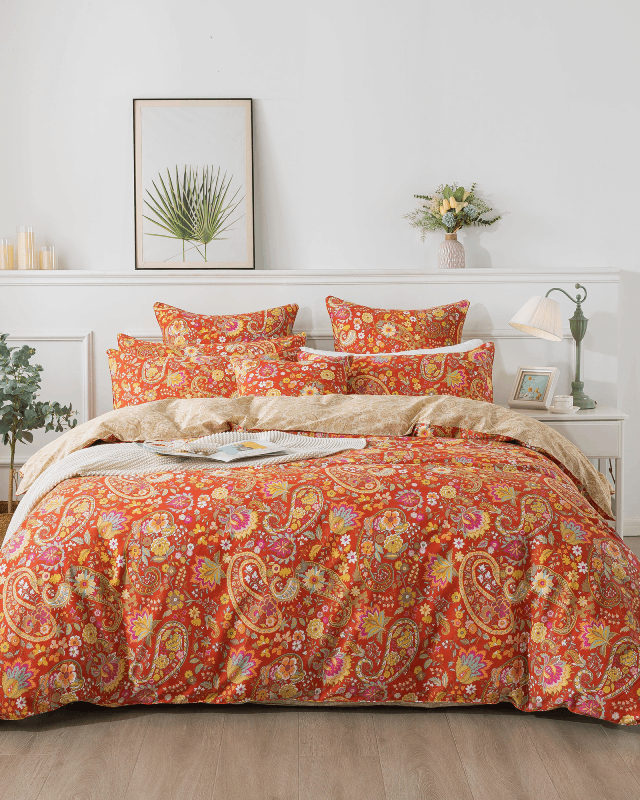
Avoid overly saturated or high-contrast combinations, especially near the bed. Instead, aim for a palette that feels cohesive and slightly softened—as if filtered through natural light.
Florals, when used thoughtfully, can enhance this effect by introducing organic variation without disrupting harmony.
6. Design for Real Life, Not Perfection
A truly inviting bedroom works with your lifestyle—not against it.
If you have pets, choose fabrics that are durable, easy to clean, and less prone to holding hair. Slight natural wrinkles in cotton or gauze fabrics can actually enhance the relaxed aesthetic, making the room feel more authentic and less rigid.
The goal isn’t a showroom-perfect bed. It’s a space that still feels beautiful after daily use—after naps, reading sessions, or a pet curling up at your feet.
7. Add Subtle Personal Touches
Personalization transforms a well-designed room into a meaningful one.
Keep it minimal but intentional:
- A favorite book on the nightstand
- A small piece of art
- A vase with fresh or dried flowers
- A scent you associate with calm
These elements should enhance the atmosphere, not distract from it.
8. Embrace the Transition from Day to Night
An inviting bedroom supports the shift from activity to rest.
Consider small rituals:
- Dimming the lights in the evening
- Turning down the bed
- Opening or closing curtains to control light
- Keeping the bed visually neat but not rigid
These cues signal that the space is ready for rest, reinforcing a sense of routine and comfort.
Final Thoughts
Designing a bedroom that feels inviting every night isn’t about following strict rules or trends. It’s about aligning comfort, function, and atmosphere in a way that feels natural.
When done well, the room doesn’t just look good—it feels right. You notice it in small moments: the softness of the sheets, the warmth of the light, the quiet sense that this is a place you want to return to.
And ultimately, that’s the goal: a bedroom that welcomes you back, every night, without effort.