

Patterns are everywhere—on textiles, in architecture, across nature, and within the visual language of design. Yet not all patterns evoke the same response. Some feel rigid, predictable, even lifeless. Others seem to breathe, shift, and carry an almost emotional energy. What causes this difference? Why do some patterns feel static, while others feel alive?
Understanding this distinction is essential, especially in areas like interior design and bedding, where pattern plays a central role in shaping atmosphere and emotional comfort.
The Psychology Behind Pattern Perception
At a fundamental level, the human brain is wired to detect patterns. This ability helped our ancestors recognize danger, identify resources, and navigate environments. However, our perception of patterns is not purely analytical—it is deeply emotional.
Static patterns tend to feel safe and controlled. They often feature strict repetition, uniform spacing, and predictable geometry. While this can create a sense of order, it may also lack stimulation.
In contrast, dynamic or “alive” patterns introduce variation. They disrupt predictability just enough to engage the brain, creating a sense of movement and vitality without causing chaos.
Repetition vs. Variation
One of the defining factors between static and lively patterns is how repetition is handled.
- Static patterns rely on exact repetition. Every element is identical in size, orientation, and spacing. Think of a perfectly aligned grid or a simple stripe.
- Alive patterns incorporate subtle variation. Motifs may shift slightly in scale, rotate, overlap, or flow organically.
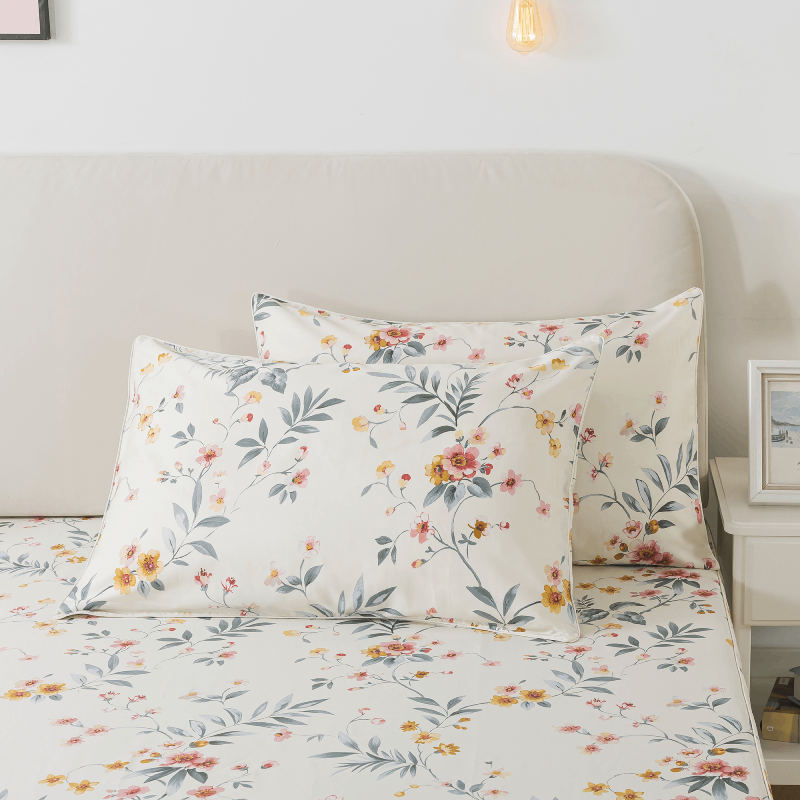
This variation mimics the irregularities found in nature—leaves on a tree, waves in water, or petals in a flower. Because our brains are accustomed to these natural inconsistencies, such patterns feel more relatable and engaging.
Geometry vs. Organic Flow
Geometry plays a major role in how a pattern is perceived.
- Rigid geometry (squares, straight lines, sharp angles) often feels structured and stable, but can also appear cold or mechanical.
- Organic forms (curves, asymmetry, fluid shapes) evoke movement and softness. They suggest growth, change, and life.
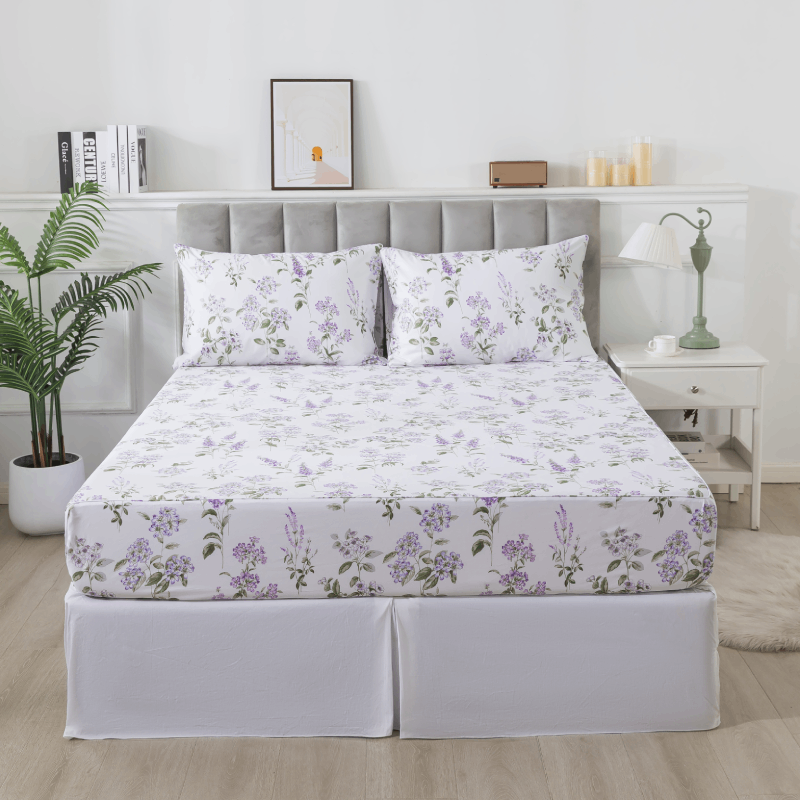
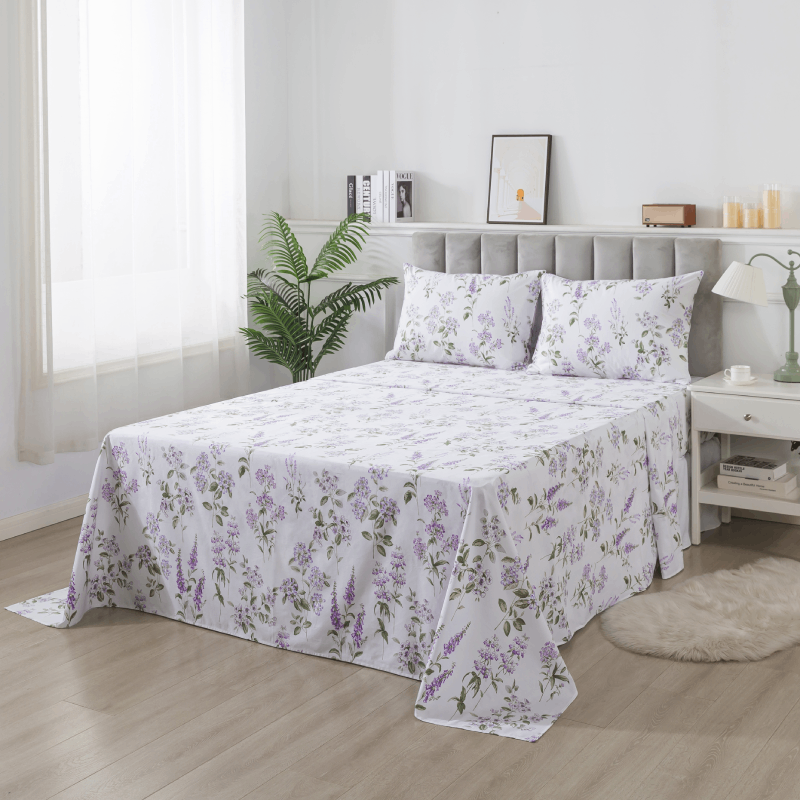
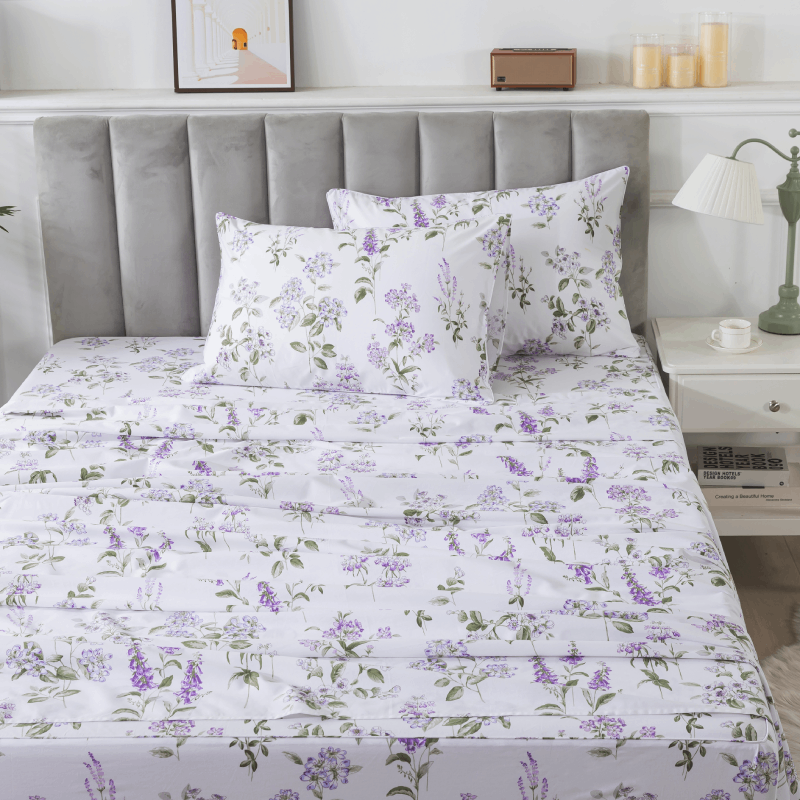
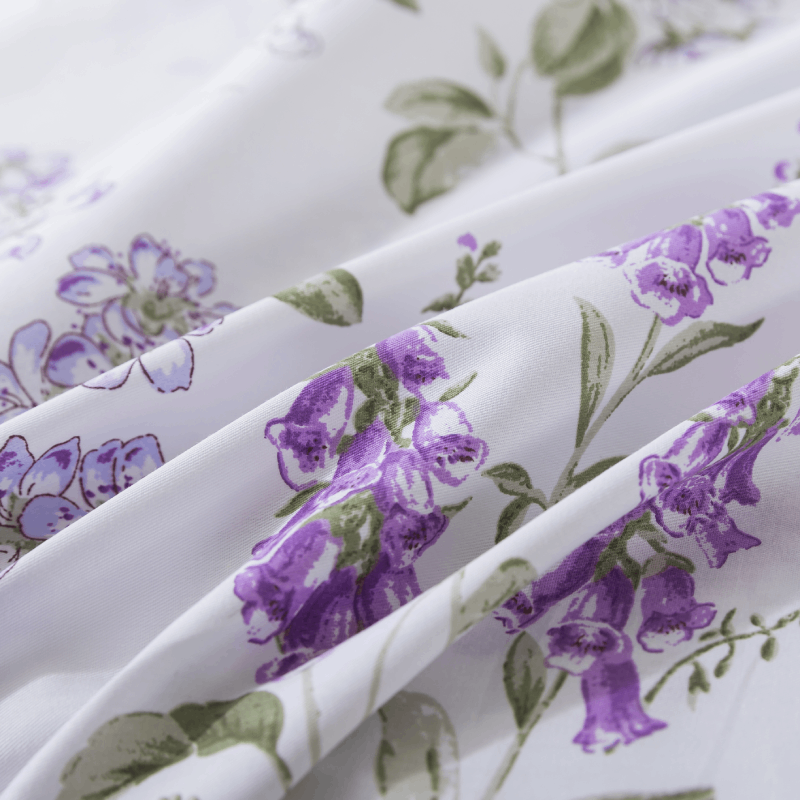
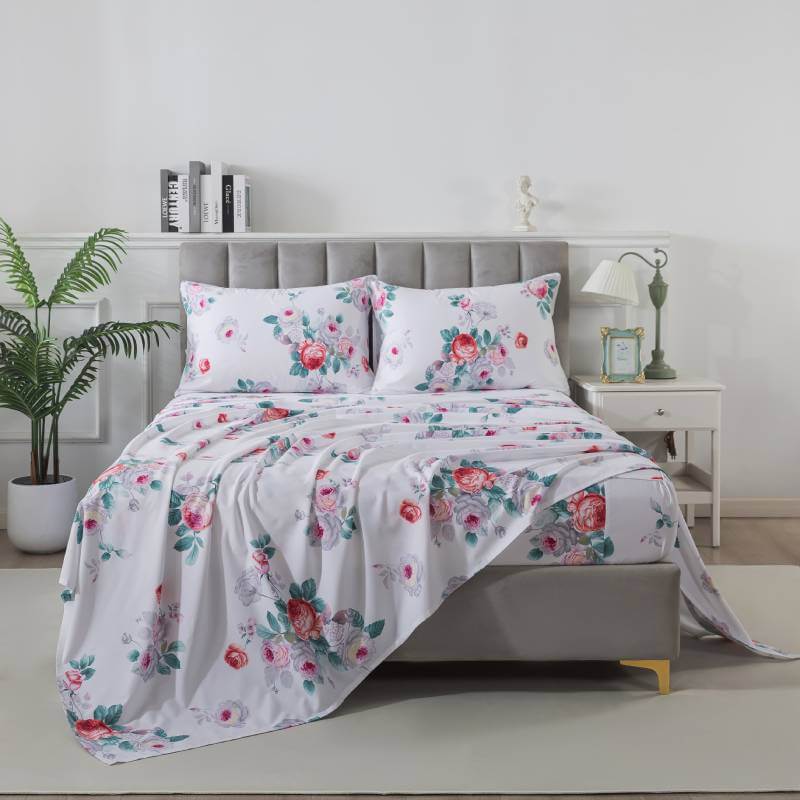
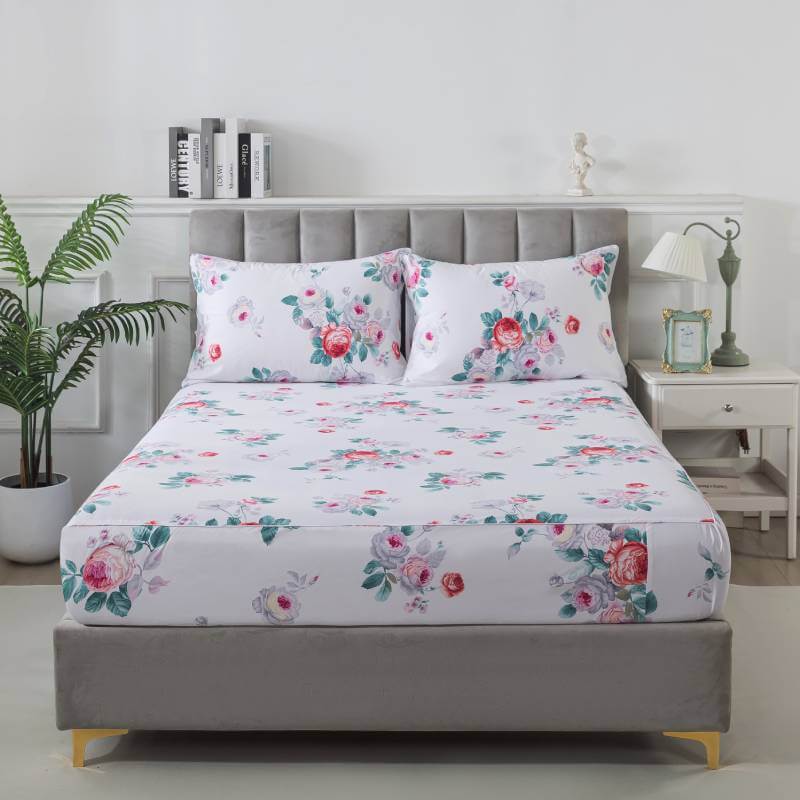
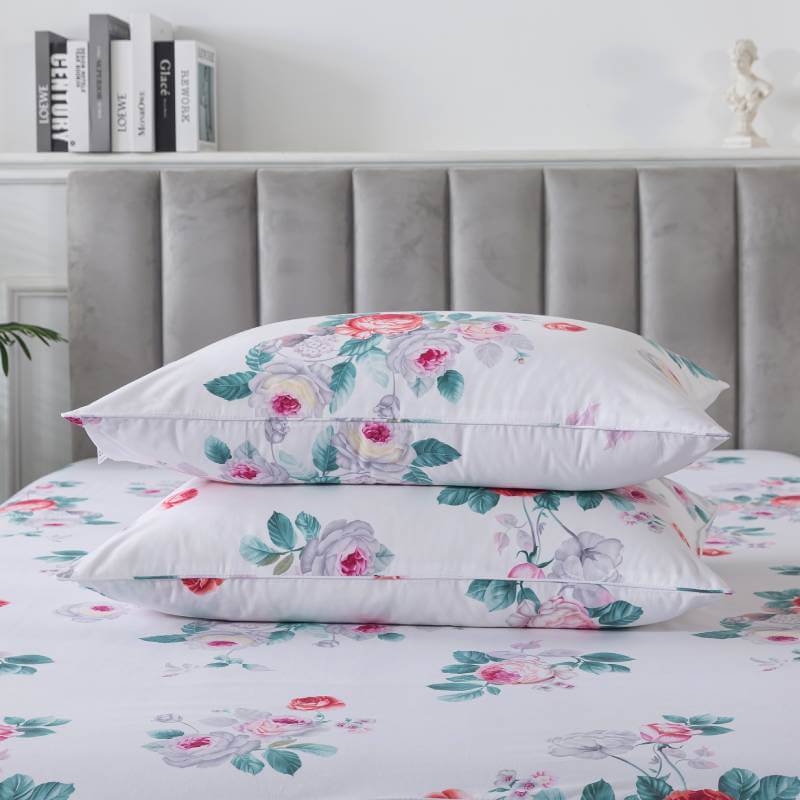
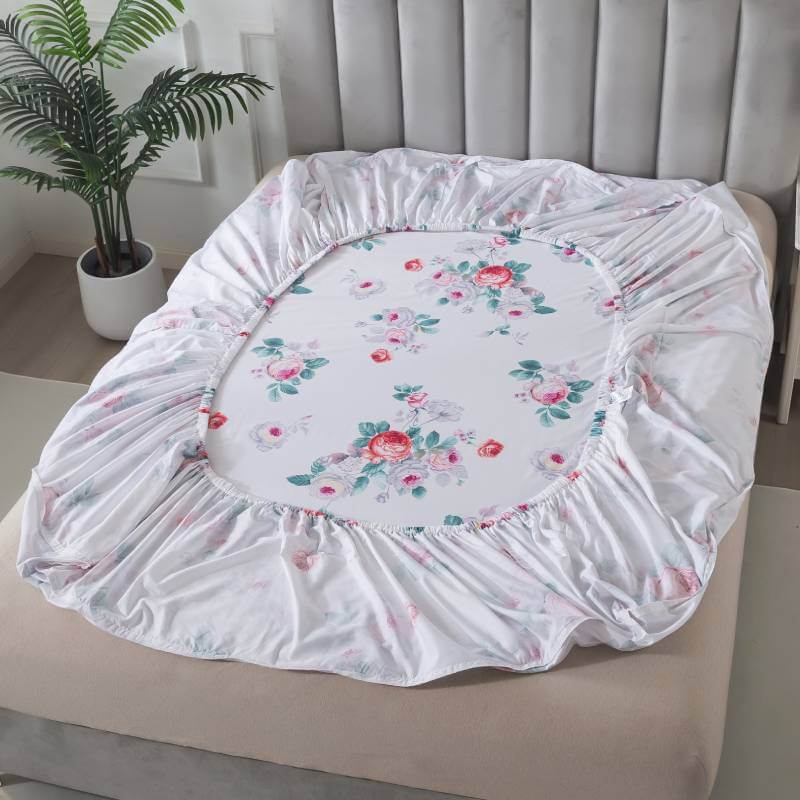
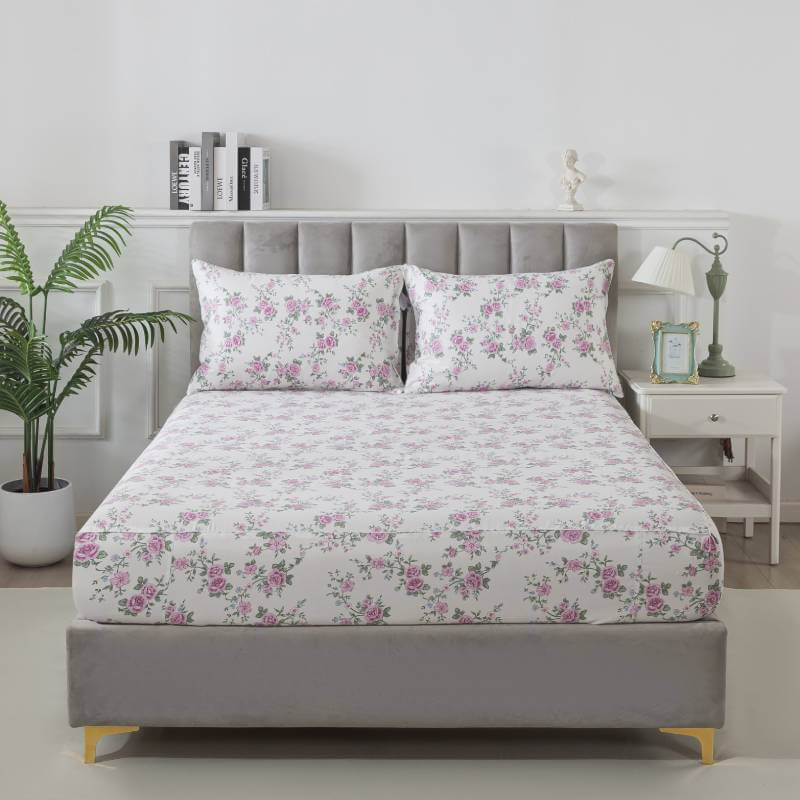
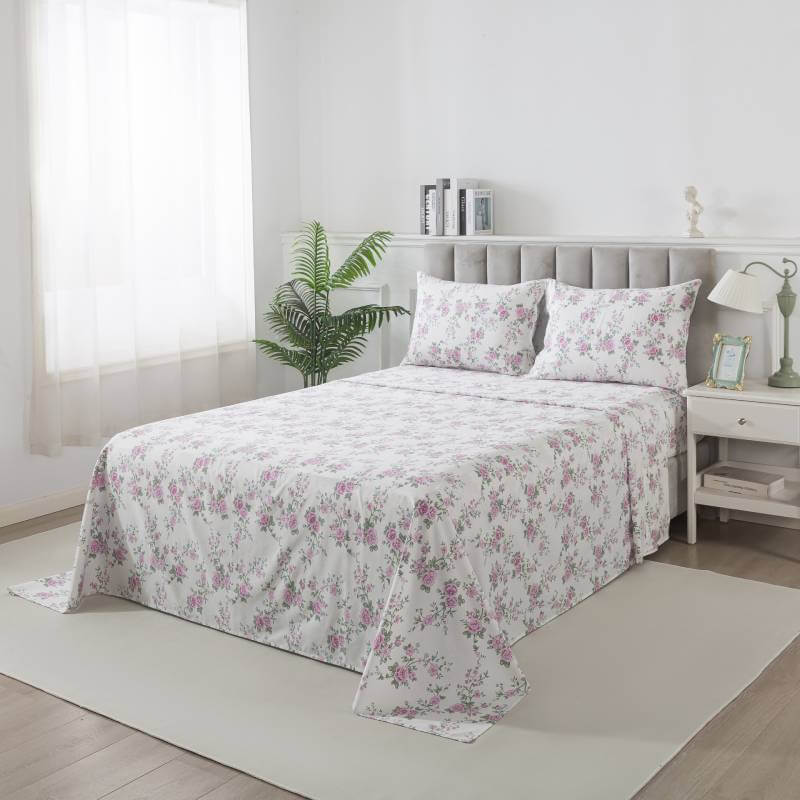
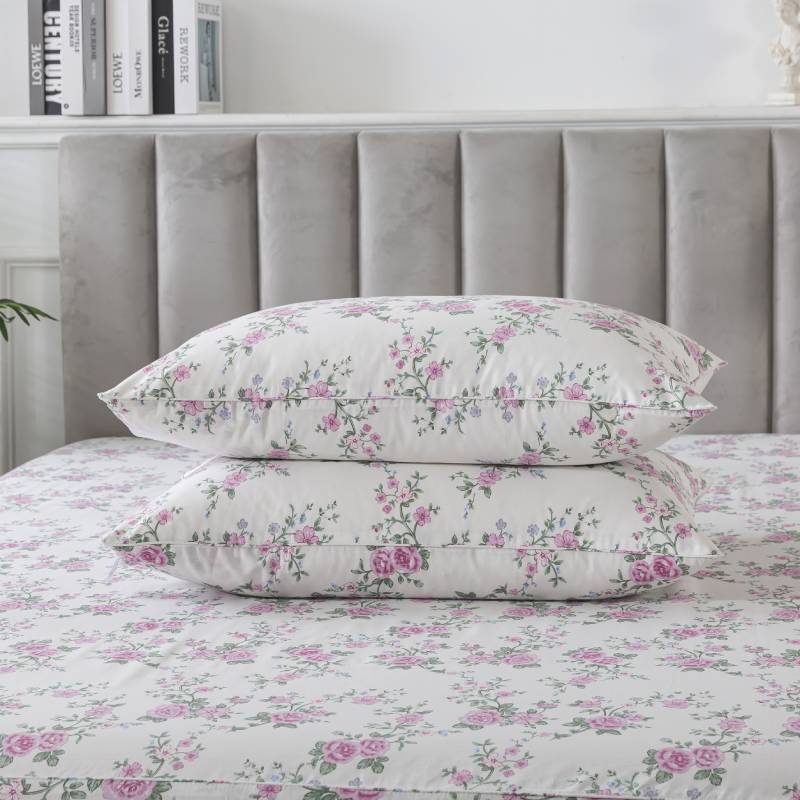
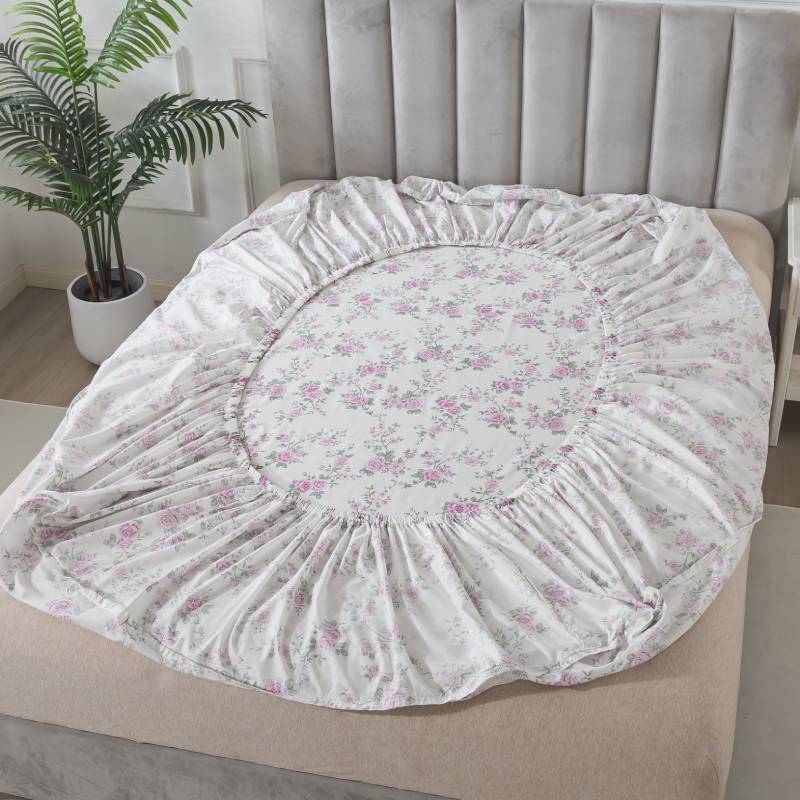
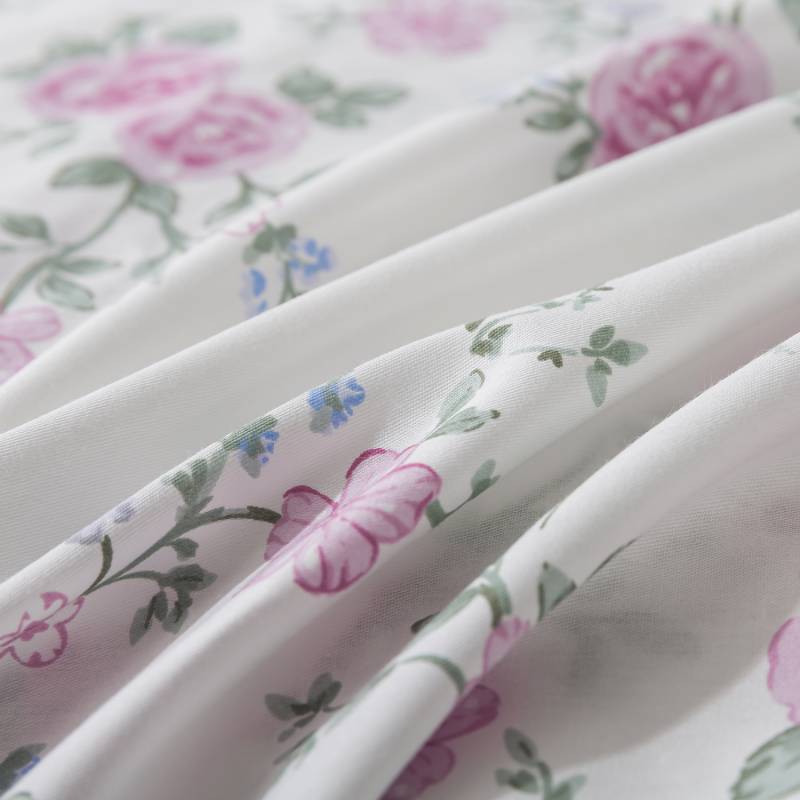
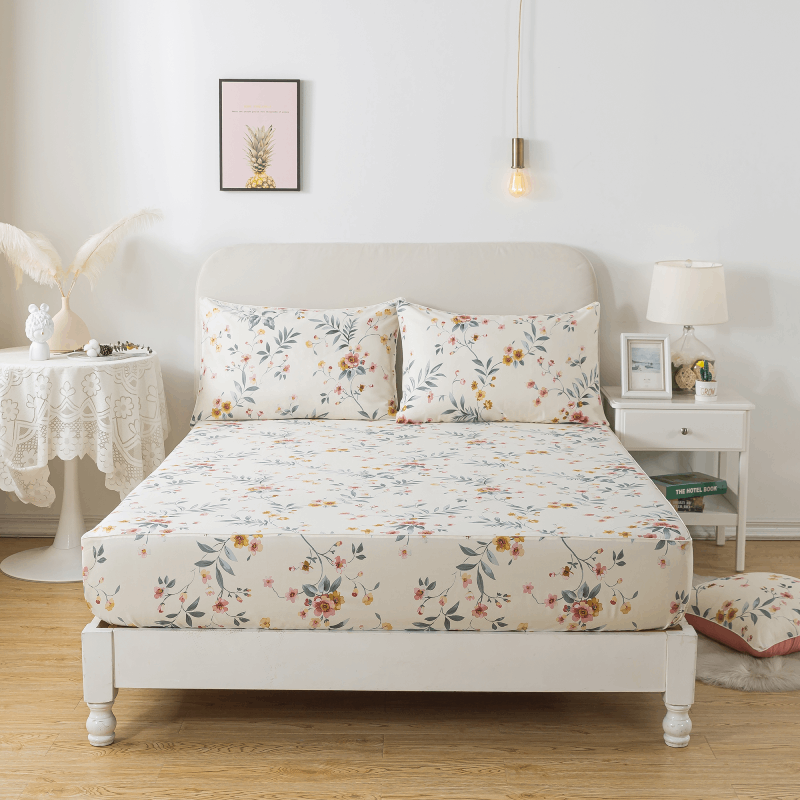
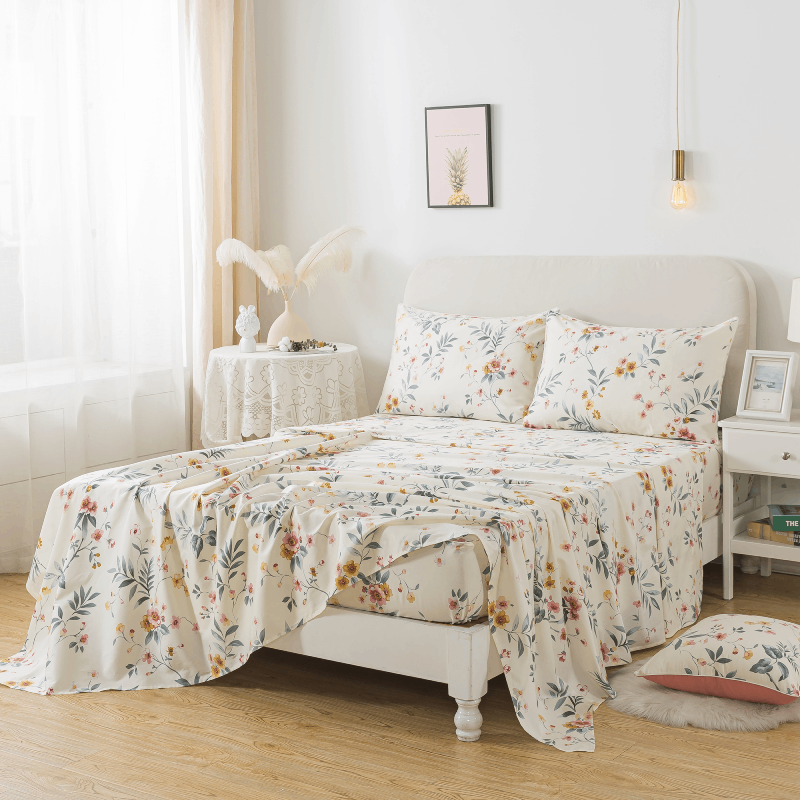
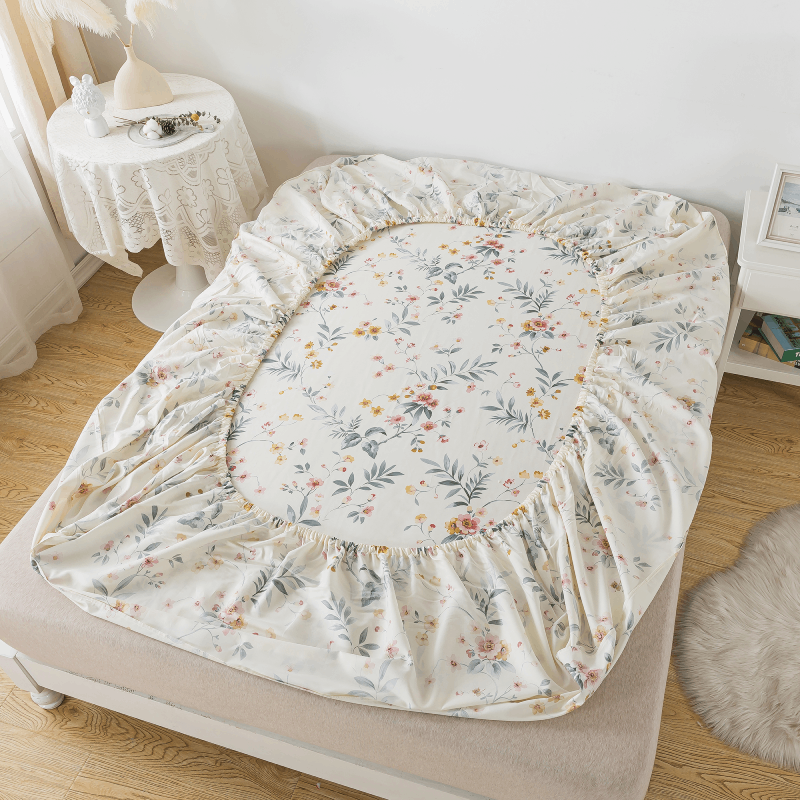
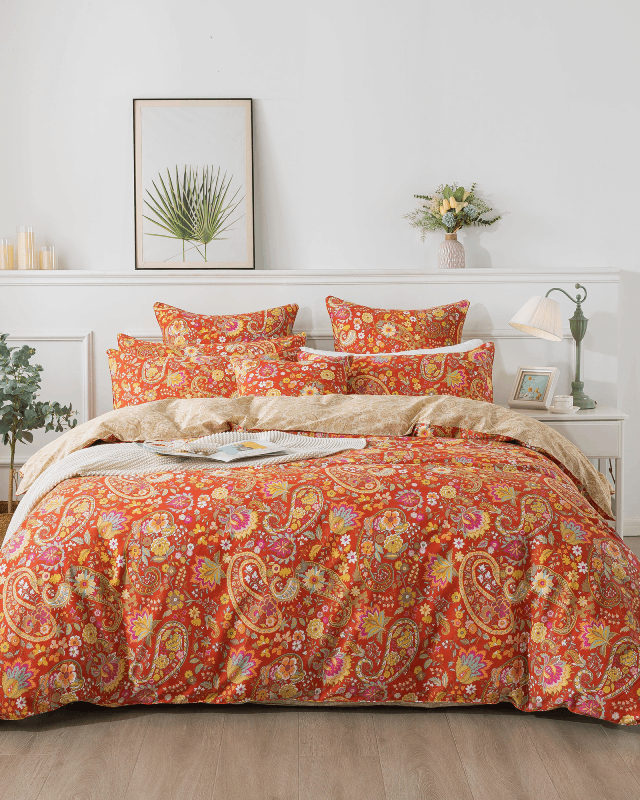
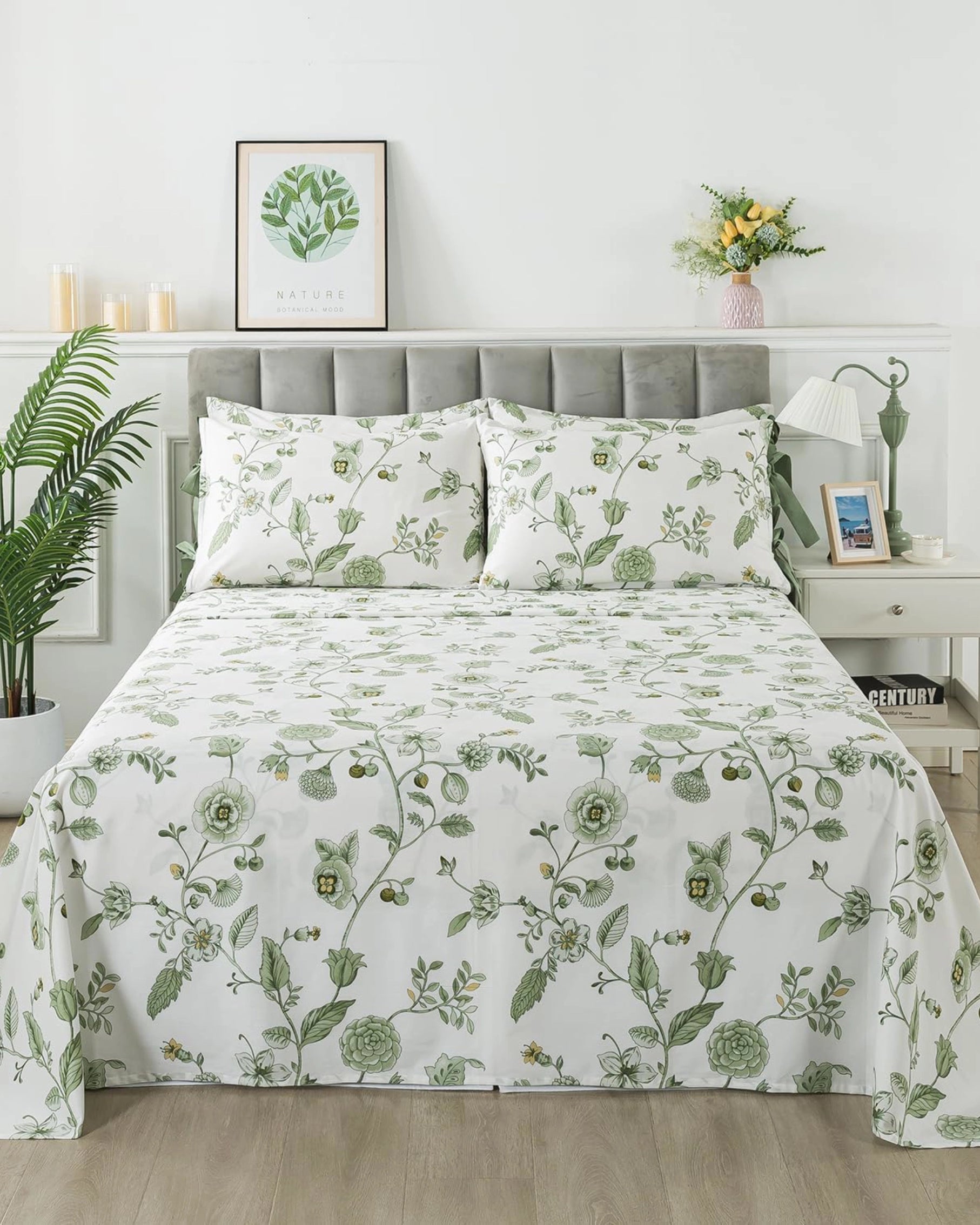
In bedding design, for example, floral patterns tend to feel more alive because they reflect organic growth and natural variation. A geometric checkerboard, while visually clean, may feel more static and formal.

Scale and Rhythm
Another key factor is how scale is used within a pattern.
- Uniform scale creates predictability. When every element is the same size, the eye quickly understands the pattern and moves on.
- Varied scale introduces rhythm. Larger elements draw attention, while smaller ones create detail and texture.
This interplay of scale creates a visual “beat,” similar to music. Patterns that feel alive often have a rhythm—something that guides the eye naturally across the surface.
Direction and Movement
Patterns that feel dynamic often suggest motion, even when they are physically still.
- Static patterns tend to have fixed directions—horizontal, vertical, or perfectly symmetrical arrangements.
- Alive patterns guide the eye in multiple directions. Curving lines, diagonal flows, or scattered compositions create a sense of movement.
In textiles, this can transform how a space feels. A pattern that flows gently across bedding can make a bedroom feel more relaxed and immersive, rather than rigid and structured.
Color Interaction
Color is not just decorative—it plays a critical role in how patterns are perceived.
- Flat color usage (single tones, high uniformity) reinforces a static feeling.
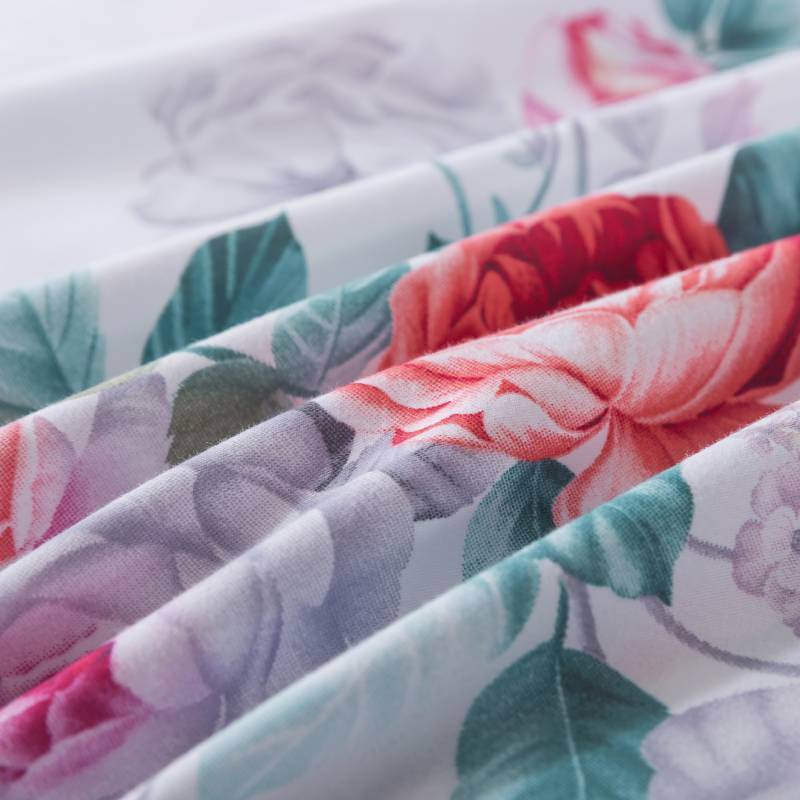
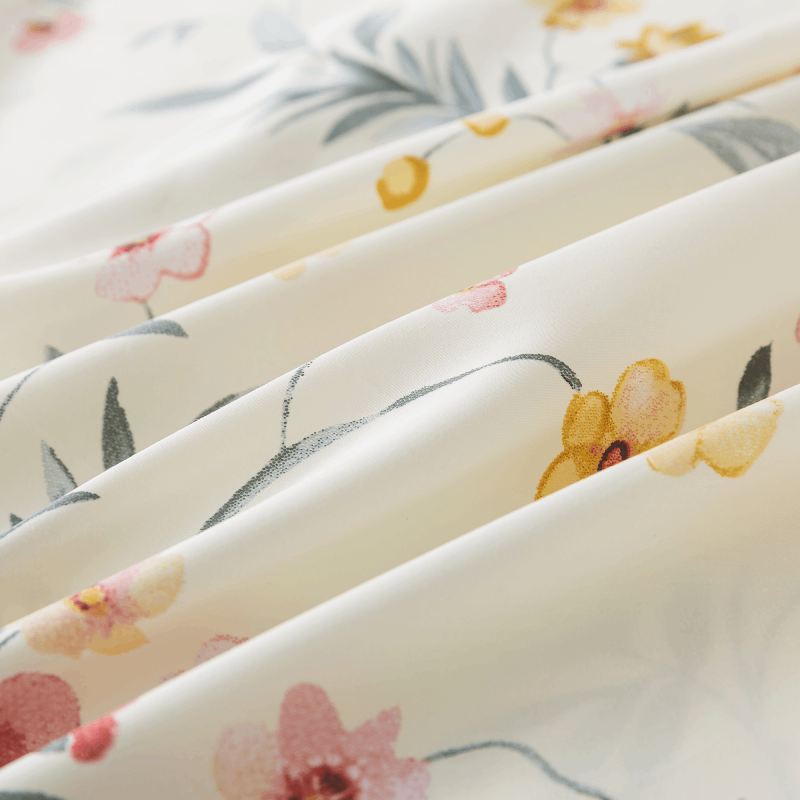
- Layered color variation (gradients, tonal shifts, subtle contrasts) adds depth and dimension.
When colors interact dynamically, patterns appear more complex and alive. Even a simple motif can feel vibrant if the color palette introduces nuance.
The Role of Imperfection
Perfection often leads to stillness. Imperfection introduces life.
Hand-drawn elements, irregular spacing, or slight asymmetry can make a pattern feel more human and less mechanical. This is why handcrafted textiles or designs inspired by traditional techniques often feel warmer and more engaging.
In contrast, overly precise patterns—while technically flawless—can feel sterile.
Emotional Impact in Everyday Spaces
In environments like bedrooms, the distinction between static and alive patterns becomes especially important.
A static pattern may create a sense of order, but it can also feel impersonal. An alive pattern, on the other hand, contributes to emotional comfort. It adds softness, visual interest, and a subtle sense of movement that makes a space feel lived-in and inviting.
For bedding, this often translates into choosing designs that balance structure with organic flow—patterns that are cohesive but not overly rigid.
Finding the Right Balance
It’s important to note that neither static nor dynamic patterns are inherently better. The key lies in balance.
- Too much rigidity can feel cold and monotonous.
- Too much variation can feel chaotic and overwhelming.
The most effective designs often sit in between—structured enough to feel intentional, but varied enough to feel alive.
Conclusion
The difference between patterns that feel static and those that feel alive comes down to a combination of repetition, variation, form, scale, movement, color, and imperfection.
Static patterns offer clarity and control. Alive patterns offer energy and emotion.
In design—especially in textiles and bedding—the goal is not simply to decorate a surface, but to create an experience. Patterns that feel alive do more than fill space; they engage the senses, reflect the rhythms of nature, and bring warmth into everyday life.
And ultimately, that subtle sense of life is what transforms a pattern from something you see into something you feel.