

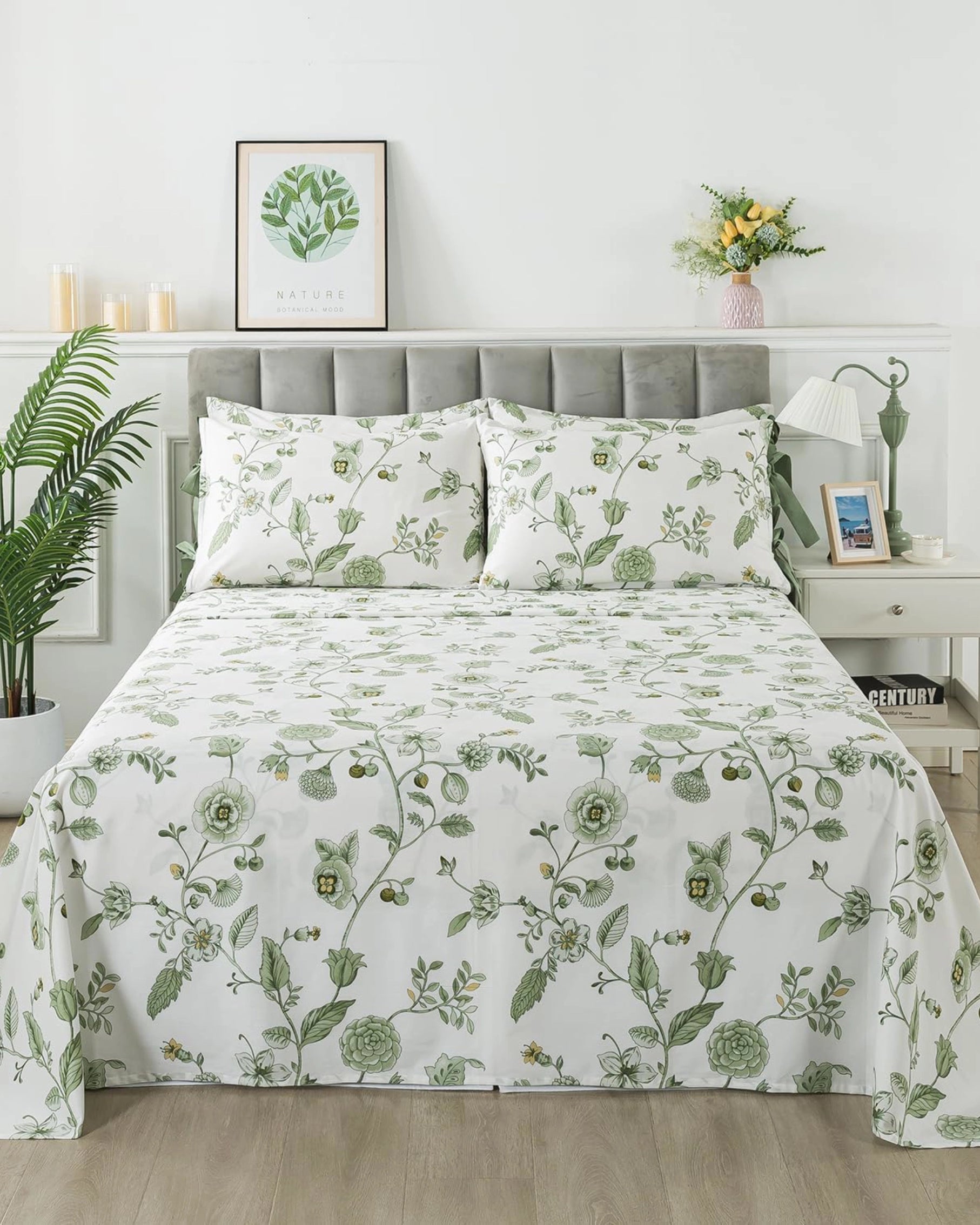


When selecting bedding, most people focus on appearance—colors, patterns, and how well it matches their bedroom décor. However, one of the most critical yet often underestimated factors is touch. The way bedding feels against your skin directly impacts your comfort, relaxation, and ultimately, your sleep quality.
Why Touch Is Essential
Your body remains in constant contact with bedding for hours each night. If the fabric feels rough, stiff, or traps heat, it can disrupt your ability to relax—even subconsciously. In contrast, bedding that feels soft, breathable, and gentle helps your body unwind, making it easier to fall asleep and stay asleep.
Touch is a multi-dimensional experience that includes:
- Softness – how smooth or gentle the fabric feels
- Texture – whether it feels crisp, silky, or slightly textured
- Weight – light and airy versus dense and enveloping
- Temperature – cool-to-the-touch or warm and insulating
These elements combine to form the overall tactile experience, which plays a major role in sleep comfort.
How Fabric Influences Feel
Cotton: Balanced and Reliable
Cotton is widely regarded as one of the most comfortable bedding materials. Its natural fibers create a soft, breathable surface that works well across different climates and seasons.
High-quality cotton bedding typically:
- Feels soft without being overly slippery
- Allows air circulation, reducing heat buildup
- Becomes even softer with repeated washing
Variants like double gauze cotton offer a slightly textured, airy feel that many people associate with relaxed, everyday comfort.
Sateen vs. Percale: Two Distinct Sensations
Even within cotton bedding, the weave structure significantly affects how the fabric feels.
-
Sateen
- Smooth and silky
- Slightly heavier and warmer
- Drapes closely to the body
-
Percale
- Crisp and cool
- Lightweight and breathable
- Feels fresh and structured
Neither is inherently better—the choice depends entirely on personal tactile preference.
Linen: Natural and Textured
Linen offers a more textured, organic feel compared to cotton. Initially, it may feel slightly coarse, but it softens over time and develops a unique, lived-in softness.
Its key tactile qualities include:
- Excellent breathability
- Moisture-wicking properties
- A relaxed, slightly wrinkled texture
Linen is especially appealing to those who prefer a more natural and less “polished” feel.

The Emotional Impact of Touch
Touch is not only physical—it also affects how you feel emotionally. Bedding that feels soft and breathable can signal comfort and safety, helping your body transition into a restful state.
Different tactile experiences can evoke different responses:
- Light and airy fabrics can feel calming and freeing
- Heavier, enveloping materials can provide a sense of security
This psychological dimension makes touch a key factor in creating a sleep environment that supports both physical and mental relaxation.
Long-Term Feel Matters
Initial softness is important, but how bedding performs over time is even more critical. Some fabrics may feel soft at first but lose their quality after washing, while others improve with use.
Durable, high-quality bedding should:
- Maintain its softness over time
- Resist pilling and roughness
- Continue to feel comfortable after repeated washing
Natural fibers like cotton and linen are often better at retaining and enhancing their tactile qualities over time.
How to Choose Bedding Based on Touch
To make the right choice, consider the following:
-
Prioritize material quality
Look for natural fibers such as cotton or linen for better comfort and breathability. -
Match your sleep preferences
- If you sleep hot, choose lightweight and breathable fabrics
- If you prefer warmth, opt for smoother and slightly heavier materials
-
Think beyond the first impression
Consider how the fabric will feel after multiple washes and long-term use. -
Pay attention to texture
Decide whether you prefer silky smoothness, crisp freshness, or soft texture. -
Balance comfort and practicality
The best bedding should feel good not just on the first night, but every night.
Conclusion
Touch plays a fundamental role in choosing the right bedding. It influences how quickly you relax, how comfortably you sleep, and how satisfied you feel over time. While visual appeal may draw your attention, it is the tactile experience that ultimately defines your nightly comfort.
By focusing on how bedding feels—not just how it looks—you can create a sleep environment that truly supports rest, relaxation, and long-term well-being.