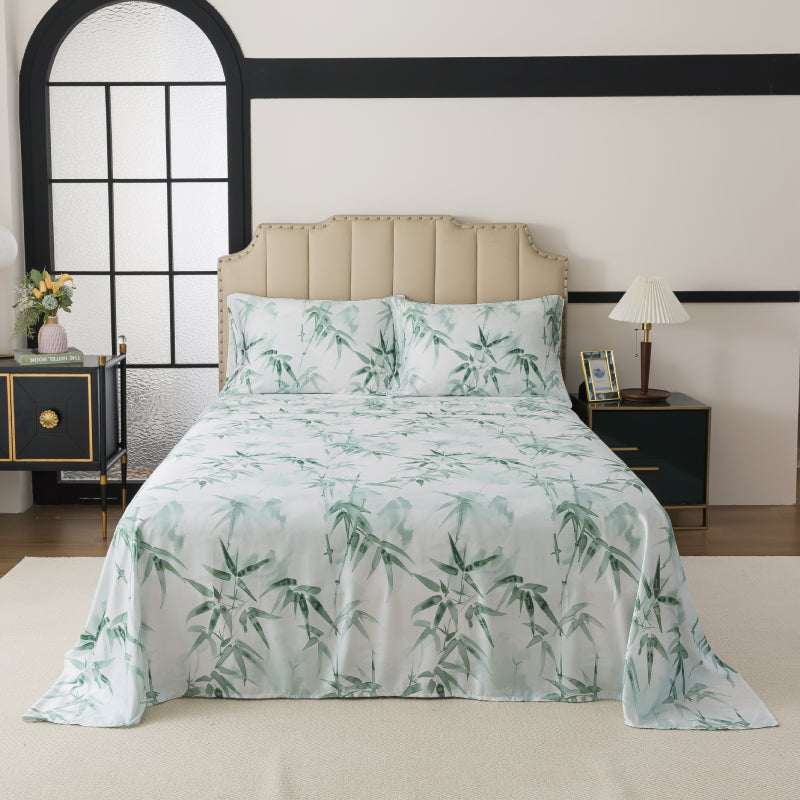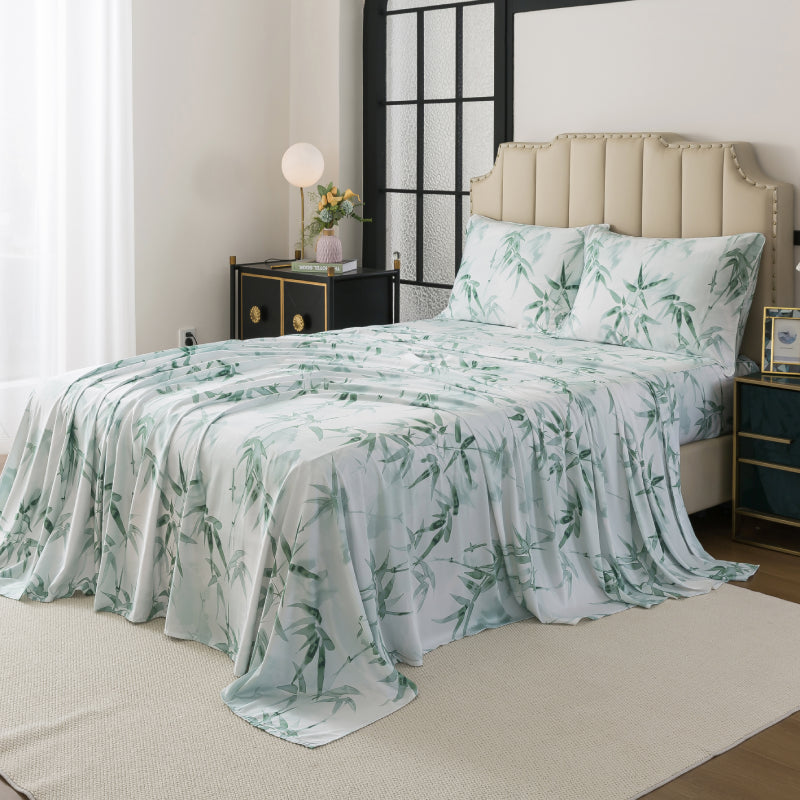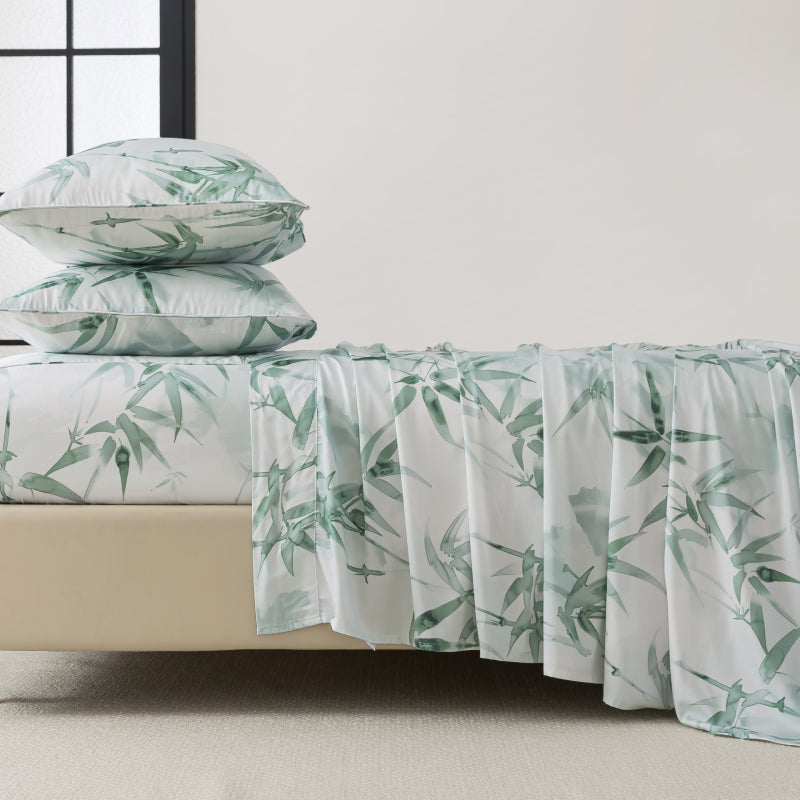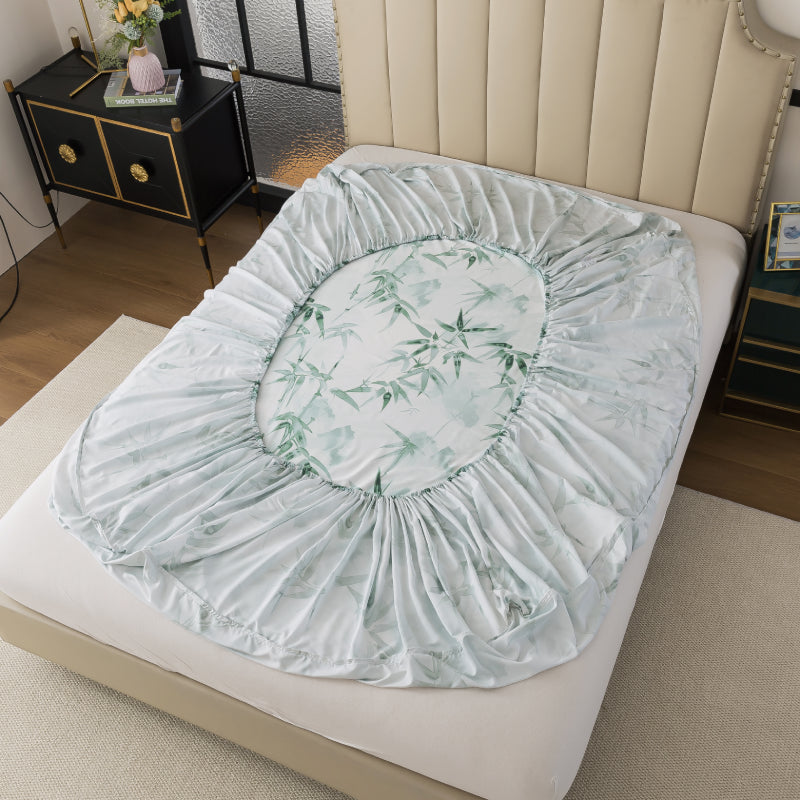


Visual balance is one of the most important qualities in a home, yet it’s often the hardest to define. You can feel it immediately when you walk into a well-designed space: nothing feels too heavy, too empty, or too sharp. The room feels calm, connected, and easy to be in. And while balance is shaped by furniture placement, lighting, and color, one of the most powerful tools for creating it is often overlooked—soft patterns.
Soft patterns don’t dominate. They don’t shout for attention. Instead, they work quietly in the background, guiding the eye through a room and helping every element feel more intentional.
What Soft Patterns Really Are
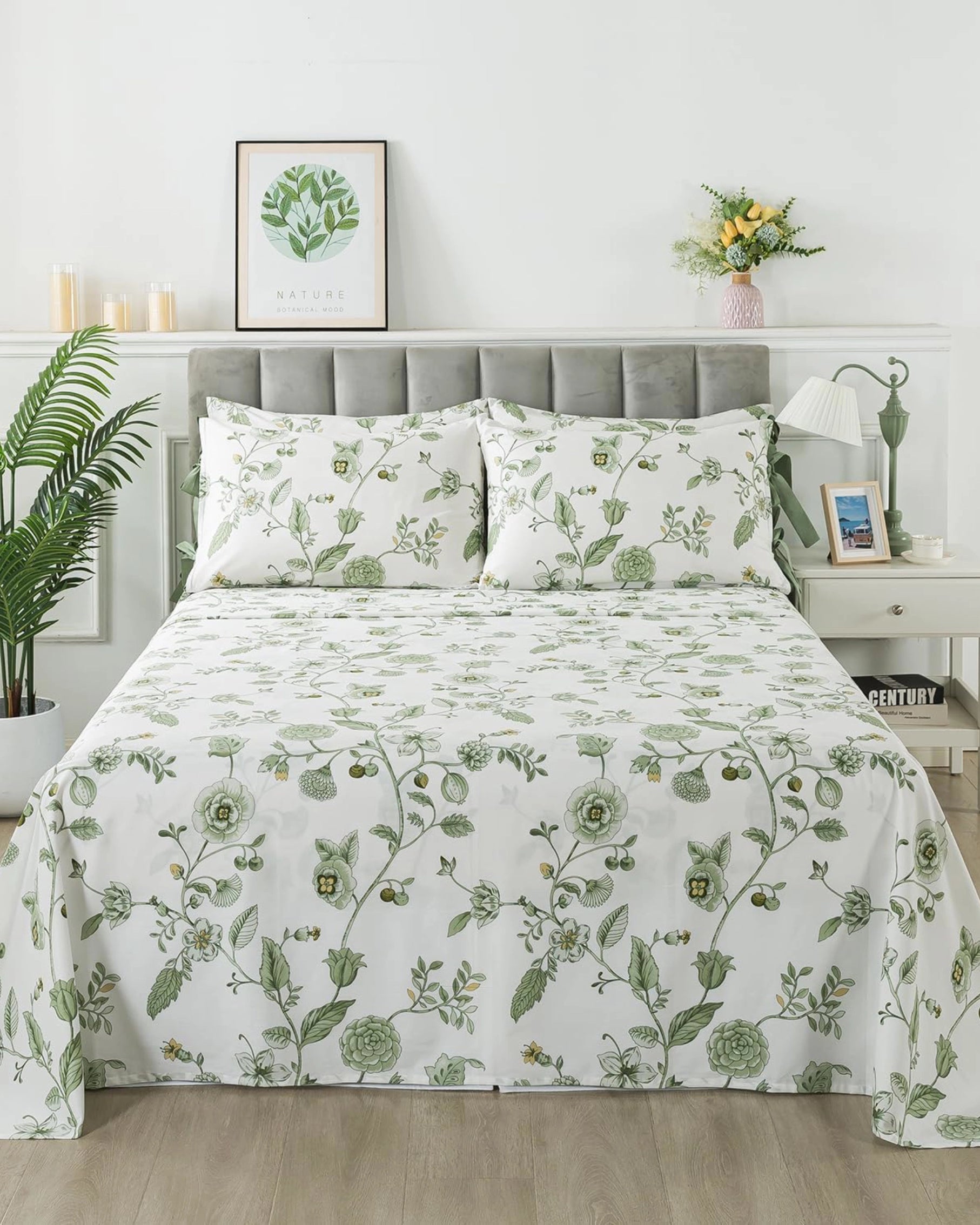
Soft patterns are not defined by a specific style. They can be florals, subtle geometrics, tonal stripes, or organic textures. What makes them “soft” is their low visual pressure:
-
gentle contrast instead of sharp contrast
-
muted or blended colors
-
flowing shapes rather than rigid lines
-
spaced motifs instead of crowded repetition
These patterns feel natural to look at. They offer detail without becoming distracting—making them especially useful in bedrooms and living spaces where calm matters.
How Patterns Affect Visual Weight
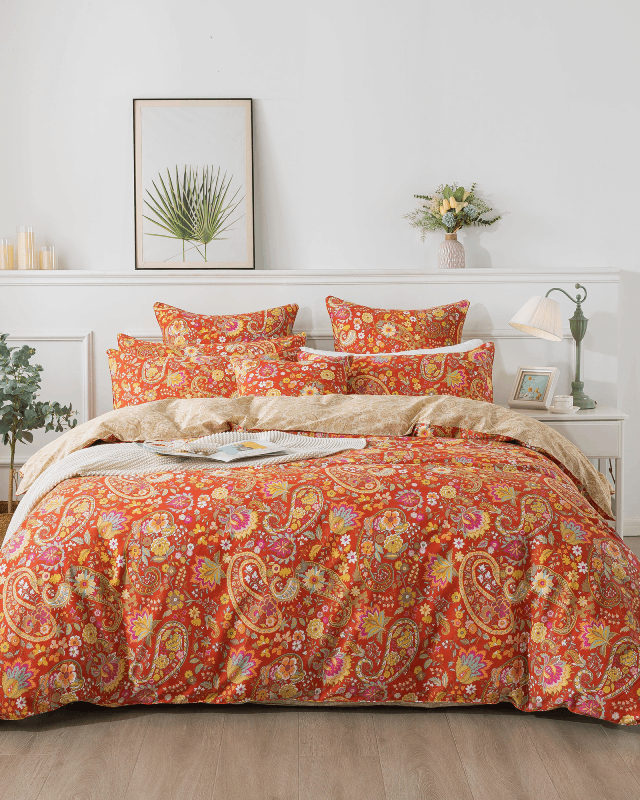
Every object in a room has visual weight. Dark colors, bold prints, and sharp shapes feel heavier. Light tones, smooth textures, and soft edges feel lighter.
A room that’s too heavy feels crowded. A room that’s too light feels unfinished. Soft patterns help solve both problems by adding visual substance without adding visual noise.
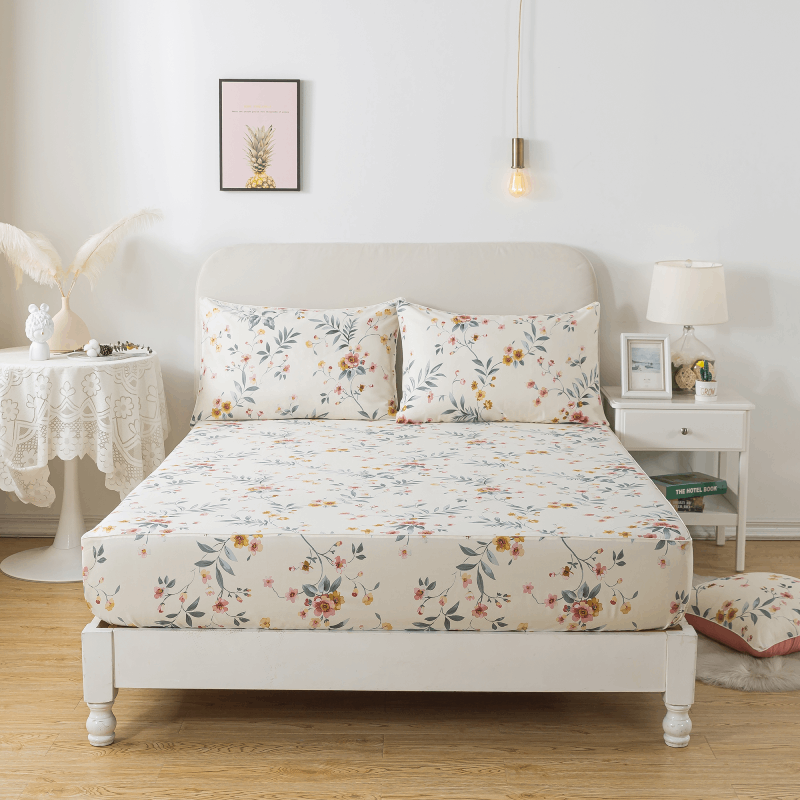
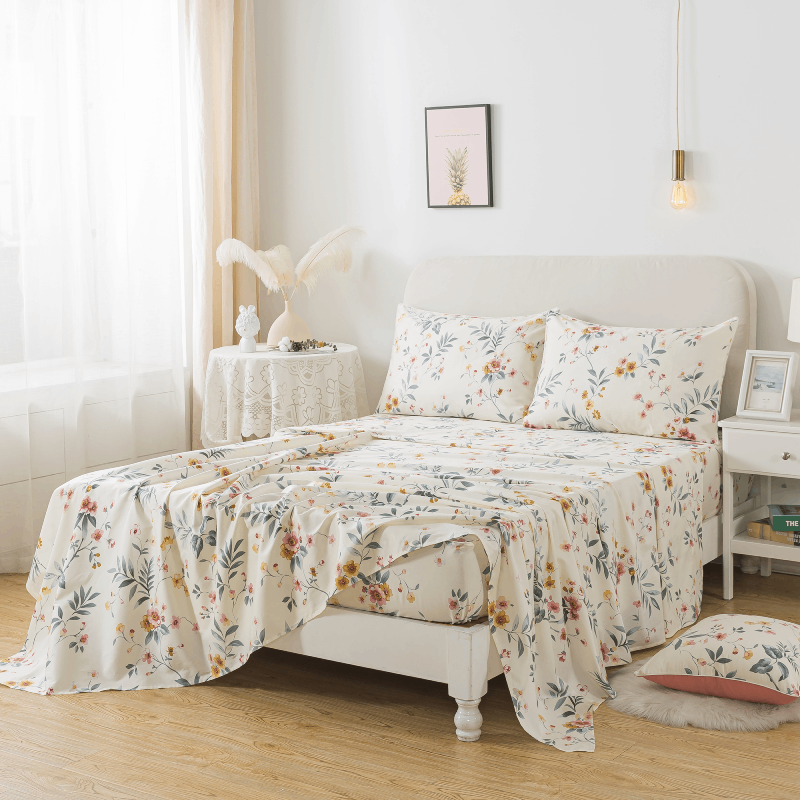
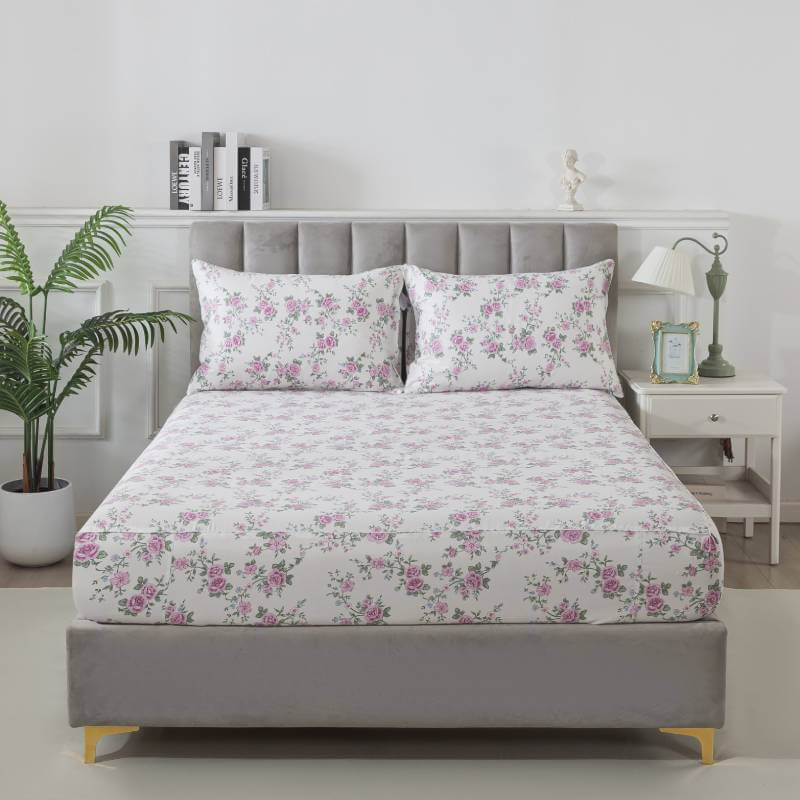
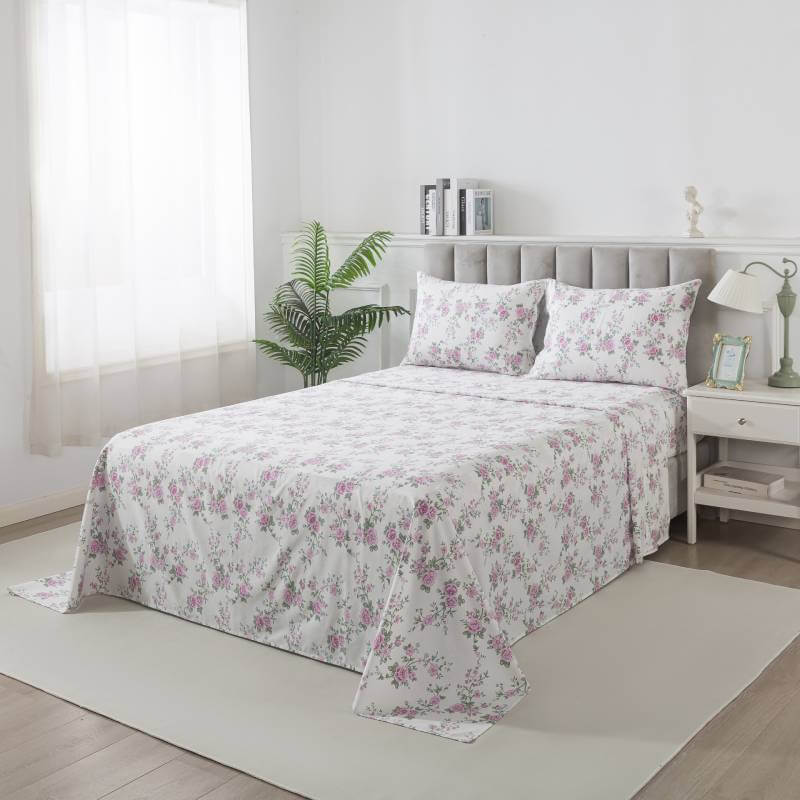
For example, a neutral room can sometimes feel flat. Adding softly patterned bedding or cushions introduces depth, making the space feel warm and complete—without breaking the calm atmosphere.
Soft Patterns Create “Resting Places” for the Eye
Balance isn’t only about where furniture sits. It’s also about how the eye moves.
Rooms with too many bold statements can be visually exhausting. Rooms with no variation can feel empty. Soft patterns create a middle ground: they give the eye something to land on gently, without demanding focus.
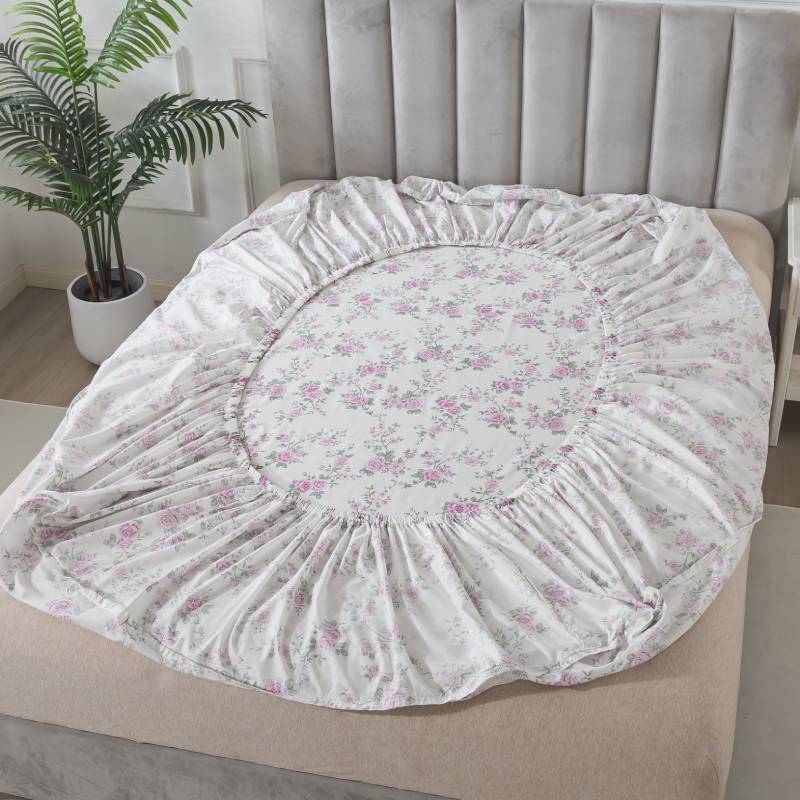
This matters most in spaces where you want the mind to relax, such as a bedroom. A soft floral quilt, for instance, can feel like a quiet background layer—subtle but present—helping the room feel emotionally calm.
They Connect Different Elements Naturally
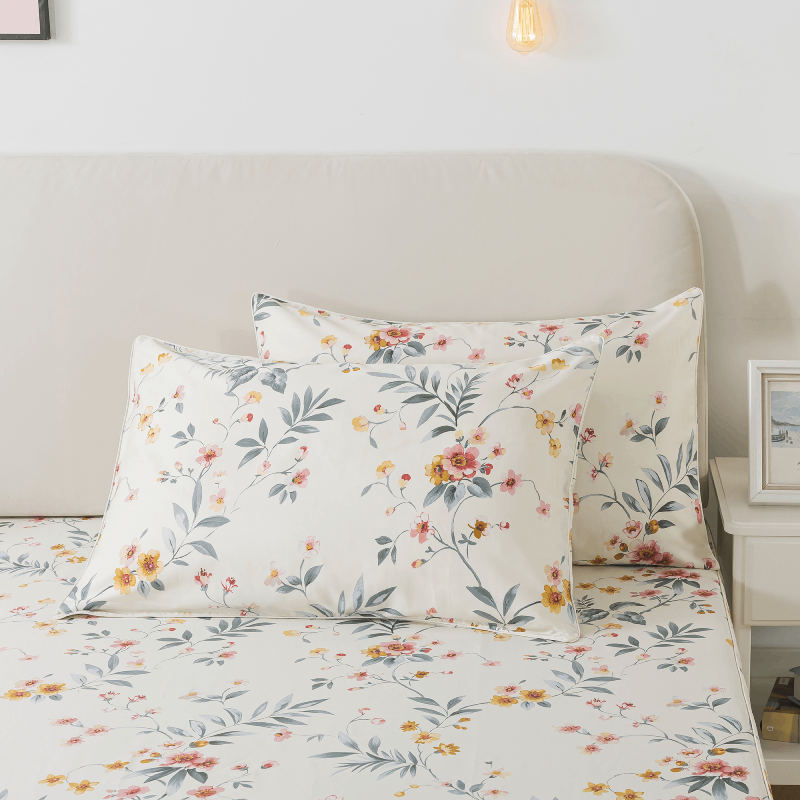
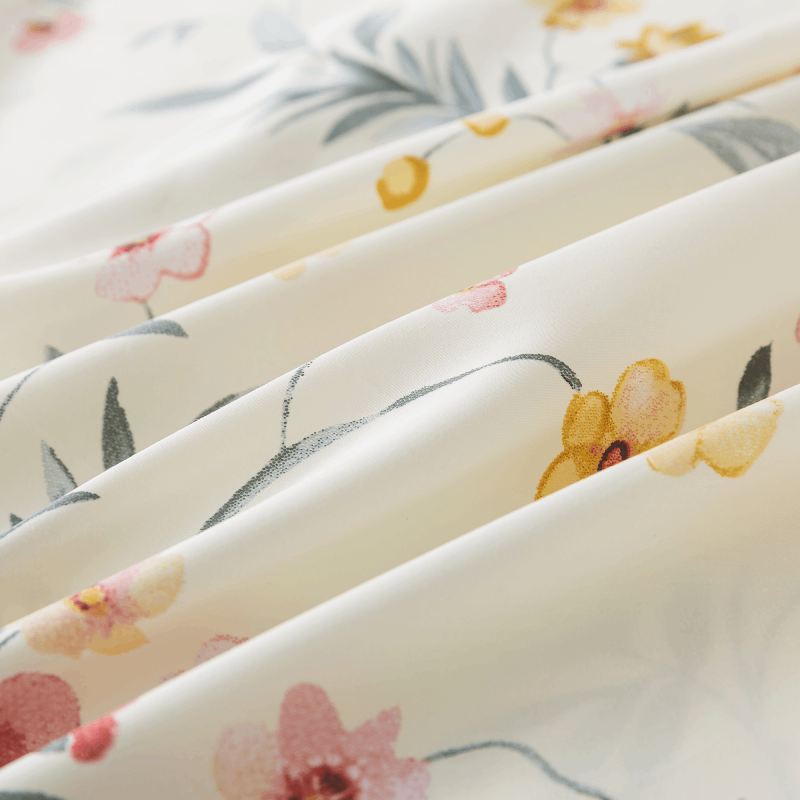
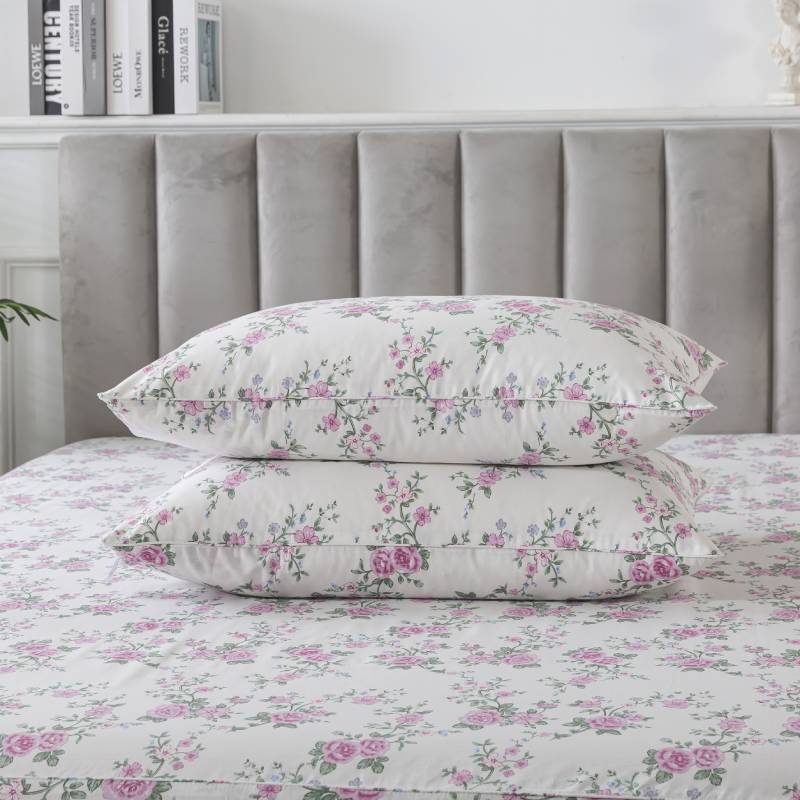
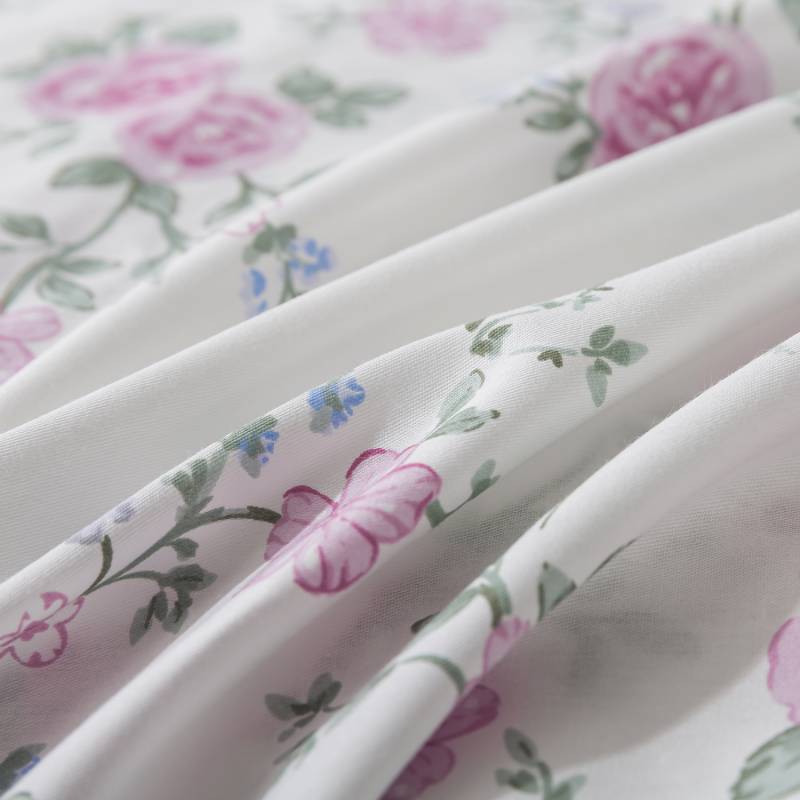
One reason soft patterns create balance is that they often contain multiple tones within one design. A subtle floral print might include hints of cream, soft blue, light green, and warm beige—all in one fabric.
This makes it easier for the room to feel cohesive because the pattern naturally links:
-
bedding to wall color
-
pillows to furniture tones
-
rugs to decor accents
Instead of needing perfect matching pieces, a soft pattern ties everything together with ease.
The Best Pattern Is Often the One You Don’t Notice Immediately
Strong patterns are designed to be noticed right away. Soft patterns are designed to be lived with.
They reveal themselves slowly—through texture, layering, and gentle movement in light. This is why they tend to feel timeless. They don’t rely on visual shock to create impact.
In fact, a room with soft patterns often feels better over time because it stays visually comfortable in daily life, not just in photos.
Using Soft Patterns Without Overstyling
A common mistake is trying to use too many patterned pieces at once. Even soft patterns can become busy if they compete.
A balanced approach usually looks like this:
-
one main soft pattern (bedding, rug, or curtains)
-
supporting solids in similar tones
-
one or two textured pieces for depth (knit throw, quilted blanket)
This creates a layered look that feels calm instead of cluttered.
Why Soft Patterns Feel “Right” in Real Homes
Real homes are not showrooms. Bedding wrinkles. Pillows move. Light shifts. Life happens.
Soft patterns handle real life gracefully because they are forgiving. They don’t look messy when things aren’t perfectly arranged. They work with movement, not against it.
That’s one reason they feel balanced: they don’t require control to stay beautiful.
Visual Balance Is a Feeling, Not a Rule
The goal of balance isn’t perfection. It’s ease.
Soft patterns help achieve that ease by bringing gentle detail, quiet rhythm, and emotional softness into a room. They make spaces feel calmer, warmer, and more livable—without needing a complete redesign.
In the end, the role of soft patterns is simple:
they help a home feel like it holds you, rather than asks you to keep up with it.