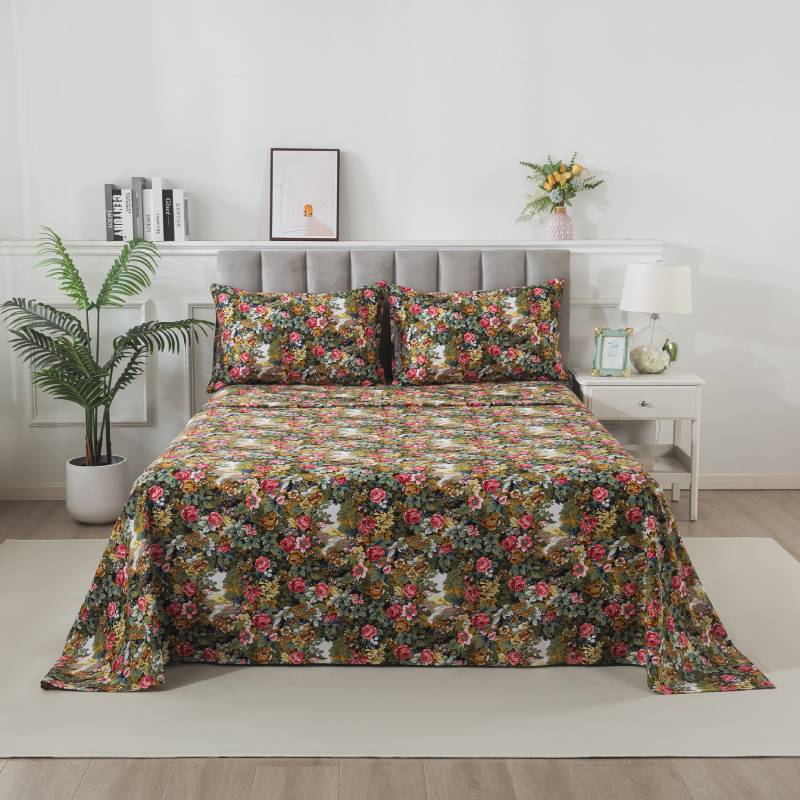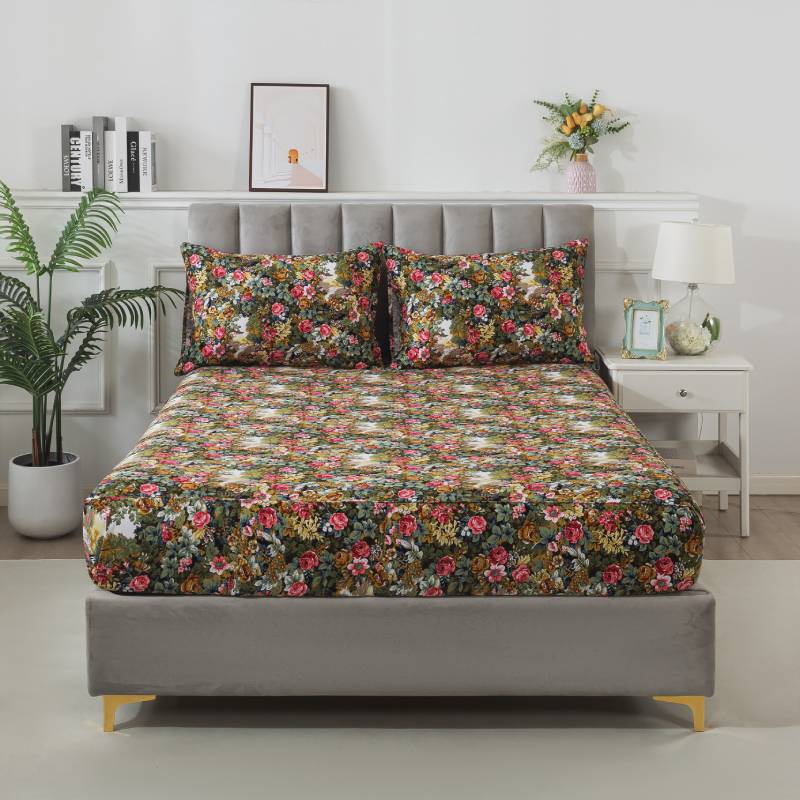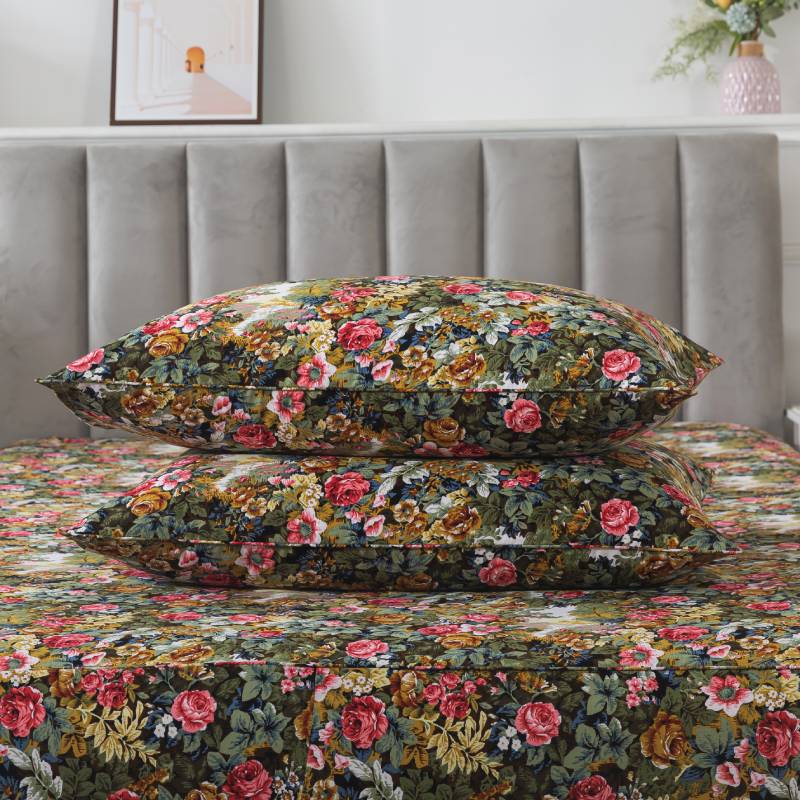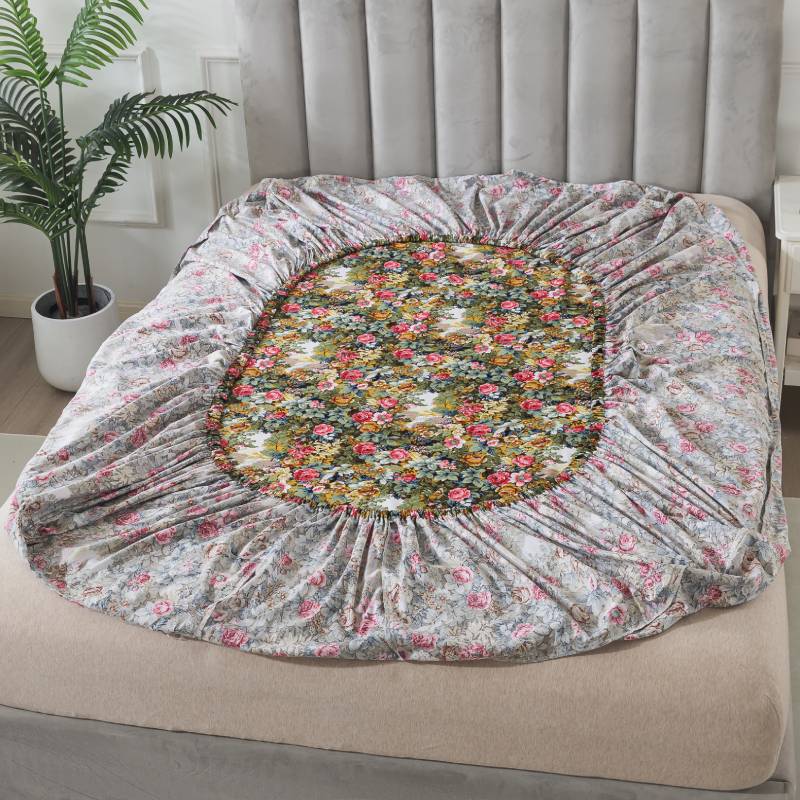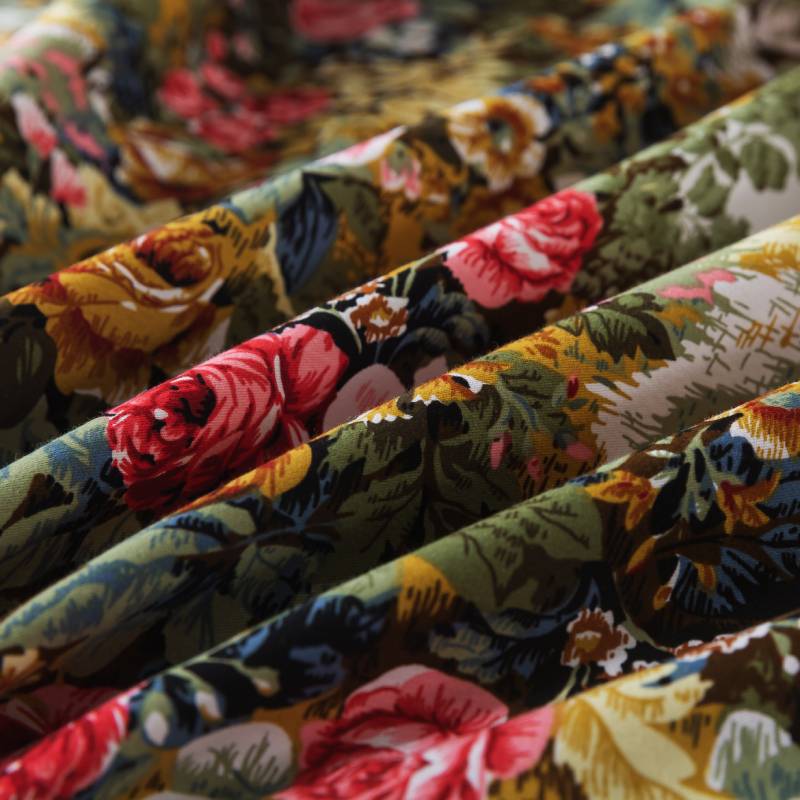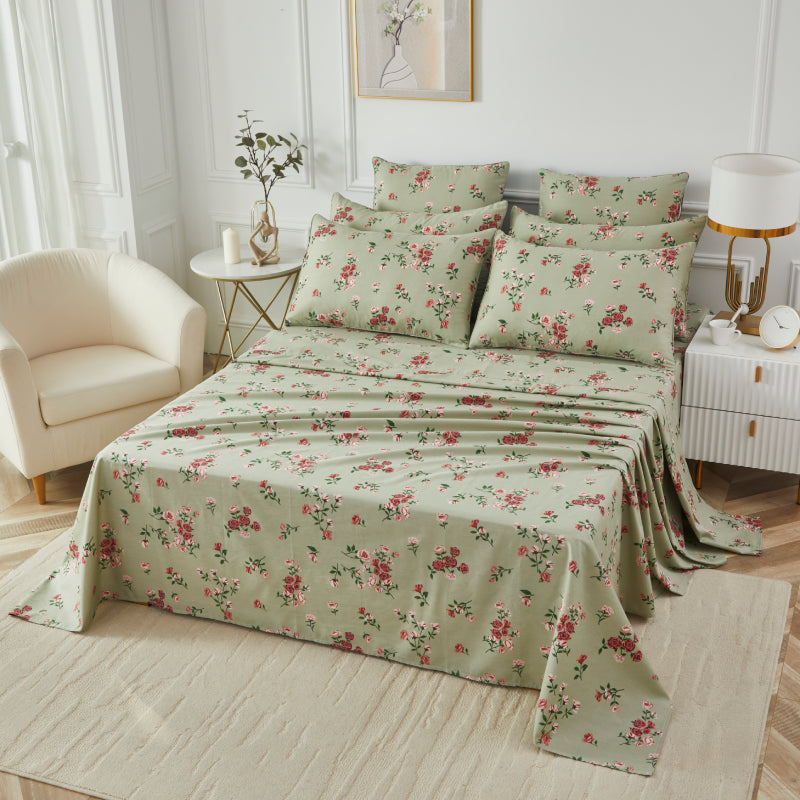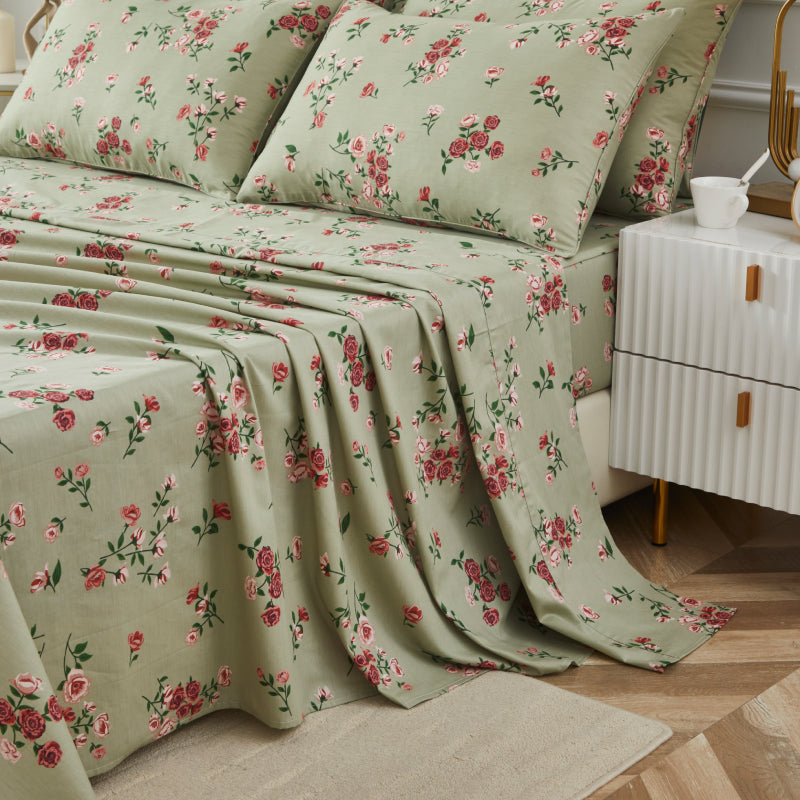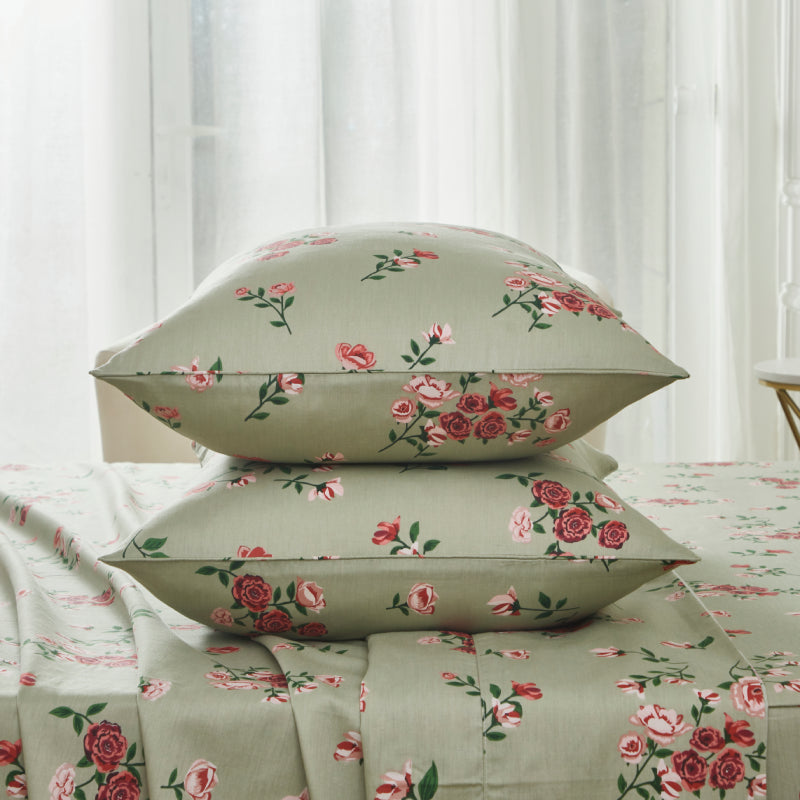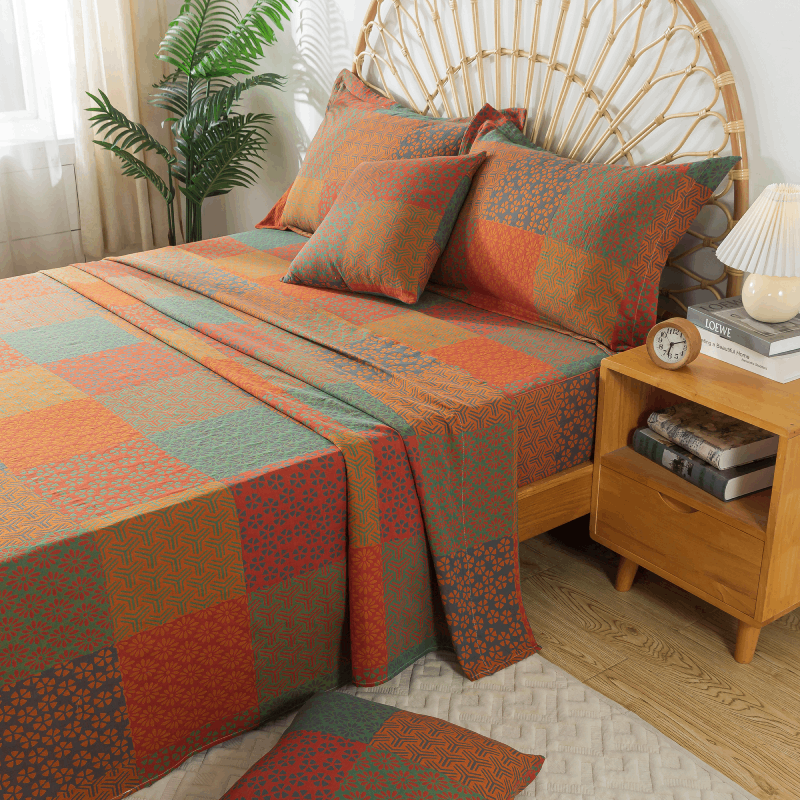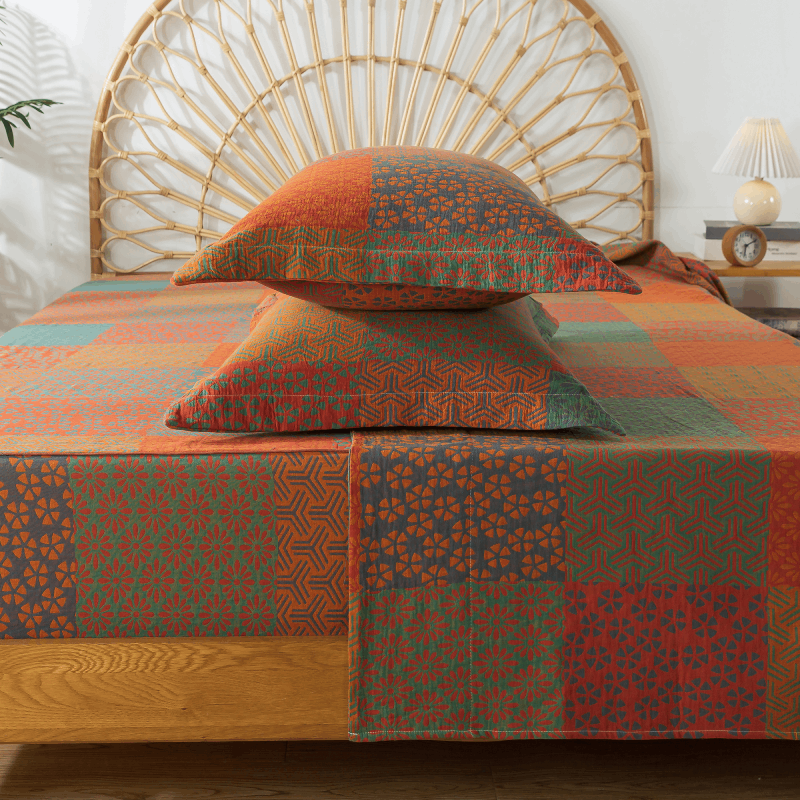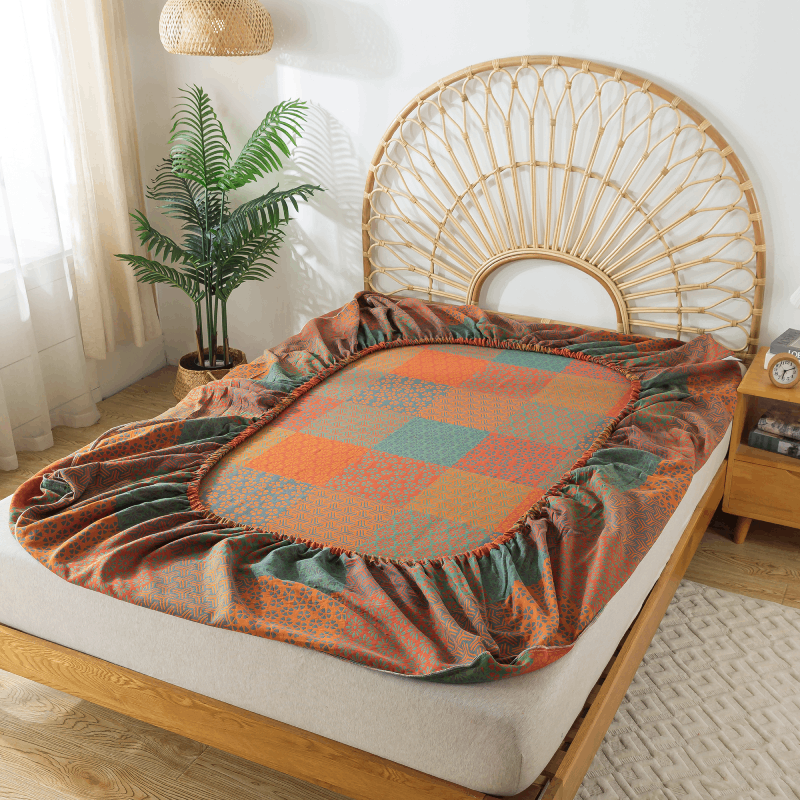
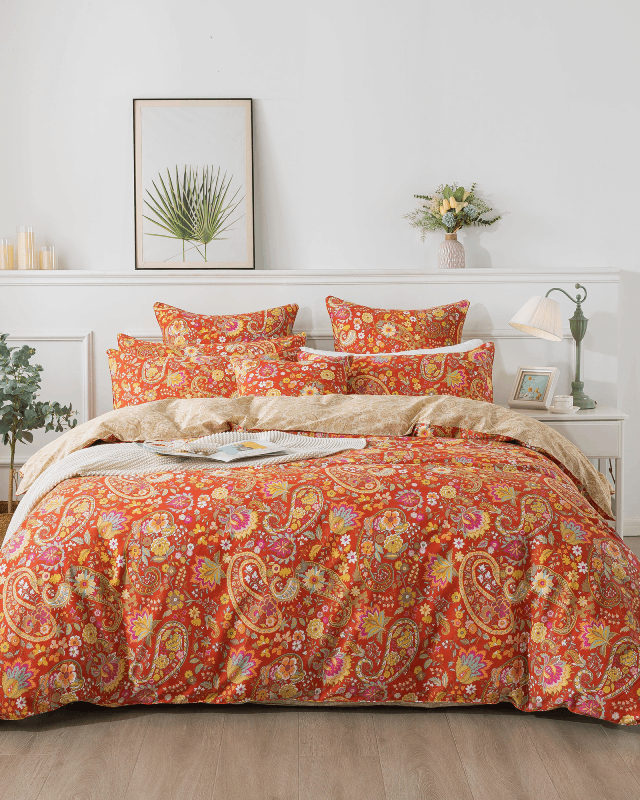
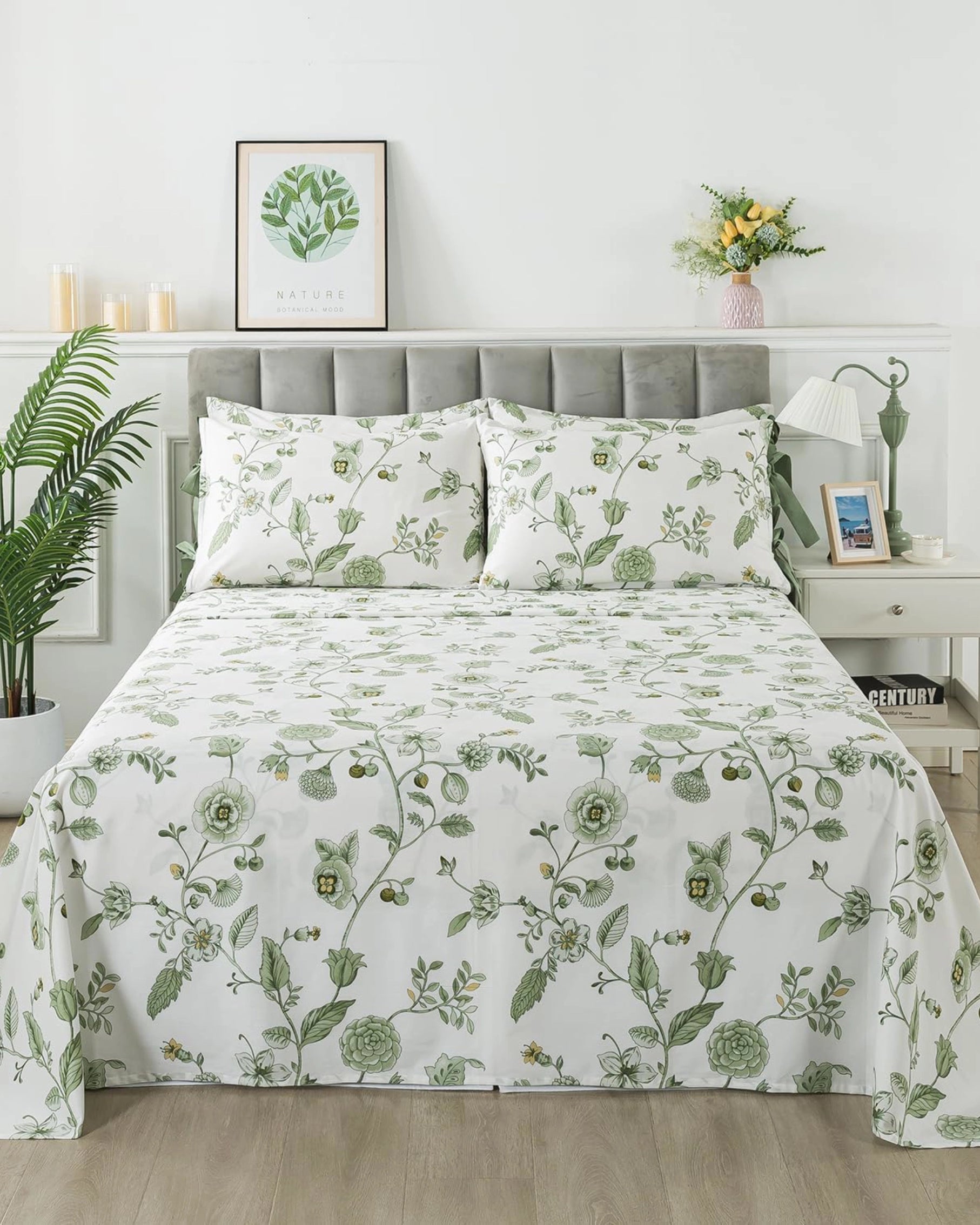


Minimalist interiors have become synonymous with calm: clean lines, empty surfaces, and monochrome palettes that bring clarity to cluttered lives. But for many, a minimalist home can slowly start to feel distant—elegant, yes, but emotionally flat. The solution isn’t abandoning minimalism, but evolving it. And one of the most effective (yet gentle) ways to do that is through subtle florals.
Rather than disrupt minimalism’s simplicity, subtle florals complement it—adding softness, humanity, and warmth without overwhelming the space.
When Minimalism Starts to Feel Cold
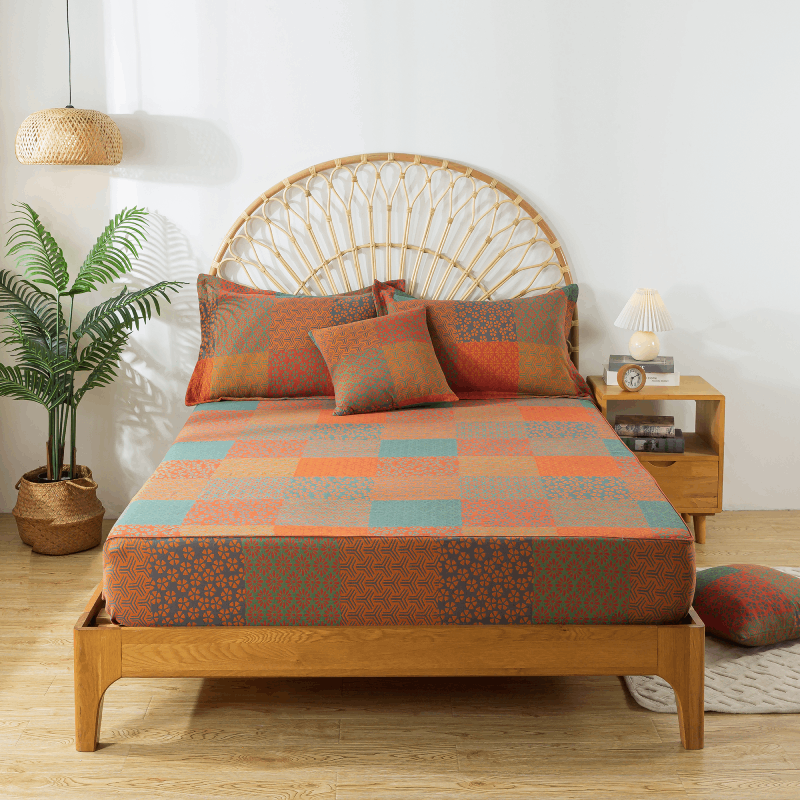
Minimalism has long promised relief from the chaos of modern life. But over time, its restraint can turn into sterility. All-white bedding, black frames, and neutral walls can become too quiet, creating a space that looks polished but lacks personality.
If you’ve ever walked into your minimalist bedroom and felt that it was missing “something,” you’re not alone. That something is often softness—not just in texture, but in emotion.
Subtle Florals as a Natural Counterbalance
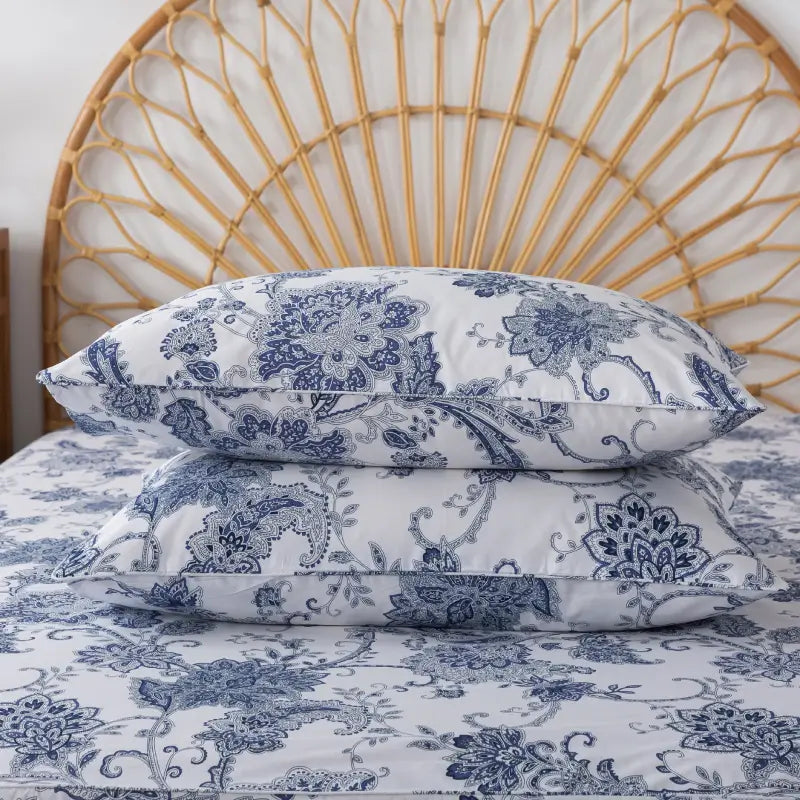
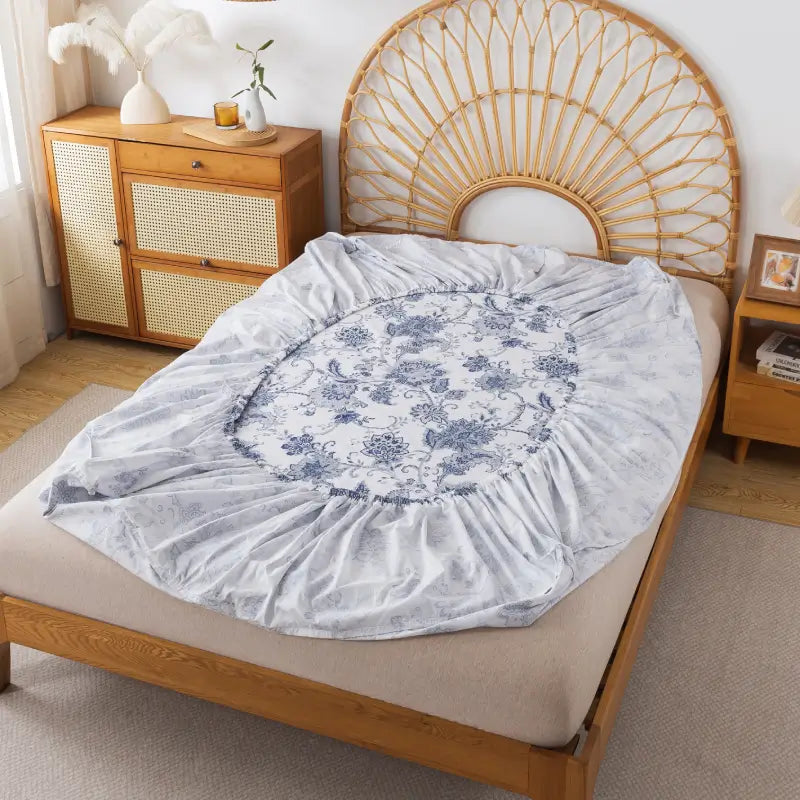
Florals may sound like the opposite of minimalism, but when done with restraint, they’re actually the perfect counterpart.
The right floral pattern doesn’t shout. It whispers.
Subtle florals rely on:
-
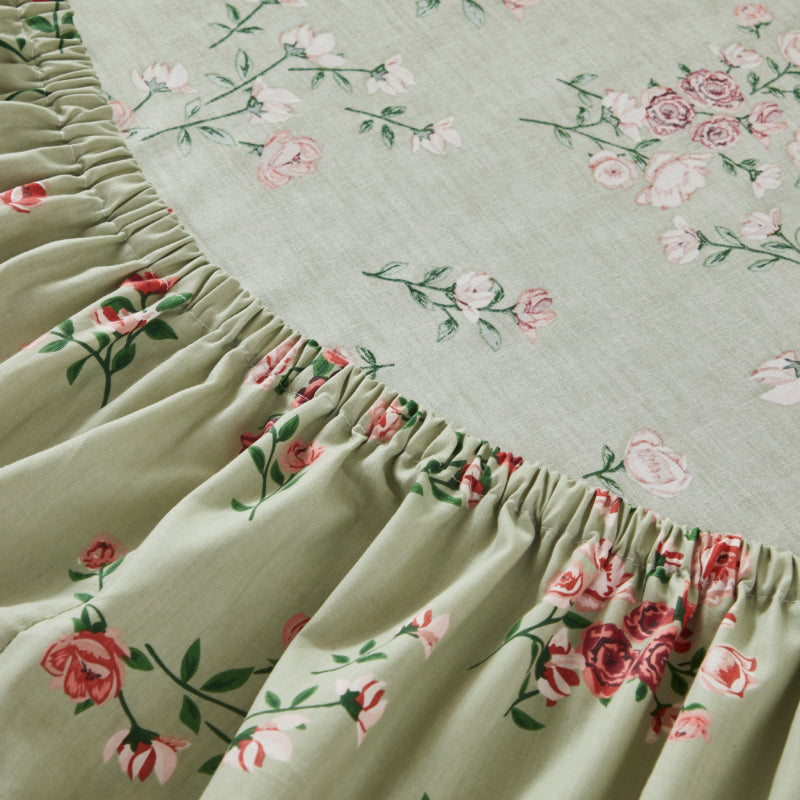
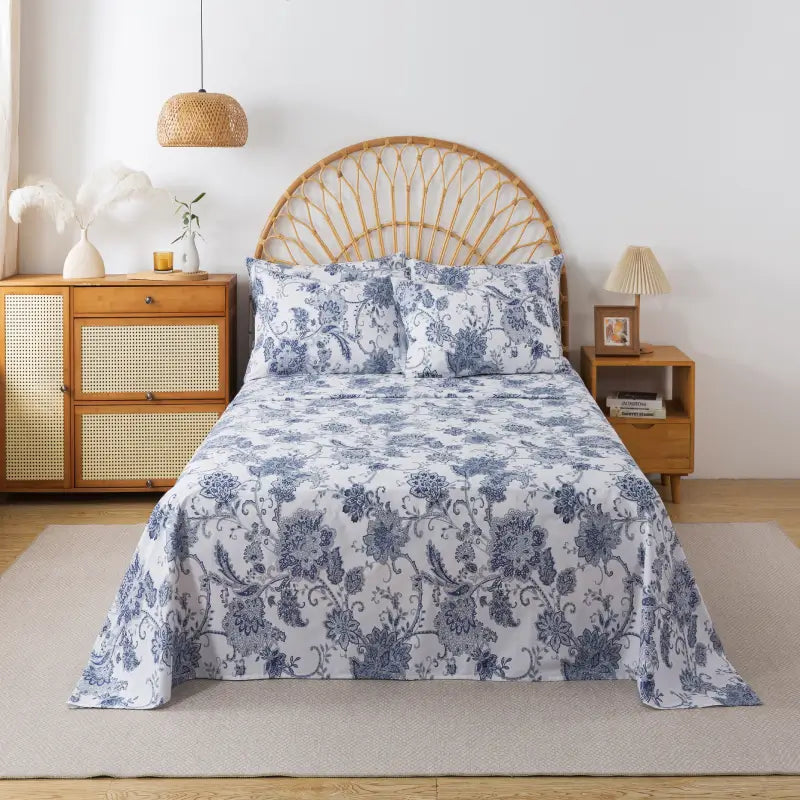
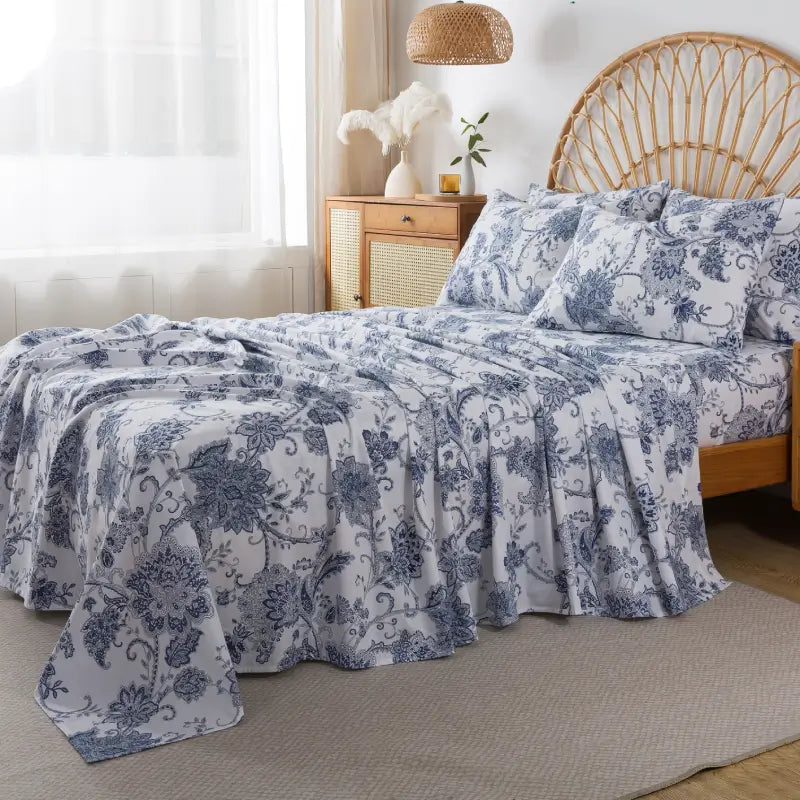
Soft color palettes (think washed blue, muted sage, warm ivory)
-
Loose spacing between elements
-
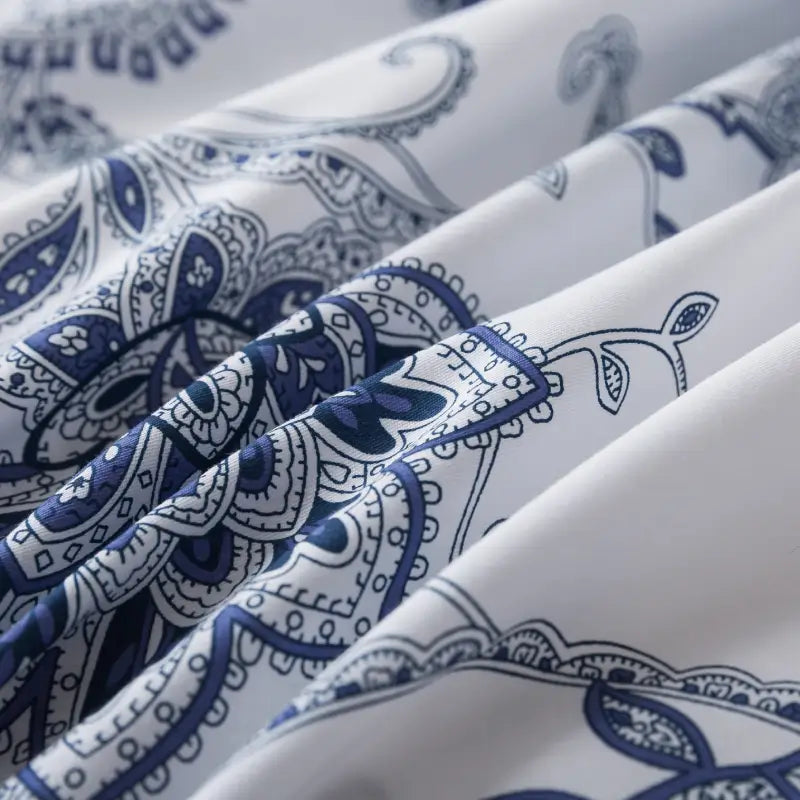
Fine details that feel delicate, not decorative
These designs don’t pull the eye away from a minimalist space. They simply soften the edges, introduce natural forms, and invite comfort.
Texture Over Decoration
In minimalist design, every element must justify its presence. Subtle florals earn their place not through decoration, but through texture and experience.
-
A lightly quilted bedspread with a barely-there botanical print adds visual depth without noise.
-
A throw pillow in soft cotton voile, patterned in small vine motifs, feels tactile and calm.
-
Curtains with faint floral shadowing allow light to pass through while adding character.
In this way, florals stop being “pretty” and become purposeful.

Layering Without Clutter
The minimalist fear of florals often stems from the idea that they introduce visual clutter. But subtle floral elements are easy to layer because they tend to sit quietly under everything else.
Try combining:
-
A plain linen duvet with two softly floral pillowcases
-
A floral quilt at the foot of the bed with solid-toned cushions
-
A monochrome rug layered under a chair with a delicate floral cushion
This approach adds rhythm to the space without crowding it.
Connecting the Interior to Nature
One reason subtle florals work so well in minimalist homes is because they echo natural elements. Where minimalism often emphasizes structure and geometry, florals bring in irregularity and softness—just like in nature.
You don’t need to display plants on every surface to bring the outdoors in. A soft rose pattern or leafy print in neutral tones creates the same effect—a quiet nod to the organic world.
When Less Still Feels Like More
Ultimately, the power of subtle florals in minimalist spaces lies in their ability to add emotion without adding distraction. They don’t require you to give up simplicity. Instead, they give that simplicity more depth.
If your space feels clean but not cozy, polished but not personal, the answer isn’t more stuff—it’s the right softness.
Subtle florals don’t fight minimalism.
They finish it.
Final Thought
Minimalist design and floral elements don’t need to be at odds. With a thoughtful, restrained approach, florals can enhance minimalism—turning your home into a place that is not just sleek, but soulful. And in today’s fast-paced world, that balance of clarity and comfort is exactly what so many of us are searching for.