

A beautiful bed should do more than look inviting. It should feel inviting before you even slip beneath the covers. The soft brush of cotton against your skin, the gentle weight of a quilt, the relaxed texture of layered fabrics—these small tactile details can transform a bed from a place to sleep into a place you look forward to returning to every night.
Tactile layering is the art of building a bed through touch. Instead of focusing only on color, pattern, or styling, it considers how each layer feels against the body and how those textures work together. A thoughtfully layered bed creates comfort in stages: crispness, softness, warmth, breathability, and a sense of calm.
Start with Breathable Cotton
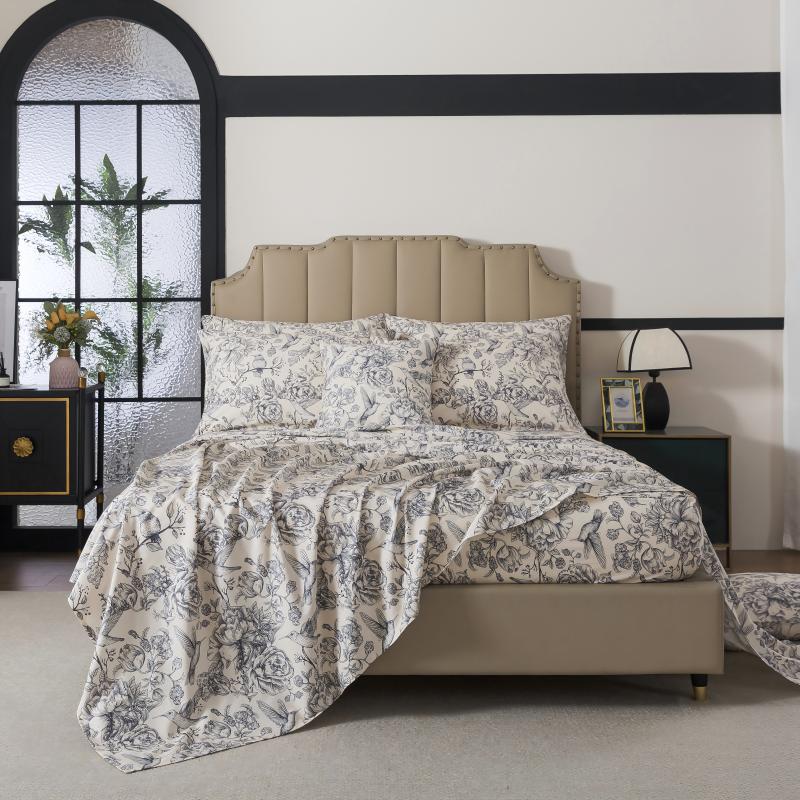
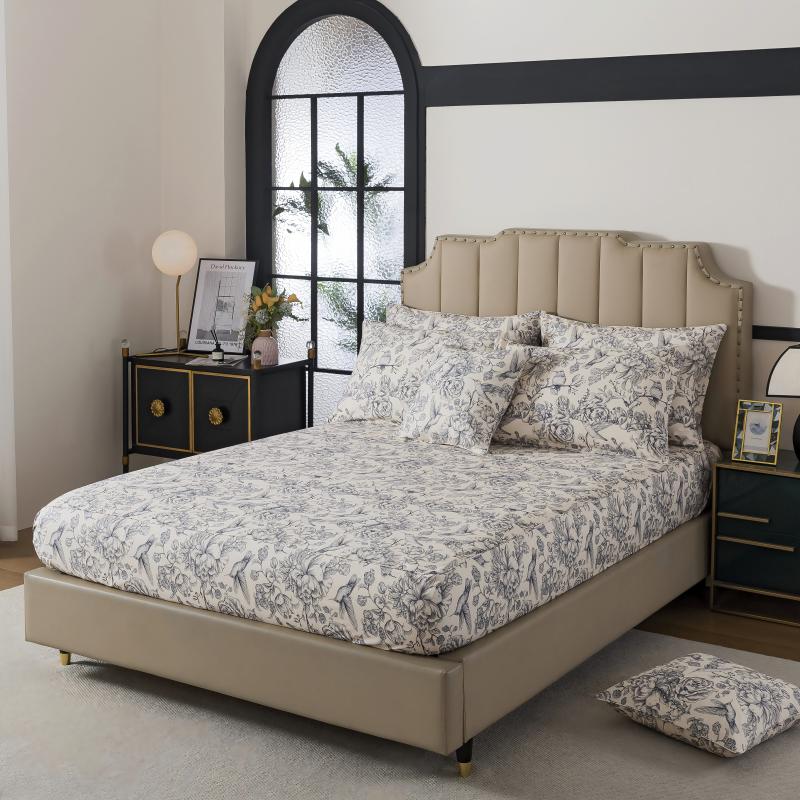
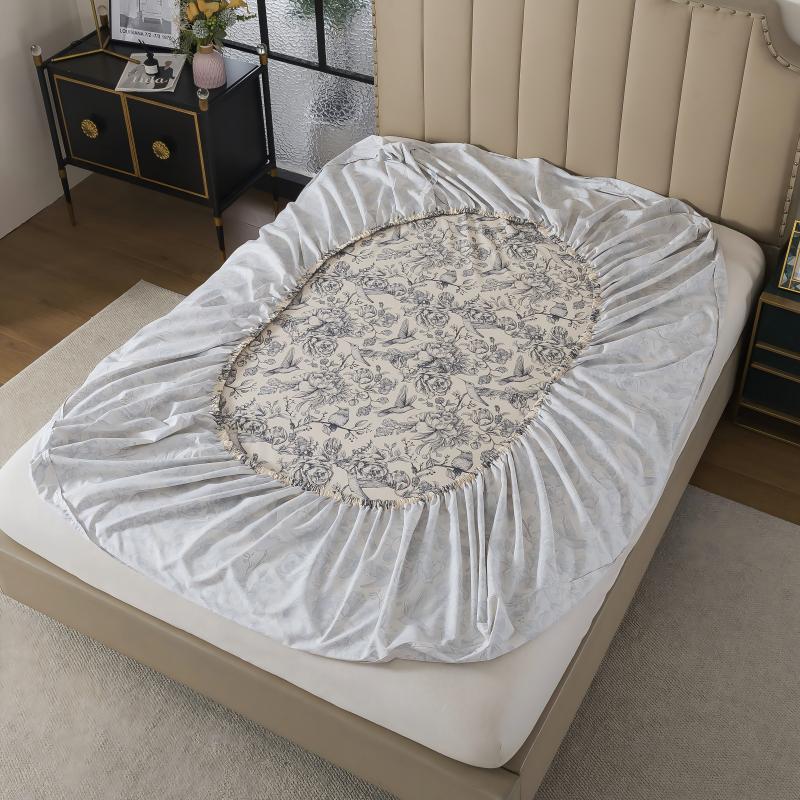
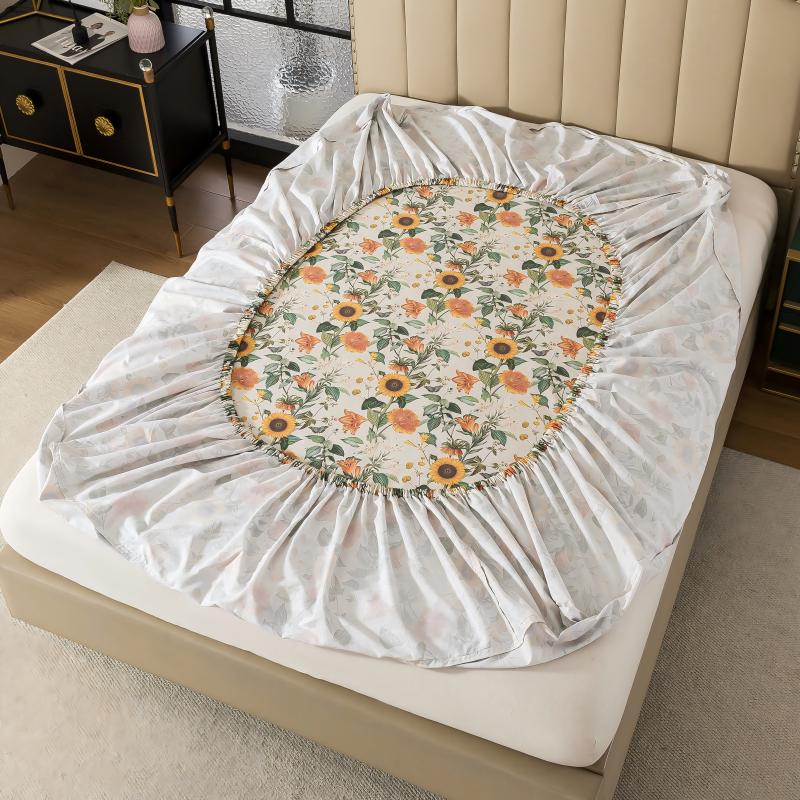
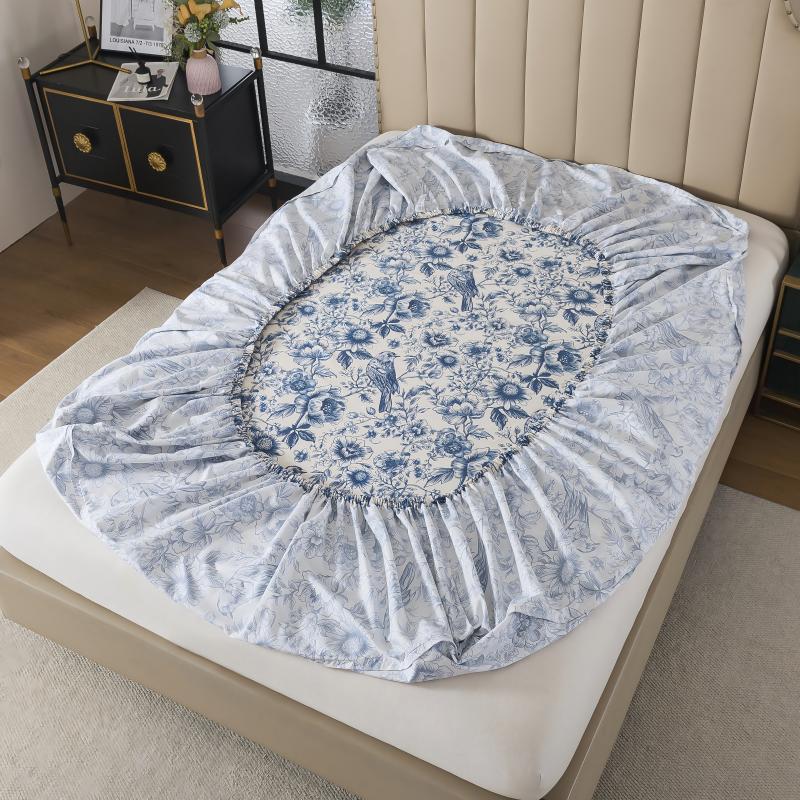
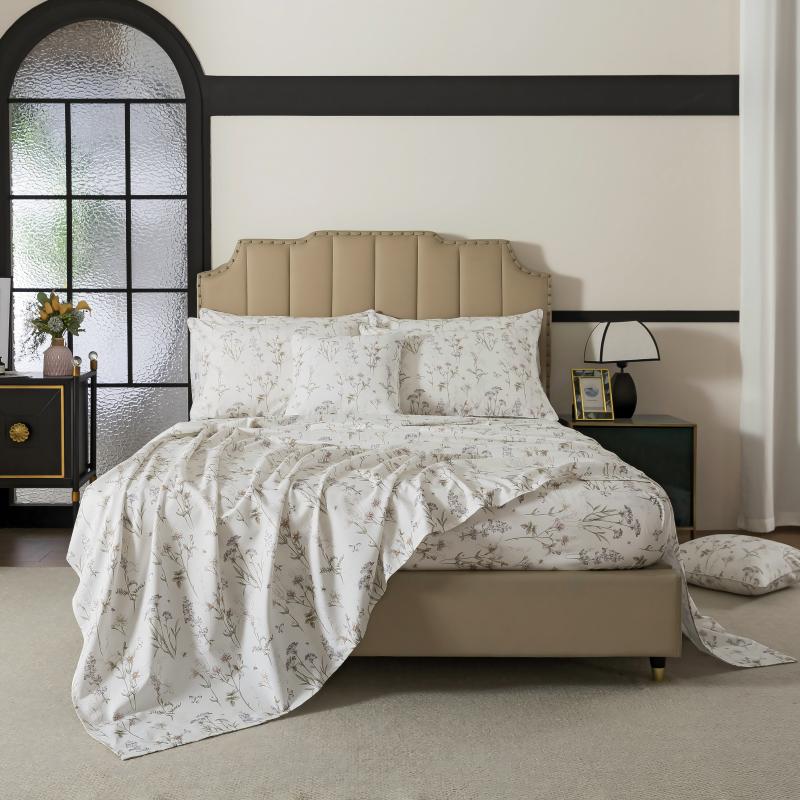
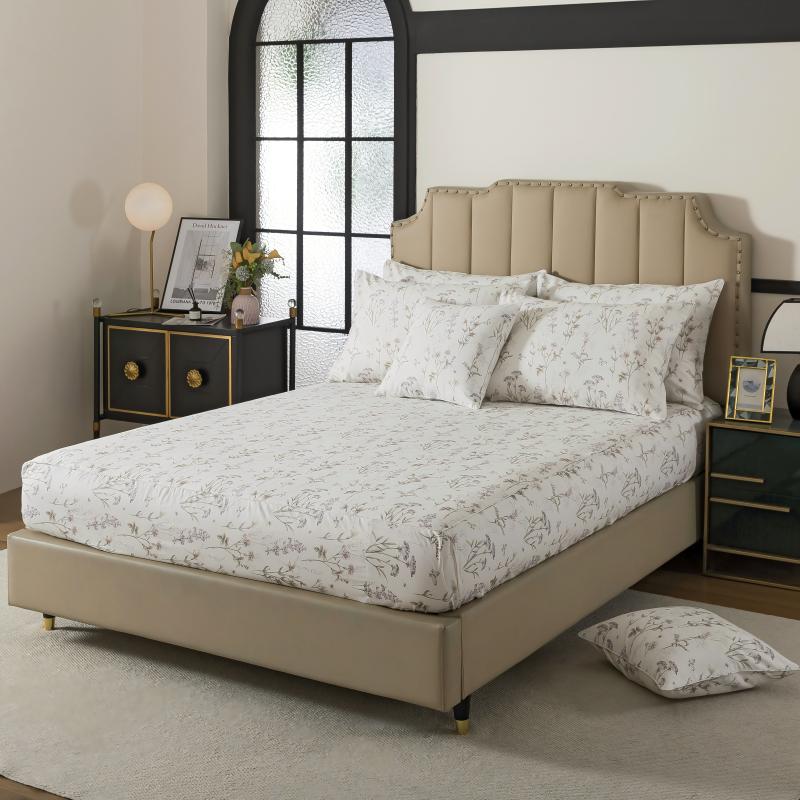
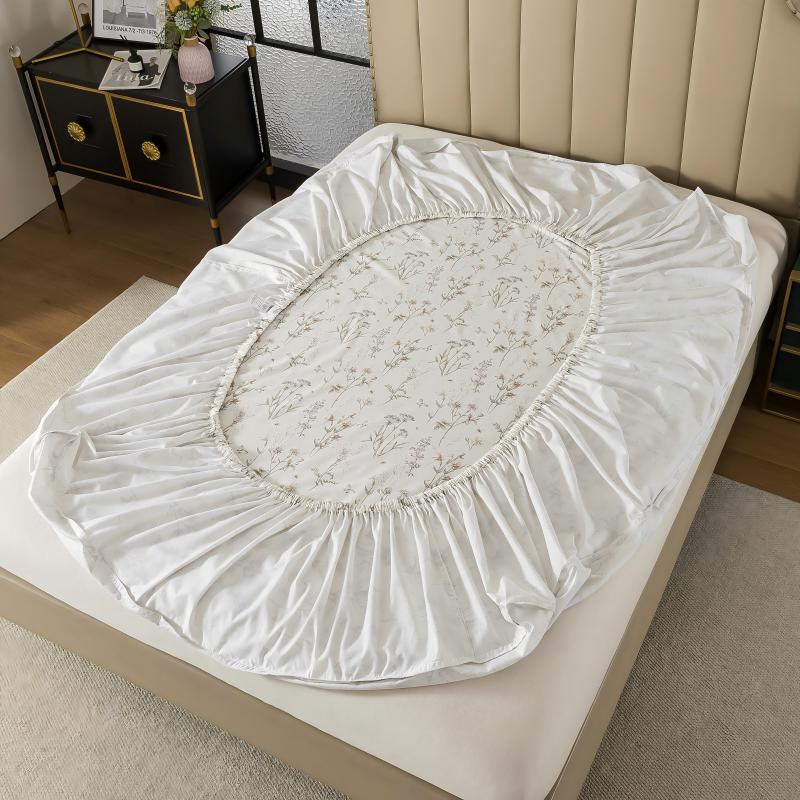
The foundation of a touchable bed begins with the sheets. Since sheets sit closest to the skin, their material matters most. Cotton remains one of the most loved choices because it is naturally breathable, soft, and comfortable for everyday use.
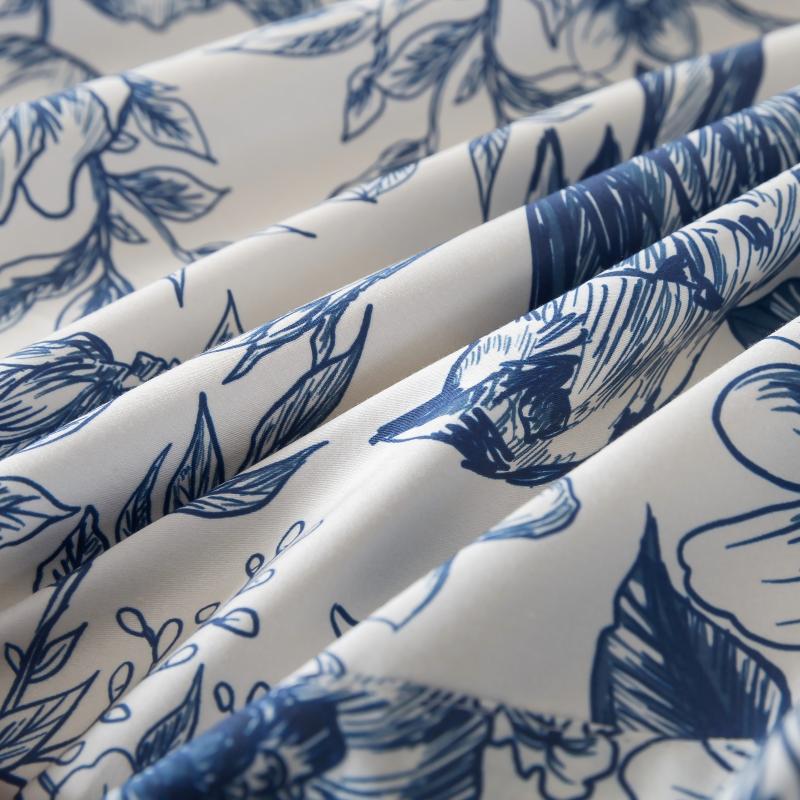
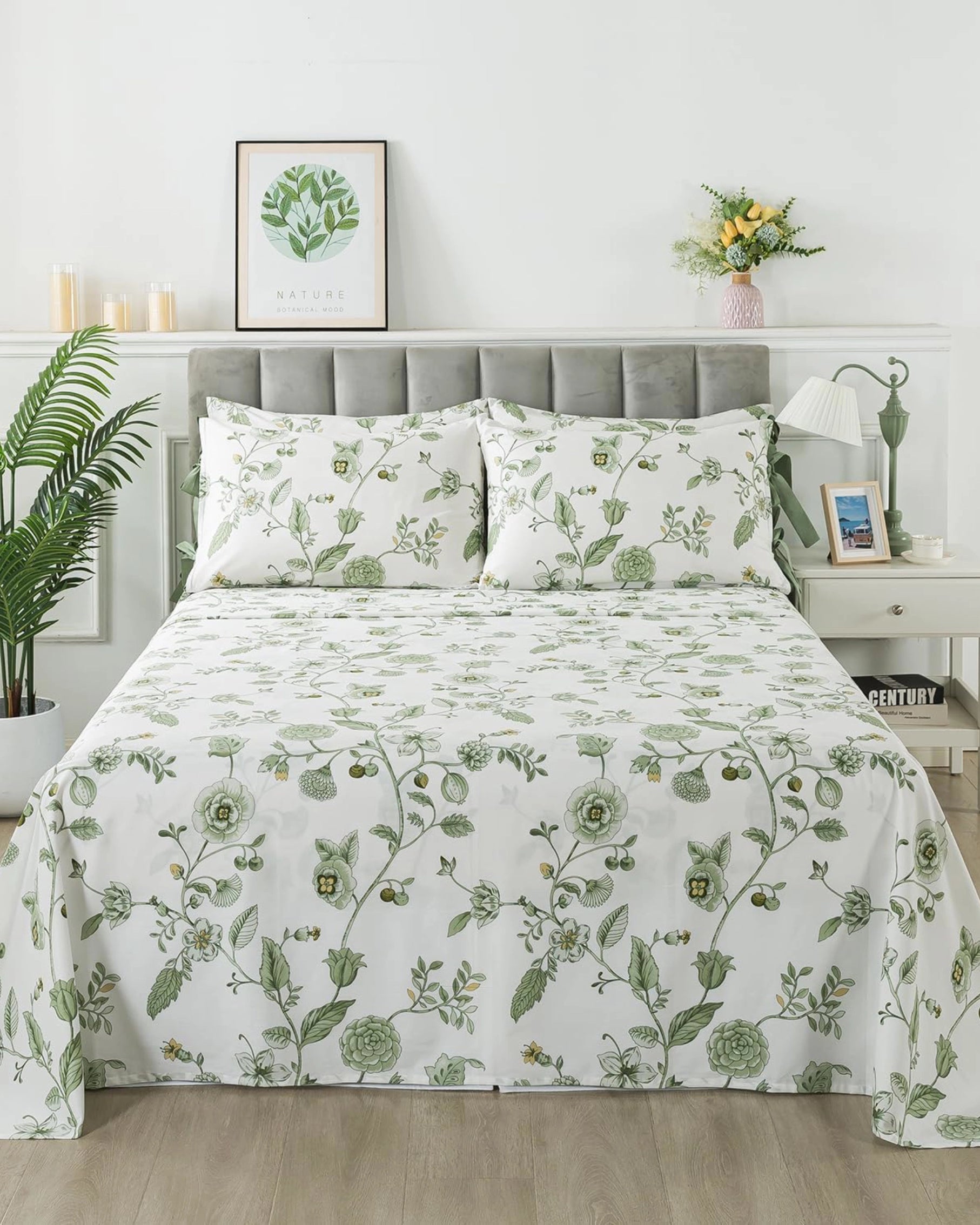
A cotton sheet set offers a clean, fresh feeling that works across seasons. In warmer months, it helps the bed feel light and airy. In cooler months, it becomes a soft base for warmer layers. The goal is not just softness, but balance—a fabric that feels smooth without becoming slippery, cozy without feeling heavy, and breathable enough for nightly comfort.
When building a tactile bed, start with sheets that feel pleasant the moment your hand touches them. This first layer sets the tone for everything else.
Add a Duvet for Soft Volume
Once the sheets are in place, the duvet cover becomes the next major tactile element. A duvet adds volume, softness, and visual fullness to the bed. It is the layer that often gives a bedroom its most inviting shape.
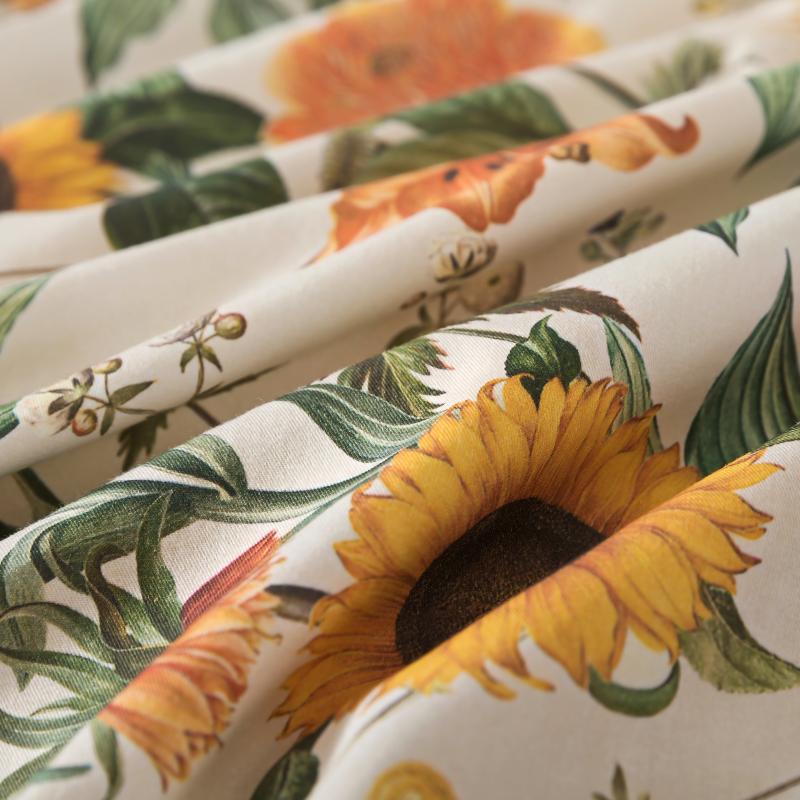
A cotton duvet cover can make the bed feel relaxed and natural. It does not need to look overly perfect. In fact, slight wrinkles and gentle folds often add to the charm, creating a lived-in softness that feels approachable. A bed should not look like something you are afraid to disturb. It should look like something you want to sink into.
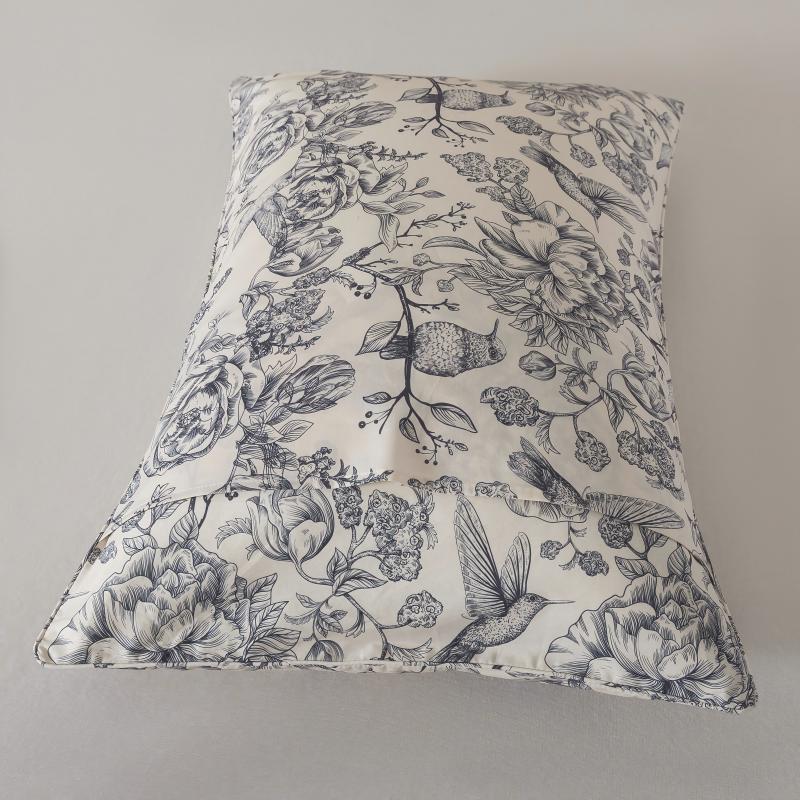
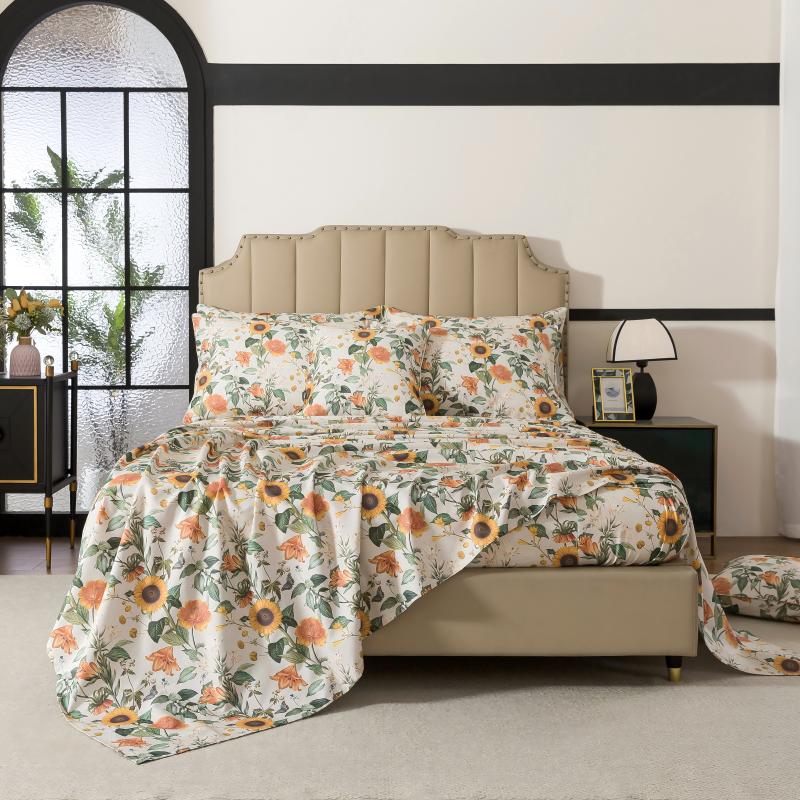
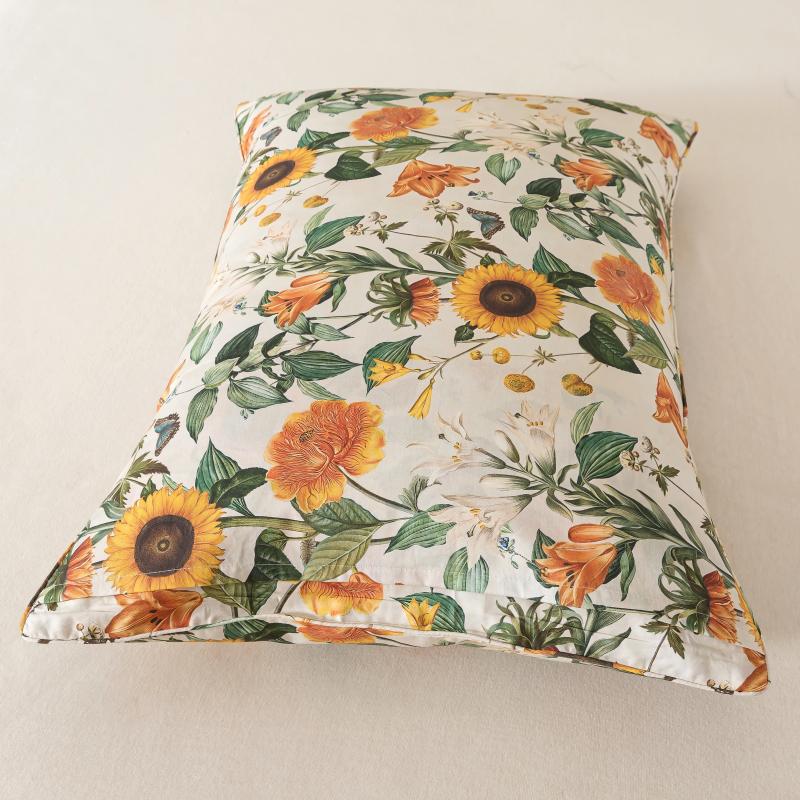
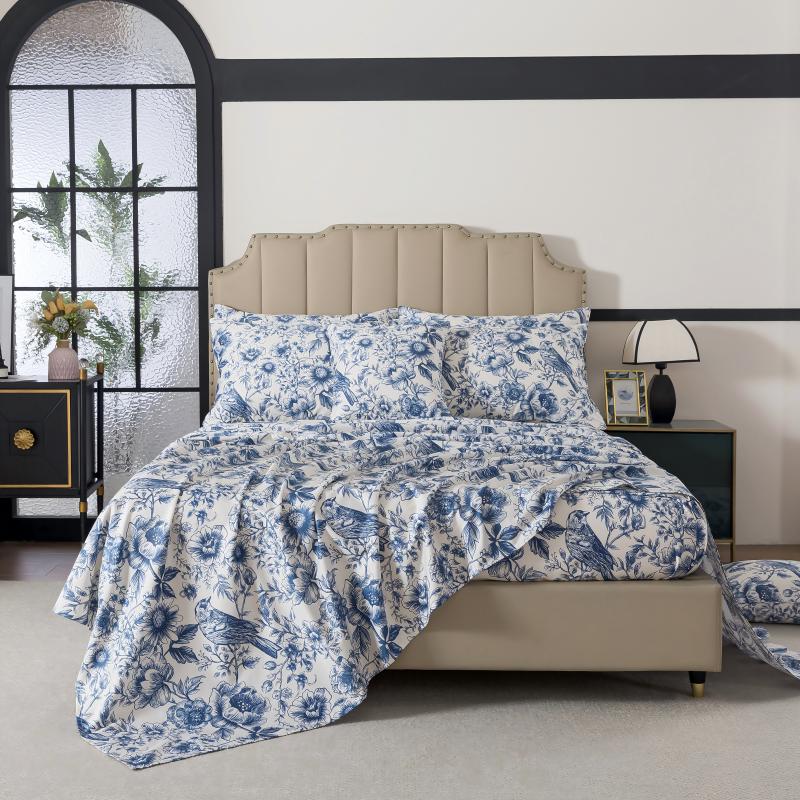
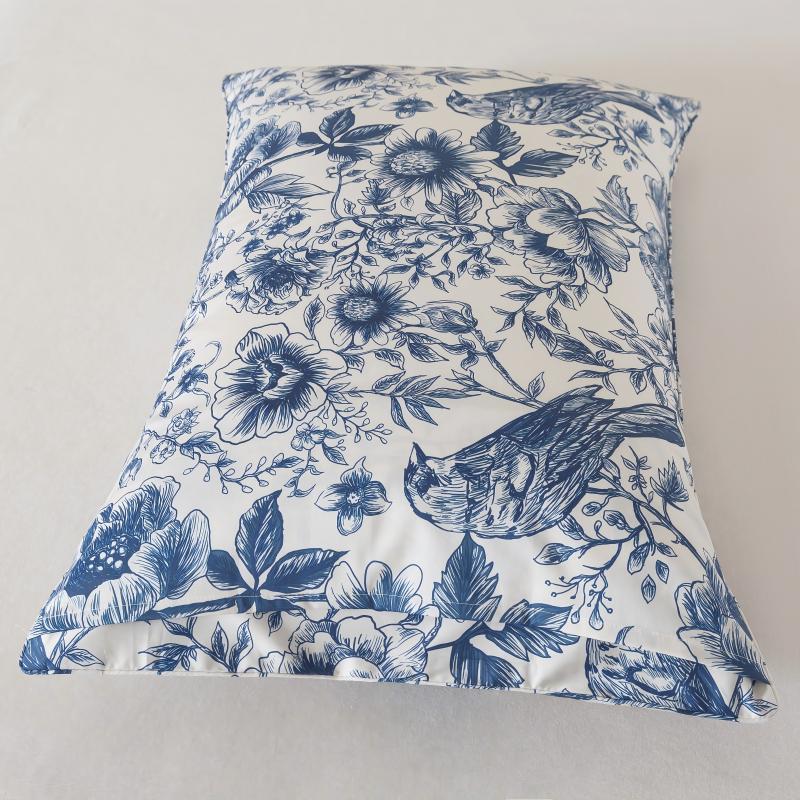
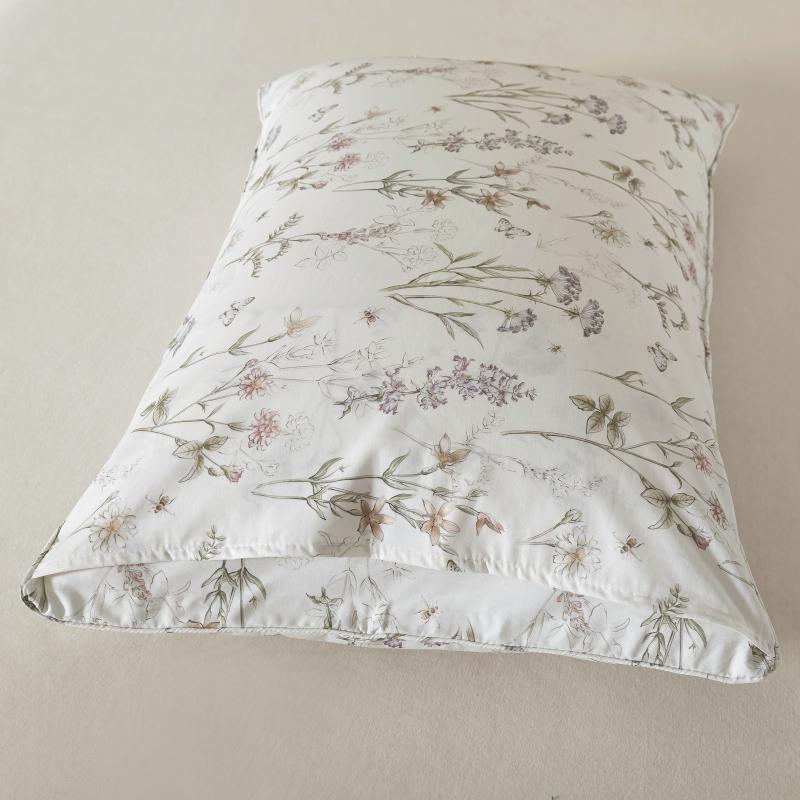
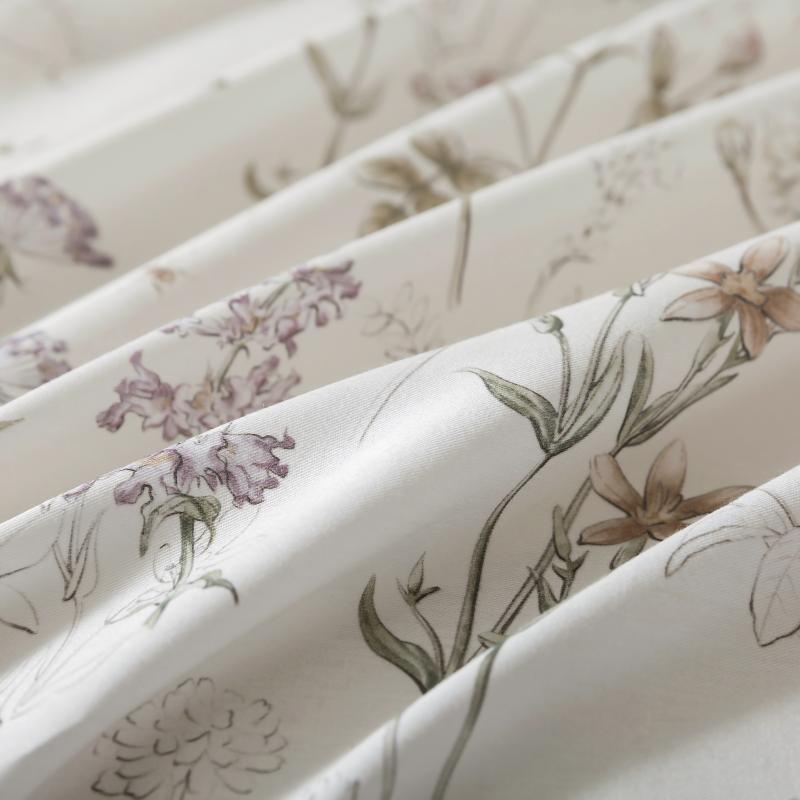
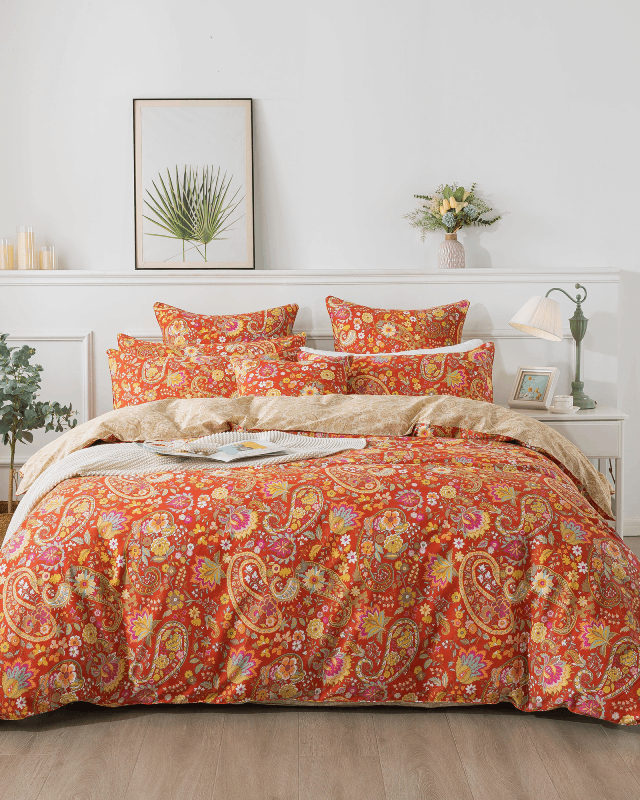
For a more romantic or cottage-inspired look, floral duvet covers can add softness not only through texture, but also through mood. Gentle botanical patterns, faded tones, and vintage-inspired prints can make the bed feel warmer and more personal.

Use a Quilt for Weight and Texture
A quilt brings another kind of comfort: gentle weight. Unlike a fluffy duvet, a quilt often has a closer, more structured feel. It can be folded at the foot of the bed, spread across the entire surface, or layered between sheets and duvet depending on the season.
This layer is especially important for tactile depth. Stitching, quilting patterns, scalloped edges, or matelassé textures give the hand something to notice. These details create a sense of craftsmanship and quiet luxury without needing to be loud or decorative.
A quilt is also practical. It can be used alone during warmer nights or added over a duvet when extra coziness is needed. More importantly, it gives the bed a touchable surface that feels comforting at first contact.
Mix Smooth, Soft, and Structured Textures
A bed becomes more interesting when not every layer feels the same. The secret is contrast. Pair smooth cotton sheets with a softly textured duvet cover. Add a quilt with visible stitching. Finish with pillowcases that feel gentle against the face.
This does not mean the bed needs too many pieces. Tactile layering is not about clutter. It is about choosing layers with purpose. Each fabric should add a different feeling:
Smooth sheets for freshness.
A soft duvet for comfort.
A textured quilt for depth.
Supportive pillows for rest.
A small throw or cushion for a final cozy accent.
When these textures work together, the bed feels complete without feeling heavy.
Let the Bed Look Naturally Comfortable
One common mistake in bedroom styling is making the bed look too formal. A perfectly arranged bed may photograph well, but it does not always feel welcoming in real life. Tactile layering works best when the bed looks relaxed enough to touch.
Let fabrics fold naturally. Allow the quilt to drape slightly. Fluff the duvet instead of flattening it. Choose pillow arrangements that feel comfortable, not overly staged. The most inviting beds often have a sense of ease.
This is especially true for floral bedding. Floral patterns already bring warmth, softness, and personality. When paired with natural textures, they create a bedroom that feels gentle rather than decorative. The result is a bed that looks beautiful, but still feels like part of everyday life.
Think Seasonally
Tactile layering can change with the seasons. In spring and summer, lighter layers keep the bed breathable. Cotton sheets, a light duvet cover, and a folded quilt at the foot of the bed may be enough. In fall and winter, the same foundation can be made warmer with an added quilt, thicker duvet insert, or extra throw.
The advantage of layering is flexibility. Instead of replacing the entire bed, you can adjust the feeling by changing one or two layers. A quilt can add warmth. A fresh cotton sheet set can make the bed feel cooler. A new duvet cover can shift the whole mood of the room.
Build a Bed for the Senses
A well-layered bed is more than a design choice. It is a sensory experience. It welcomes the eyes first, then the hands, then the body. Every layer should support the feeling you want your bedroom to give: calm, softness, warmth, freshness, or quiet beauty.
When you build a bed you cannot wait to touch, you create more than a pretty room. You create a daily ritual of comfort. The simple act of pulling back the quilt, smoothing the sheets, or resting against a soft pillow becomes part of how home feels.
In the end, tactile layering is about paying attention to the details that make rest feel personal. A beautiful bed may catch your eye, but a truly comforting bed is one your hands remember.