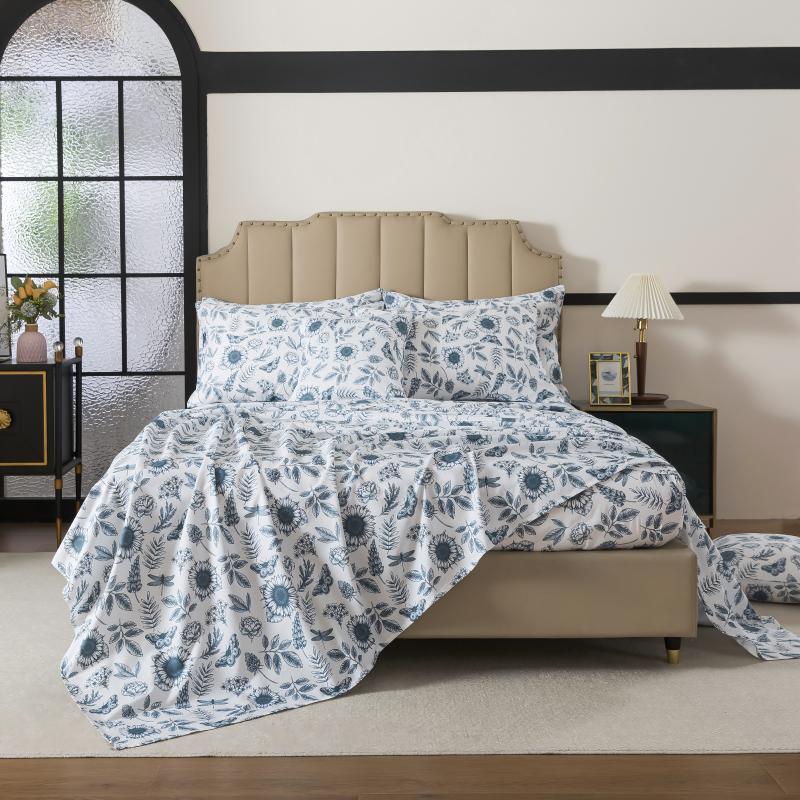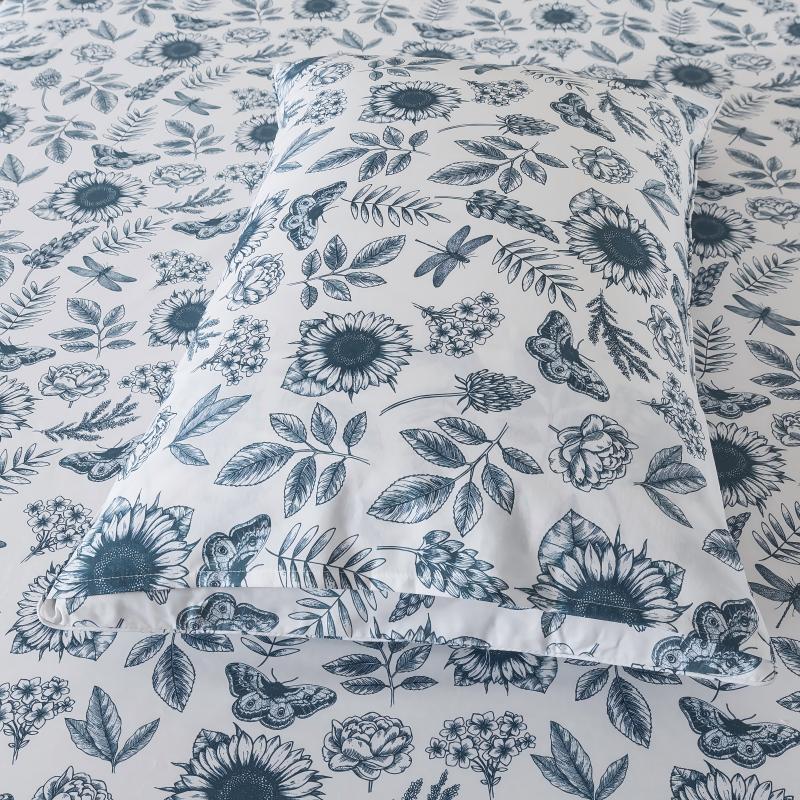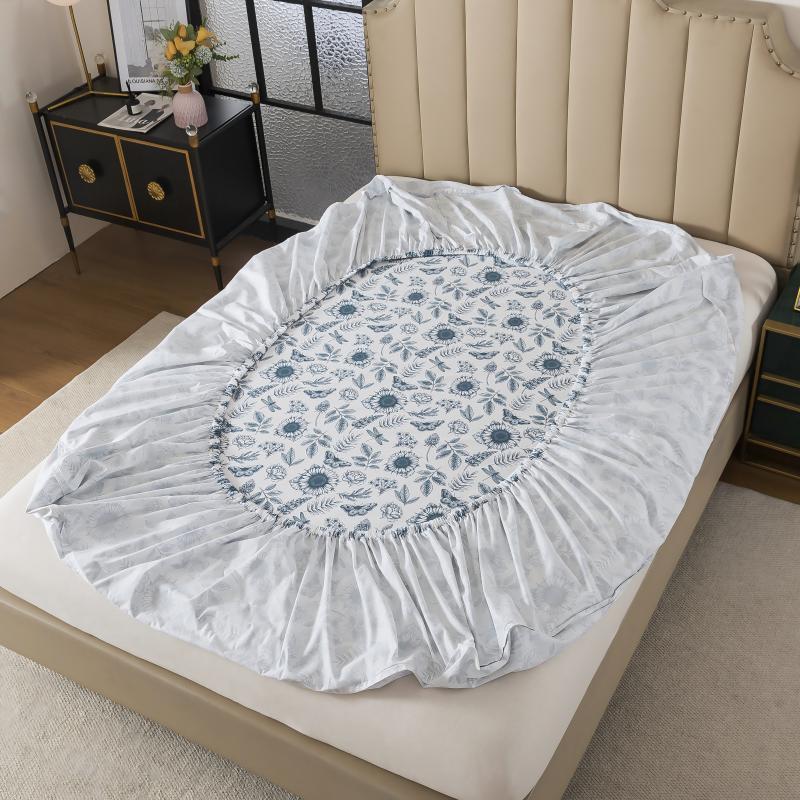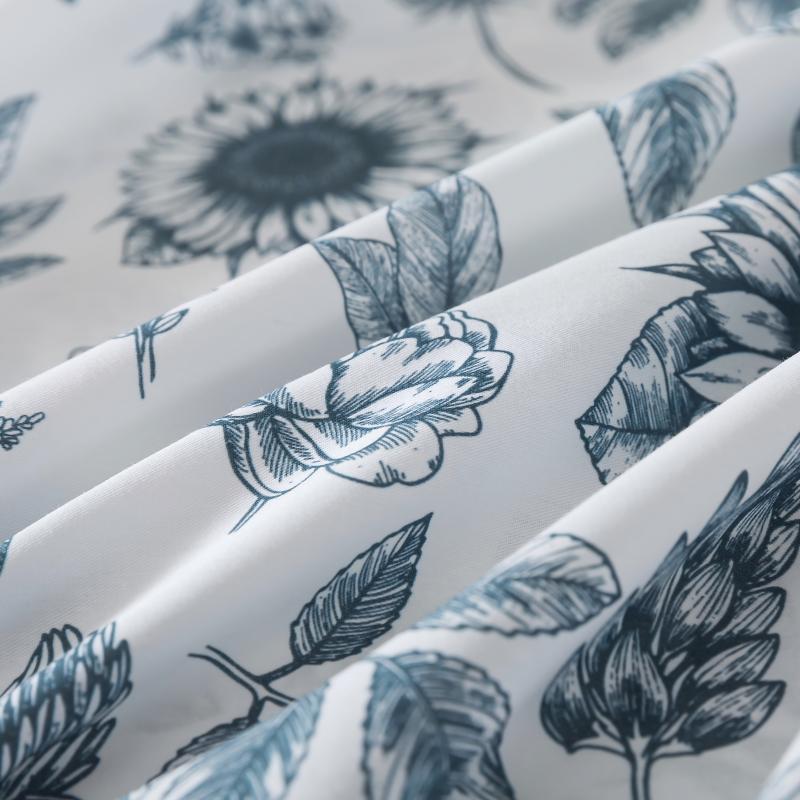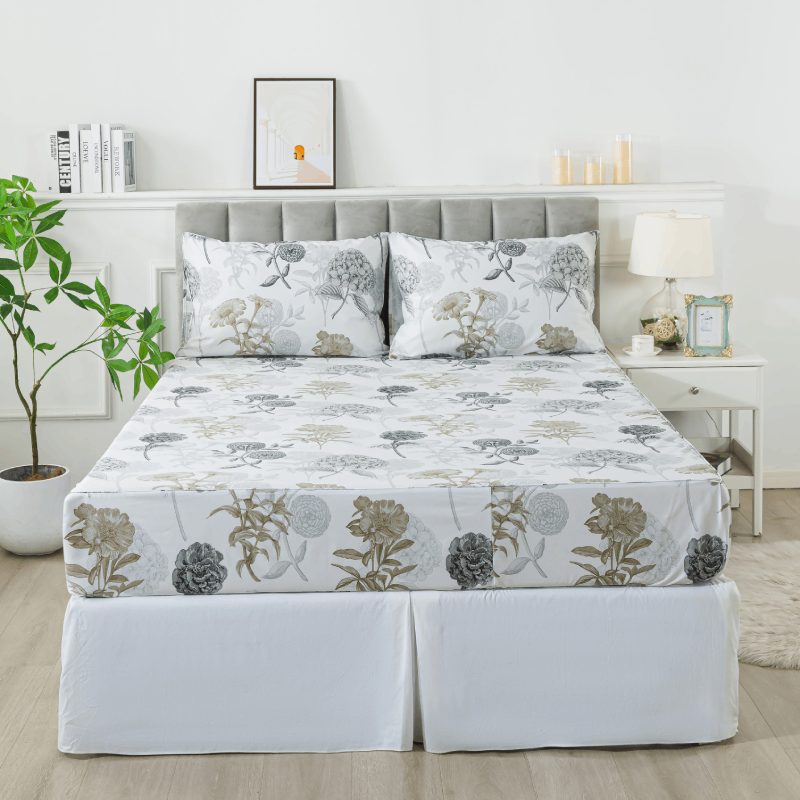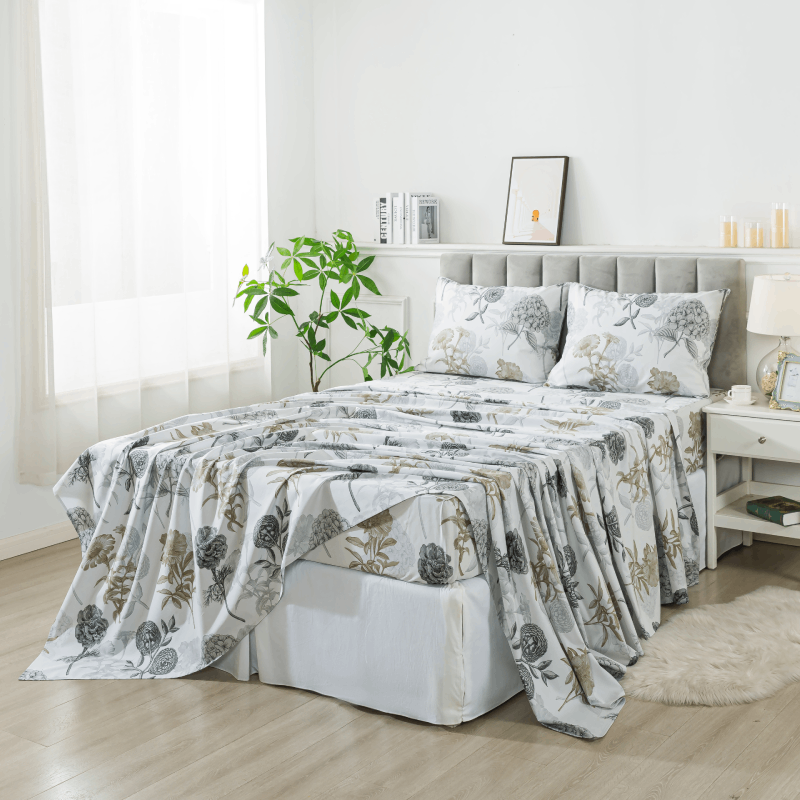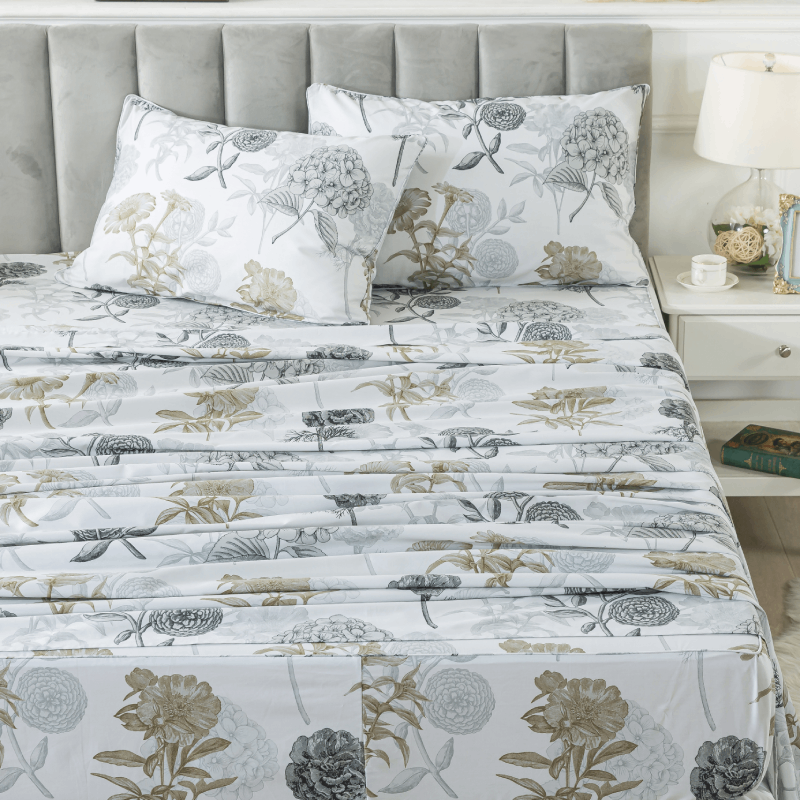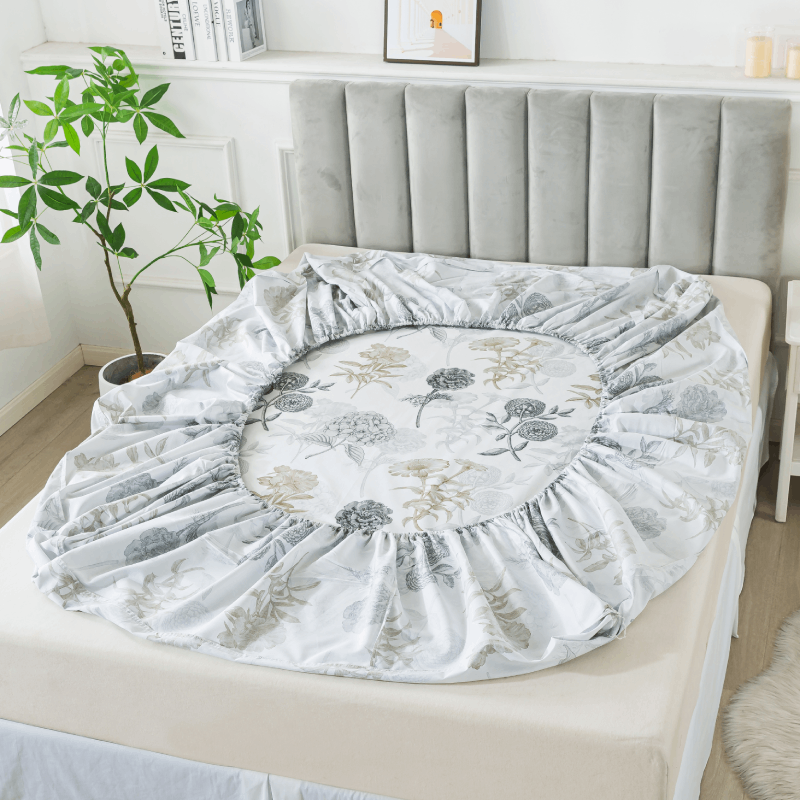


A well-designed bedroom is not only about choosing beautiful bedding. It is also about proportion. The way patterns appear against a headboard can change the entire feeling of a bed, making it look calm, balanced, dramatic, or visually crowded. One detail that is often overlooked is how the scale of a bedding pattern works with the height of the headboard.
When the pattern size and headboard height are in harmony, the bed feels thoughtfully styled. The room appears more polished, and the bedding becomes part of the overall design rather than a separate decorative layer.
Why Headboard Height Matters
A headboard naturally becomes the visual anchor of the bed. Whether it is low and simple or tall and upholstered, it creates a background for pillows, quilts, duvet covers, and sheets. Because bedding sits directly in front of the headboard, the pattern scale needs to respond to that vertical space.
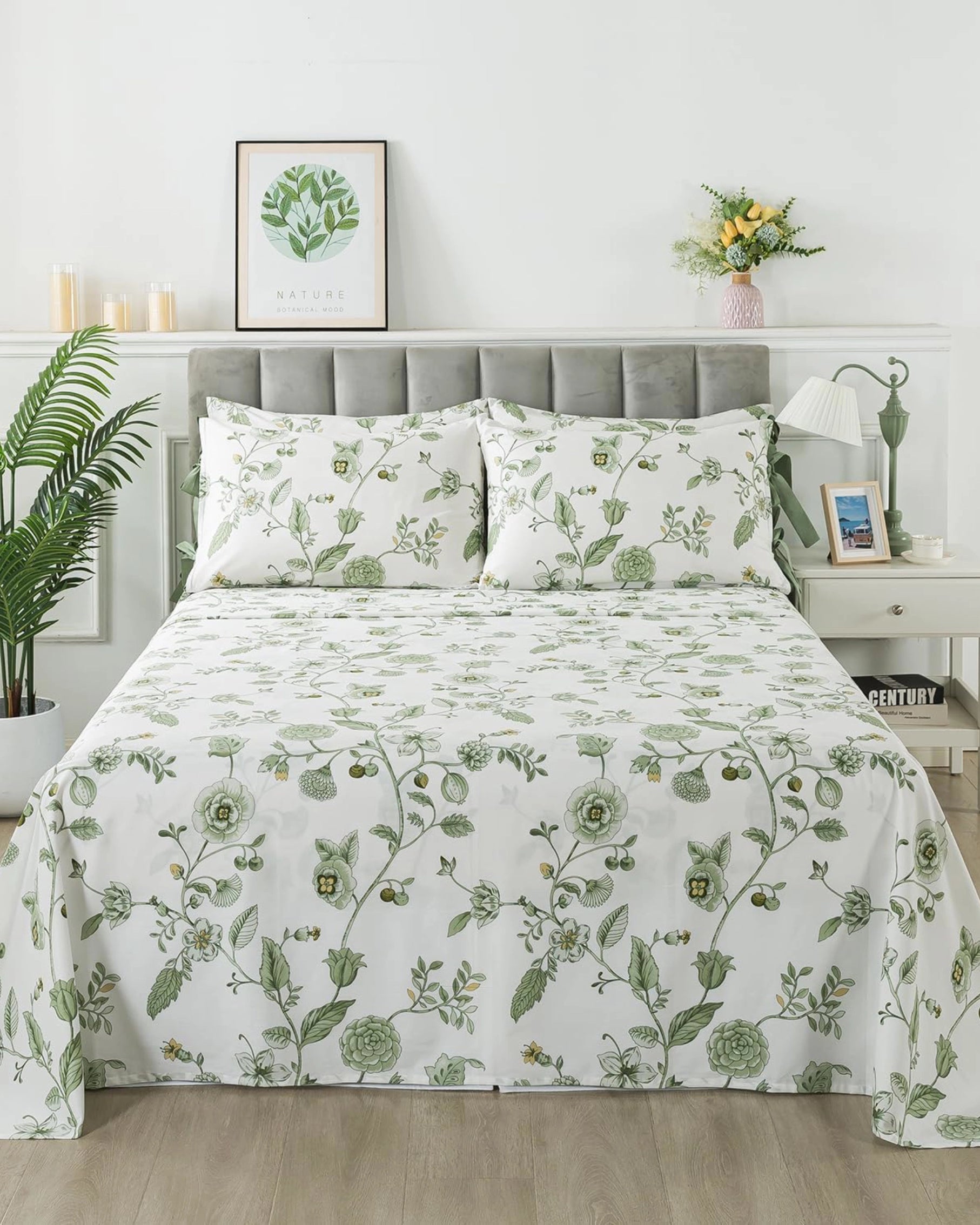
A tall headboard gives the eye more room to travel upward. This means larger patterns can feel graceful and intentional. Oversized florals, wide botanical prints, or bold toile designs often work well because they have enough visual space to breathe.
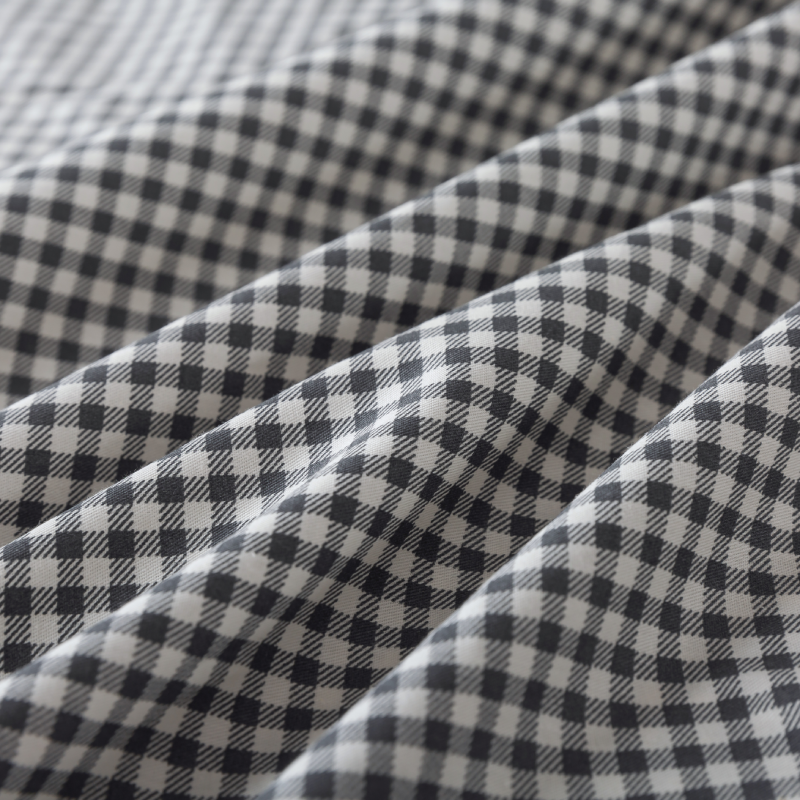
A lower headboard, on the other hand, creates a softer and more compact frame. In this case, smaller or medium-scale patterns usually feel more balanced. Delicate florals, fine stripes, small vines, and gentle scattered prints help keep the bed from feeling too heavy.

Low Headboards: Keep Patterns Light and Refined
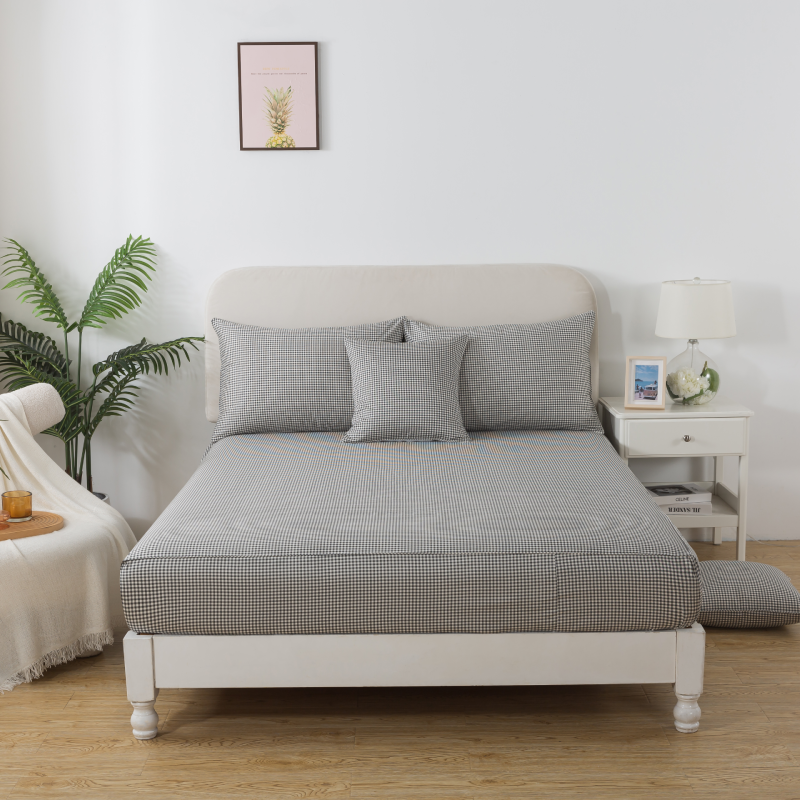
For low headboards, the goal is to avoid overwhelming the bed. Since there is less vertical height behind the pillows, large patterns can sometimes appear crowded or cut off. A large floral print may lose its shape if only a small portion is visible.
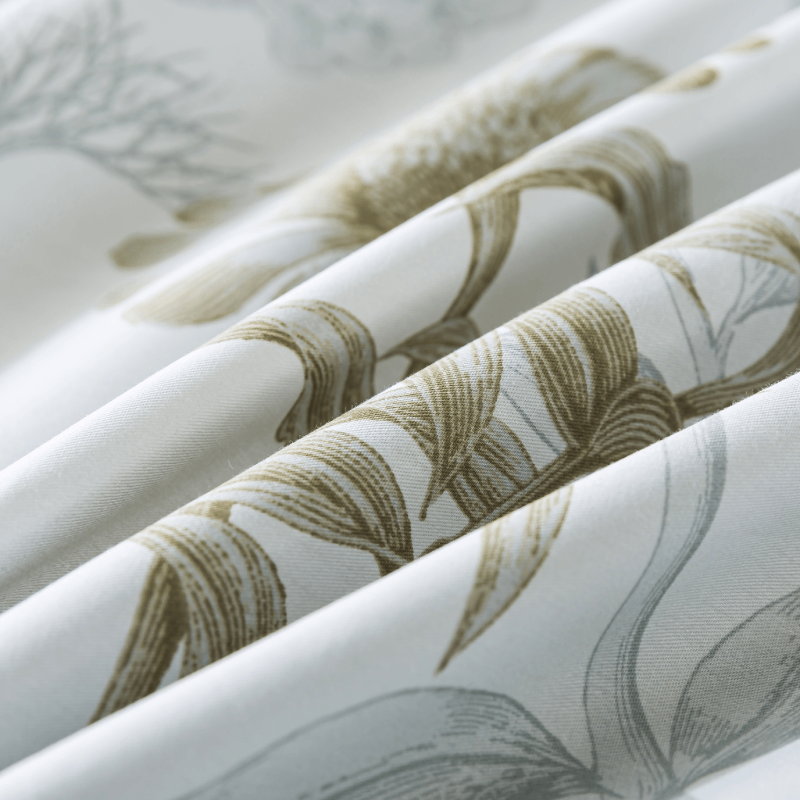
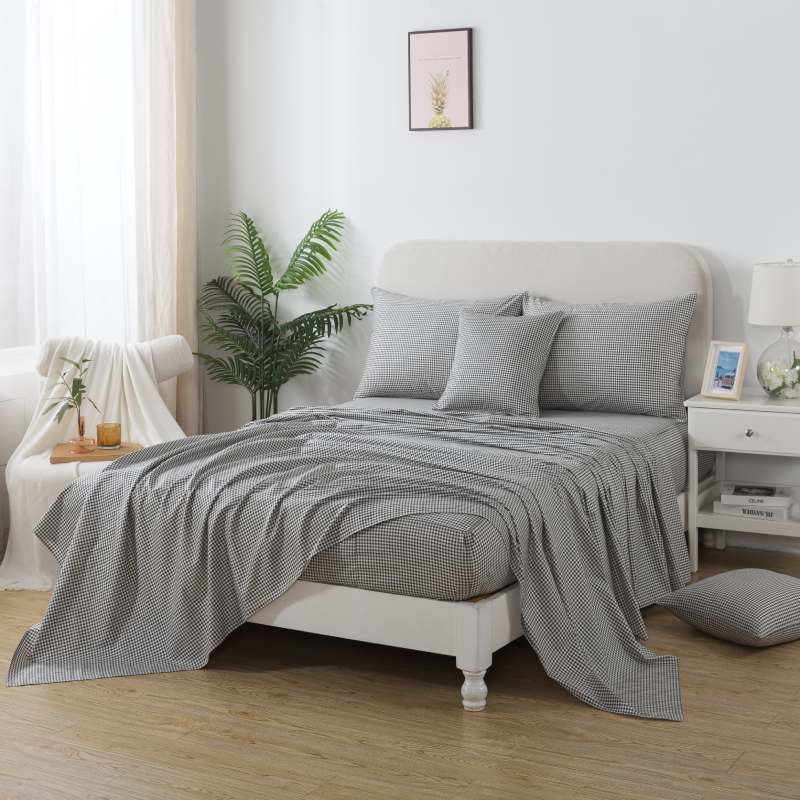
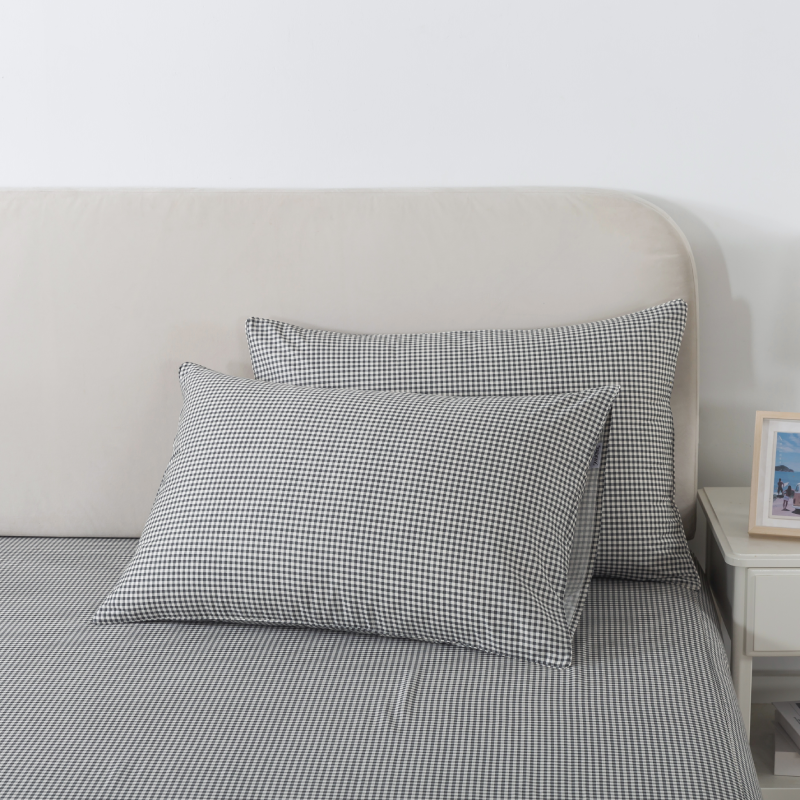
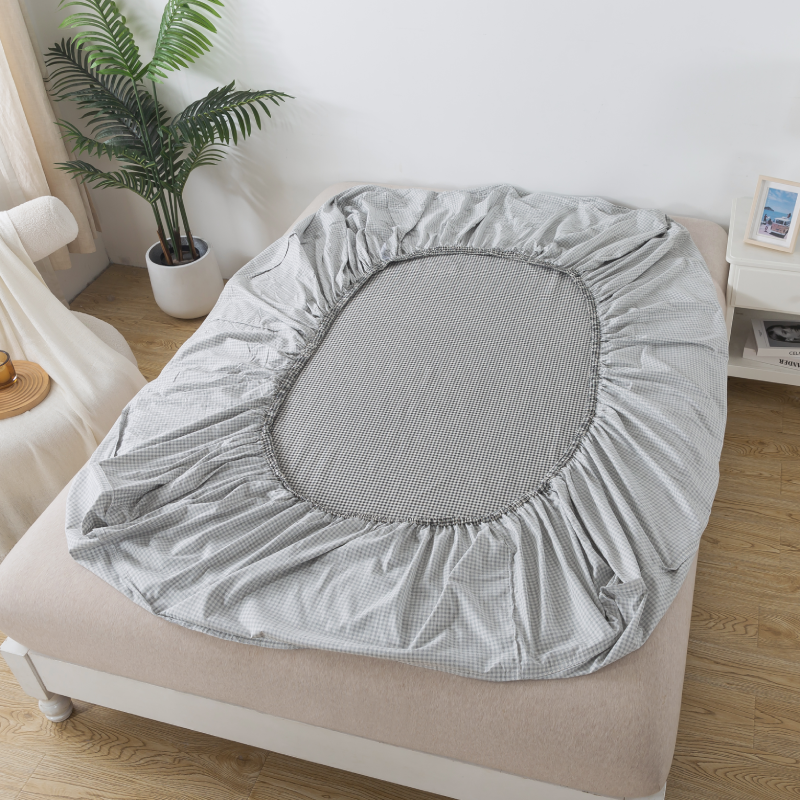
Small-scale patterns are often the safest choice. They add texture and charm without competing with the headboard. A cotton sheet set with tiny floral details or a quilt with soft stitching can make the bed feel cozy and layered.
If you prefer a more noticeable pattern, choose one with enough spacing between motifs. Open floral prints, airy botanical designs, or soft vintage patterns can still create interest while maintaining a relaxed look.
Medium Headboards: The Most Flexible Choice
Medium-height headboards offer the most flexibility. They provide enough background space for both subtle and moderately bold patterns. This makes them ideal for experimenting with layered bedding.
For example, you can pair a medium floral duvet cover with solid pillow shams, or combine a patterned quilt with a simple fitted sheet. The key is to let one pattern lead while the other elements support it.
Medium headboards also work beautifully with reversible bedding. One side can feature a fuller pattern, while the other side remains more understated. This gives you the freedom to adjust the room’s mood without changing the entire bedding set.
Tall Headboards: Let Larger Patterns Shine
Tall headboards create a strong design statement, so bedding patterns should have enough presence to match them. Small prints can still work, but they may appear too quiet if the headboard is very high or dramatic.
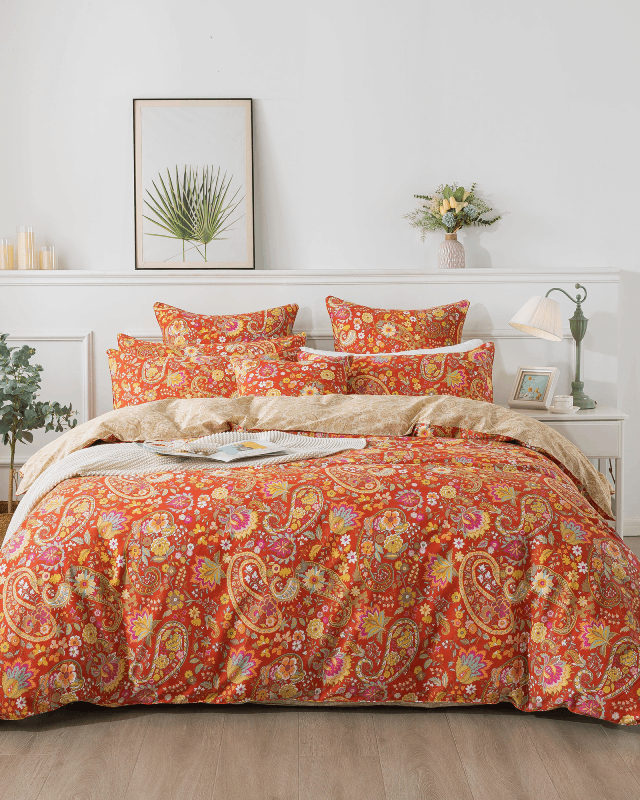
Larger patterns help balance the scale. Oversized florals, classic toile, wide paisley, or bold garden-inspired prints can look elegant against a tall backdrop. These patterns draw attention to the bed and make it feel complete.
However, large does not have to mean loud. Soft colors, washed cotton textures, and vintage-inspired artwork can keep bigger patterns feeling romantic and comfortable rather than overpowering.
Matching Pattern Direction with Bed Shape
Pattern direction is just as important as pattern size. Vertical patterns can make the bed feel taller and more graceful, especially when paired with a low or medium headboard. Horizontal patterns can create a wider, more relaxed look, which works well in spacious bedrooms.
All-over scattered patterns are versatile because they do not depend too heavily on direction. They are especially useful when layering pillows, quilts, and folded duvet covers because the design still looks natural even when partially covered.
For floral bedding, consider how the flowers are arranged. Large bouquets can feel formal and decorative, while small repeating blossoms feel casual and cozy. Both can be beautiful, but the right choice depends on the visual weight of the headboard.
Balancing Pillows, Quilts, and Duvet Covers
Pillows often cover a large part of the headboard area, so they play a major role in pattern balance. If your duvet cover has a bold design, choose solid or lightly patterned pillows to create breathing room. If your bedding is simple, patterned pillow shams can add personality without overwhelming the bed.
Quilts are also useful for controlling pattern scale. A patterned quilt folded at the foot of the bed can introduce detail without covering the entire sleeping area. This works especially well with tall headboards, where the upper part of the bed can remain calm while the lower section adds visual interest.
Layering is most successful when every piece has a purpose. One main pattern, one supporting texture, and one quiet solid color can create a balanced and elegant bed.
Choosing Colors That Support the Scale
Color can make a pattern feel larger or smaller. High-contrast patterns appear more noticeable, while tone-on-tone patterns feel softer. If your headboard is tall and dark, a lighter floral pattern can brighten the bed and create contrast. If your headboard is light or neutral, deeper colors can add definition.
For a peaceful bedroom, choose patterns with colors that connect to the headboard, walls, or curtains. This makes the entire space feel coordinated. A soft blue floral print can echo a cool-toned room, while warm beige, rose, or sage patterns can bring a cottage-style bedroom together.
Final Thoughts
Scaling patterns to match headboard heights is a simple design idea, but it can make a bedroom feel much more refined. Low headboards often pair best with smaller, lighter patterns. Medium headboards allow more flexibility. Tall headboards can support larger, more expressive designs.
The right bedding pattern should not fight with the headboard. It should complete it. When scale, color, and layering work together, the bed becomes the natural centerpiece of the room—comfortable, beautiful, and thoughtfully styled.