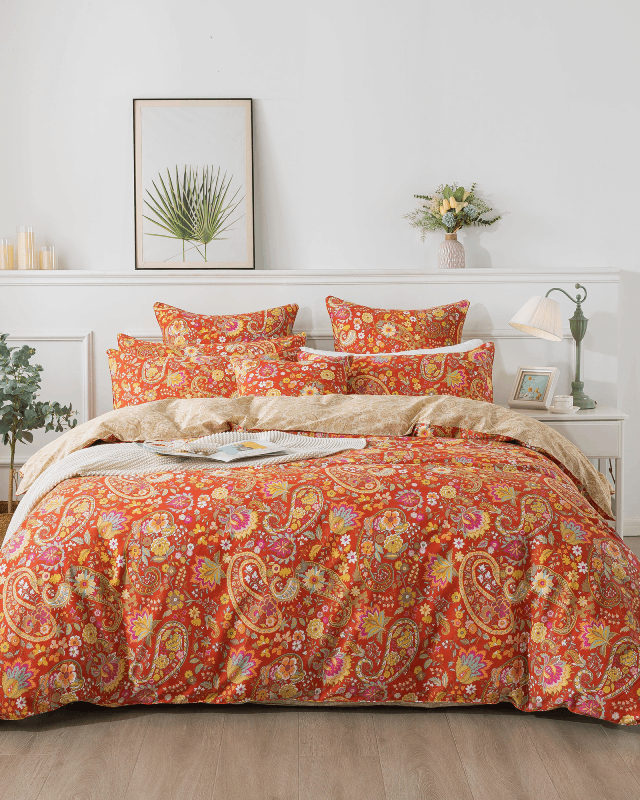
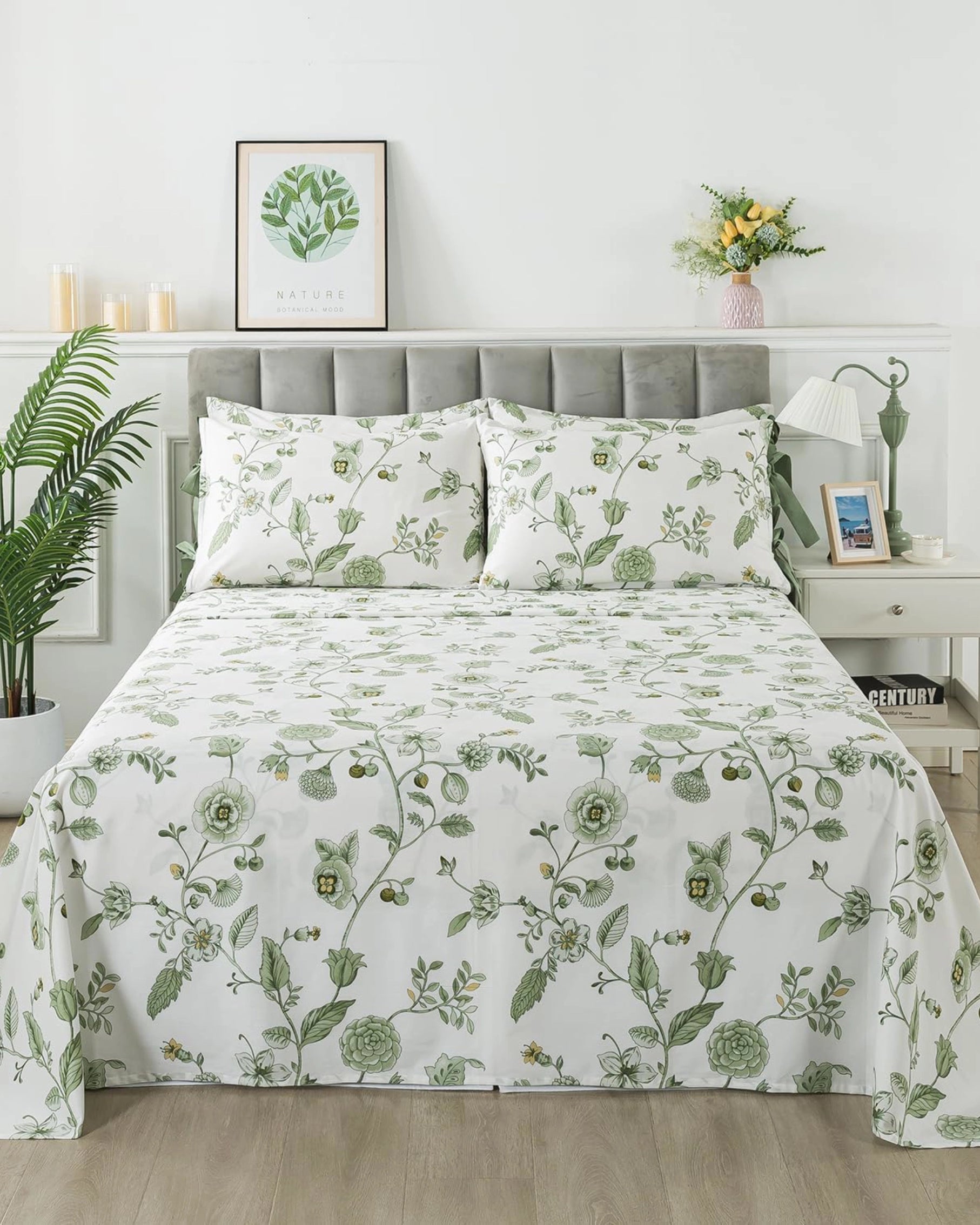


Home is filled with places designed for comfort. A favorite chair may help you unwind, a warm kitchen can feel welcoming, and a quiet reading corner can offer a moment of peace. Yet no space should feel softer, calmer, or more comforting than your bed.
Your bed is where the day begins and ends. It supports your body during sleep, gives you a place to rest when you are tired, and offers a private retreat from the demands of daily life. Creating a bed that feels like the softest place at home is not only about decoration. It is about building an environment that encourages relaxation, comfort, and better rest.
Softness Helps the Body Relax
After a long day, the body naturally looks for signals that it is time to slow down. Soft bedding can provide one of those signals.
Smooth sheets, breathable cotton, and a comfortable quilt can help create a gentle transition from activity to rest. When bedding feels pleasant against the skin, it becomes easier to settle into bed without distraction. Rough, stiff, or uncomfortable fabrics can make it harder to relax, especially for people with sensitive skin.
Softness does not necessarily mean heavy or overly warm. The best bedding feels light, breathable, and comfortable enough to use throughout different seasons. Natural materials such as cotton are especially suitable because they combine softness with airflow and everyday durability.
Your Bed Should Feel Like a Personal Retreat
Bedrooms often serve more than one purpose. They may also function as workspaces, storage areas, or places to watch television. Because of this, the bed can easily lose its sense of calm.
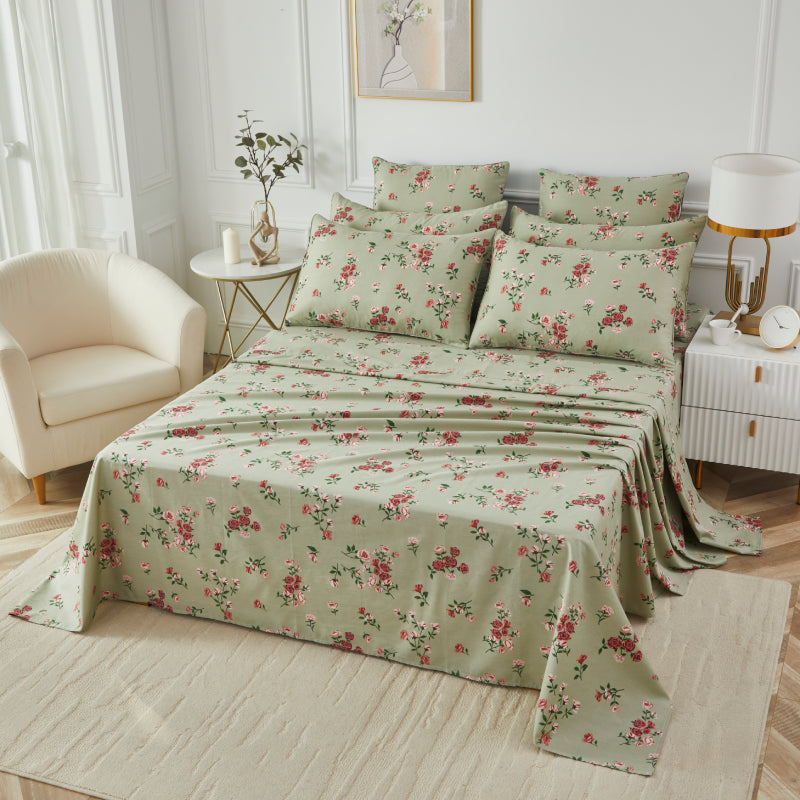
Choosing soft, inviting bedding helps restore the bed as the emotional center of the room. A beautifully layered quilt, comfortable pillows, and clean sheets can make the space feel more peaceful and intentional.
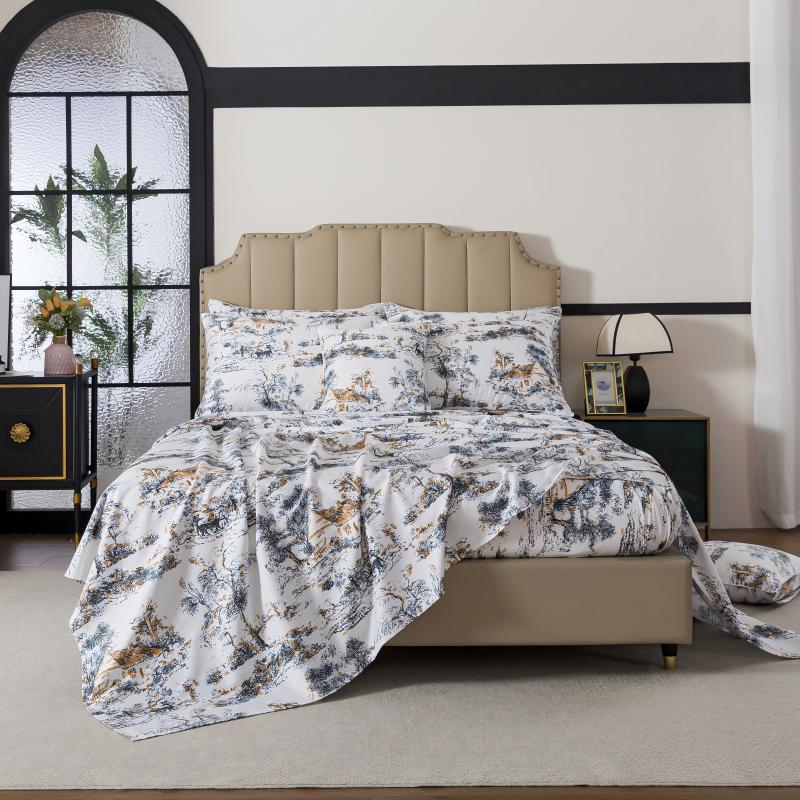
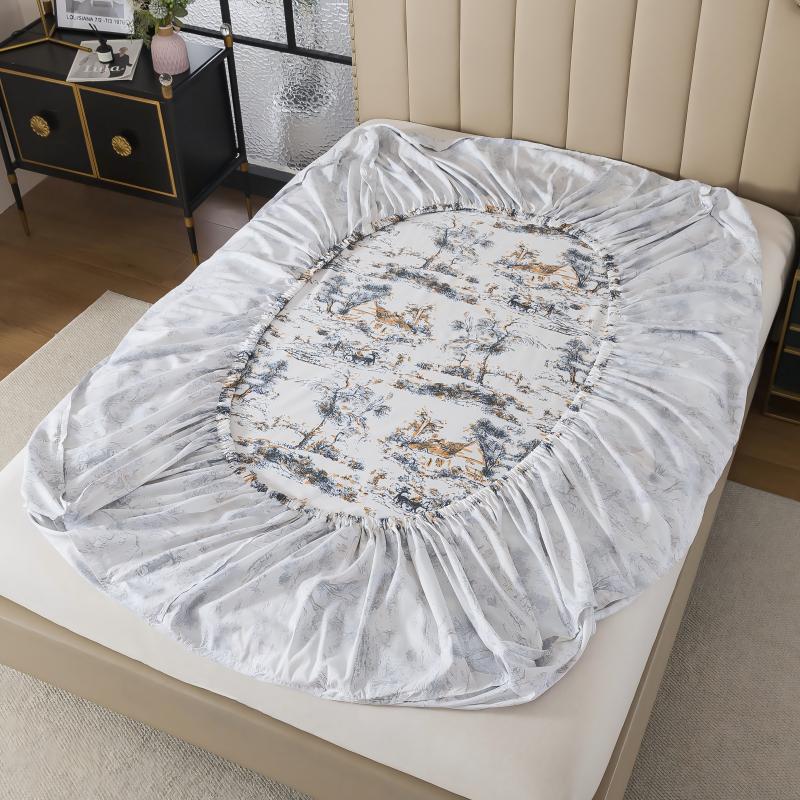
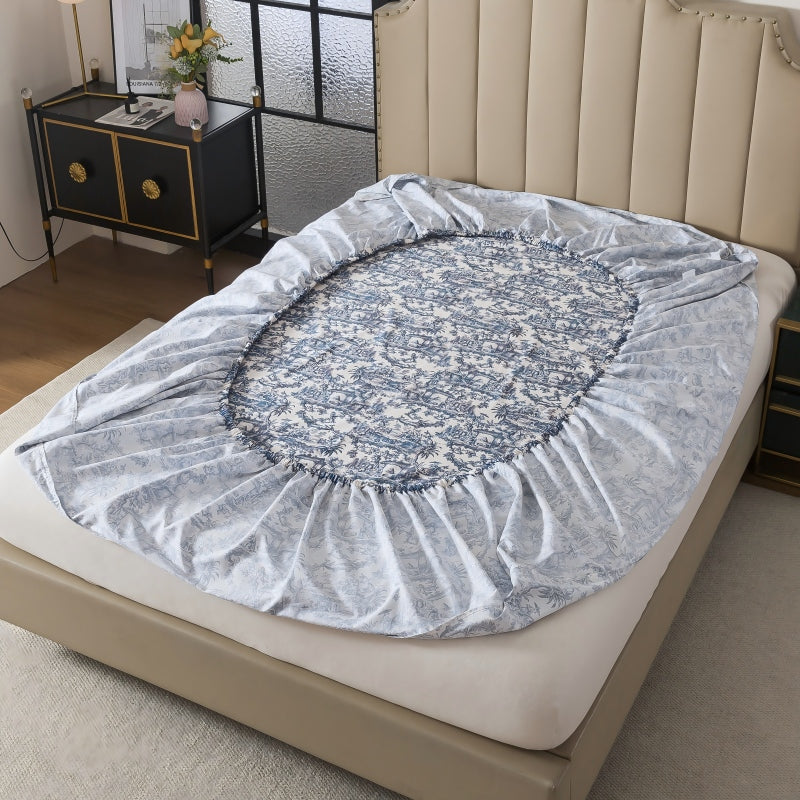
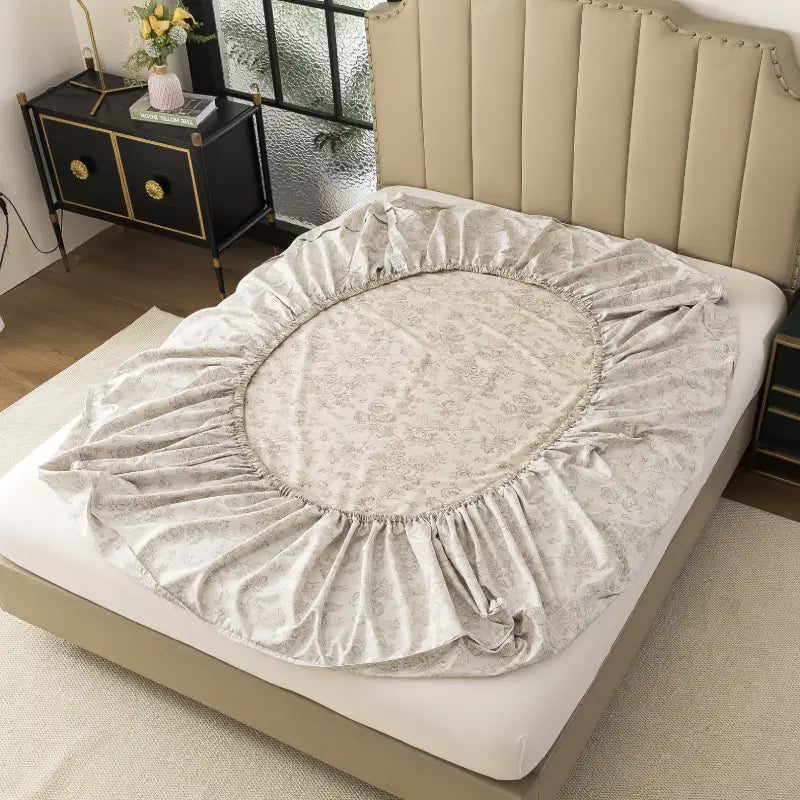
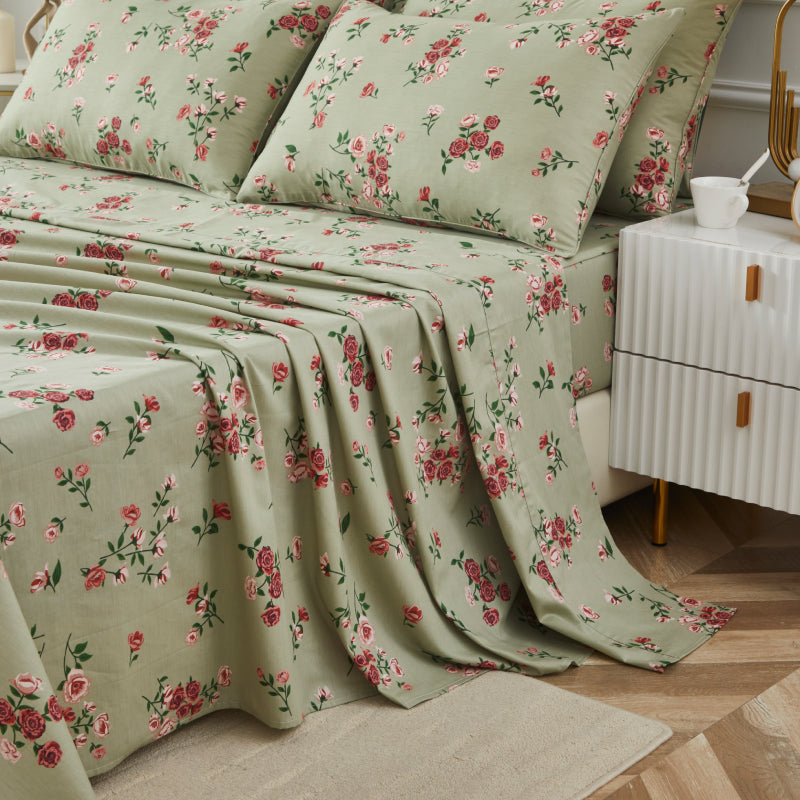
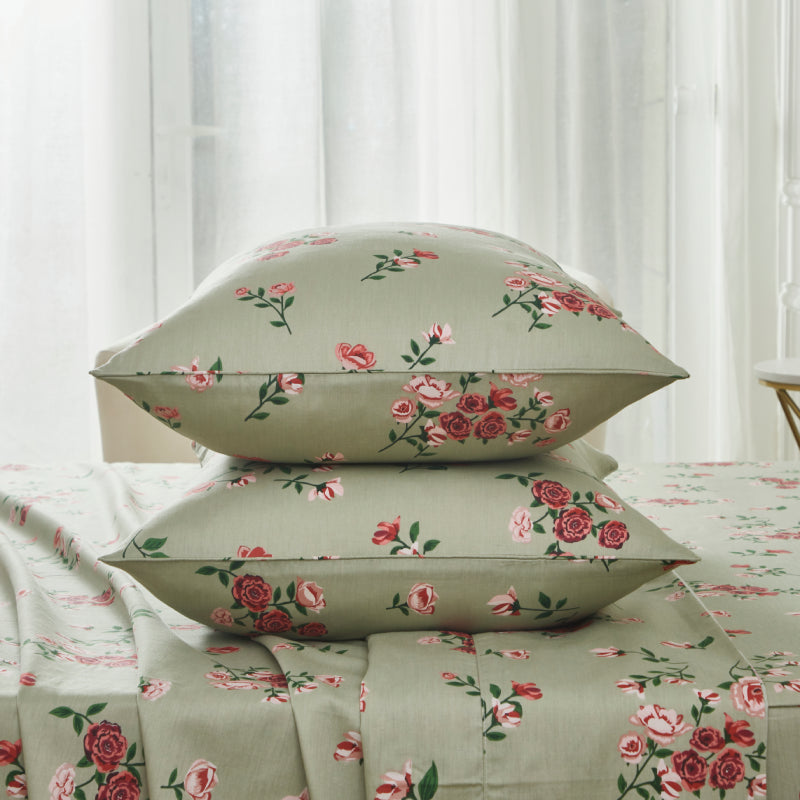
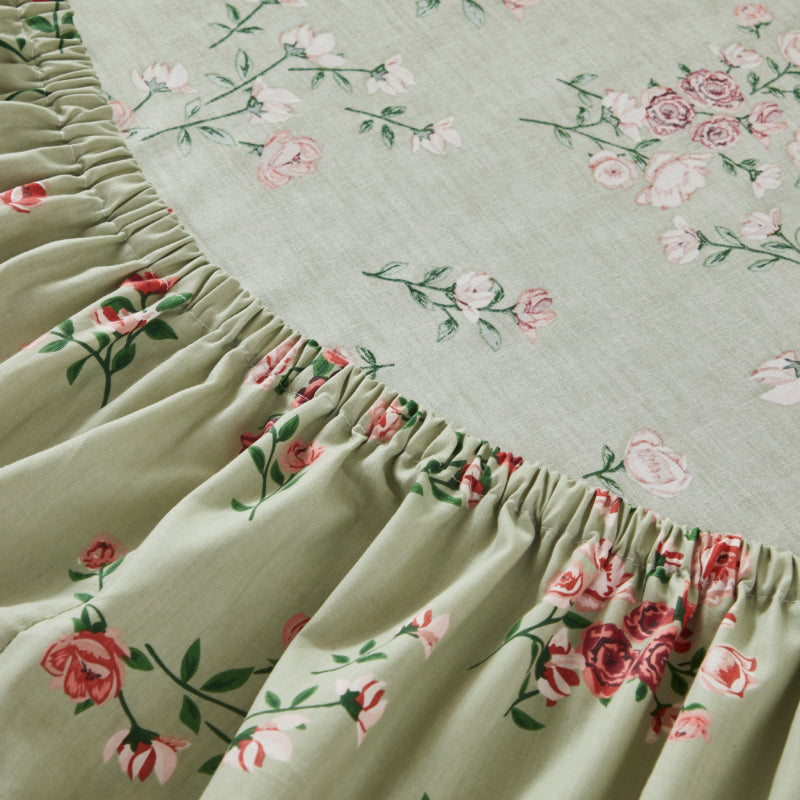
The goal is not to create a perfect showroom. It is to create a place that feels welcoming to you. Floral patterns may bring warmth and charm, while simple botanical prints can create a fresh, natural atmosphere. Soft colors can make the room feel restful, while richer patterns can add personality without sacrificing comfort.
When your bed reflects your personal style, it becomes more than a place to sleep. It becomes a retreat that feels familiar, safe, and completely your own.

Comfortable Bedding Supports Better Sleep Habits
A comfortable bed can also encourage a healthier bedtime routine. When the bedroom feels inviting, you may be more willing to slow down, put away electronic devices, and prepare for sleep at a consistent time.
Small rituals can make a meaningful difference. Fluffing the pillows, turning down the quilt, dimming the lights, or reading for a few minutes can help separate bedtime from the rest of the day.
Soft bedding supports these rituals by making the bed feel like a destination rather than simply another piece of furniture. Over time, the comfort of the space can become associated with rest, helping the mind recognize that it is time to relax.
Natural Fabrics Create Everyday Comfort
The material of your bedding plays an important role in how soft and comfortable the bed feels.
Cotton is a popular choice because it is breathable, skin-friendly, and suitable for daily use. It allows air to circulate and can absorb moisture, helping the sleeping environment feel fresher and more balanced.
Cotton bedding also tends to become softer with regular washing and use. Instead of feeling overly delicate or difficult to maintain, it offers practical comfort that fits naturally into everyday life.
For an especially relaxed texture, double-gauze cotton can provide a light, airy feeling. Its softly crinkled surface creates comfort without requiring a perfectly pressed appearance. This makes it ideal for bedrooms that are meant to feel effortless, lived-in, and welcoming.
Layering Makes a Bed Feel More Inviting
A soft bed is often created through thoughtful layering rather than one single product.
Begin with breathable sheets that feel smooth against the skin. Add a lightweight quilt or duvet cover for warmth and visual interest. Finish with supportive pillows and one or two decorative cushions if desired.
Layers allow you to adjust the bed according to the season. During warmer months, a cotton quilt may be enough on its own. In cooler weather, it can be combined with a duvet or additional blanket.
The bed should look comfortable enough that you immediately want to lie down. Avoid overcrowding it with too many pillows or decorative pieces that must be removed every night. Softness should feel effortless, not complicated.
Comfort Is Part of Feeling at Home
The softest place at home is not always the most expensive or carefully decorated space. It is the place where you feel most able to relax.
A comfortable bed offers that feeling every day. It welcomes you when you are tired, provides warmth during quiet mornings, and creates a gentle boundary between the outside world and your private life.
By choosing breathable fabrics, inviting textures, and bedding that reflects your personal style, you can turn an ordinary bed into the most comforting place in your home.
Because at the end of the day, your bed should not simply be where you sleep. It should be where you feel most at ease.