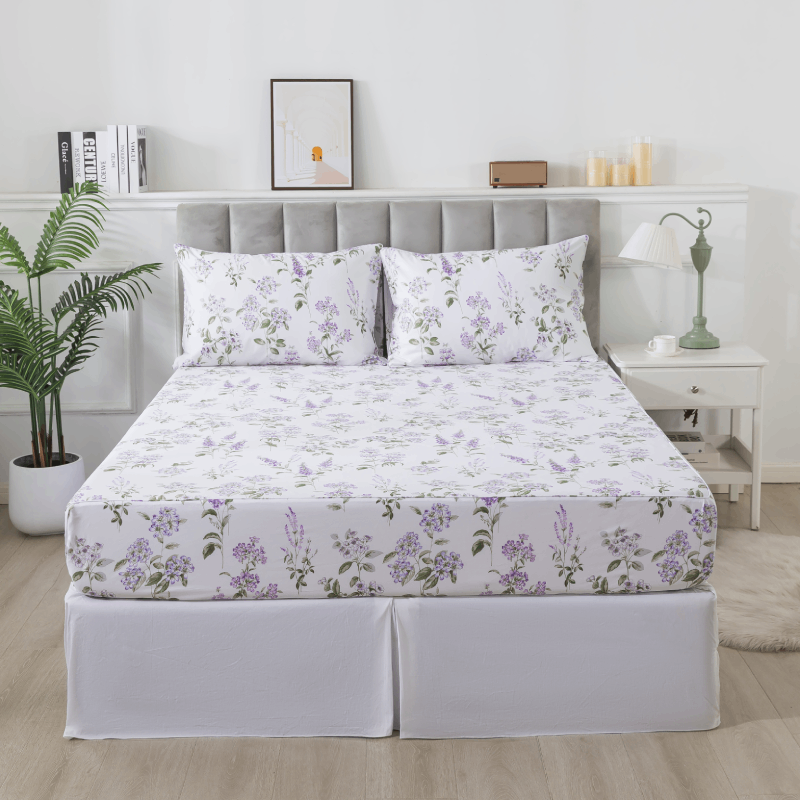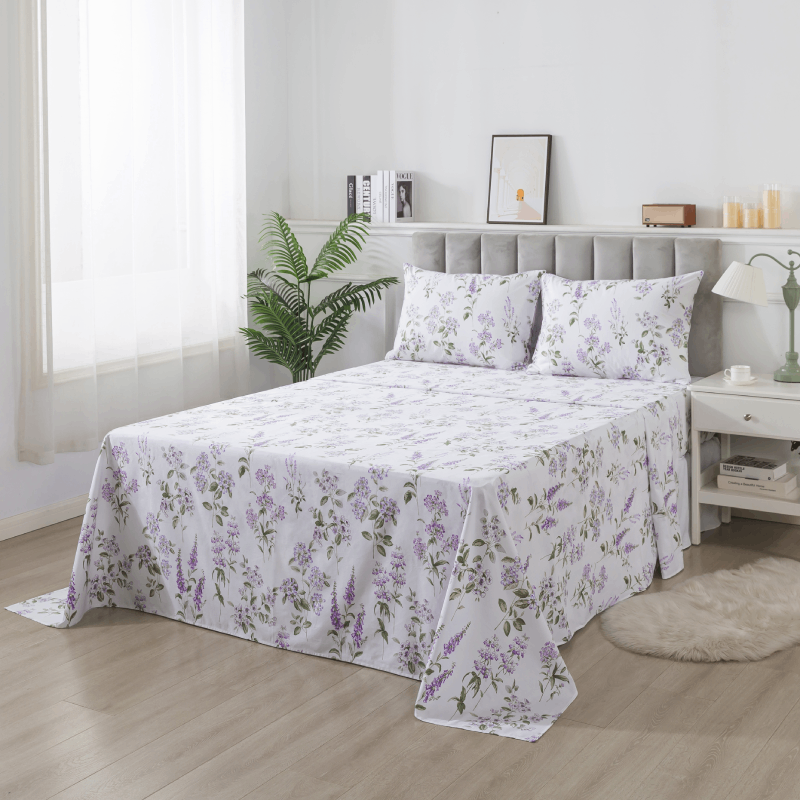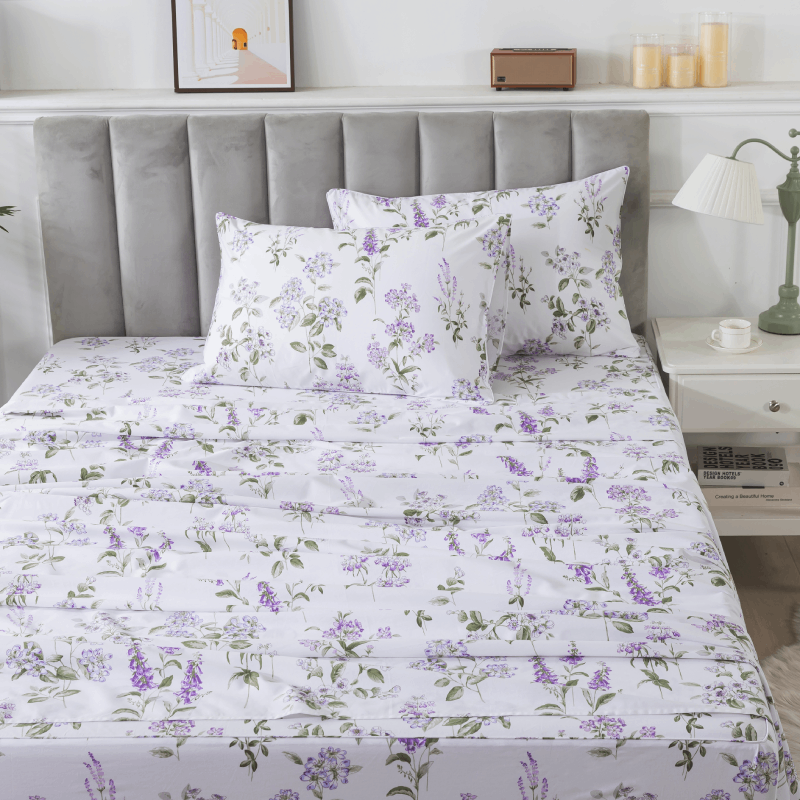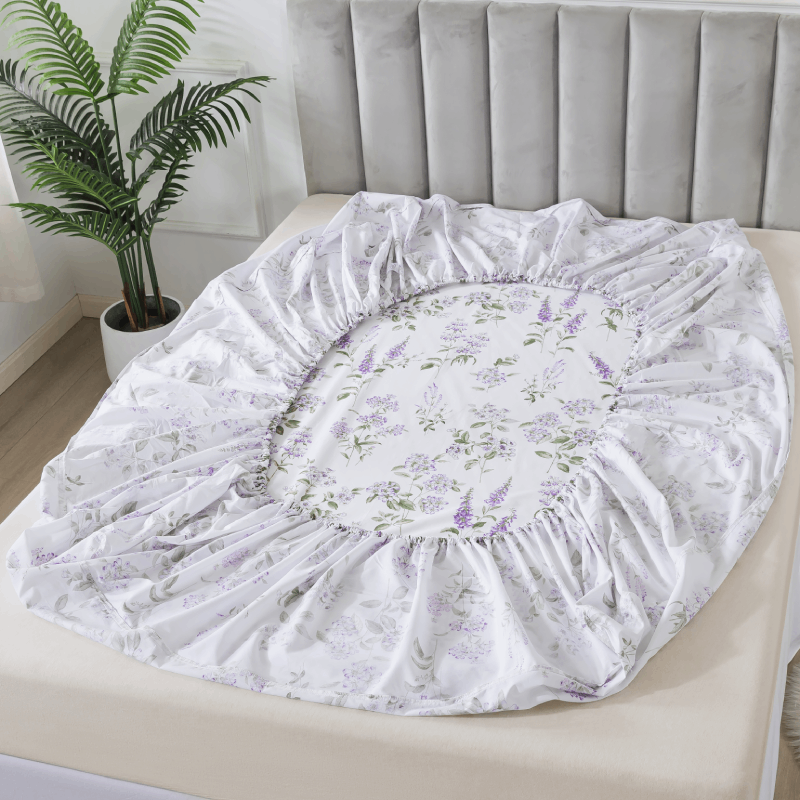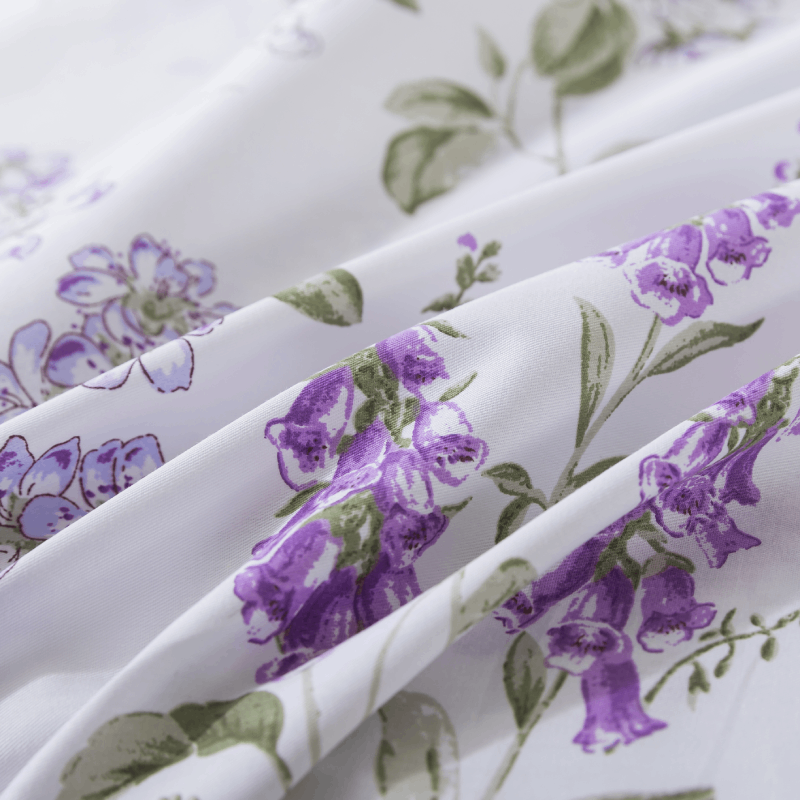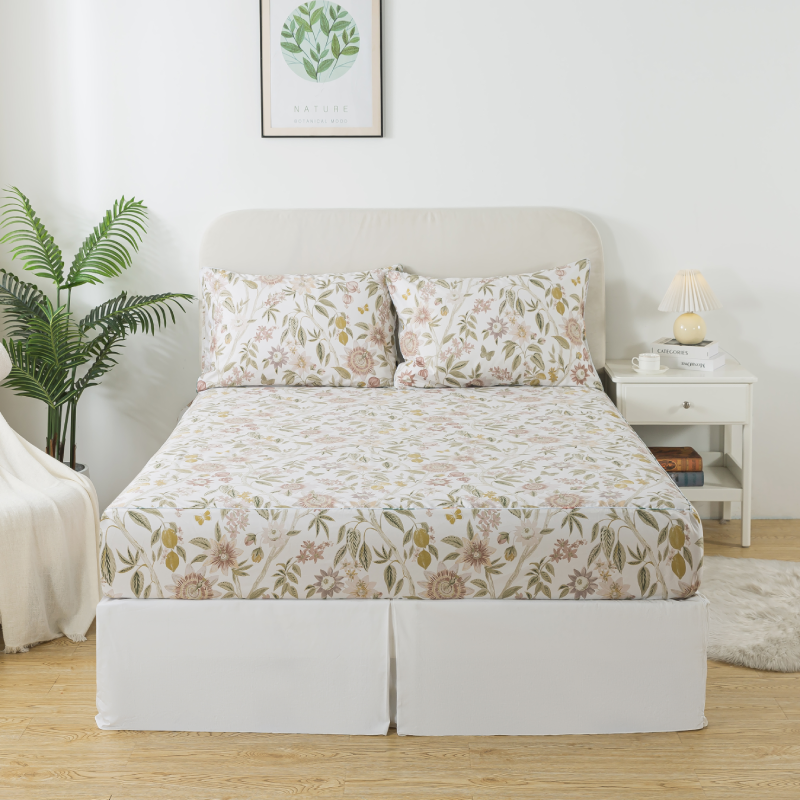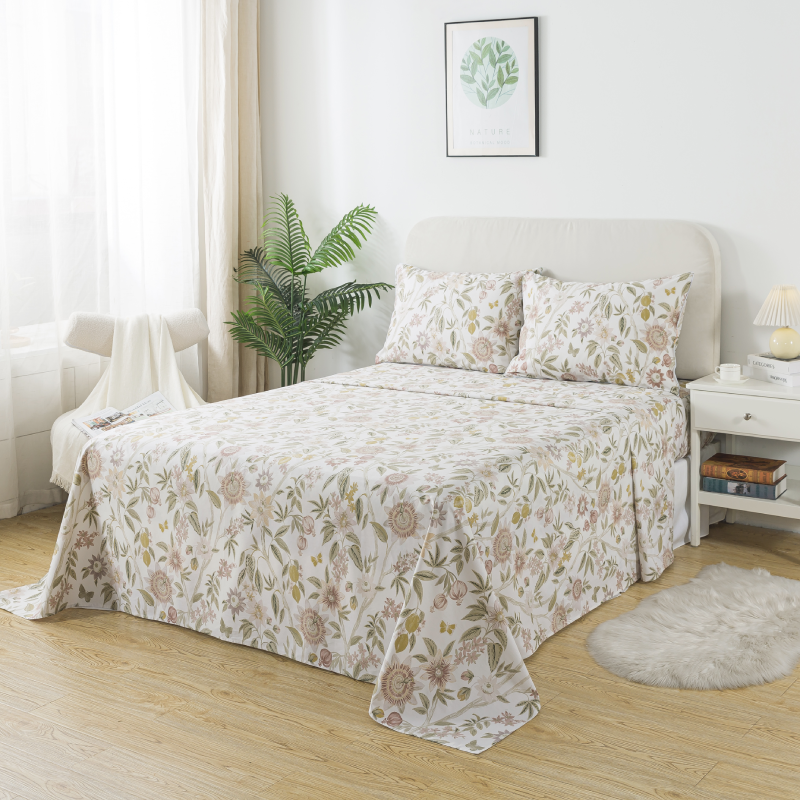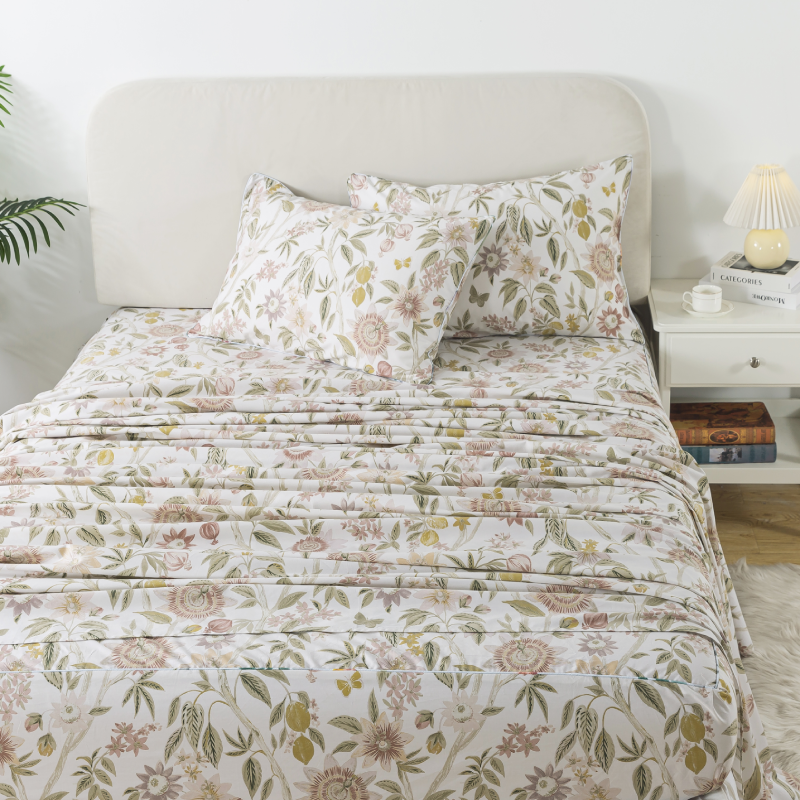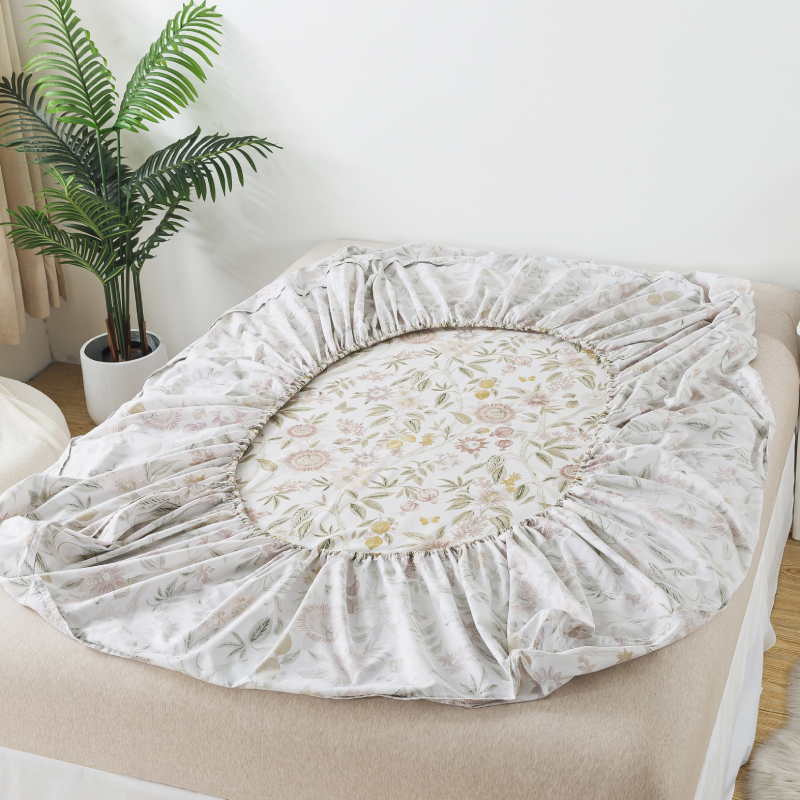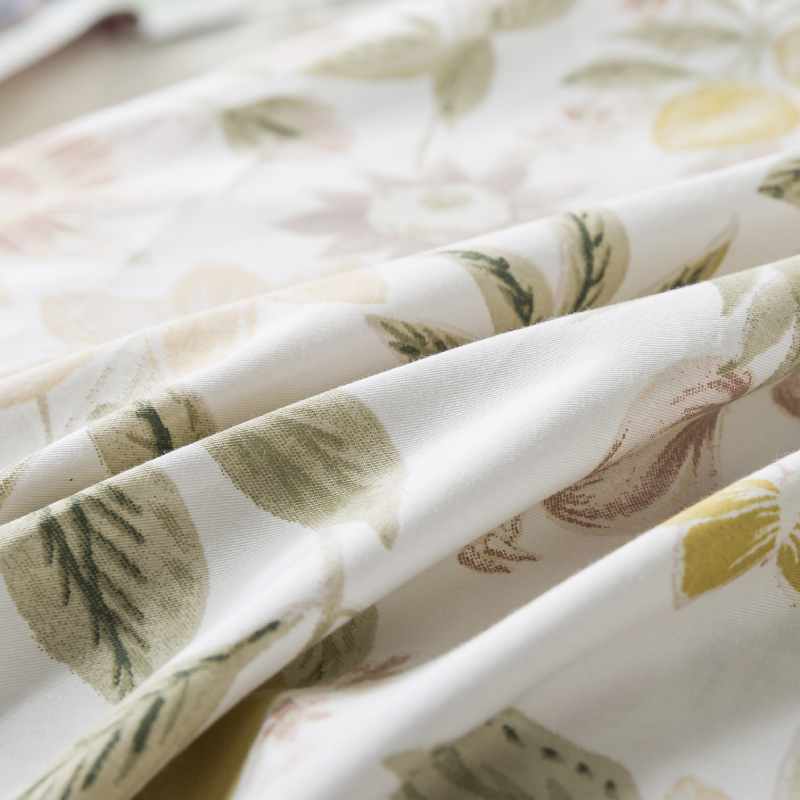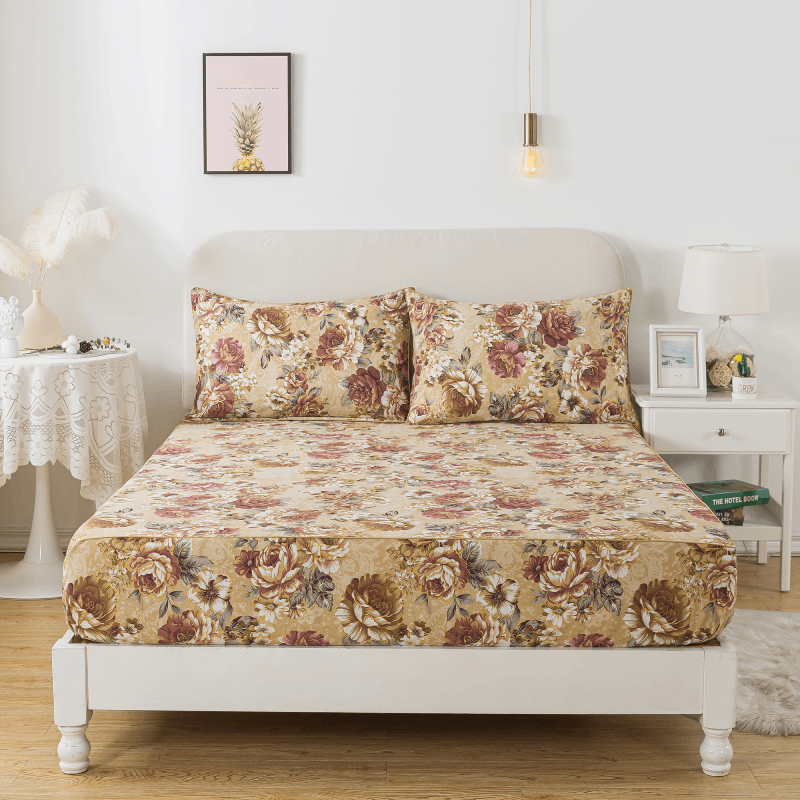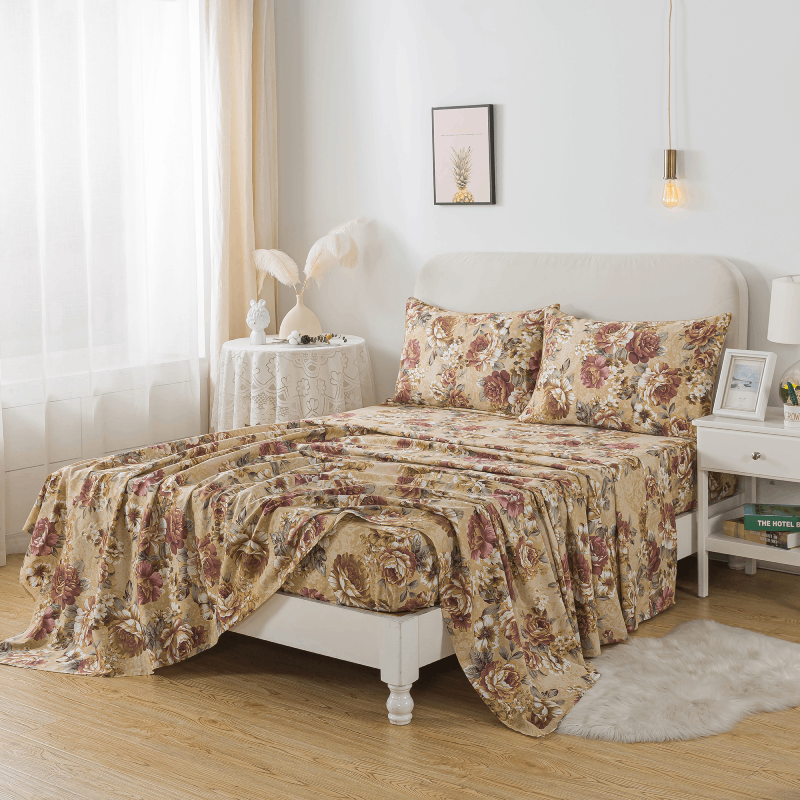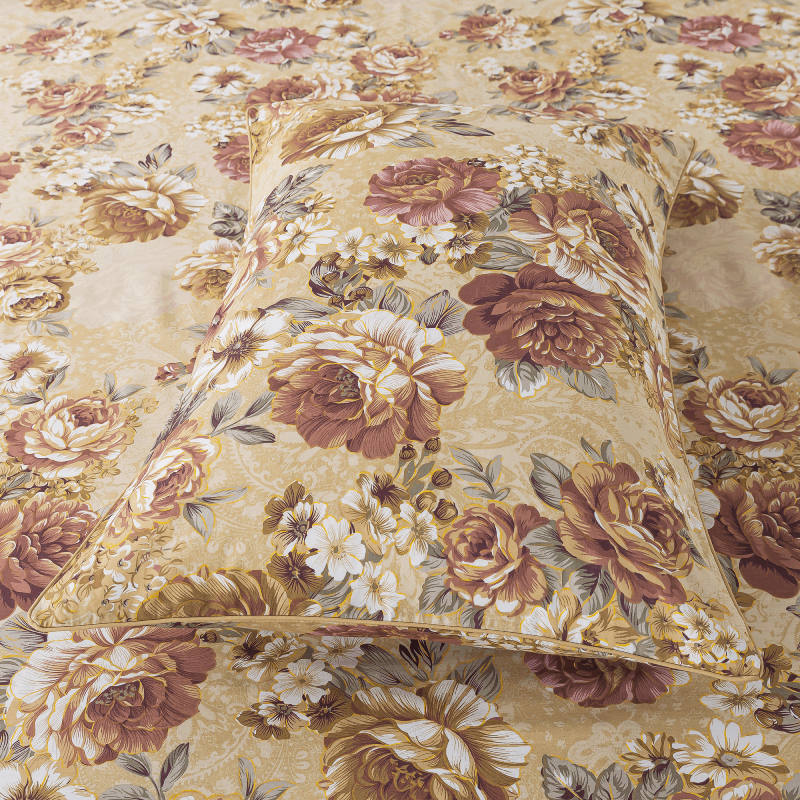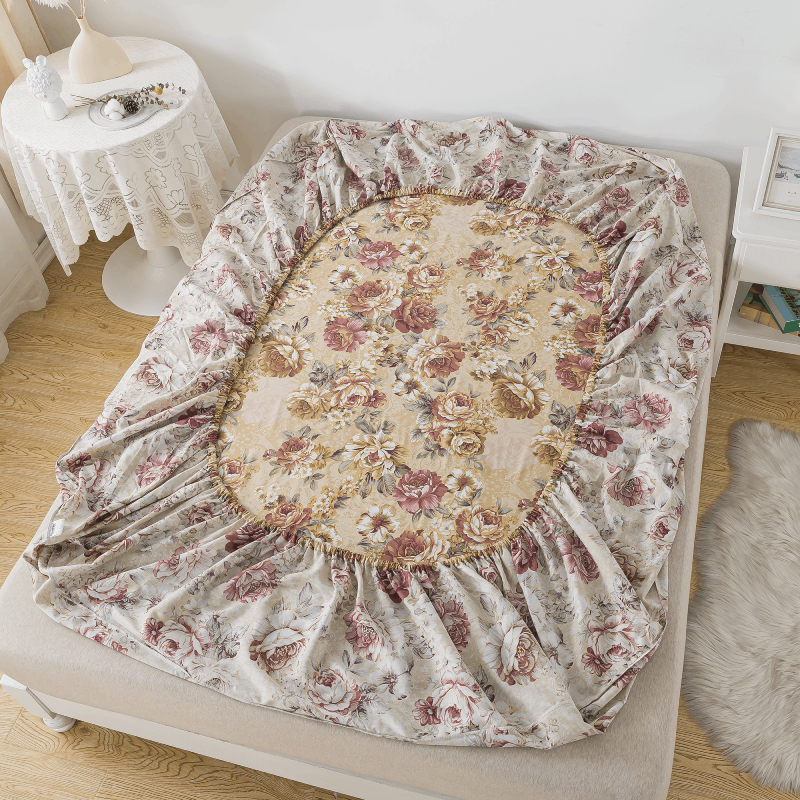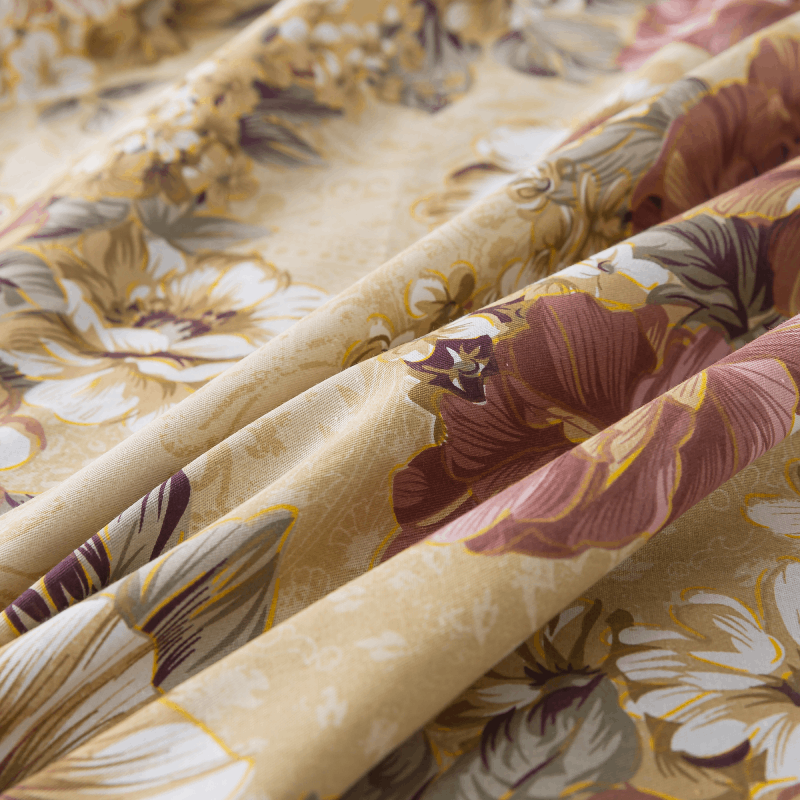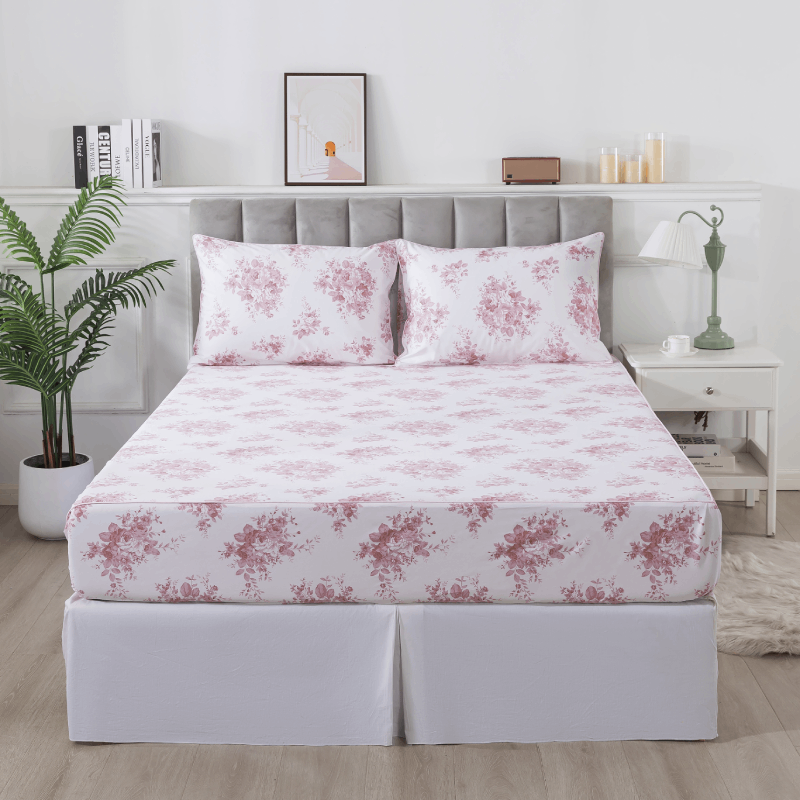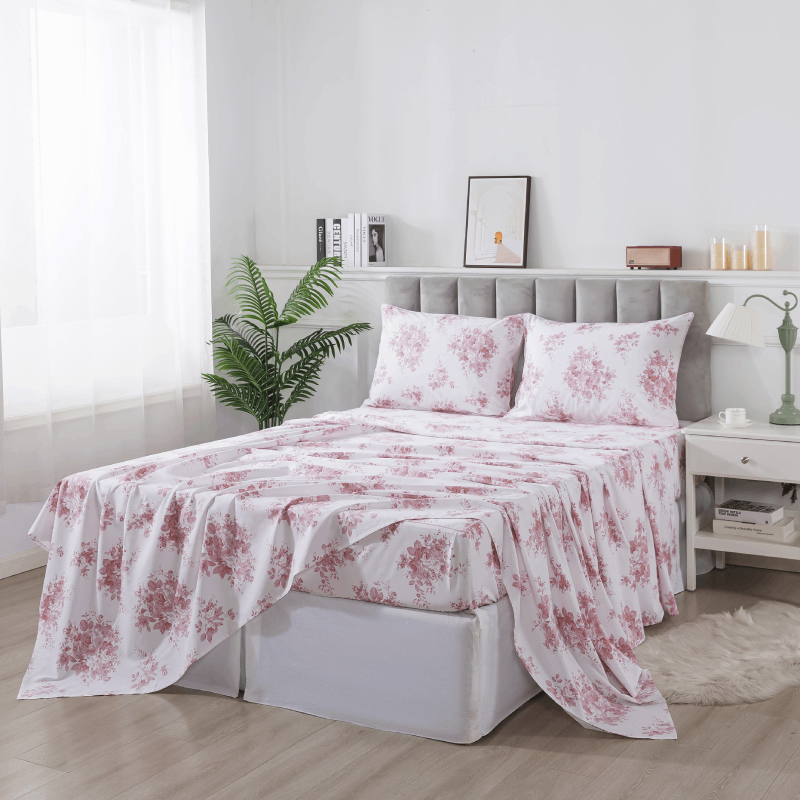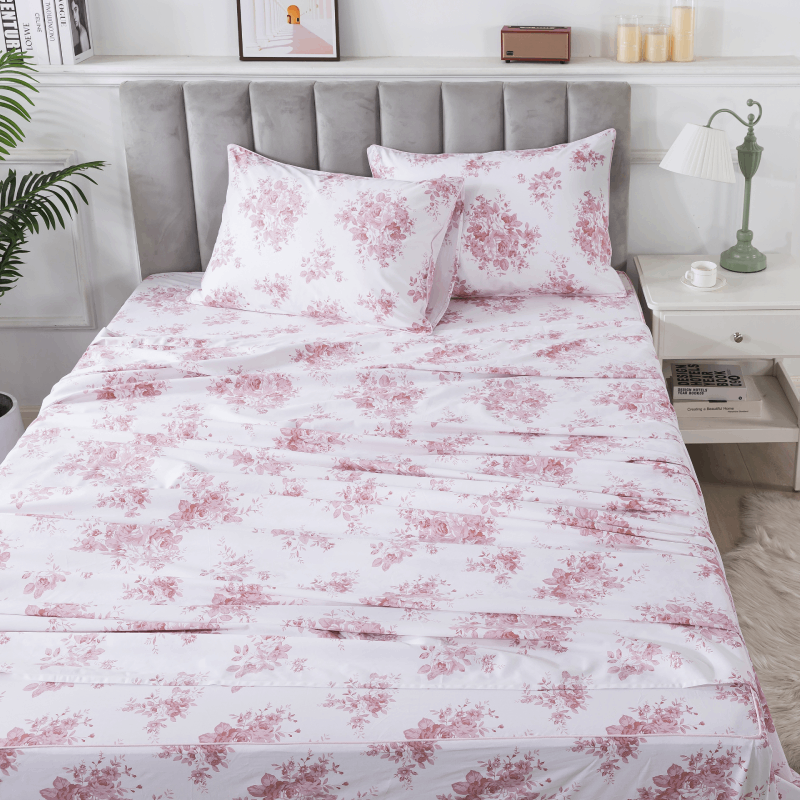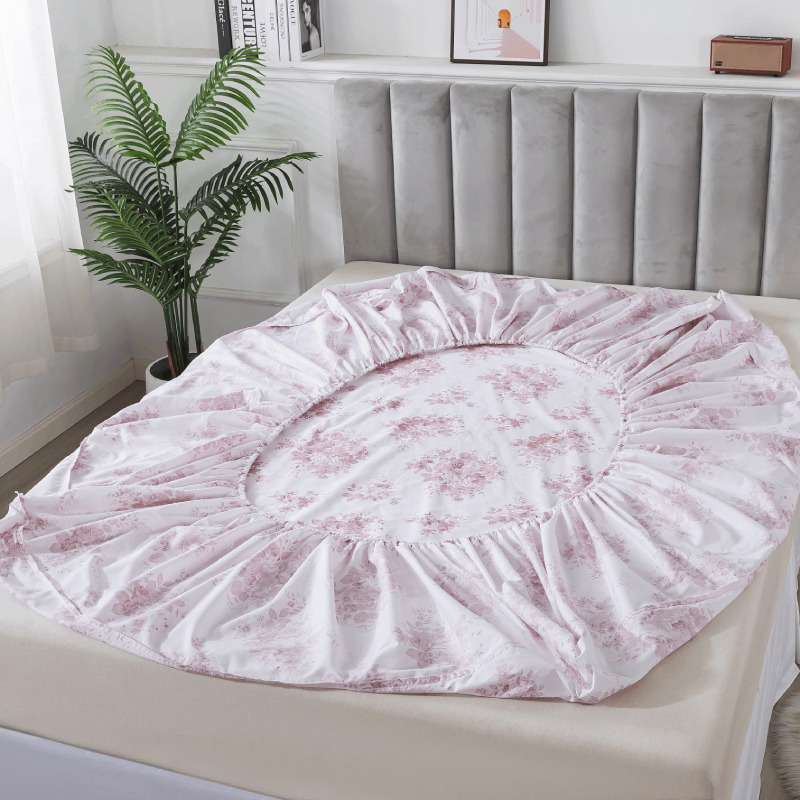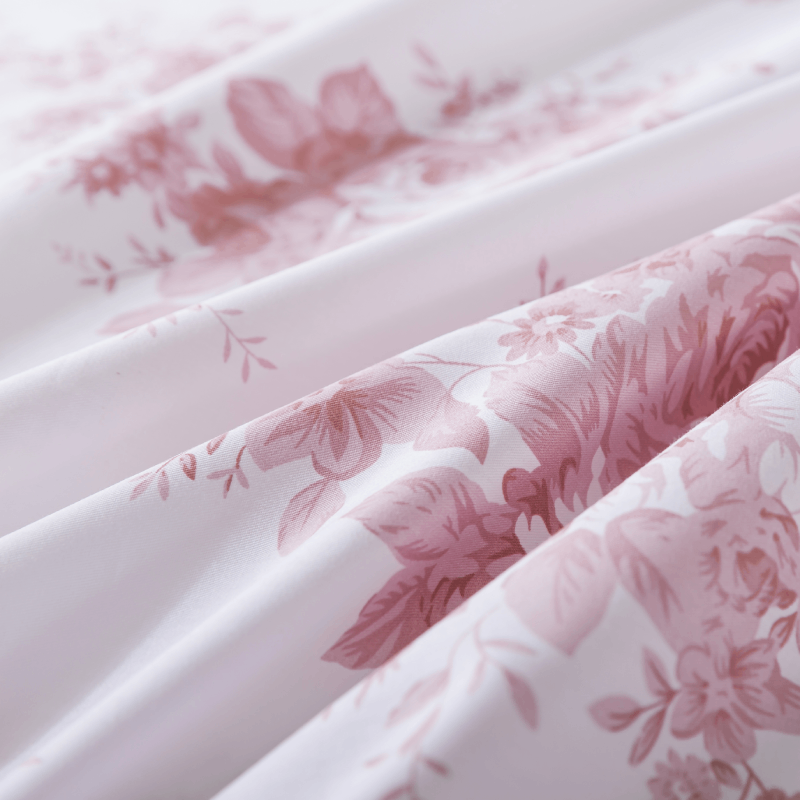
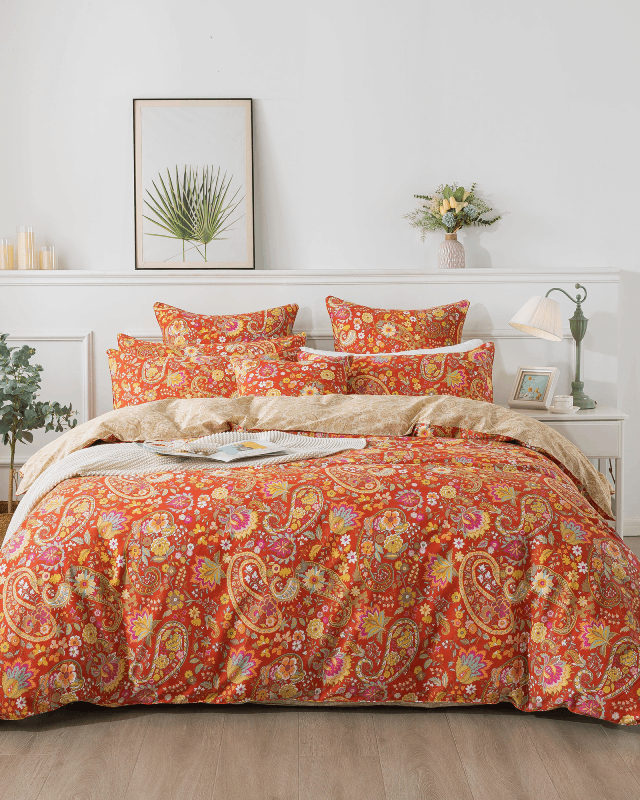
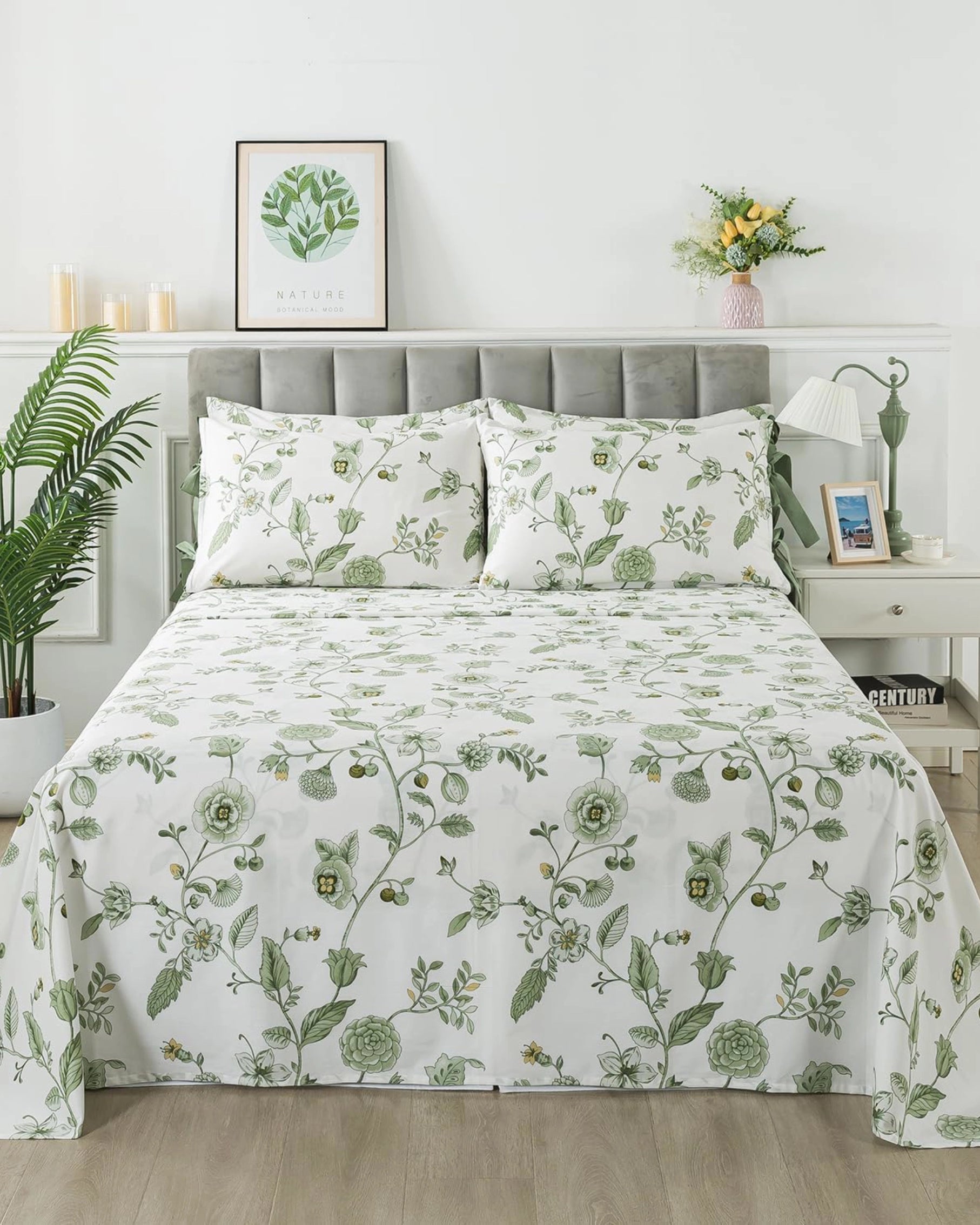


Across cultures, generations, and artistic traditions, floral motifs continue to hold a timeless place in human expression. From ancient textiles to contemporary interiors, flowers appear again and again—not as passing trends, but as enduring symbols of beauty, emotion, and connection. Our instinct to celebrate nature through florals speaks to something deeply human: a shared visual language that transcends borders and time.
Florals are not simply decorative. They are meaningful, emotional, and universal.
Nature as Our First Source of Inspiration
Long before design theory existed, nature shaped our understanding of beauty. The rhythm of seasons, the balance of colors, and the organic symmetry found in flowers taught us harmony and proportion.
Florals reflect nature’s effortless design principles:
• Soft curves rather than rigid lines
• Balanced asymmetry that feels alive
• Layered colors that evolve naturally
When we bring floral designs into our homes, we reconnect with these fundamental aesthetics—ones that feel familiar, grounding, and instinctively comforting.
Flowers as a Shared Cultural Symbol
Flowers carry meaning across civilizations. They appear in rituals, celebrations, art, and everyday life, each culture interpreting them through its own lens while maintaining a shared emotional understanding.
Globally, florals symbolize:
• Growth and renewal
• Love and care
• Transience and beauty
• Hope and continuity
Despite cultural differences, the emotional response to florals remains remarkably consistent. This universality is what makes floral design so powerful—it speaks without words.
The Emotional Comfort of Organic Forms
Floral designs are defined by softness. Their curves, petals, and flowing shapes contrast with the sharp geometry of modern life. Psychologically, these organic forms reduce visual tension and create a sense of ease.
Florals offer emotional benefits by:
• Softening structured environments
• Creating warmth and approachability
• Encouraging calm and reflection
This is why floral patterns feel especially at home in personal spaces like bedrooms—places where emotional comfort matters most.
Color as Emotional Expression
Nature’s palette is rich yet balanced, and floral designs draw directly from it. Greens ground us, warm tones nurture us, and soft pastels calm us.
Through florals, color becomes emotional language:
• Blush tones express gentleness
• Earthy florals convey stability
• Vibrant blooms bring joy and optimism
Unlike artificial palettes, nature-inspired color combinations feel intuitive, allowing florals to resonate across styles and generations.

Florals as Storytelling
Every floral design tells a story. It may evoke a wild meadow, a cultivated garden, a childhood memory, or a specific season in time. These narratives allow individuals to form personal connections with patterns.
Florals enable storytelling by:
• Reflecting personal memories and nostalgia
• Expressing mood without being literal
• Creating emotional layers within a space
They are decorative, but they are also deeply personal.
Timelessness Over Trends
While design trends evolve rapidly, florals remain constant. Their adaptability allows them to feel both classic and contemporary depending on scale, color, and composition.
Florals endure because they:
• Adapt to changing styles
• Balance tradition and modernity
• Never feel disconnected from human experience
This timelessness makes them a reliable foundation for meaningful design.
Why Florals Feel Especially Relevant Today
In a fast-paced, digital world, people increasingly seek comfort, grounding, and authenticity. Floral designs offer a visual return to nature—reminding us to slow down and reconnect.
They represent:
• A longing for natural balance
• Emotional warmth in private spaces
• Beauty rooted in simplicity rather than excess
Celebrating florals is, in many ways, a celebration of well-being.
Florals in the Home: More Than Decoration
When used thoughtfully, floral designs transform interiors into emotional environments. They soften spaces, add depth, and make rooms feel lived-in rather than staged.
In bedding, textiles, and décor, florals:
• Create a nurturing atmosphere
• Enhance daily rituals
• Encourage rest and reflection
They support not just how a home looks—but how it feels.
Final Thoughts: A Language We All Understand
Florals transcend language, culture, and time. They remind us of nature’s beauty, emotional connection, and the comfort of familiarity. When we celebrate florals, we celebrate something universal: the human desire for harmony, warmth, and beauty rooted in the natural world.
In every petal and pattern, florals quietly speak a language we all understand—one of care, balance, and enduring beauty.