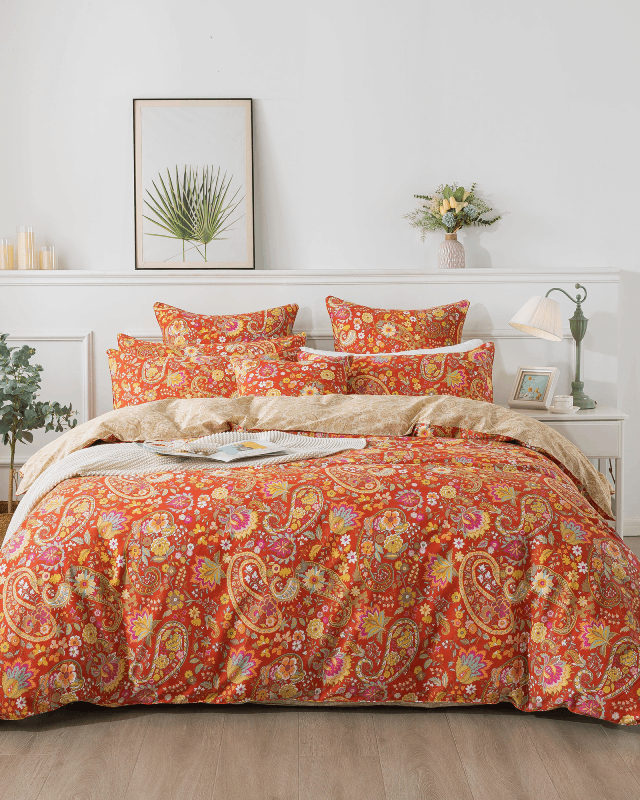


In the home textile industry, trends move fast. One season it’s oversized botanicals. The next, minimalist neutrals. Then cottagecore, retro revival, or bold maximalism. Trend-driven bedding is reactive by nature—it responds to what’s currently visible in fashion, interiors, and social media.
But timeless bedding? That’s a different discipline entirely.
Designing bedding that still feels relevant five or ten years from now requires restraint, technical textile expertise, and a deep understanding of how people actually live at home. In many ways, it is significantly more complex than designing something simply “on trend.”
Let’s break down why.
1. Trendy Design Relies on Momentum. Timeless Design Relies on Balance.
Trendy bedding benefits from cultural momentum. When a particular aesthetic dominates Pinterest or Instagram, designers can lean into recognizable cues—specific color palettes, pattern scales, or motifs that consumers already associate with “what’s current.”
Timeless bedding doesn’t have that luxury.
Instead, it must achieve balance:
-
Color palettes that feel fresh but not loud
-
Patterns that are expressive but not overwhelming
-
Details that elevate without becoming decorative clutter
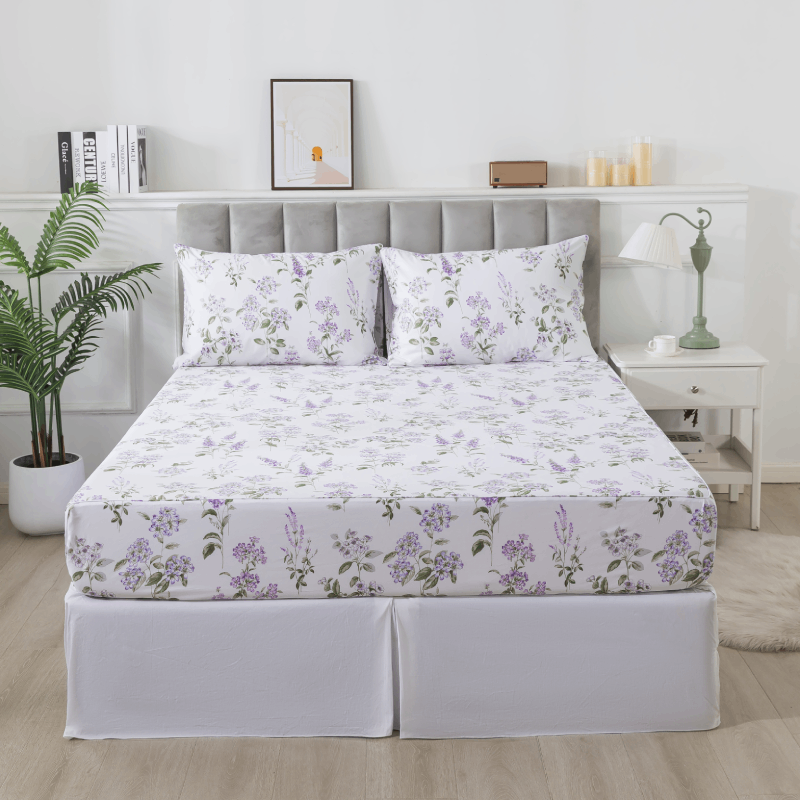
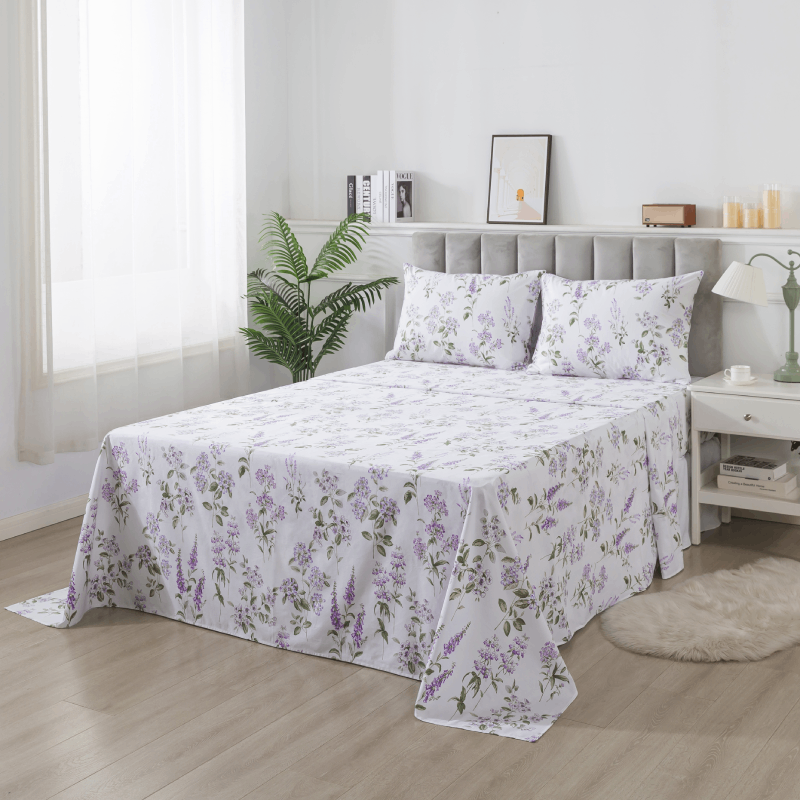
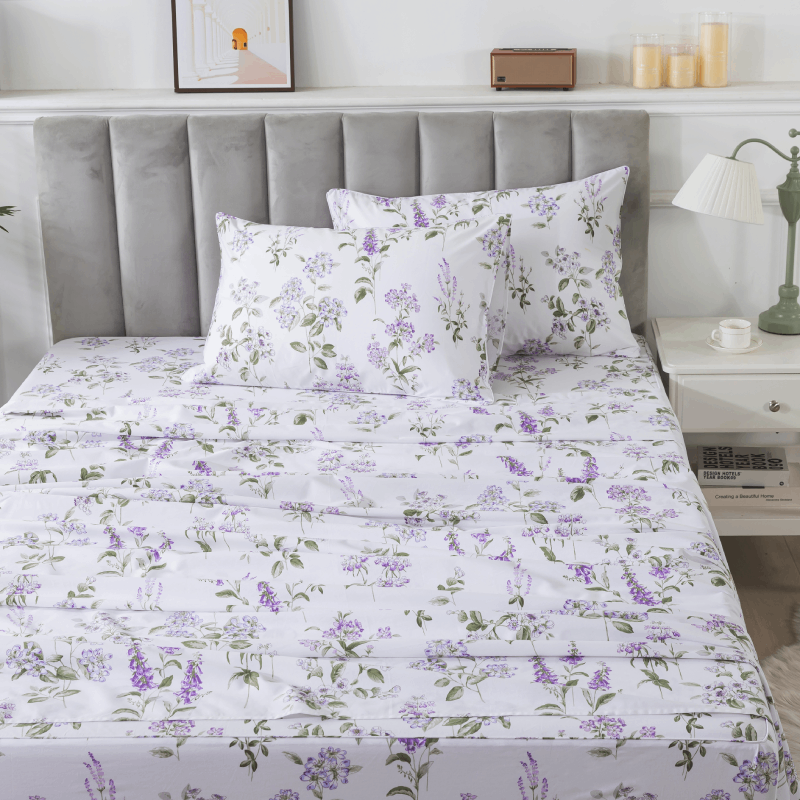
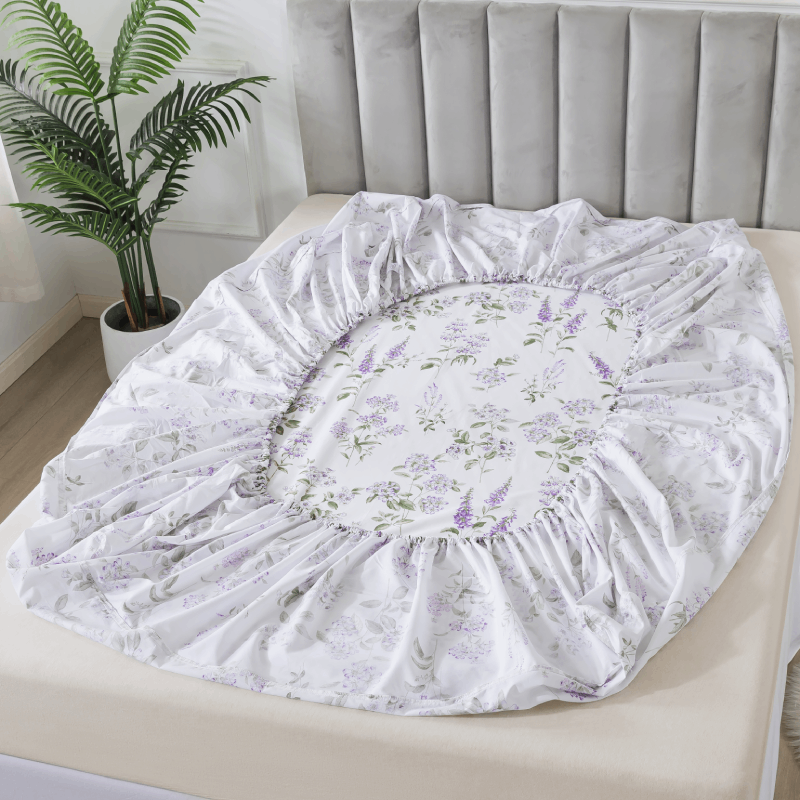
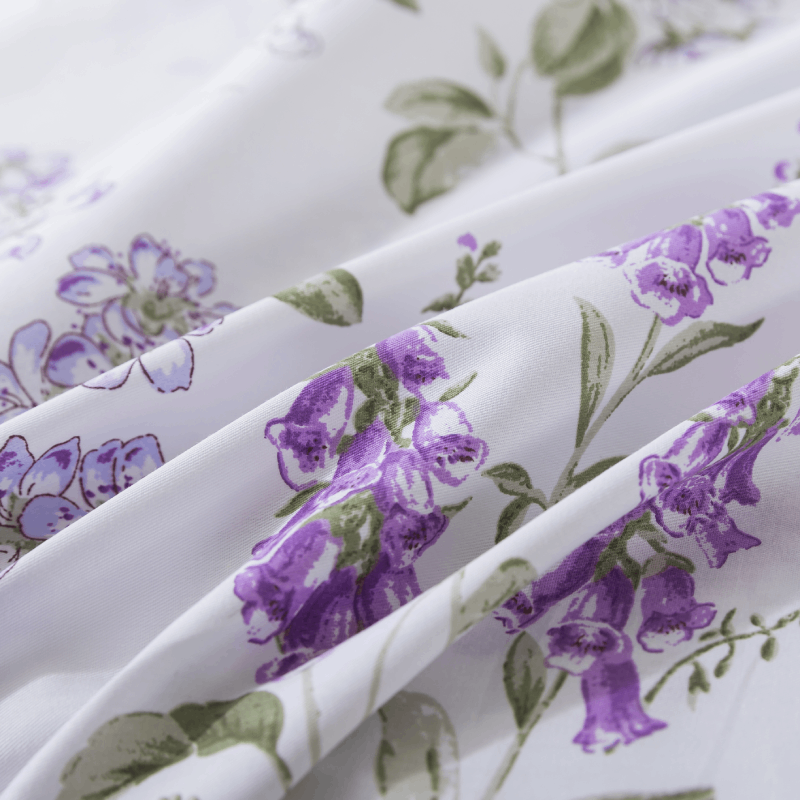
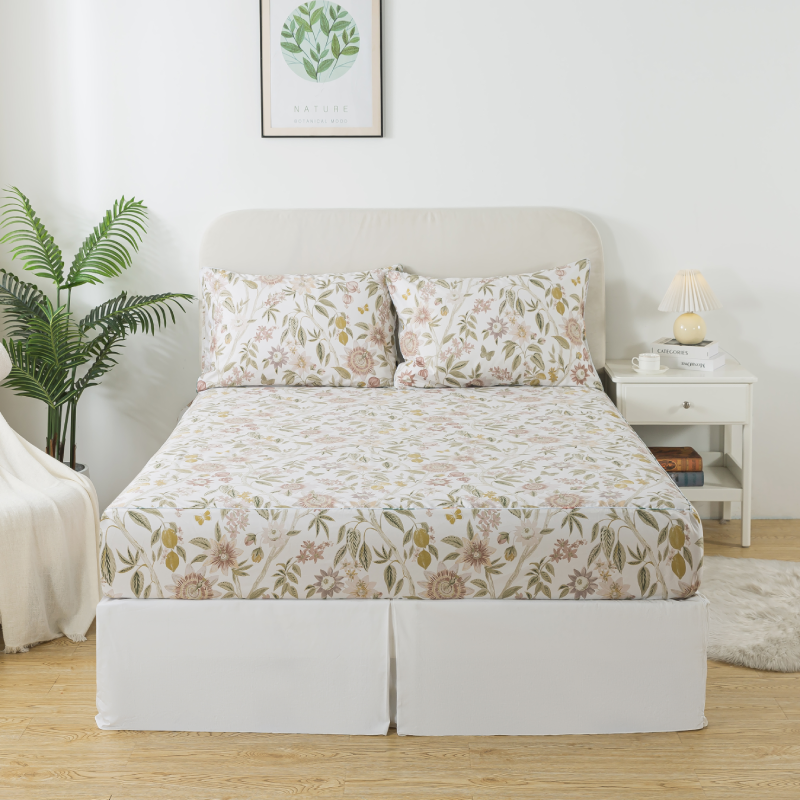
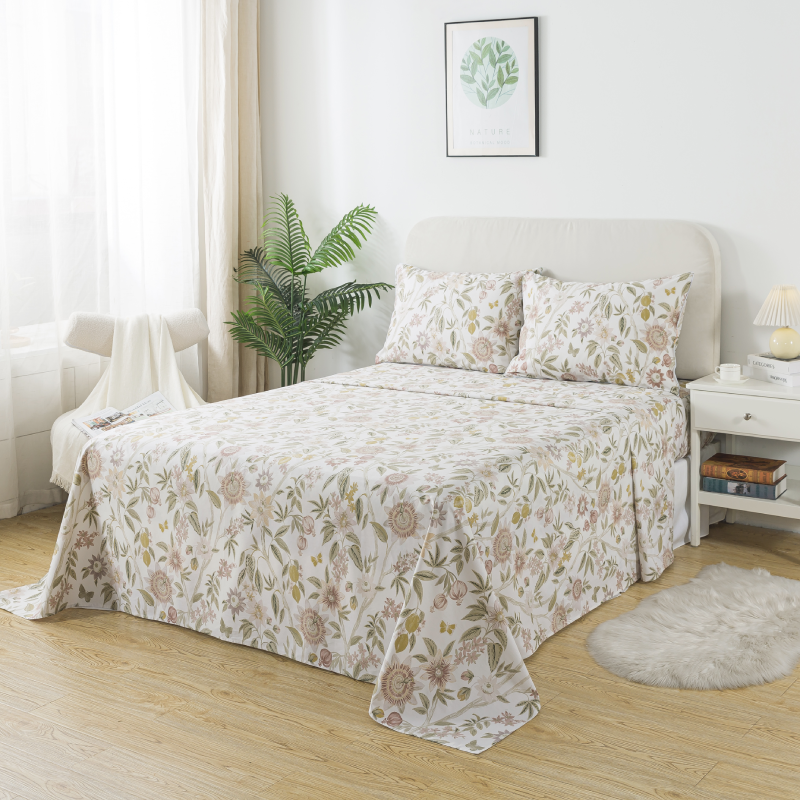
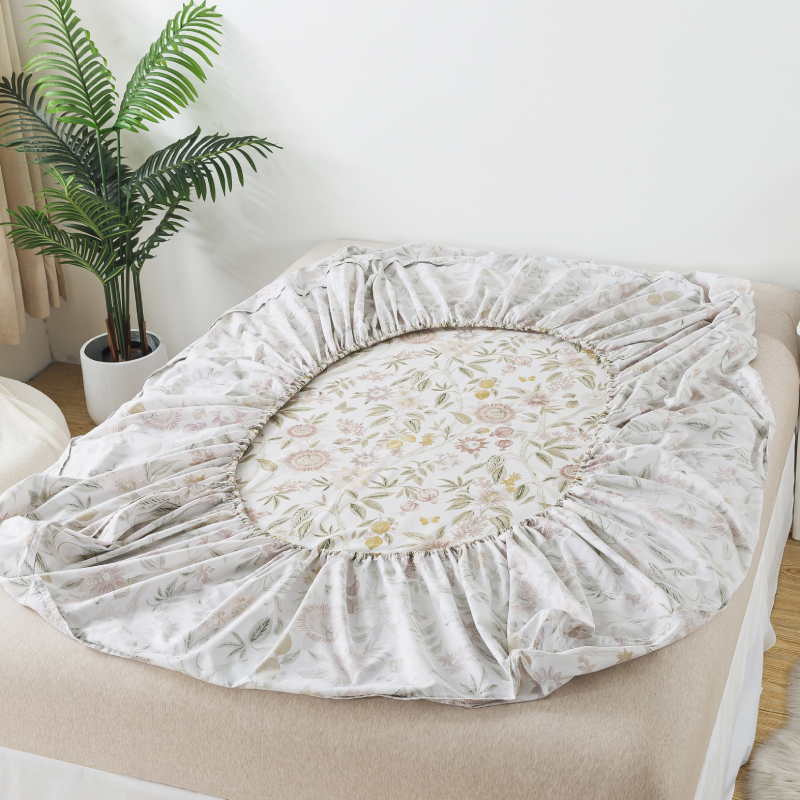
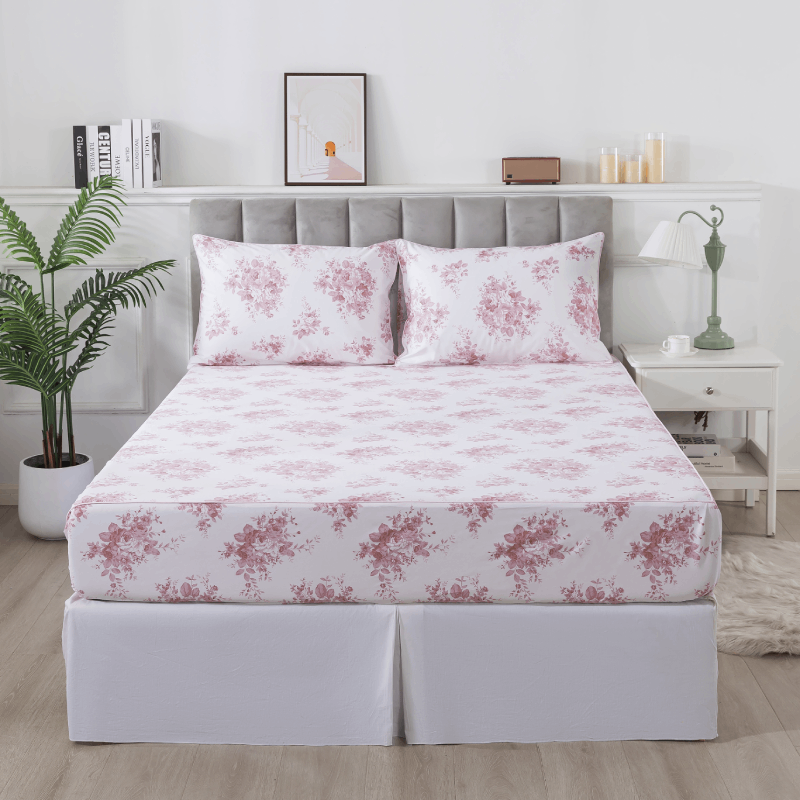
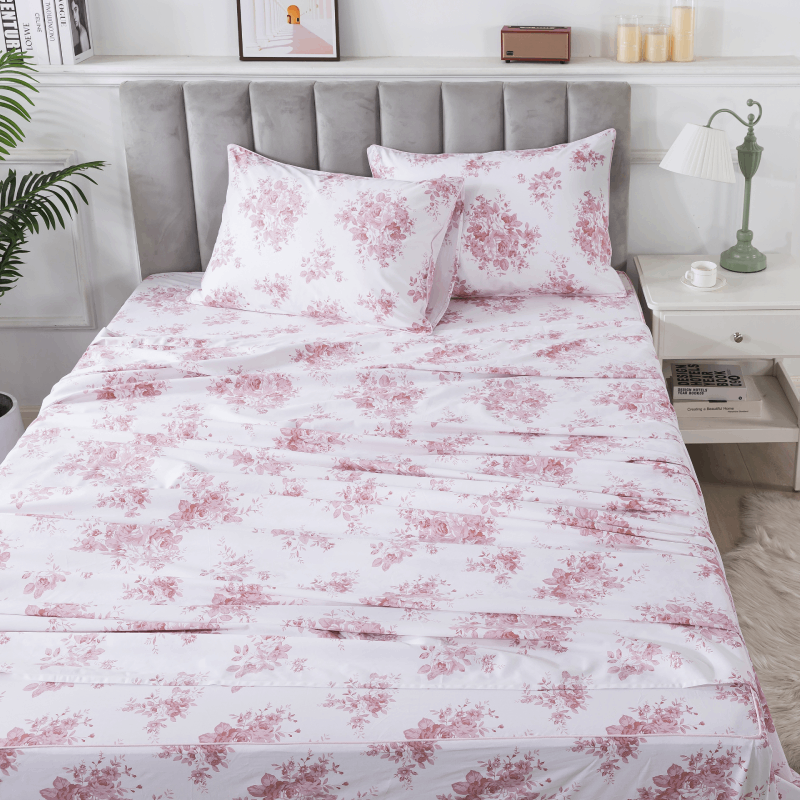
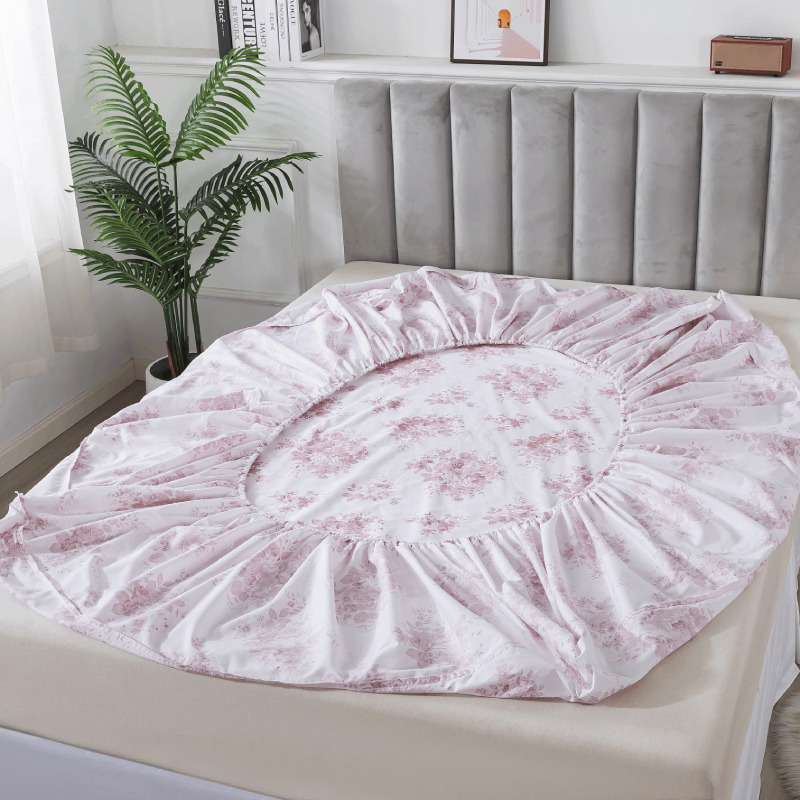
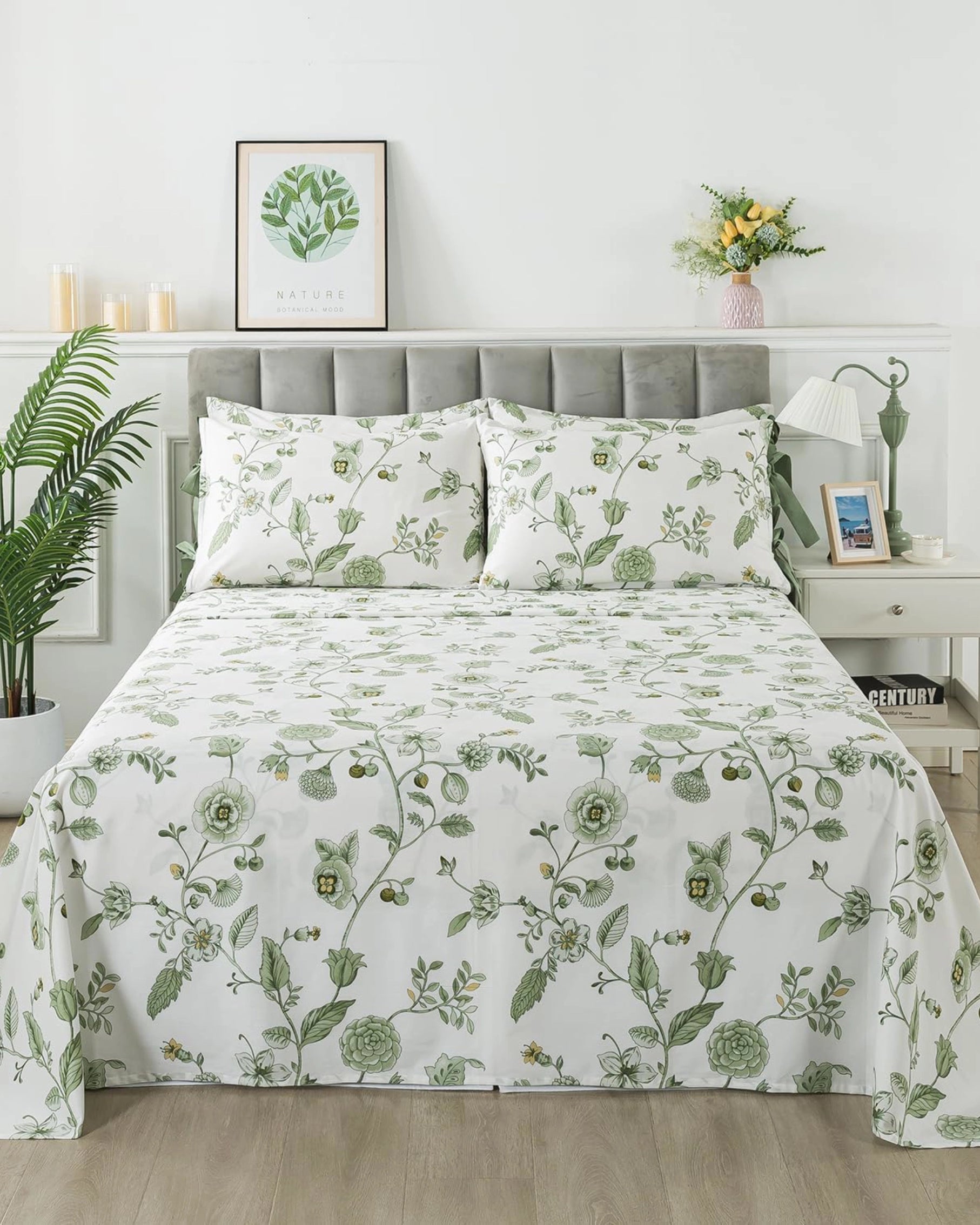
A timeless floral, for example, cannot be too dense, too sparse, too vintage, or too modern. It must sit in the subtle middle ground where it complements a wide range of interiors—from farmhouse to contemporary—without feeling locked into one era.
That level of calibration is far more demanding than following a trend forecast.
2. Timeless Bedding Must Survive Multiple Interior Evolutions
Consumers change their wall colors. They move homes. They update furniture. They swap rugs, curtains, and artwork.
Trendy bedding often matches a specific look. Once that look fades, the product feels dated.
Timeless bedding, however, must remain compatible through these transitions. That means:
-
Avoiding extreme color saturation
-
Designing prints that layer well with solids
-
Creating motifs that feel natural rather than stylized
In practice, this requires designers to think long-term. A floral pattern shouldn’t just look beautiful in a styled photoshoot—it should still feel right when paired with different nightstands, headboards, and even lighting environments years later.
Timeless design anticipates change. Trend design reacts to it.
3. Fabric Choice Matters More in Timeless Products
When a product is trend-driven, visual impact often carries the sale. With timeless bedding, material quality becomes central.
Because the aesthetic is subtle, the tactile experience must deliver:
-
Breathability
-
Durability
-
Softness that improves with washing
-
Structural integrity in stitching and quilting
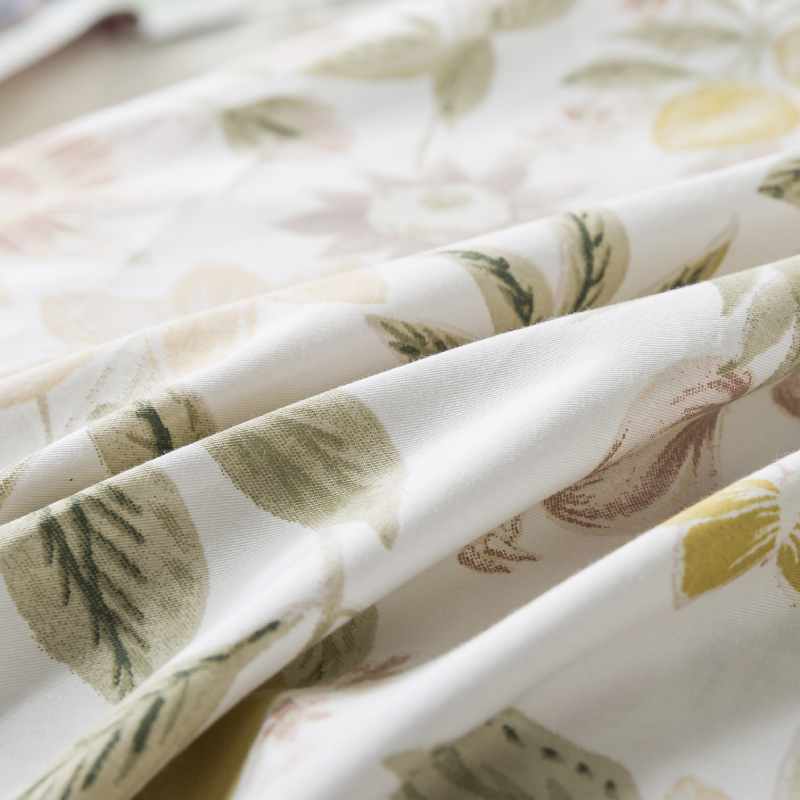
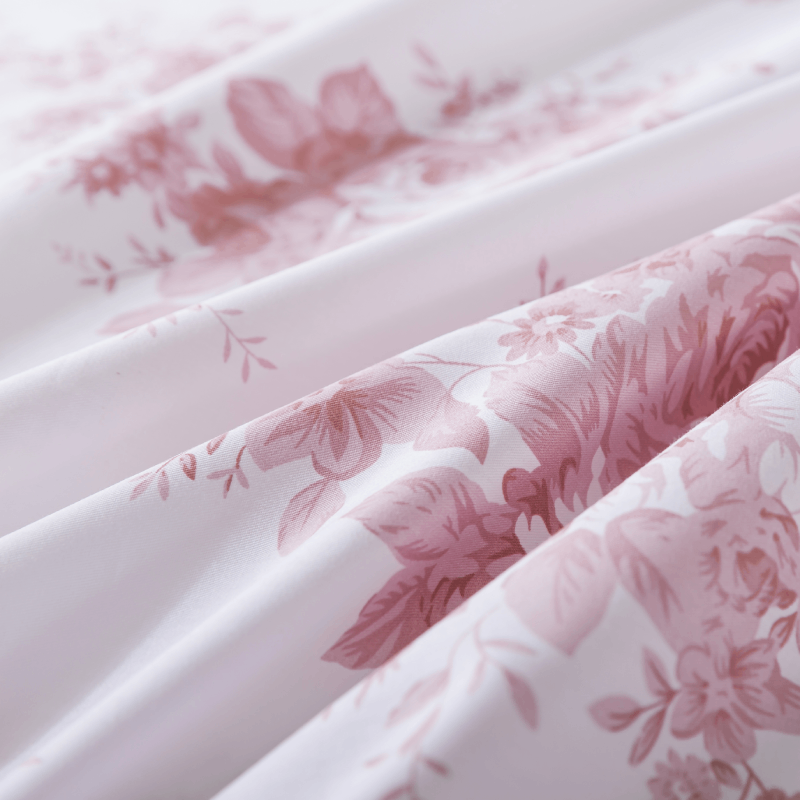
In other words, the textile engineering has to be as strong as the design language. Pure cotton, for instance, remains enduring not because it is trendy, but because it aligns with how people actually sleep—naturally breathable, gentle on skin, and seasonally adaptable.
Timeless bedding cannot hide behind visual novelty. The fabric must stand on its own.

4. Restraint Is Harder Than Expression
Designers are creative by nature. It is tempting to add:
-
More contrast
-
More decorative elements
-
More dramatic color blocking
But timeless design requires restraint.
It often means editing out good ideas to protect the overall harmony of the piece. Removing an extra border. Softening a color by 10%. Reducing print density slightly so the bed feels calm instead of busy.
This discipline is subtle—and subtlety is difficult.
Consumers may not consciously recognize the design decisions behind a timeless piece. But they feel the result: a bedroom that feels composed, breathable, and restful rather than overstimulating.
5. Timeless Design Prioritizes Emotional Longevity
Trends create excitement. Timeless design creates attachment.
A trendy bedding set might photograph beautifully for a season. A timeless one becomes part of daily life:
-
Morning light across soft cotton
-
A slightly rumpled quilt after an afternoon nap
-
The quiet comfort of familiar fabric
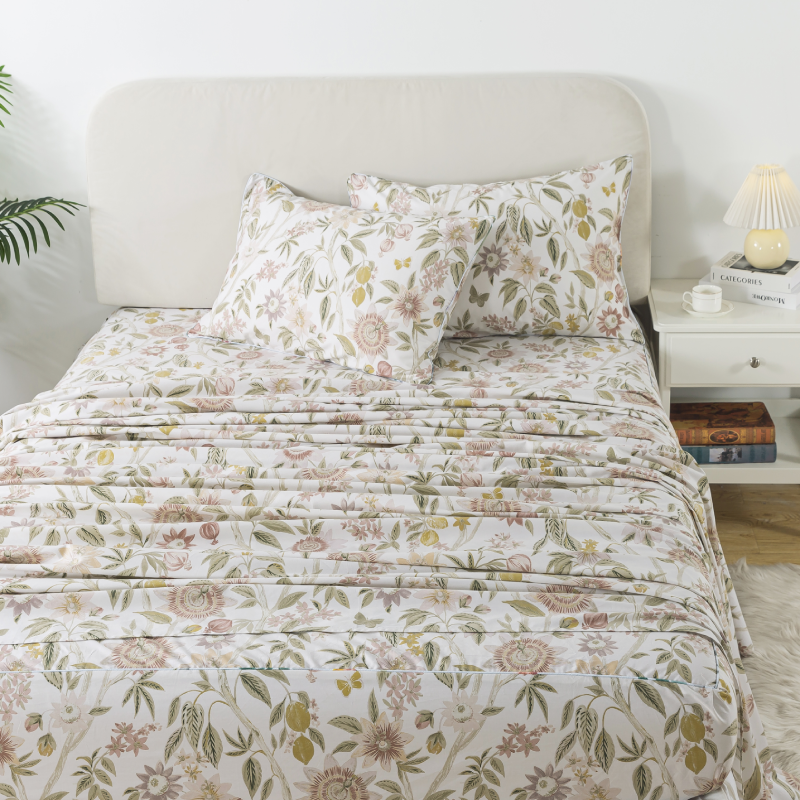
Timeless bedding is designed to age gracefully. Slight wrinkles become part of its charm. The print becomes associated with routines and memories rather than seasonal aesthetics.
That emotional durability cannot be manufactured through trend cycles.
6. Commercial Risk Is Higher
From a business standpoint, timeless bedding carries greater risk.
Trendy products often generate immediate spikes in sales because they align with current demand. Retailers and brands can capitalize on visibility.
Timeless bedding requires confidence. It may not produce explosive short-term growth, but it builds steady, long-term trust. When customers return to a brand repeatedly, it is usually because the product integrated seamlessly into their lives—not because it was fashionable for a moment.
Designing for longevity is a strategic commitment, not a seasonal tactic.
7. The Goal Is Quiet Confidence
Ultimately, timeless bedding is harder to design because its success is quieter.
It does not demand attention.
It does not chase novelty.
It does not depend on algorithm-driven aesthetics.
Instead, it aims for equilibrium—between pattern and space, softness and durability, beauty and practicality.
When done correctly, it feels effortless. But that effortlessness is the result of careful design refinement, textile expertise, and a clear understanding of how homes evolve over time.
Final Thoughts
Trendy bedding is about the present moment.
Timeless bedding is about every morning after.
Designing something that looks beautiful today is achievable. Designing something that still feels right years later—through moves, redecorations, pets, naps, and daily life—that is far more demanding.
And perhaps that is why truly timeless bedding is rare.
Because longevity, in design, is never accidental.