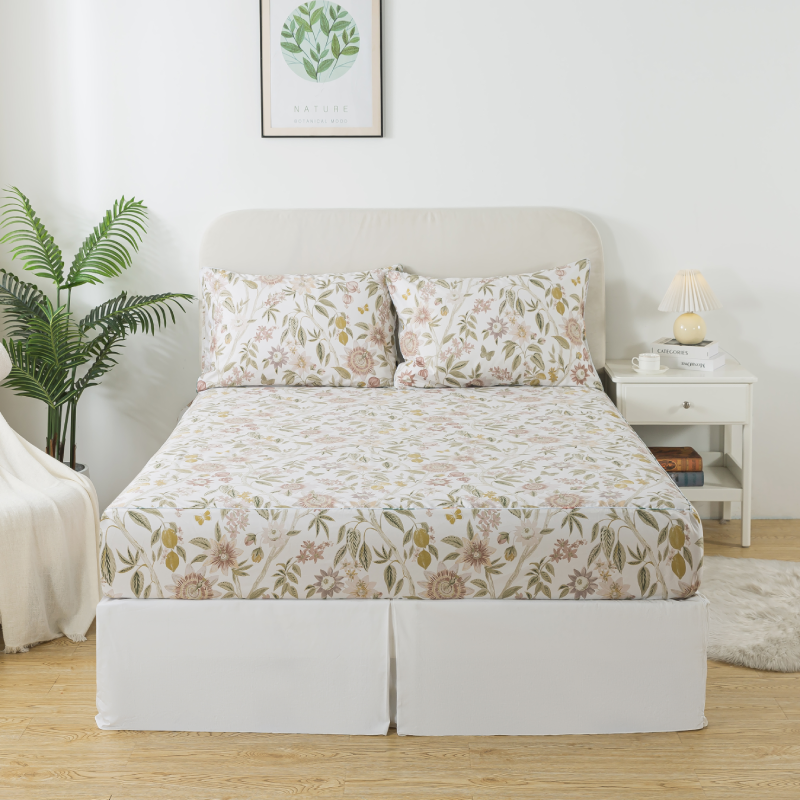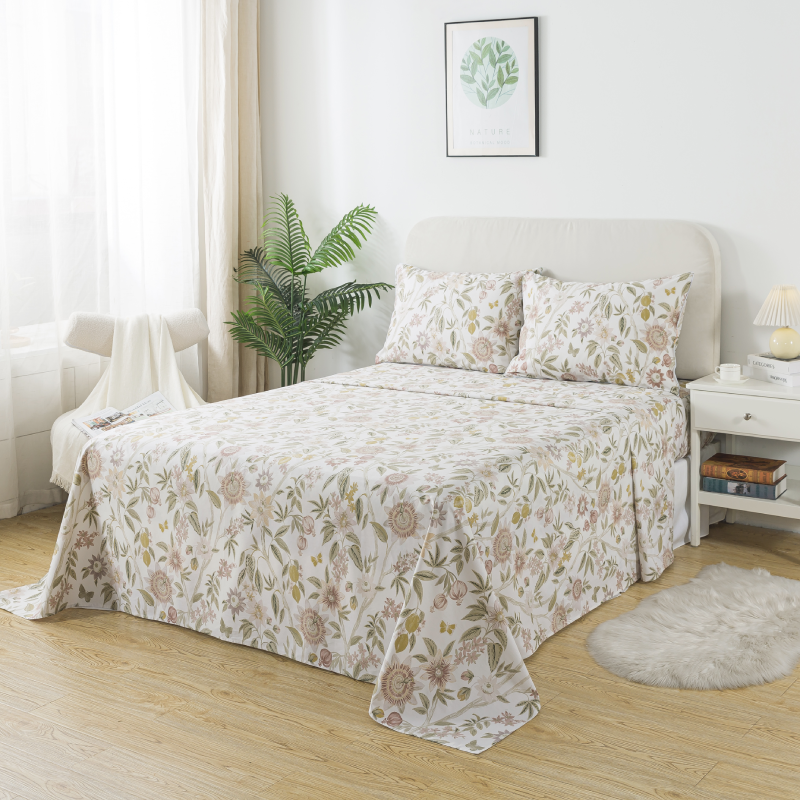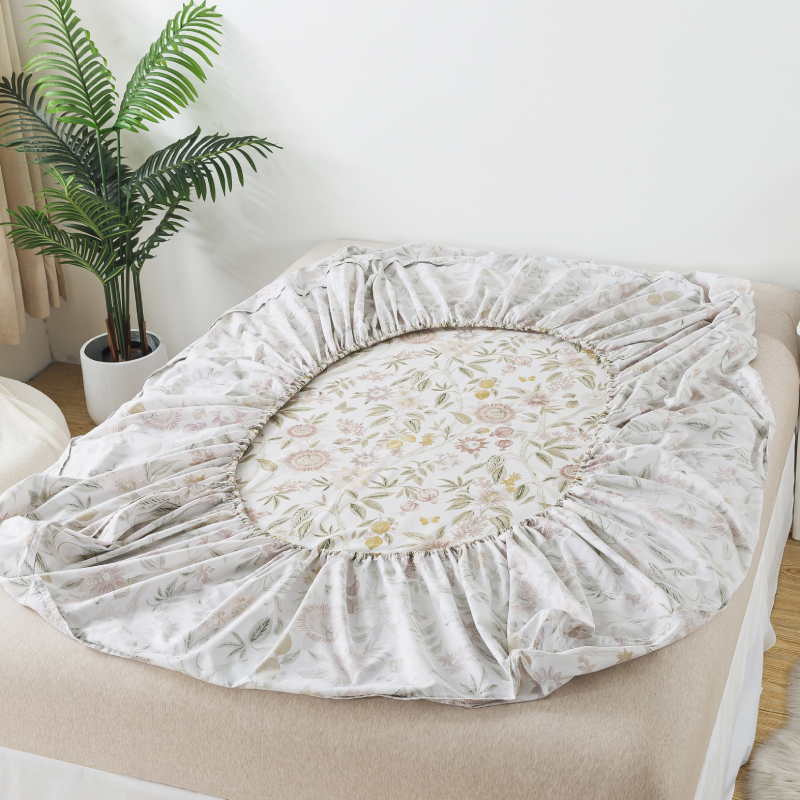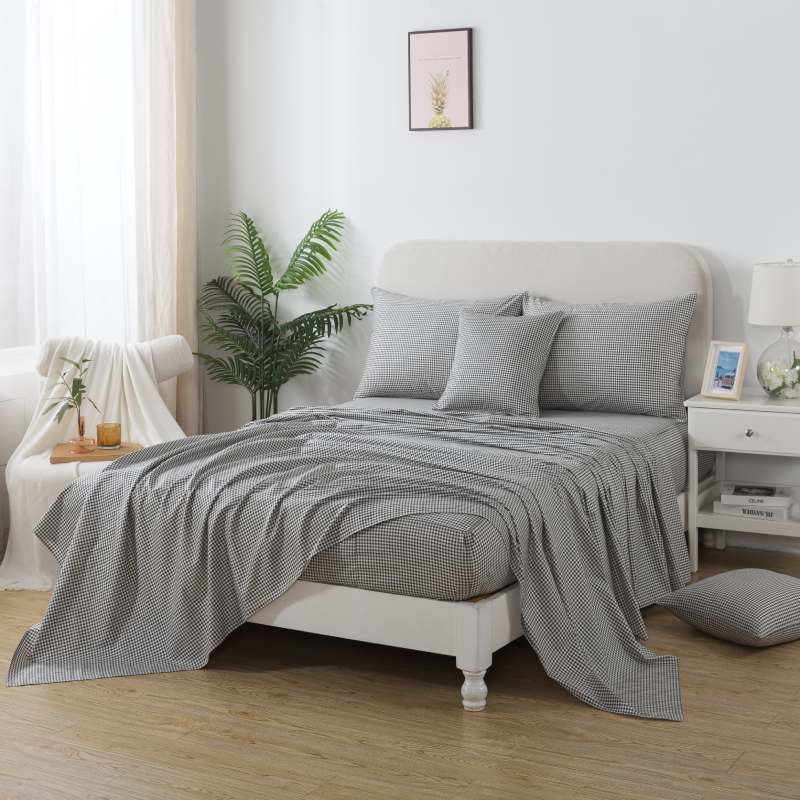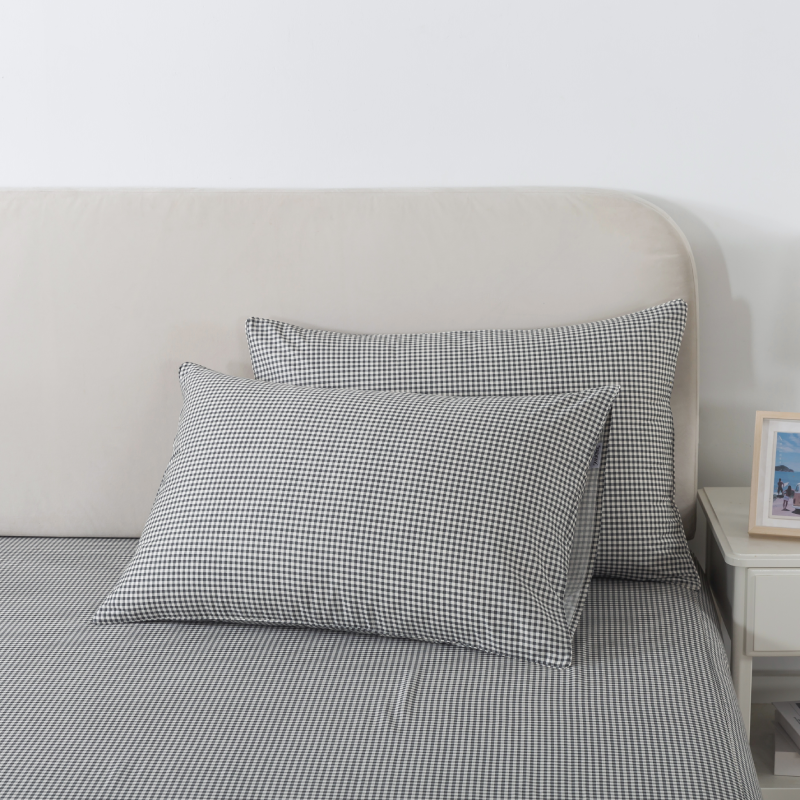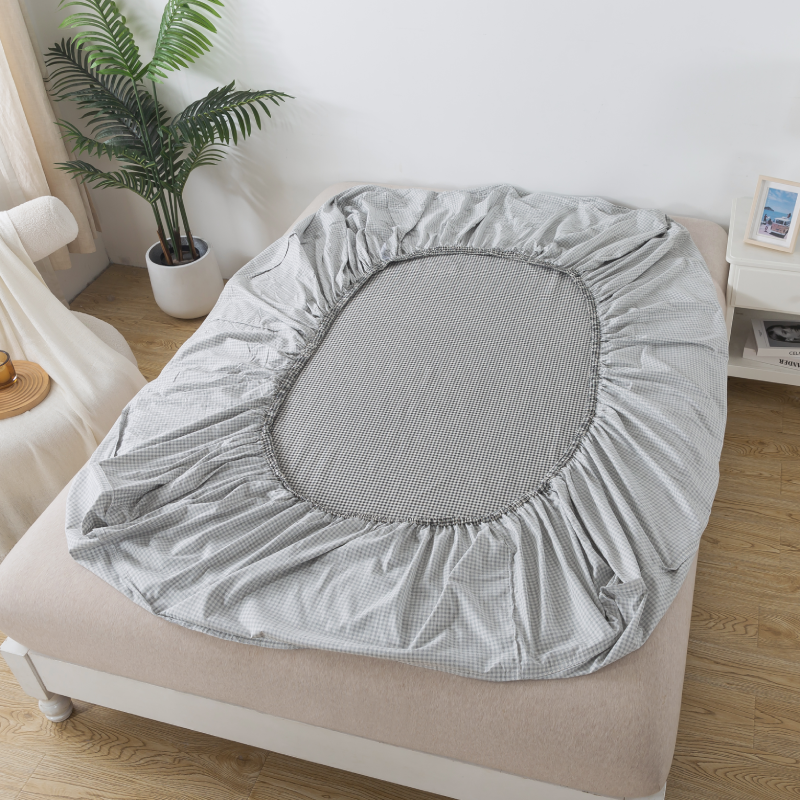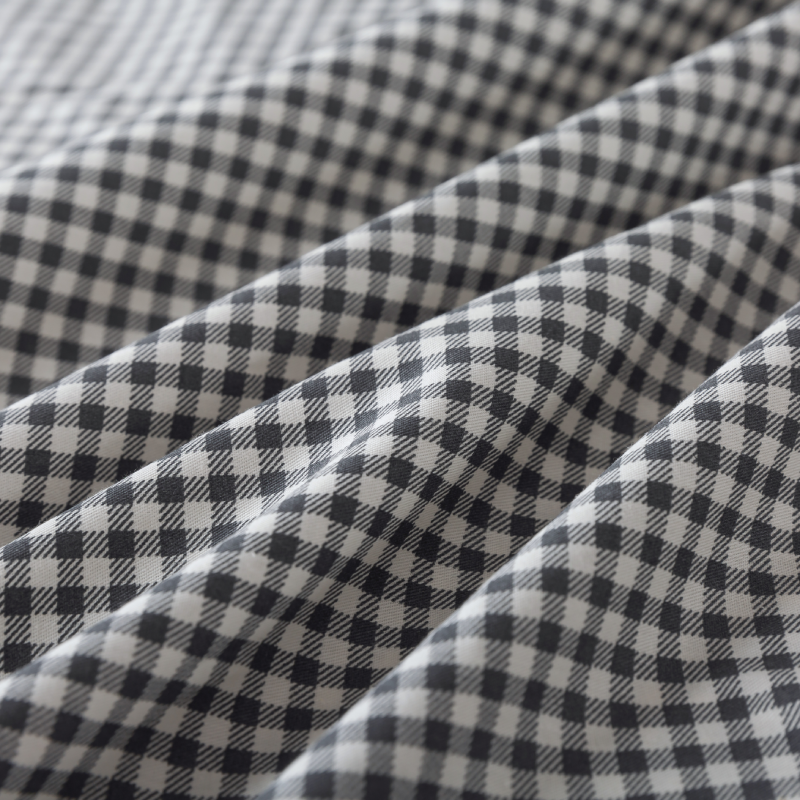
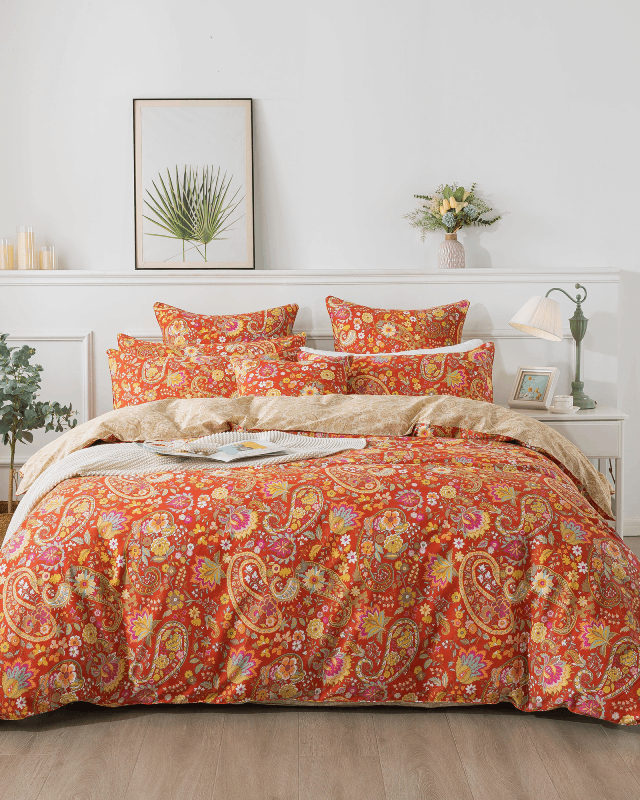
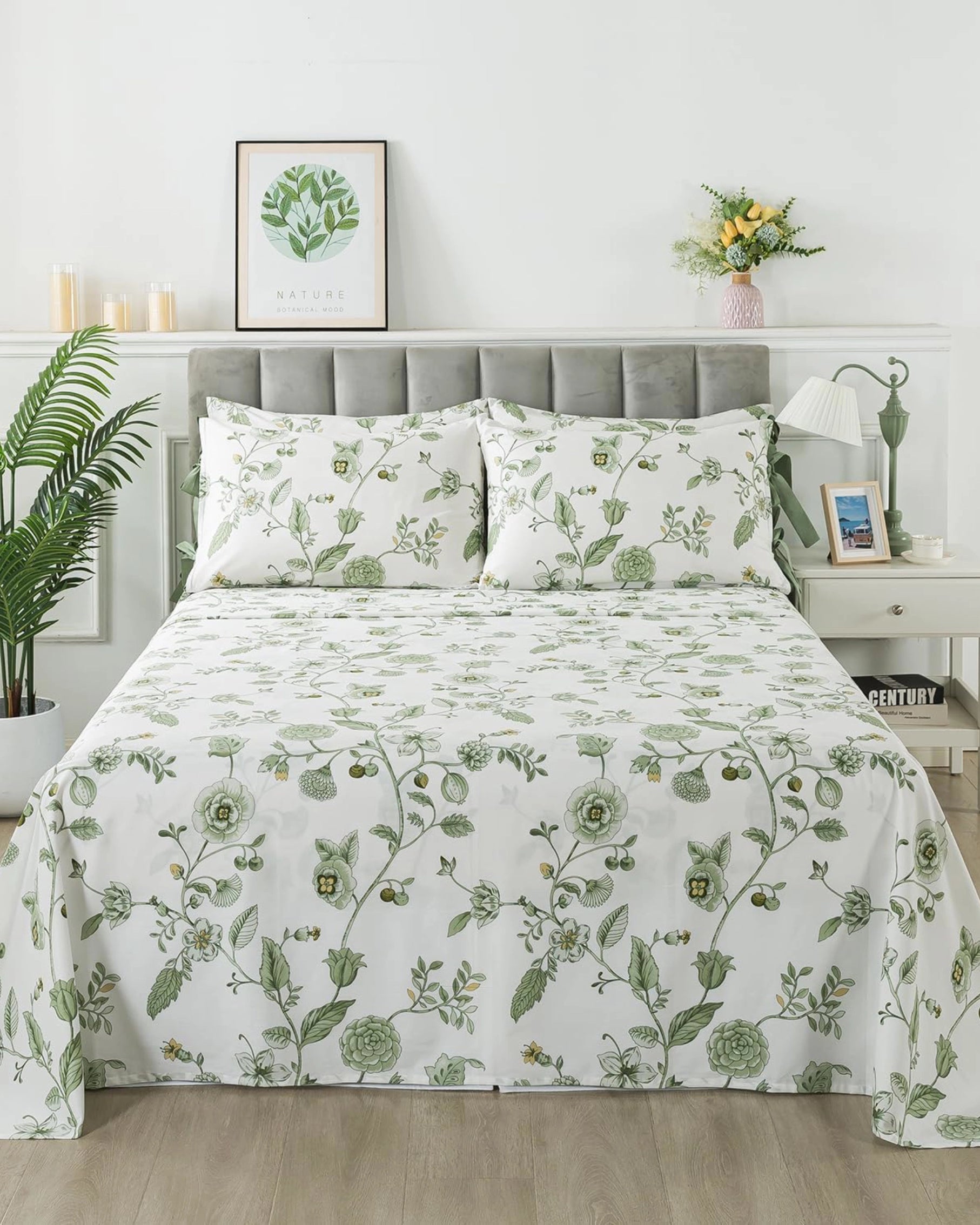


When designing a bedroom, most people focus first on pattern—florals, stripes, geometrics, or solids. Pattern is visually striking and often sets the tone of the space. But what many overlook is texture, the quiet yet powerful element that defines how a room feels, not just how it looks. In reality, texture can be just as important as pattern—sometimes even more so.
The Difference Between Pattern and Texture
Pattern is what you see at first glance: printed florals, intricate motifs, or clean minimalist lines. It creates identity and visual rhythm.
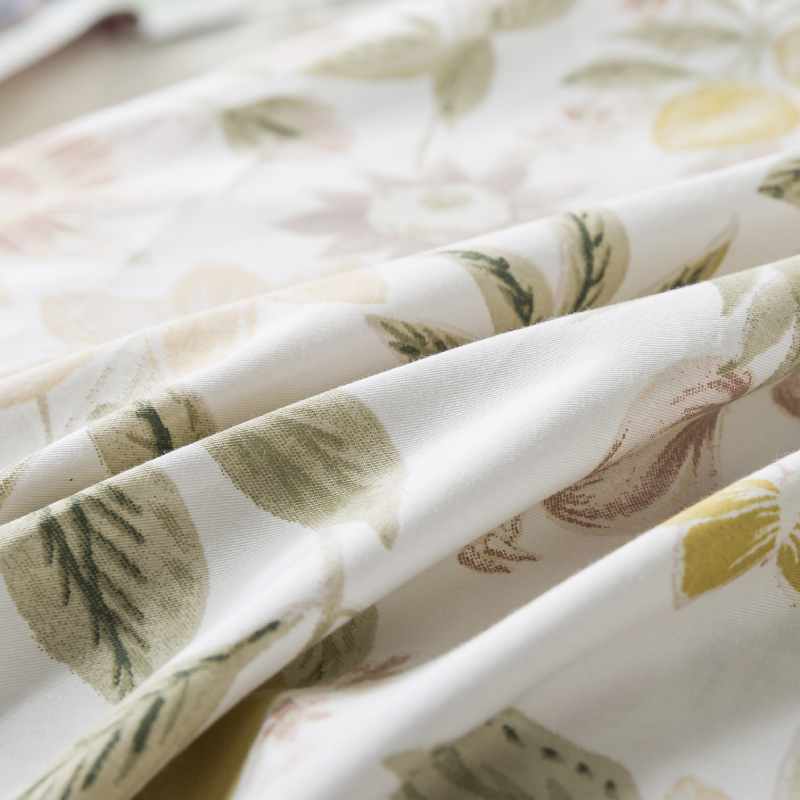
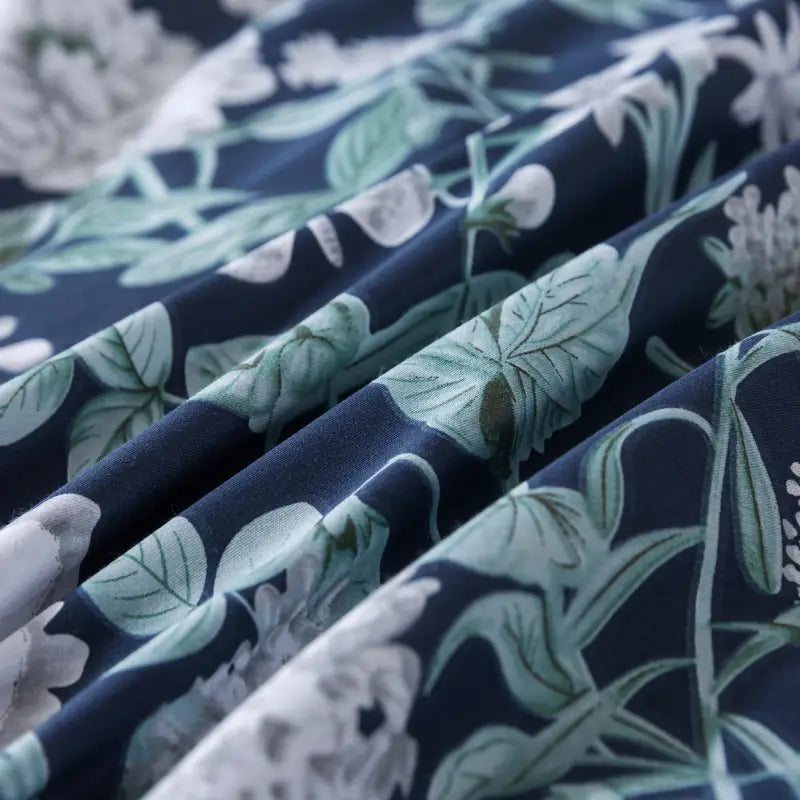
Texture, on the other hand, is how a fabric interacts with light, air, and touch. It’s the subtle dimension that gives depth to your bedding. Whether it’s the soft crinkle of double gauze, the smooth finish of sateen, or the slightly brushed feel of cotton, texture works on both a visual and sensory level.
A room with beautiful patterns but no variation in texture can feel flat and lifeless. Meanwhile, even the simplest design can feel rich and inviting when layered with the right textures.

Why Texture Matters More Than You Think
1. It Creates Depth and Dimension
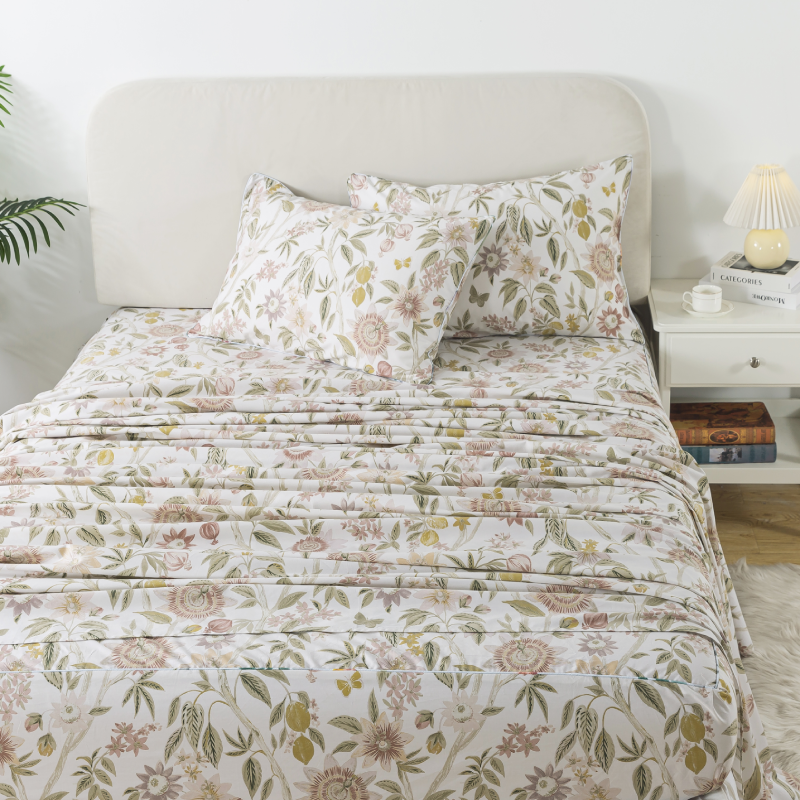
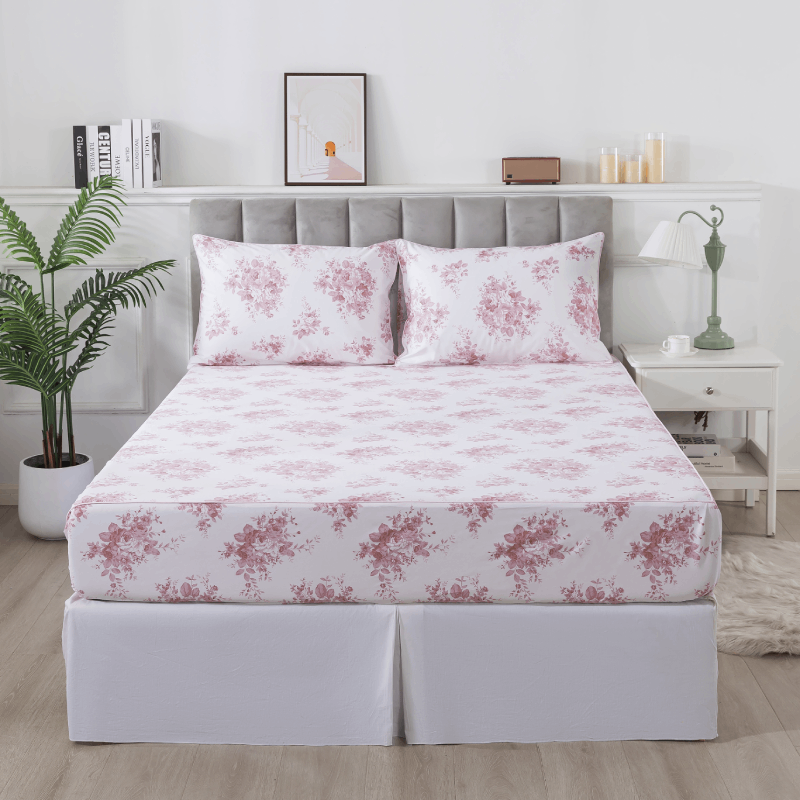
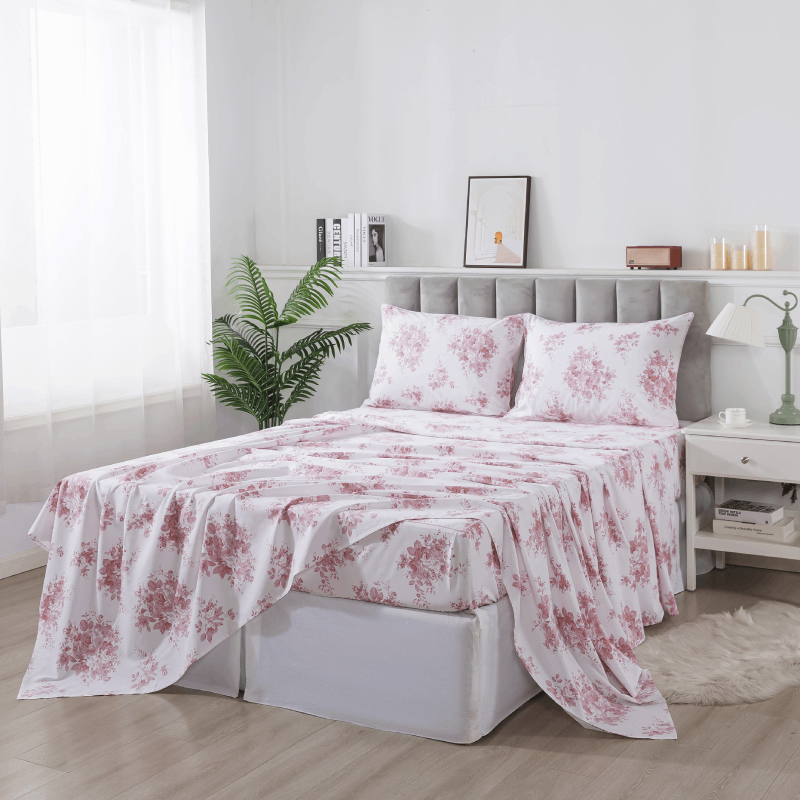
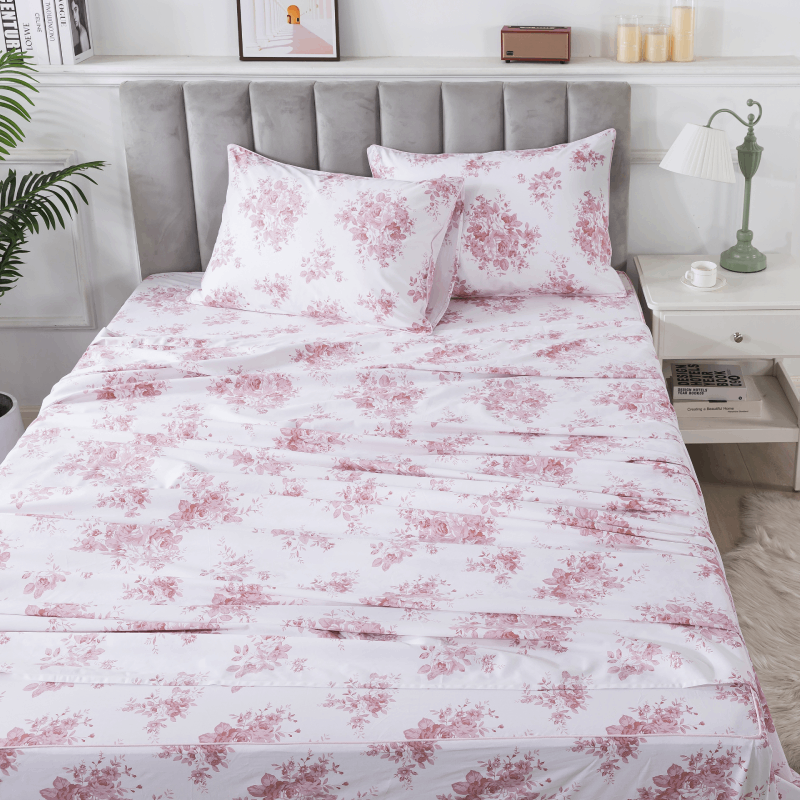
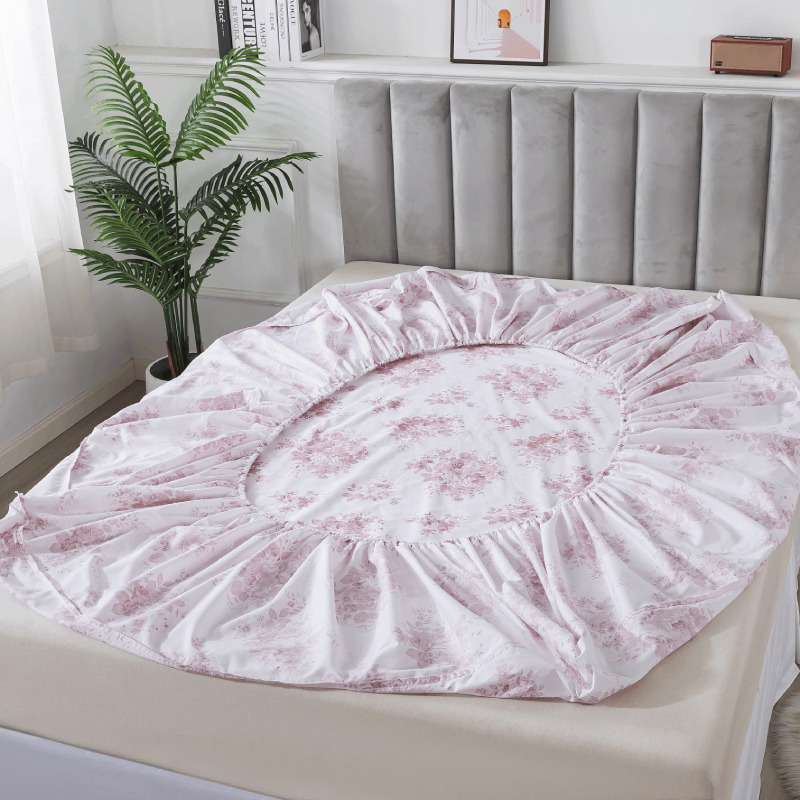
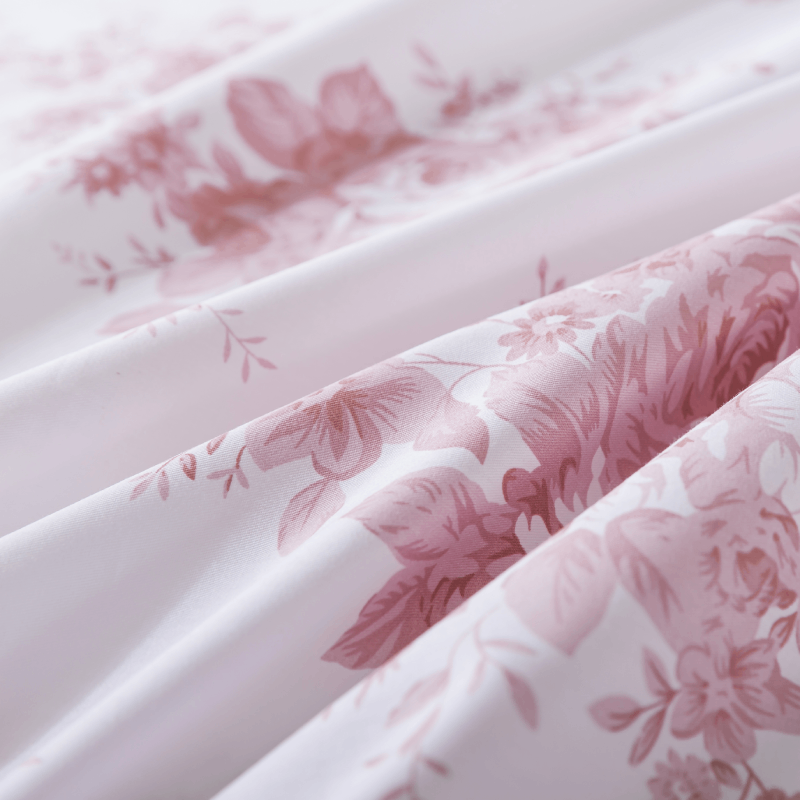
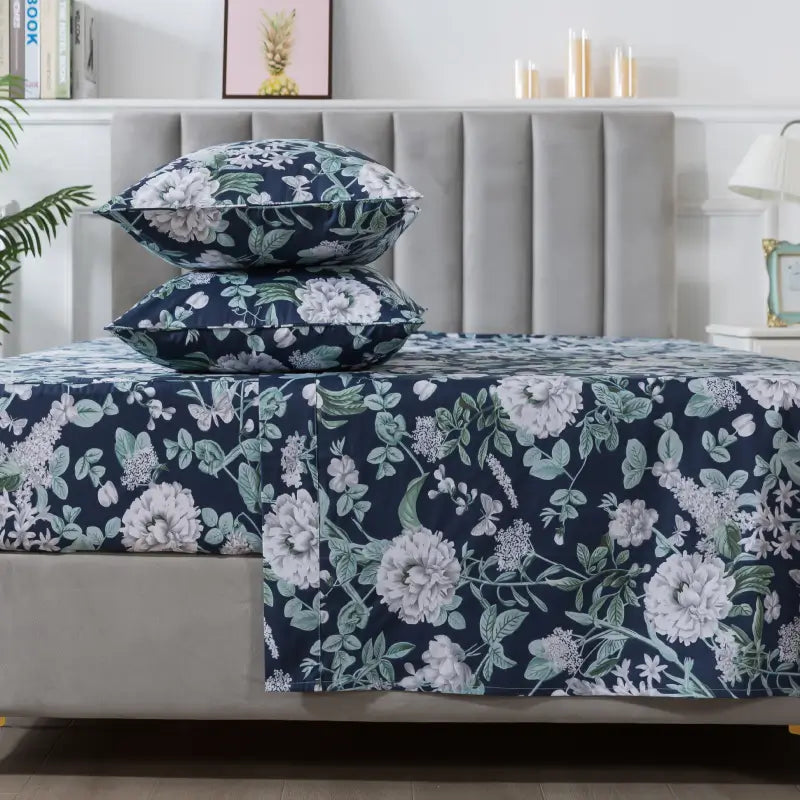
Texture adds layers to your bedroom without overwhelming the space. For example, a floral bedding set with a slightly textured cotton weave feels more dynamic than a perfectly flat printed fabric. The natural creases and subtle irregularities catch light differently, creating movement and softness.
2. It Enhances Comfort
Beyond aesthetics, texture directly affects how bedding feels against your skin. Breathable, airy textures—like double gauze cotton—provide a relaxed, lived-in comfort that smooth fabrics sometimes lack. This is especially important for everyday use, where comfort is not optional but essential.
3. It Sets the Mood
Texture plays a critical role in emotional perception. Soft, lightweight textures evoke calm and relaxation, while heavier, denser fabrics can feel more structured and formal. A bedroom meant to be a sanctuary benefits from textures that feel gentle, natural, and effortless.
4. It Reflects Real-Life Living
Perfectly smooth fabrics may look polished in photos, but they often don’t align with real life—especially in homes with pets or daily activity. Textured fabrics are more forgiving. Slight wrinkles become part of the aesthetic rather than a flaw, making the space feel authentic and lived-in.
How Texture Elevates Pattern
A beautiful pattern can instantly attract attention, but without the support of texture, it may lack depth. Texture acts as a foundation that enhances the visual appeal of patterns.
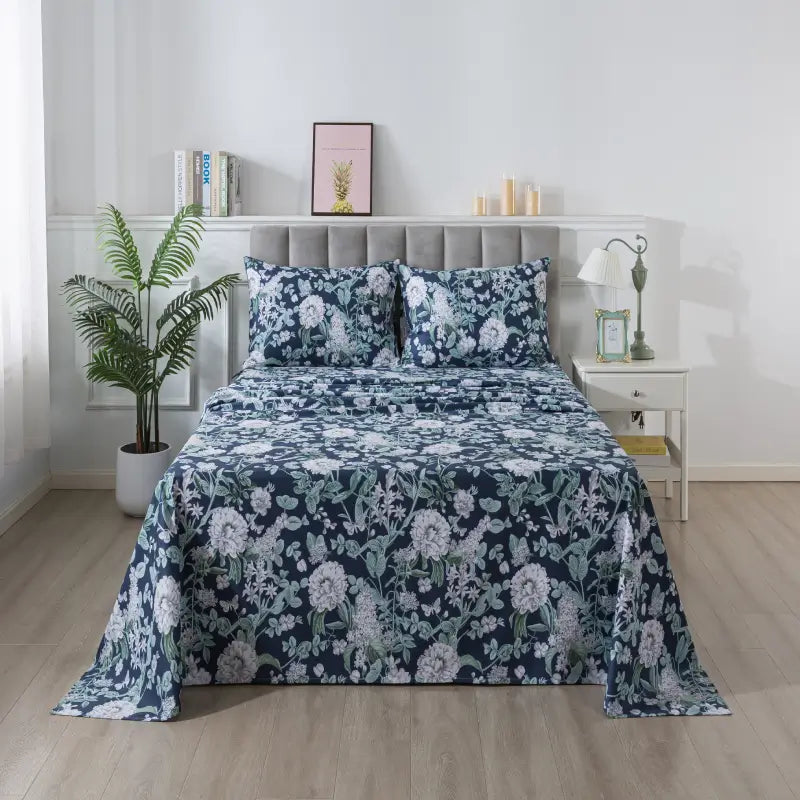
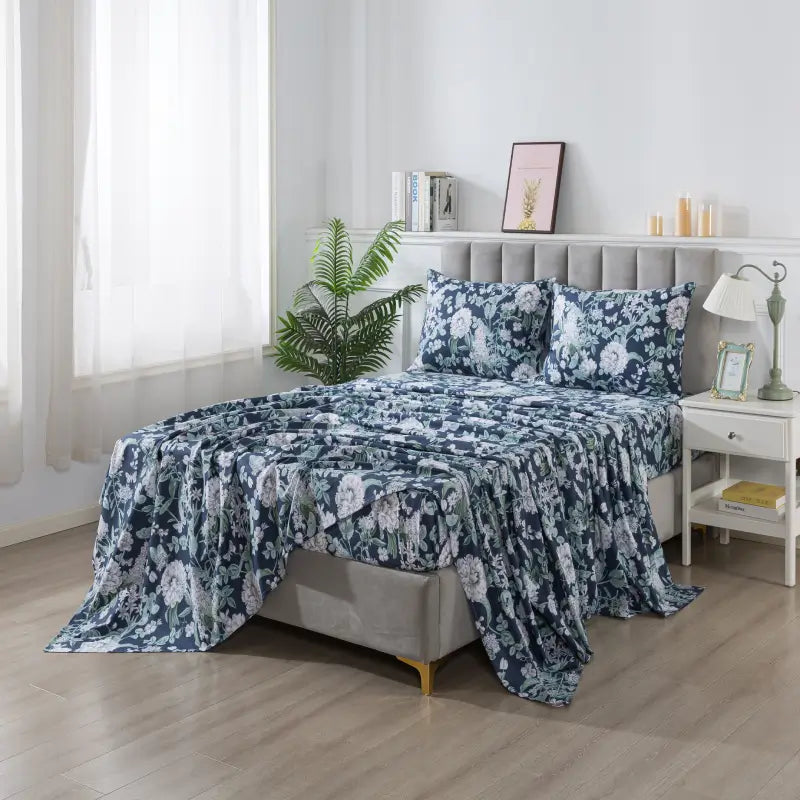
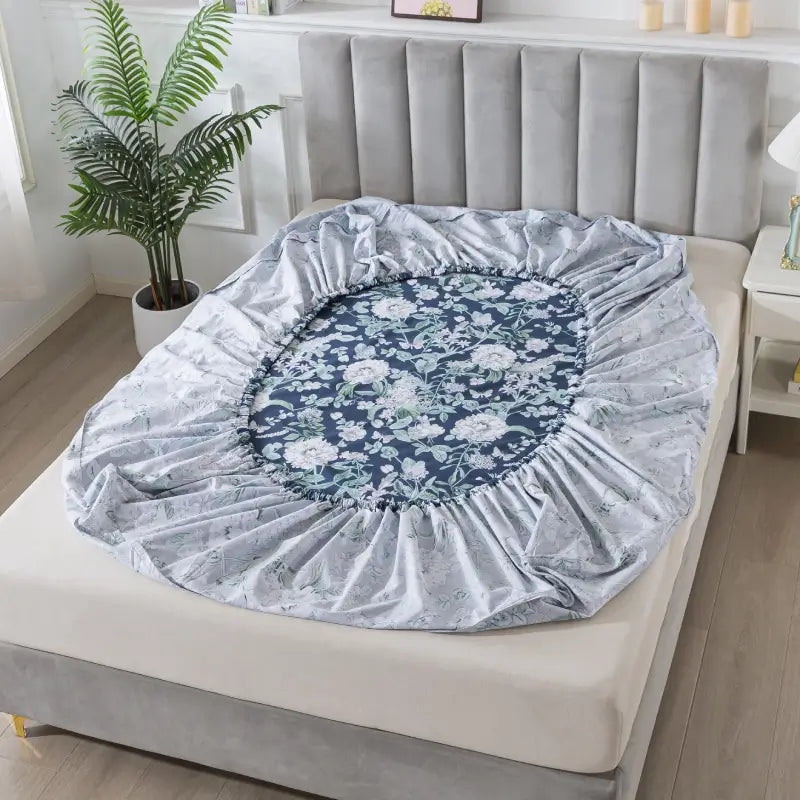
Take floral bedding as an example. A flat-printed floral on a smooth surface might look decorative but static. The same floral pattern on a softly textured fabric—like double-layer cotton gauze—feels more organic and dimensional. The texture softens the print, making it blend naturally into the environment rather than sitting on top of it.
In this way, texture transforms pattern from something purely visual into something immersive.
Choosing the Right Texture for Your Space
When selecting bedding, consider not just the design but also the tactile experience. Ask yourself:
- Do you prefer a crisp, hotel-like feel or a relaxed, cozy softness?
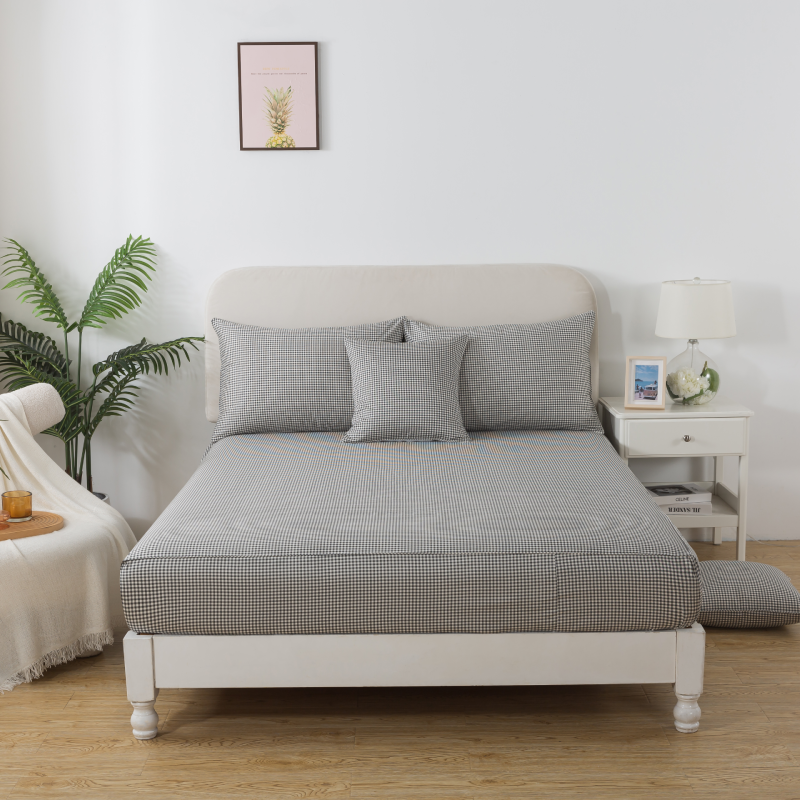
- Is your space minimal, where texture needs to add interest without bold patterns?
- Do you want low-maintenance bedding that looks good even slightly wrinkled?
For many modern homes, especially those aiming for a calm and natural aesthetic, lightweight cotton textures are an ideal choice. They balance softness, breathability, and durability while maintaining a refined yet effortless look.
Texture in Everyday Living
Texture isn’t just a design choice—it’s a lifestyle decision. Bedding is something you interact with every day, and its texture influences your comfort, your mood, and even your quality of rest.
In homes with pets, for example, textured cotton fabrics tend to handle daily wear better. They are less likely to show imperfections and maintain their character over time. Instead of chasing perfection, textured bedding embraces real life—soft, slightly imperfect, and beautifully natural.
The Balance Between Texture and Pattern
The most successful bedroom designs don’t choose between texture and pattern—they balance both.
- Use pattern to express personality and style
- Use texture to create comfort and depth
When combined thoughtfully, they create a space that feels complete. Pattern draws you in, but texture makes you stay.
Final Thoughts
In the world of bedding design, pattern may capture attention, but texture creates connection. It’s what turns a bedroom from something you see into something you experience.
So next time you choose bedding, don’t stop at the pattern. Run your hand across the fabric. Notice how it feels, how it moves, how it lives with you. Because true comfort—and true style—always goes beyond what meets the eye.