

When people redesign a bedroom, they often start by thinking bigger: a new bed frame, a better dresser, a statement chair in the corner. Furniture feels like the “real” foundation of a room—solid, expensive, permanent.
But if your goal is to make a bedroom feel better, not just look better, the truth is surprisingly simple:
Textiles matter more than furniture.
Because bedrooms are not showrooms. They’re sensory spaces. They’re where the body slows down, the mind softens, and rest begins. And nothing shapes that experience more than the materials you touch, see, and live with every single day.
Bedrooms Are Designed for the Body First
A bedroom is the most physical room in the house.
You don’t just “use” a bedroom—you sink into it. You lie down, stretch out, change clothes, wake up, collapse after long days, or spend slow mornings under the covers.
Furniture may structure the space, but textiles shape the feeling of it.
Textiles determine:
-
how warm or cool the bed feels
-
how soft the room looks from across the doorway
-
how quiet the space feels (textiles absorb sound)
-
how safe and calm your nervous system becomes
If a bedroom looks beautiful but feels uncomfortable, it fails its most important job.
The First Thing You Notice Is Not the Bed Frame—It’s the Bed
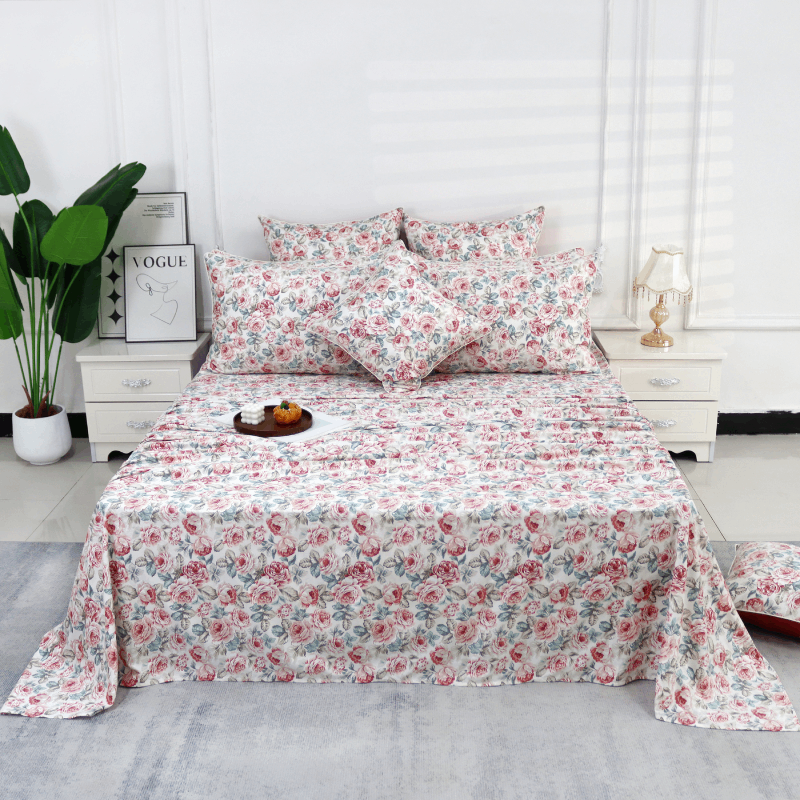
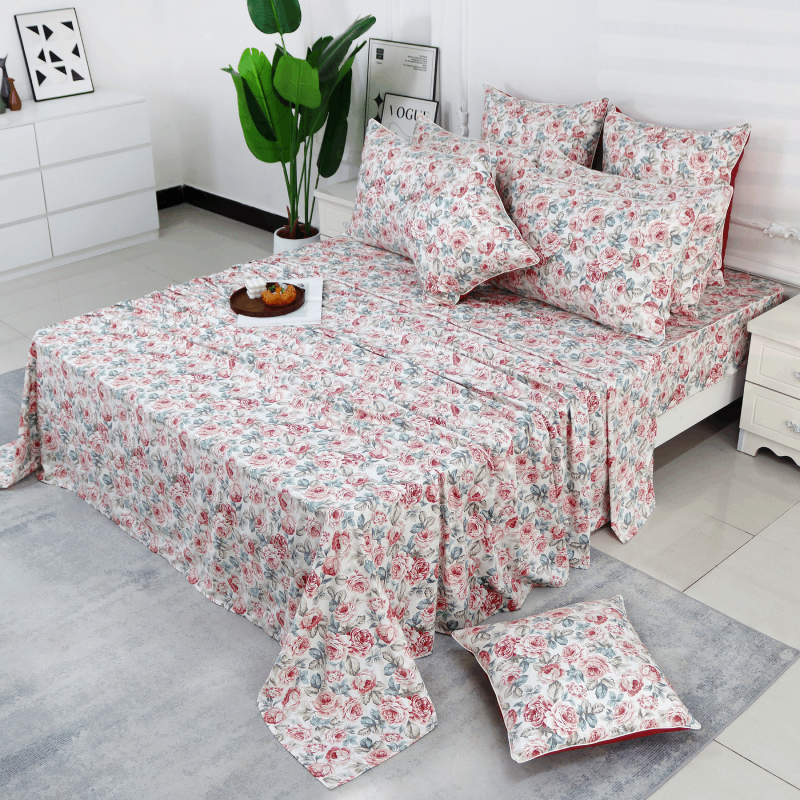
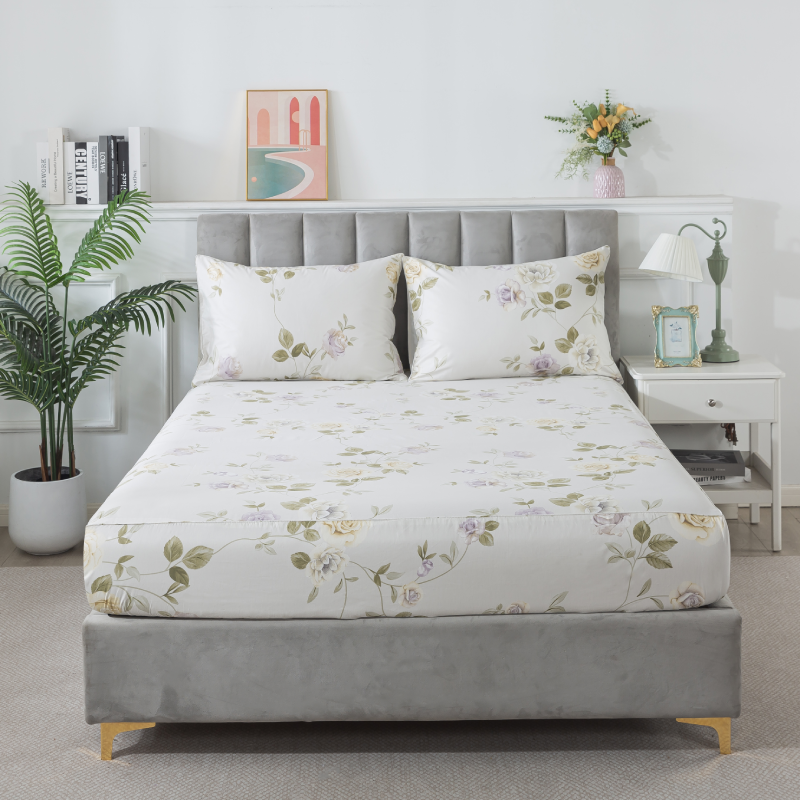
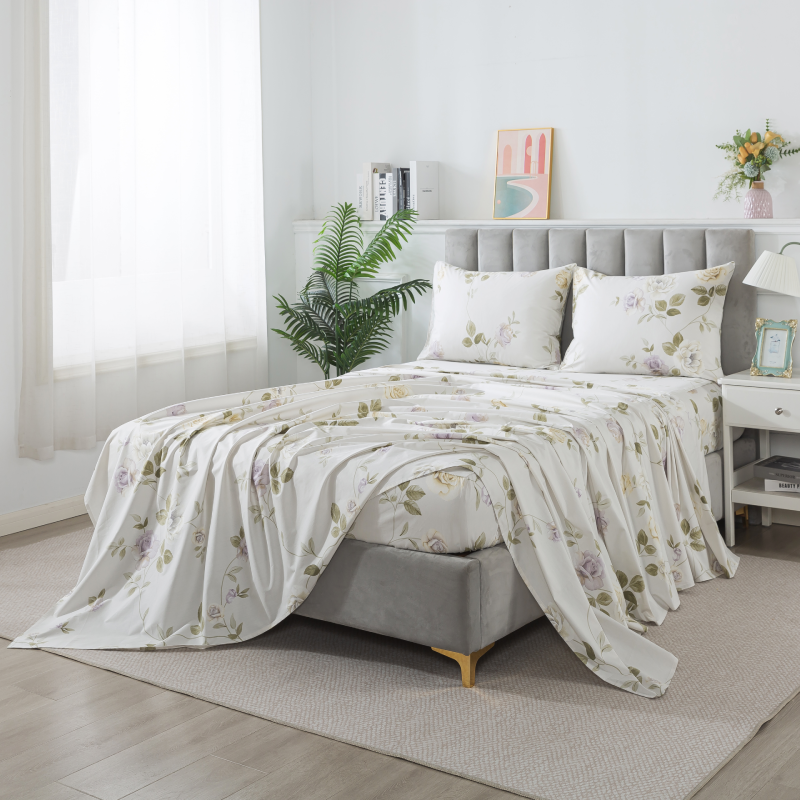
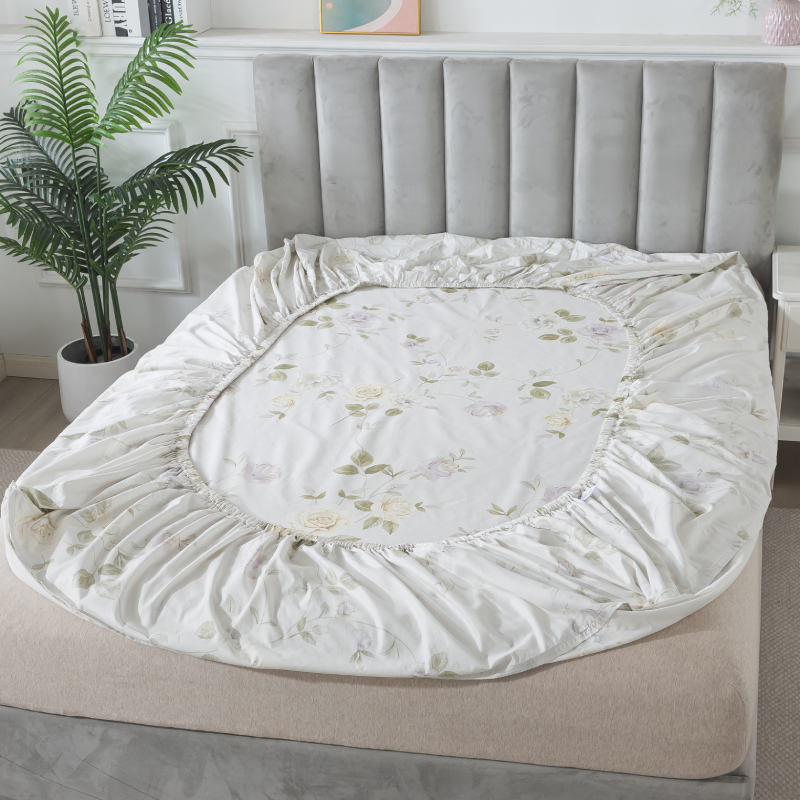
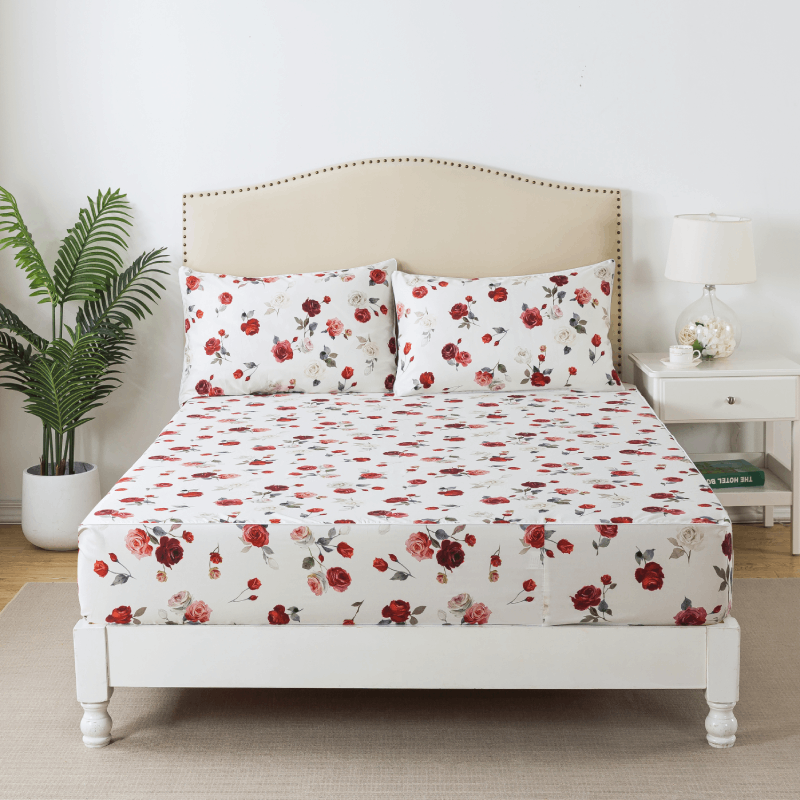
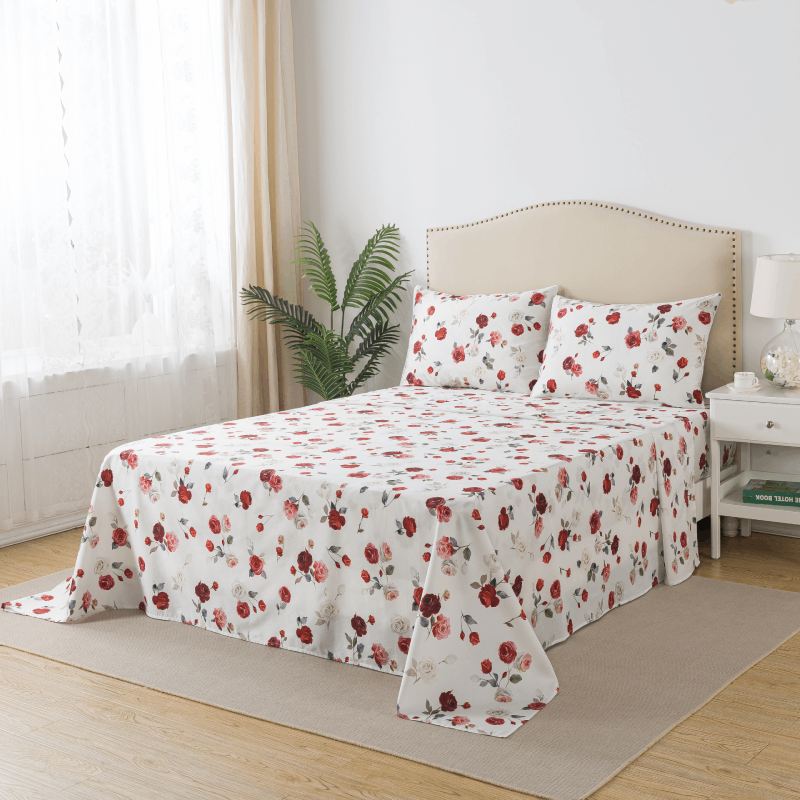
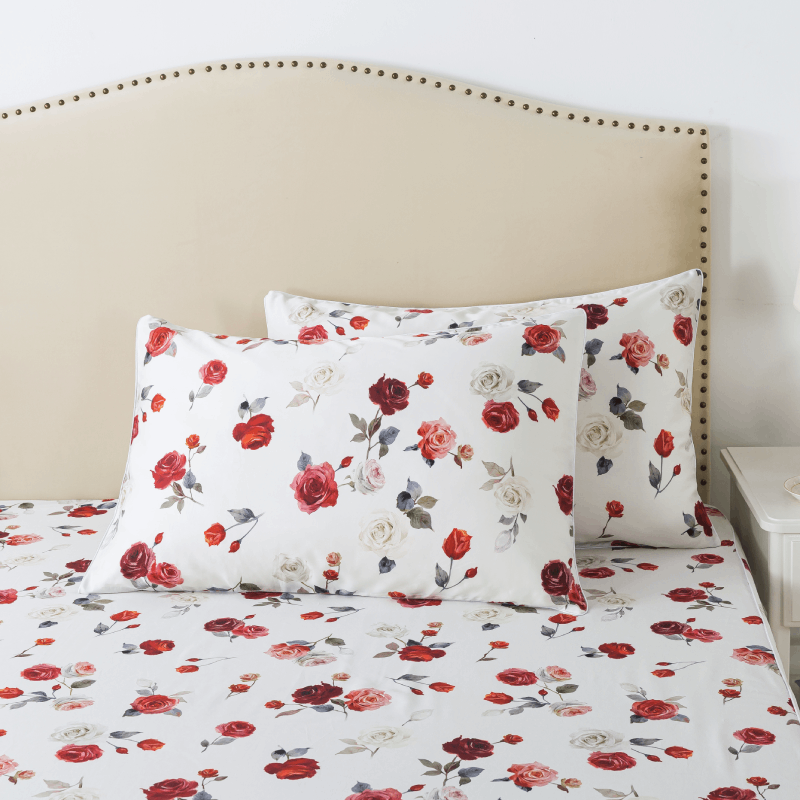
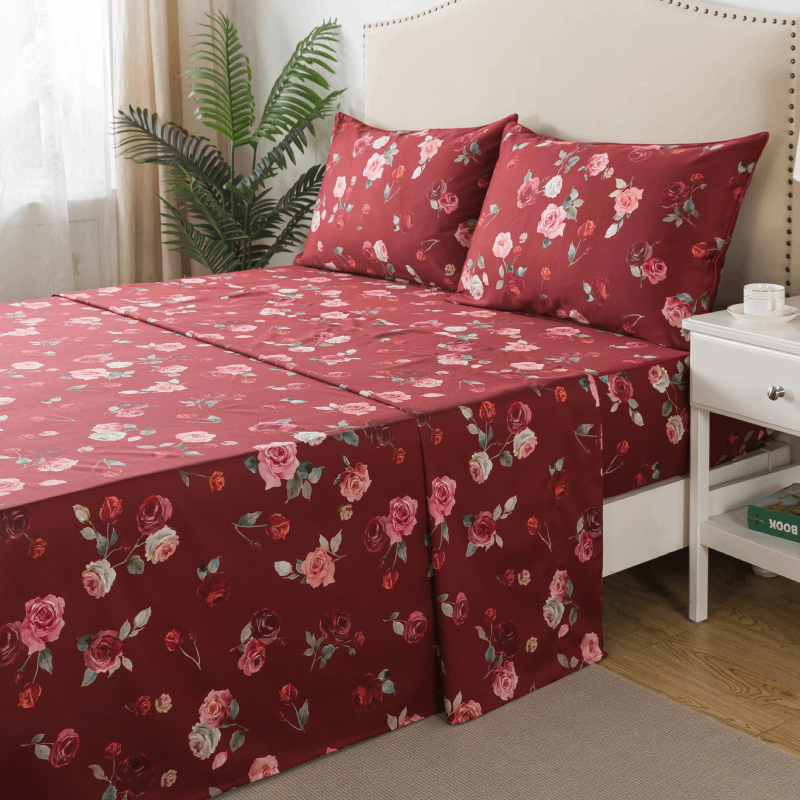
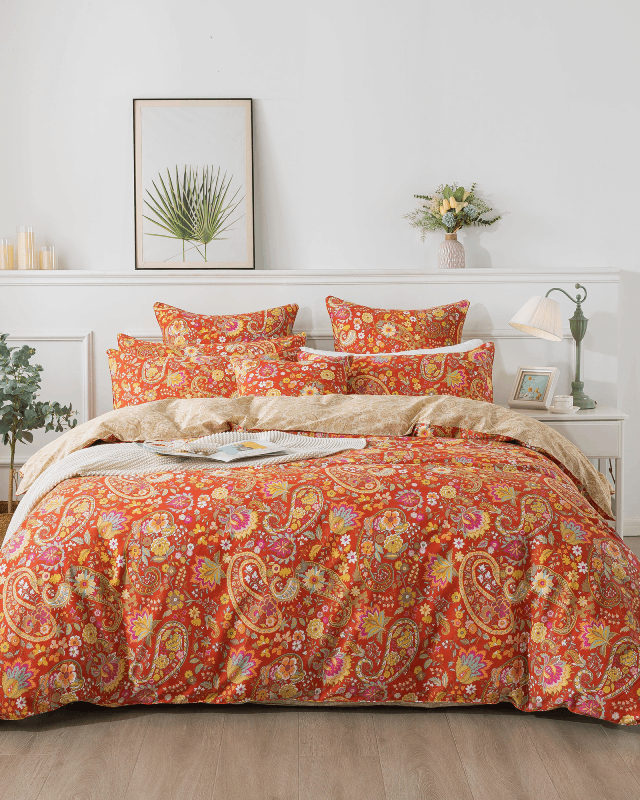
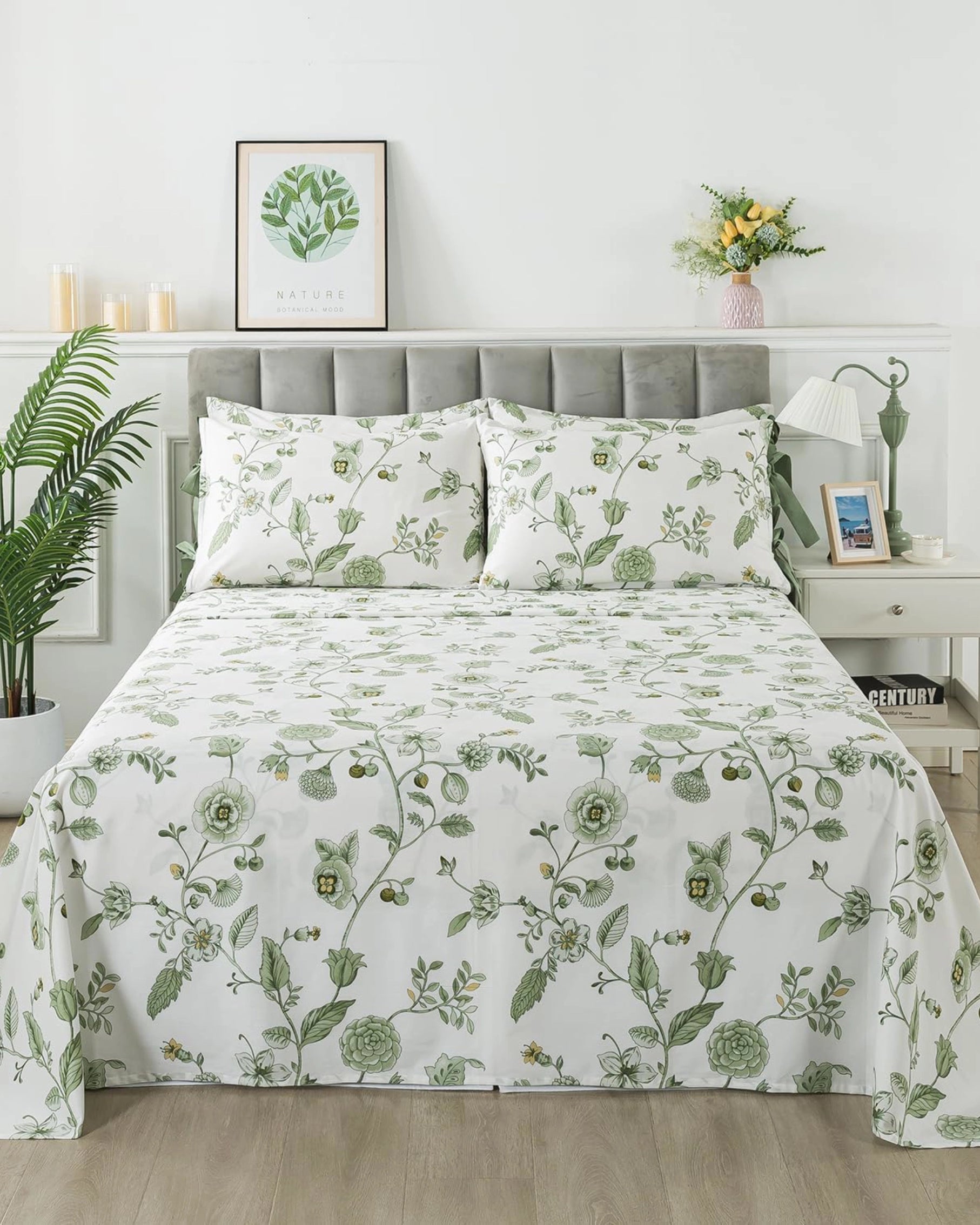
Even in the most minimal bedroom, the bed is always the visual center. And what you see isn’t the mattress or frame—it’s the bedding: the duvet, quilt, sheets, pillows, and folds.
A bed with the right textiles instantly makes the whole room feel more complete.
A bed with the wrong textiles can make the room feel unfinished—even if the furniture is expensive.
That’s why styling professionals focus on fabric layering first: it creates depth, softness, and emotional warmth.
Furniture sets the shape of the room.
Textiles set the mood of the room.
Comfort Doesn’t Come From Wood or Metal
We often confuse “quality” with weight and structure. Solid oak. Steel legs. Thick headboards. But comfort doesn’t come from hard surfaces.
Comfort comes from breathable softness.
The best bedroom upgrades are rarely furniture changes. They’re textile changes:
-
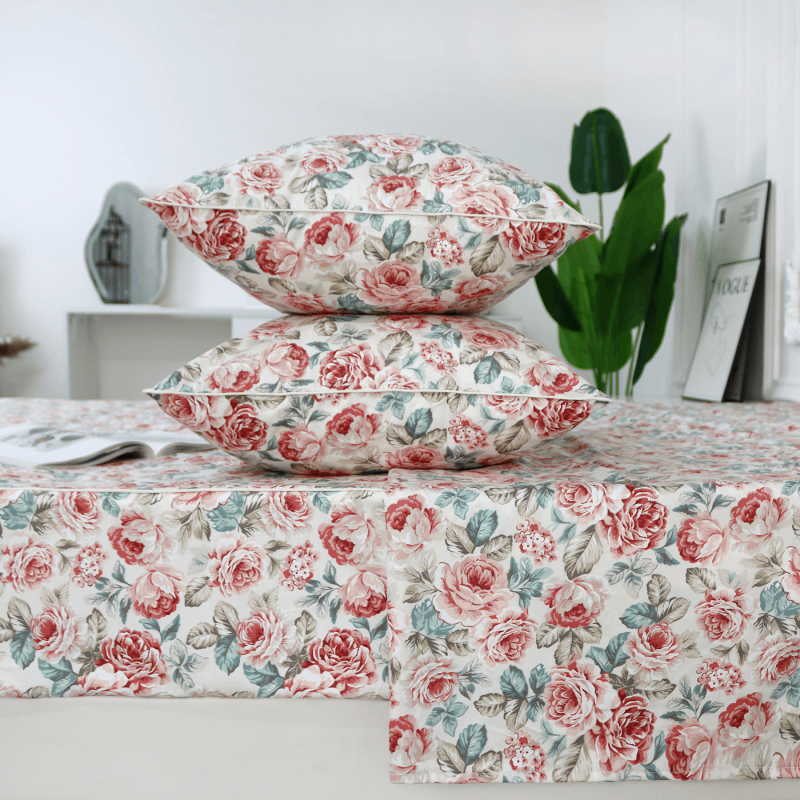
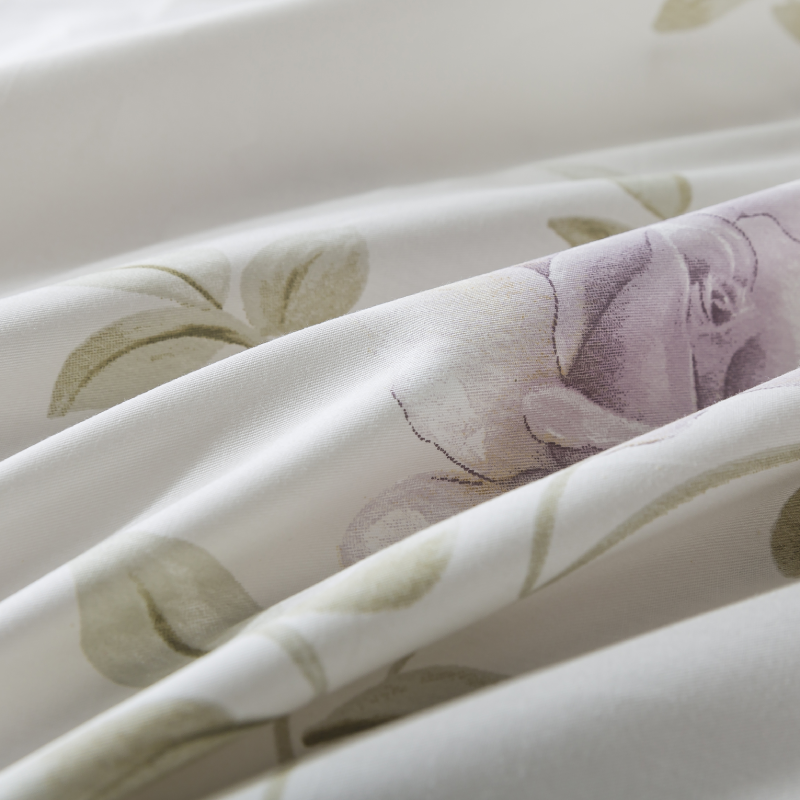
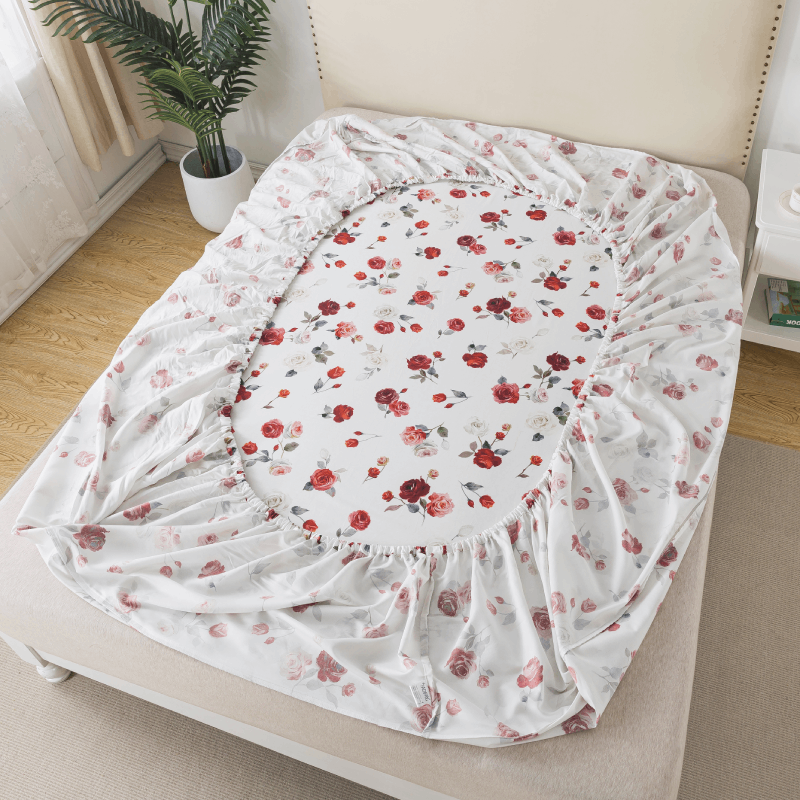
switching to cotton bedding that feels light and skin-friendly
-
adding a quilt that provides gentle weight without heat
-
using pillowcases that stay cool instead of sticky
-
layering a throw to make the bed feel inviting, not stiff
These are small changes, but the effect is immediate—because your body notices comfort faster than your eyes notice furniture design.
Textiles Create Emotional Safety
If a bedroom feels “cold,” people usually assume they need warmer lighting or more decor. Sometimes that helps—but often, the missing piece is textile softness.
Textiles soften a room emotionally because they reduce harshness.
They create:
-
gentler edges
-
quieter visuals
-
softer movement (curtains, bedding folds)
-
a more lived-in feeling
A minimal bedroom can feel emotionally distant if everything is smooth, sharp, and empty. But subtle patterns, woven textures, and natural fabrics bring back the human side of the room—without adding clutter.
Textiles make a bedroom feel safe because they make it feel forgiving.

Furniture Can Look Perfect and Still Feel Wrong
This is the design problem most people don’t realize:
Furniture can be visually perfect and still emotionally empty.
You can buy a beautiful nightstand, install elegant wall sconces, and choose the right bed frame—and still feel like something is missing.
That “missing” feeling usually comes from texture.
A bedroom without enough textile softness feels like a space designed to be photographed, not lived in.
But when you add:
-
a quilt with gentle stitching
-
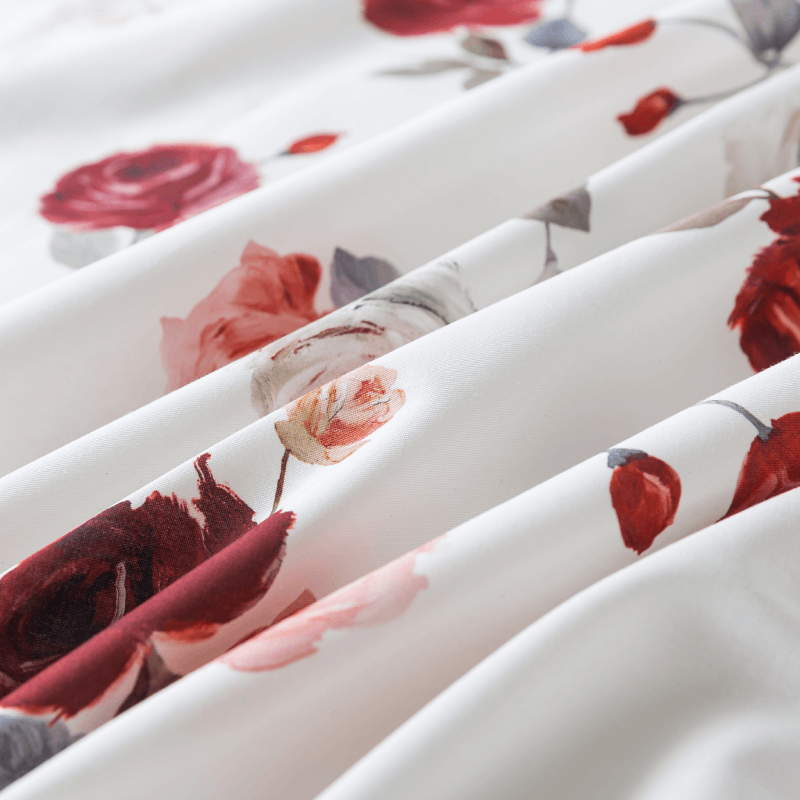
sheets with natural wrinkles that look calm
-
curtains that filter light softly
-
a rug that absorbs sound and warmth
The whole room shifts. It becomes quieter. More intimate. More human.
Textiles Are What Actually Age With You
Furniture can last for decades, but it often becomes “invisible” to your daily experience. Textiles, on the other hand, age directly with your life.
You wash bedding repeatedly. You fold it. You touch it every night. It becomes part of your routine.
Well-designed textiles become better over time:
-
softer without losing strength
-
more relaxed, never stiff
-
gently faded instead of worn-out
-
familiar in the best way
This graceful aging is what makes a bedroom feel personal.
Furniture stays in place.
Textiles evolve.
The Most Practical Upgrade Is Also the Most Beautiful
If you want a bedroom that feels calmer, warmer, and more complete, textiles give you the best return.
A single textile upgrade can do more than replacing furniture:
-
Better bedding improves sleep quality
-
Softer layers make the room feel more welcoming
-
Natural fabrics make your space feel more breathable and healthy
-
Subtle prints add personality without clutter
-
Easy-to-wash materials support daily life
Textiles are where beauty and practicality meet.
They don’t just look good. They make your life easier.
The Bedroom Is a Feeling, Not a Layout
Most people design bedrooms like they design living rooms—arranging objects for visual balance.
But a bedroom isn’t about visual balance.
It’s about emotional balance.
The goal isn’t to impress. It’s to restore.
And that restoration happens through what surrounds you when you’re tired, vulnerable, and quiet.
Textiles don’t just decorate the room.
They regulate the room.
They control:
-
warmth
-
softness
-
calm
-
sound
-
light diffusion
-
comfort against skin
That’s why textiles matter more.
Final Thought: If You Change One Thing, Change Fabric
Furniture is important. It anchors the room. It defines the space.
But textiles are what make the bedroom feel like a bedroom.
If you want to change the way your bedroom feels—without redesigning everything—start with the fabric.
Because a bedroom doesn’t become restful when it looks expensive.
It becomes restful when it feels soft, breathable, quiet, and safe.
And that comes from textiles.