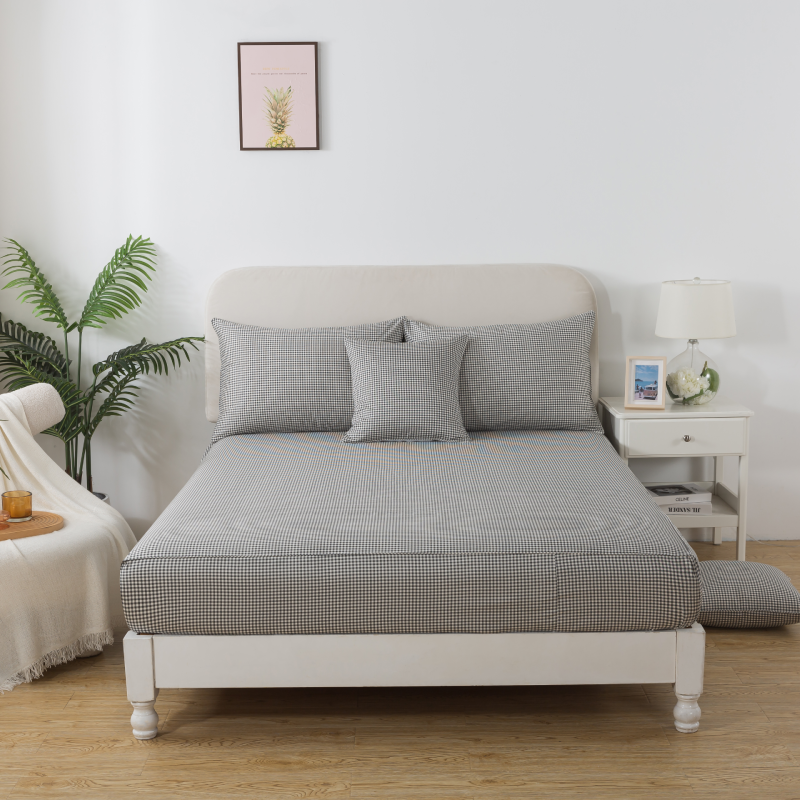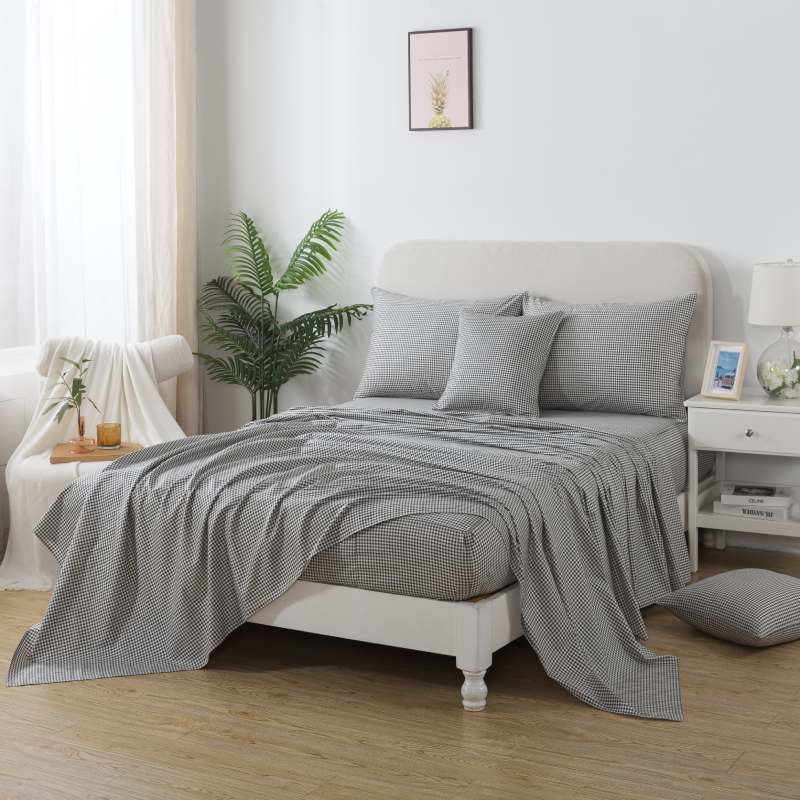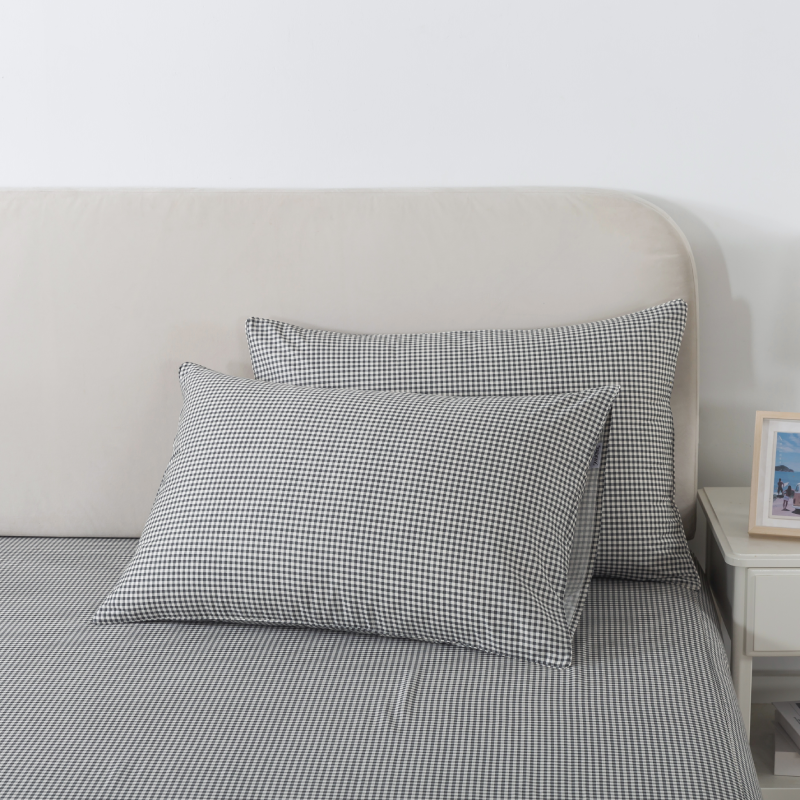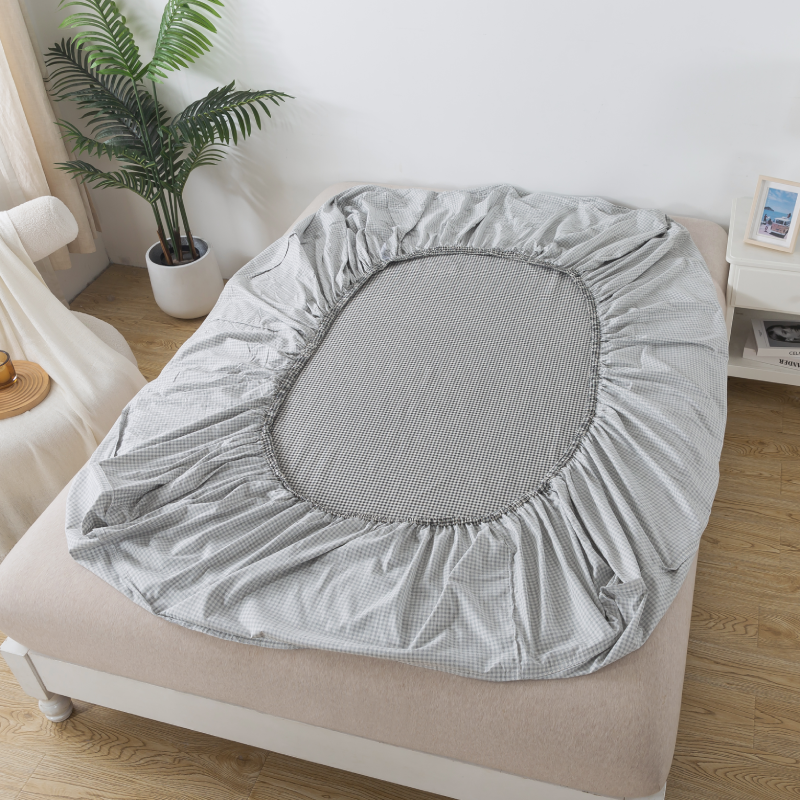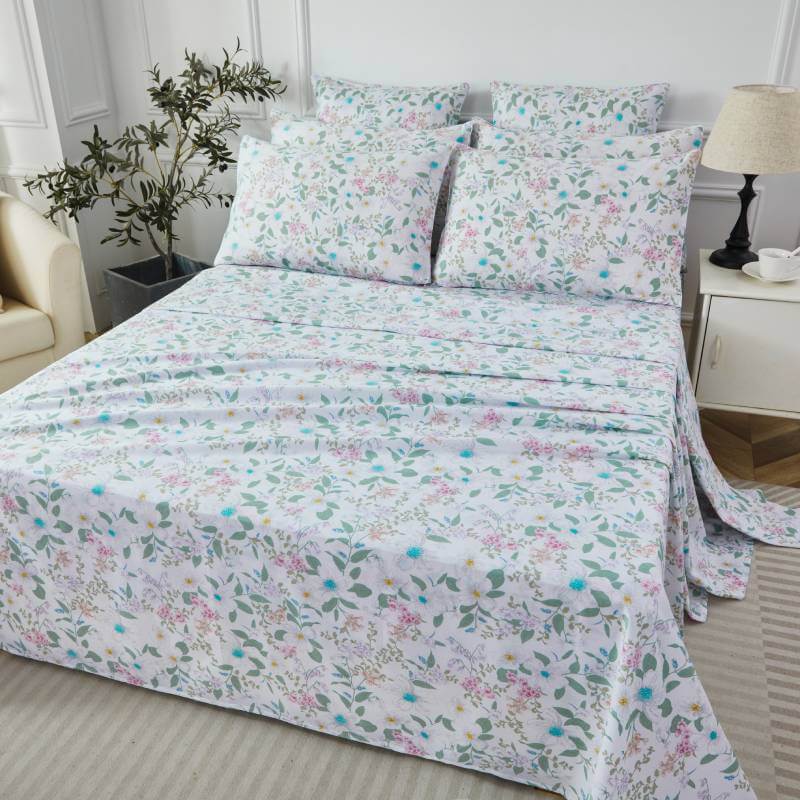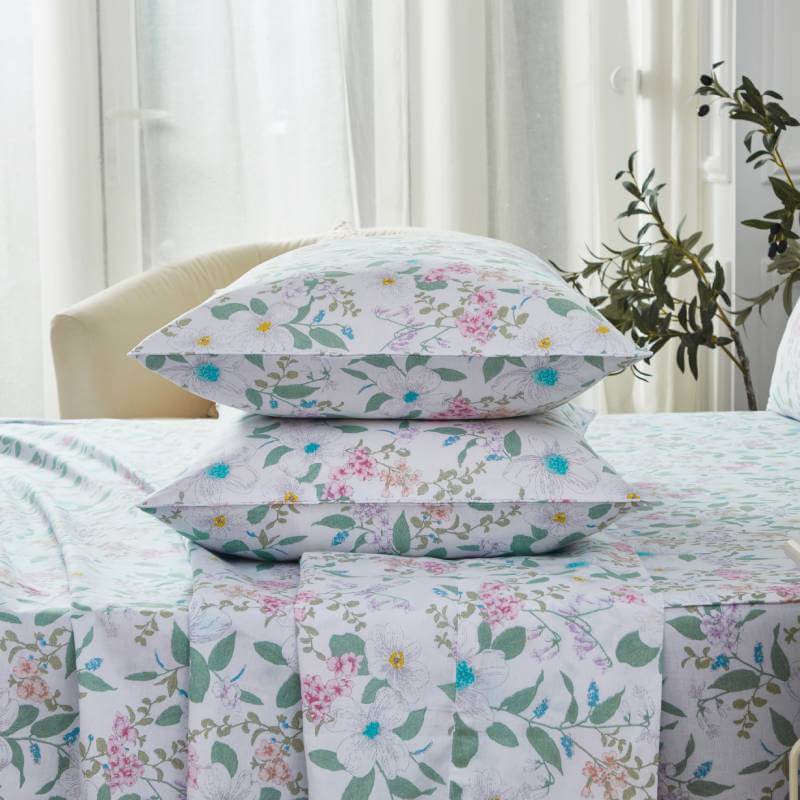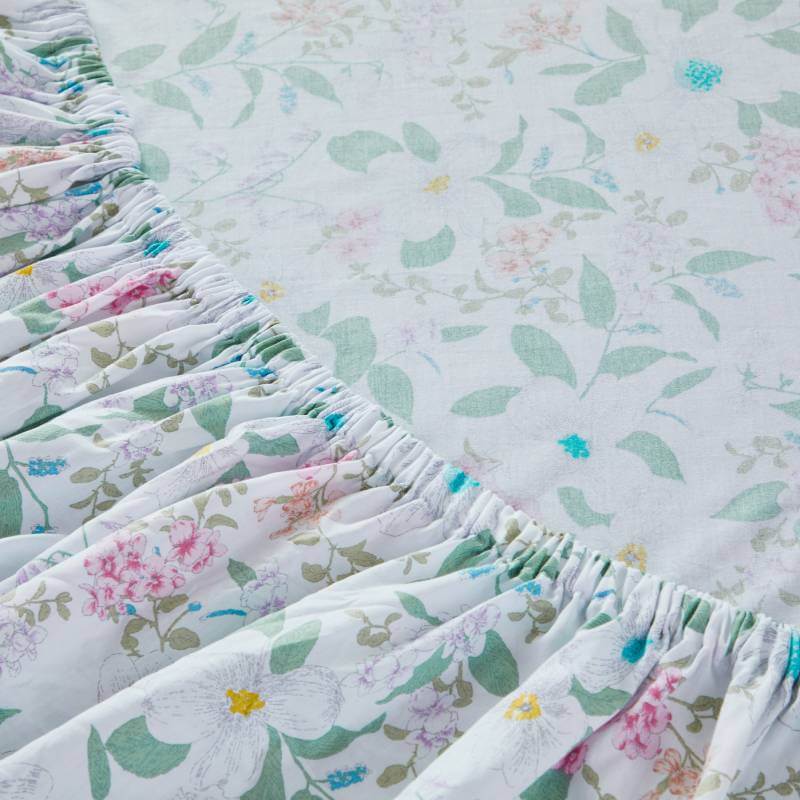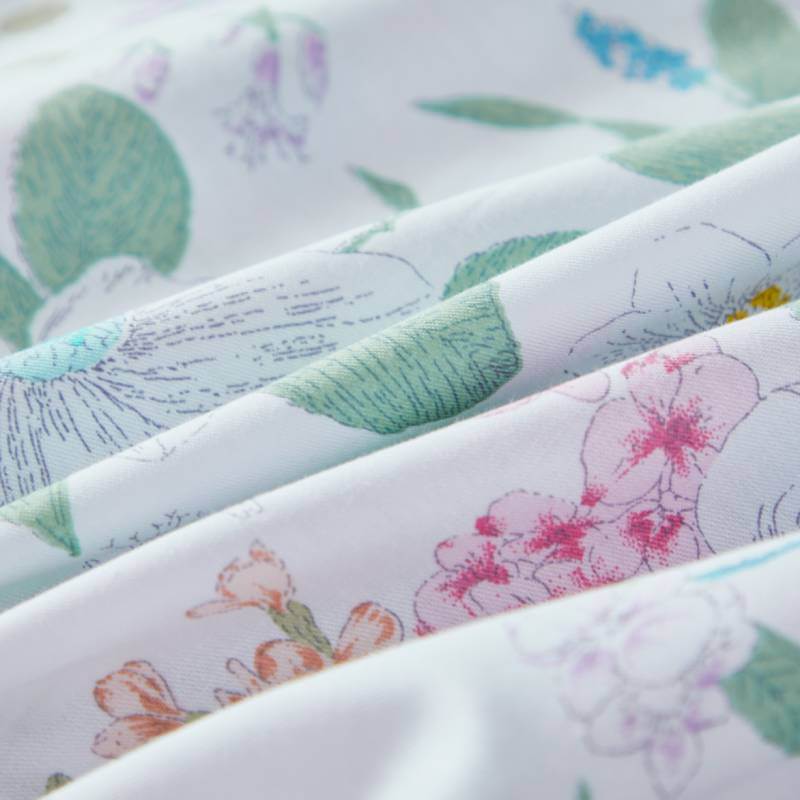
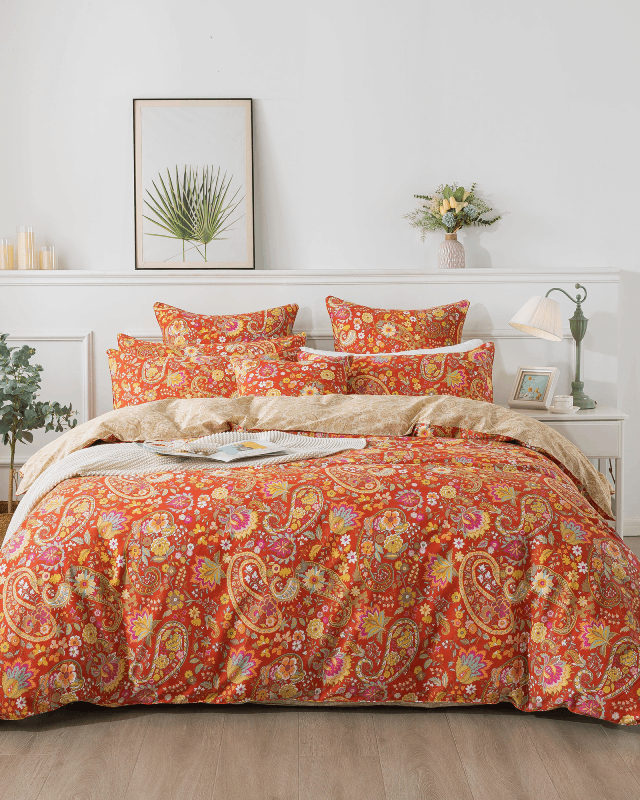
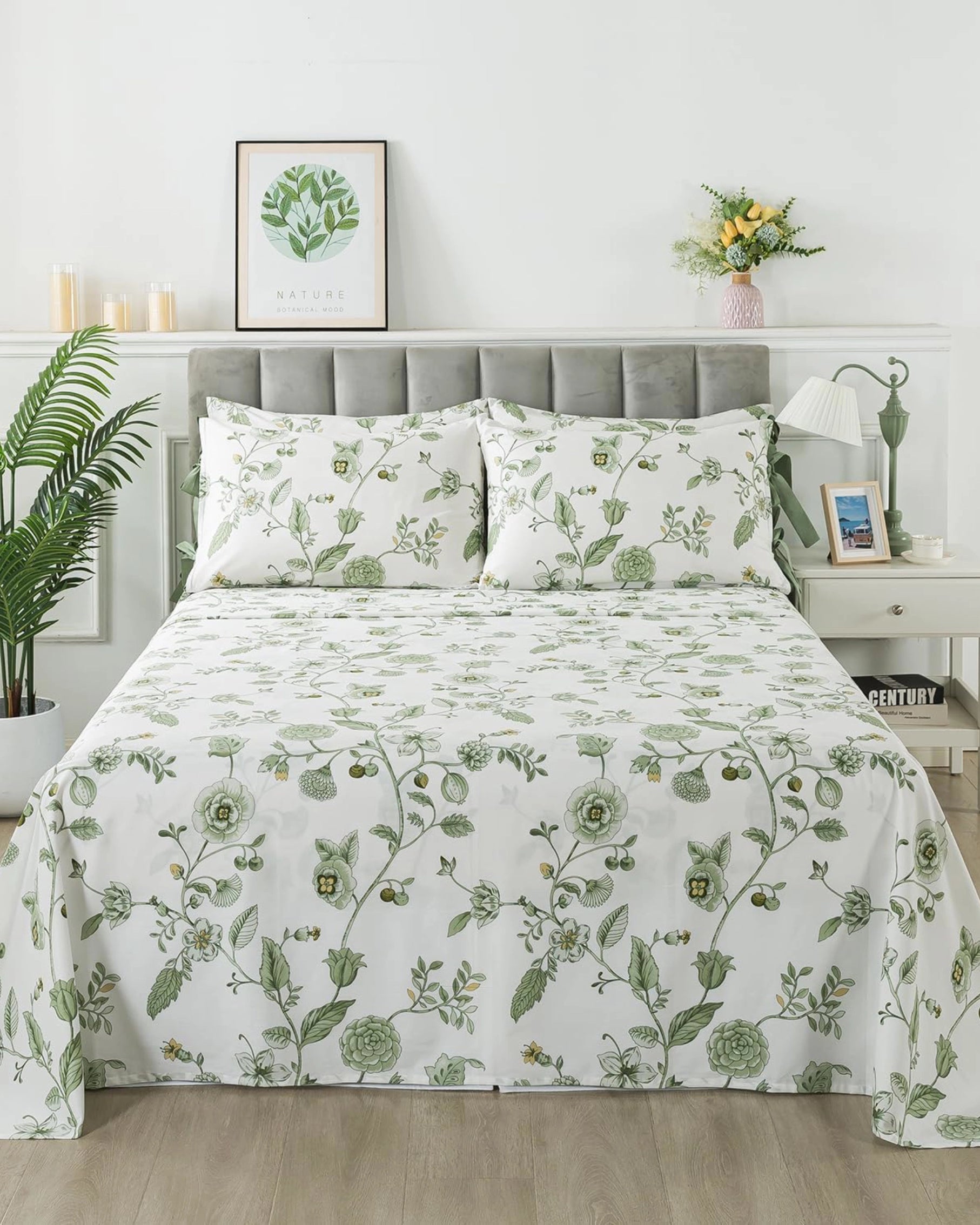


When people design a home, furniture is often considered the foundation of the space. Sofas, beds, tables, and cabinets define layout and function. Yet if we look closely at how people express personality in their homes, textiles—bedding, curtains, rugs, quilts, and decorative fabrics—often reveal far more about lifestyle, emotion, and personal taste than furniture ever can.
Textiles are the most intimate layer of interior design. They touch our skin, influence comfort, and change the emotional atmosphere of a room. Because of this closeness, the choices people make in textiles frequently reflect deeper aspects of identity, daily habits, and even cultural values.
Textiles Are Closest to Everyday Living
Furniture is primarily functional. A bed frame supports a mattress, a table holds objects, and a sofa provides seating. These items tend to be chosen based on size, durability, and practicality.
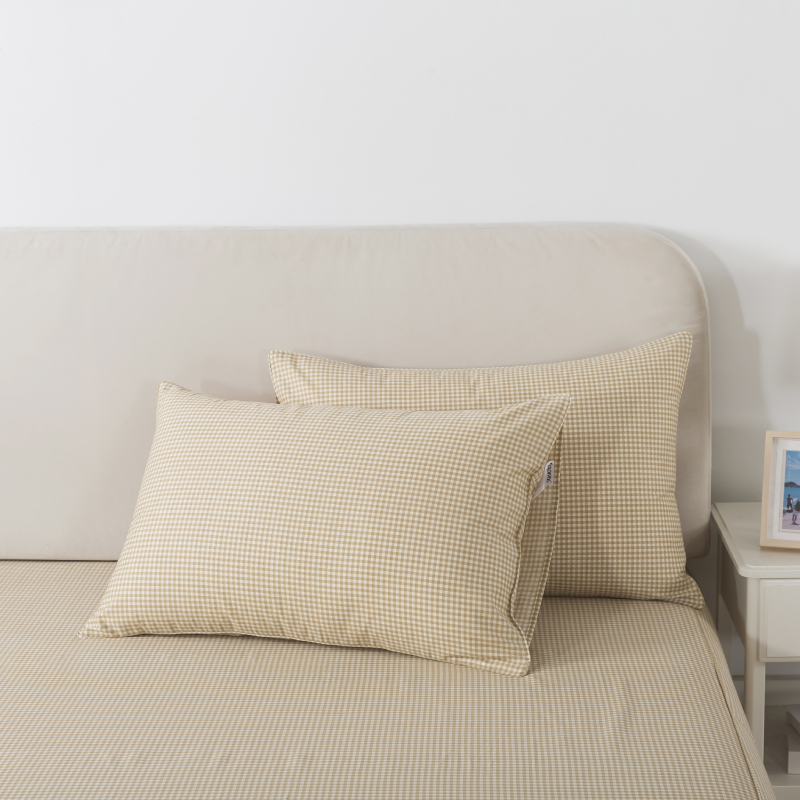
Textiles, however, interact directly with everyday living. Bedding touches our skin for eight hours every night. Rugs soften our steps in the morning. Quilts and throws provide warmth and comfort during quiet moments.
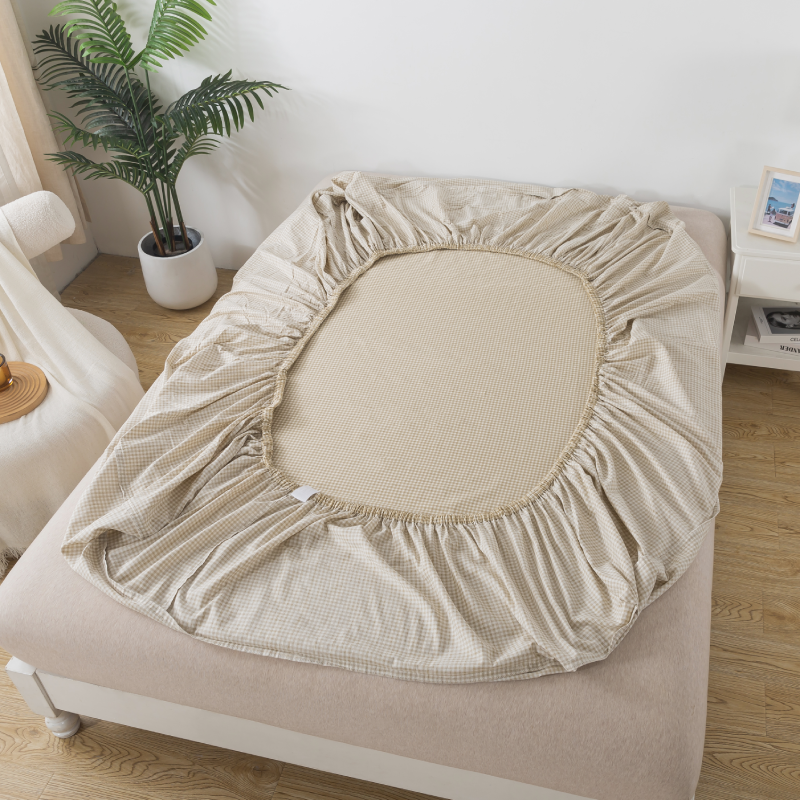
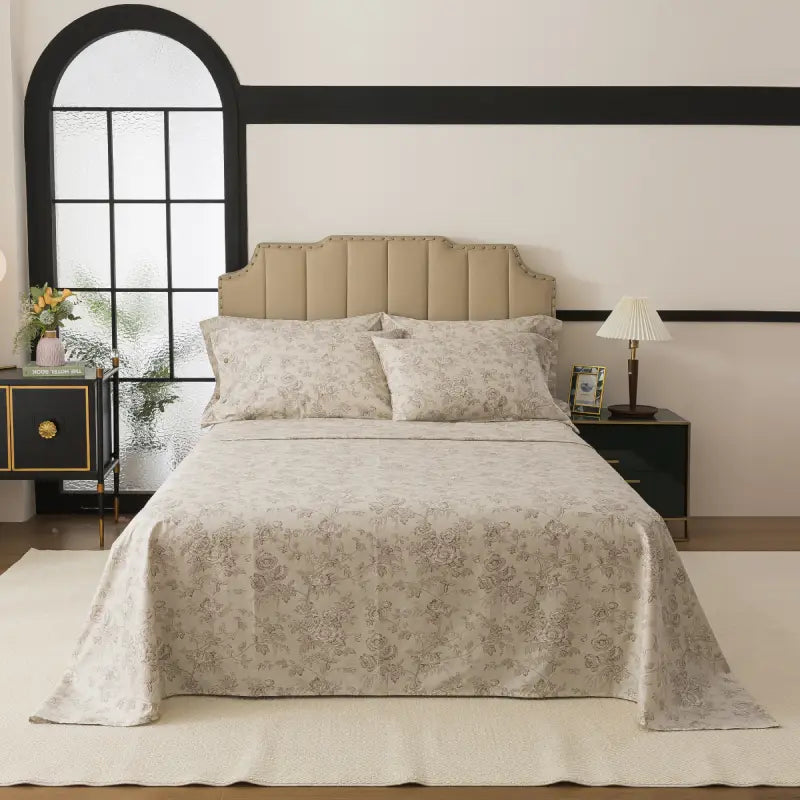
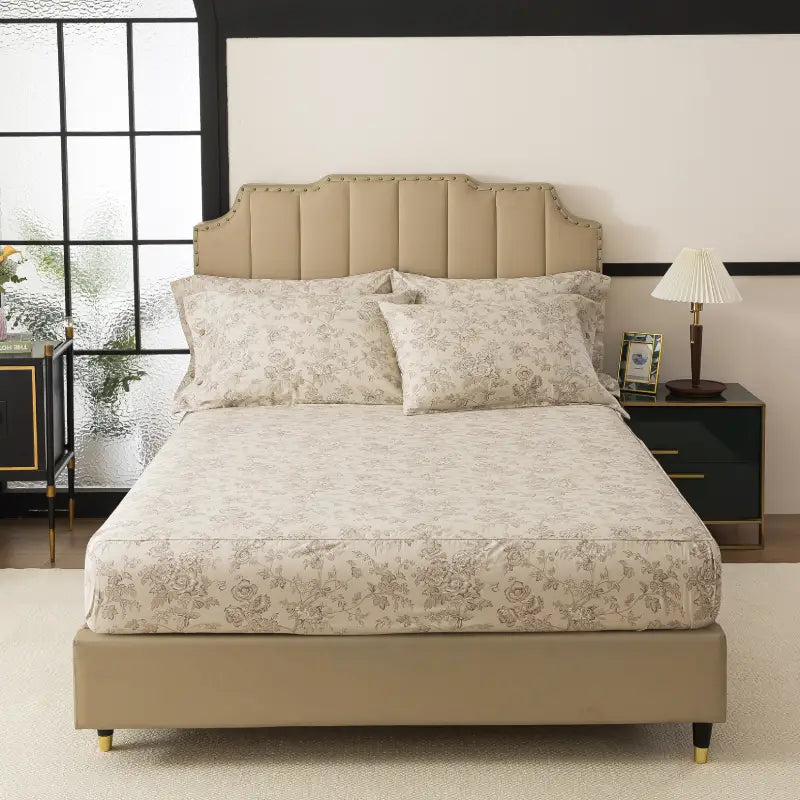
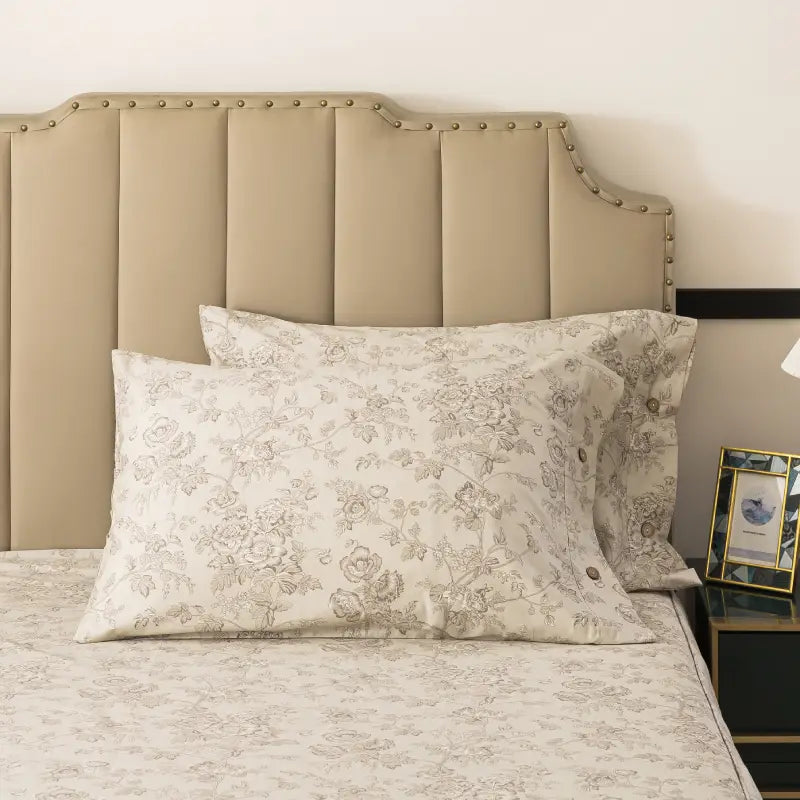
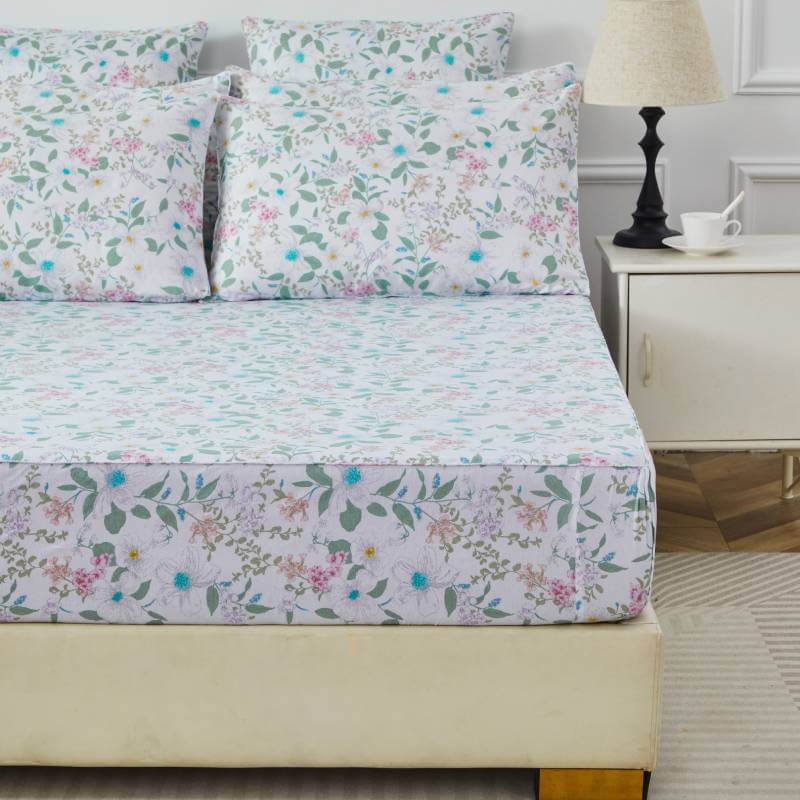
Because of this direct interaction, textile choices are often guided by how people want to feel in their home. Someone who values calm mornings might choose soft cotton bedding in gentle floral patterns. A family with pets might prioritize breathable, durable fabrics that feel cozy but are easy to maintain. These decisions reflect lifestyle preferences rather than simply aesthetic ones.
Textiles Carry Emotional Meaning
Another reason textiles reveal more about personal taste is their emotional connection. Fabrics often hold memories and sentimental value.
A quilt might remind someone of childhood or family traditions. A floral duvet set might recreate the peaceful feeling of a countryside vacation. Soft linen curtains may evoke the calm of a summer morning when sunlight filters through the window.
Unlike furniture, which is often selected once and kept for many years, textiles are easier to change. Because of this flexibility, people frequently use fabrics to refresh the emotional tone of their space. Switching bedding or adding a new rug can instantly transform a room from cozy winter warmth to bright spring freshness.

Patterns and Textures Tell a Story
Patterns and textures communicate personality in subtle ways. While furniture design tends to stay within neutral or minimal styles, textiles allow for more creative expression.
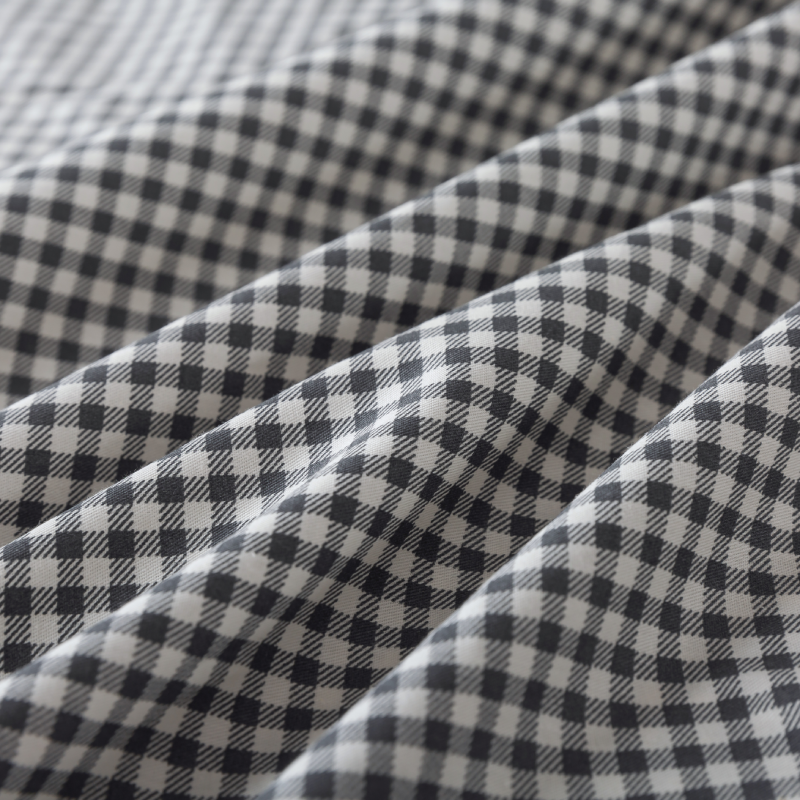
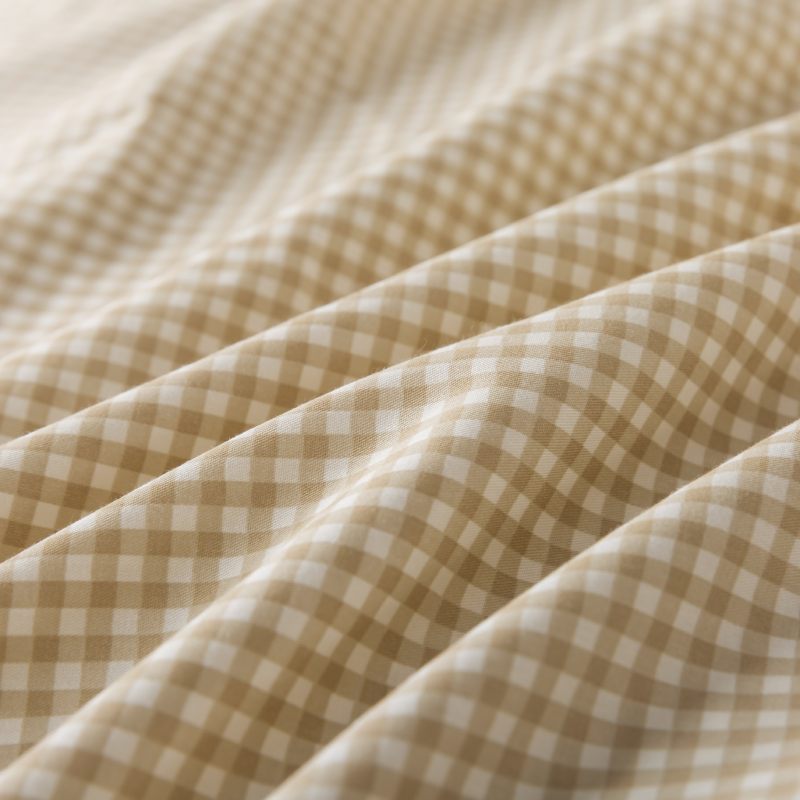
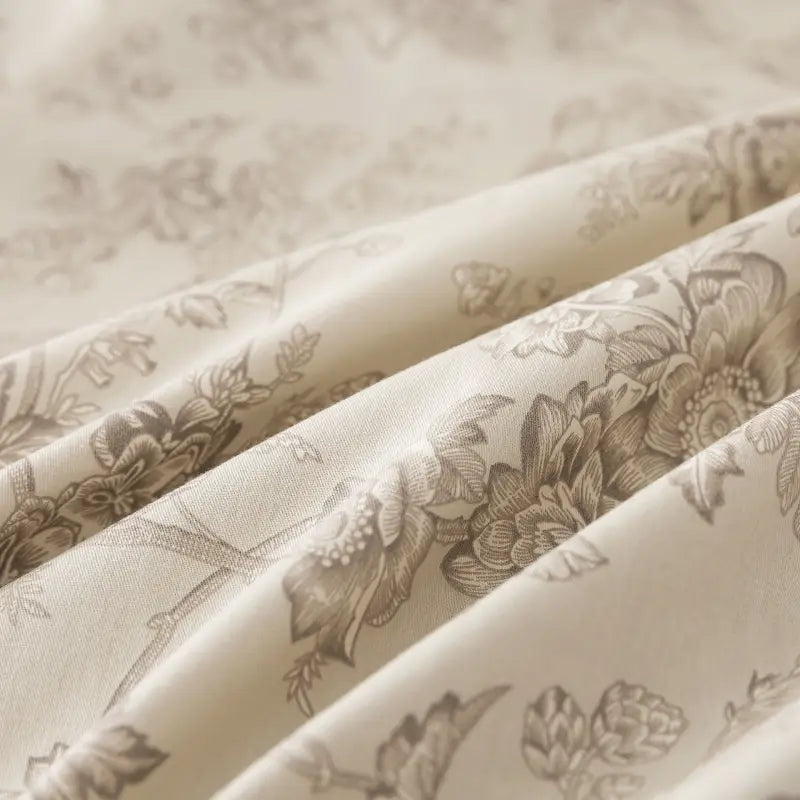
Floral patterns may reflect a love of nature and romantic aesthetics. Soft pastel colors can create a gentle, relaxing atmosphere. Textured cotton quilts may evoke farmhouse charm and handcrafted warmth. Even minimal solid fabrics can express a preference for simplicity and calm.
These choices create a narrative within the home. The combination of fabrics—bed linens, cushions, rugs, and curtains—builds layers of visual storytelling that reveal how people see comfort and beauty in their daily lives.
Cultural and Lifestyle Influences
Textile traditions also vary widely across cultures, making fabric choices a reflection of heritage and lifestyle.
In many homes, natural fabrics like cotton are valued for breathability and comfort. Patchwork quilts may reflect traditional craftsmanship, while botanical prints may mirror a connection to nature.
Modern lifestyles also influence textile choices. Families with children might prefer soft, durable materials that withstand daily activity. Pet owners often select fabrics that feel cozy but remain practical for shared living spaces.
These decisions show how textiles adapt to real life. They are not just decorative elements but functional expressions of how a home is lived in.
The Transformative Power of Textiles
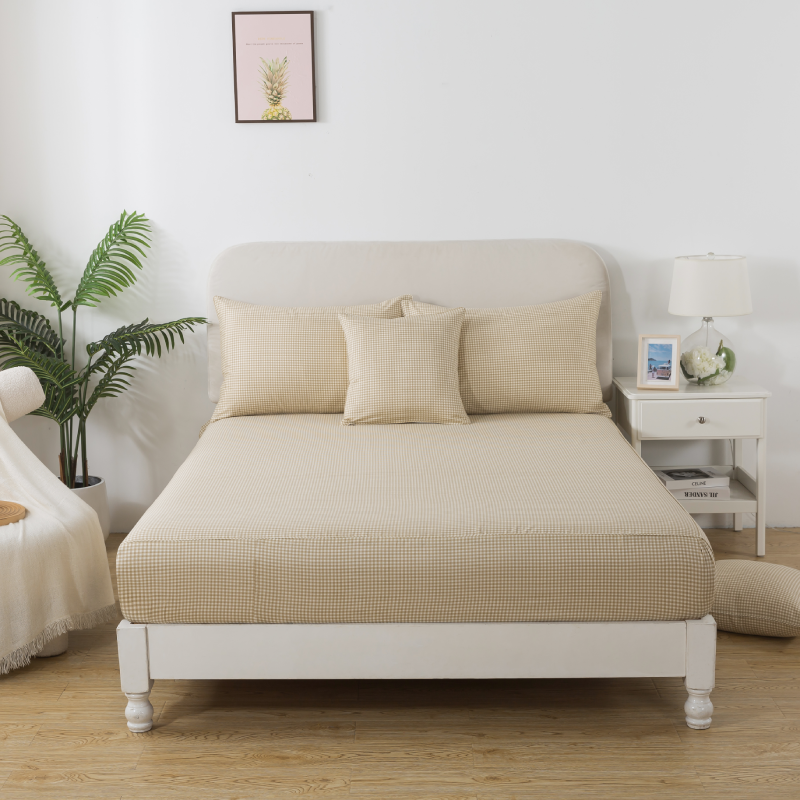
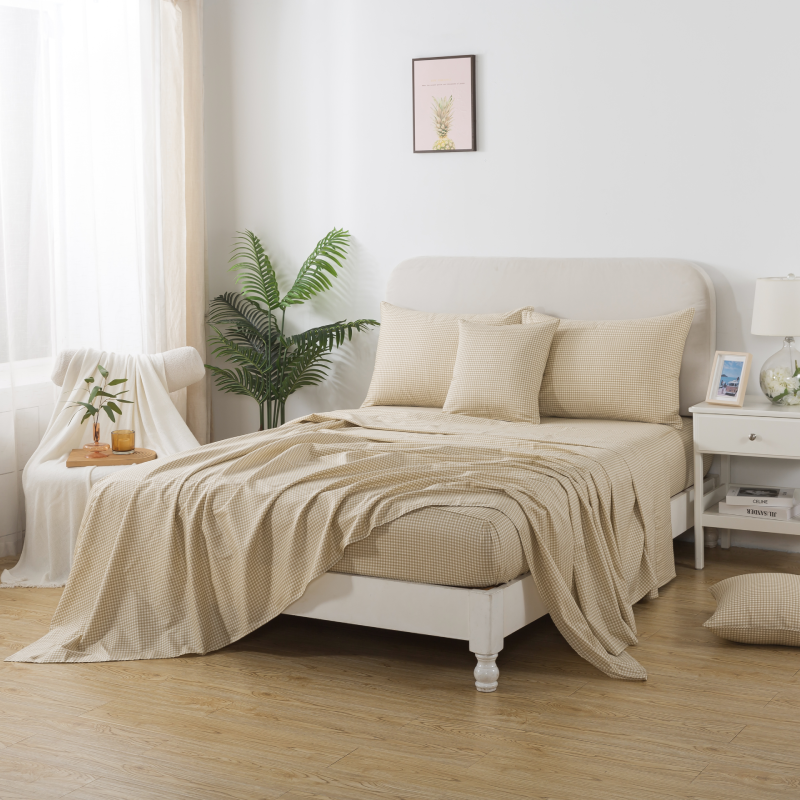
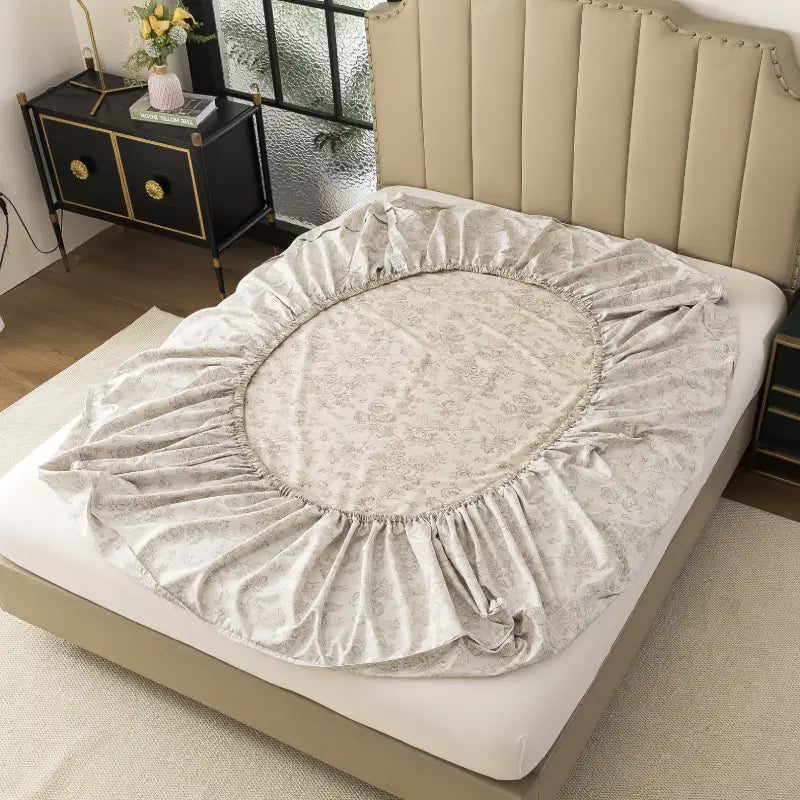
One of the most unique qualities of textiles is how quickly they can transform a space. A bedroom can shift from minimal and modern to warm and romantic simply by changing the bedding. A living room becomes inviting with the addition of a soft rug and layered cushions.
Because textiles shape the sensory experience of a home—touch, warmth, softness, and visual comfort—they often determine how a space feels more than the furniture itself.
Furniture may define the structure of a room, but textiles create its atmosphere.
Conclusion
While furniture provides stability and function, textiles reveal personality, lifestyle, and emotional comfort. They tell stories about how people want their homes to feel—calm, cozy, romantic, natural, or vibrant.
From bedding that welcomes restful nights to rugs that soften daily routines, textiles shape the human experience within a home. In many ways, they are the quiet storytellers of interior design, reflecting far more about the people who live there than the furniture ever could.