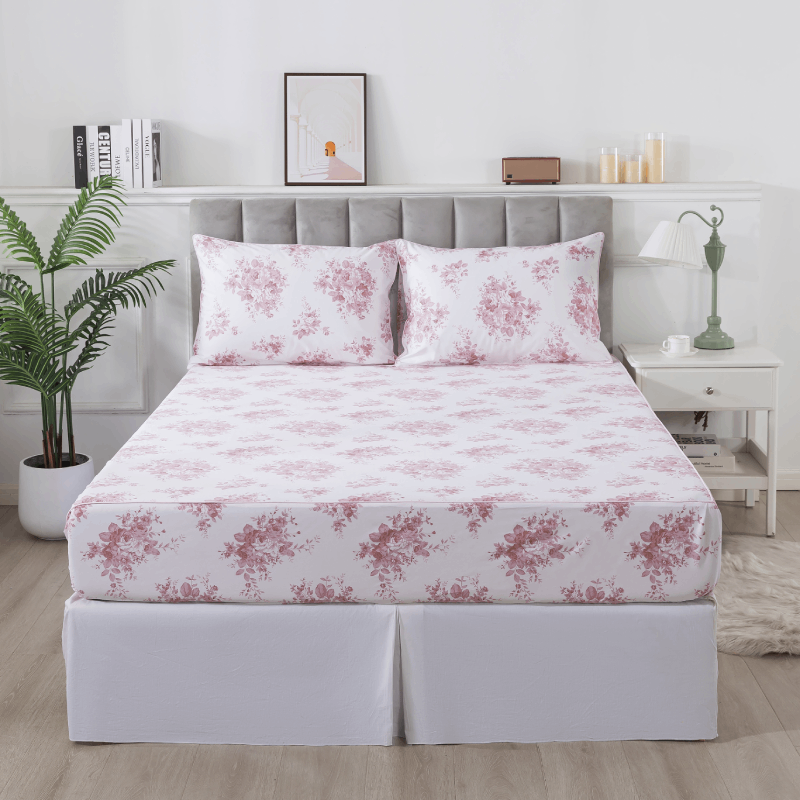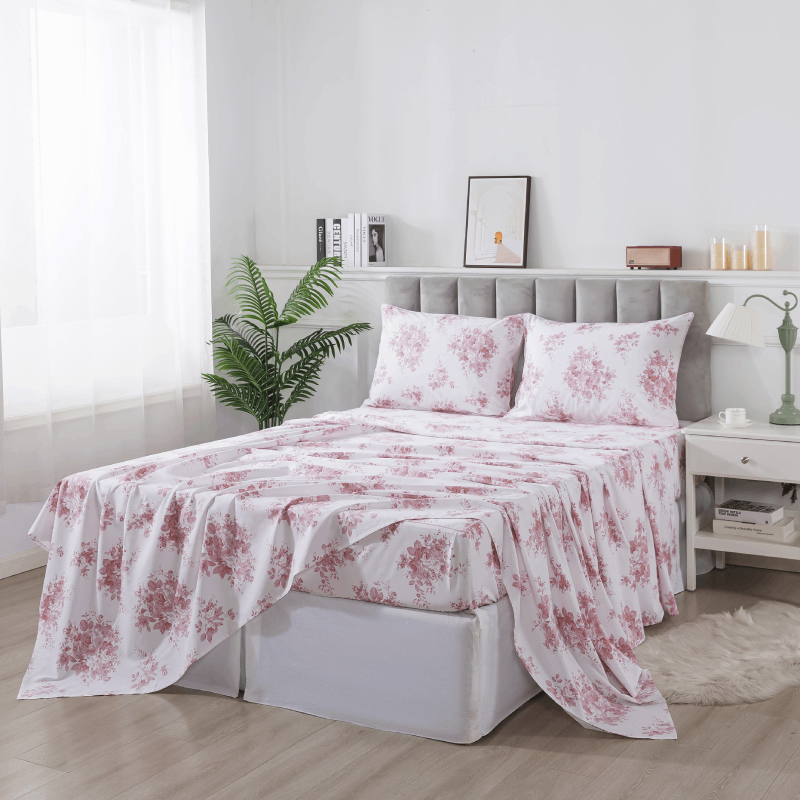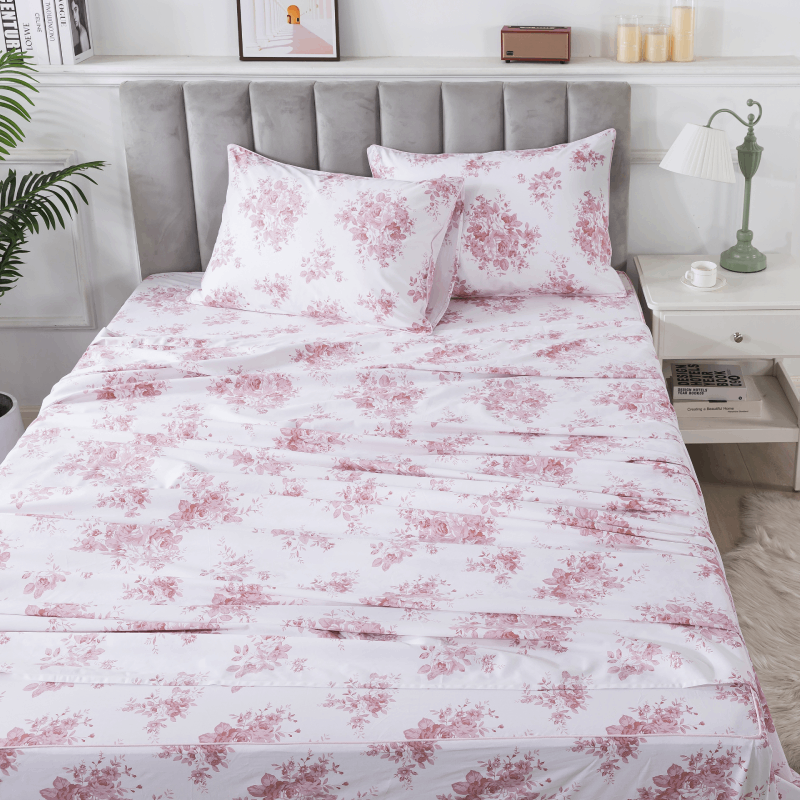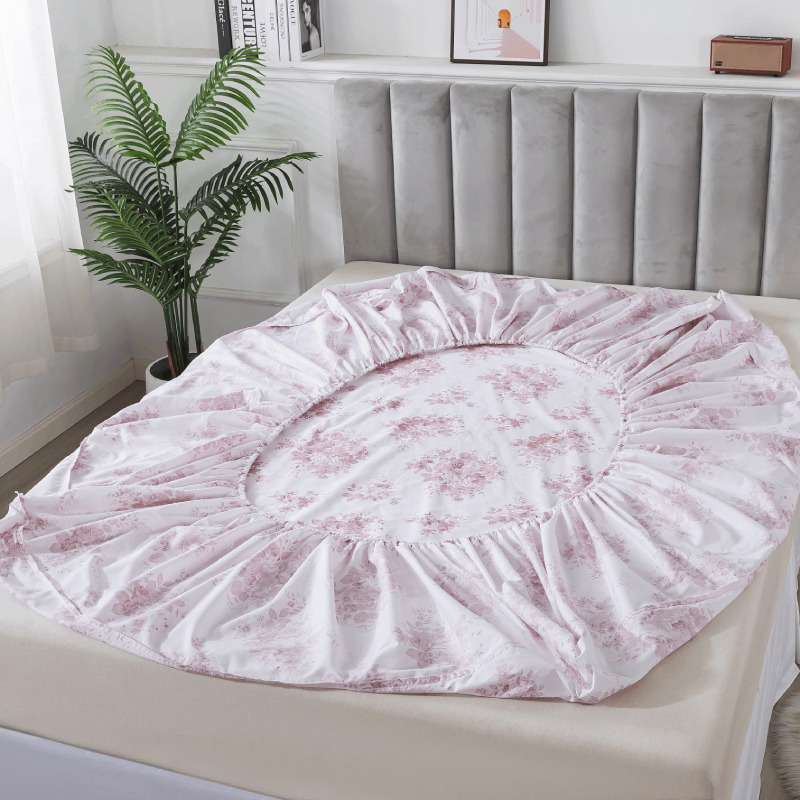
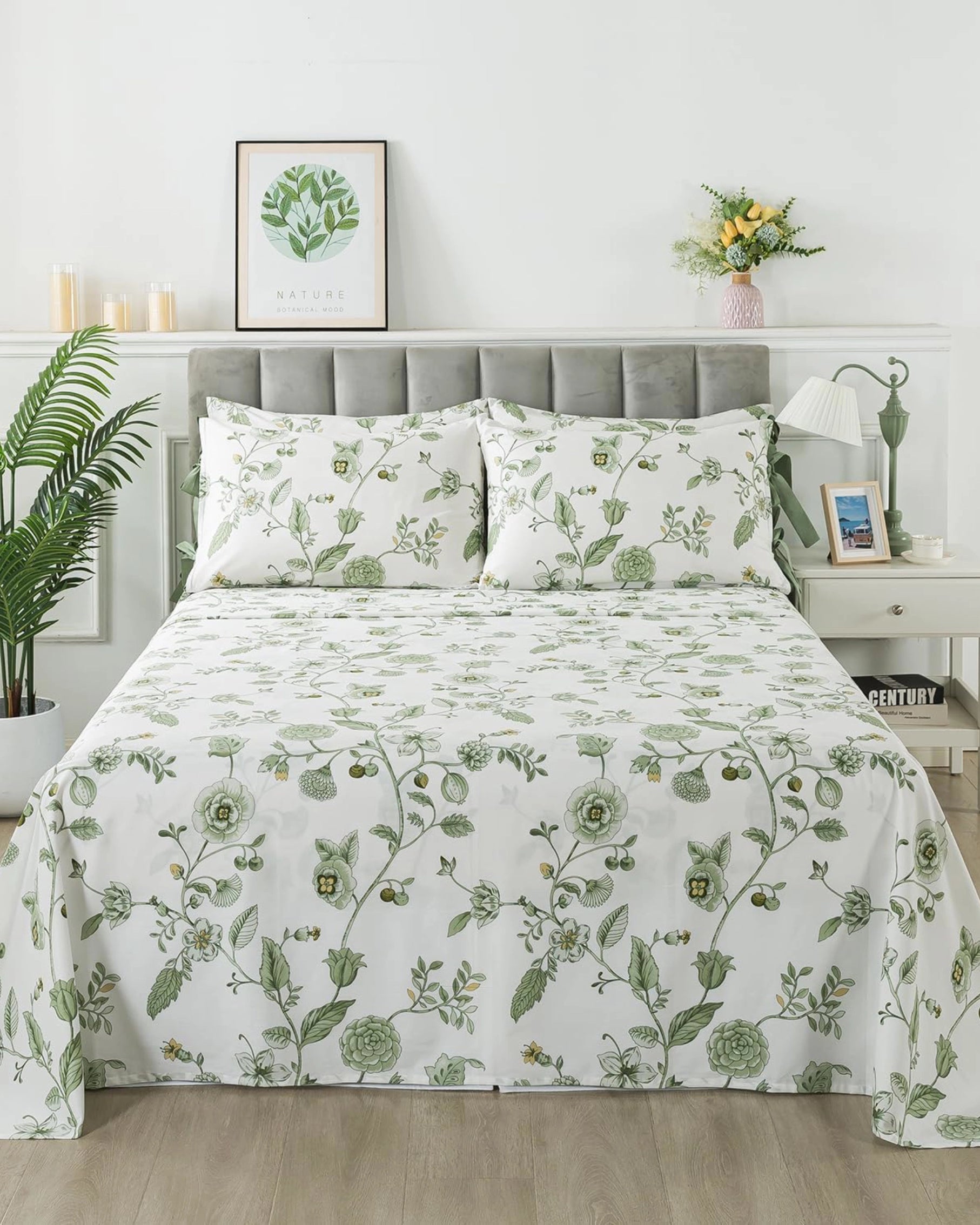


In a world saturated with visual noise, good taste rarely announces itself. It doesn’t need to. Especially in the bedroom—one of the most personal spaces we inhabit—good taste in bedding often shows up quietly, through choices that feel natural rather than impressive.
We’ve been taught to associate “good taste” with bold statements: striking colors, dramatic textures, instantly recognizable trends. But when it comes to bedding, those loud signals tend to fade fastest. What remains—what continues to feel right night after night—is almost always understated.
Quiet Choices Age Better
Bedding is not something you admire once and move on from. You live with it. You touch it every day. You sleep in it through different seasons, moods, and phases of life.
That’s why the bedding with the best taste usually avoids extremes. It doesn’t rely on novelty or shock value. Instead, it uses balanced colors, gentle patterns, and materials that feel honest. These choices don’t demand attention—but they also don’t exhaust it.
Quiet taste ages well because it leaves room for life to happen around it.
Comfort Is the Most Honest Indicator
Unlike decorative objects, bedding cannot hide behind appearance alone. The moment you lie down, comfort becomes the truth-teller.
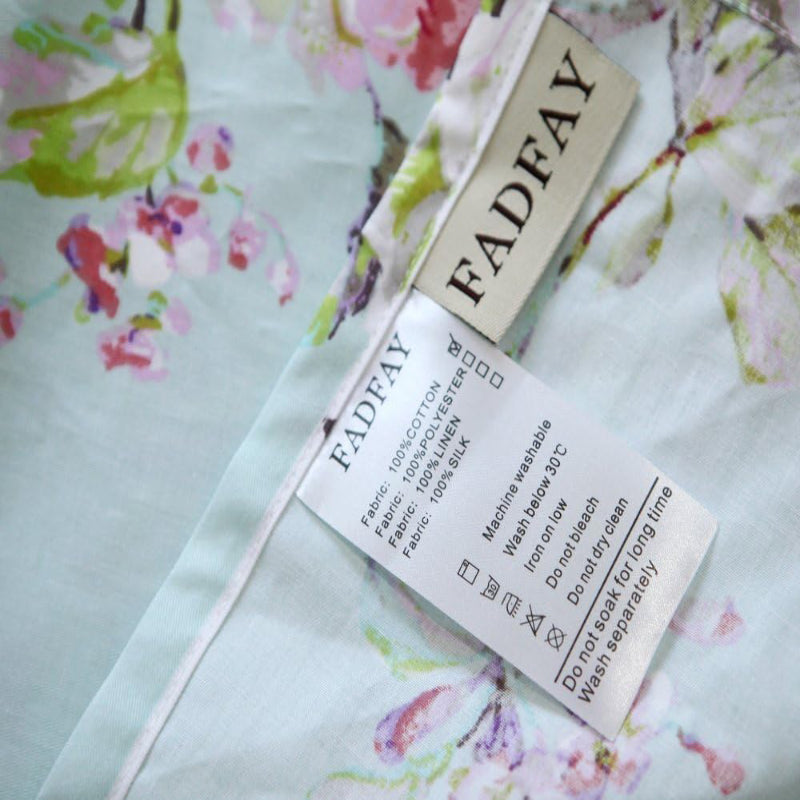
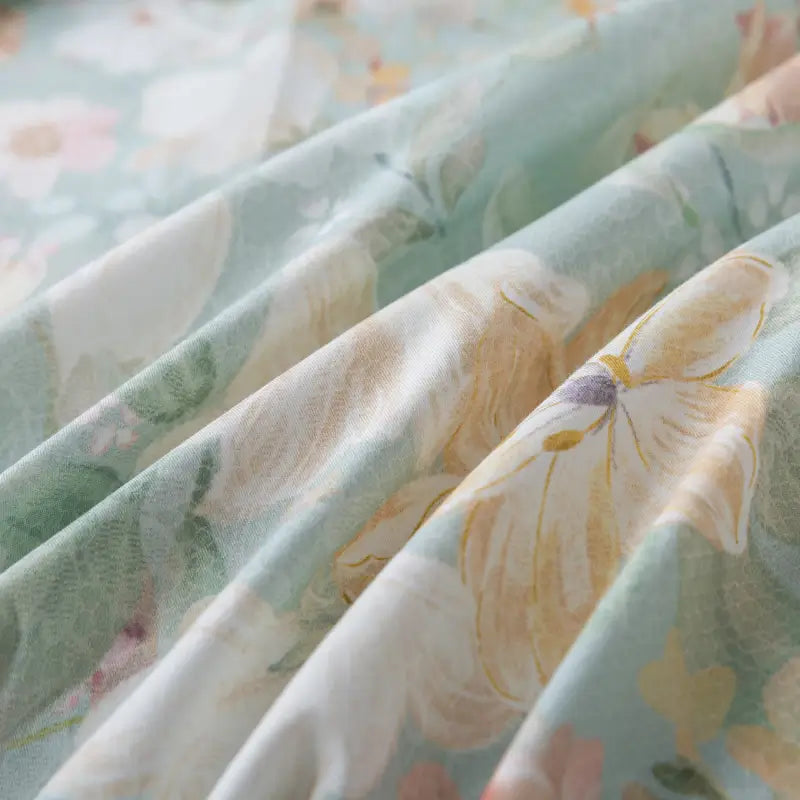
Good taste in bedding often prioritizes how something feels over how it photographs. Breathability, softness, weight, and the way fabric moves with the body matter more than visual drama. These qualities are subtle, but deeply felt.
When bedding is chosen for comfort first, it naturally avoids excess. There’s no need for stiffness, over-structuring, or artificial finishes. The result is a quiet confidence—nothing to prove, nothing forced.

Subtle Design Respects the Space
Bedrooms are not galleries. They are places of rest.
Overly designed bedding can dominate a room, turning it into a display rather than a refuge. Quietly tasteful bedding does the opposite: it supports the space instead of competing with it.
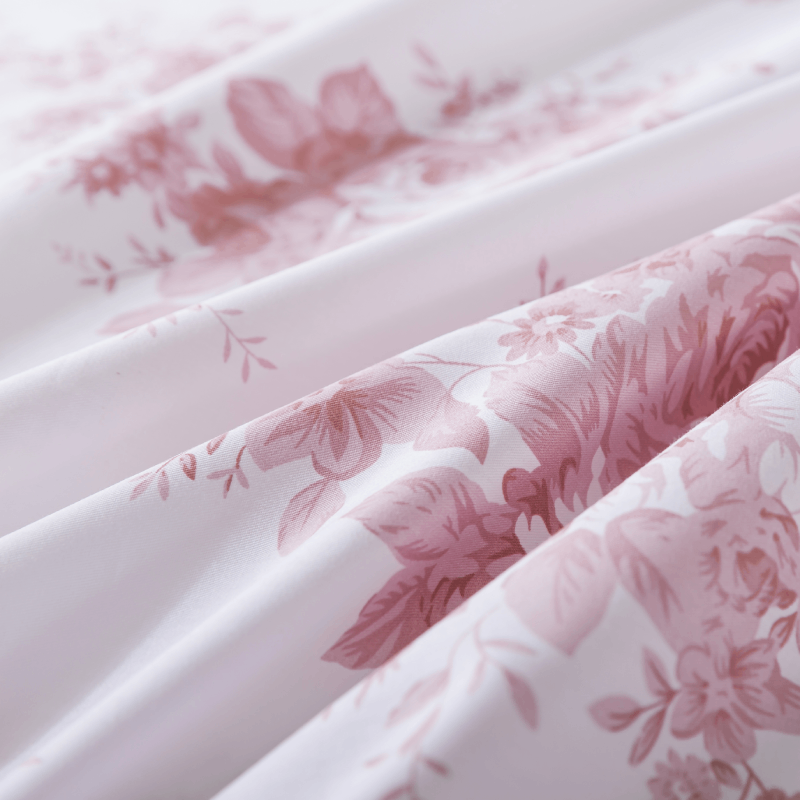
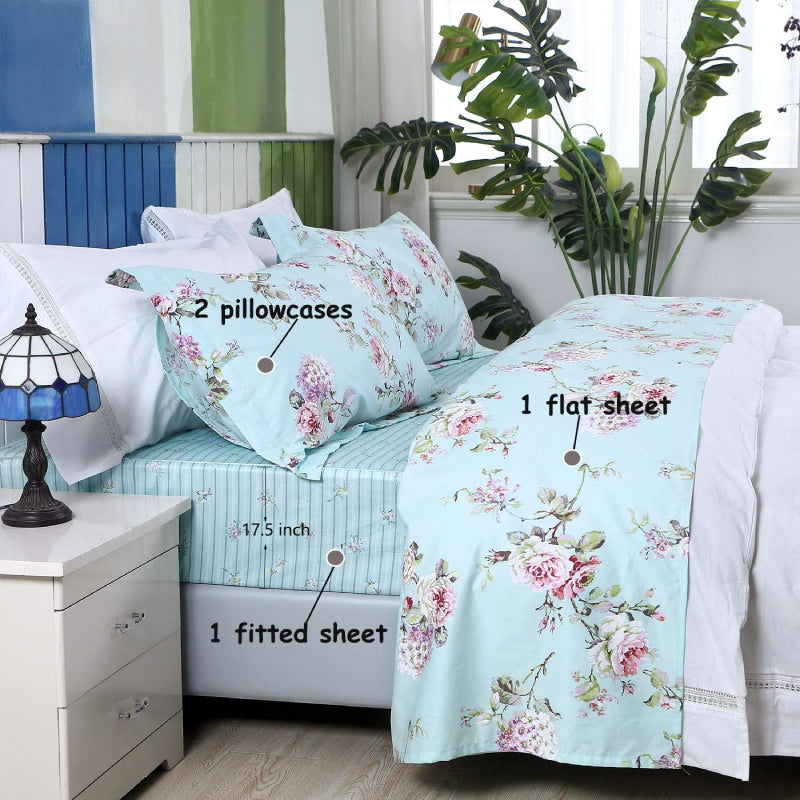
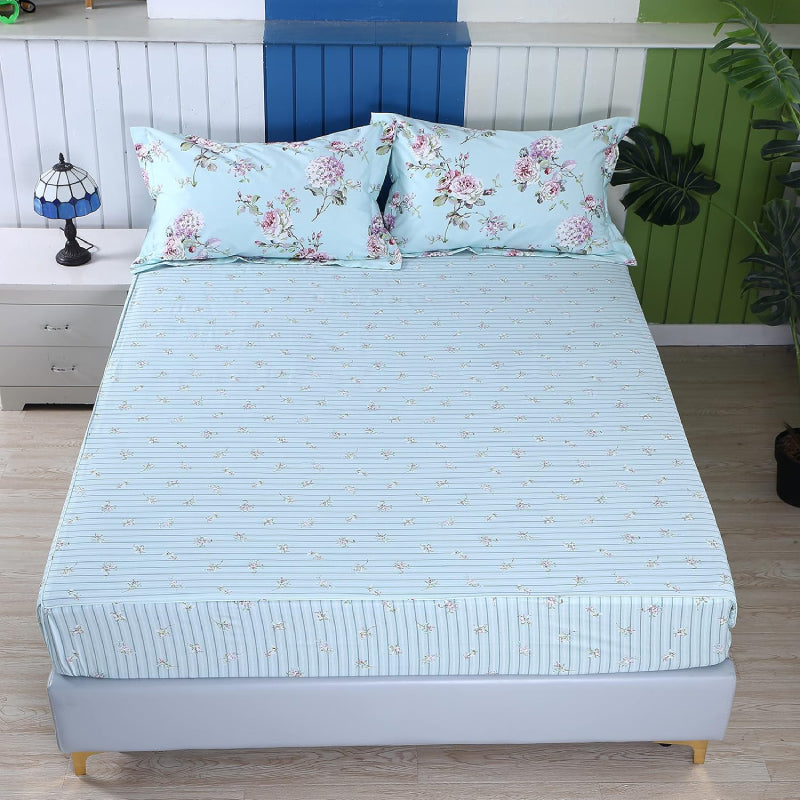
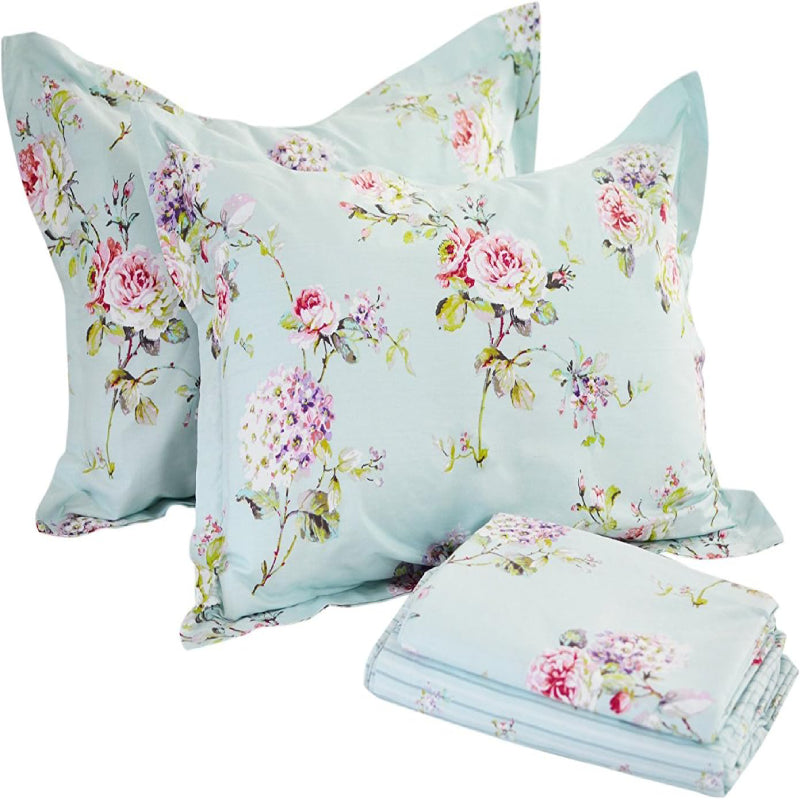
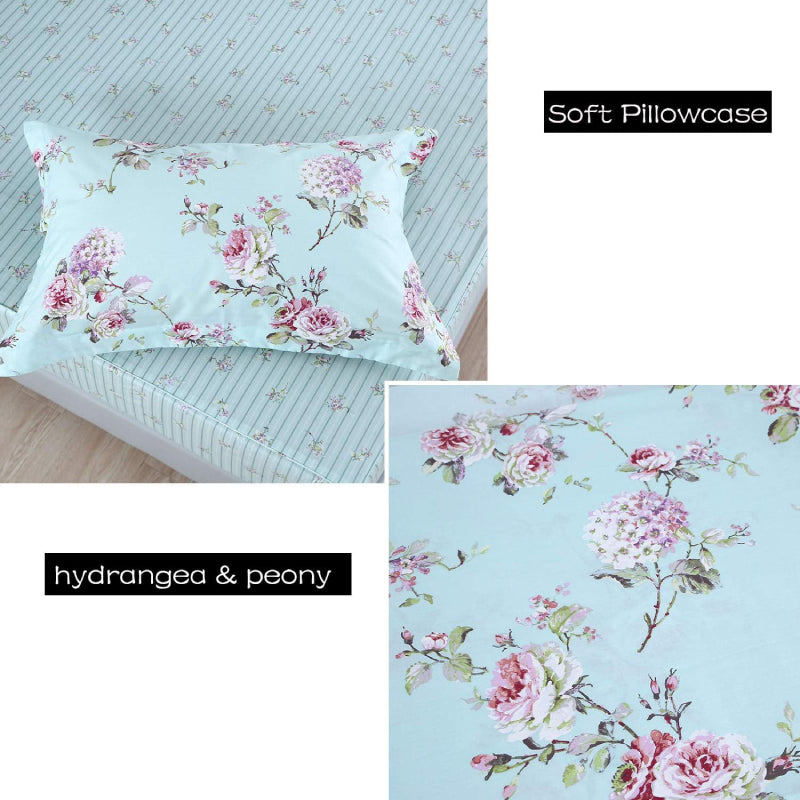
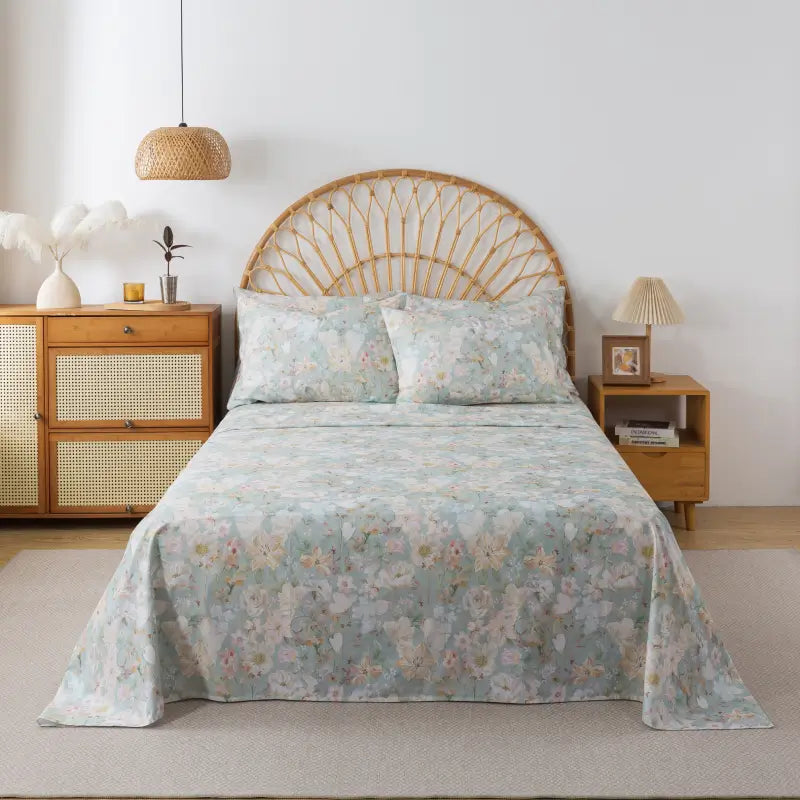
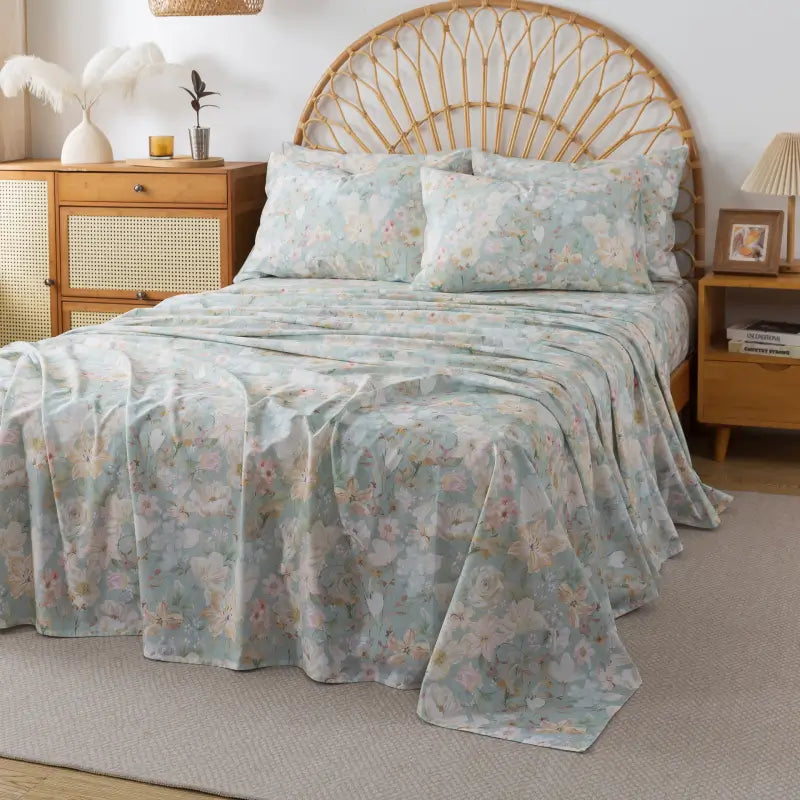
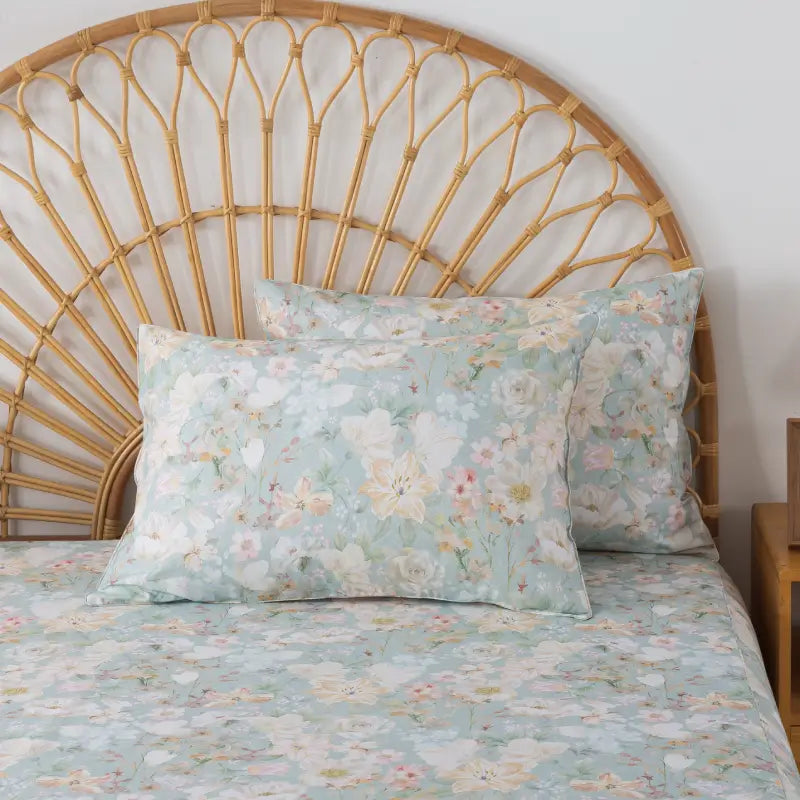
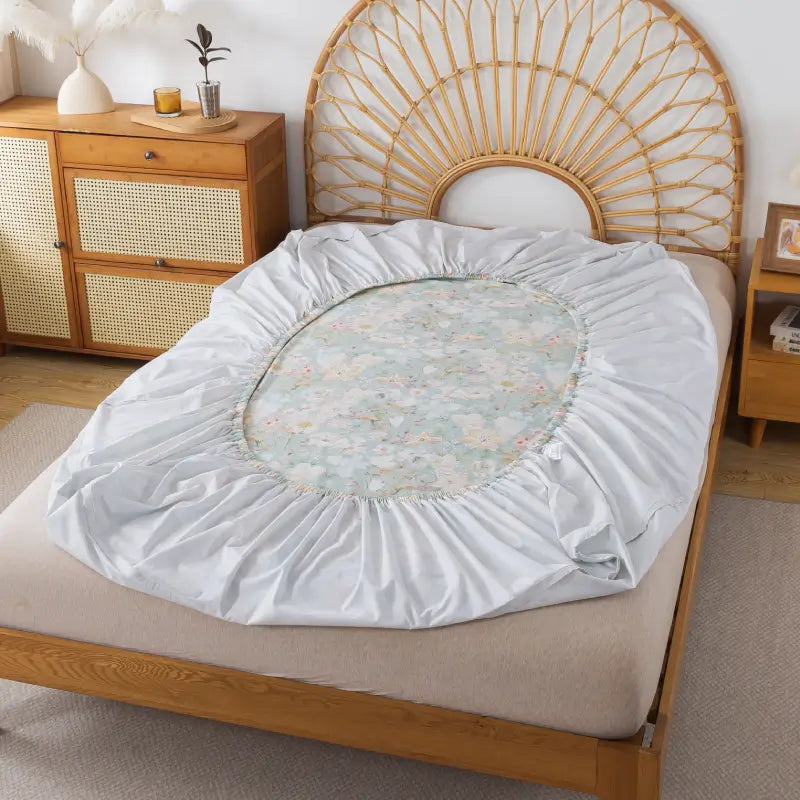
Soft florals, muted solids, or lightly textured fabrics blend into the environment. They allow natural light, furniture, and personal objects to coexist without friction. The room feels composed, not staged.
Good taste knows when to step back.
The Absence of Excess Is a Choice
Minimalism is often misunderstood as emptiness, but quiet taste is not about removing character—it’s about editing with care.
A restrained color palette doesn’t mean boring. A simple weave doesn’t mean cheap. These are intentional decisions to focus on what truly matters. In bedding, that usually means material quality, construction, and usability.
When nothing feels unnecessary, the whole experience becomes calmer.
Quiet Taste Is Personal, Not Performative
Perhaps the most important reason good taste in bedding is often quiet is this: it’s not meant to be seen by everyone.
Bedding is chosen for the person who sleeps in it, not the audience that might glance at it online. The best choices are the ones that feel right at the end of the day—when the lights are low and no one else is watching.
Quiet taste values lived experience over display. It prioritizes ease, familiarity, and long-term comfort over instant impact.
When Bedding Stops Asking for Attention
The ultimate sign of good taste is when you stop thinking about it altogether.
When bedding does its job—feeling comfortable, looking appropriate, aging gracefully—it fades into the background of daily life. And that’s not a flaw. That’s success.
Good taste in bedding doesn’t shout.
It supports, it settles, and it stays.