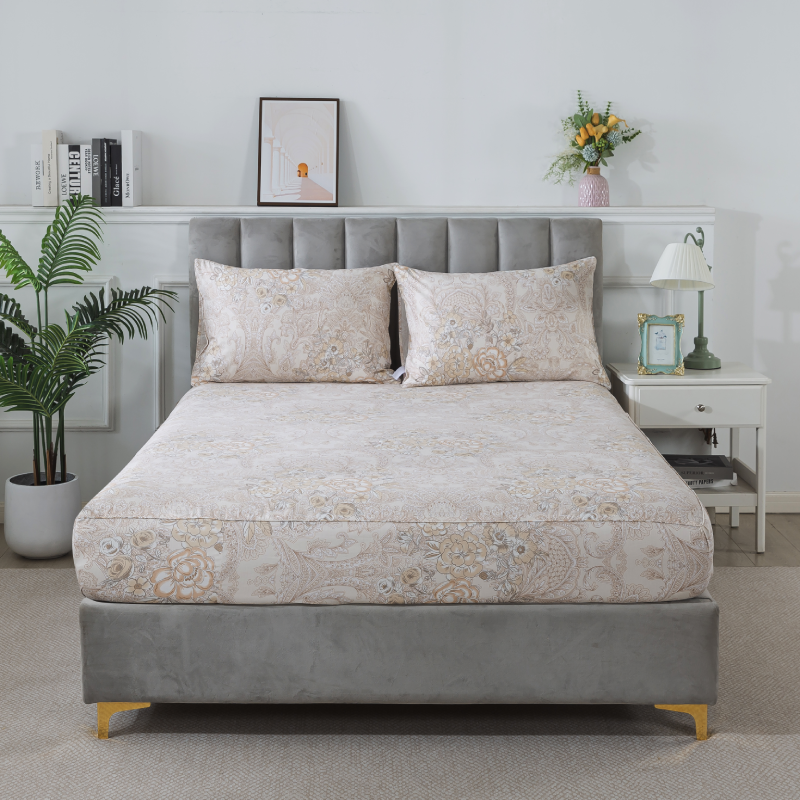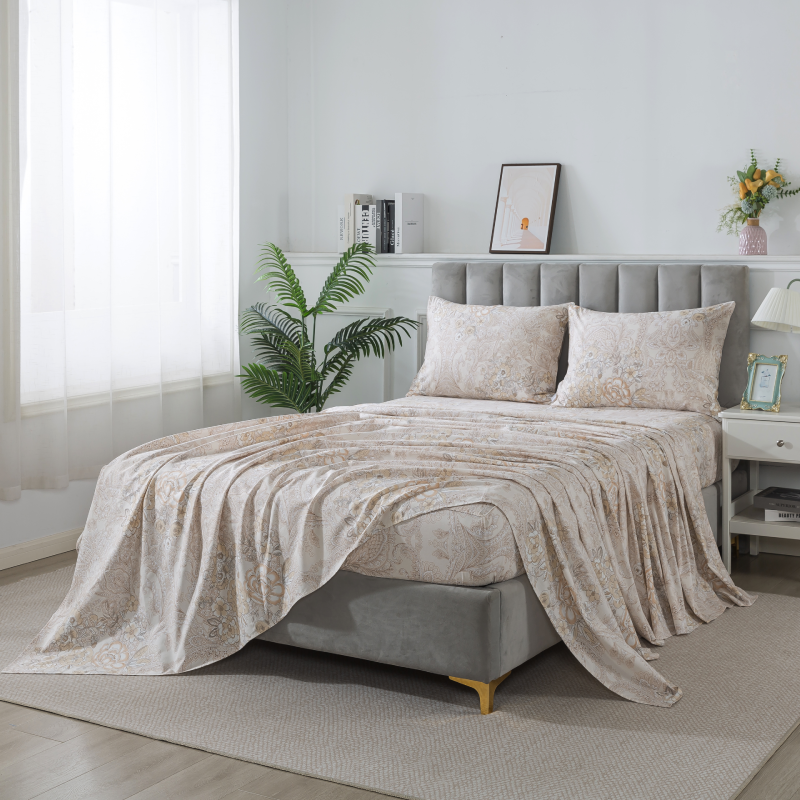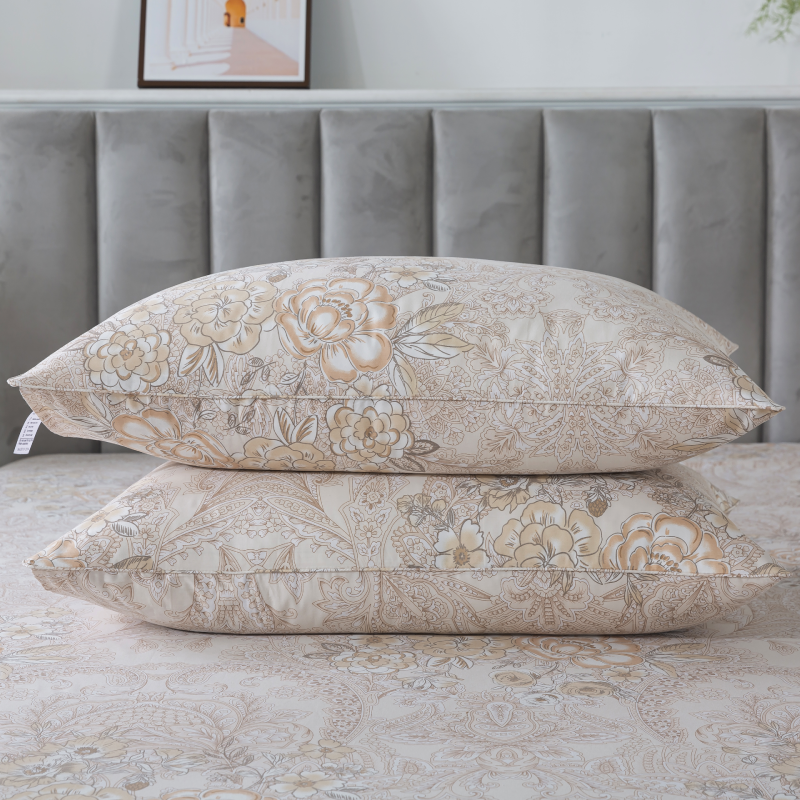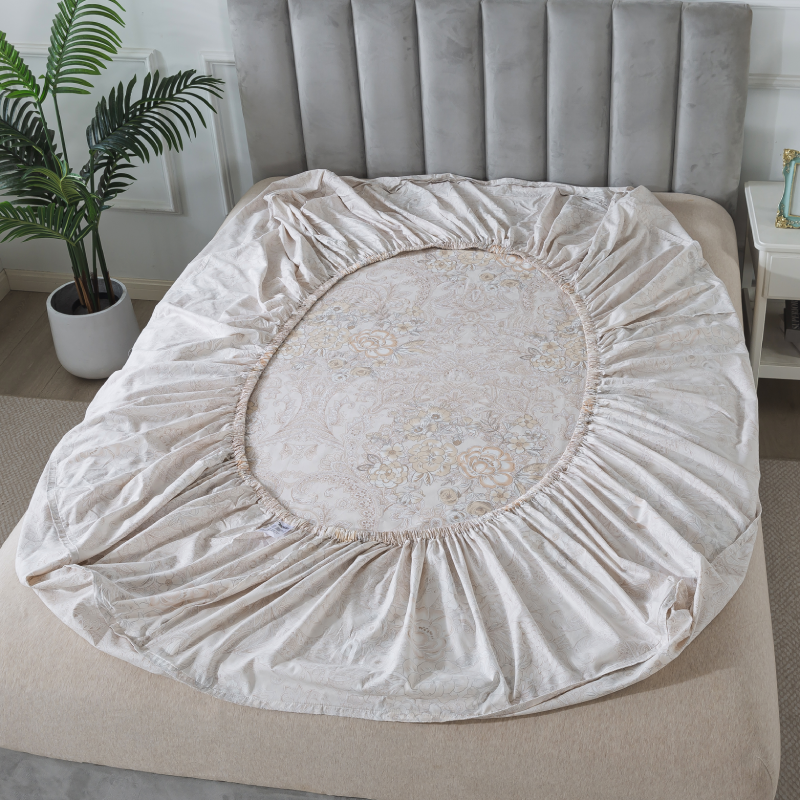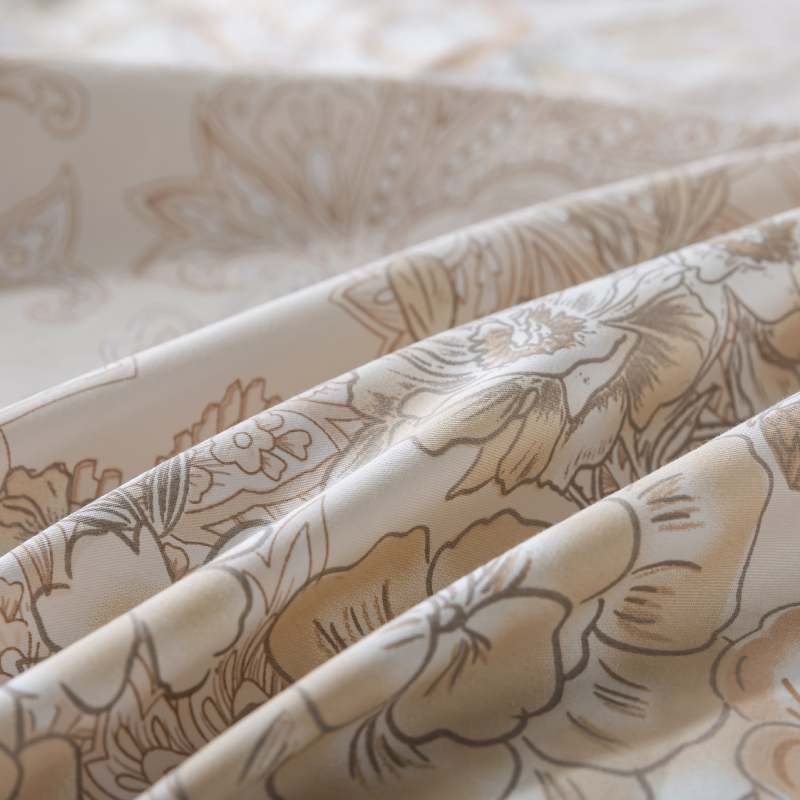
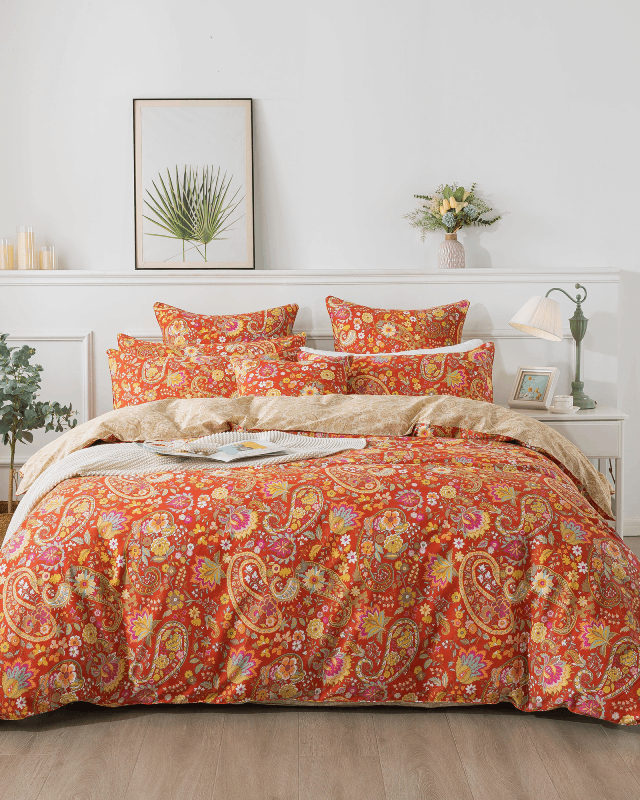
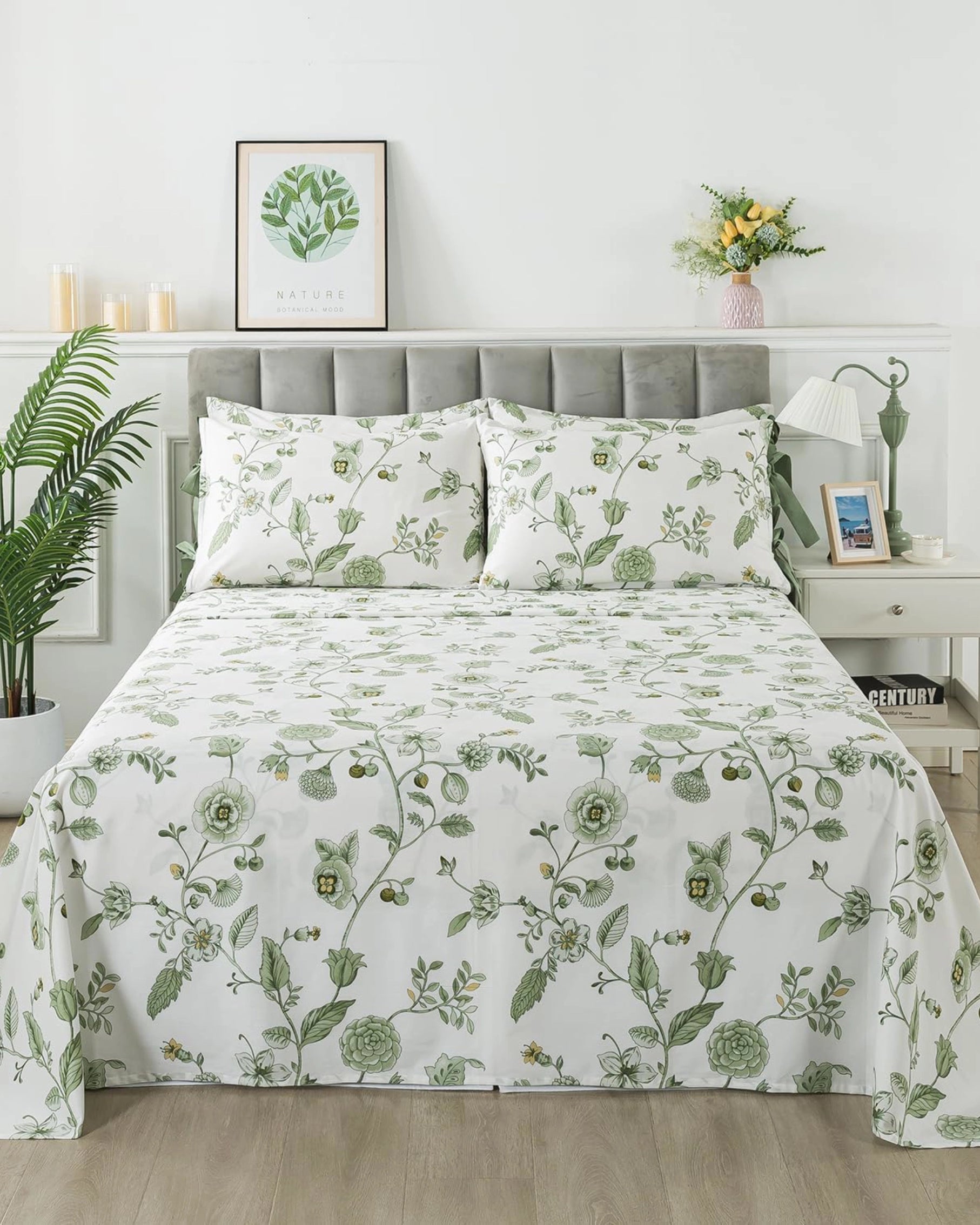


In a world shaped by images, first impressions carry undeniable weight. We notice how a space looks before we experience how it feels. Crisp styling, bold design choices, and perfectly staged rooms dominate screens and catalogs. Yet once the camera is gone and daily life begins, it is not appearance that determines satisfaction—it is comfort. Over time, everyday comfort proves far more meaningful than any initial visual impact.
The Difference Between Looking Good and Living Well
A beautiful space can impress instantly, but comfort reveals itself slowly. It shows up at the end of a long day, in quiet mornings, and in moments of rest that are not meant to be shared or documented. While first impressions are fleeting, comfort is cumulative. It shapes how we feel day after day.
In the home—especially in the bedroom—this distinction becomes clear. Bedding that looks striking but feels stiff or overly delicate may impress at first glance, yet quickly becomes a source of friction. Fabrics that wrinkle uncomfortably, trap heat, or feel harsh against the skin disrupt rest. Over time, the appeal fades, replaced by the desire for ease.
Comfort as a Daily Experience
Everyday comfort is not dramatic. It does not demand attention. Instead, it quietly supports routine. Soft, breathable materials, thoughtful construction, and practical design choices contribute to an experience that feels natural rather than forced.
The value of this comfort often goes unnoticed precisely because it works so well. When bedding moves easily with the body, regulates temperature, and maintains its softness after repeated use, it allows rest to happen without interruption. These are not qualities that stand out in a photograph, but they define how a product performs in real life.
Why the Bedroom Is Where Comfort Matters Most
The bedroom is one of the few spaces designed almost entirely around how we feel rather than how we appear. It is where the body slows down and the mind disengages. Here, comfort is not a luxury—it is a requirement.
Visual trends change quickly, but the body’s needs do not. Breathability, softness, and flexibility remain constant priorities. Bedding that supports these needs becomes part of a nightly ritual, creating a sense of familiarity and trust. Over time, this consistency matters far more than a bold pattern or a striking first impression.
Materials That Age With You
One reason everyday comfort outlasts first impressions lies in material choice. Natural fibers, particularly high-quality cotton, tend to improve with use rather than degrade. They soften gradually, adapt to temperature, and maintain their integrity through repeated washing.
This aging process adds value rather than diminishing it. A piece that feels better over time builds an emotional connection, becoming part of daily life rather than a decorative object. In contrast, items chosen primarily for appearance often show wear quickly, losing both their comfort and their appeal.
Emotional Comfort Is Still Comfort
Physical comfort is only part of the equation. There is also emotional comfort—the sense of ease that comes from living with things that do not require constant adjustment or worry. Bedding that is easy to care for, forgiving in texture, and durable enough for real life reduces mental friction.
This kind of comfort supports relaxation. When you are not concerned about preserving appearances, you are free to focus on rest. The space becomes lived-in rather than staged, and that authenticity creates a deeper sense of calm.
Redefining What “Good Design” Means
Design is often judged by how it looks in a single moment, but true design quality is revealed over time. Everyday comfort challenges the idea that impact must be immediate. Instead, it suggests that the best choices are those that continue to feel right long after the novelty fades.
When comfort is prioritized, aesthetics do not disappear—they simply become quieter. Subtle textures, balanced colors, and thoughtful details complement function rather than compete with it. The result is a space that feels cohesive, welcoming, and enduring.

Choosing What Lasts
First impressions matter, but they are not what sustain daily life. Comfort is what we return to, often without thinking. It shapes habits, influences mood, and supports well-being in ways that visuals alone cannot.
By choosing comfort as the foundation—especially in spaces meant for rest—we invest in something that grows more valuable with time. In the end, it is not the initial reaction that defines a home, but how it feels every single day.