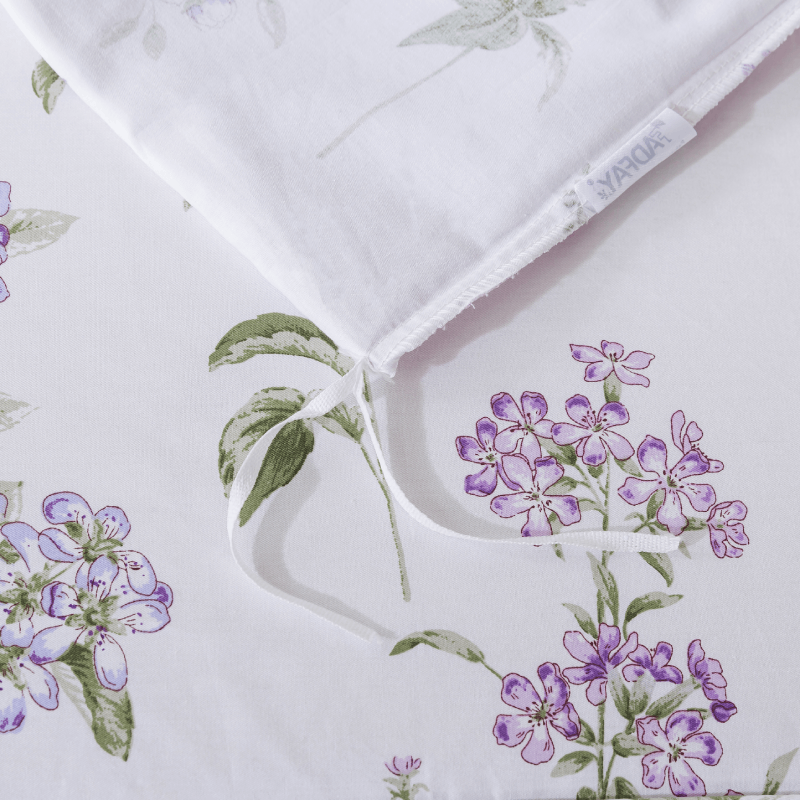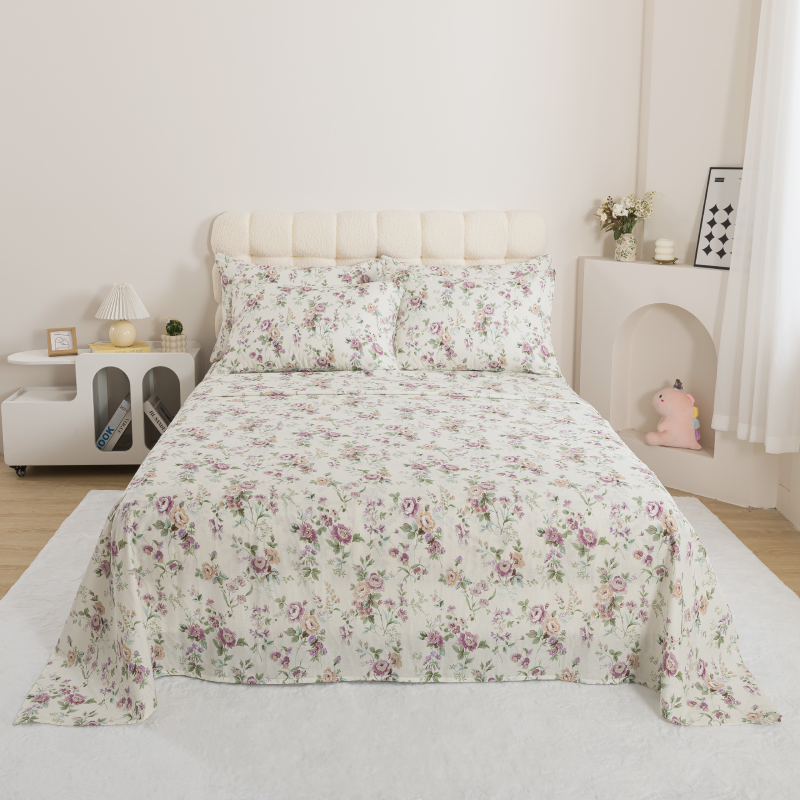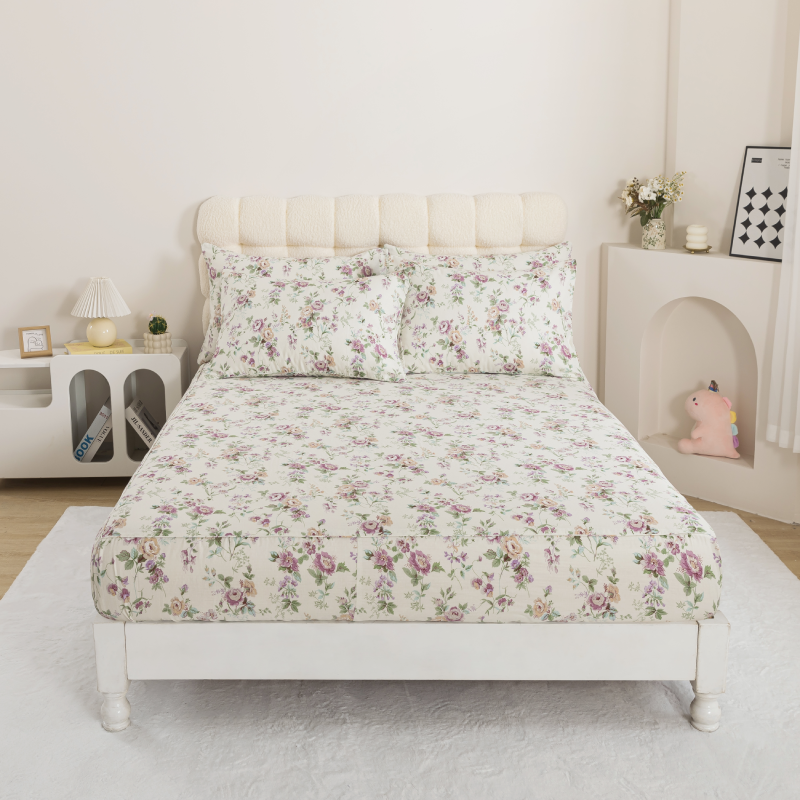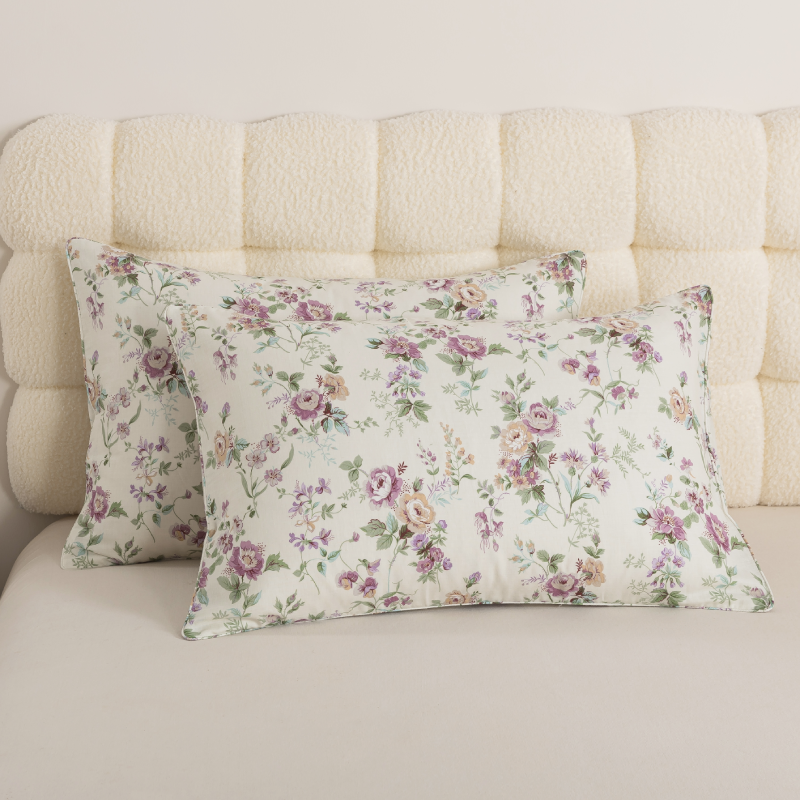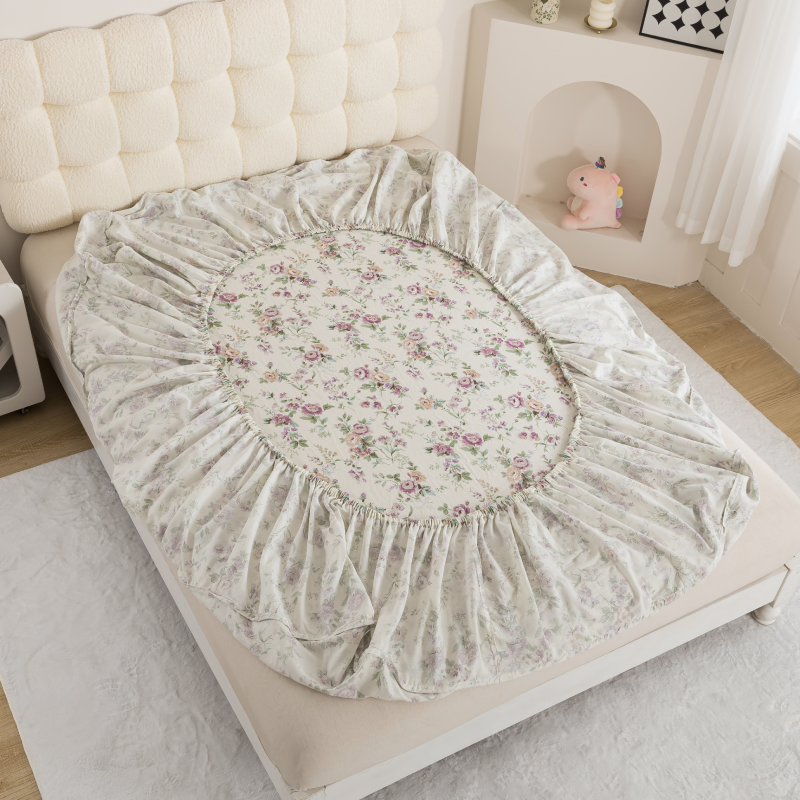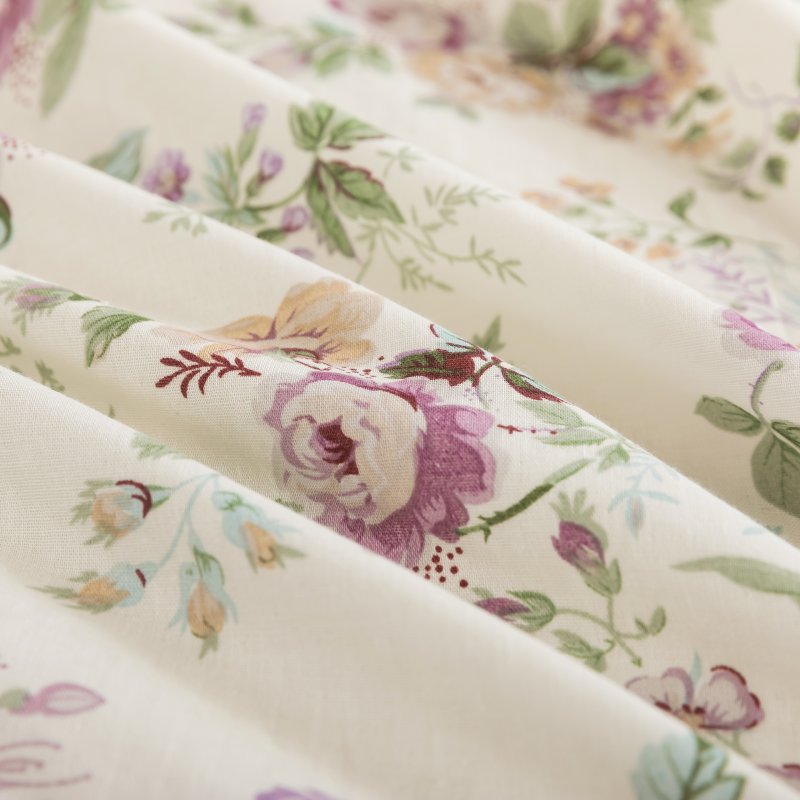




There is something especially comforting about slipping into freshly washed cotton bedding. The fabric feels clean, breathable, and familiar, while its softness often seems to improve over time. Unlike many synthetic materials that may become rough, stiff, or worn after repeated washing, quality cotton bedding can develop an even more pleasant texture with regular care.
This gradual transformation is one of the reasons cotton has remained a trusted bedding material for generations. Understanding why cotton bedding feels better after every wash can help you appreciate both its natural structure and its long-term value.
Cotton Fibers Naturally Relax Over Time
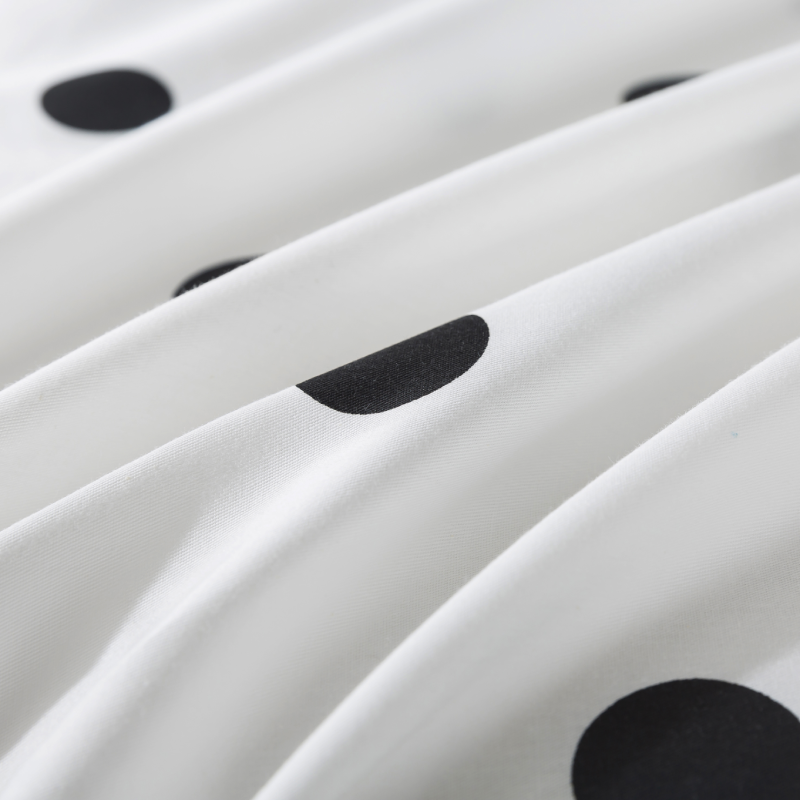
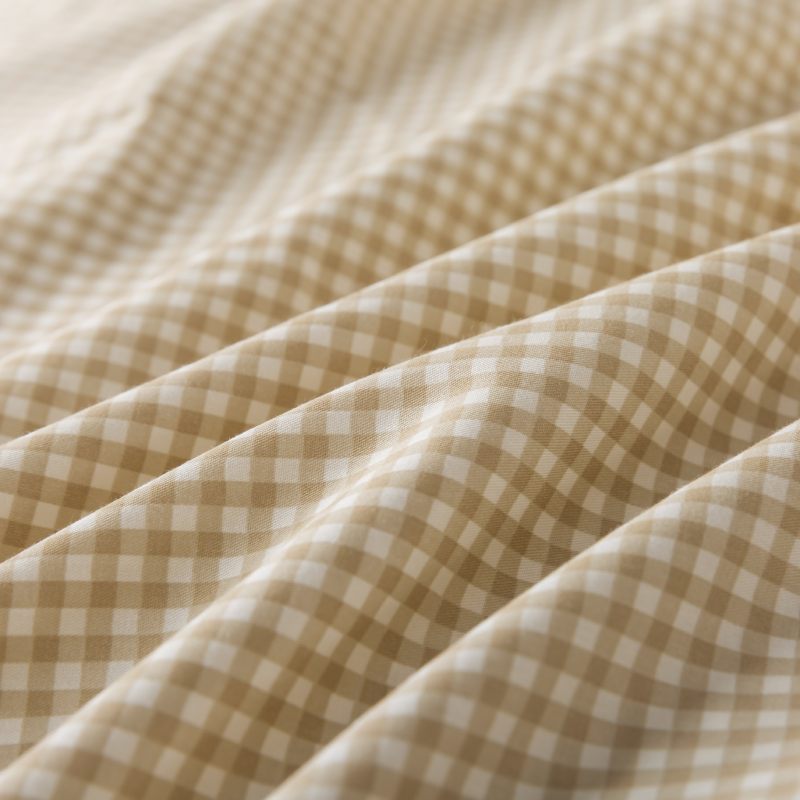
Cotton is made from natural plant fibers that are initially woven together with a certain amount of tension. During manufacturing, spinning, weaving, finishing, folding, and packaging can leave the fabric feeling slightly crisp when it is first opened.
Washing allows these fibers to absorb water, move, and relax. As the bedding goes through repeated wash and dry cycles, the fibers become more flexible and settle into a softer structure.
This does not mean that the cotton is becoming weak. High-quality cotton can remain durable while developing a smoother, more comfortable hand feel. The result is bedding that gradually feels less stiff and more naturally lived-in.
Washing Removes Finishing Residues
New bedding may contain small amounts of finishing agents used during production. These treatments can help fabric maintain its shape, reduce wrinkles, or create a polished appearance while it is packaged and displayed.
Although these finishes are generally temporary, they may make new cotton bedding feel firmer than expected. The first few washes help remove the remaining surface treatments, allowing the natural qualities of the cotton fibers to become more noticeable.
Once these residues are washed away, the fabric can feel softer, more breathable, and more comfortable against the skin.

Cotton Becomes More Flexible Without Losing Breathability
One of cotton’s greatest advantages is its ability to combine softness with airflow. Cotton fibers contain tiny spaces that allow air to move through the fabric. They can also absorb moisture, helping bedding feel less sticky or uncomfortable during sleep.
As cotton bedding softens through washing, it becomes more flexible and drapes more naturally around the body. At the same time, it continues to provide the breathability that makes cotton suitable for different seasons.
During warmer nights, cotton can help release heat and absorb moisture. In cooler conditions, its soft layers create a comfortable and cozy sleeping environment without feeling overly heavy.
The Fabric Adapts to Everyday Use
Part of the comfort of well-loved cotton bedding comes from familiarity. Repeated use and washing allow the fabric to adapt naturally to movement, folding, and the shape of the bed.
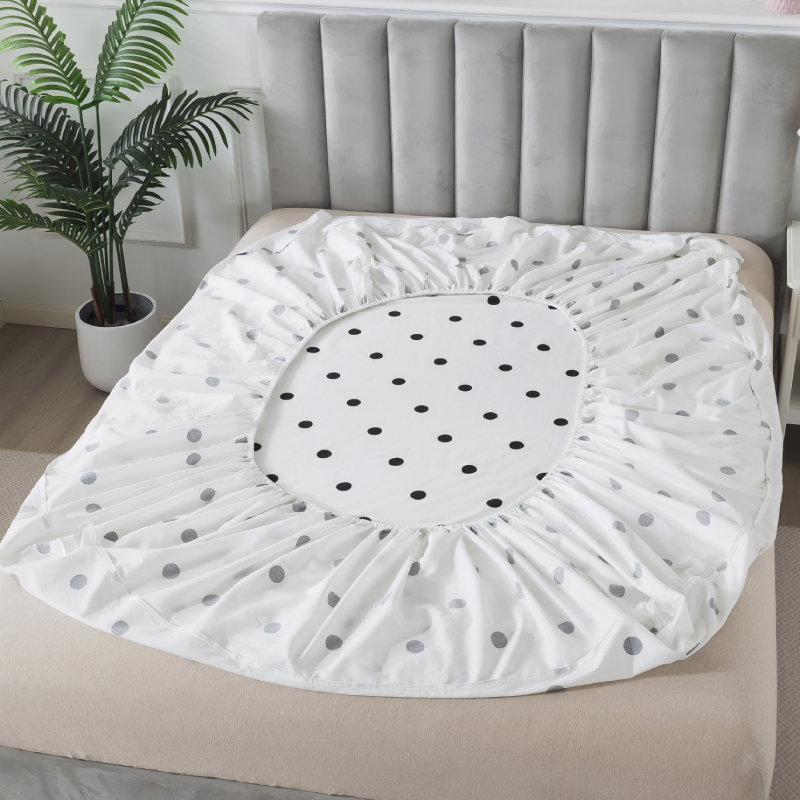
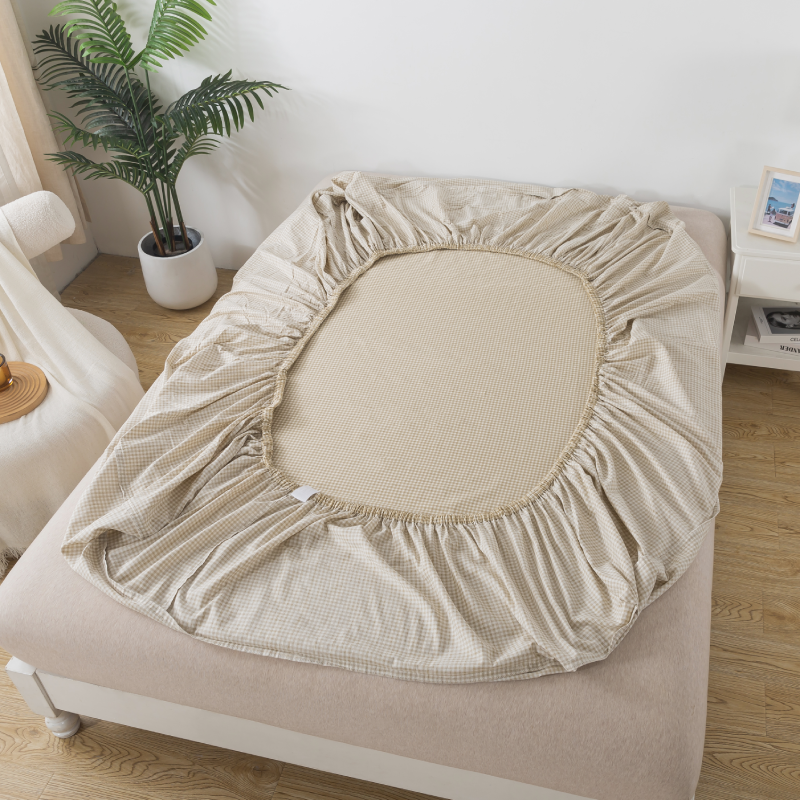
The bedding becomes easier to arrange and less resistant than brand-new fabric. Sheets may fit more naturally around the mattress, duvet covers may drape more smoothly, and quilts may feel softer when layered across the bed.
Over time, cotton bedding develops a relaxed character that cannot always be recreated through artificial softening treatments. Its comfort comes from the natural evolution of the fibers rather than from a temporary surface coating.
Quality Makes a Difference
Not all cotton bedding will improve in exactly the same way. The quality of the cotton, yarn, weave, stitching, and construction all influence how the fabric performs over time.
Well-made cotton bedding is designed to handle repeated washing while maintaining its structure. Strong fibers and secure stitching help prevent excessive thinning, distortion, or damage.
Lower-quality cotton may feel soft at first because of heavy chemical treatments, but that softness can disappear after several washes. In contrast, quality cotton often begins with a slightly crisp texture and becomes softer naturally as it is used.
This is why the long-term feel of cotton bedding can be a better measure of quality than its texture straight out of the package.
Proper Care Helps Cotton Improve
Although cotton is durable, the way it is washed still matters. Gentle care helps preserve the fibers and allows the fabric to soften gradually without unnecessary wear.
Wash cotton bedding with mild detergent and avoid using more detergent than needed. Excess product can remain trapped in the fabric and make it feel stiff. Fabric softener is usually unnecessary because it can coat the fibers and reduce their natural absorbency.
Using cool or warm water is often sufficient for regular cleaning. When drying, choose a low or medium heat setting and remove the bedding promptly to reduce wrinkles and prevent overdrying.
Line drying can also give cotton bedding a fresh, airy quality. If the fabric feels slightly crisp after air drying, gentle shaking or brief tumble drying can help restore softness.
Always follow the specific care instructions provided with the bedding.
Softness That Feels Personal
One of the most appealing qualities of cotton bedding is that it becomes more personal with time. Brand-new bedding may look perfect, but frequently washed cotton develops the softness and relaxed texture associated with a comfortable home.
Each wash helps the fabric feel more familiar, making bedtime feel easier and more inviting. Instead of wearing out quickly, properly cared-for cotton bedding often becomes more enjoyable through everyday use.
A Material Designed for Long-Term Comfort
Cotton bedding does not rely only on how it feels on the first night. Its real appeal is revealed gradually.
With each wash, the fibers relax, temporary finishes disappear, and the fabric becomes more flexible. At the same time, cotton continues to offer breathability, moisture absorption, durability, and year-round comfort.
That is why quality cotton bedding often feels better after every wash. It is not simply becoming older—it is becoming softer, more natural, and more connected to the way you live and sleep.