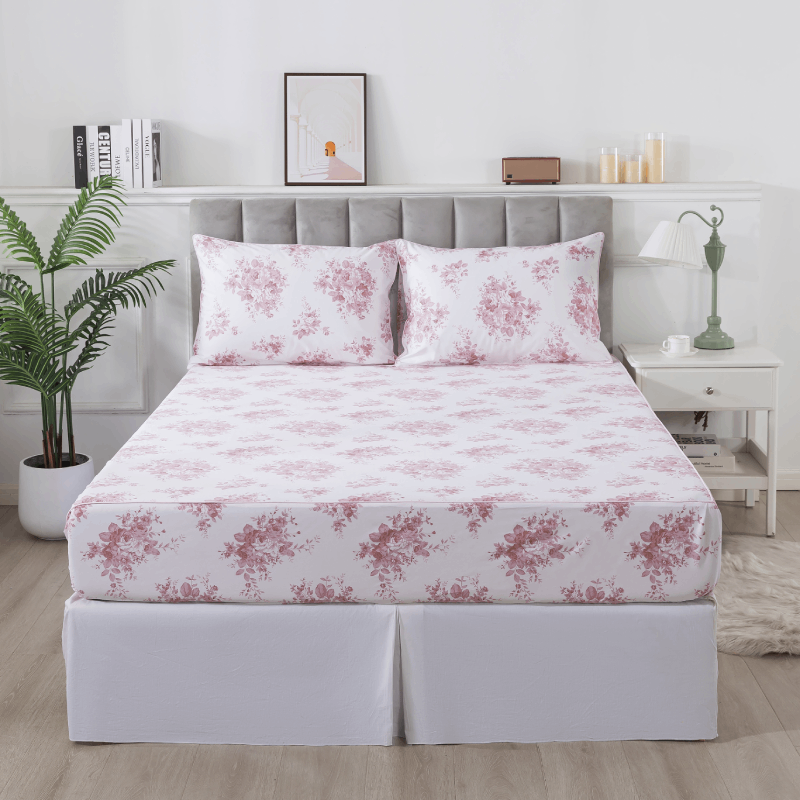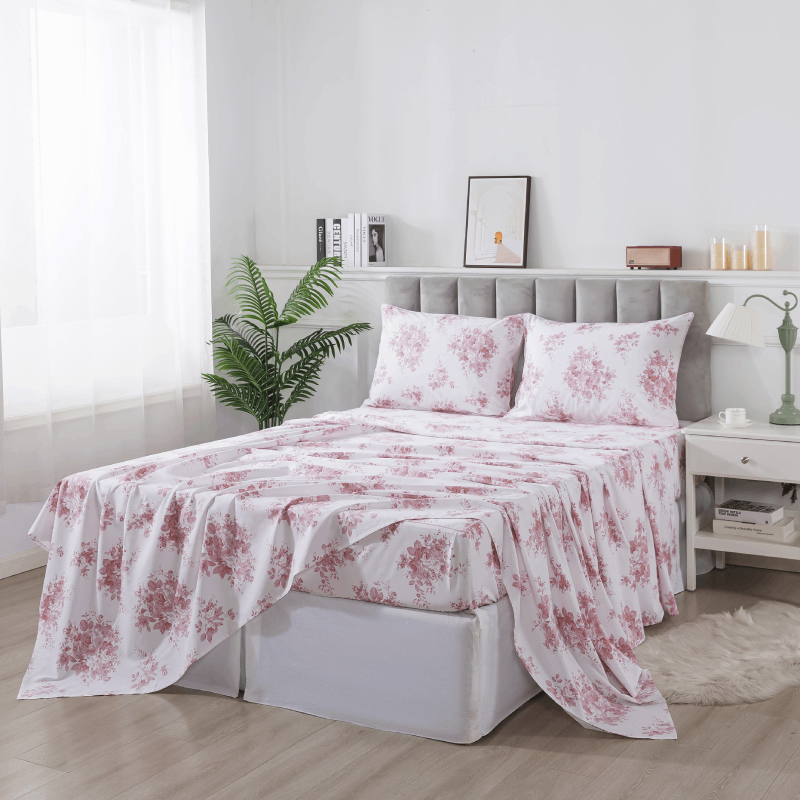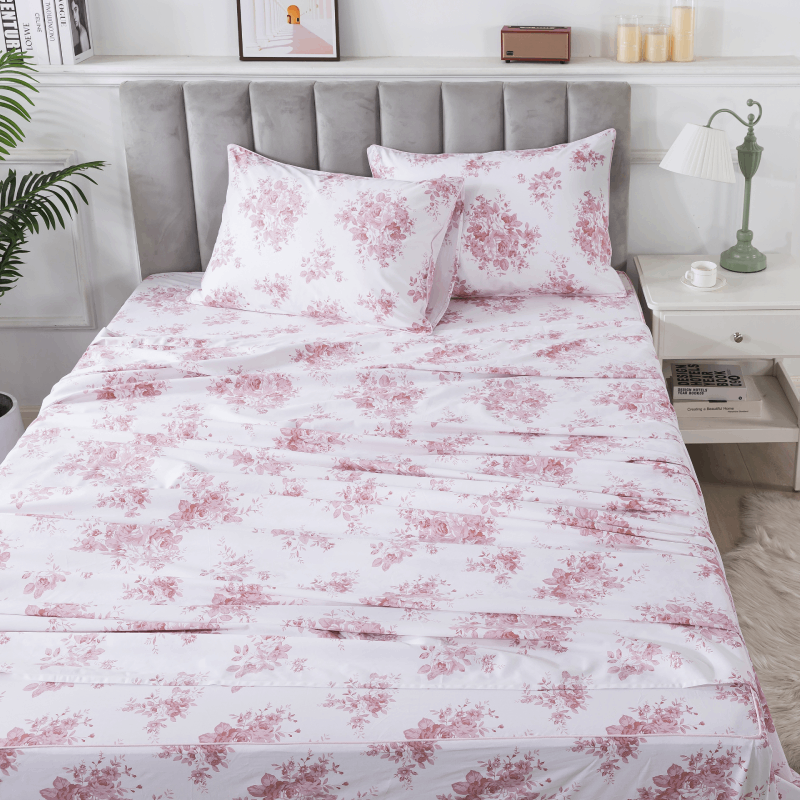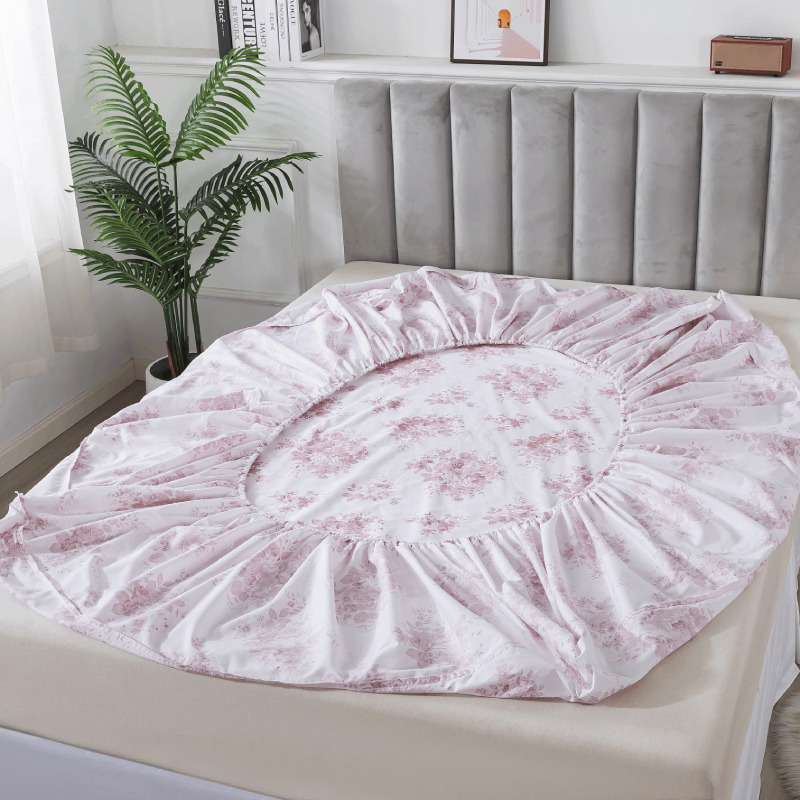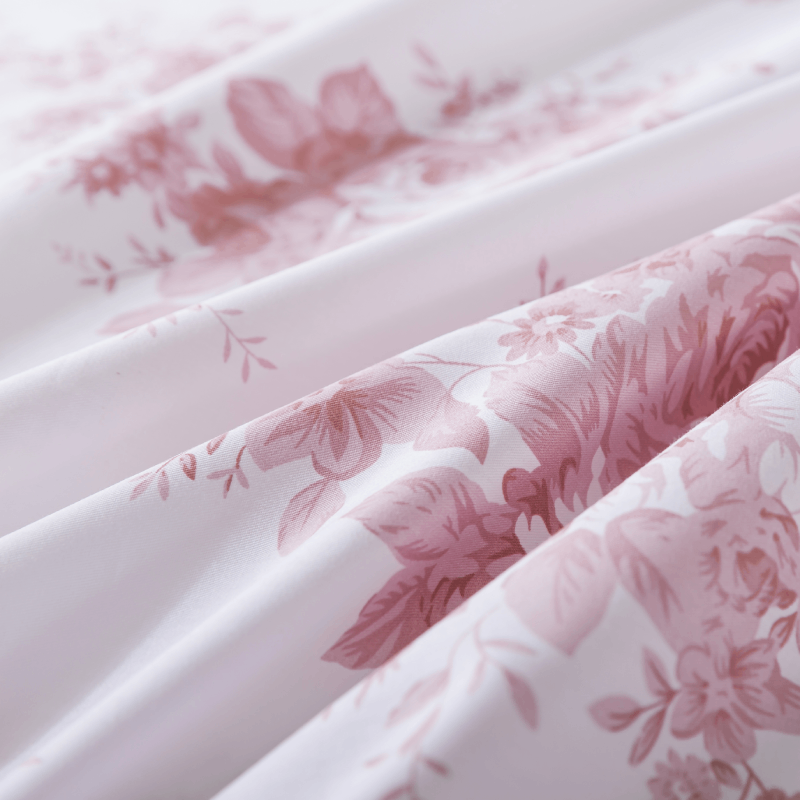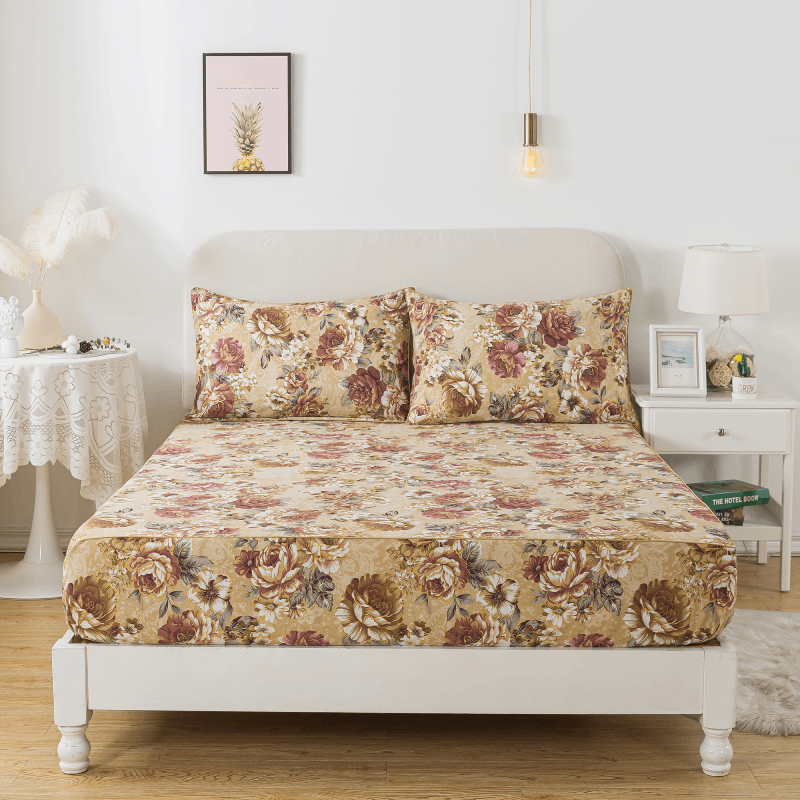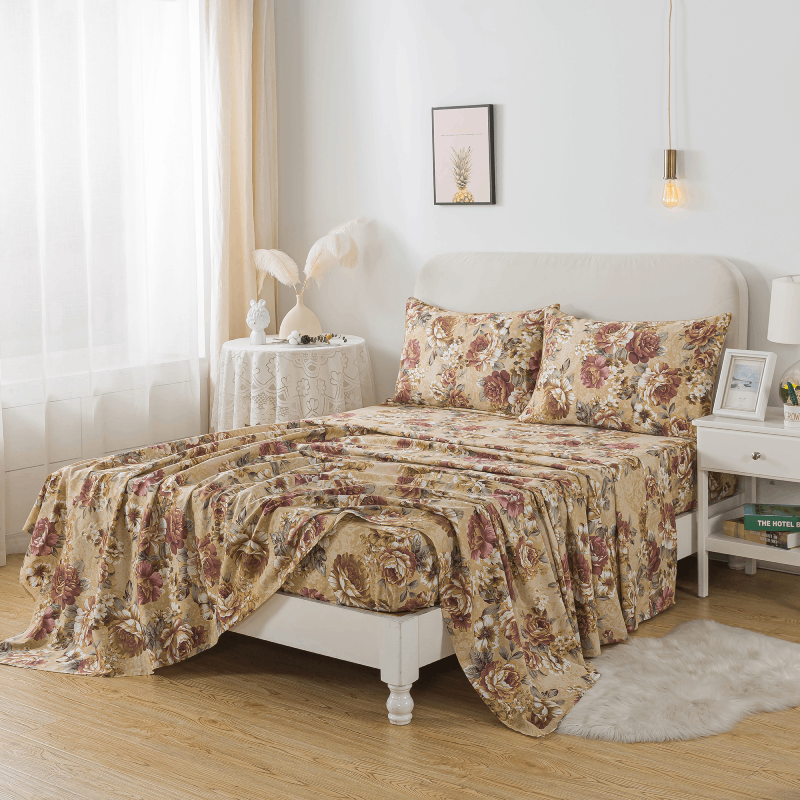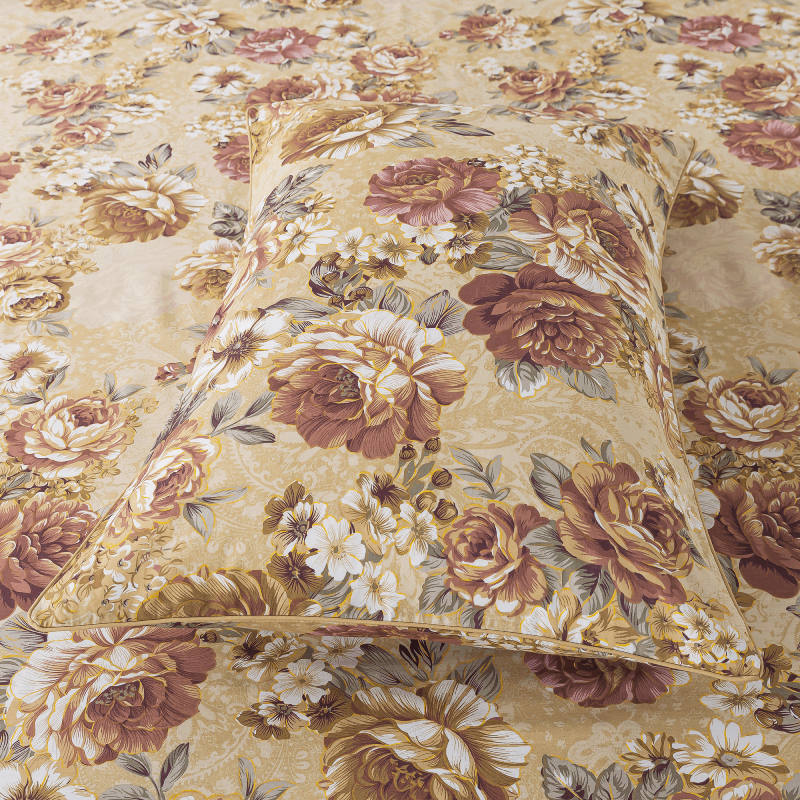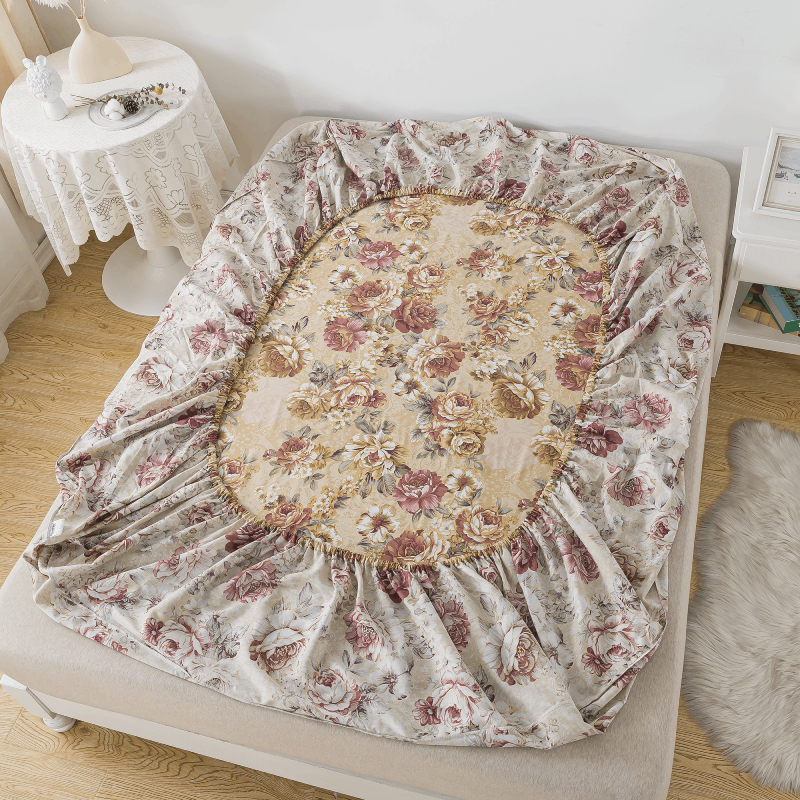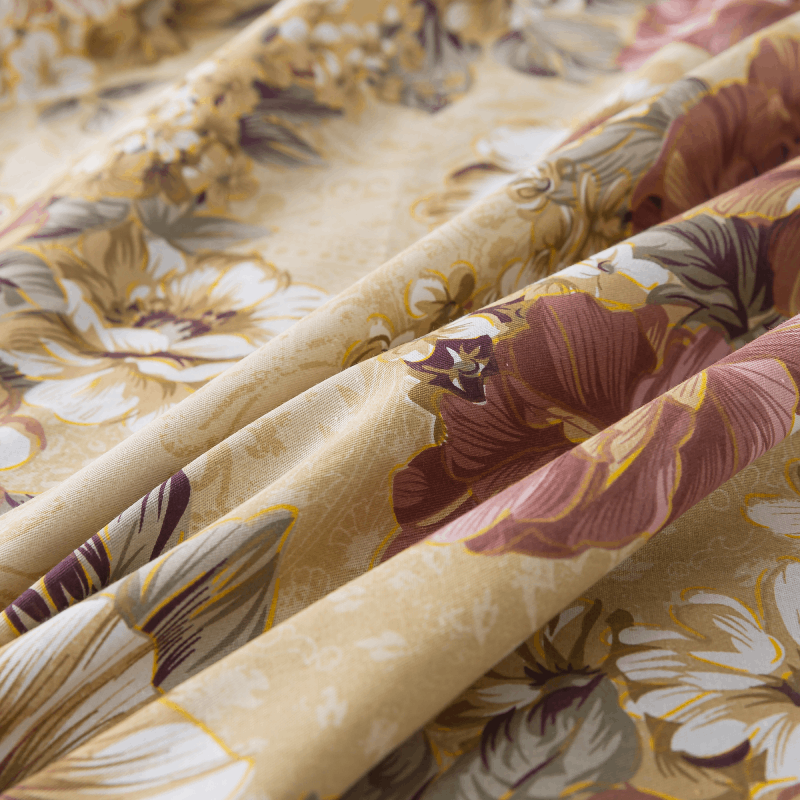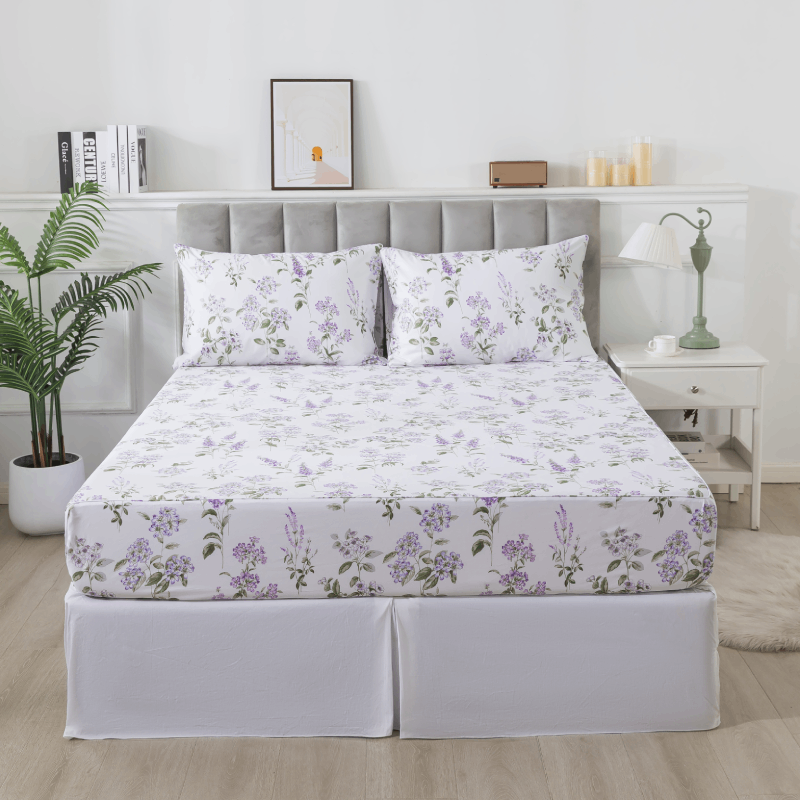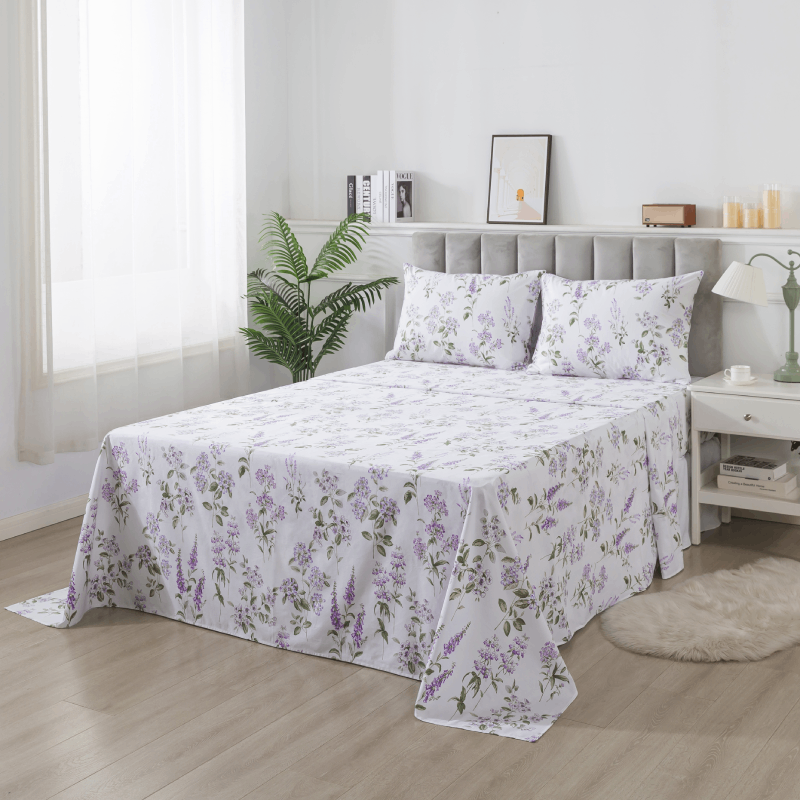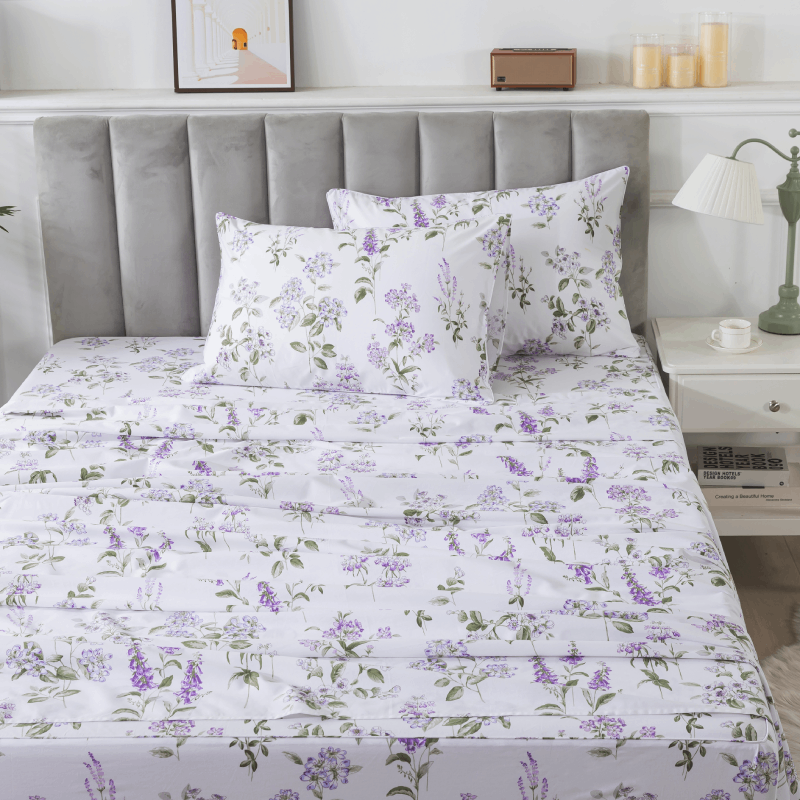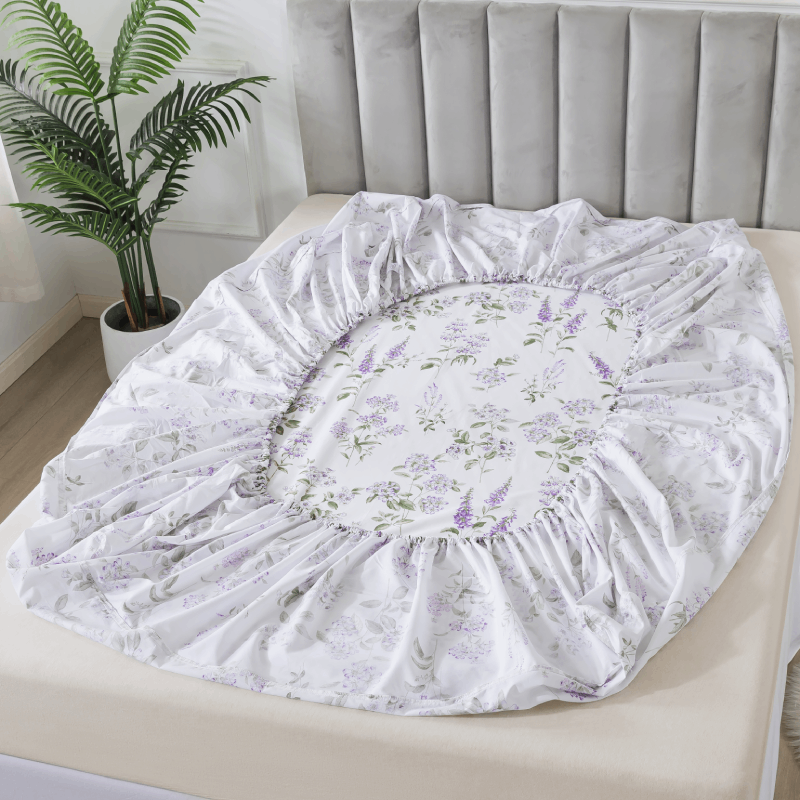
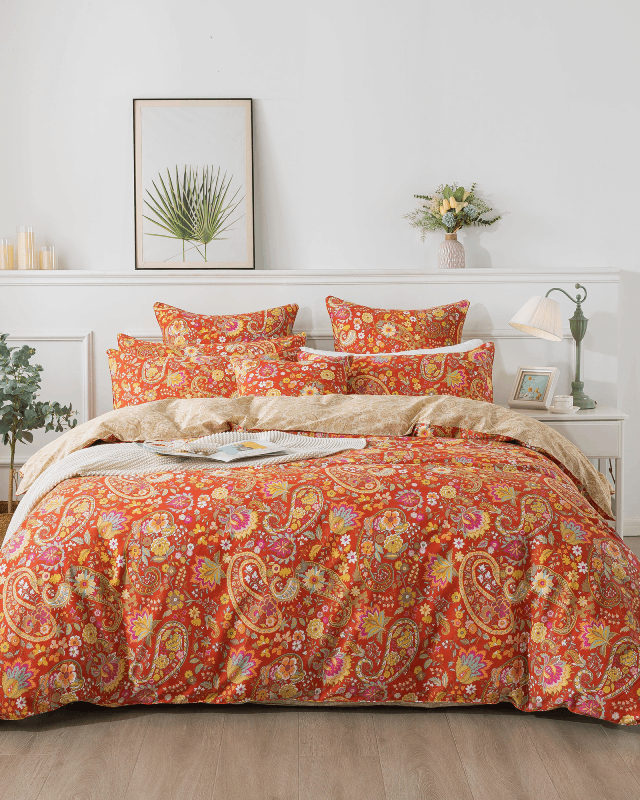
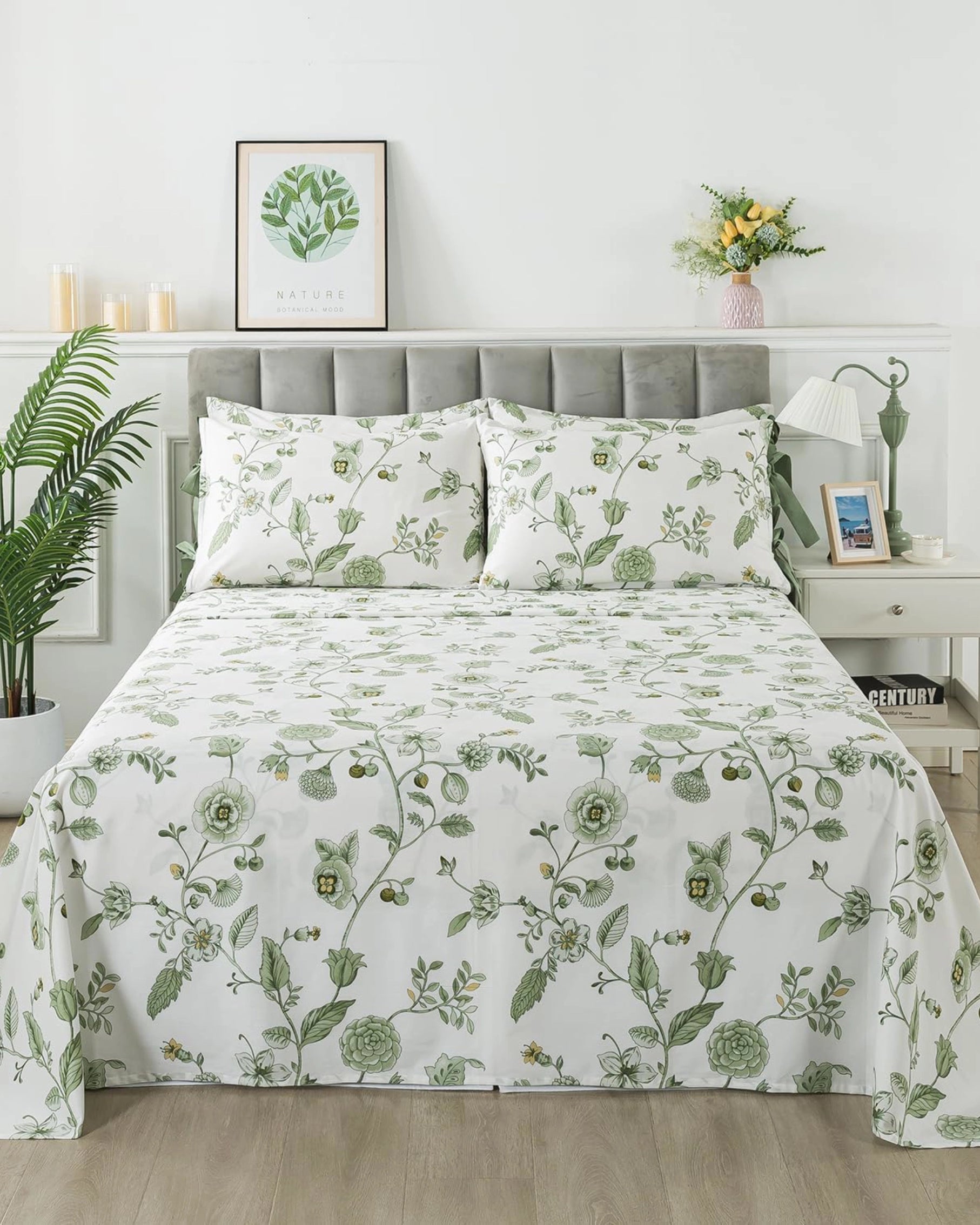


Scroll through any home décor feed and you’ll see immaculate bedrooms: perfectly fluffed pillows, wrinkle-free sheets, soft lighting, and color palettes that look like they were curated by a museum. These images are designed to captivate at first glance. But there’s a gap—often a significant one—between what looks good online and what actually works at home.
Understanding that gap is essential, especially when choosing bedding and textiles you’ll live with every day.
The Illusion of Perfection
Online visuals are engineered. Lighting is controlled, textures are steamed or digitally enhanced, and compositions are staged for symmetry and visual impact. A duvet might look cloud-like and structured, but that structure could rely on hidden inserts, clips, or even post-production editing.
This doesn’t make the imagery dishonest—it’s simply optimized for attention. But the priorities behind these visuals are often very different from real-life needs.
- Crispness over comfort
- Visual volume over breathability
- Color uniformity over material authenticity
In short: what photographs well doesn’t always feel good or function well.
Real Homes Are Dynamic
Unlike static photos, real homes are lived in. Bedding is used night after night, washed frequently, shared with partners, children, or pets. Materials are tested not just by how they look on day one, but by how they age.
A product that works at home must handle:
- Repeated washing without losing softness
- Daily friction from movement, skin, and sometimes claws
- Temperature shifts across seasons
- Wrinkles and natural texture changes
These are conditions no staged image can fully simulate.

Comfort vs. Aesthetics
There’s a fundamental trade-off many consumers overlook: highly structured, “perfect-looking” fabrics often sacrifice comfort.
For example, tightly woven synthetic blends may hold shape beautifully for photos, but they tend to trap heat and feel less breathable. In contrast, natural cotton—especially softer weaves—may appear more relaxed or slightly wrinkled, yet delivers a far superior sleep experience.
At home, comfort compounds over time. You don’t notice it in a photo, but you feel it every night.
The Truth About Texture
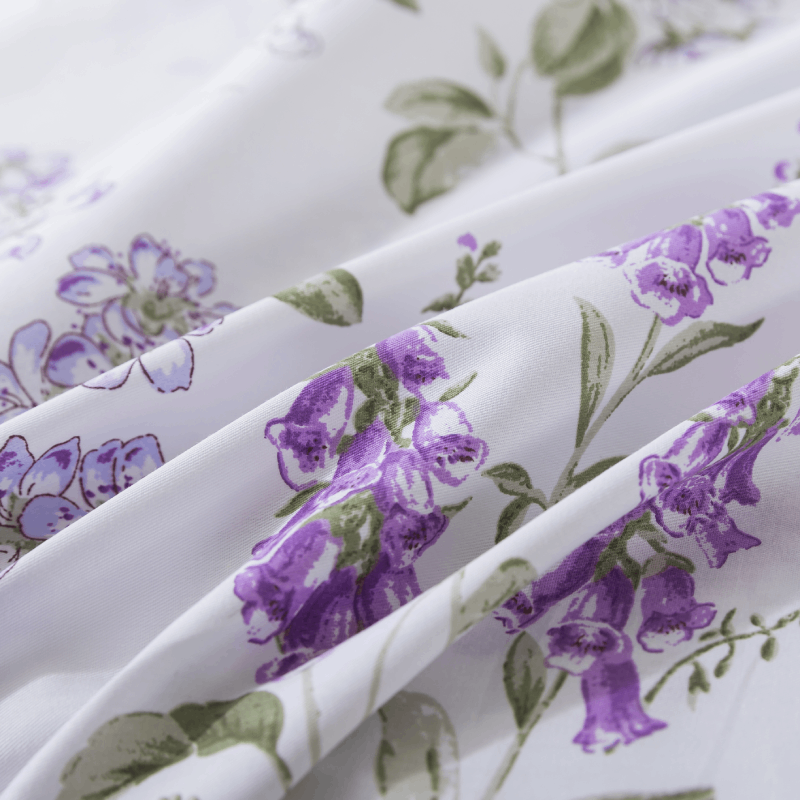
Online, smoothness is often equated with quality. But in reality, texture plays a critical role in usability.
- Ultra-smooth finishes can feel cold or slippery
- Slightly textured fabrics (like double gauze cotton) trap air better, improving breathability
- Natural textures soften over time, adapting to your body and washing habits
What might look “imperfect” in an image can actually be a sign of a more livable material.
Durability Is Invisible Online
One of the biggest blind spots in online shopping is durability. You can’t see stitching strength, fiber resilience, or how well a fabric resists pilling just by looking at a photo.
At home, these factors define long-term satisfaction:
- Does the fabric maintain structure after dozens of washes?
- Does it resist deformation under weight and movement?
- Does it stay soft without thinning out?
A visually stunning product that degrades quickly creates more friction than value.
The Role of Lifestyle Fit
What works at home depends heavily on lifestyle, something rarely reflected in curated imagery.
Consider:
- Pet owners need fabrics that don’t trap hair and can handle claws
- Families with children need easy-care, durable materials
- Hot sleepers require breathable, moisture-wicking fabrics
- Minimalists may prefer materials that look better slightly undone rather than perfectly styled
Aesthetic appeal is universal. Functional fit is personal.
Why “Real Comfort” Ages Better
There’s a concept often overlooked in home textiles: how a product ages.
Items optimized for online appeal tend to peak on day one. Items designed for real use often improve with time.
High-quality cotton bedding, for example:
- Becomes softer with washing
- Develops a natural, relaxed drape
- Maintains breathability and comfort across seasons
This kind of “aging well” doesn’t translate strongly in product photos—but it defines everyday experience.
Bridging the Gap
The goal isn’t to reject aesthetics. A well-designed bedroom should still feel beautiful. But the most successful choices balance visual appeal with lived-in performance.
When evaluating products, shift your criteria:
Instead of asking:
- Does this look perfect?
Ask:
- Will this still feel good after 50 washes?
- Will this work in my daily routine?
- Does this material adapt, or does it only impress?
Final Thought
Online imagery captures a moment. Real life is continuous.
What looks good online is designed to win your attention in seconds. What works at home is designed to support your life for years.
The difference isn’t just visual—it’s experiential.
Choose accordingly.