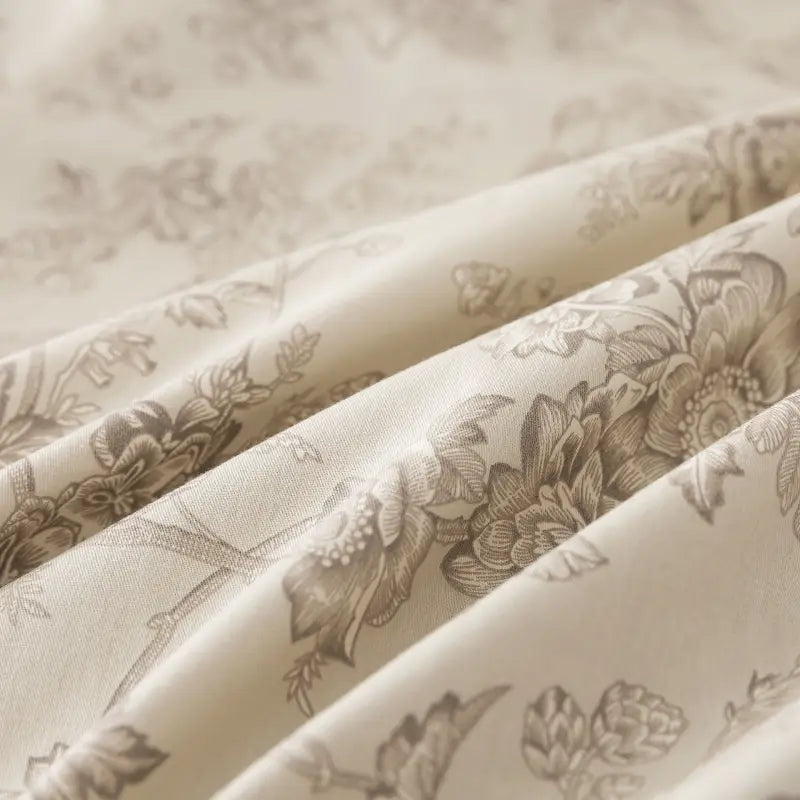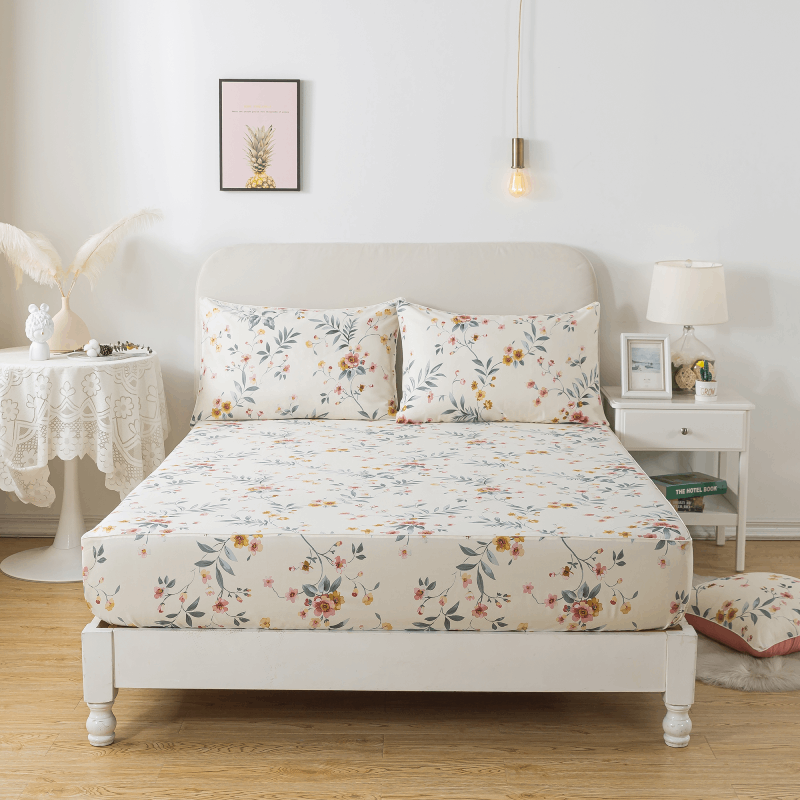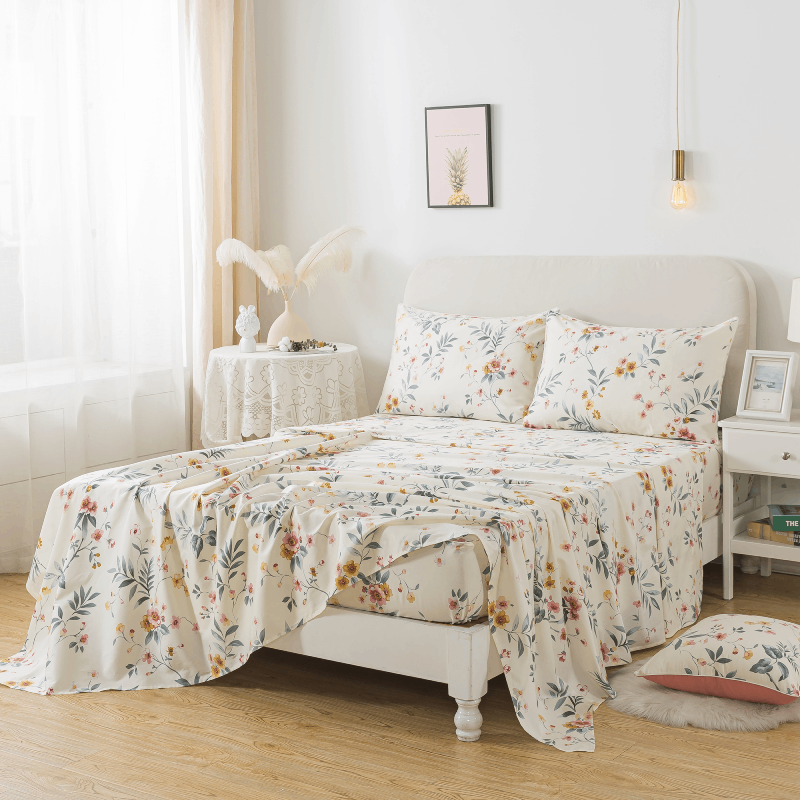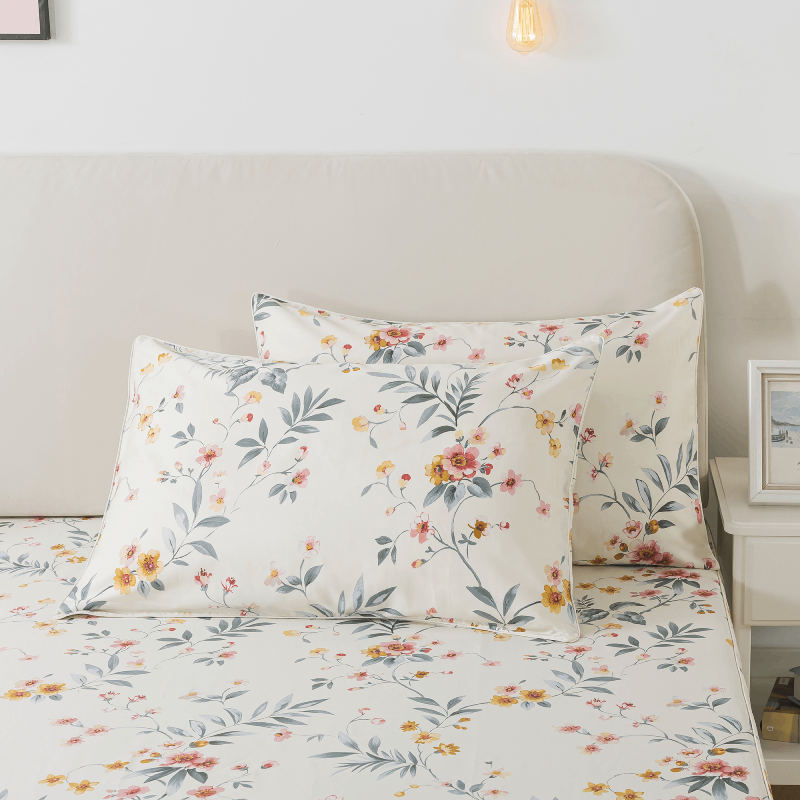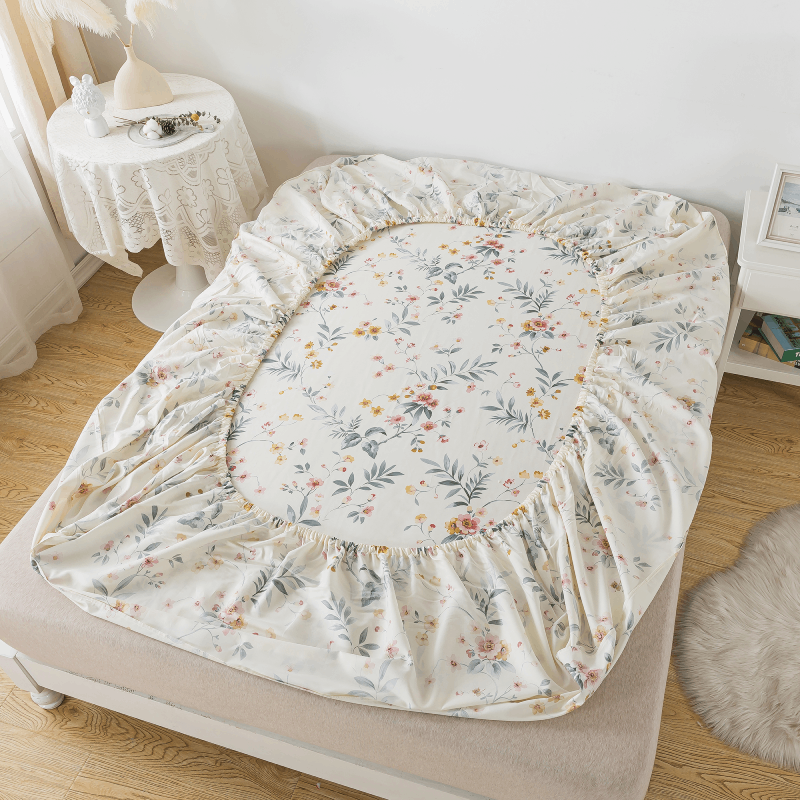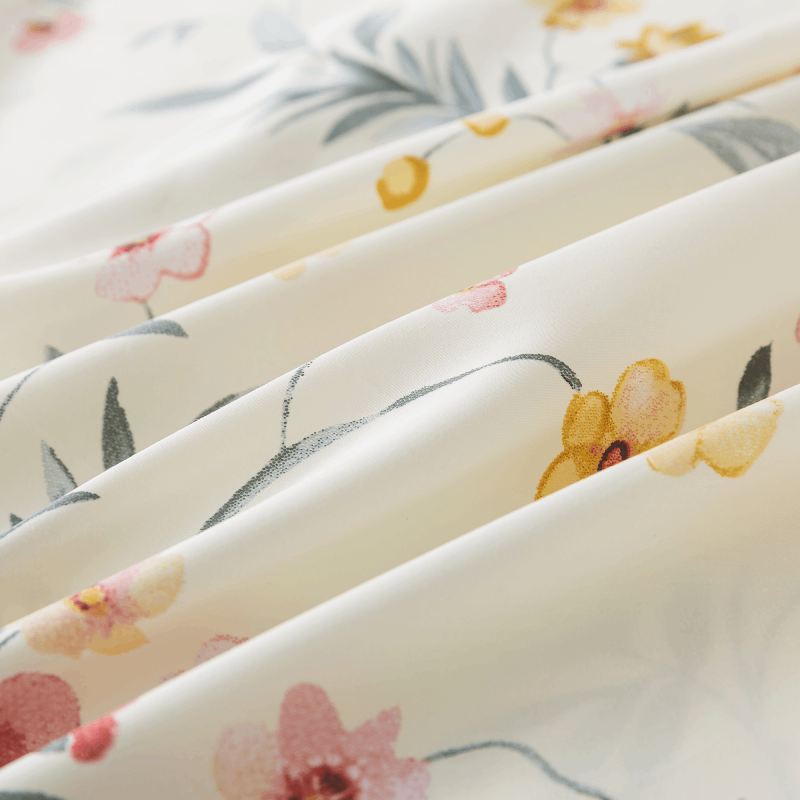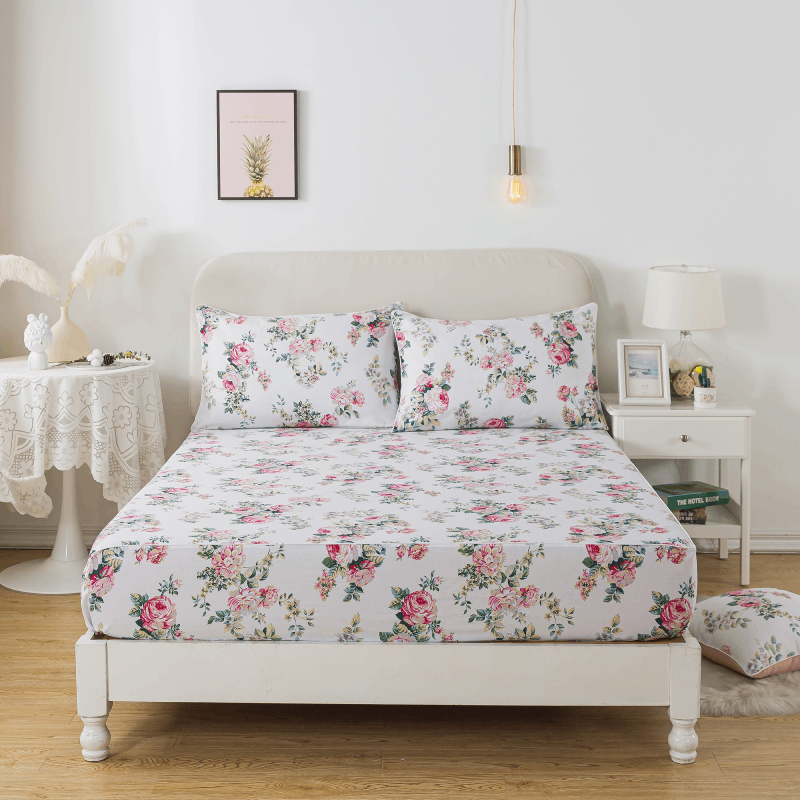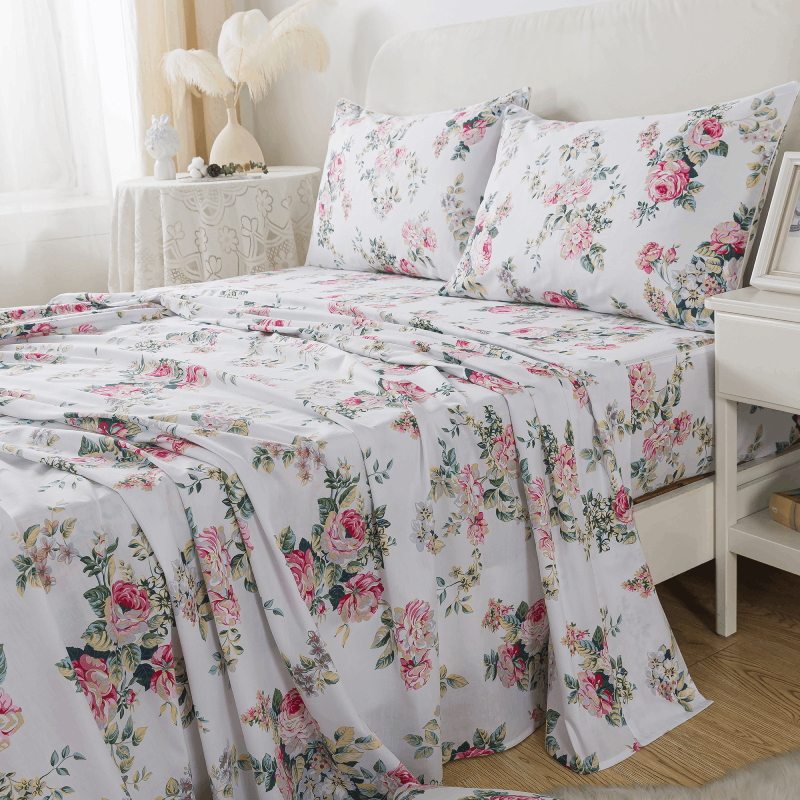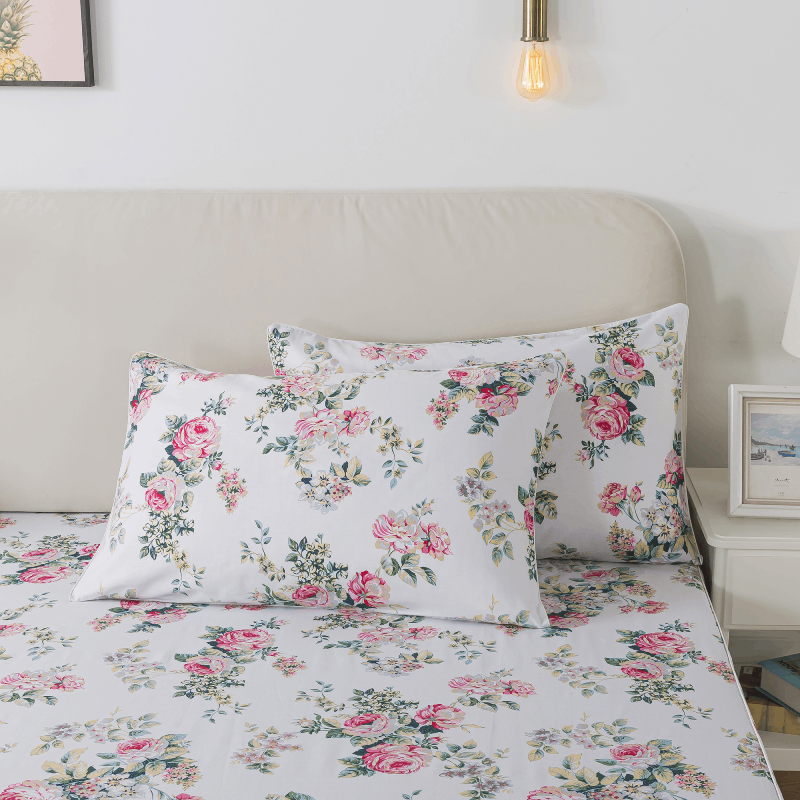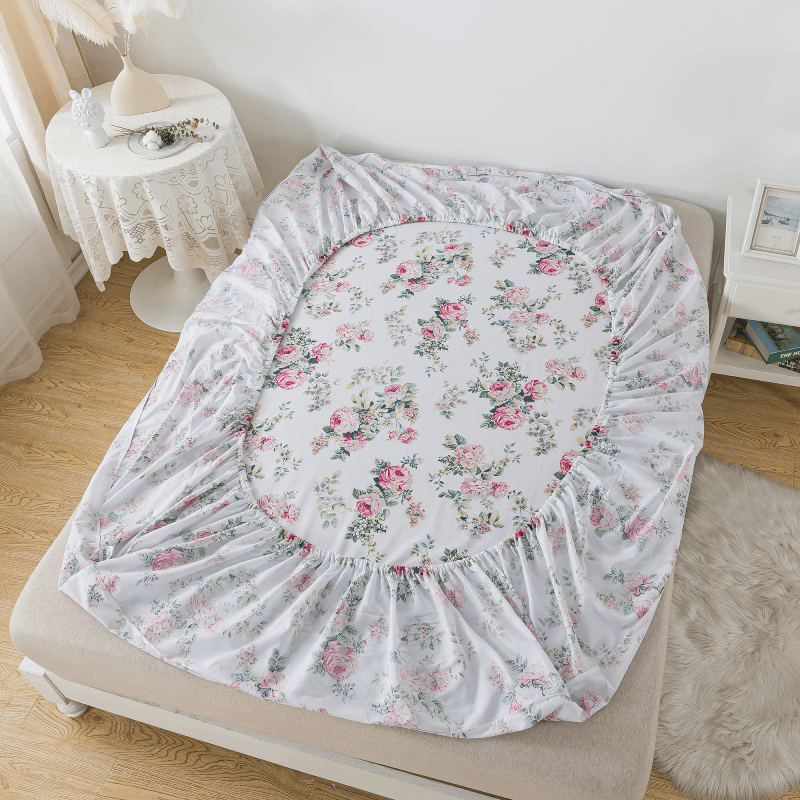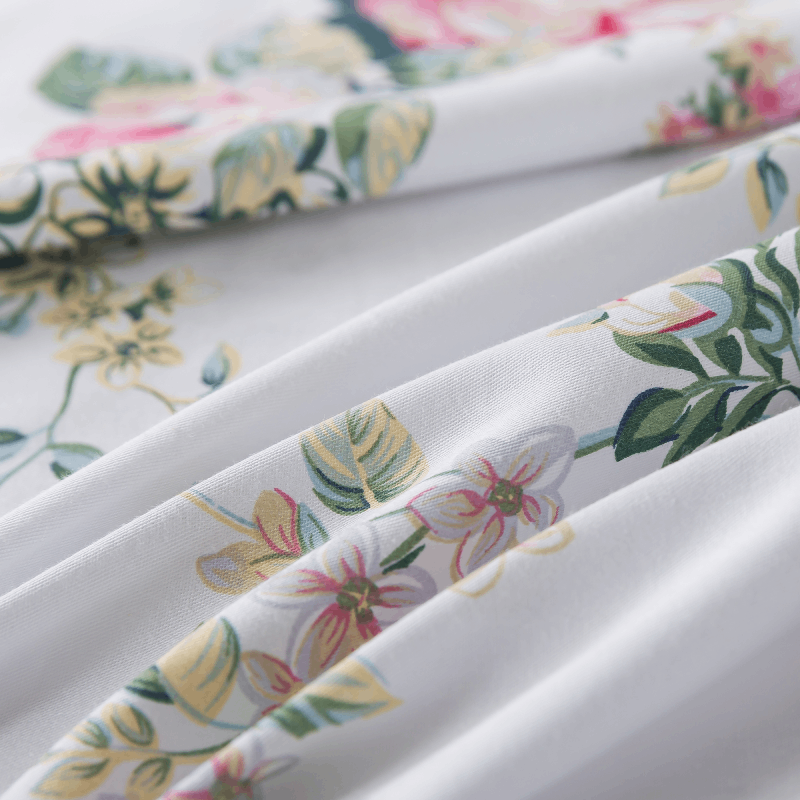
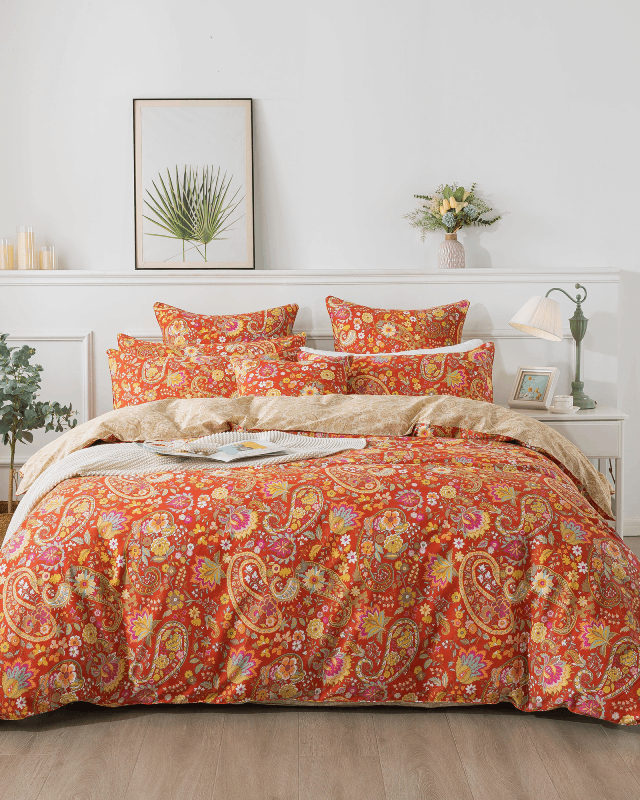
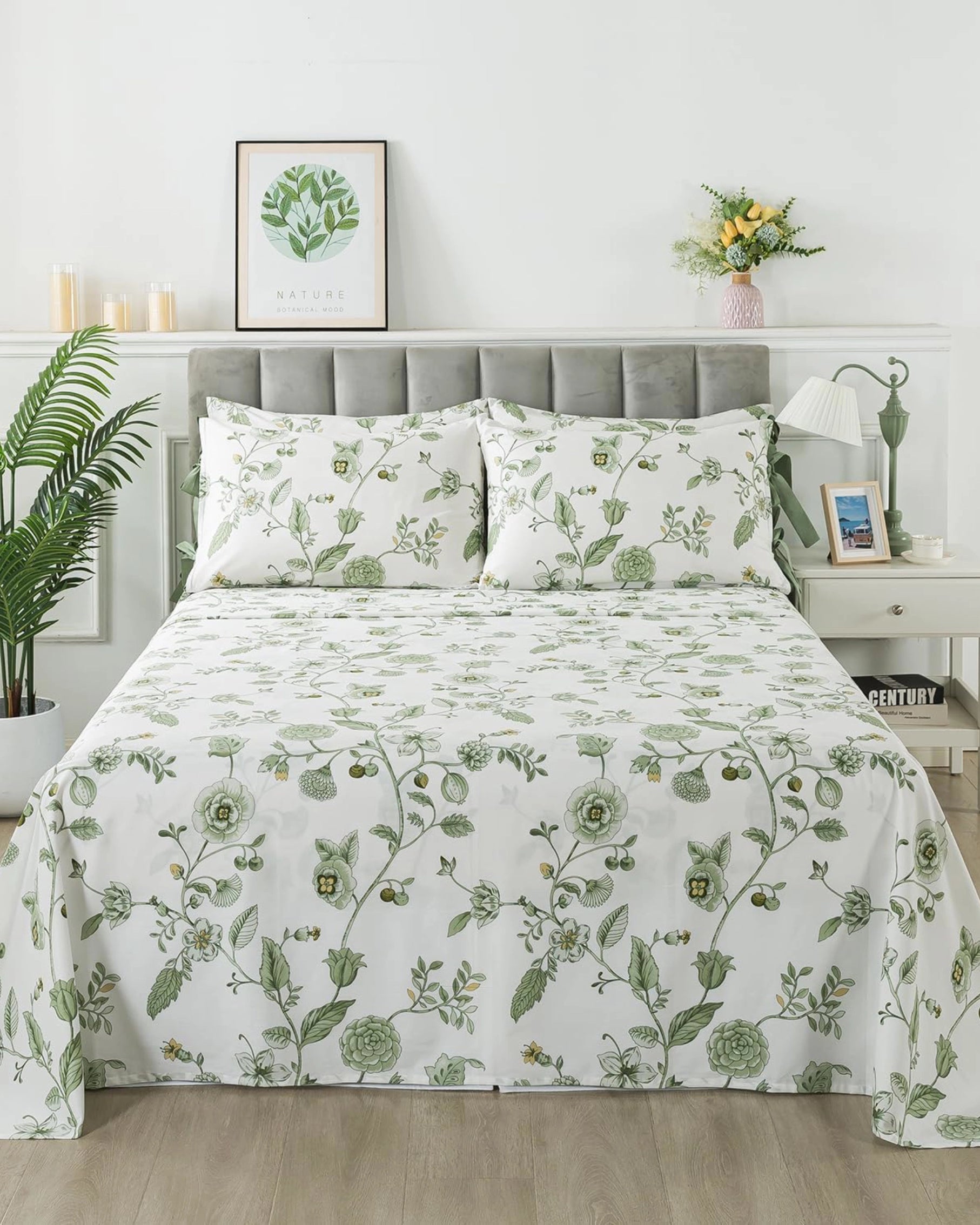


Florals have a unique way of shaping how a room feels. Beyond pattern size or style, one of the most important—and often overlooked—factors is tone temperature. Warm florals and cool florals create very different emotional responses, even when the pattern itself is similar. Understanding this difference can help you choose bedding and textiles that truly fit your space and your daily life.
Understanding Warm Floral Tones
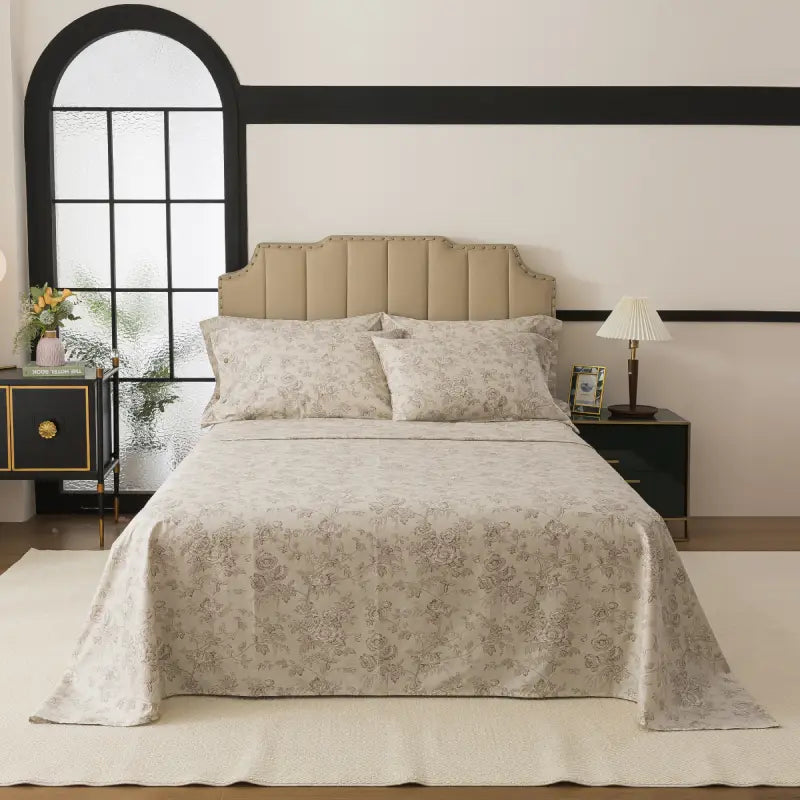
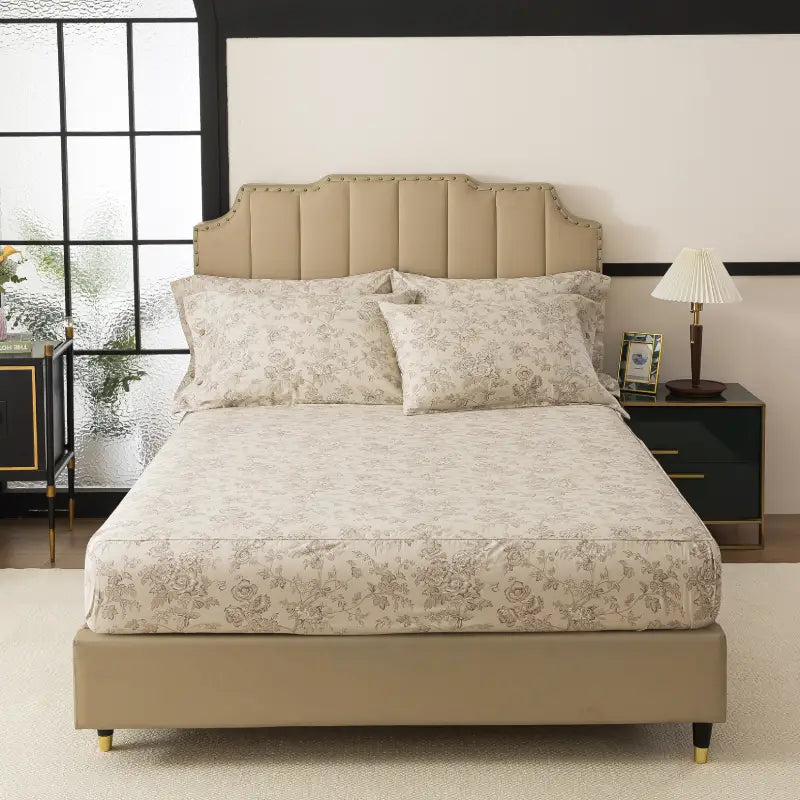
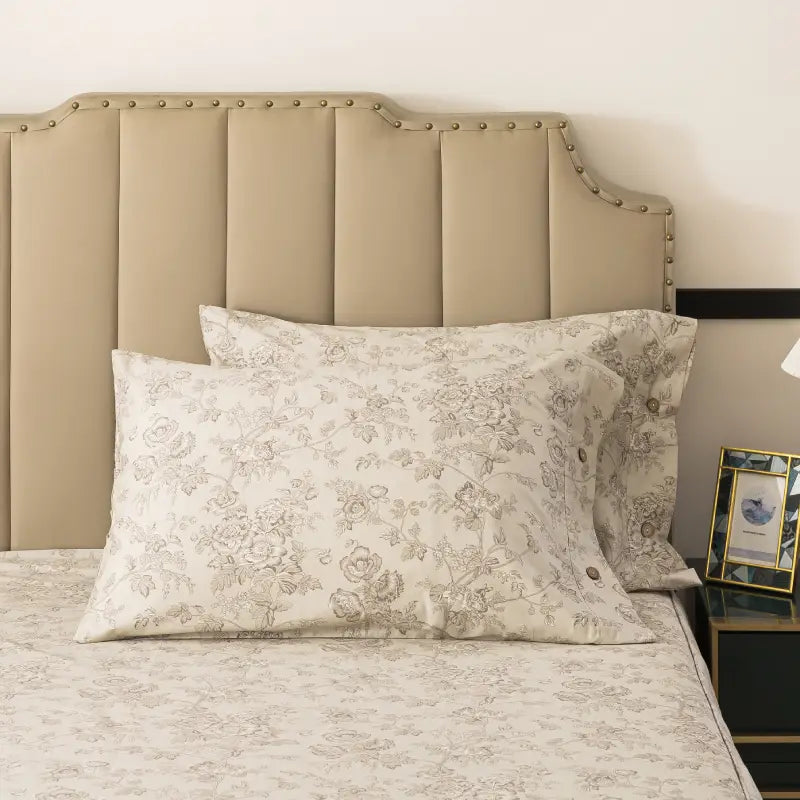
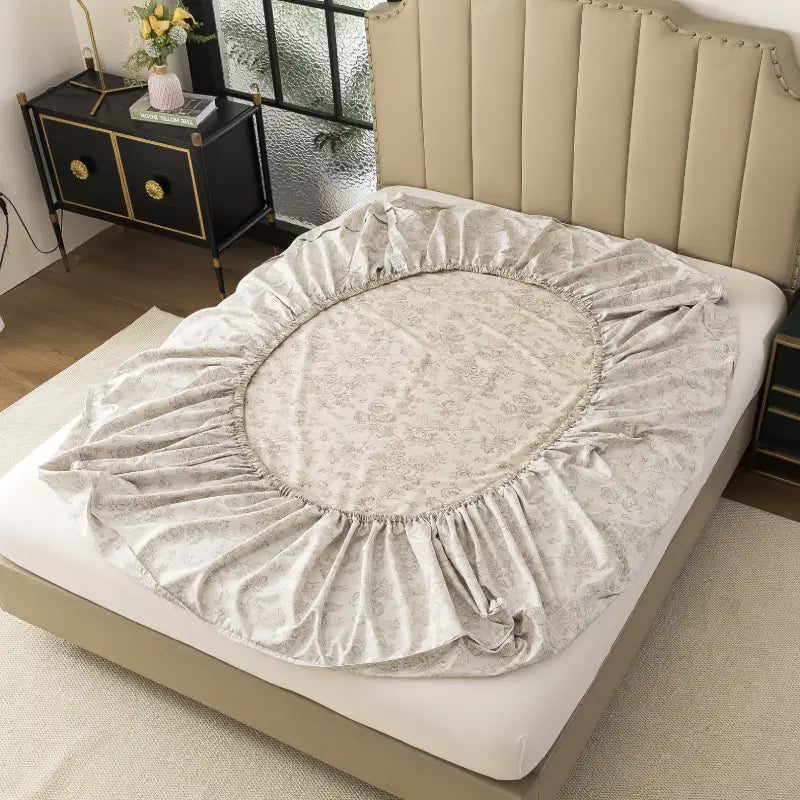
Warm floral tones are built around hues like terracotta, blush, soft peach, warm beige, muted gold, and creamy whites. These colors naturally reflect warmth and softness.
How warm florals feel:
-
Cozy and inviting
-
Comforting, lived-in, and familiar
-
Slightly nostalgic or romantic
Warm florals tend to soften a room. They work especially well in bedrooms where relaxation and emotional comfort matter more than visual sharpness.
Best spaces for warm florals:
-
Bedrooms with limited natural light
-
Rooms with wood furniture or warm flooring
-
Homes that lean toward farmhouse, vintage, or relaxed modern styles
If your goal is to make a room feel like a retreat—somewhere you unwind rather than impress—warm florals are often the better choice.

Understanding Cool Floral Tones
Cool floral tones are rooted in colors like sage green, soft blue, lavender, gray, eucalyptus, and crisp white. These shades reflect light differently and create a calmer, airier mood.
How cool florals feel:
-
Clean and balanced
-
Calm without being heavy
-
Fresh and visually quiet
Cool florals don’t necessarily feel cold. When done right, they feel composed and breathable—ideal for people who prefer visual clarity over softness.
Best spaces for cool florals:
-
Bright rooms with plenty of natural light
-
Minimalist or modern interiors
-
Homes that favor neutral or muted color palettes
Cool floral bedding often works well for people who want their bedroom to feel mentally uncluttered at the end of the day.
How Light Changes Everything
Lighting plays a critical role in how floral tones appear.
-
Warm light (yellow or soft white bulbs):
Enhances warm florals, making them glow. Cool florals may appear slightly muted or gray. -
Cool light (daylight or neutral bulbs):
Sharpens cool florals, making patterns look crisp. Warm florals may appear flatter or less saturated.
Before choosing, consider not just the fabric—but how your room is lit in the evening, when you actually use it most.
Matching Florals to Your Lifestyle
The right floral tone isn’t just about aesthetics—it’s about how you live.
-
If your home is active, shared with pets or family, and meant to feel forgiving and relaxed, warm florals tend to hide wrinkles and signs of daily life better.
-
If you prefer structure, order, and visual calm, cool florals help maintain a composed look even with minimal styling.
Think about how often you change your bedding, how much time you spend in your bedroom during the day, and whether you value softness or clarity more.
Mixing Warm and Cool—Yes, It’s Possible
You don’t have to choose strictly one or the other.
A balanced approach might look like:
-
Warm floral bedding paired with cool neutral walls
-
Cool floral patterns softened by warm wood furniture
-
Neutral florals that sit between warm and cool tones
The key is restraint. Let one tone lead, and use the other as a quiet supporting element.
Final Thoughts
Warm and cool floral tones aren’t about trends—they’re about mood.
Warm florals wrap a room in comfort and familiarity.
Cool florals bring calm, clarity, and breathing space.
The best choice is the one that matches how you want your room to feel at the end of a long day. When color temperature aligns with your lifestyle, florals stop being decoration—and start becoming part of how your home supports you.