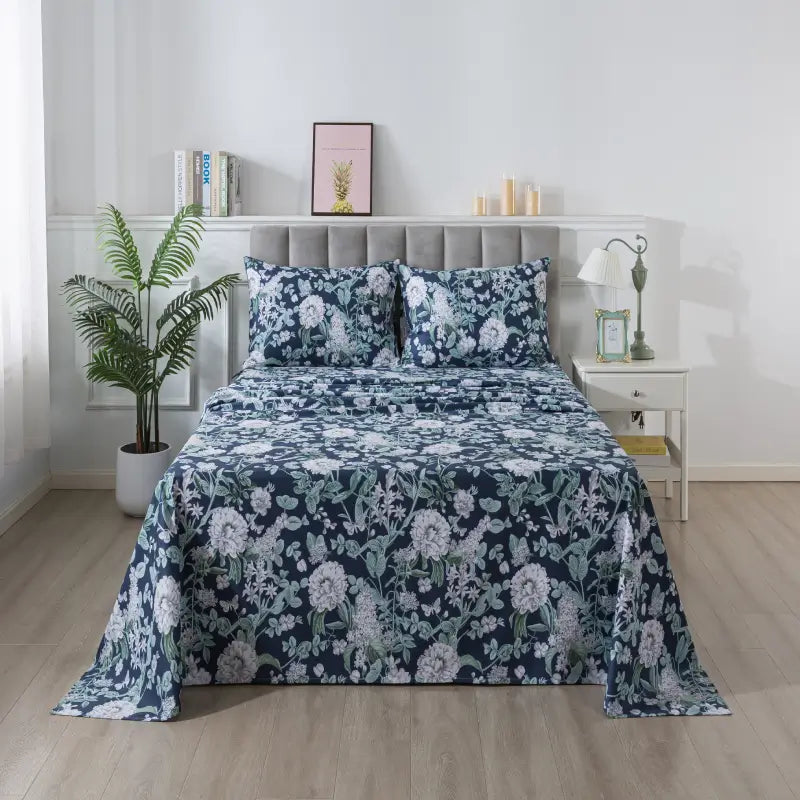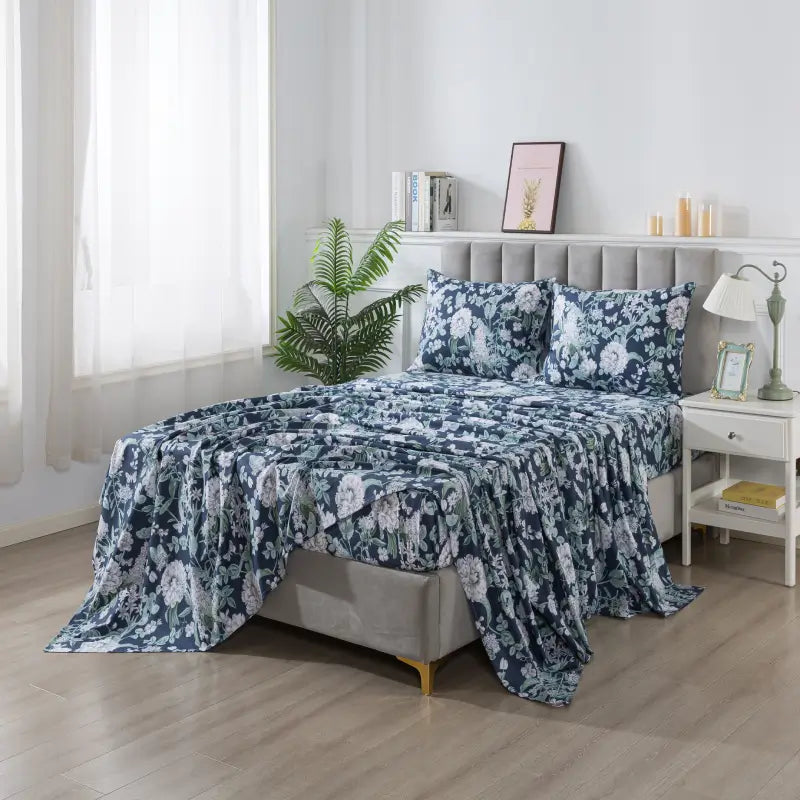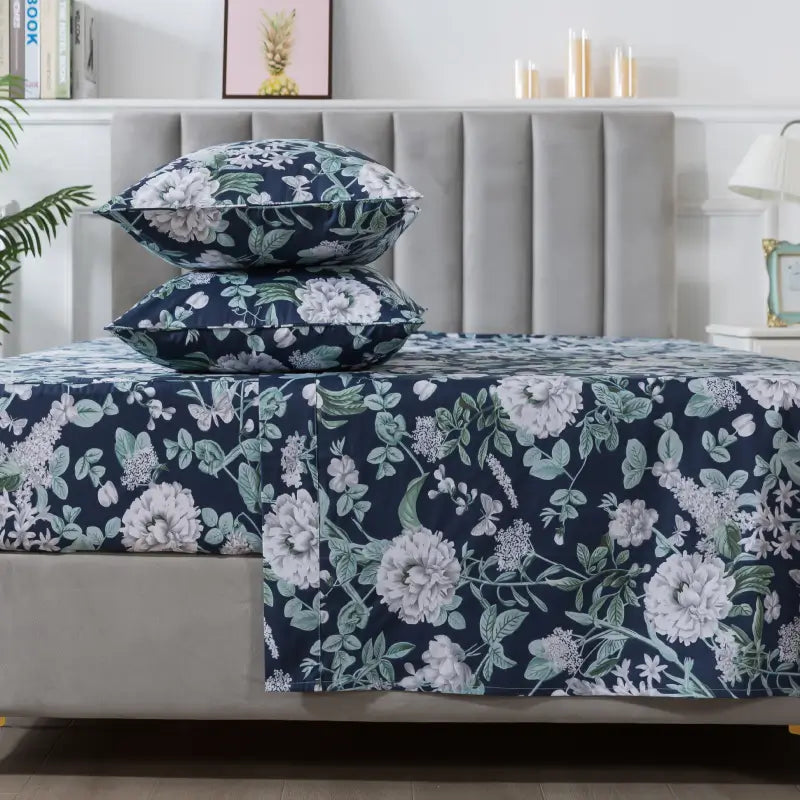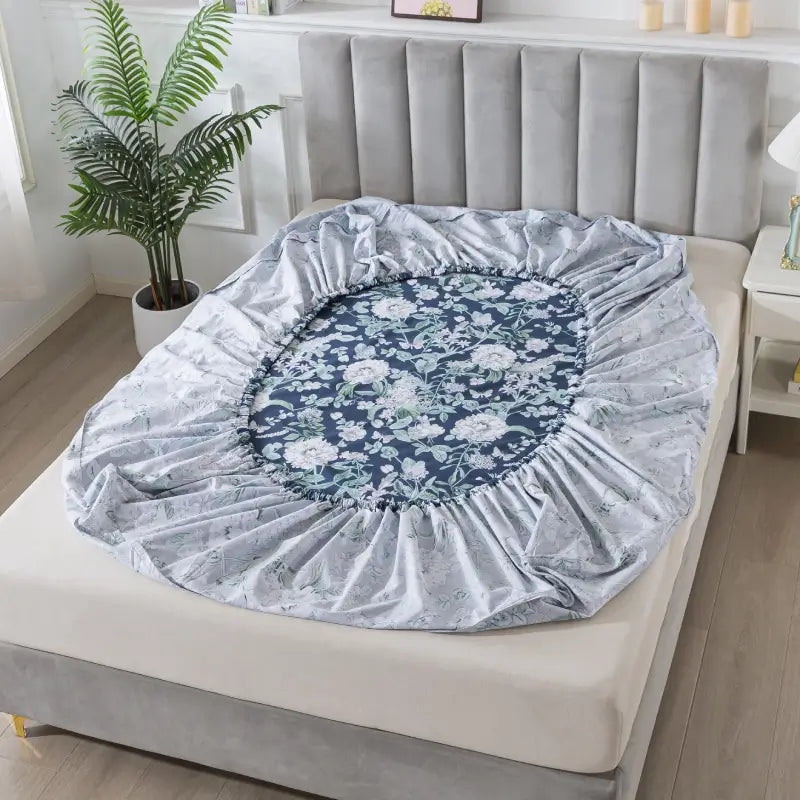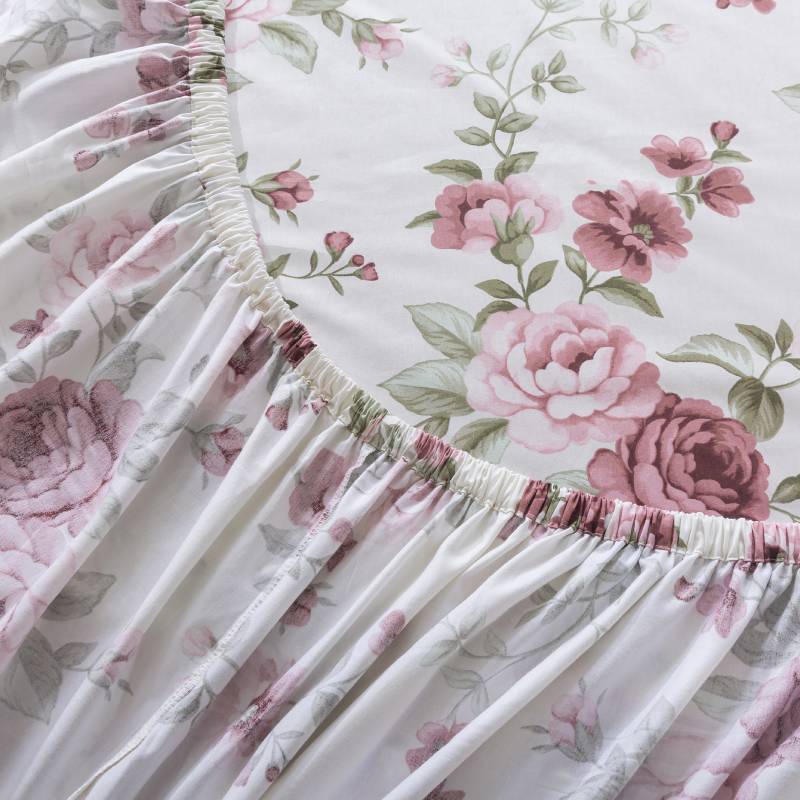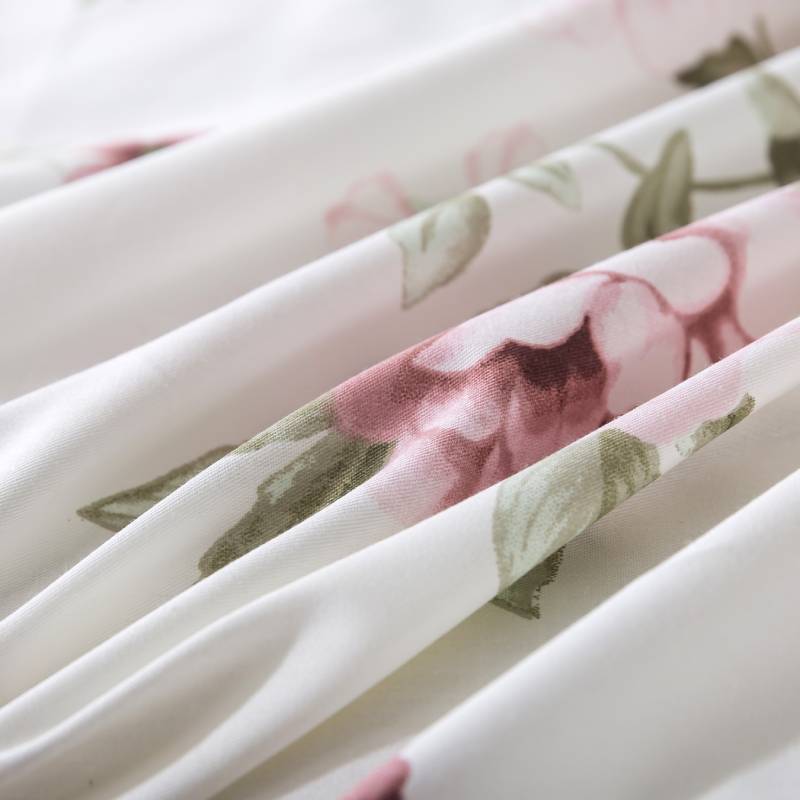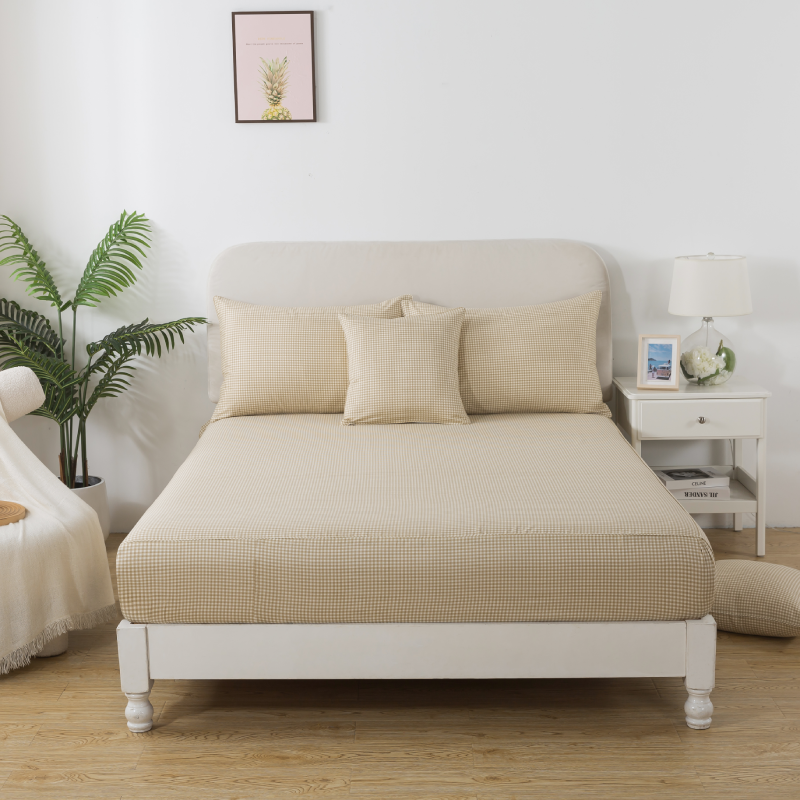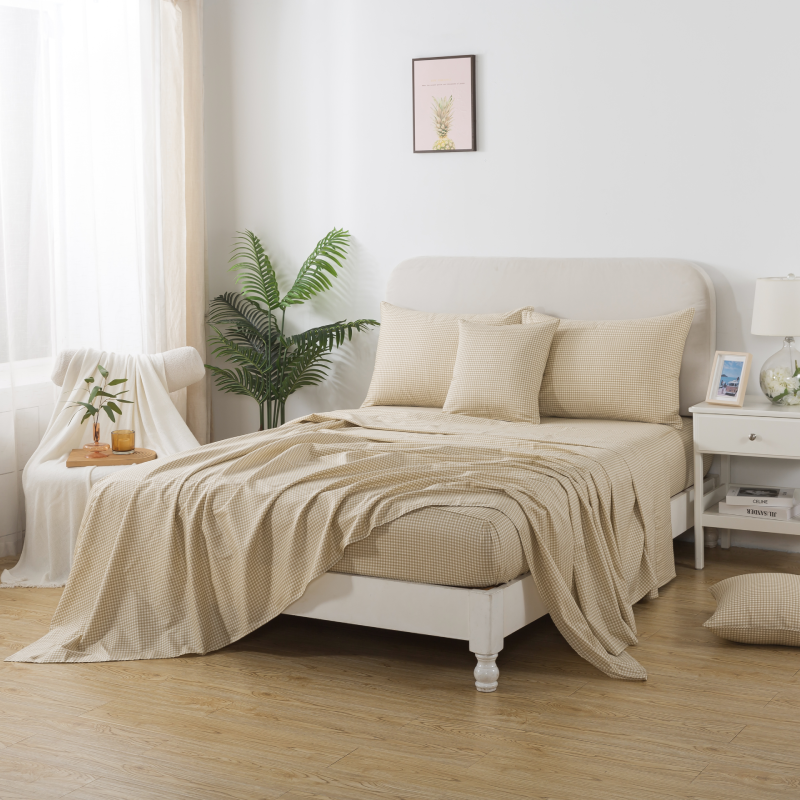
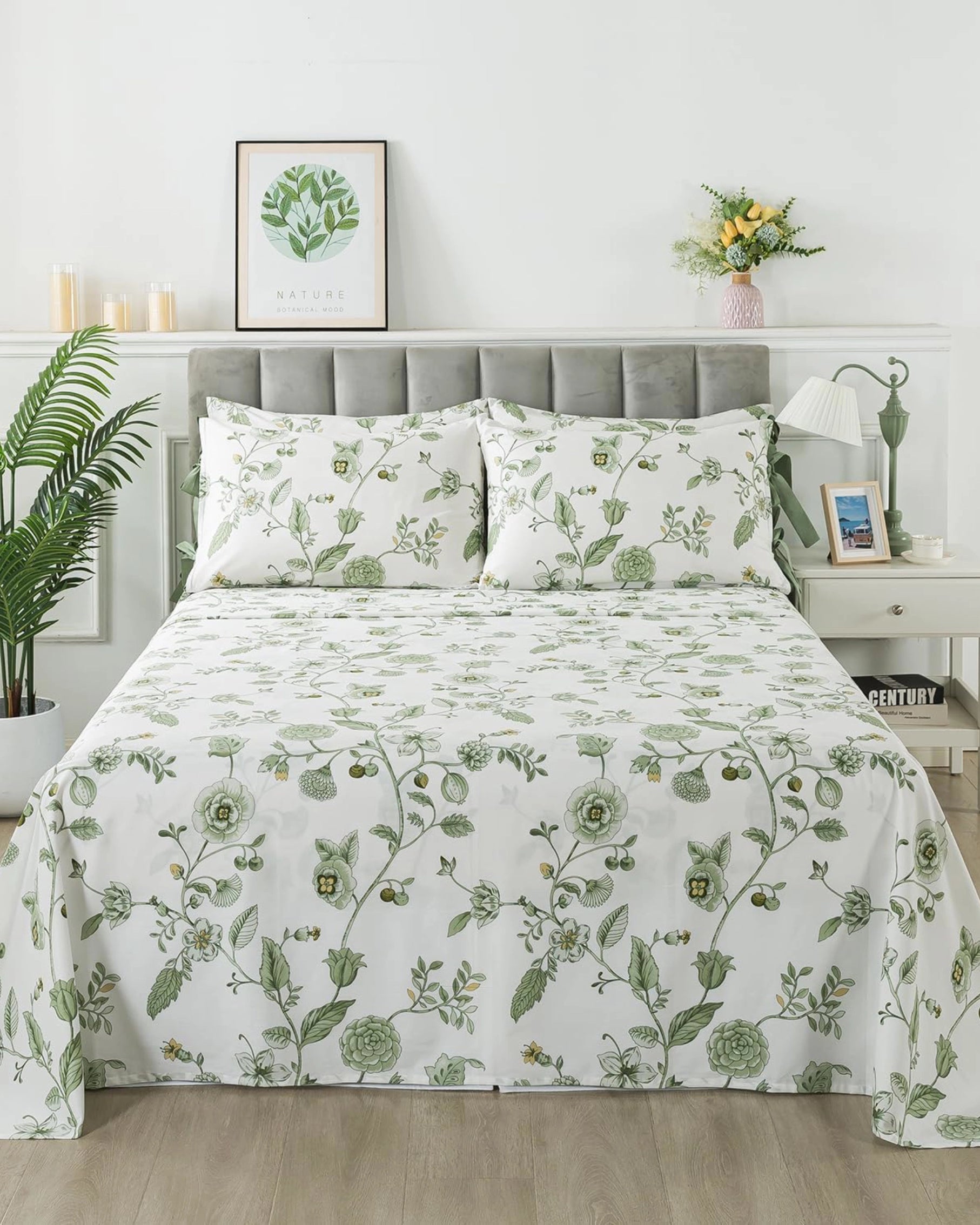


In textile design, visual rhythm refers to the structured repetition and variation of motifs that guide the viewer’s eye across a surface. In floral bedding—especially within heritage-inspired cotton collections like those seen in brands such as FADFAY—visual rhythm is not accidental. It is engineered through scale, spacing, color modulation, and directional flow.
This article breaks down how visual rhythm works in floral bedding design and how it influences mood, spatial perception, and styling outcomes in the bedroom.
1. What Is Visual Rhythm in Textile Design?
In design theory, rhythm is created by repetition combined with variation. In bedding prints, this means:
-
Repeating floral motifs at structured intervals
-
Alternating large and small blossoms
-
Using color transitions to create movement
-
Controlling spacing (dense vs. breathable layouts)
When rhythm is balanced, the pattern feels harmonious and calming. When rhythm is chaotic, the eye has no resting point—resulting in visual fatigue.
For bedding, where the fabric occupies the largest visual plane in the room, rhythm directly shapes the emotional tone of the space.
2. The Role of Motif Scale
Large-Scale Florals
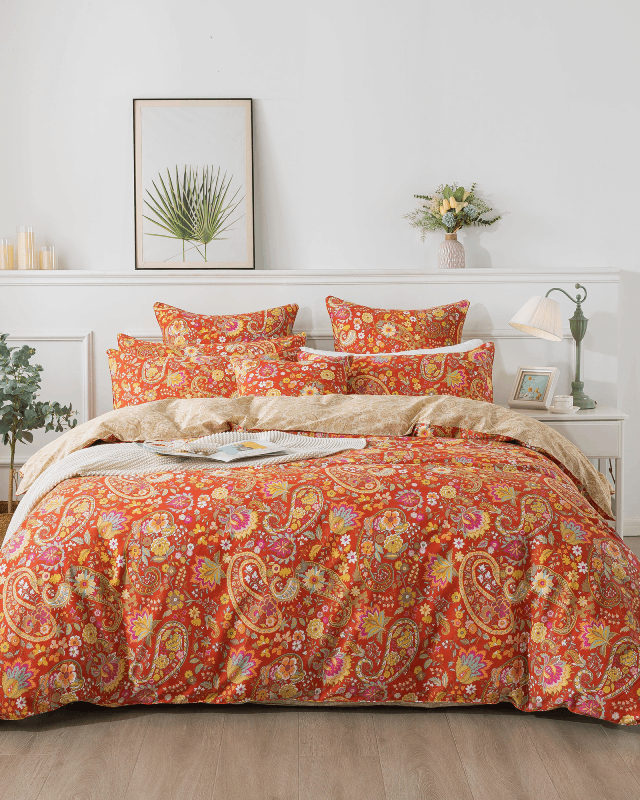
Oversized blooms create bold focal movement. They feel romantic, expressive, and dramatic. Large motifs establish slower visual rhythm because the eye travels further between repeated elements.
Best for:
-
Master bedrooms
-
Statement duvet covers
-
Rooms with minimal wall décor
Small-Scale Florals (Ditsy Prints)
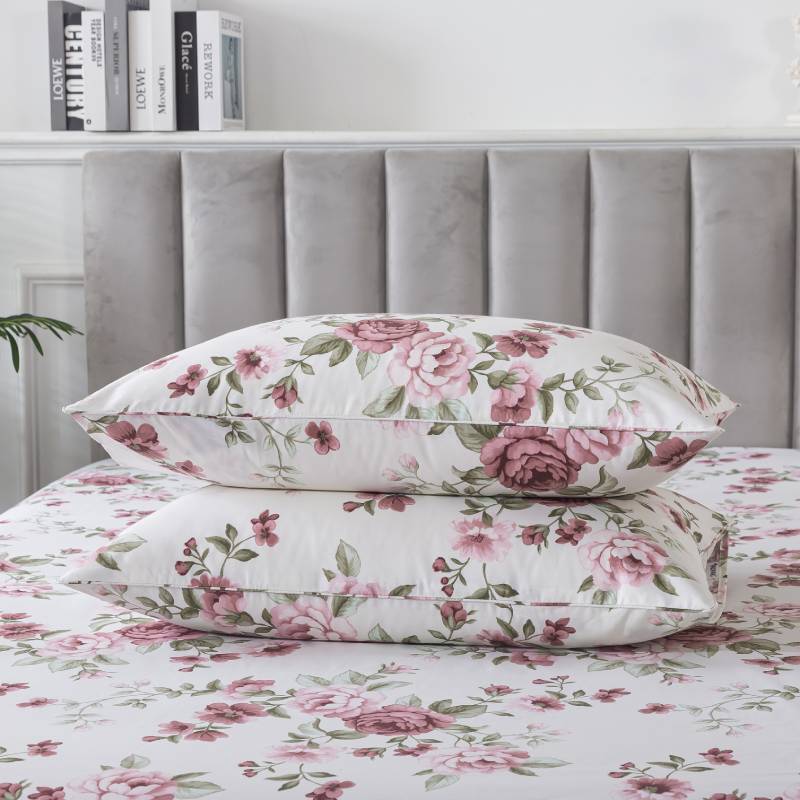
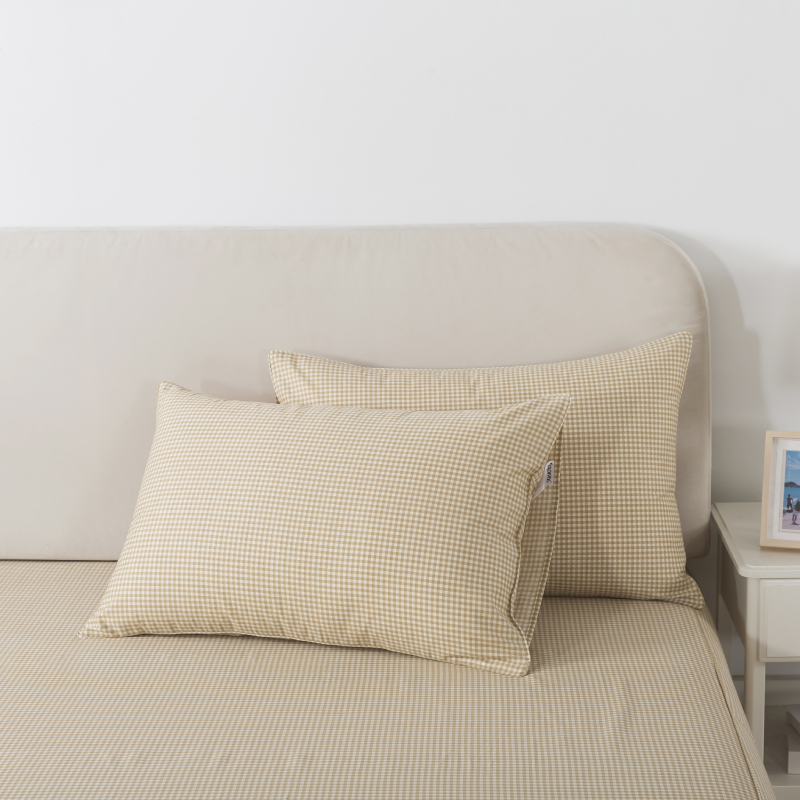
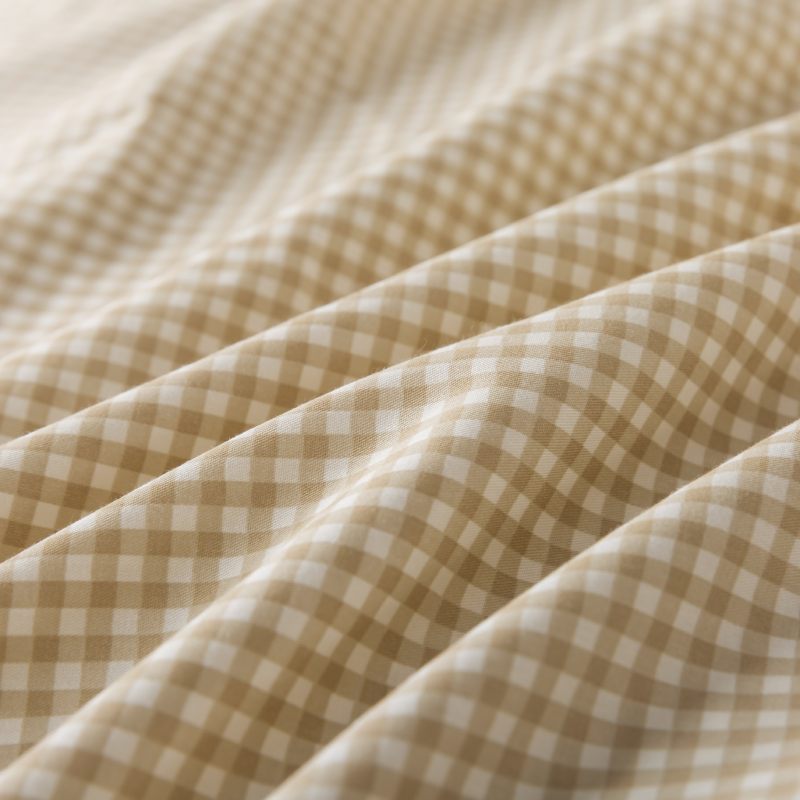
Smaller blossoms create faster rhythm through tight repetition. This produces a softer, more delicate texture effect rather than a dominant focal point.
Best for:
-
Cottage-style rooms
-
Layered bedding looks
-
Mixing with stripes or solids
A well-balanced floral bedding set often combines both scales—large hero blooms supported by smaller secondary florals.
3. Spacing and Density: Air vs. Abundance
Pattern density significantly impacts rhythm.
-
Dense layouts create immersive visual fields. They feel lush and vintage.
-
Open layouts with negative space feel modern, breathable, and calm.
In 100% cotton bedding, especially natural matte weaves, open spacing allows the texture of the fabric itself to participate in the design. The background color becomes an active part of the rhythm.
A common mistake in floral design is overfilling the surface. Leaving breathing space enhances elegance and prevents visual heaviness.

4. Directional Flow and Eye Movement
Floral stems, leaves, and vines determine directional rhythm. Designers often use:
-
Diagonal vine movement for dynamic flow
-
Vertical arrangements to elongate the bed visually
-
Circular bouquets to create centered harmony
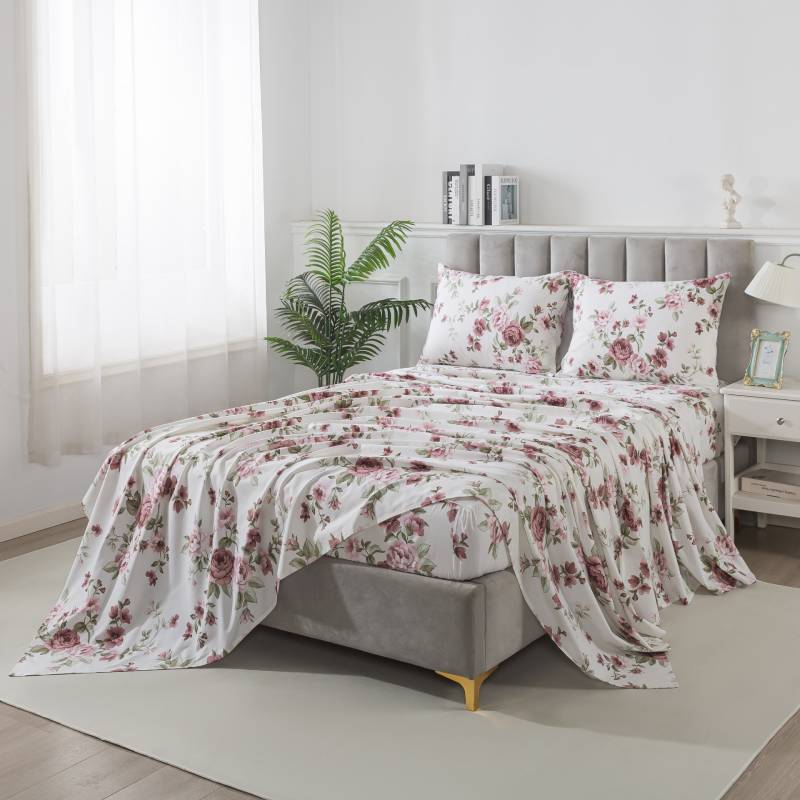
Directional flow matters because a bed is a horizontal plane. Patterns that move diagonally or in soft waves feel more organic and relaxed than rigid grids.
Subtle asymmetry often feels more natural than perfect symmetry in floral bedding.
5. Color Harmony and Tonal Rhythm
Color is not just decorative—it defines rhythm through contrast.
Monochromatic Florals
Using variations of a single hue creates quiet, sophisticated rhythm. The eye moves gently without sharp stops.
Complementary Contrast
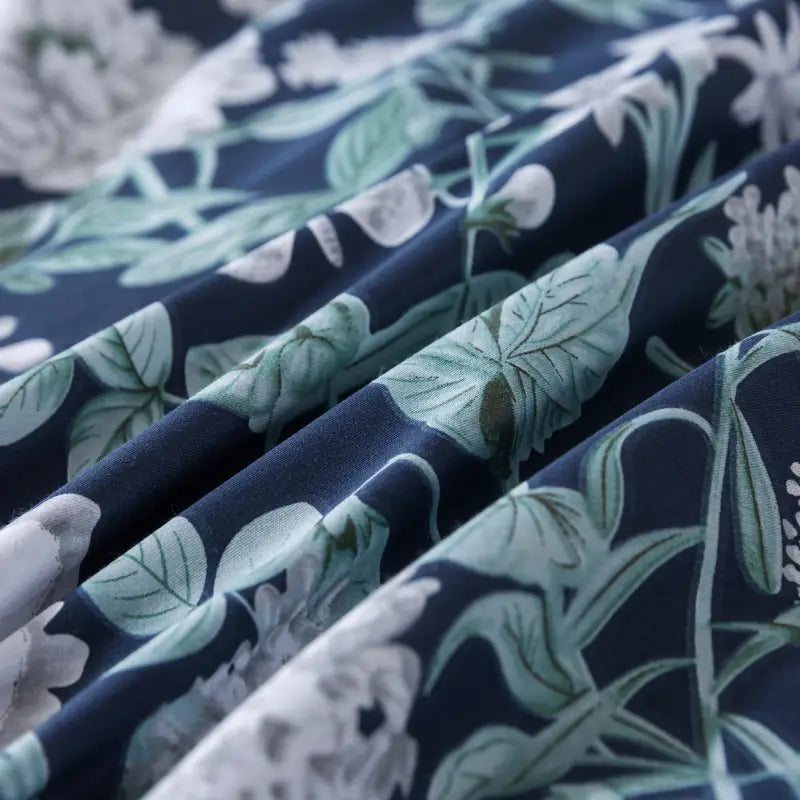
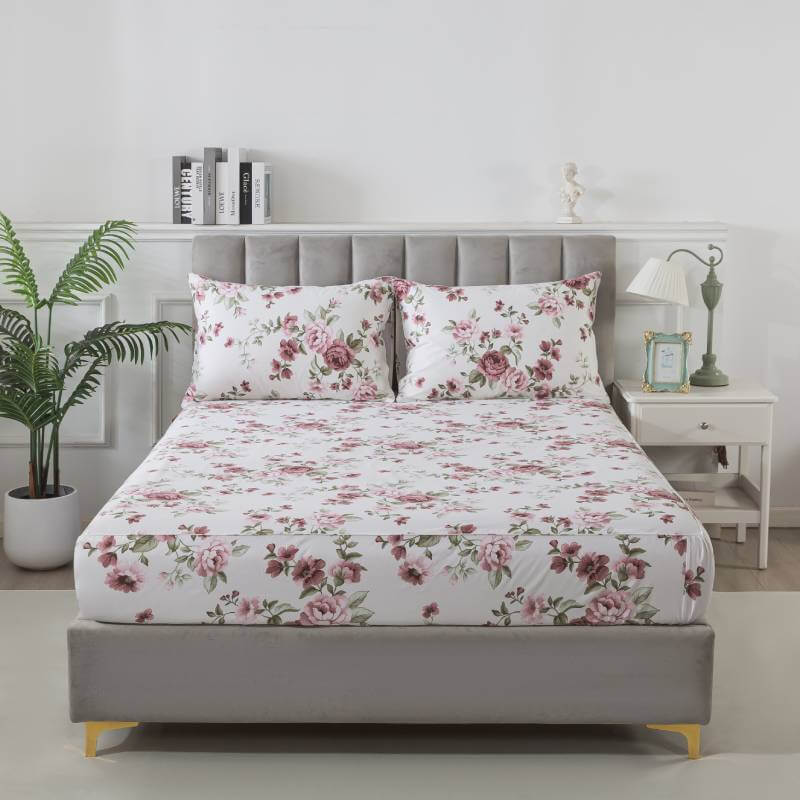
Soft pinks with sage greens, or blue florals against ivory backgrounds, create structured visual beats.
Pastel Palettes
Pastels soften transitions between elements, producing a soothing bedroom atmosphere ideal for relaxation.
In cotton bedding, dyes interact differently depending on weave density. Natural fibers diffuse color softly, enhancing organic rhythm rather than sharp graphic contrast.
6. Layering: Rhythm Beyond the Duvet
True visual rhythm emerges when bedding layers interact:
-
Floral duvet cover
-
Coordinating pillow shams
-
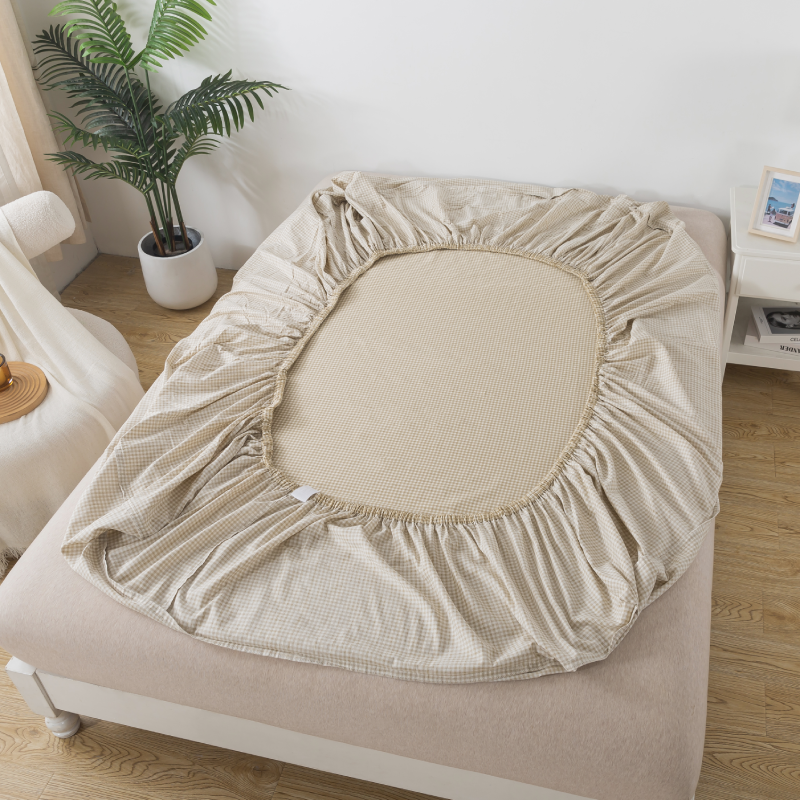
Solid or subtly striped sheets
-
Textured throws
Layering creates secondary rhythm. For example, pairing a floral quilt with solid pillowcases allows the eye to pause. Adding a subtle stripe reintroduces movement.
The goal is balance between pattern and rest.
7. Emotional Impact of Visual Rhythm
Floral bedding is deeply emotional. Rhythm determines whether the mood feels:
-
Calm and restorative
-
Romantic and nostalgic
-
Fresh and airy
-
Rich and dramatic
In bedroom environments, overstimulation is counterproductive. Gentle repetition and tonal harmony promote relaxation—particularly in natural cotton bedding, where softness enhances the sensory experience.
8. Practical Tips for Choosing Floral Bedding
When selecting floral bedding for your space, consider:
-
Room Size: Smaller rooms benefit from lighter backgrounds and moderate spacing.
-
Wall Color: Ensure tonal compatibility; avoid competing patterns.
-
Lighting: Natural daylight enhances pastel rhythm; warm lighting deepens richer florals.
-
Texture: Cotton percale feels crisp and enhances clean rhythm. Washed cotton feels softer and romantic.
Most importantly, observe how your eye travels across the design. If your gaze moves smoothly without abrupt stops, the rhythm is working.
Final Thoughts
Understanding visual rhythm transforms floral bedding from simple decoration into structured design. It is the interplay of repetition, scale, color, and spacing that determines whether a bedroom feels harmonious or chaotic.
In well-crafted cotton floral bedding, rhythm is subtle but intentional. It invites the eye to wander gently—just as the body relaxes into comfort at the end of the day.
When design principles align with material quality, floral bedding becomes more than pattern. It becomes atmosphere.
And atmosphere is what makes a bedroom feel like home.