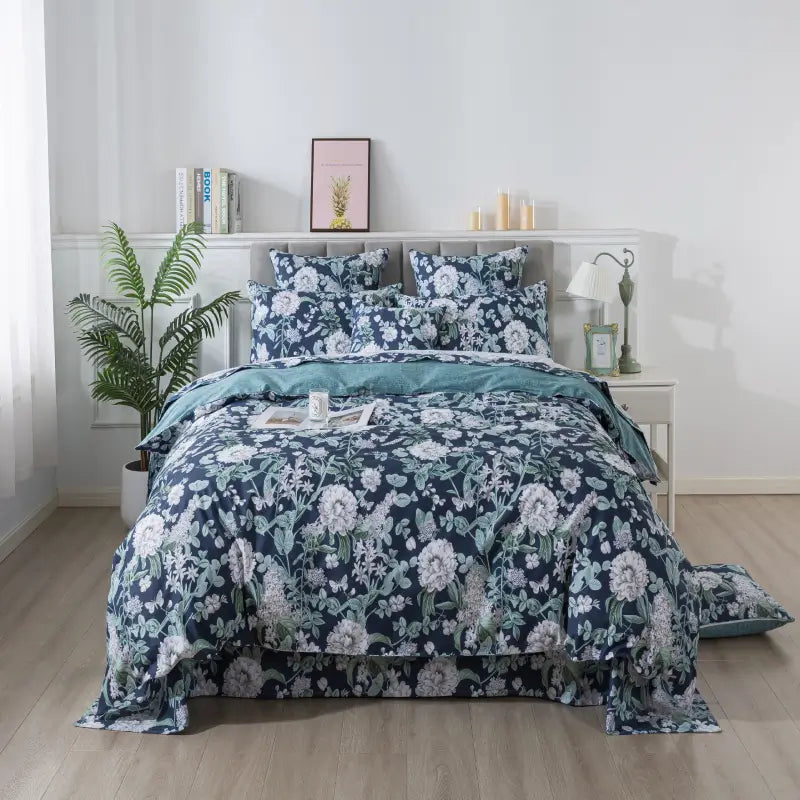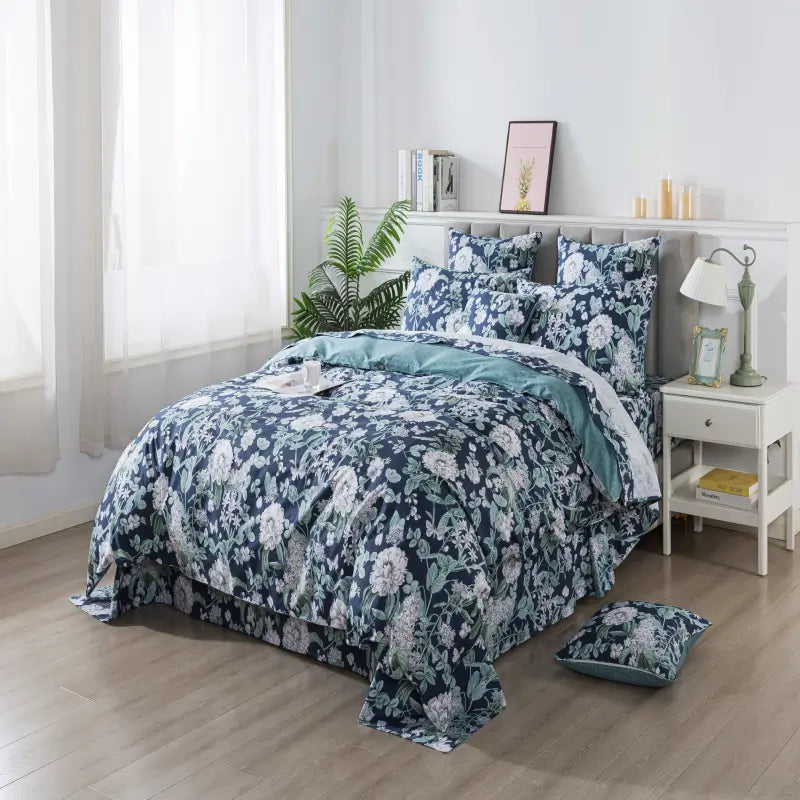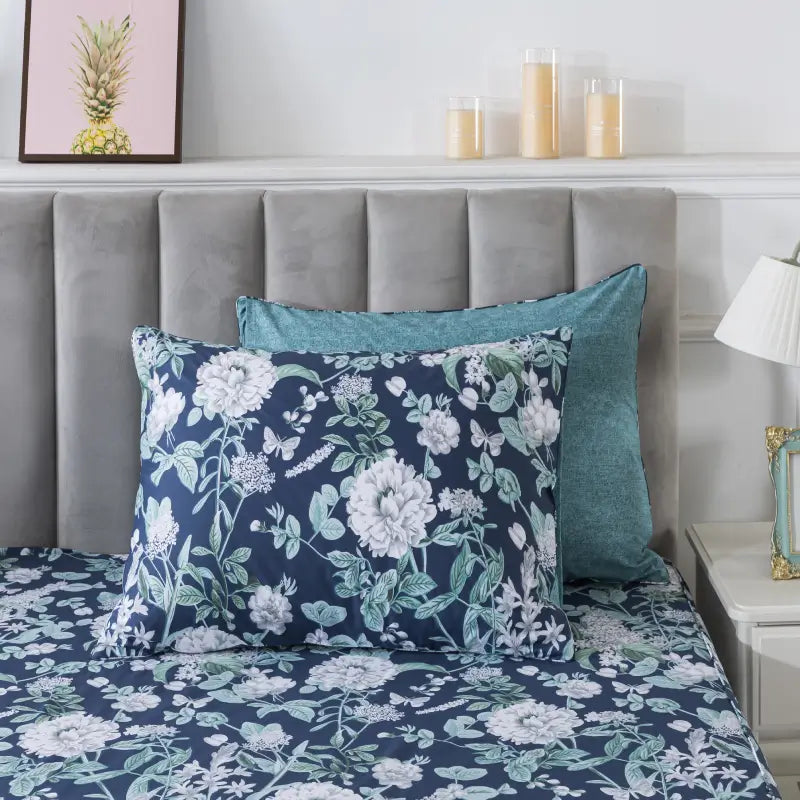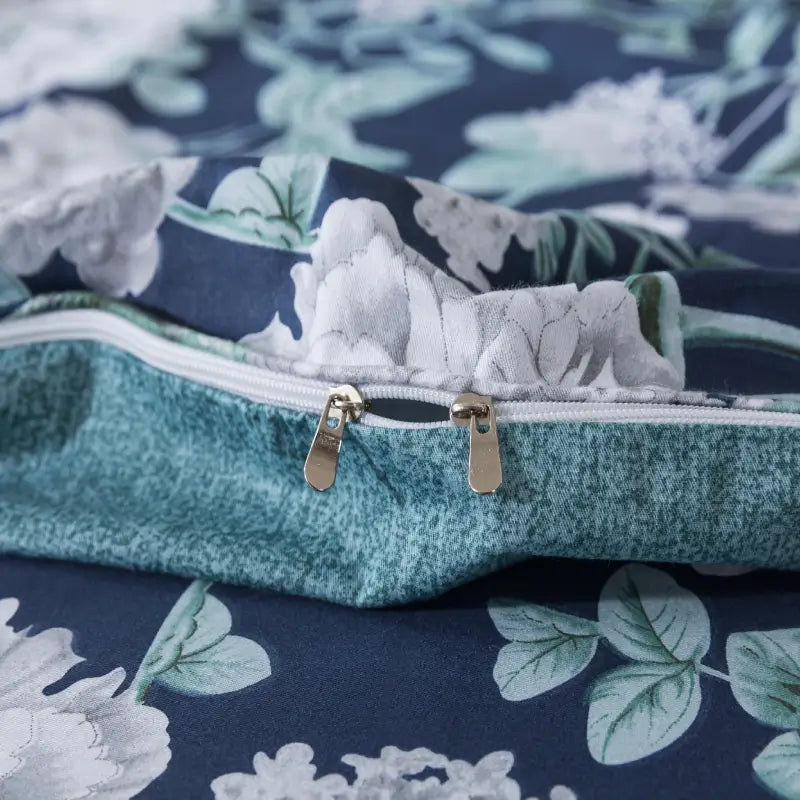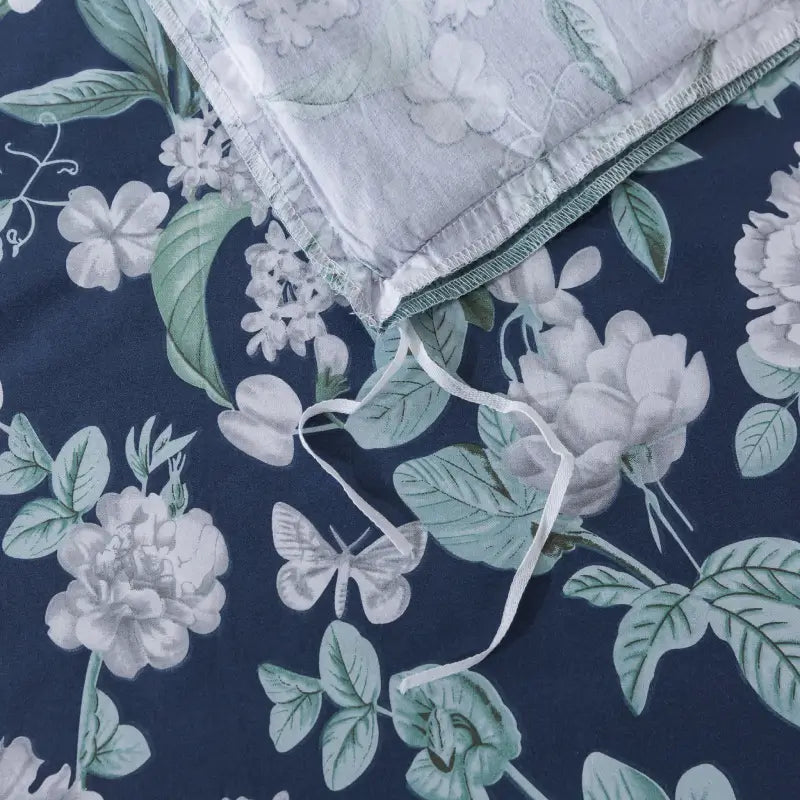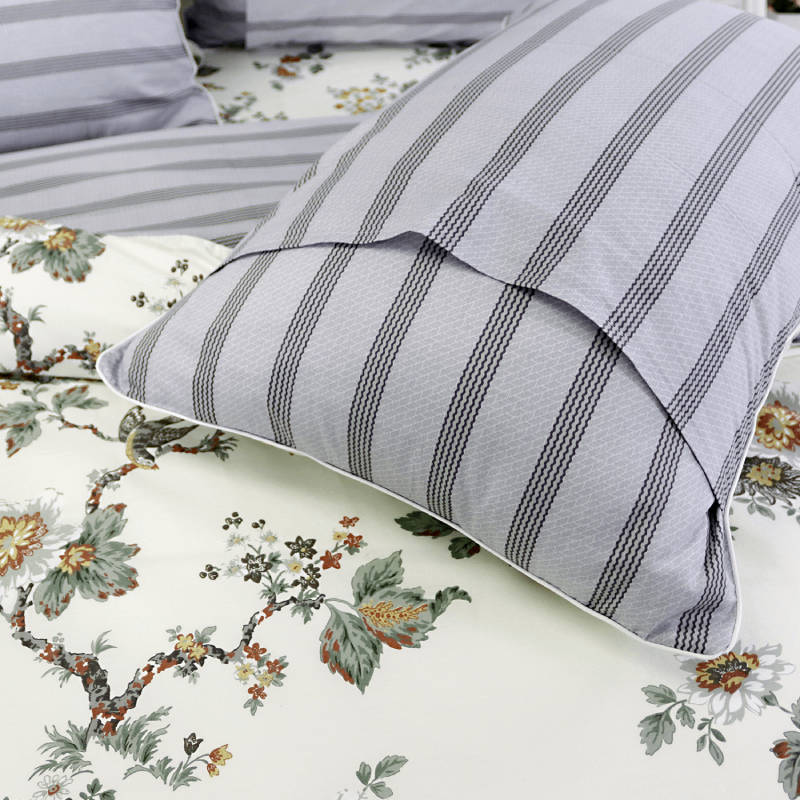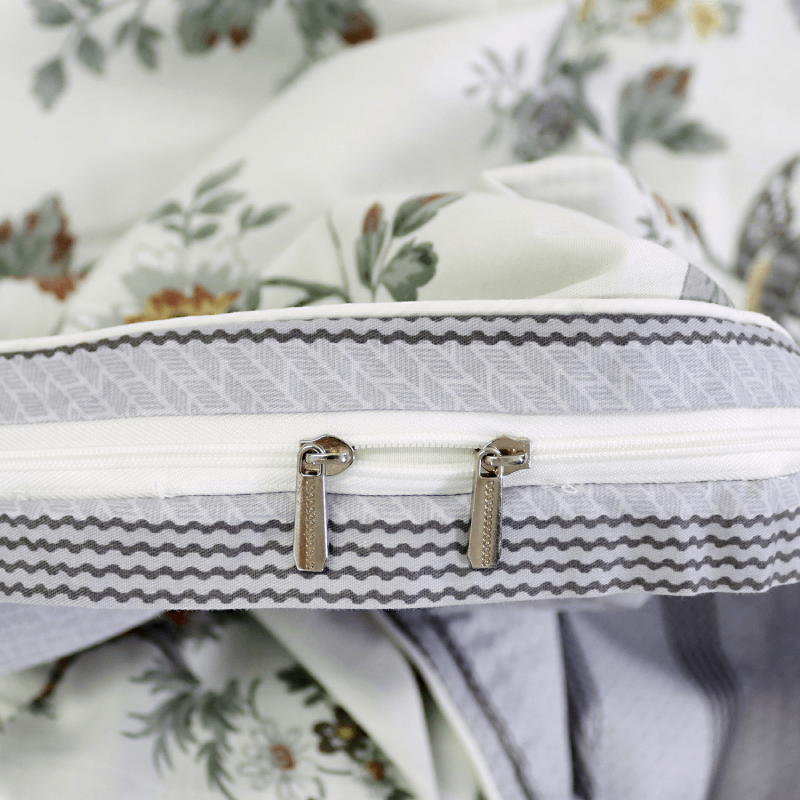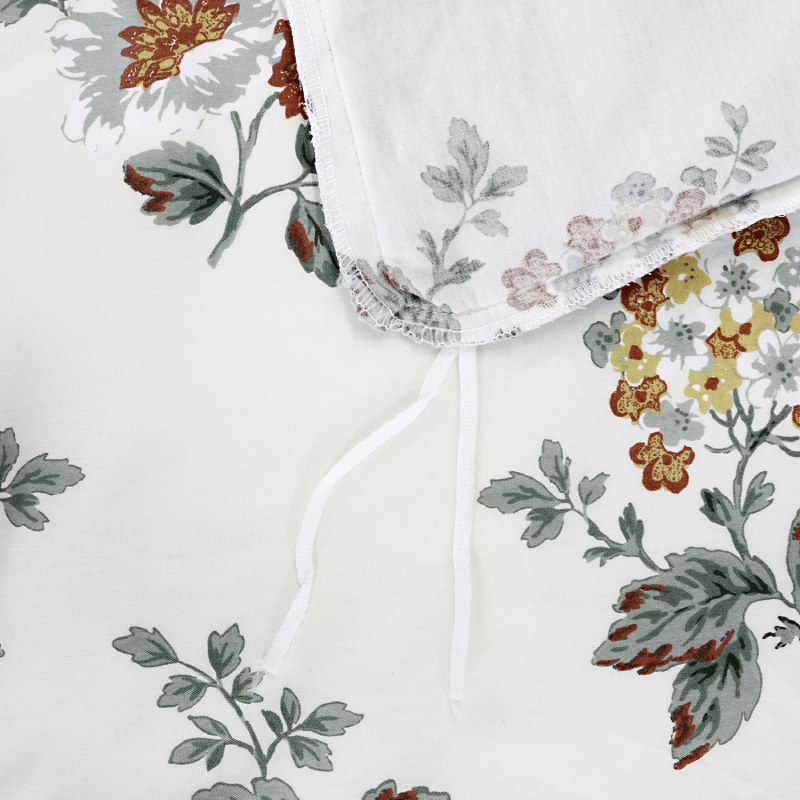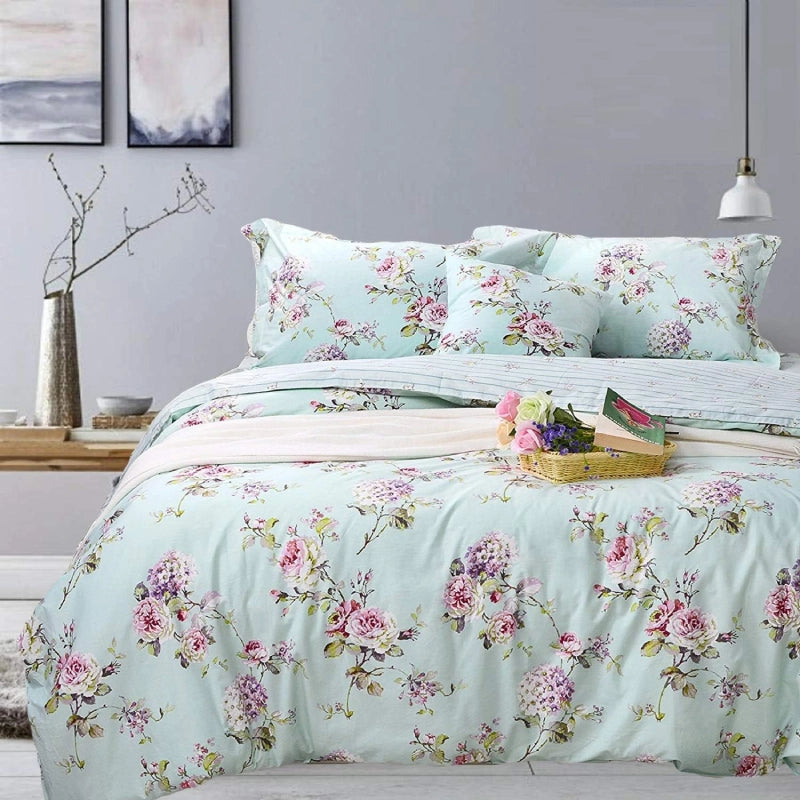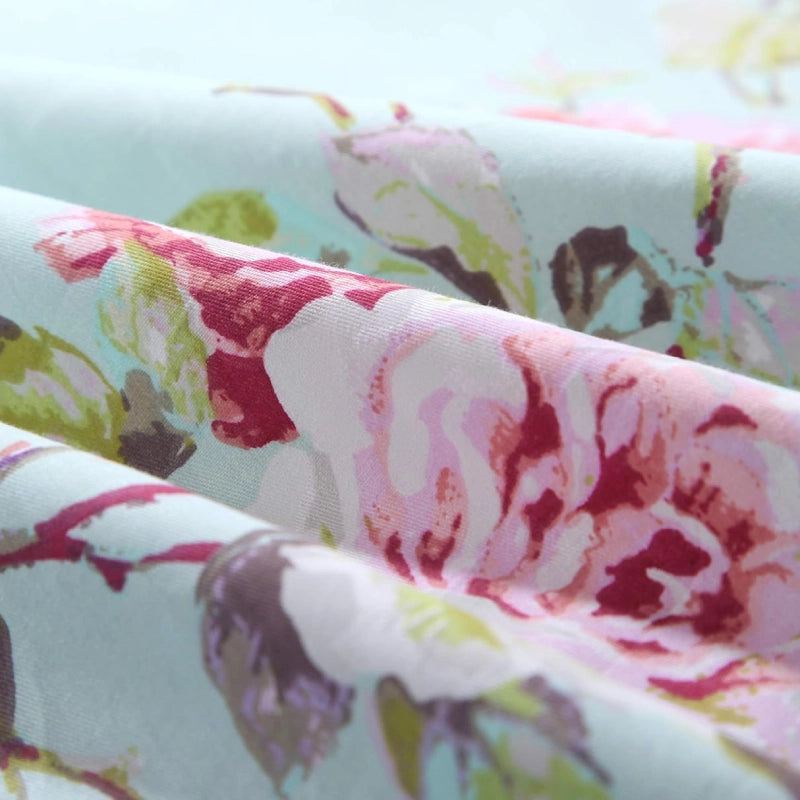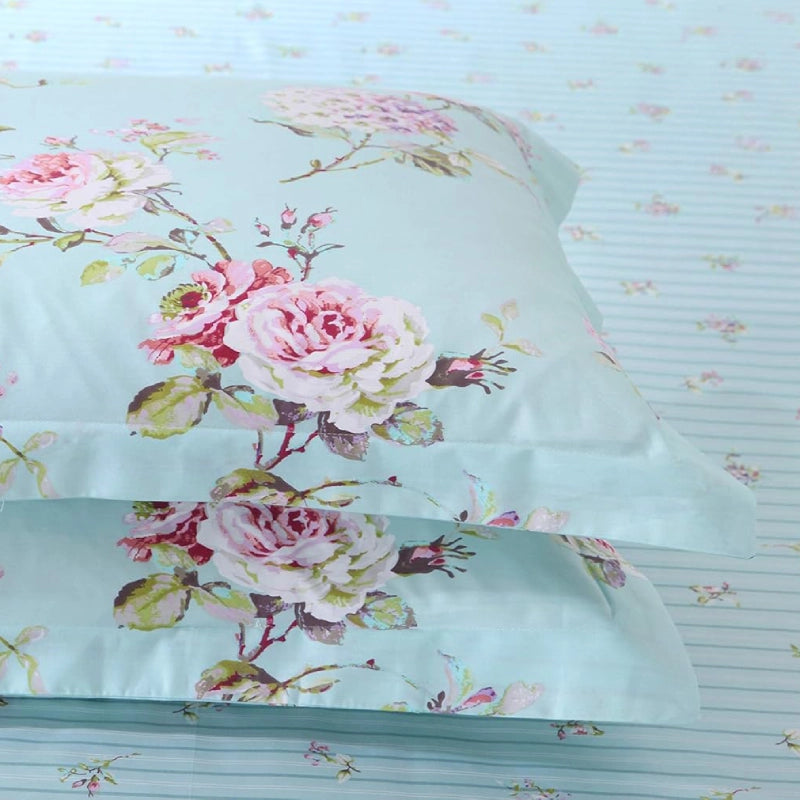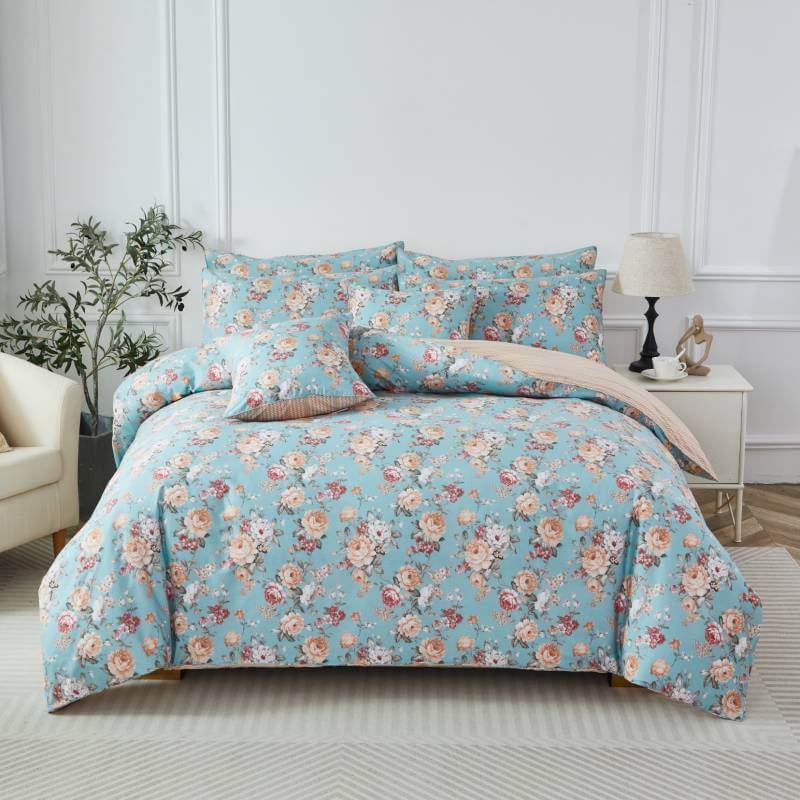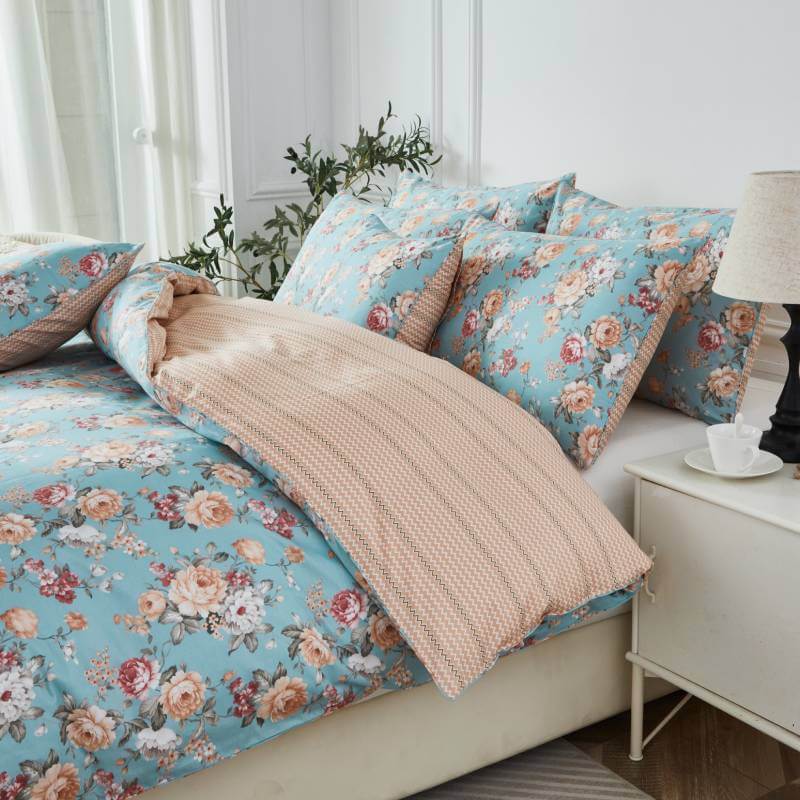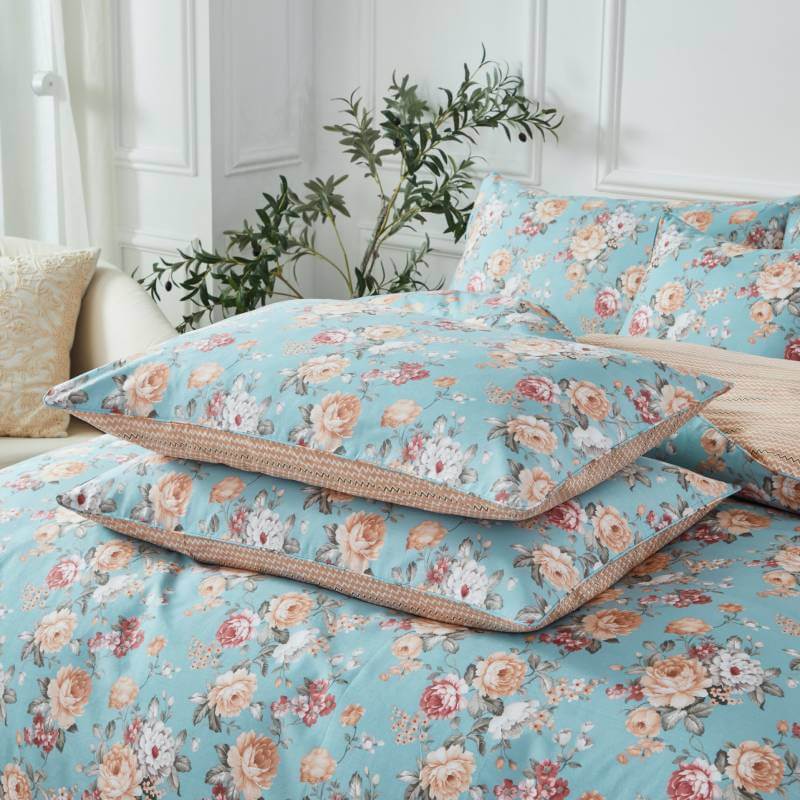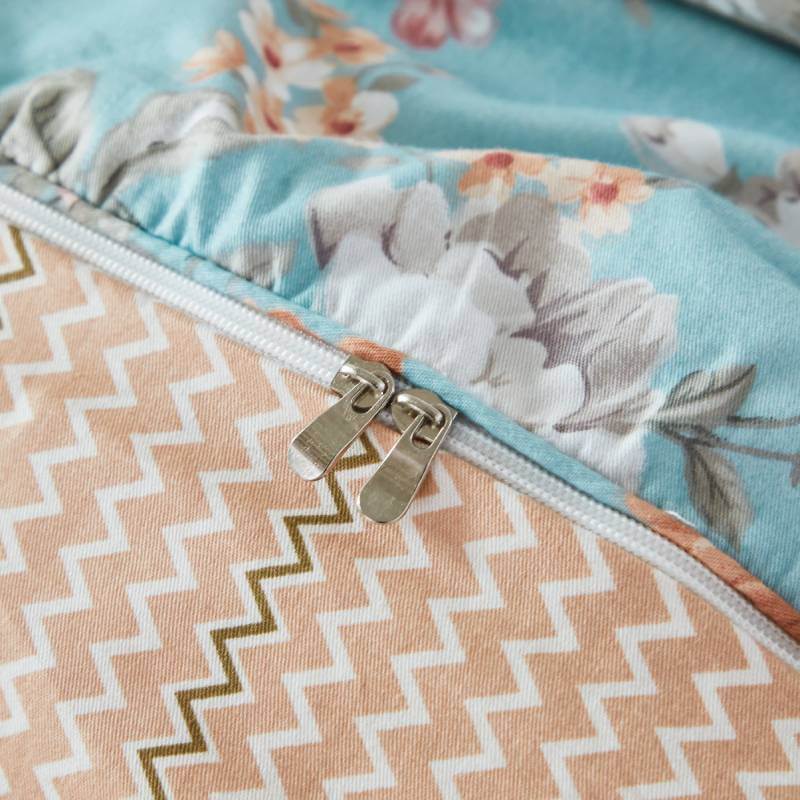



When you slip into bed at the end of the day, the first thing you notice is how your bedding feels against your skin. Some sheets are velvety soft, others are cool and smooth, while some have a refreshing crispness that signals cleanliness and comfort. These sensations do not happen by accident—they are the result of fabric finishes.
Fabric finishing is a crucial stage in textile production. It enhances the texture, appearance, and performance of bedding. Understanding these finishes helps you choose the products that best suit your comfort preferences and lifestyle.
Below, we explore the most common types of finishes and how they influence the feel of your bedding.
What Are Fabric Finishes?
Fabric finishes refer to treatments applied to textiles after they are woven. These processes refine the final product by adjusting softness, durability, wrinkle resistance, and overall touch. While fiber type and weave provide the foundation, finishes elevate the sensory experience.
From brushing to calendaring, each finish affects the tactile qualities of bedding in distinct ways.

Finishes That Create Softness
Soft bedding often feels warm, plush, and inviting. Several treatments help achieve this effect:
Brushing
Brushing lifts the tiny fibers on the surface of the fabric, creating a fluffy, velvety feel. Flannel, for example, owes its iconic softness to this method. The raised fibers trap heat, making brushed fabrics ideal for cooler climates.
Enzyme Washing
Enzyme washes break down small, stiff fibers, leaving the fabric noticeably softer. This eco-friendly finish enhances comfort without compromising the material’s natural structure.
Peach Finish
Named for its resemblance to the skin of a peach, this technique gently abrades the fabric surface to produce a delicate, suede-like softness. It creates a cozy, matte texture that feels luxurious.
Finishes That Create Smoothness
Smooth bedding feels cool, sleek, and refined—perfect for warm sleepers or those who enjoy a polished look.
Mercerization
Mercerizing cotton increases its strength, luster, and smoothness. The result is a silky, breathable fabric that maintains color vibrancy over time. Sateen sheets often undergo this treatment to enhance their sheen.
Calendaring
This process presses the fabric between heated rollers, flattening the fibers for a smooth, glossy finish. It gives the material a sophisticated drape but may diminish over multiple washes unless reinforced with other techniques.
Singeing
Singeing burns off excess surface fibers, creating a clean, uniform texture. This finish helps prevent pilling and contributes to a smooth hand feel.
Finishes That Create Crispness
Crisp bedding delivers that classic, hotel-like freshness—clean, structured, and invigorating.
Sanforizing
This pre-shrinking process prevents distortion during washing, helping the fabric retain its crisp structure. Percale sheets often undergo sanforizing to ensure a consistently cool, firm feel.
Starching
Traditional starching adds body and firmness to bedding. While less common for everyday home use, it enhances crispness and gives bedding a tailored finish.
Wrinkle-Resistant Treatments
These chemical or eco-friendly alternatives stabilize fibers so sheets emerge from the dryer smoother and more structured. They provide crispness without the need for ironing.
How to Choose the Right Feel for You
Your bedding finish should match your sleep style and climate:
• If you love warmth and softness: choose brushed, enzyme-washed, or peach-finish fabrics.
• If you prefer cool and silky textures: look for mercerized, singed, or calendared materials.
• If you want a fresh, structured feel: select percale with wrinkle-resistant or sanforized finishes.
The beauty of understanding fabric finishes is gaining control over your comfort—your bedding becomes a personalized experience rather than a guess.
The Role of Quality in Fabric Feel
Even the best finishes cannot compensate for low-quality fibers or poor weaving. High-quality cotton, linen, and premium blends respond better to finishing processes and maintain their tactile qualities longer.
Look for:
• Long-staple cotton for durability and softness.
• Tight, uniform weaves for a smoother hand feel.
• Reputable brands that disclose their finishing processes.
Quality ensures that the softness, smoothness, or crispness you love lasts well beyond the first few washes.
Final Thoughts
Fabric finishes shape the sensory experience of bedding—determining whether it feels plush, silky, or perfectly crisp. Understanding these techniques empowers you to choose textiles that complement your sleep preferences and elevate your daily comfort.
The next time you run your hand across a sheet set, you will know exactly why it feels the way it does—because behind every sensation is a thoughtful finishing process designed to enhance your home and your rest.