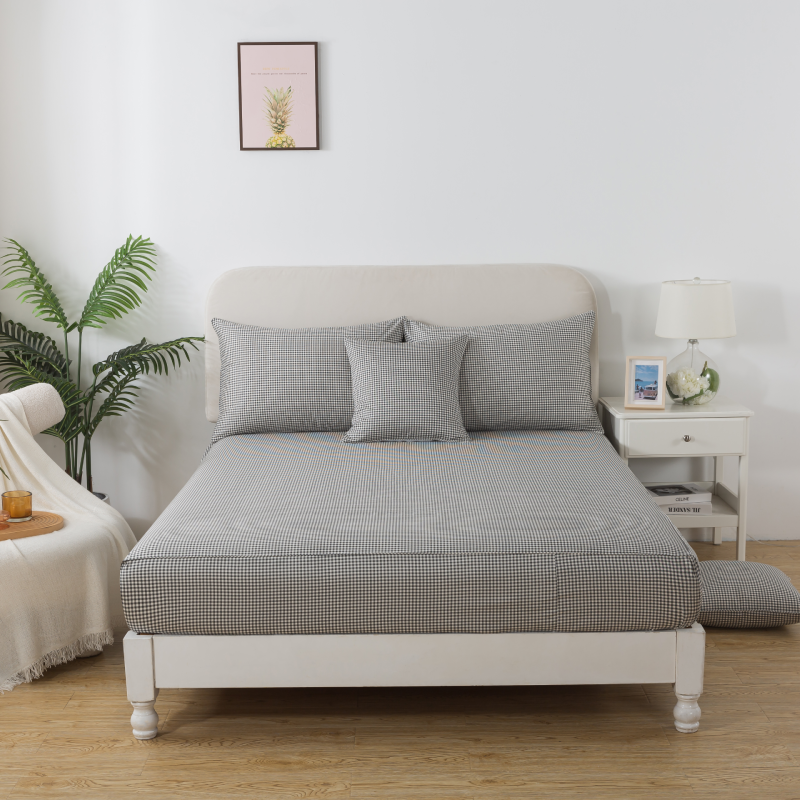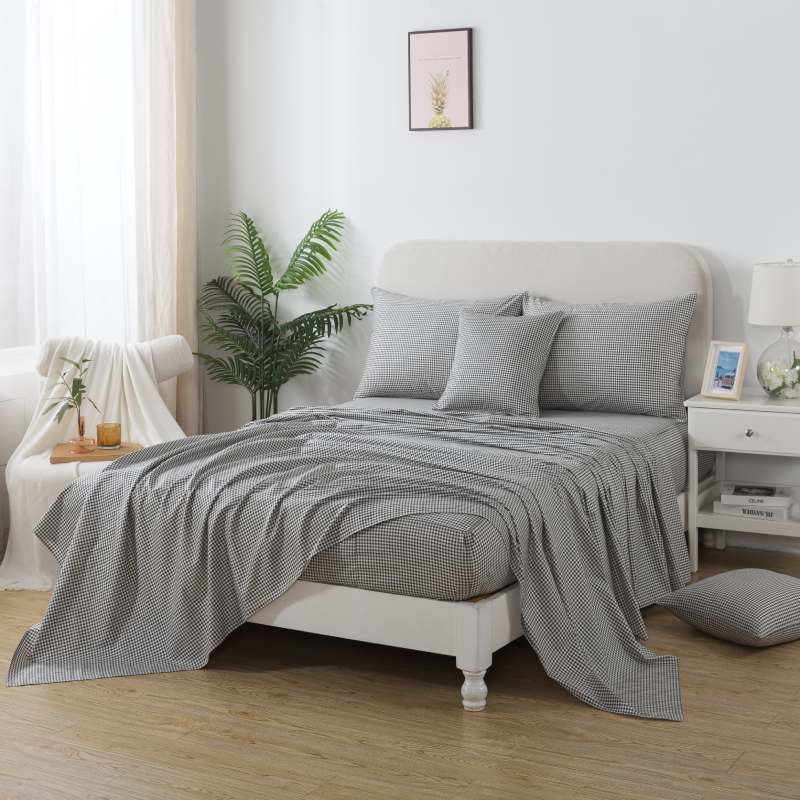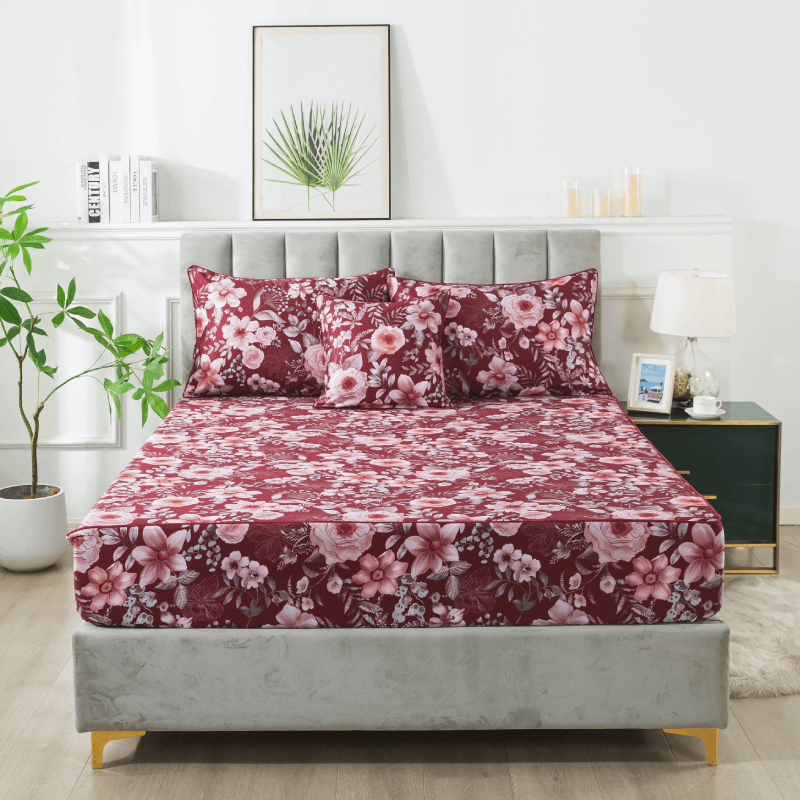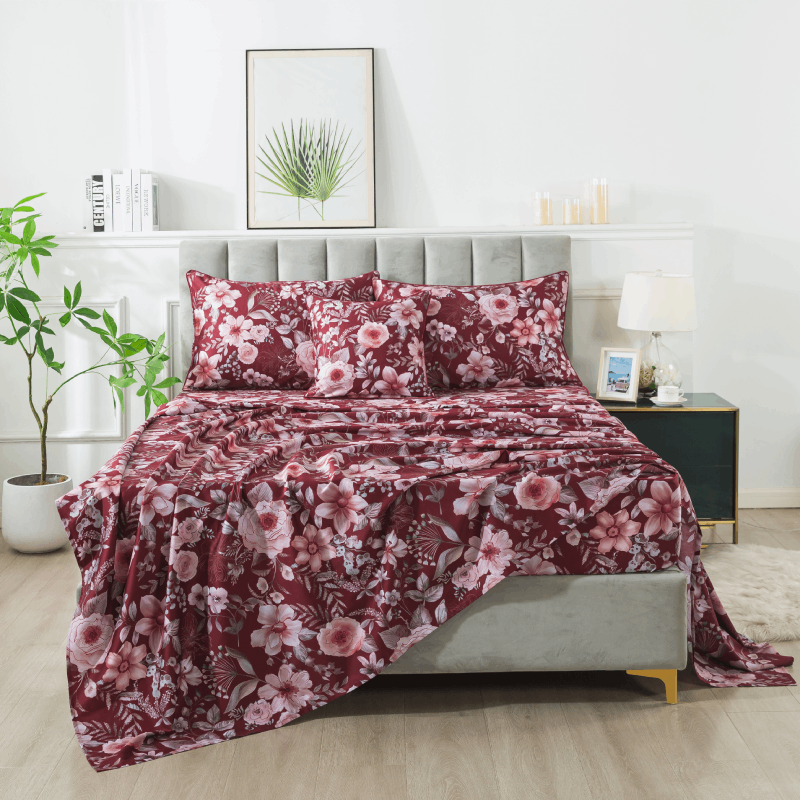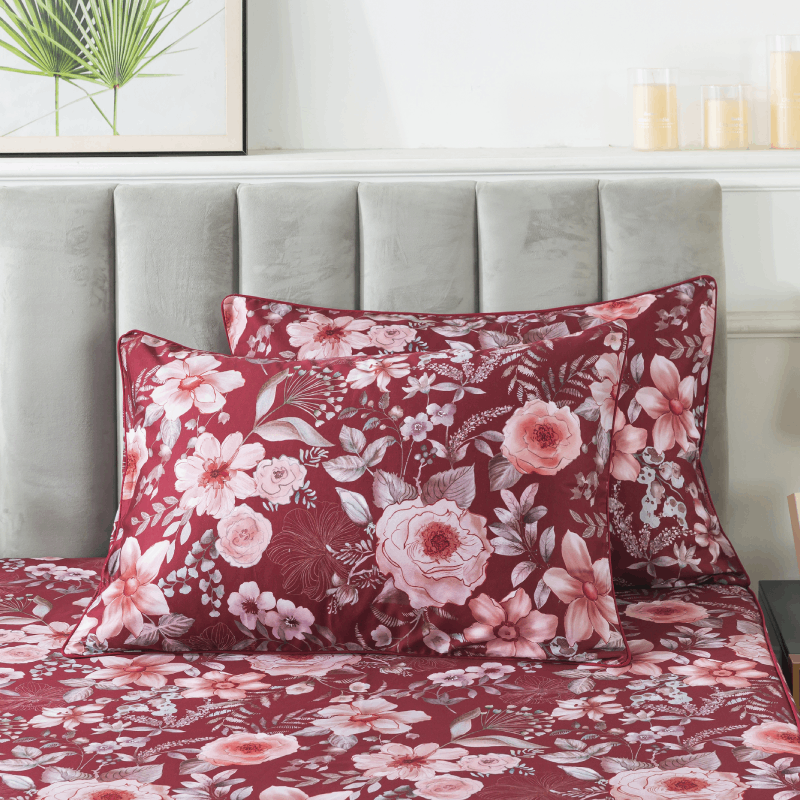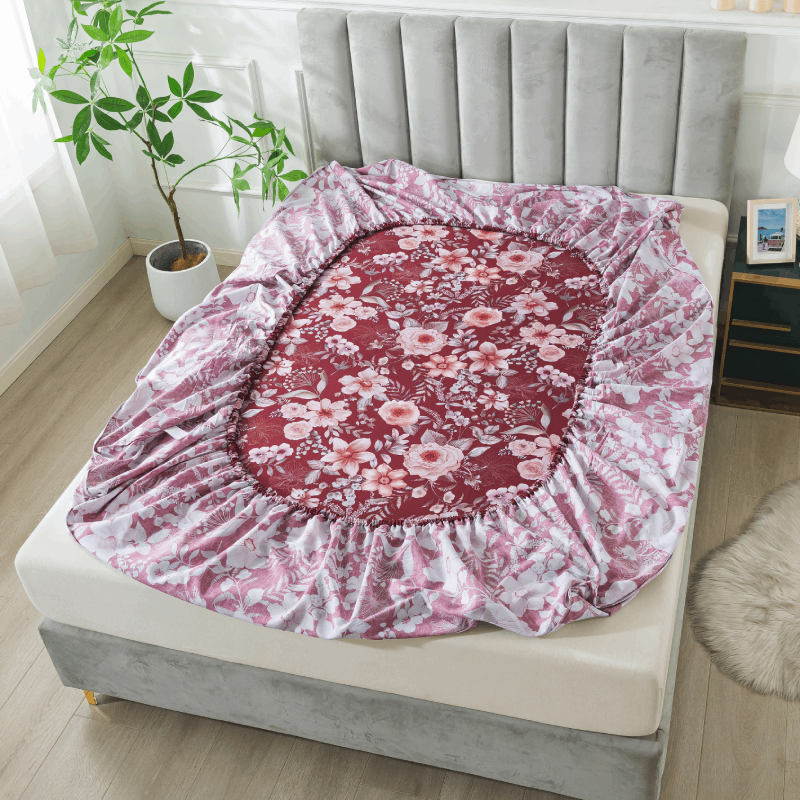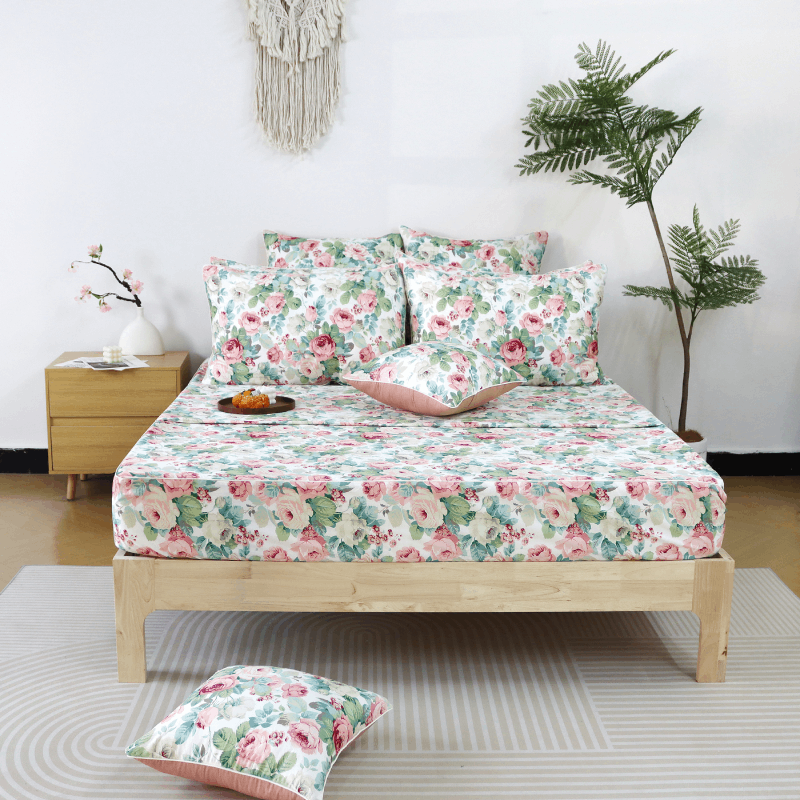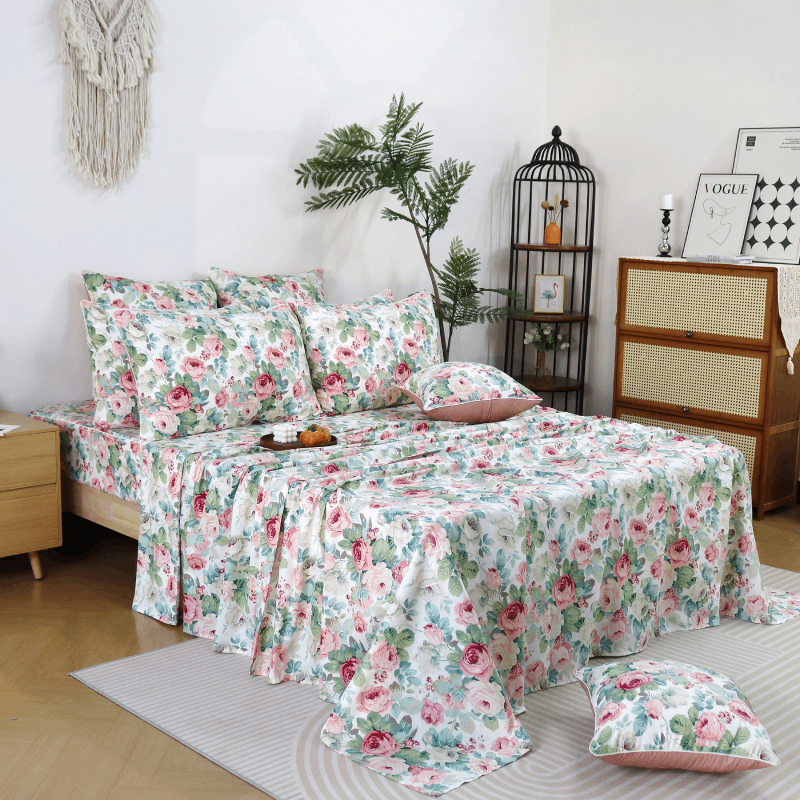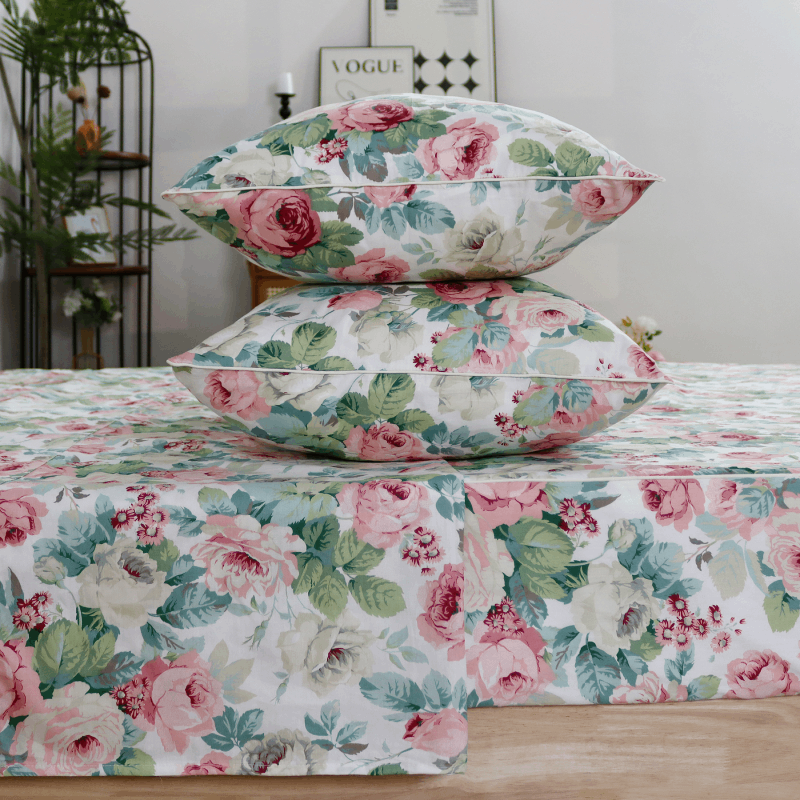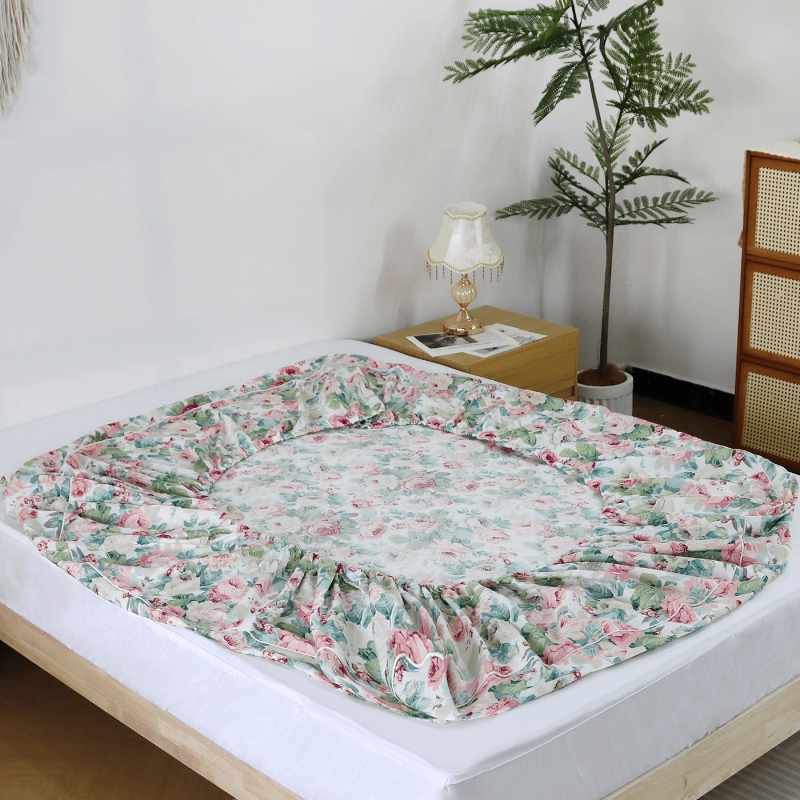


When designing a bedroom, the bed naturally becomes the centerpiece of the entire space. Its size, placement, and visual weight draw the eye immediately when someone enters the room. But creating a beautiful bedroom isn’t simply about placing a bed in the middle and filling the rest of the space with furniture. The real art lies in balance—ensuring that the bed stands out as the focal point while the surrounding elements support and complement it.
A well-balanced bedroom feels calm, harmonious, and inviting. Achieving that balance requires thoughtful attention to proportion, layout, color, texture, and bedding design.
Why the Bed Naturally Becomes the Focal Point
In most bedrooms, the bed is the largest piece of furniture. Its size alone gives it visual dominance, but other factors also reinforce its importance. The bed represents comfort, rest, and personal retreat, making it emotionally significant in addition to visually prominent.
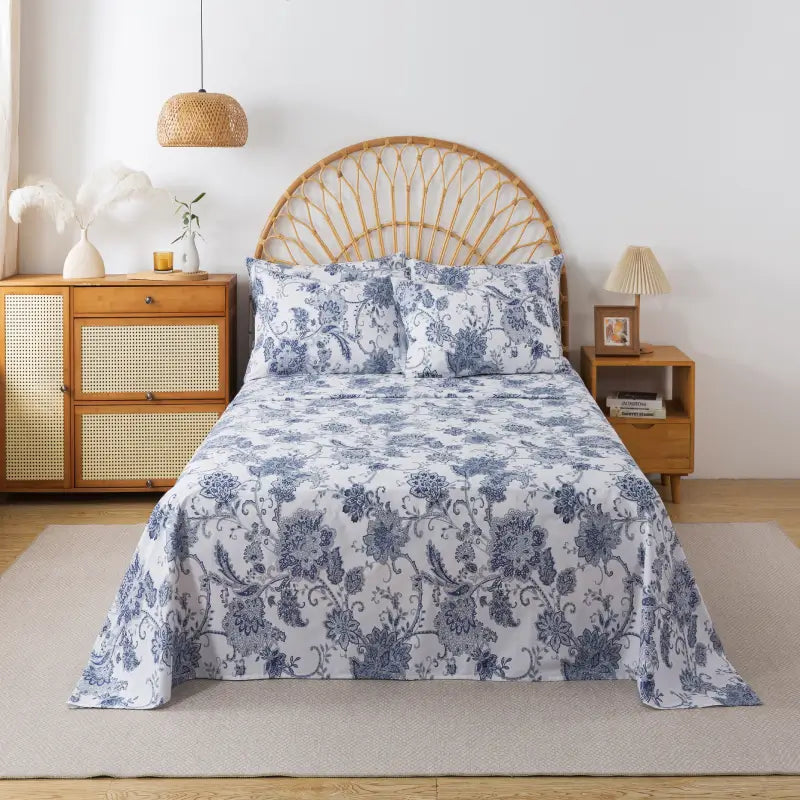
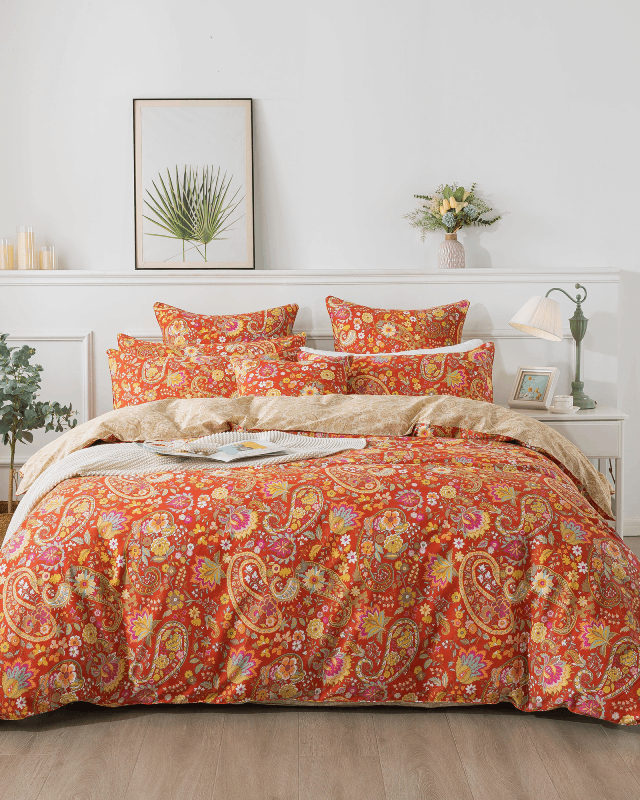
Because of this, designers often emphasize the bed intentionally. This might be done through a statement headboard, layered bedding, decorative pillows, or eye-catching patterns. Floral bedding, for example, can instantly draw attention and bring warmth and personality to the space without requiring dramatic structural changes.
However, when the bed becomes too visually heavy—through overly bold colors, excessive decorations, or mismatched furniture—the room can feel crowded or unbalanced. The goal is to highlight the bed without overwhelming the entire room.
Start with Proper Bed Placement
The first step in establishing balance is positioning the bed correctly. Ideally, the bed should be placed against the room’s main wall, typically centered if space allows. This symmetrical placement creates visual stability and makes the room feel organized.
Centering the bed also allows equal space on both sides for nightstands or lamps. Symmetry naturally brings a sense of calm and order, which is especially important in a space meant for rest and relaxation.
If the room layout does not allow perfect symmetry, balance can still be achieved. For example, placing a nightstand on one side and a floor lamp or small chair on the other can visually distribute weight without forcing identical furniture.
Use Bedding to Anchor the Room
Bedding plays a crucial role in defining the bed as the focal point. Colors, textures, and patterns all contribute to how the bed interacts with the rest of the room.
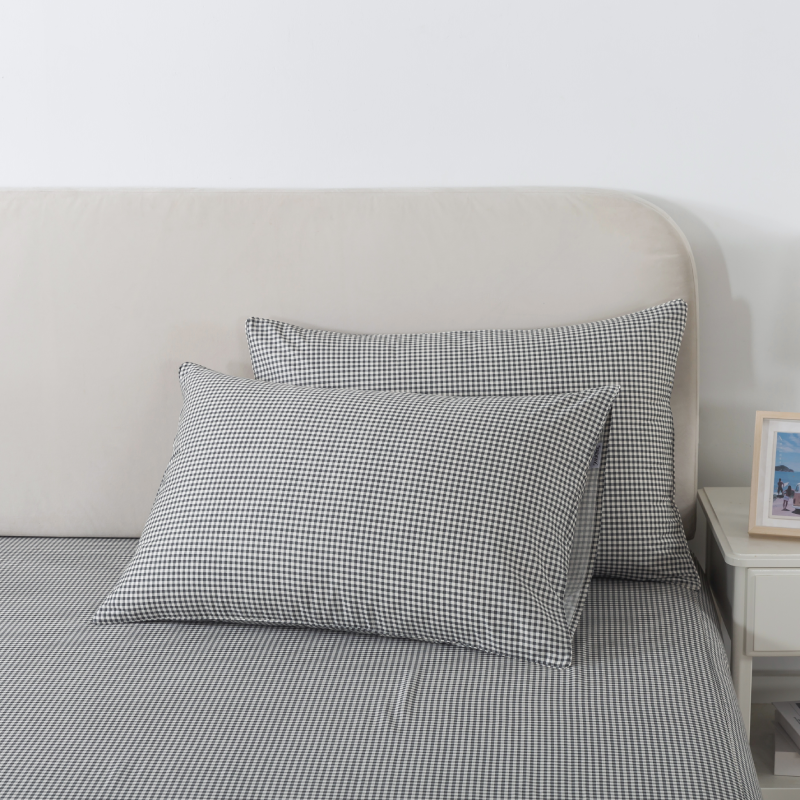
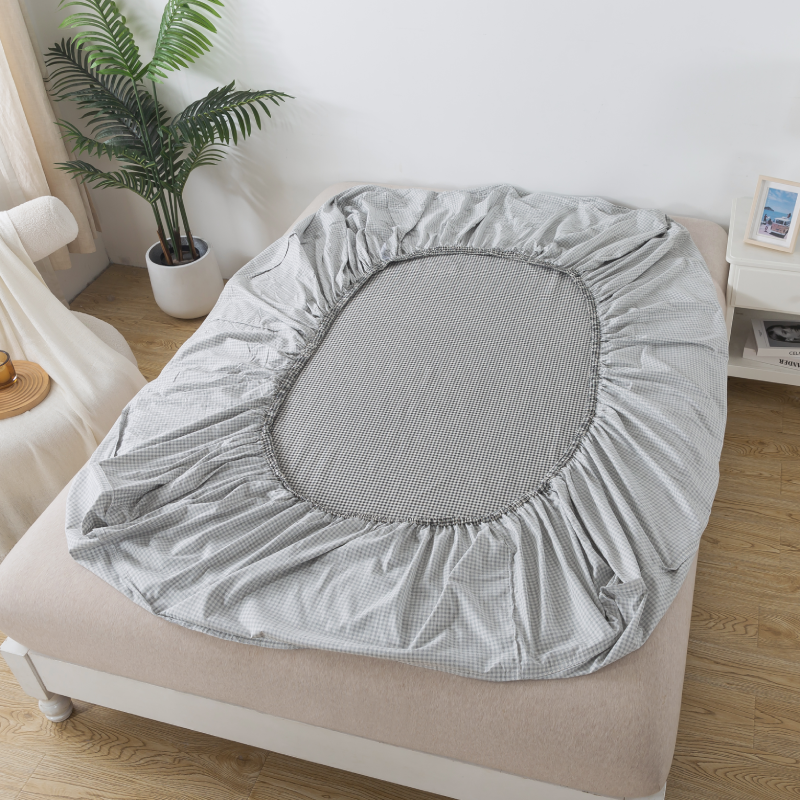
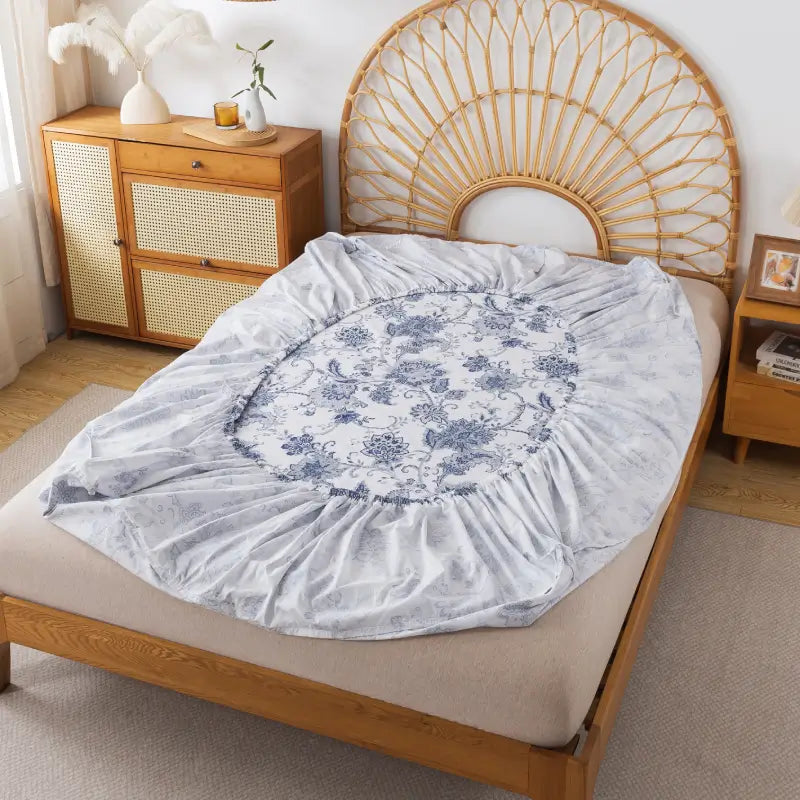
Soft cotton bedding is particularly effective for creating a welcoming atmosphere. Natural fabrics add texture without appearing heavy, while breathable materials contribute to comfort throughout the night.
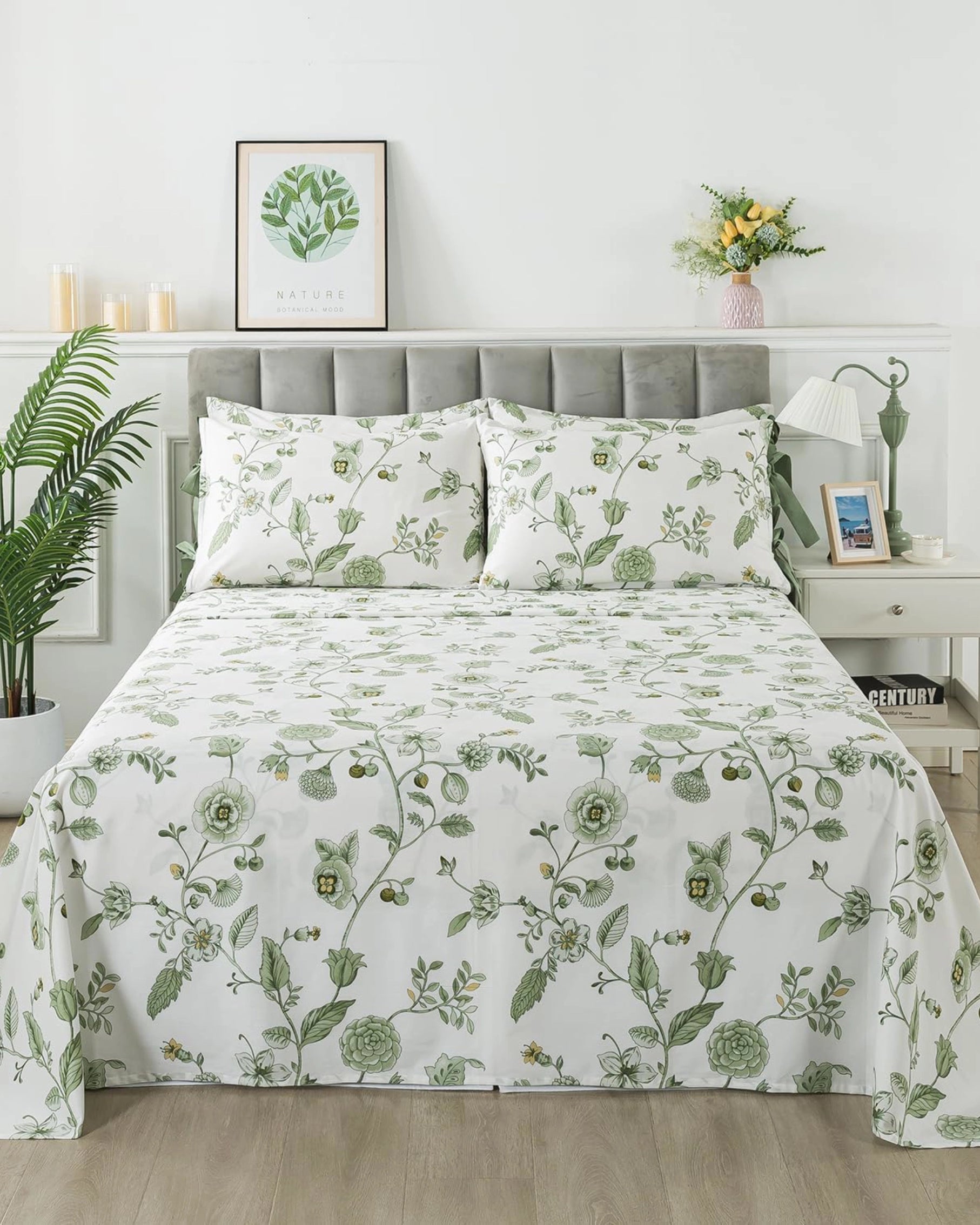
Patterned bedding—especially floral or botanical designs—can bring life and movement into the bedroom. These patterns provide visual interest while maintaining a soft, relaxed aesthetic that works well in both traditional and modern interiors.
Layering also enhances the focal point effect. Combining a quilt or duvet with decorative pillows and a lightweight throw adds depth and dimension, making the bed feel luxurious without excessive clutter.

Balance Color and Pattern
While the bed should stand out, the rest of the room should support it rather than compete with it. Color coordination is key to maintaining harmony.
If the bedding features detailed patterns or vibrant colors, the surrounding elements should remain relatively simple. Neutral walls, light curtains, and understated furniture allow the bed to take center stage.
Conversely, if the bedding is minimalist or monochromatic, the room can benefit from subtle accents elsewhere, such as textured rugs, wall art, or decorative lighting.
A balanced color palette usually includes three levels:
-
Primary color: often found in the bedding or headboard
-
Secondary color: used in curtains, cushions, or rugs
-
Neutral tones: walls, floors, and larger furniture pieces
This layered approach keeps the room visually interesting while preventing any single element from overwhelming the space.
Pay Attention to Proportion
Balance in bedroom design also depends heavily on proportion. Oversized furniture around the bed can make the room feel cramped, while pieces that are too small may look disconnected.
Nightstands should generally align with the height of the mattress or slightly below it. Lamps should provide adequate light without towering over the bed. Decorative elements, such as artwork or mirrors, should be sized appropriately to complement the bed rather than compete with it.
Rugs are another important proportional element. Ideally, a rug should extend beyond the edges of the bed so that it frames the sleeping area. This helps visually anchor the bed while adding softness and warmth underfoot.
Add Supporting Elements Without Clutter
Once the bed is established as the focal point, supporting elements can enhance the overall atmosphere of the room.
Soft lighting, cozy textures, and natural accents can contribute to a relaxing environment. Plants, woven baskets, or wooden furniture introduce organic textures that complement soft bedding materials like cotton.
However, restraint is essential. Too many decorative objects can disrupt the visual hierarchy and make the room feel chaotic. Instead, focus on a few carefully chosen pieces that reinforce the bedroom’s mood.
Creating a Bedroom That Feels Complete
Designing a bedroom around the bed requires a thoughtful balance between emphasis and harmony. The bed should feel inviting and visually prominent, but it should also integrate seamlessly with the rest of the space.
By considering placement, bedding choices, color coordination, and proportional design, it is possible to create a bedroom that feels both stylish and restful. When these elements work together, the bed becomes more than just furniture—it becomes the heart of the room.
A well-balanced bedroom ultimately encourages relaxation and comfort, turning everyday sleep into a peaceful and restorative experience.