

A beautiful home is not a perfect home. It is a place where breakfast happens in bed, children run in after outdoor play, pets curl up wherever they feel comfortable, and coffee occasionally lands where it should not. For anyone who loves soft, inviting textiles, spills and stains are simply part of daily life. The key is not to avoid living fully, but to choose bedding and home fabrics that make real life easier to manage.
That is where pattern becomes more than decoration. The right print can help camouflage small marks, soften the appearance of everyday use, and keep a room looking fresh between washes. A thoughtful stain strategy begins with choosing patterns that work with life instead of fighting against it.
Why Patterns Are More Forgiving Than Solids
Solid-colored bedding can look elegant, but it also tends to reveal every tiny spot, crease, or discoloration. A small coffee splash or makeup mark may stand out immediately on a plain white or pale fabric. Patterned textiles, especially those with layered details, naturally distract the eye. Florals, toile prints, paisley designs, and botanical patterns create visual movement, making minor imperfections less noticeable.
This does not mean patterned bedding replaces proper cleaning. Instead, it gives you more breathing room. A patterned duvet cover or sheet set can look presentable even after a busy morning, a pet nap, or a casual snack in bed.
Choose Medium-Scale Prints for Everyday Ease
When selecting patterns for practical use, scale matters. Very tiny prints can sometimes make stains more visible if the mark interrupts a delicate design. Very large prints may leave open areas of fabric where spills are easier to see. Medium-scale patterns often provide the best balance.
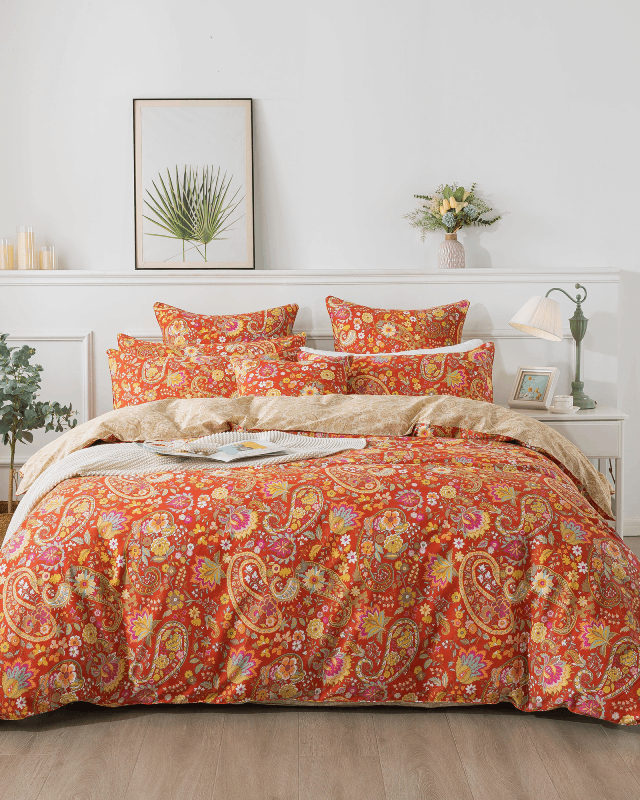
A medium floral, vintage botanical print, or classic paisley can help blend small stains into the overall design. These patterns offer enough detail to distract the eye while still feeling graceful and refined. For everyday bedrooms, guest rooms, and family spaces, medium-scale prints are a smart choice.

Look for Multi-Tone Designs
Color variation is another important part of stain camouflage. A pattern with several soft tones will usually hide marks better than a design with only one or two flat colors. For example, a floral print with gentle shades of green, beige, rose, ivory, and muted blue can disguise small spills more easily than a simple two-tone stripe.
Multi-tone designs create depth. This depth helps everyday marks blend into the background rather than becoming the first thing you notice. If your bedroom is used by kids, pets, or anyone who enjoys morning tea in bed, multi-tone bedding is both beautiful and practical.
Florals Are Naturally Stain-Friendly
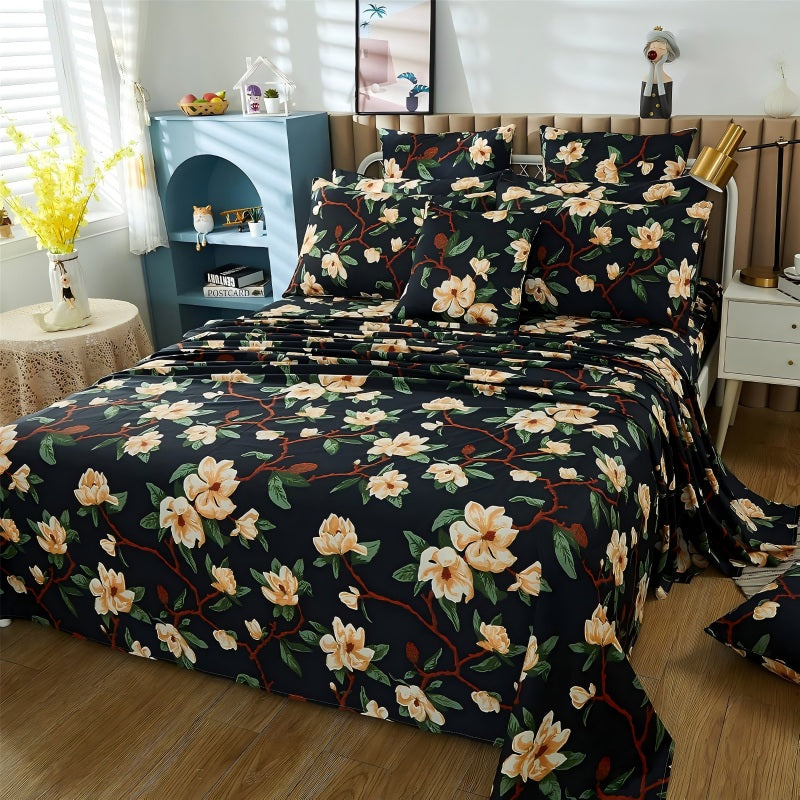
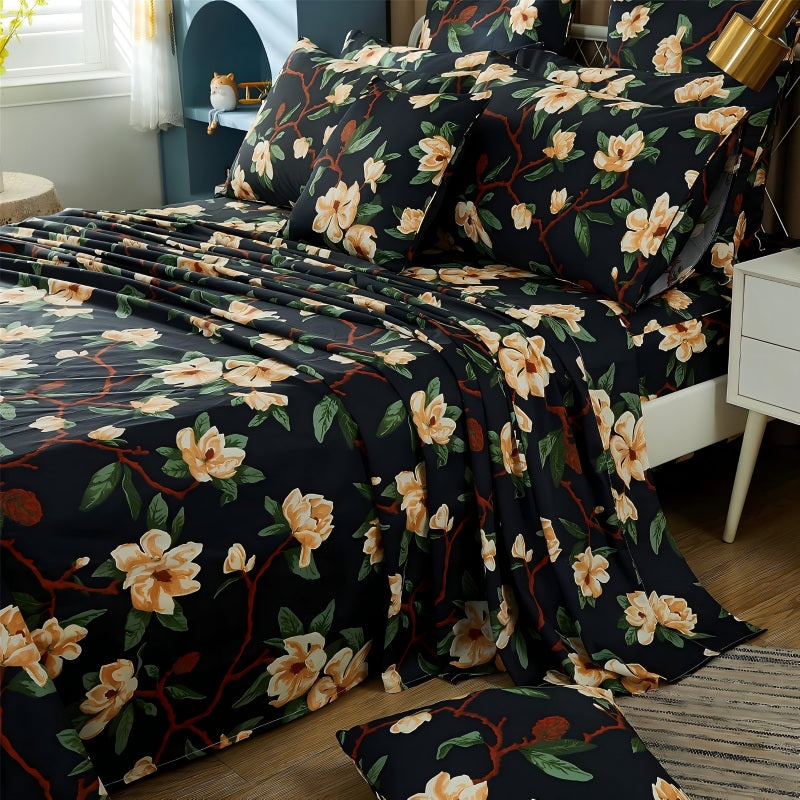
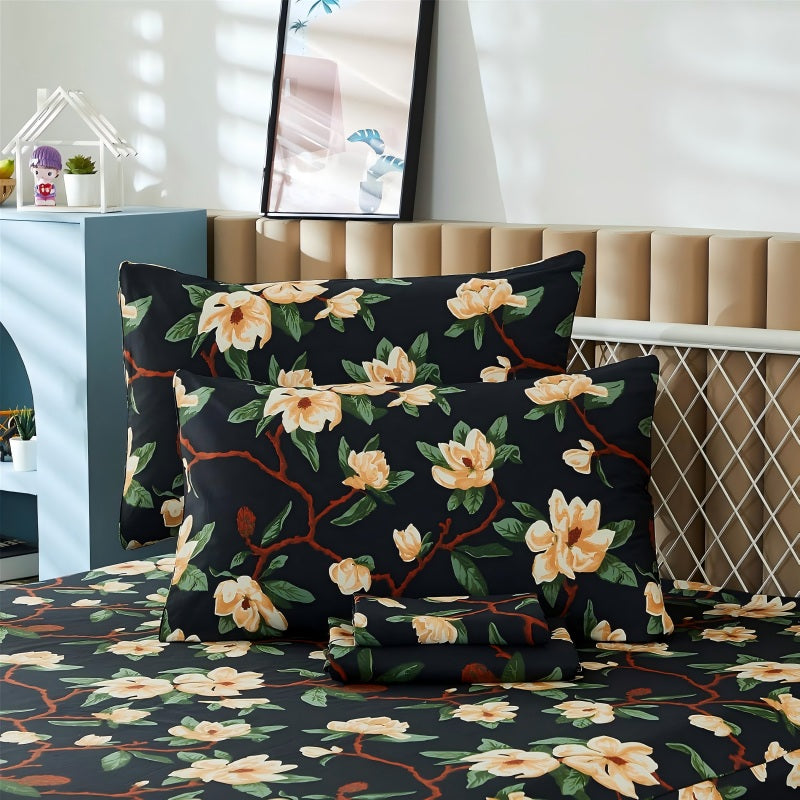
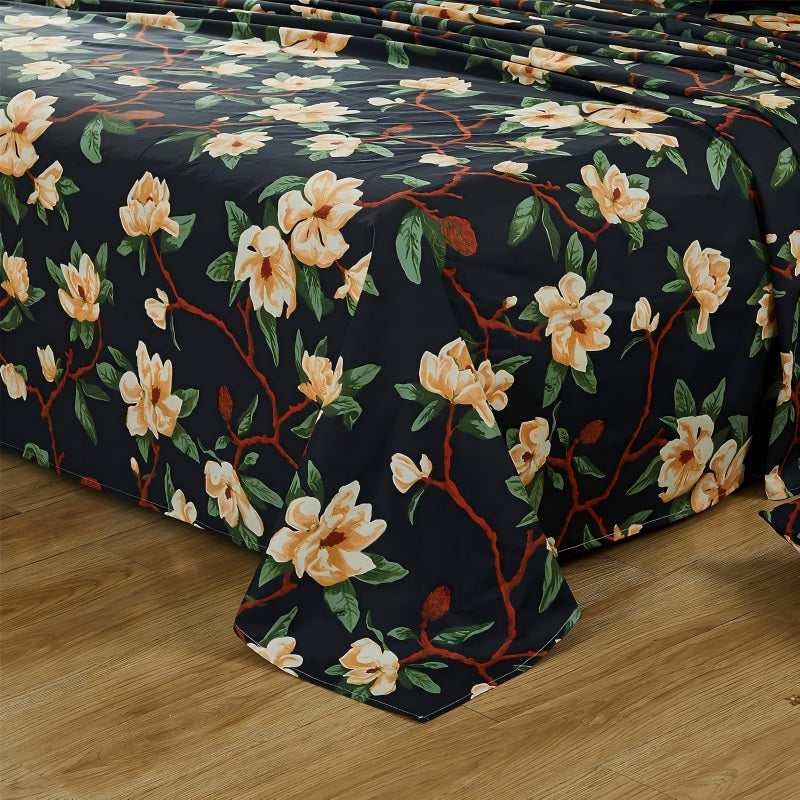
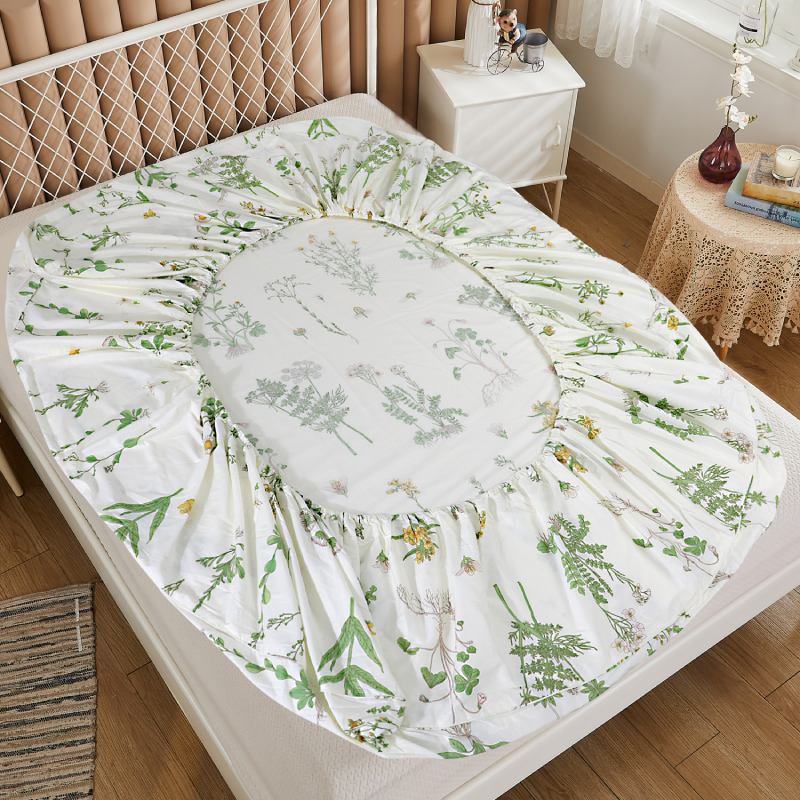
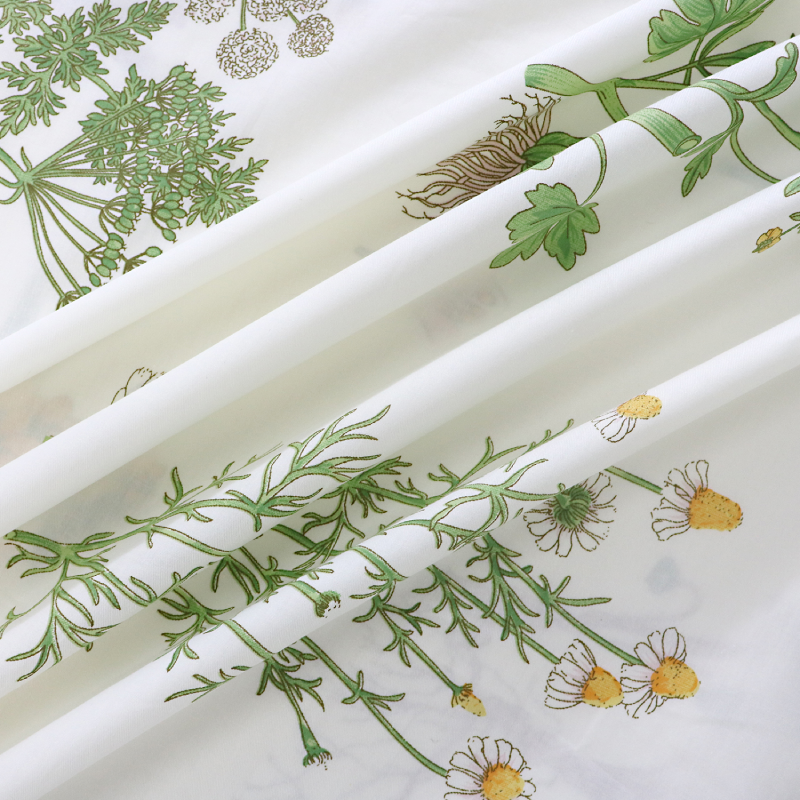
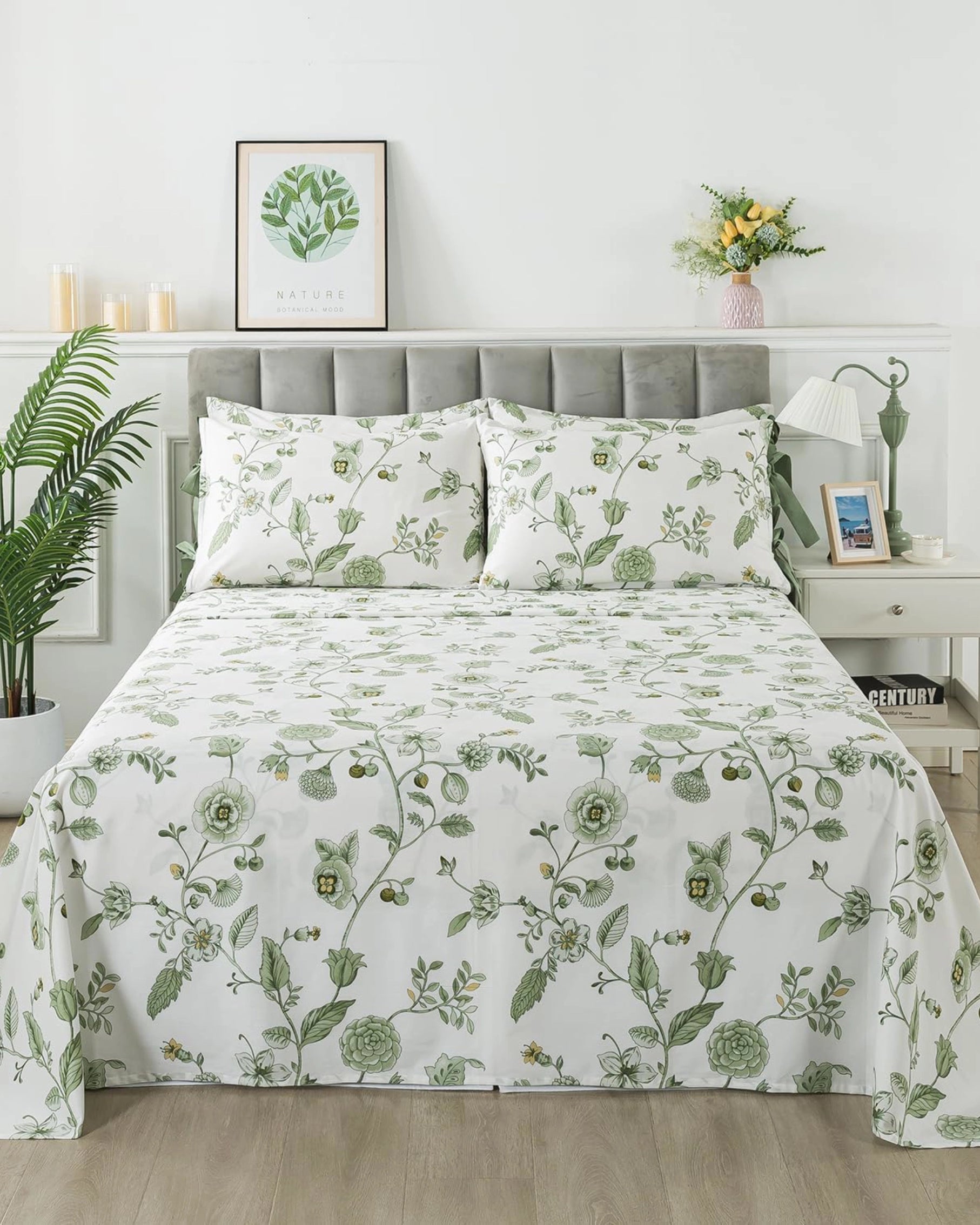
Floral bedding is one of the most forgiving choices because flowers already have organic shapes, soft edges, and layered color. Unlike geometric patterns, which can make stains feel like interruptions, florals allow small marks to disappear more naturally into the design.
Vintage floral bedding is especially useful because it often includes shaded petals, leafy details, and a slightly lived-in feel. This makes the room look charming and comfortable, even when daily life is not perfectly tidy.
Toile and Botanical Prints Offer Elegant Coverage
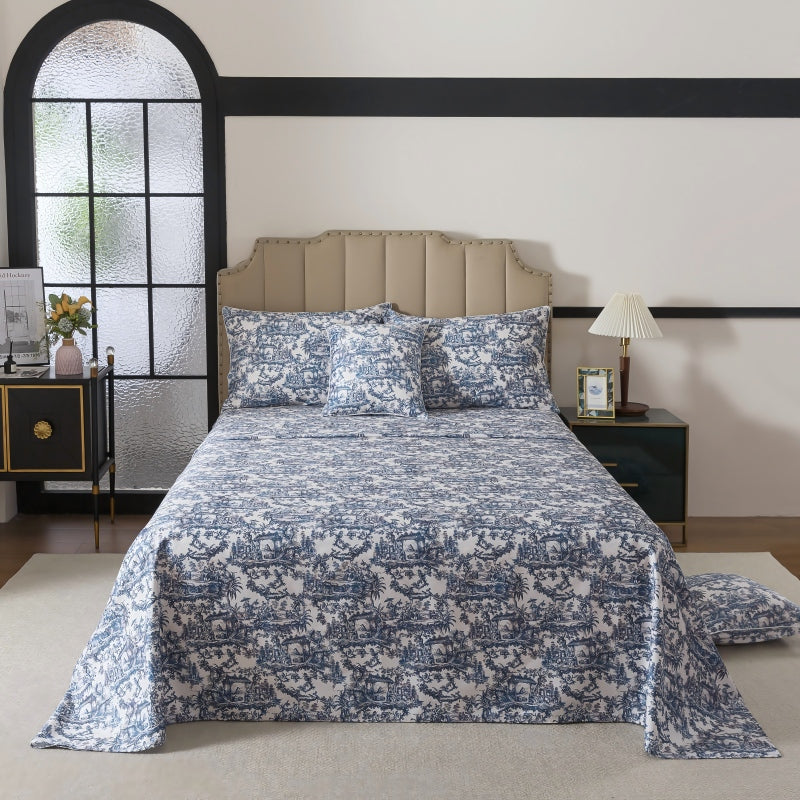
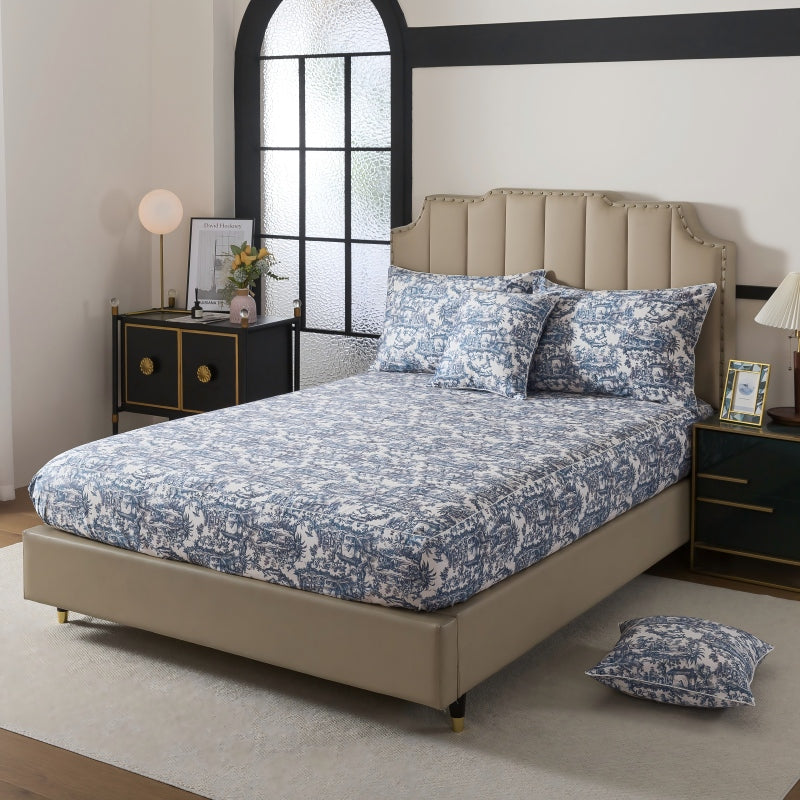
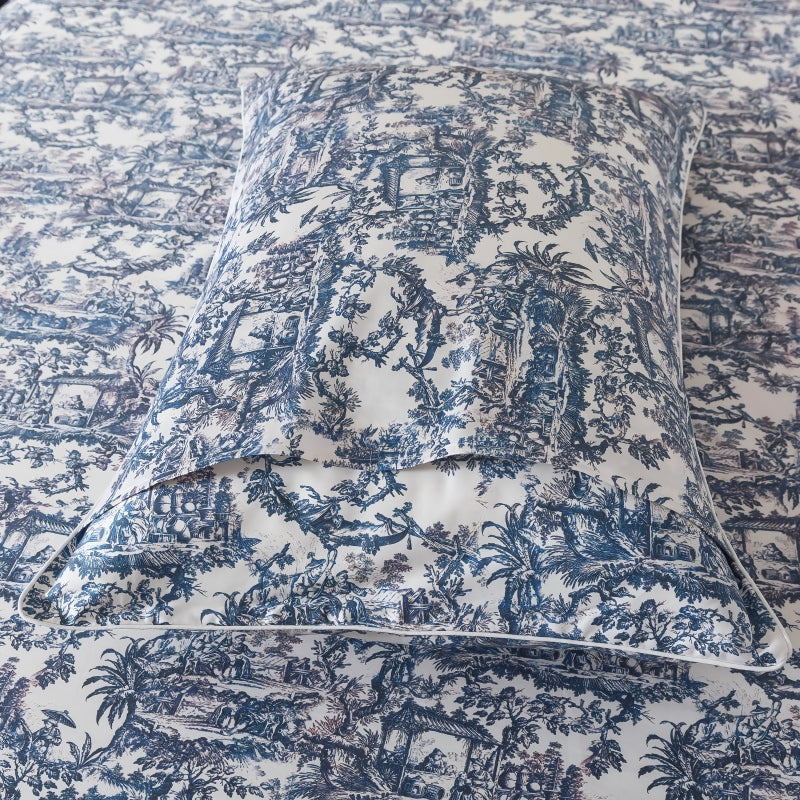
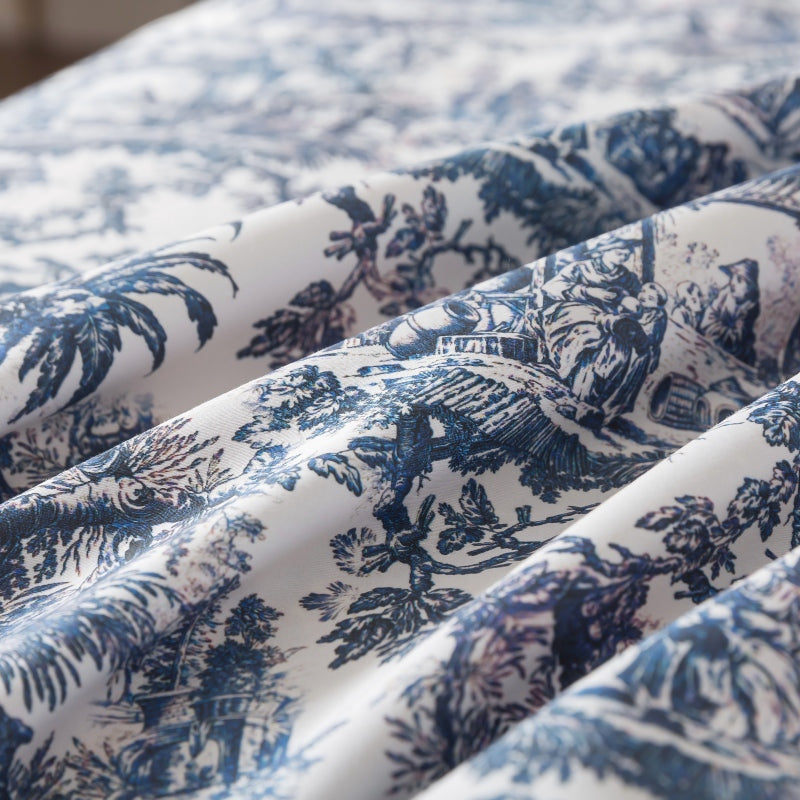
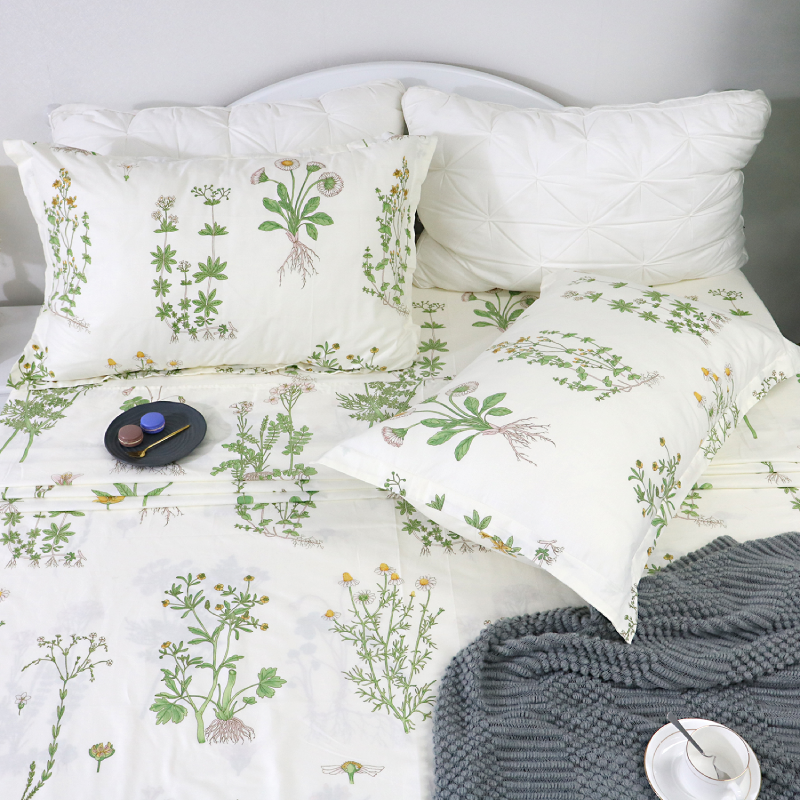
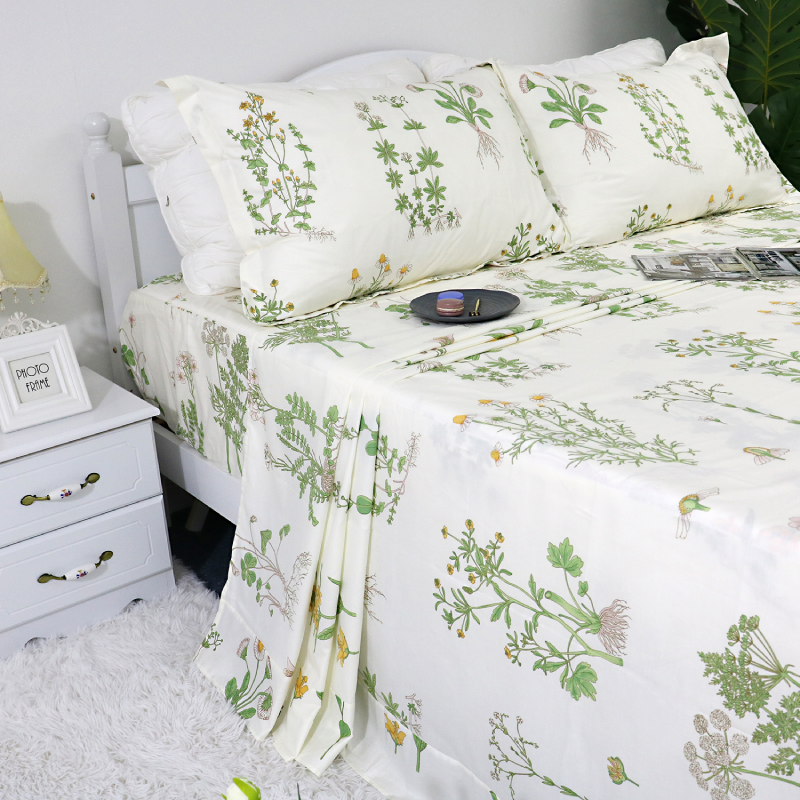
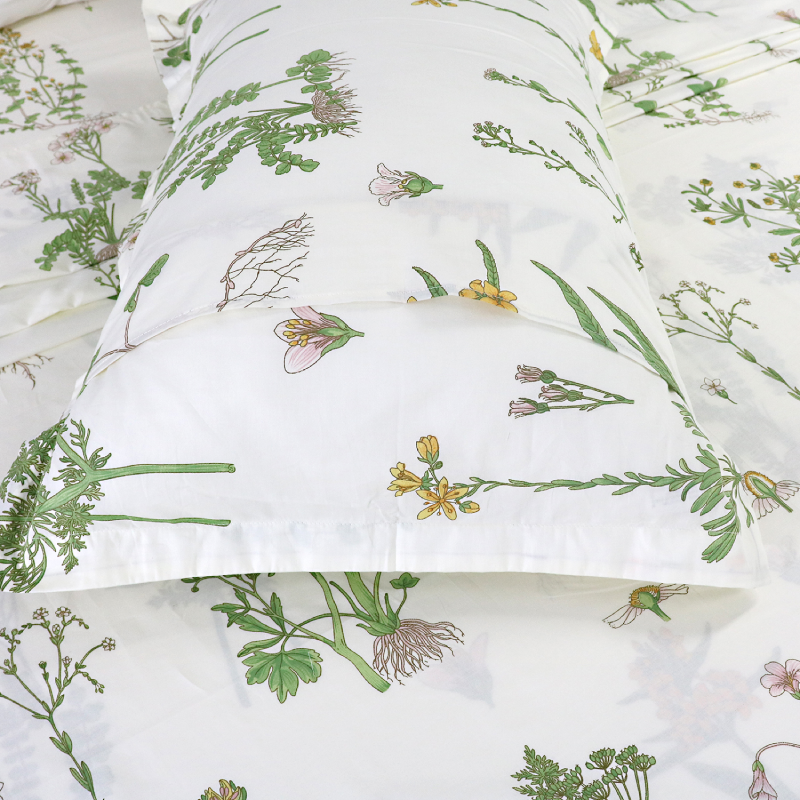
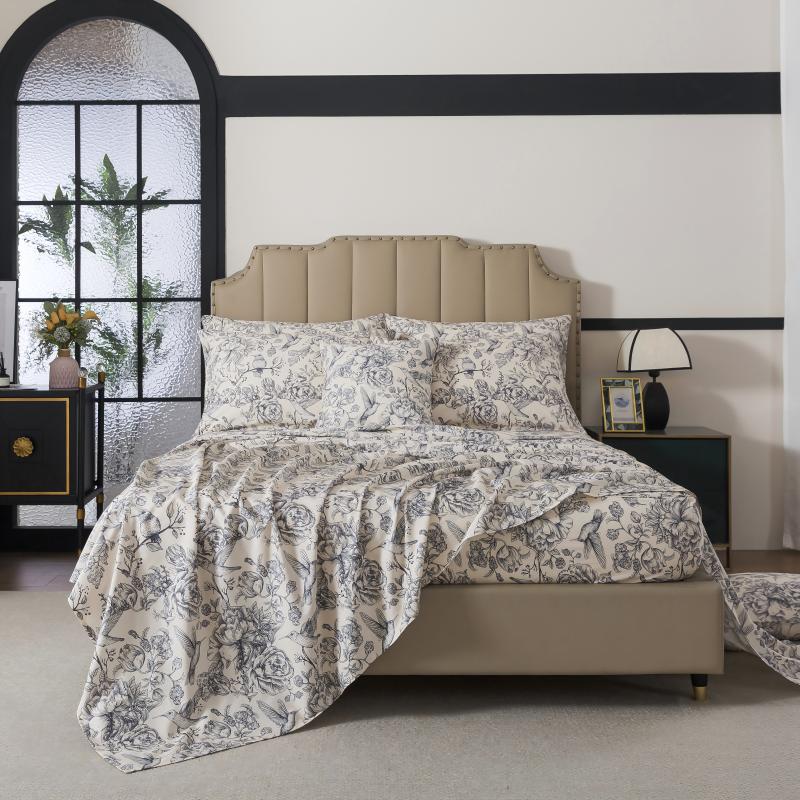
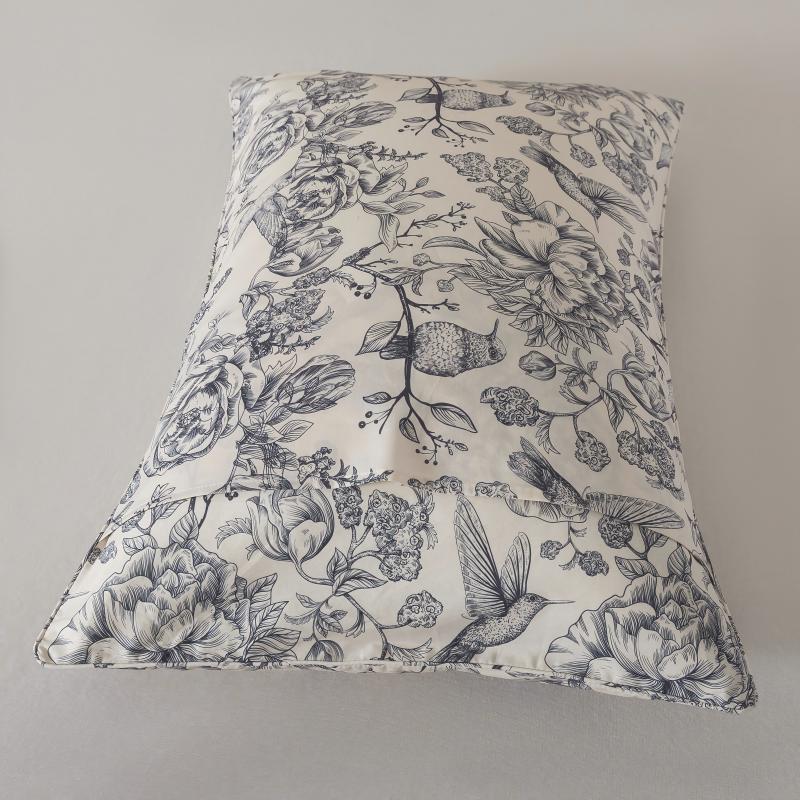
Toile and botanical patterns are excellent options for those who want a refined look without choosing something too plain. Their detailed illustrations provide visual texture, while their classic style keeps the bedroom feeling timeless.
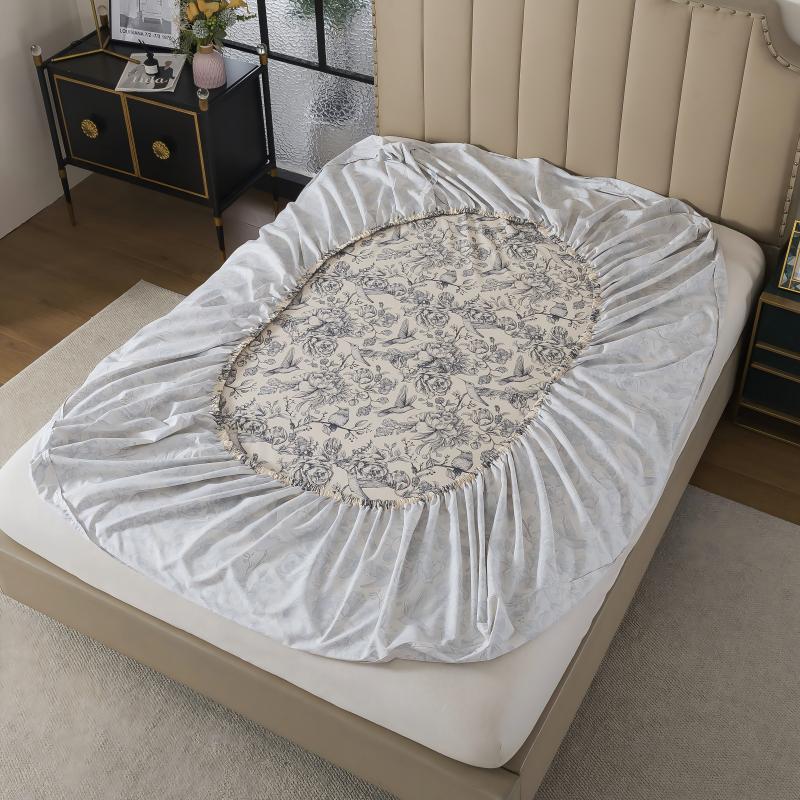
A toile duvet cover or botanical sheet set can work beautifully in cottagecore, French country, traditional, or romantic interiors. These patterns feel decorative, but they also serve a quiet practical purpose: they help reduce the visual impact of small spills, pet hair, and everyday wrinkles.
Dark Patterns Are Not Always the Best Answer
Many people assume dark bedding is the easiest way to hide stains. While deeper shades can conceal some marks, they may also show lint, dust, pet hair, and fading more clearly. A dark solid color can be just as demanding as a pale solid.
Instead of choosing the darkest option, look for balanced patterns with both light and medium tones. A soft floral with warm neutrals, muted greens, or dusty blues can often be more forgiving than a solid navy, black, or charcoal fabric.
Think About the Type of Stains You See Most
The best pattern depends on your lifestyle. If you often deal with coffee or tea spills, warm-toned prints with beige, taupe, brown, or muted floral accents may be helpful. If your concern is pet hair, avoid very dark solids and very light plain fabrics. If makeup marks are common, soft pink, cream, and floral patterns may offer better visual camouflage.
Families with children may benefit from playful botanical or garden-inspired patterns, which naturally hide small smudges and keep the room feeling cheerful. For adult bedrooms, paisley, toile, or romantic florals can offer the same practical advantage in a more elegant way.
Fabric Still Matters
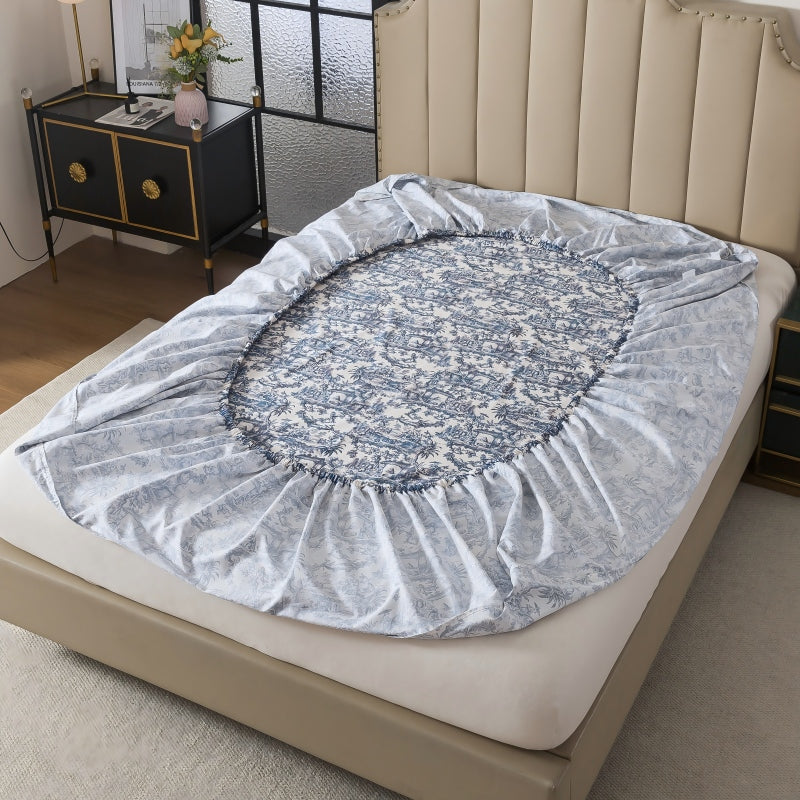
Pattern helps visually, but fabric quality affects how easy bedding is to clean and maintain. Breathable cotton is a strong choice for everyday bedding because it feels comfortable against the skin and is suitable for regular washing. A soft cotton duvet cover, quilt set, or sheet set can support daily comfort while remaining practical for real homes.
When choosing bedding, look beyond the print. Consider softness, breathability, durability, and care instructions. A beautiful pattern works best when paired with fabric that can handle frequent use.
Create a Room That Welcomes Real Life
A bedroom should not feel like a showroom where nothing can be touched. It should feel lived in, restful, and forgiving. Patterned bedding allows you to enjoy beauty without worrying about every small accident. It brings personality to the room while quietly helping with the realities of everyday living.
Choosing the right pattern is not about hiding mess forever. It is about making your home easier to enjoy between washes, cleanups, and busy days. With the right floral, toile, paisley, or botanical print, your bedding can stay beautiful while still welcoming the spills, snuggles, and small imperfections that come with real life.
In the end, the most practical bedding is not always the plainest. Sometimes, the smartest choice is a pattern full of movement, color, and charm—one that understands life happens and looks lovely anyway.