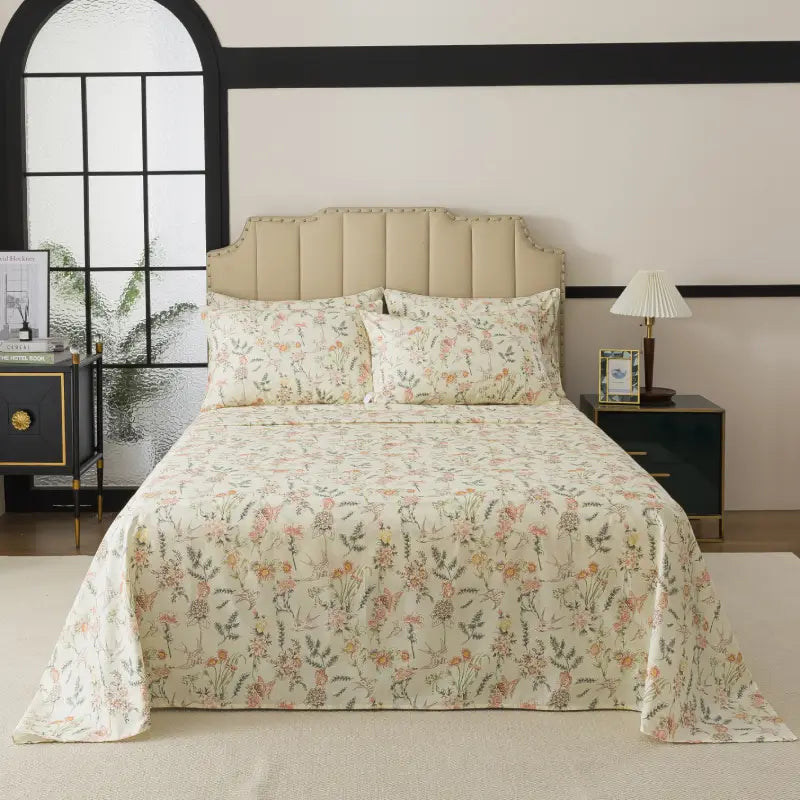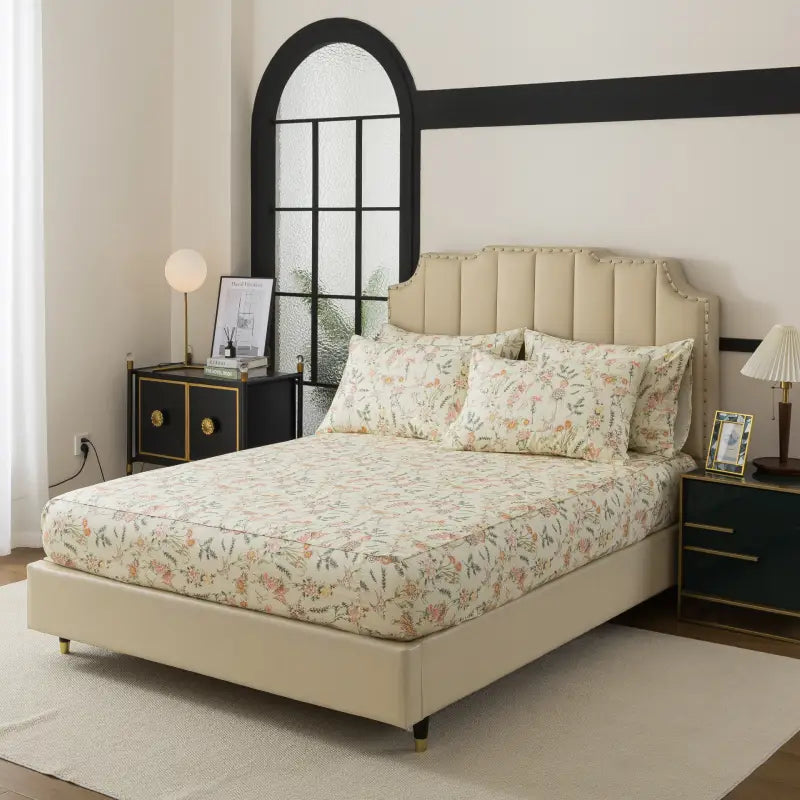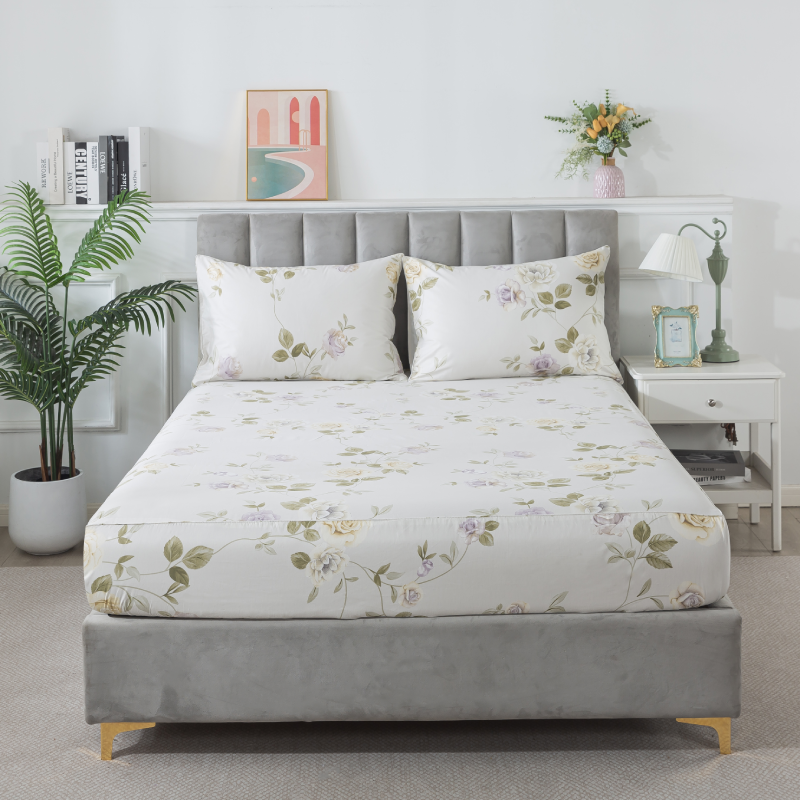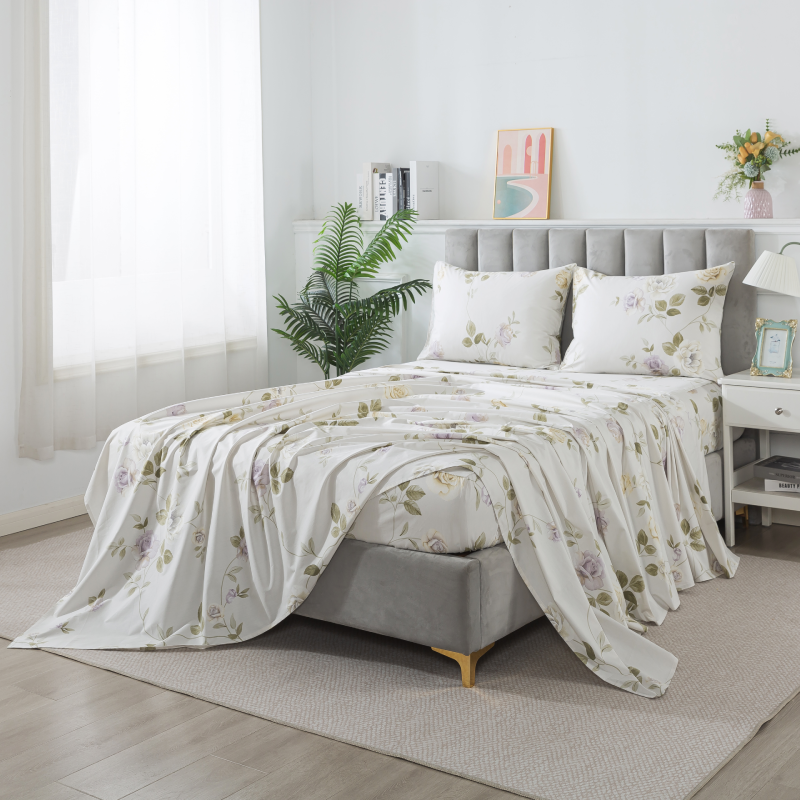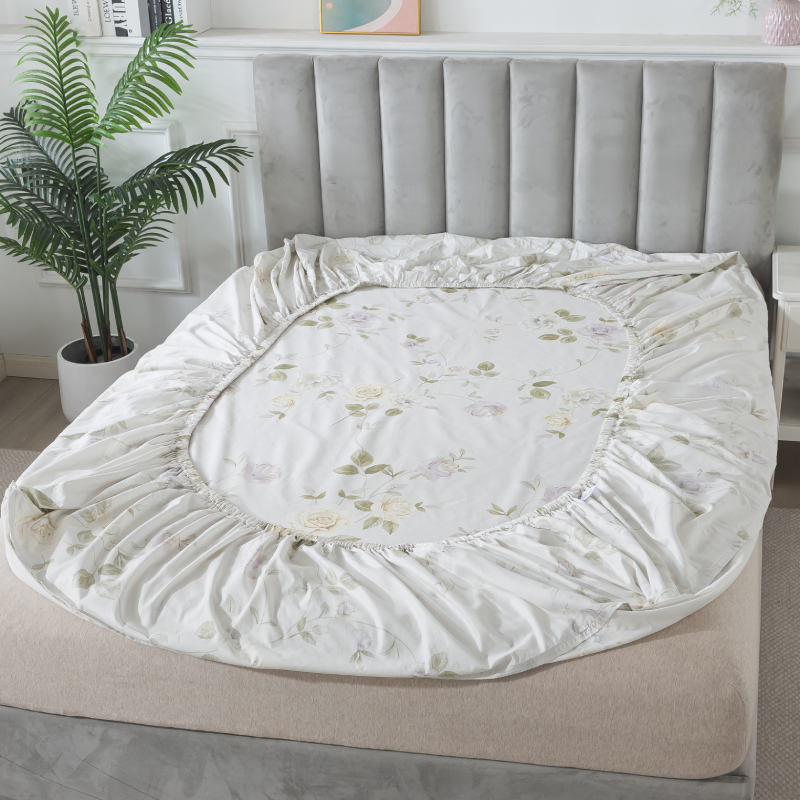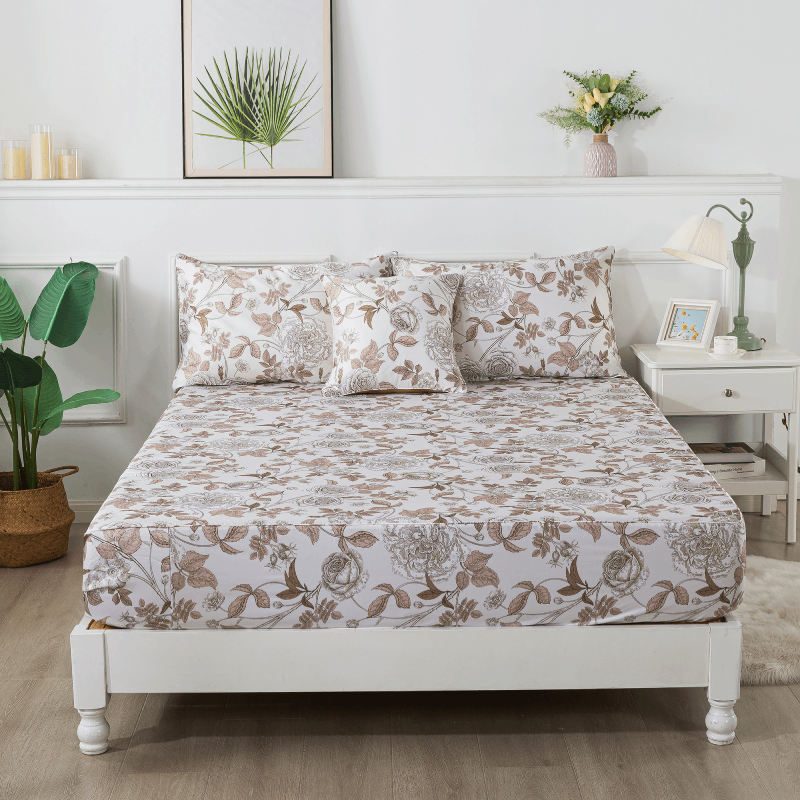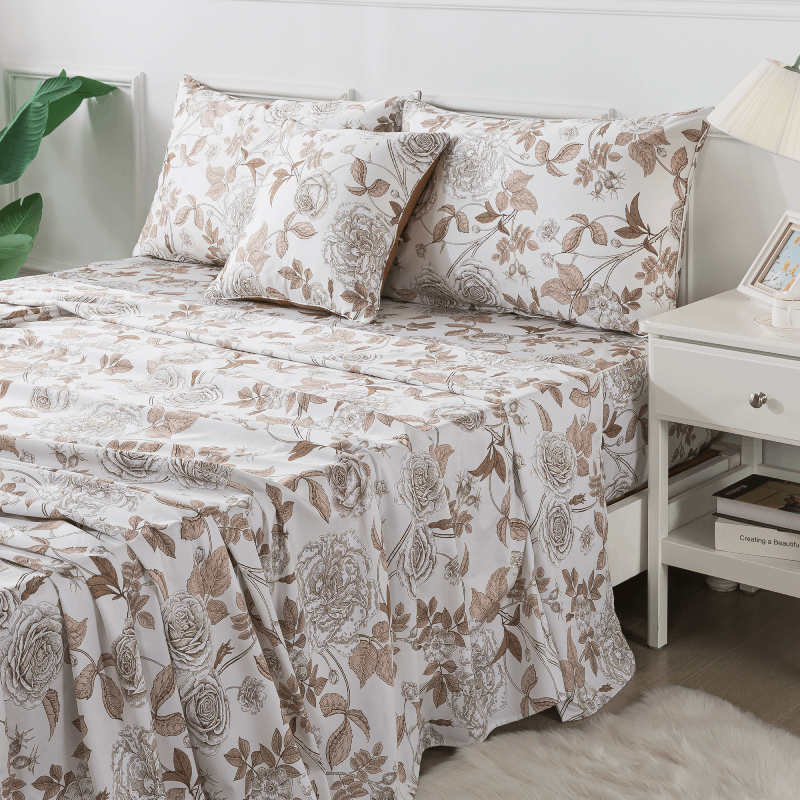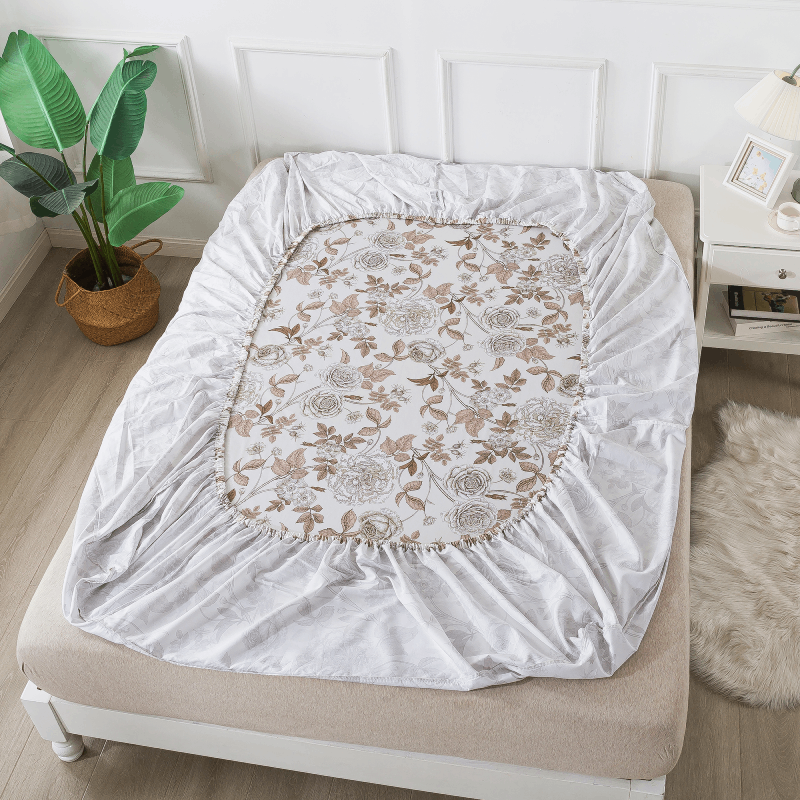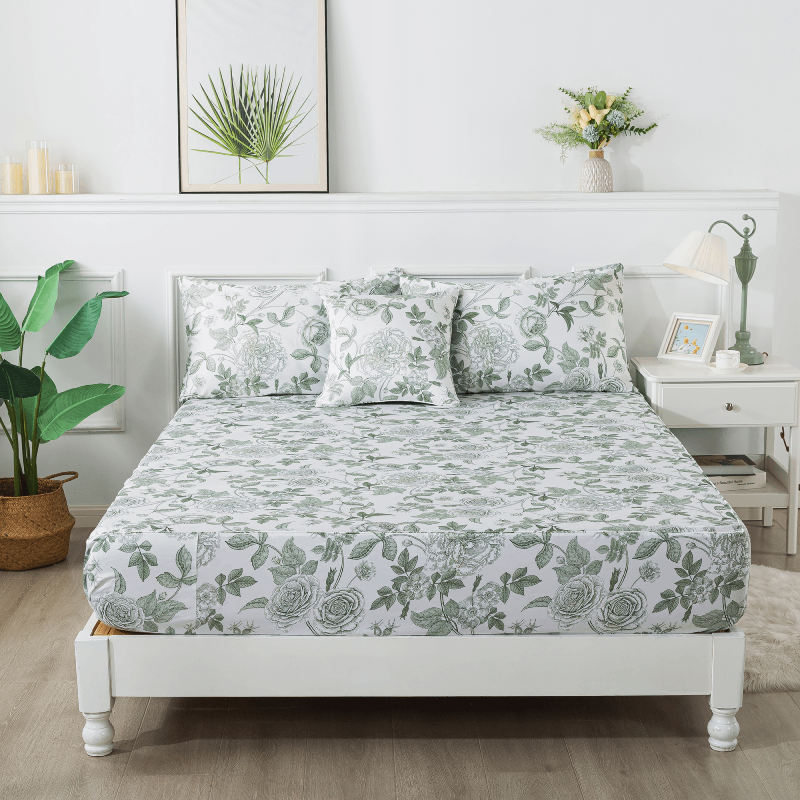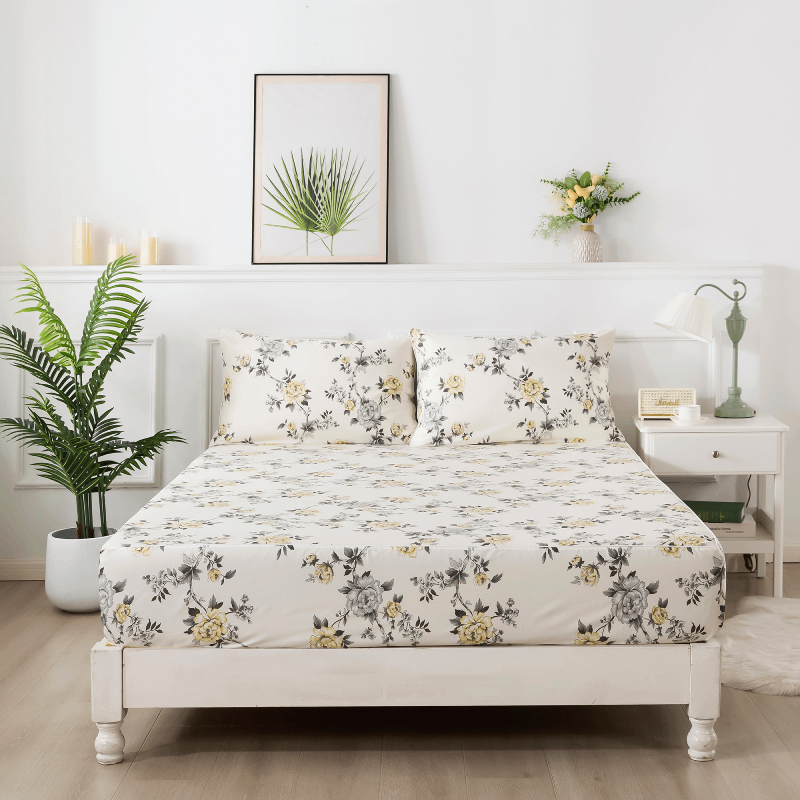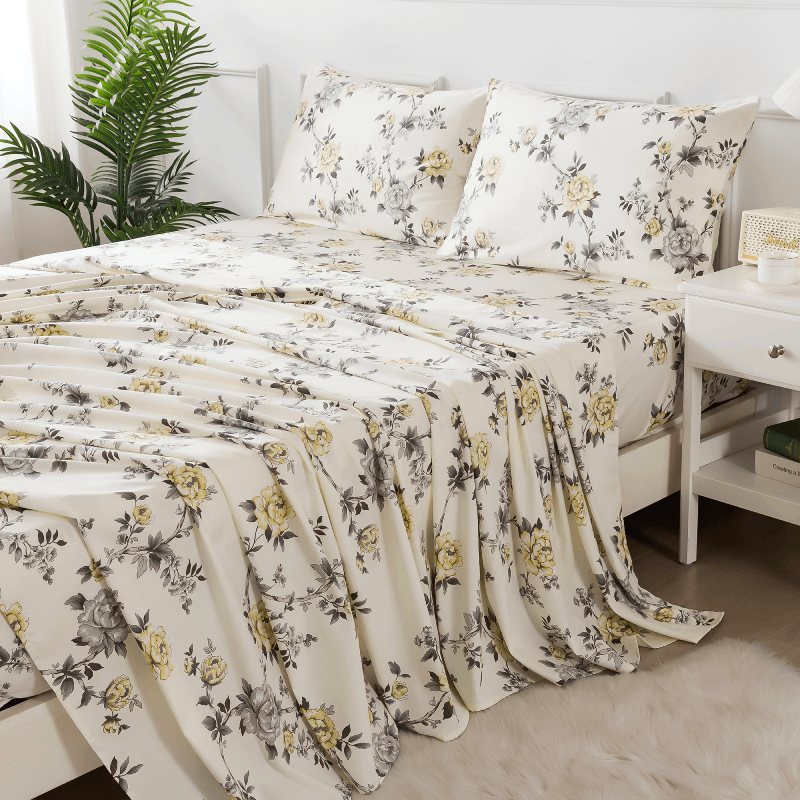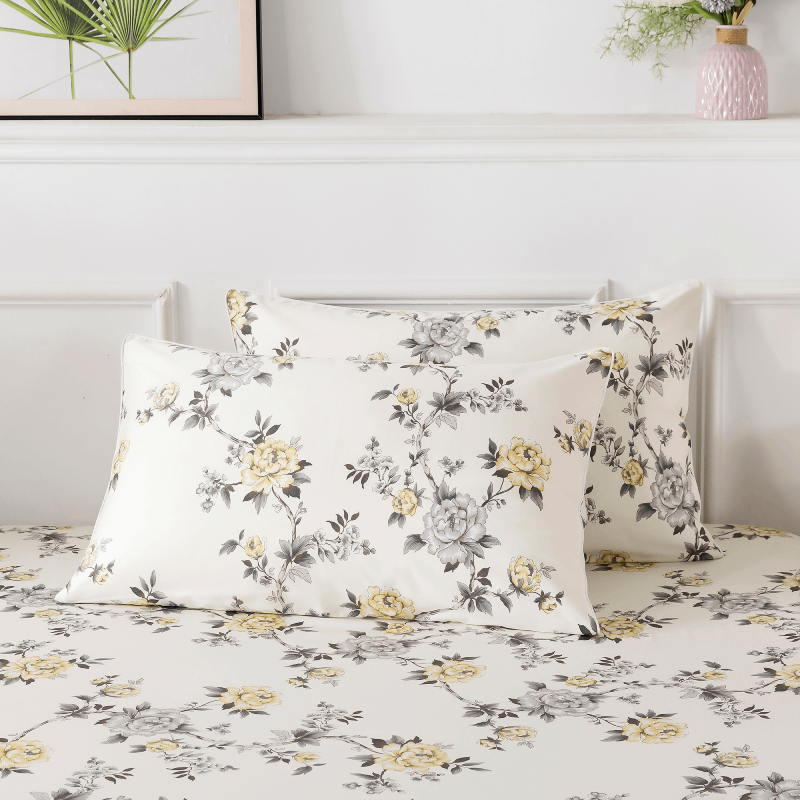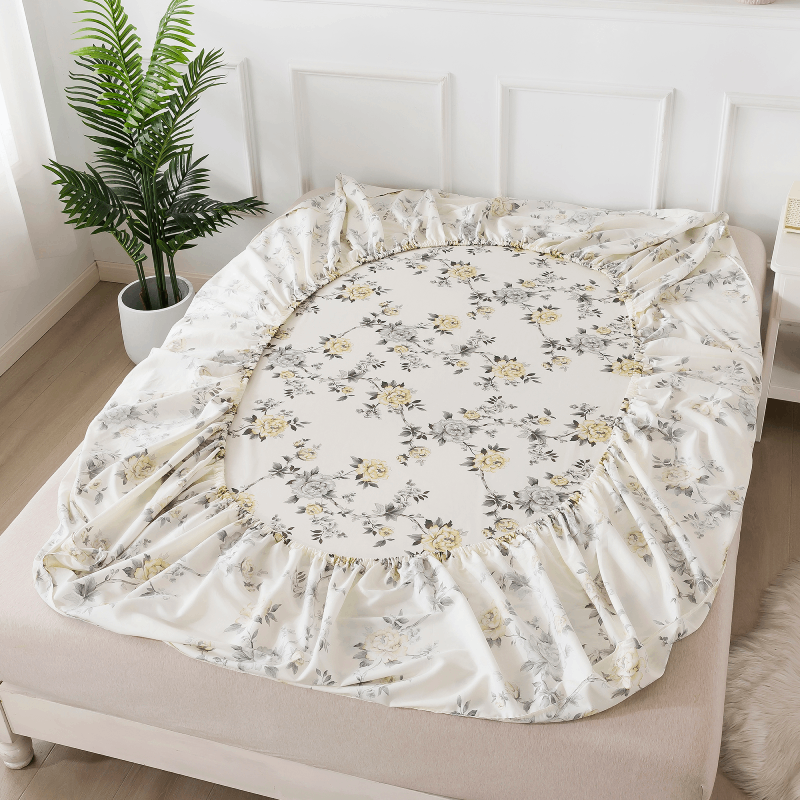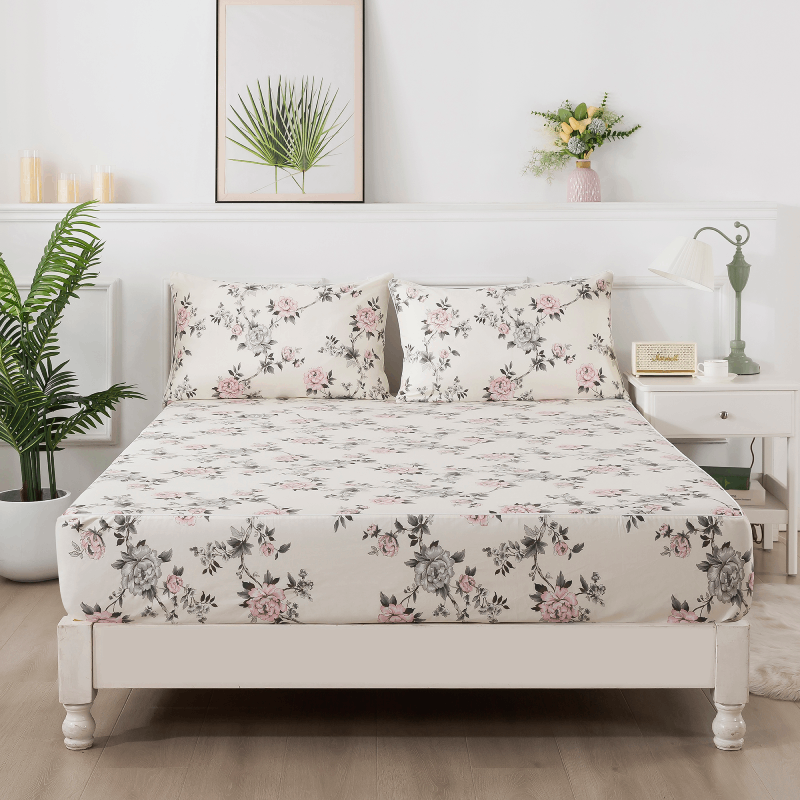
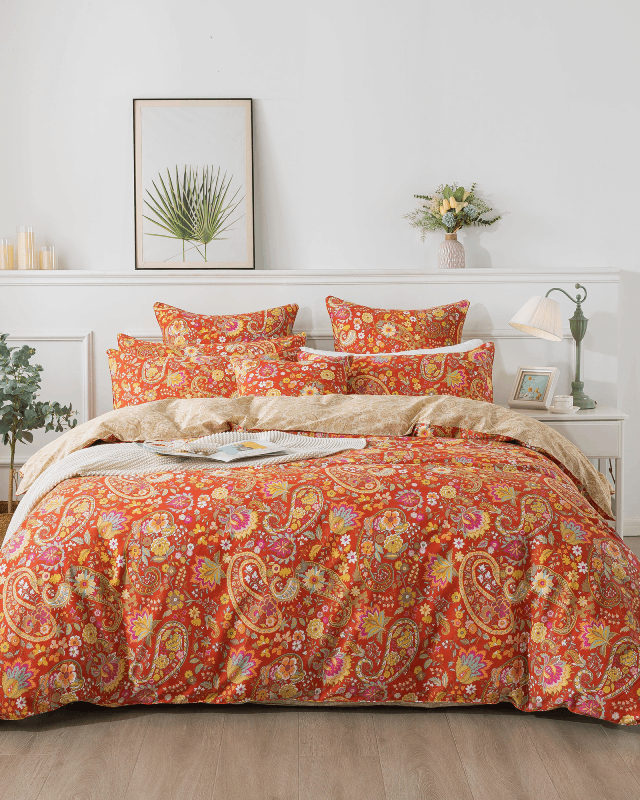


Minimalism has shaped modern interiors for years. Clean lines, neutral palettes, and uncluttered spaces offer clarity and calm in a fast-paced world. Yet as many homes settle into this aesthetic, a quiet question often emerges: why does the space feel composed, but not quite complete? The answer is not to abandon minimalism, but to soften it. Subtle florals offer one of the most natural ways to add warmth without sacrificing simplicity.
When Minimalism Starts to Feel Distant
Minimalist interiors excel at restraint, but restraint can sometimes drift into emotional distance. Rooms dominated by solid colors and sharp geometry may look refined, yet feel impersonal over time. This is especially true in spaces meant for rest and connection, such as bedrooms and living areas.
What these spaces often lack is softness—visual cues that suggest comfort, familiarity, and life. Subtle florals introduce exactly that, without overwhelming the clean foundation minimalism provides.
Subtle Florals as a Gentle Counterbalance
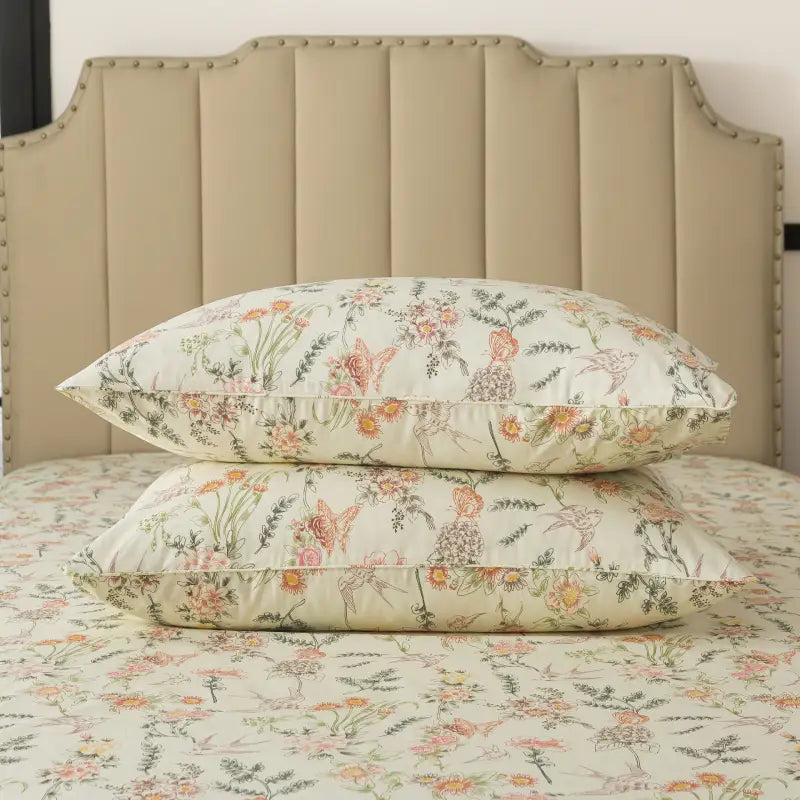
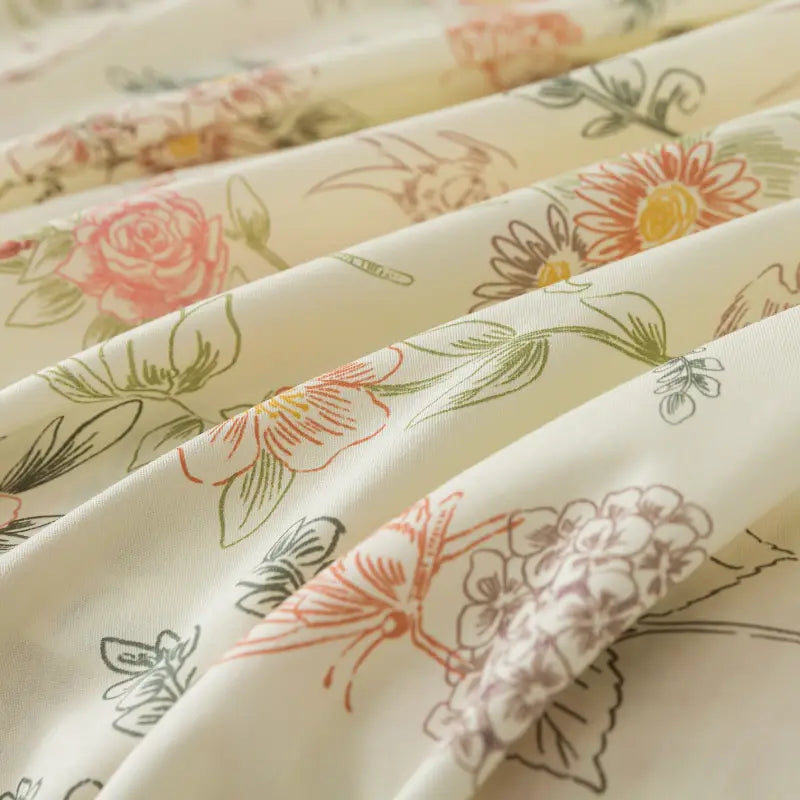
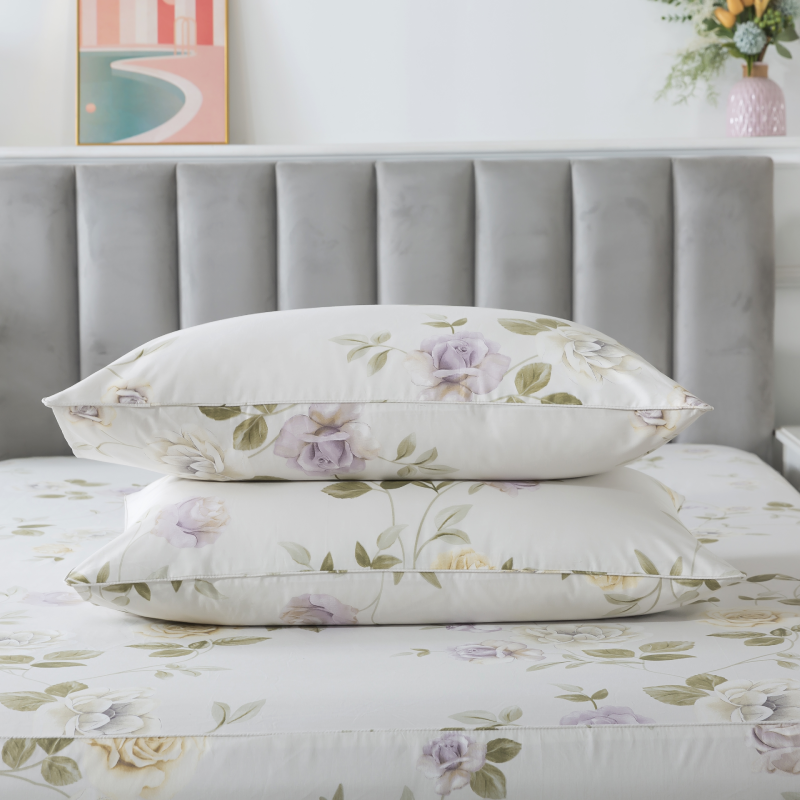
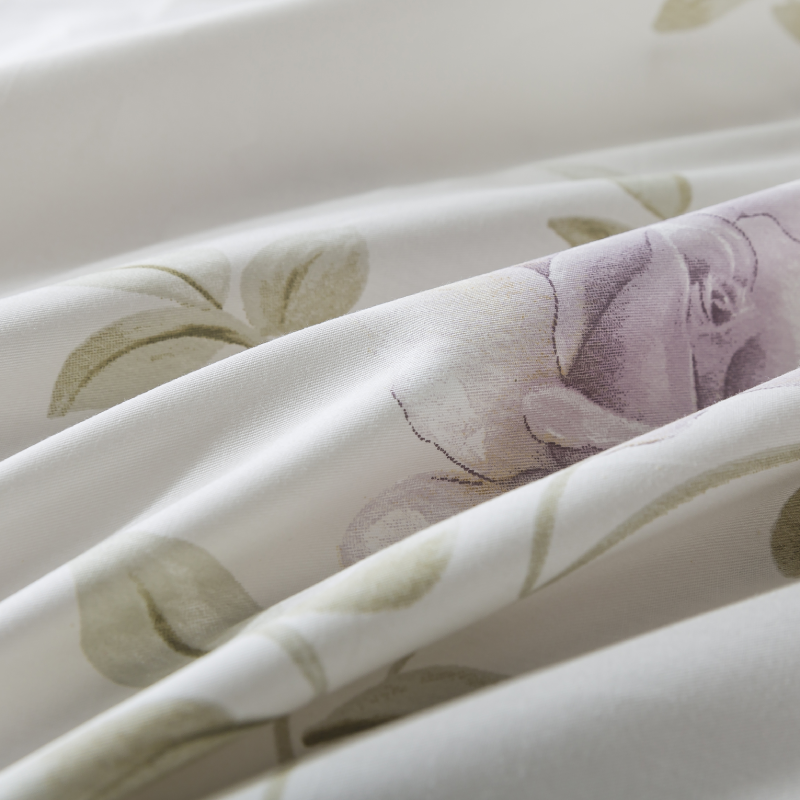
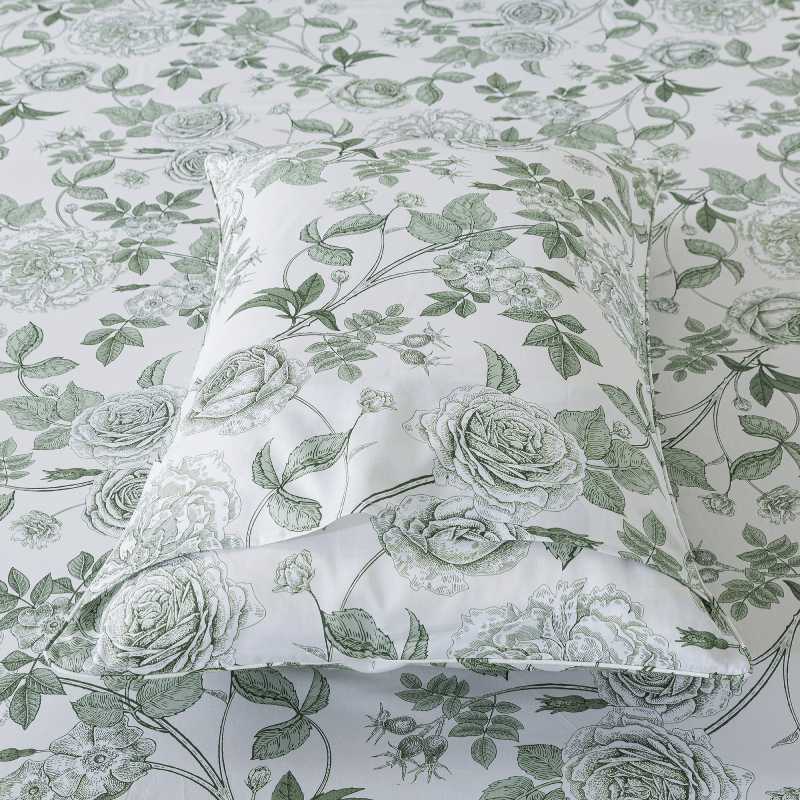
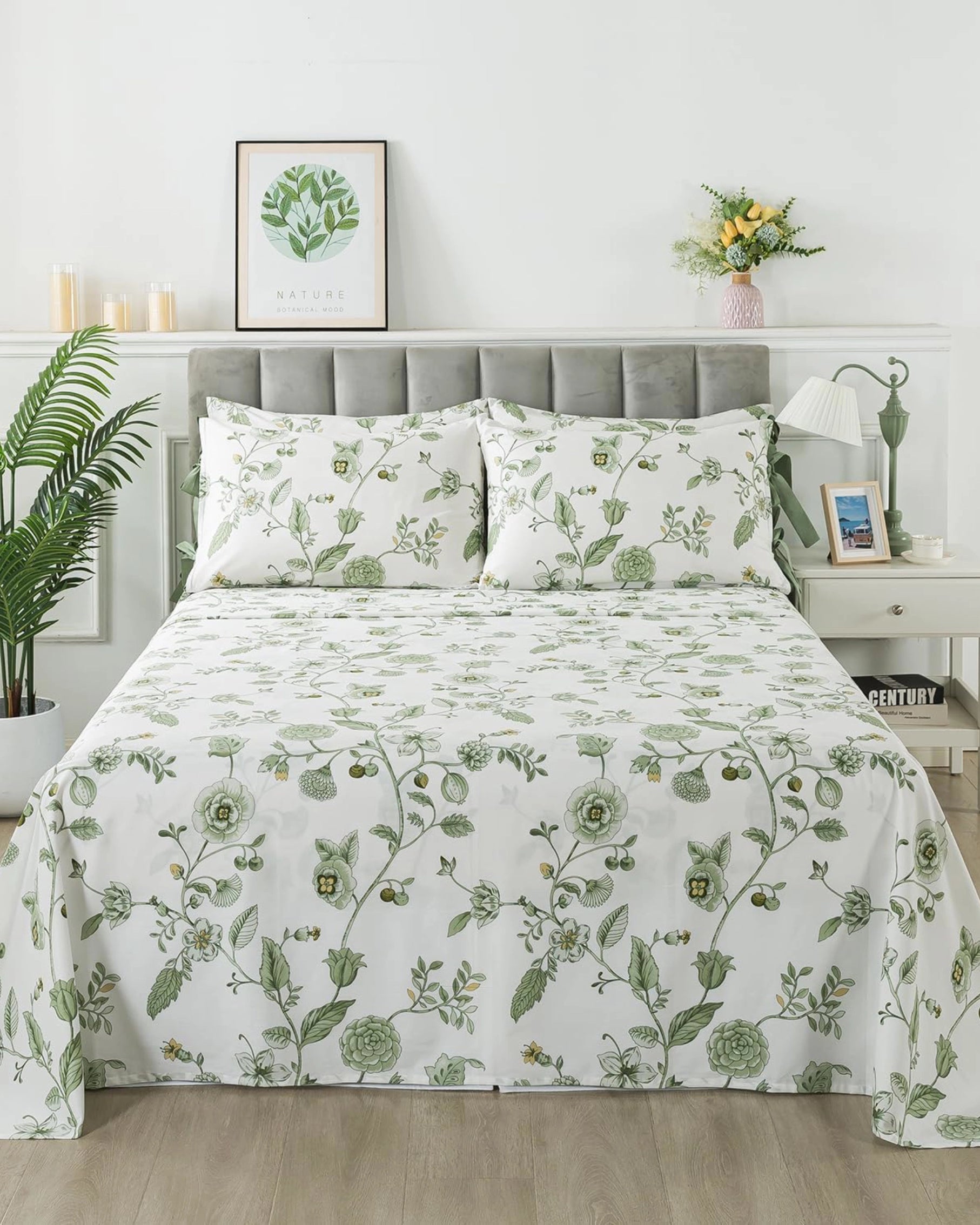
Florals do not need to be bold to be effective. In fact, the most successful florals in minimalist homes are those that almost disappear into the background. Muted color palettes, delicate line work, and loosely spaced motifs allow floral patterns to coexist peacefully with minimal design principles.
Instead of acting as a statement, these florals behave like texture. They soften surfaces, reduce visual rigidity, and create a sense of ease. The space remains calm, but becomes warmer and more inviting.

Adding Warmth Without Adding Clutter
One of the concerns minimalist homeowners often have is visual noise. Subtle florals address this by distributing interest evenly rather than concentrating it in one bold element.
A softly patterned quilt, a pair of floral cushions, or a lightly printed rug introduces variation without clutter. The pattern breaks up large areas of solid color, helping the eye move more comfortably through the room. The effect is quiet but transformative.
The Role of Color in Softening Minimalism
Color choice determines whether florals feel harmonious or disruptive. Subtle florals typically rely on a restrained palette—washed blues, warm ivories, dusty greens, and gentle earth tones. These colors echo the neutral base of minimalist interiors while adding depth.
Because the contrast remains low, the floral pattern blends rather than competes. It feels integrated into the space, not layered on top of it.
Emotional Warmth Through Familiar Forms
Florals carry an inherent sense of familiarity. Even abstracted or simplified, they reference nature, growth, and softness. This connection introduces emotional warmth that pure minimalism sometimes lacks.
In a bedroom, this warmth can change how the space is experienced. The room no longer feels like a carefully curated image, but like a place meant to be lived in. Over time, this emotional comfort becomes more valuable than visual precision.
Texture, Fabric, and the Lived-In Effect
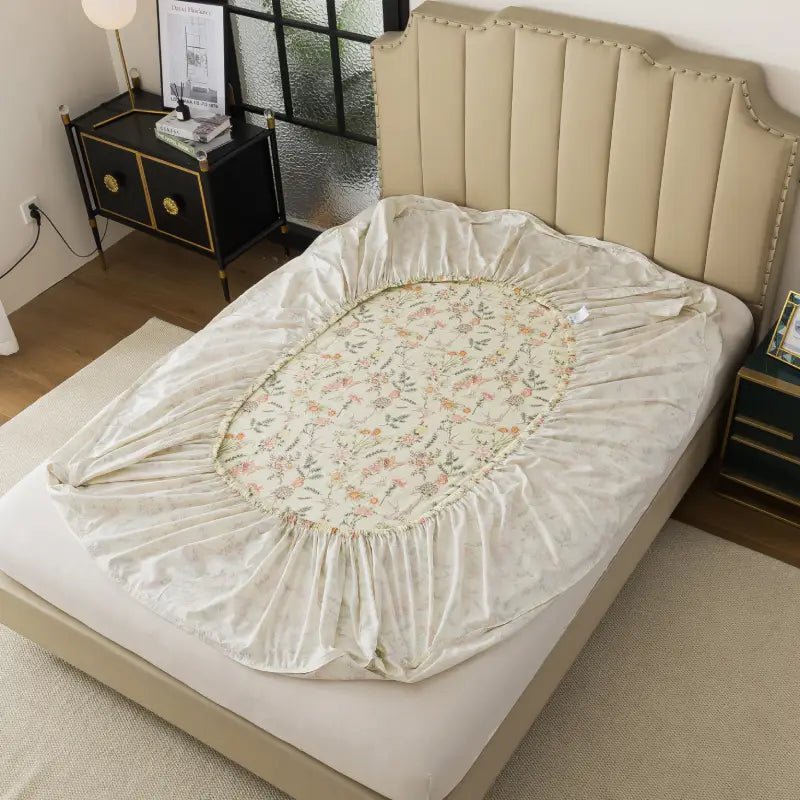
Subtle florals are most effective when paired with natural, breathable fabrics. Cotton, linen, and softly textured weaves absorb patterns gently, preventing them from appearing sharp or graphic.
As these materials relax with use, the floral design becomes even softer. This evolution aligns beautifully with the minimalist preference for quality over excess—pieces that age well and grow more comfortable over time.
Where Subtle Florals Work Best
Florals do not need to appear everywhere to make an impact. In minimalist homes, restraint is still key. Bedding, throws, and upholstered accents are ideal entry points because they are easy to change and highly tactile.
By limiting florals to a few carefully chosen elements, the overall composition remains clean while gaining warmth and personality.
Redefining Minimalism, Not Replacing It
Moving beyond minimalism does not mean rejecting it. It means allowing it to evolve. Subtle florals do not dilute minimalist values; they refine them by introducing softness, humanity, and balance.
The result is a home that still feels intentional and uncluttered, but no longer distant. A space that looks calm—and feels welcoming.