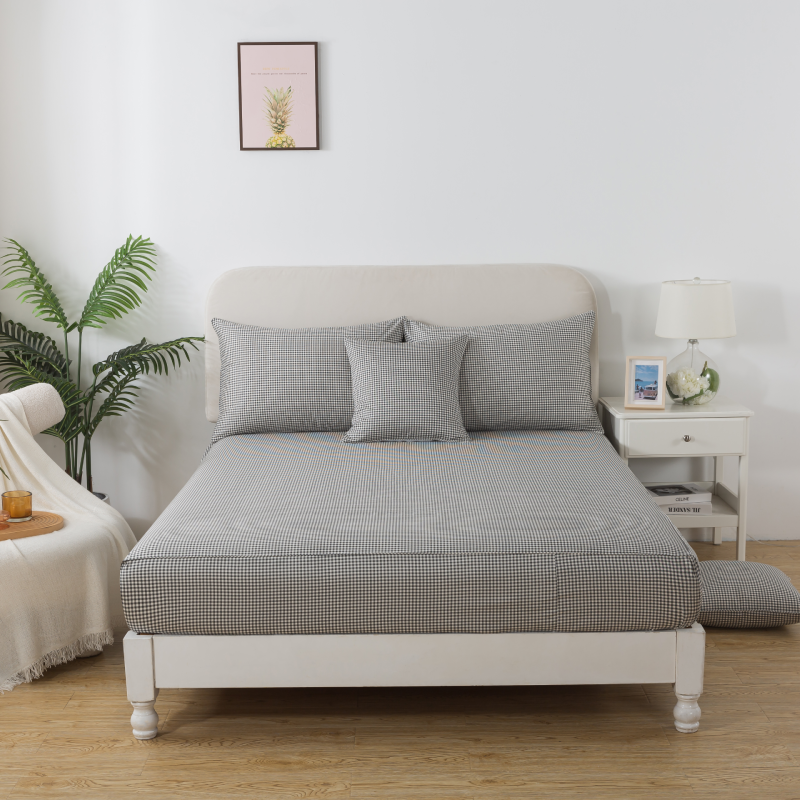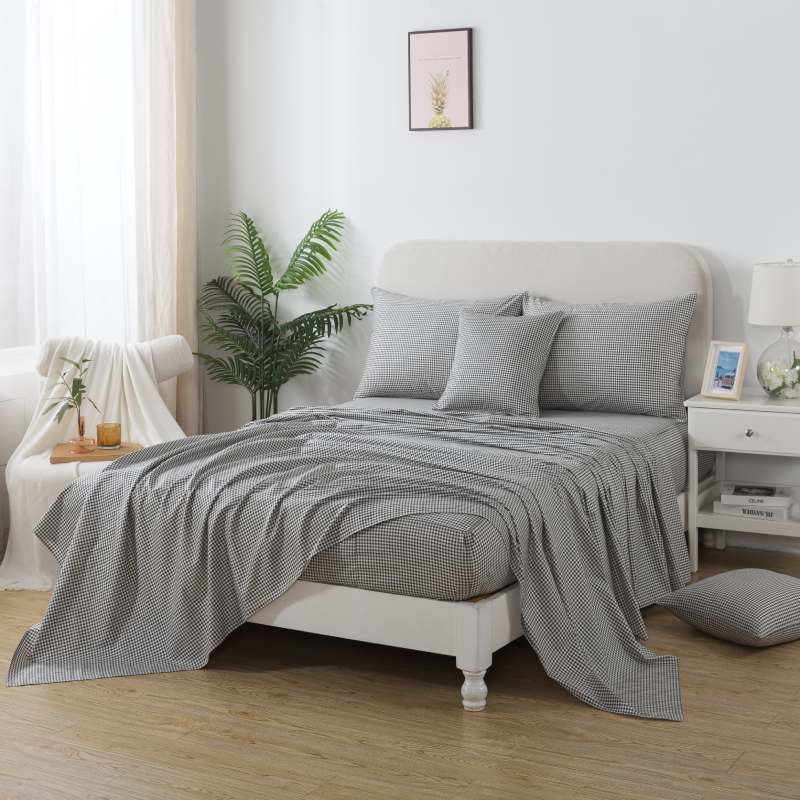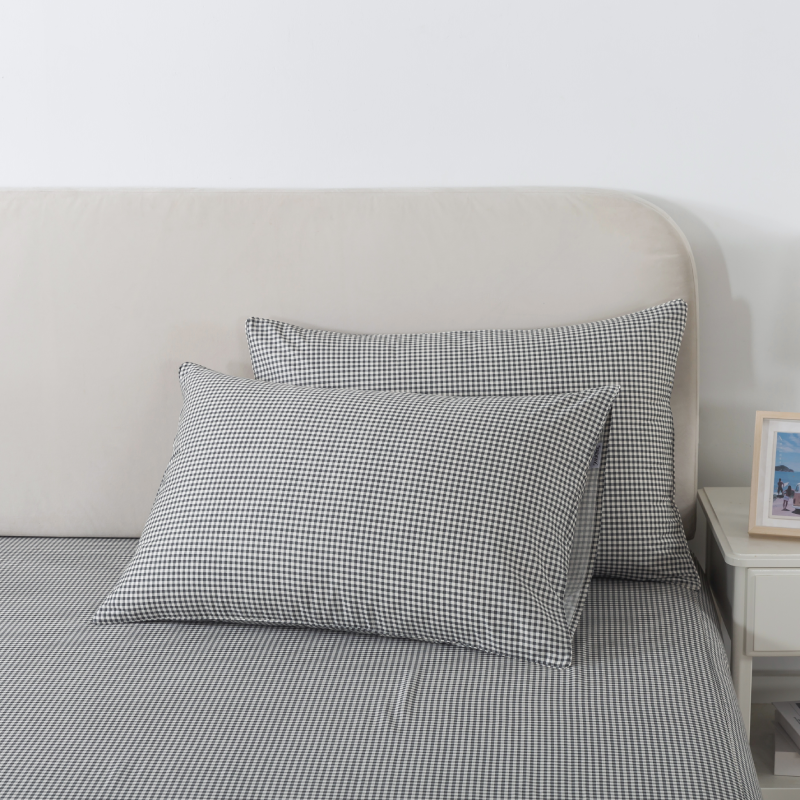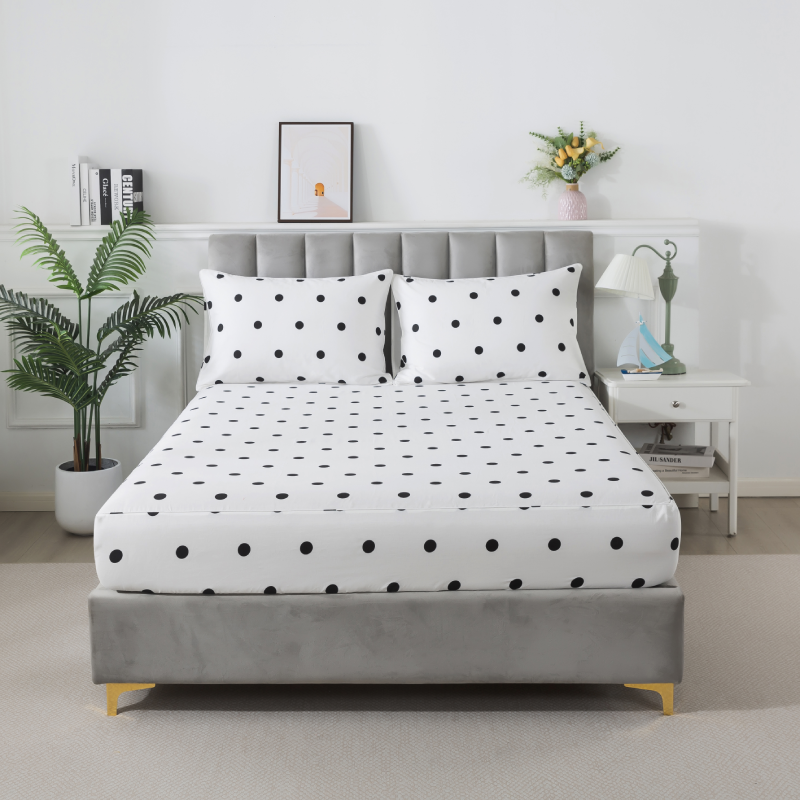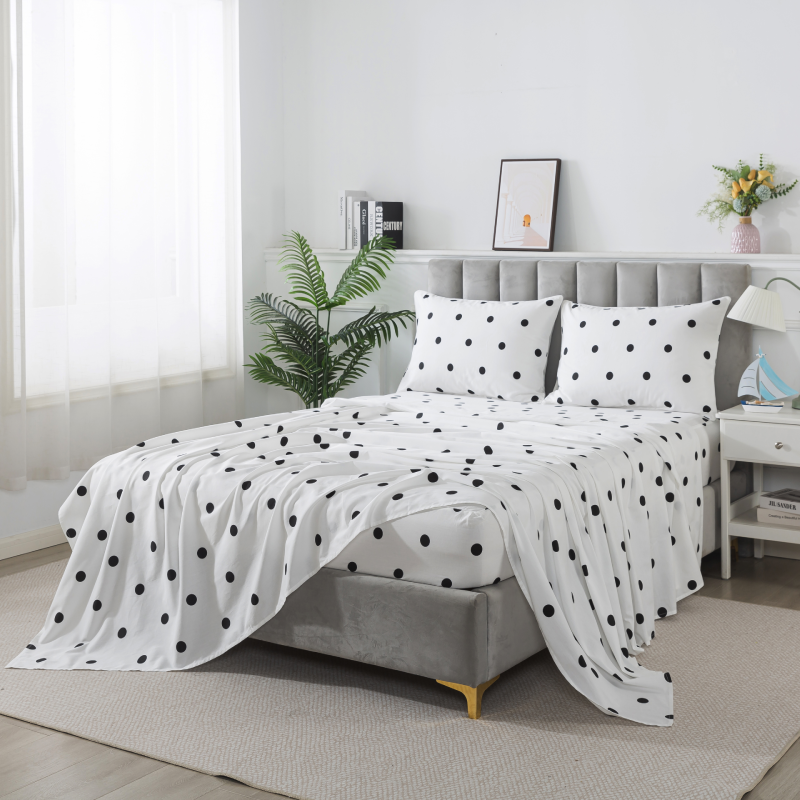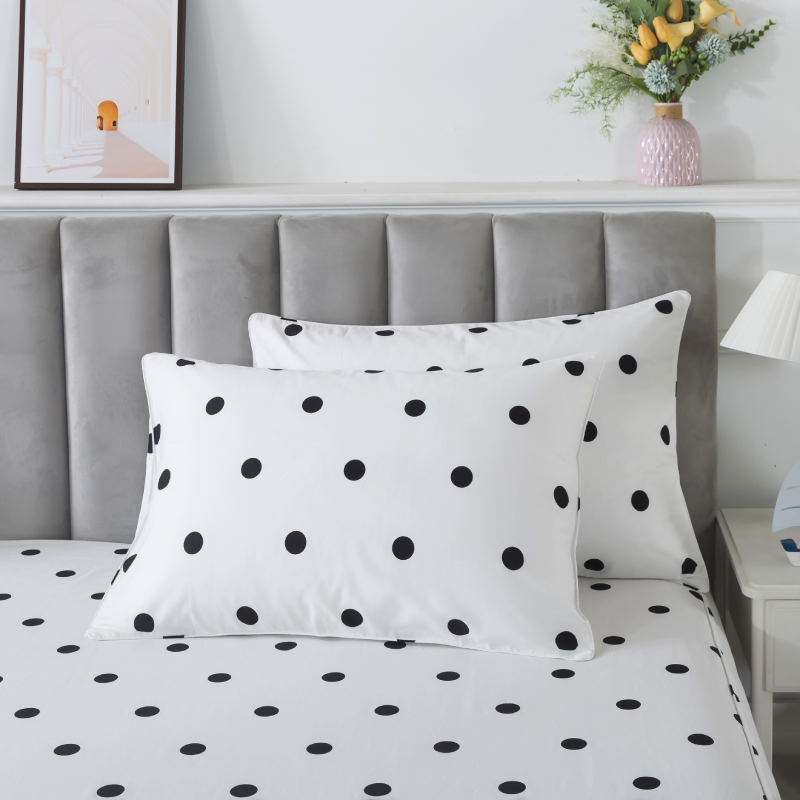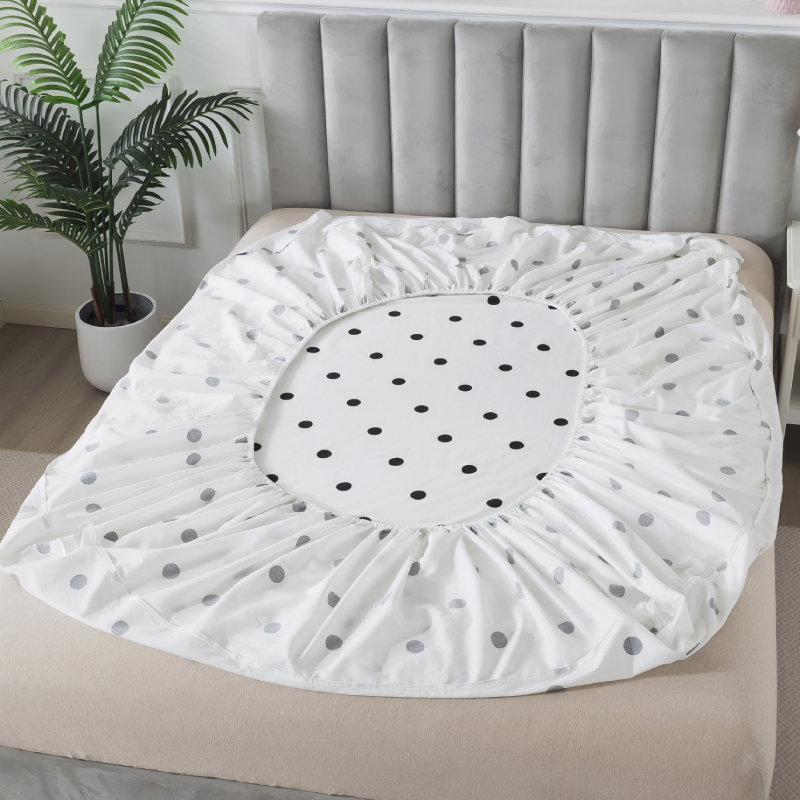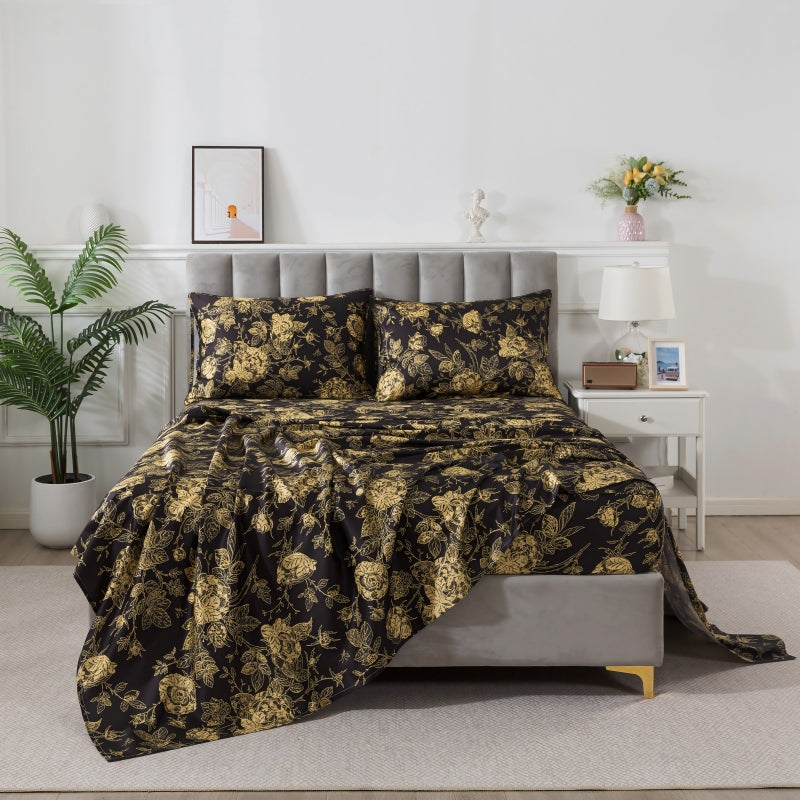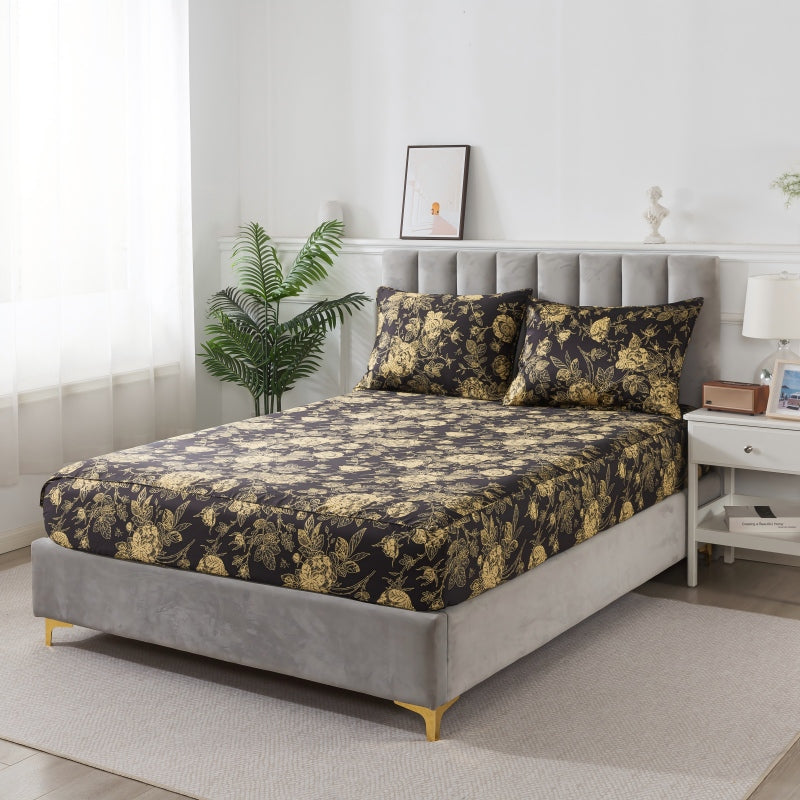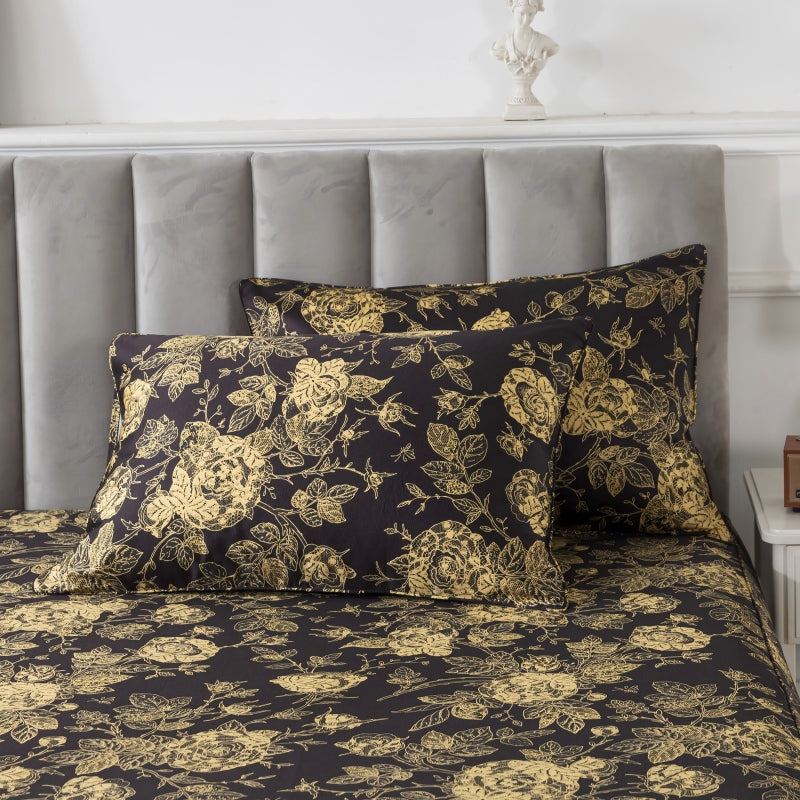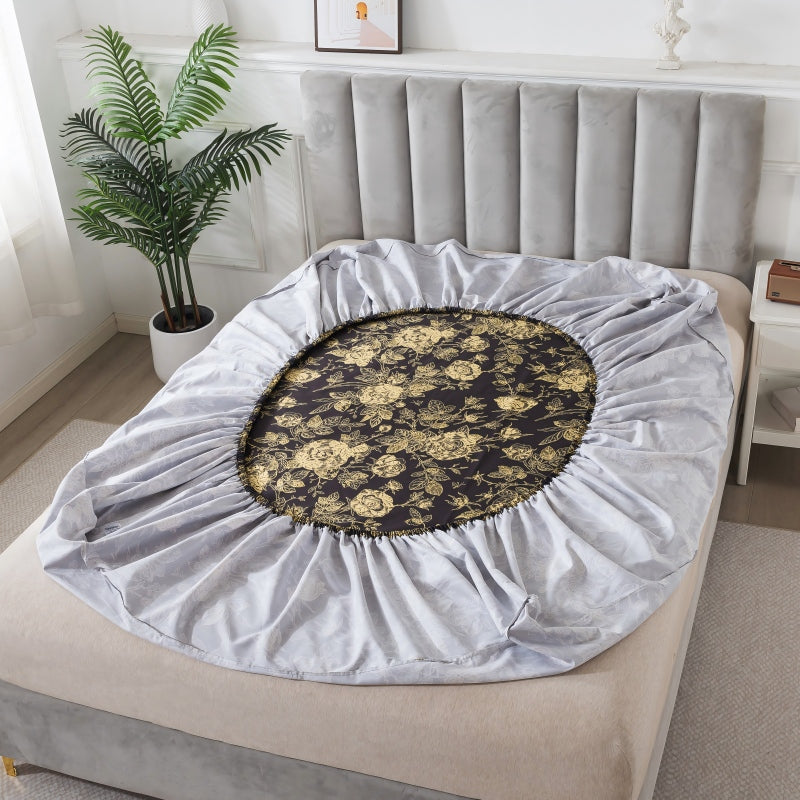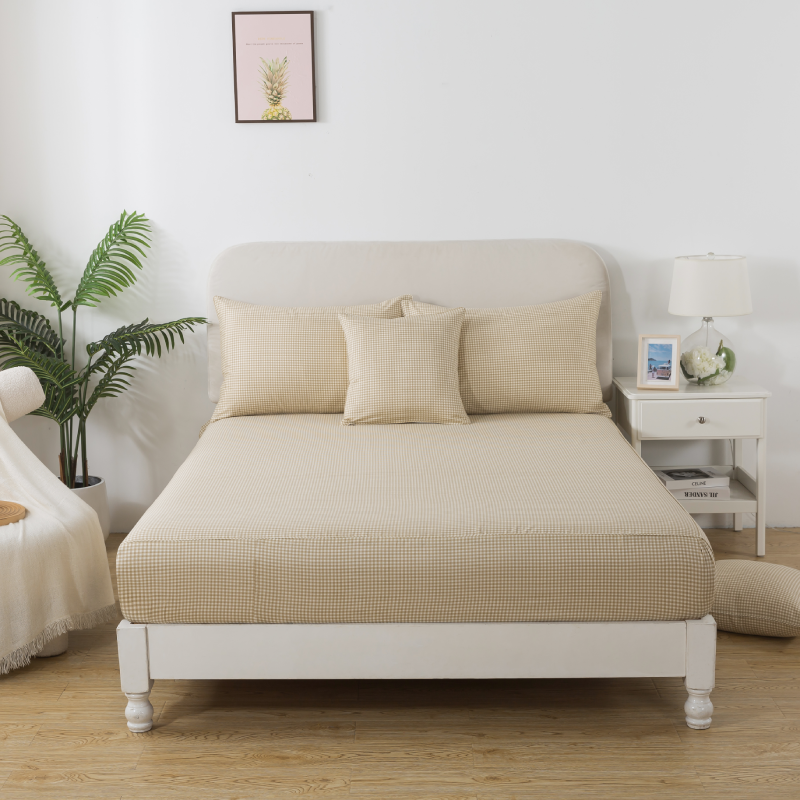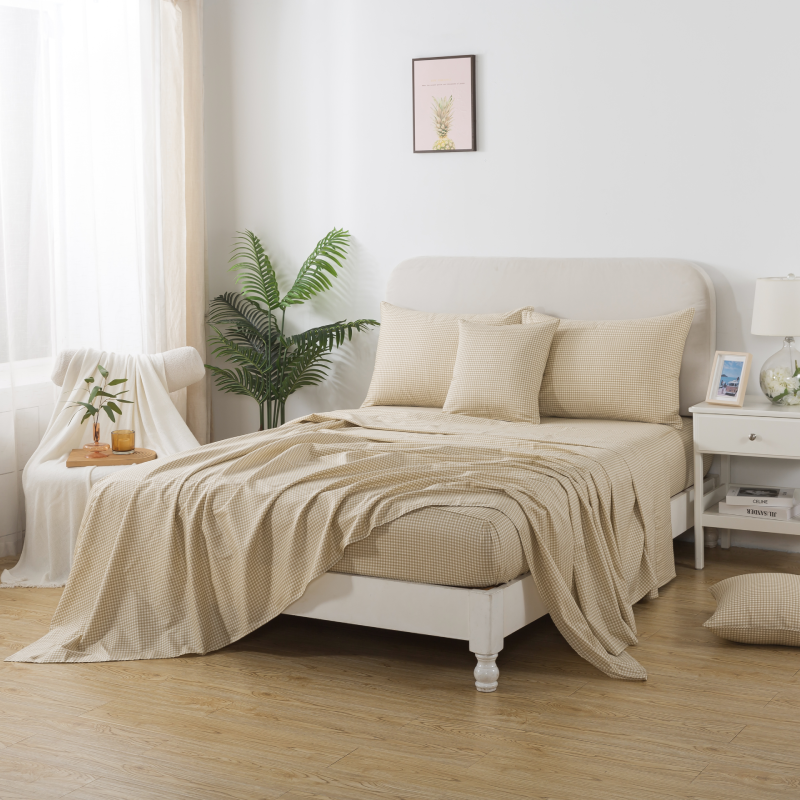
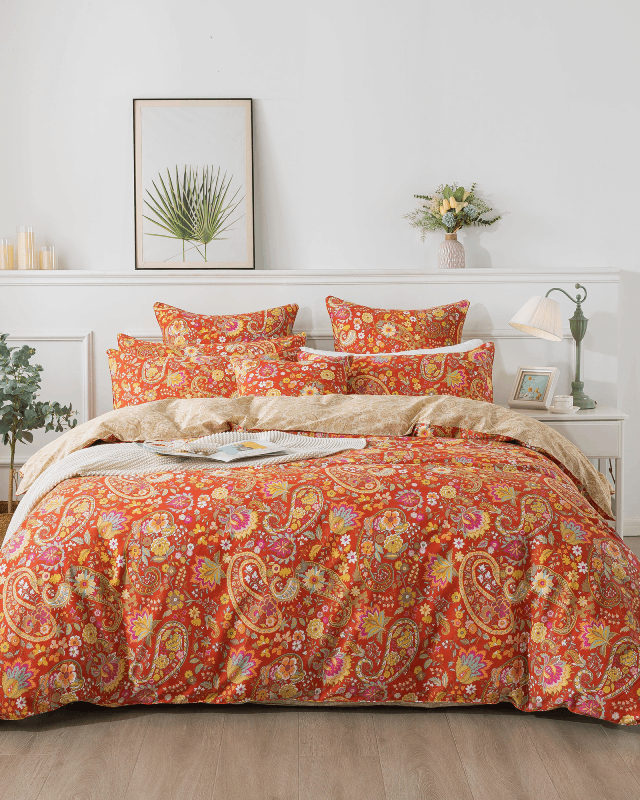
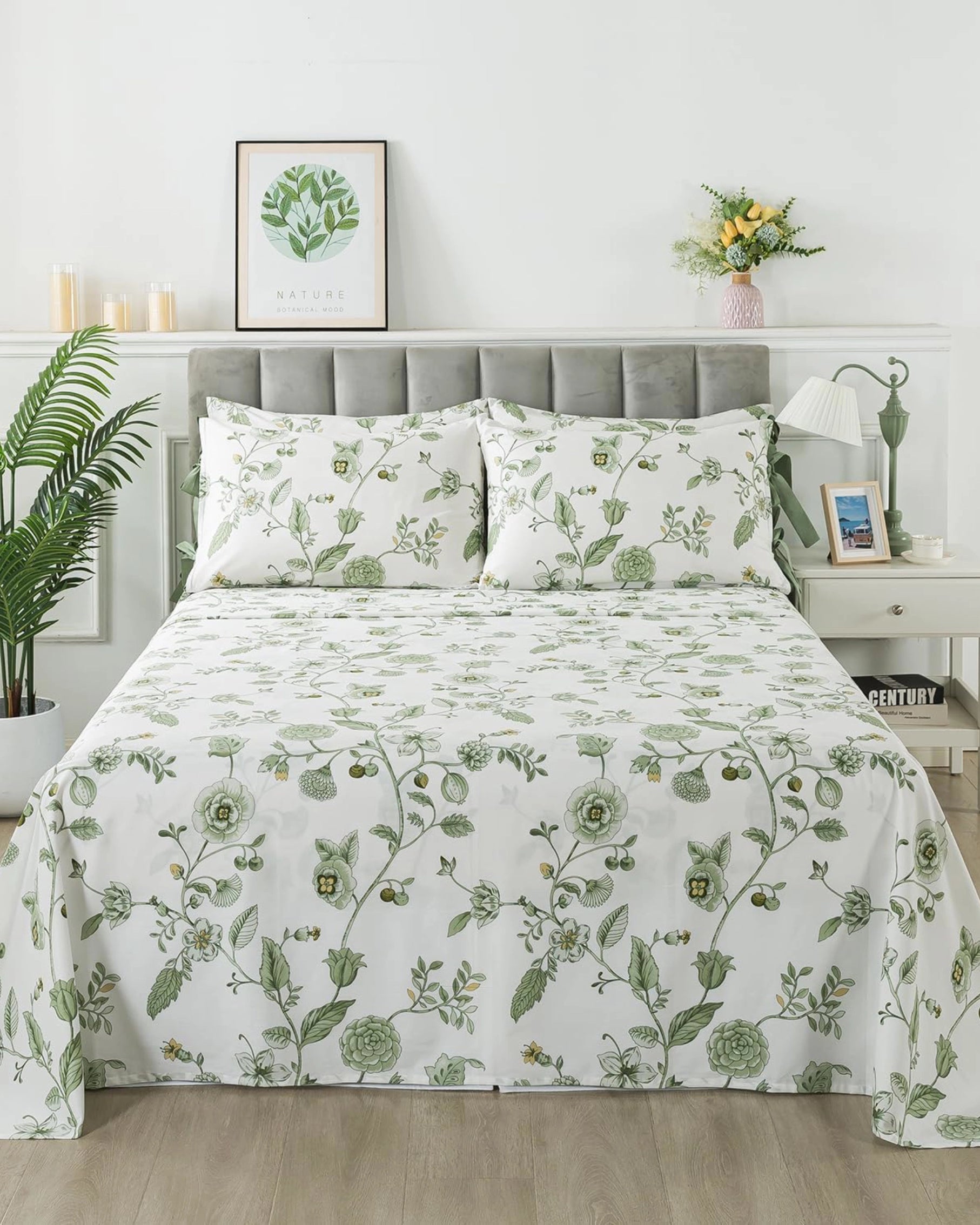


A floral duvet cover can do much more than simply protect your bedding. With its color, pattern, and visual movement, it can become the main design feature of the entire bedroom. Instead of treating floral bedding as a final decorative touch, you can use it as the starting point for choosing the room’s colors, furniture, lighting, and accessories.
Whether your style is romantic, vintage, farmhouse, cottagecore, or modern, the right floral duvet cover can create a bedroom that feels coordinated, inviting, and full of personality.
Start with the Floral Pattern
When using a floral duvet cover as the focal point, begin by studying the pattern carefully. Look at the background color, the size of the flowers, and the smaller accent shades within the print.
Large botanical patterns usually create a bold and dramatic effect, while smaller floral prints often feel softer and more traditional. A design with roses, peonies, or delicate vines can add a romantic atmosphere, while abstract or oversized flowers may suit a more contemporary bedroom.
The duvet cover should be the most visually expressive element in the room, so allow its pattern to guide the rest of your decorating decisions.
Build a Coordinated Color Palette
Choose two or three colors from the duvet cover and repeat them throughout the room. One shade can become the main wall or furniture color, while the others can appear in curtains, cushions, rugs, artwork, or decorative accessories.
For example, a floral duvet cover with cream, sage, and muted rose tones could be paired with warm neutral walls, natural wood furniture, and soft green accents. A blue botanical print may work beautifully with white furniture, woven textures, and subtle navy details.
Avoid matching every color exactly. A room often looks more natural when the shades are slightly varied but still belong to the same color family.
Keep the Surrounding Elements Simple
Because the floral duvet cover is the main design feature, other large surfaces should remain relatively calm. Plain walls, simple curtains, and solid-colored rugs help prevent the room from feeling too busy.
Neutral tones such as white, ivory, beige, light gray, or soft taupe provide a balanced background for floral bedding. They allow the pattern to stand out without competing for attention.
If you prefer colored walls, select one of the quieter shades found in the floral print. Muted colors usually work better than highly saturated tones because they support the bedding instead of overpowering it.

Layer the Bed with Solid Textures
Layering gives the bed a more complete and inviting appearance, but too many additional patterns can distract from the floral design. Use solid-colored pillowcases, textured cushions, and a simple throw blanket to add depth.
Linen, cotton, knitted fabric, velvet, and quilted textures can make the bedding arrangement feel richer without introducing visual clutter. Choose accessories in colors taken from the duvet cover to maintain a cohesive look.
For a relaxed style, fold a lightweight throw across the lower third of the bed. For a more polished appearance, arrange matching shams behind solid accent pillows.
Match the Floral Style to the Furniture
The furniture should complement the mood created by the floral duvet cover.
Vintage-inspired floral bedding pairs well with painted wood furniture, curved headboards, antique-style nightstands, and brass details. Farmhouse florals work naturally with rustic wood, woven baskets, and simple white furniture. Modern botanical patterns can be balanced with clean-lined furniture, minimal décor, and streamlined lighting.
You do not need to replace all your furniture. Even small adjustments, such as changing drawer handles, adding a fabric headboard, or placing a wooden bench at the foot of the bed, can help connect the room’s furniture to the bedding style.
Use Lighting to Enhance the Pattern
Lighting affects how floral colors appear throughout the day. Warm lighting can make cream, rose, yellow, and earthy tones feel softer and more intimate. Natural daylight can emphasize fresh greens, blues, and crisp white backgrounds.
Choose bedside lamps with simple shades so they do not compete with the duvet cover. Glass, ceramic, wood, or metal lamp bases can add subtle character while keeping the bed as the main visual focus.
Whenever possible, allow natural light into the room during the day. Floral patterns often look especially beautiful in soft sunlight.
Add Nature-Inspired Accessories
Floral bedding works naturally with décor inspired by the outdoors. Consider adding a vase of fresh or dried flowers, botanical artwork, woven baskets, ceramic pieces, or a small indoor plant.
These accessories reinforce the theme without making the room feel overly decorated. Use them selectively and leave some empty space around the room. A few well-chosen objects will usually have a stronger effect than many small decorations.
Balance Pattern with Breathing Space
A successful floral bedroom is not created by covering every surface with flowers. The pattern needs visual breathing space.
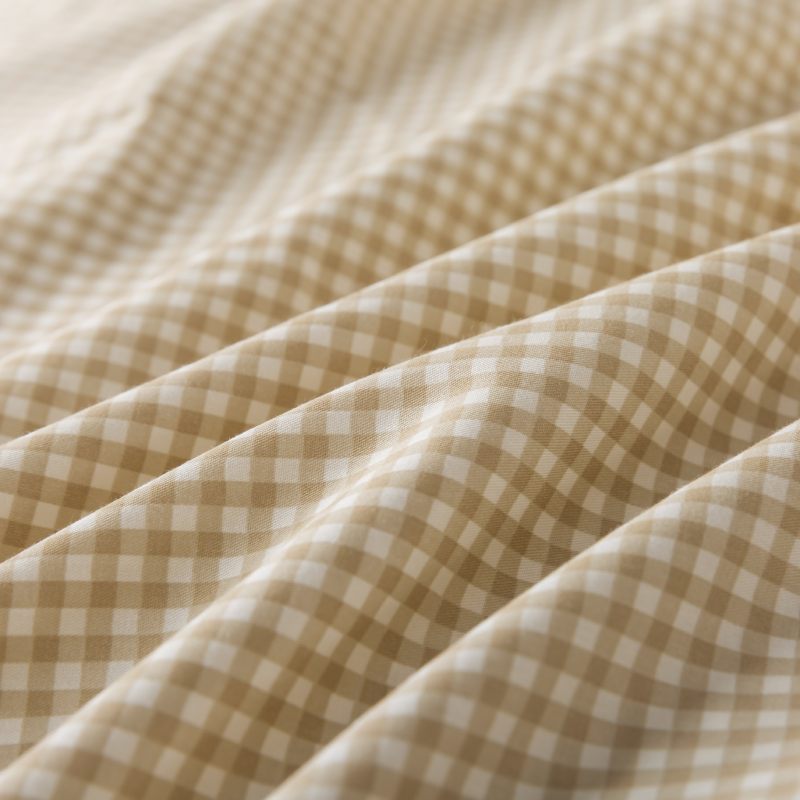
If the duvet cover is bold, keep the curtains, rug, and upholstered furniture mostly solid. If the floral print is subtle, you may introduce one additional pattern, such as a narrow stripe, small check, or delicate toile. Make sure the secondary pattern uses similar colors and has a different scale from the duvet design.
This contrast prevents patterns from blending together or making the room appear crowded.
Refresh the Room Through the Seasons
A floral duvet cover can remain the centerpiece throughout the year while smaller accessories change with the seasons.
In spring and summer, pair it with lightweight cotton sheets, airy curtains, and fresh greenery. During autumn, add warm-toned cushions and a textured throw. In winter, layer the bed with a thicker blanket, soft lighting, and cozy neutral fabrics.
This approach allows you to update the bedroom without replacing the main bedding set.
Final Thoughts
Using a floral duvet cover as the main design feature creates a clear direction for the entire bedroom. By selecting colors from the pattern, keeping larger surfaces simple, and adding coordinated textures and accessories, you can create a room that feels balanced rather than overly busy.
The key is to let the floral bedding lead the design. When every surrounding element supports the duvet cover instead of competing with it, the bed becomes a natural focal point and the whole bedroom feels thoughtfully connected.