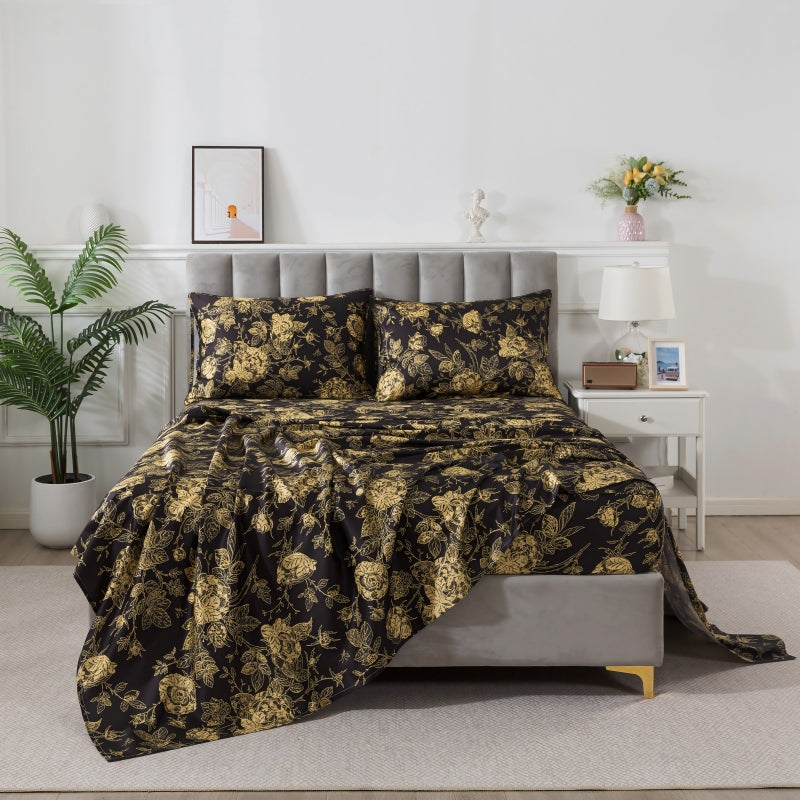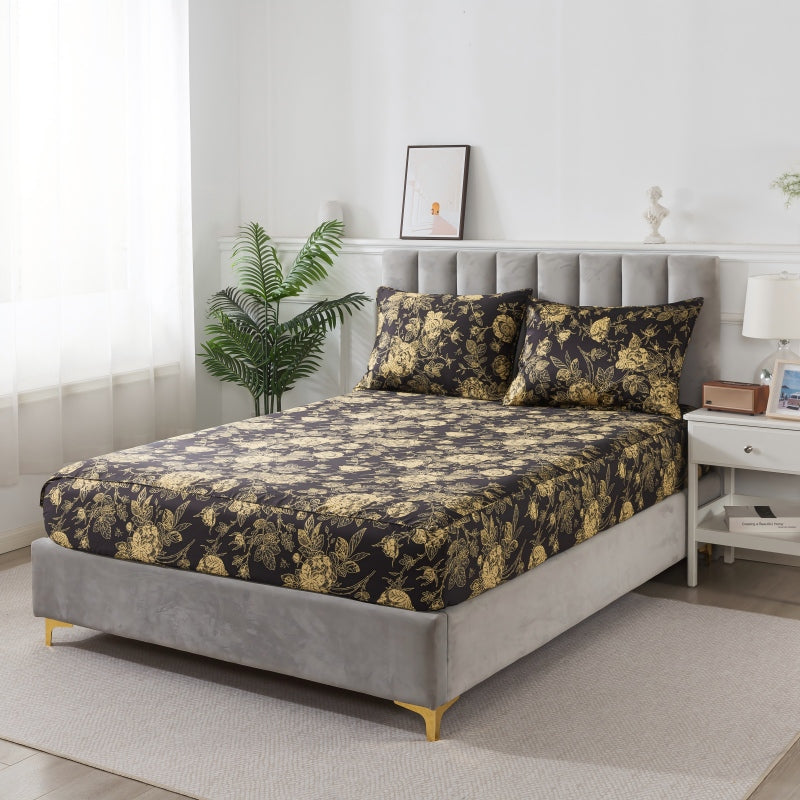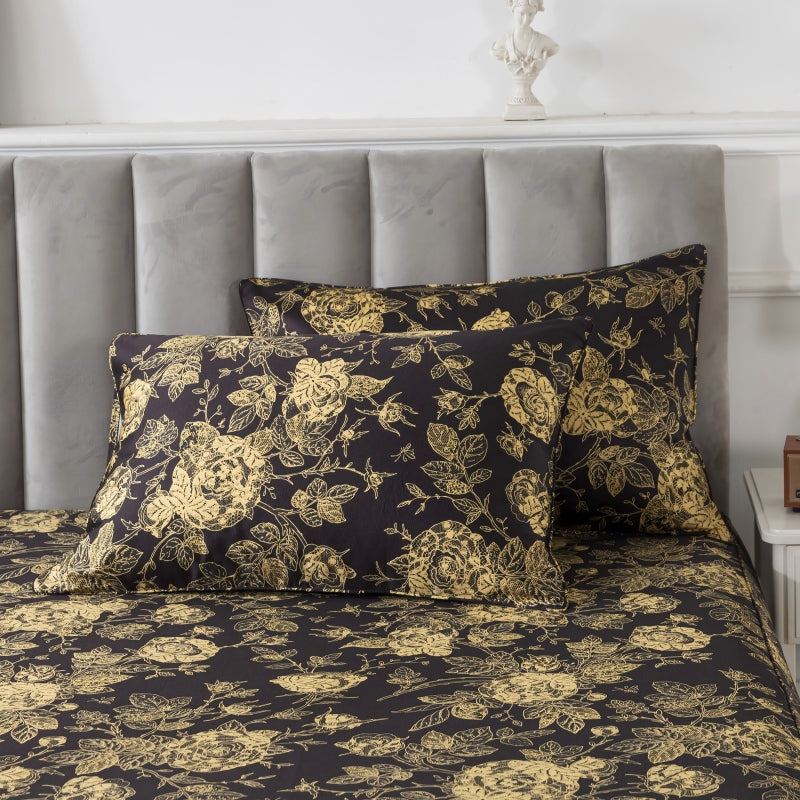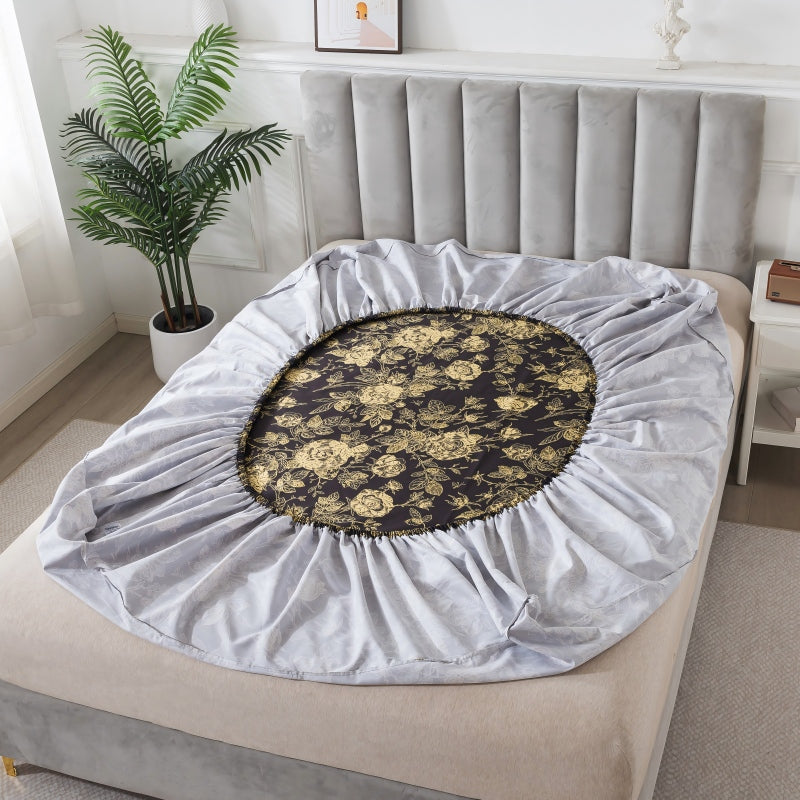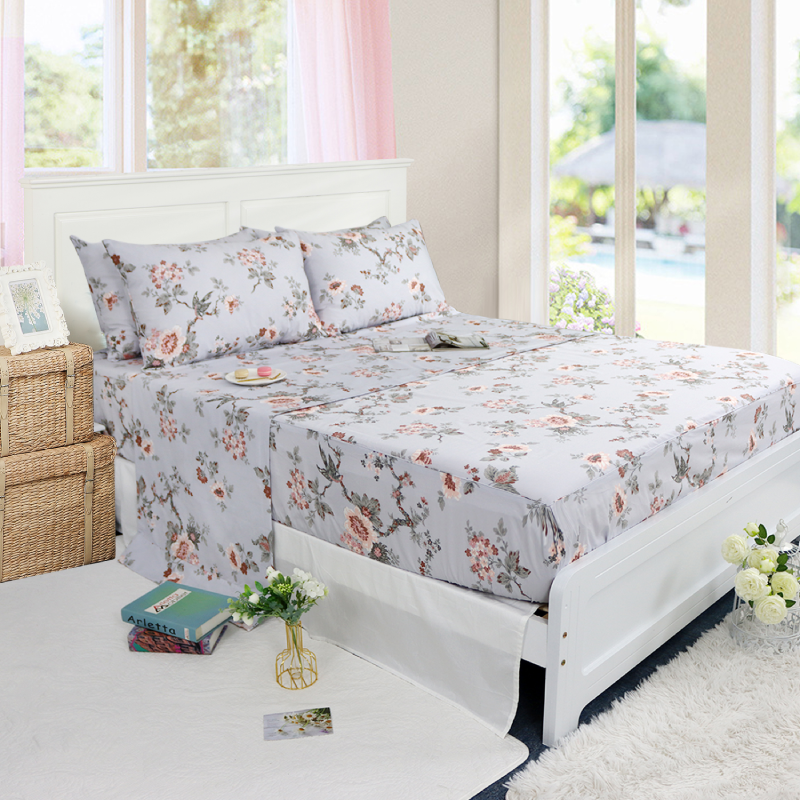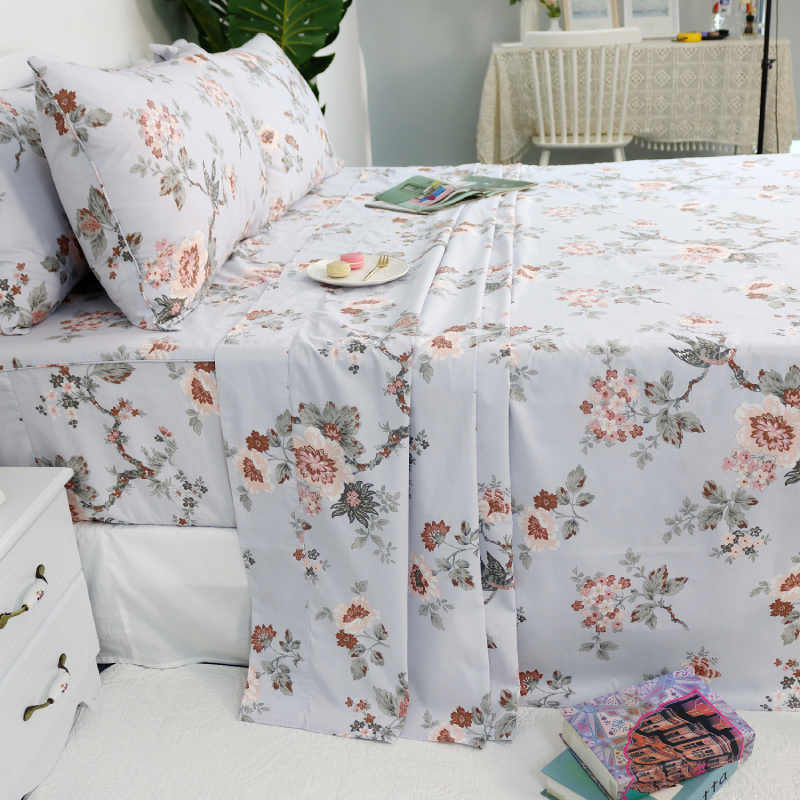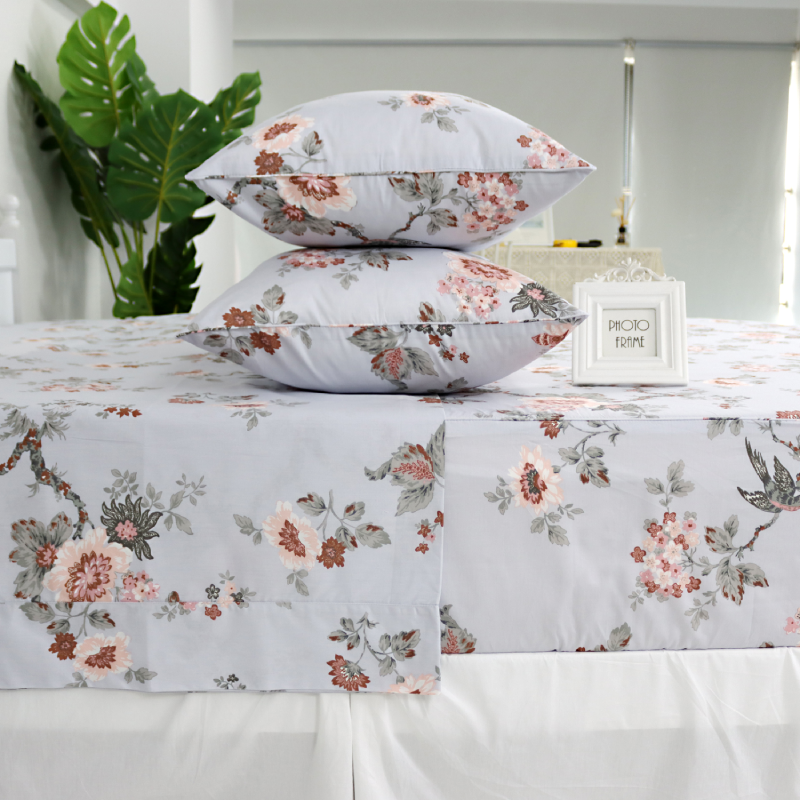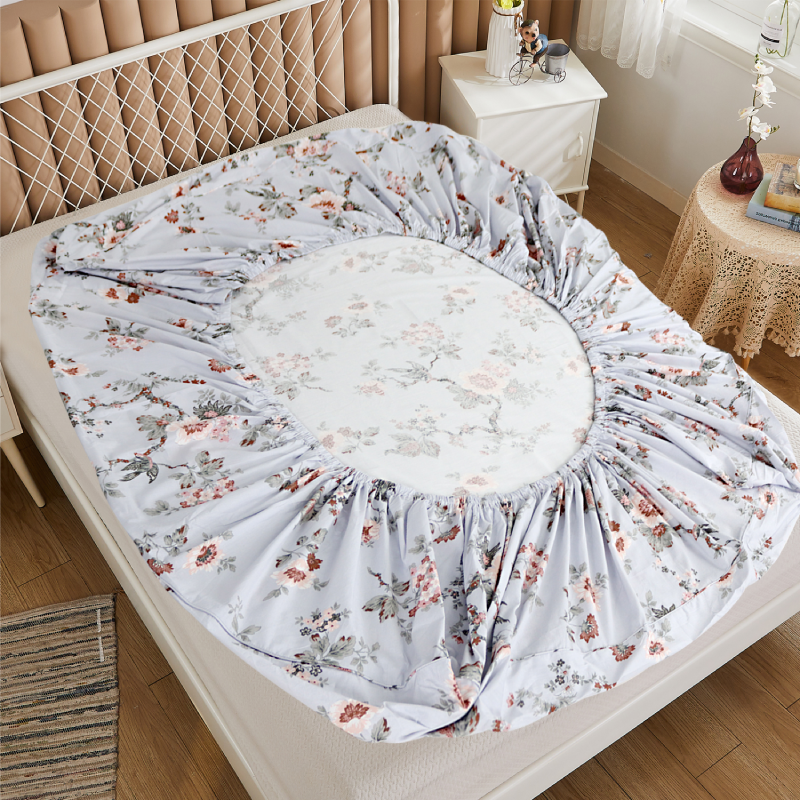
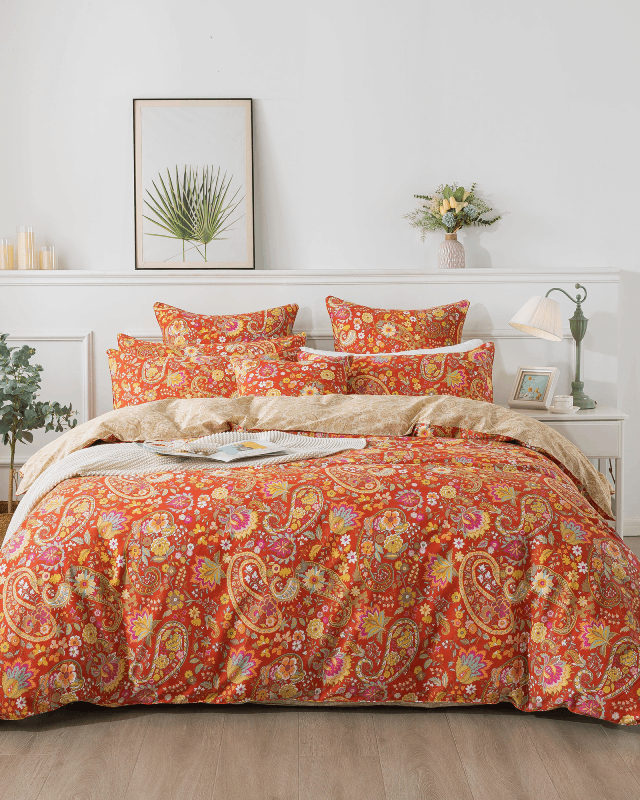
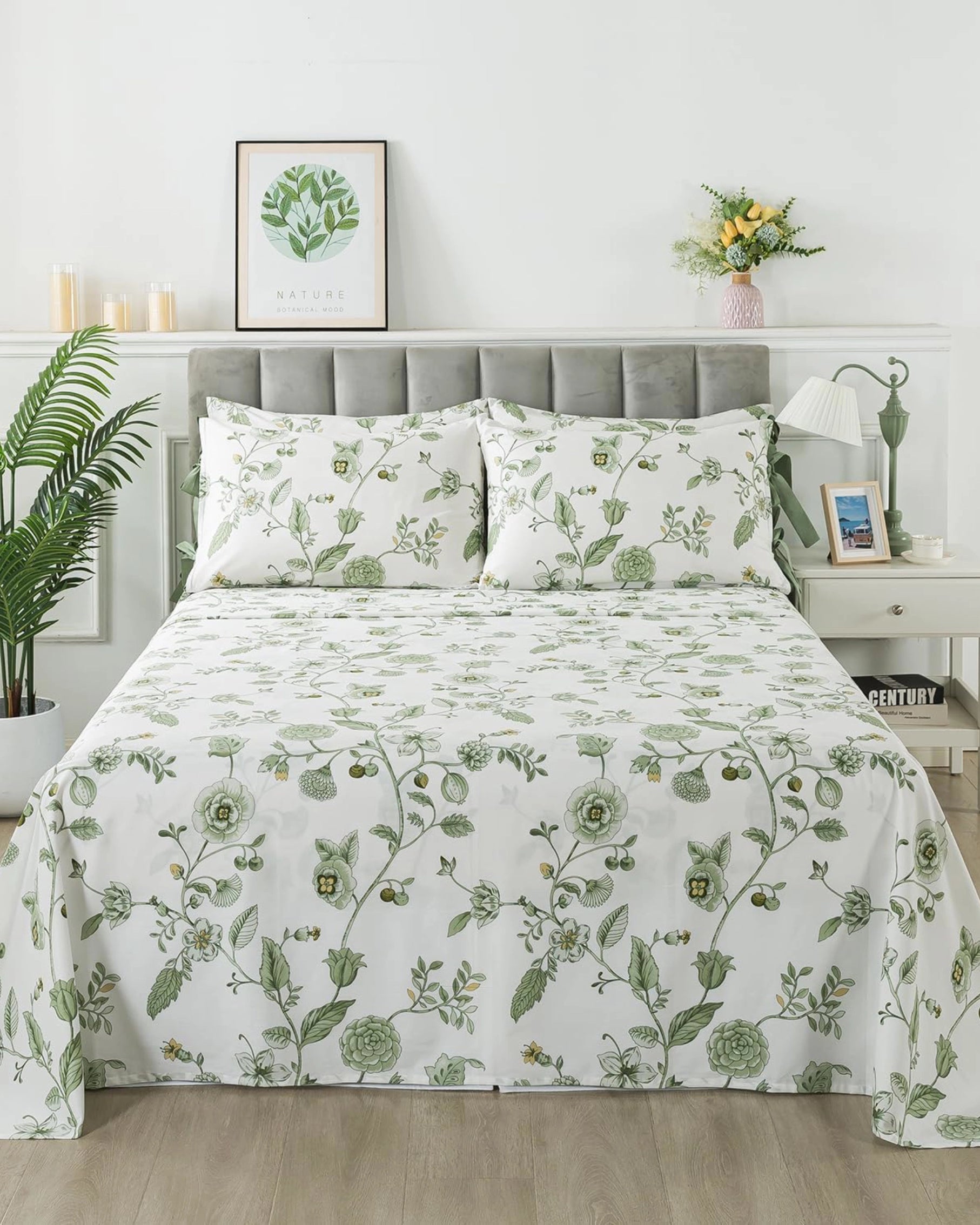


A calm bedroom does not have to mean an empty bedroom. Many people imagine a peaceful space as a room with white walls, simple bedding, and almost no decoration. While that look can be beautiful, it is not the only way to create a relaxing bedroom. A bedroom can feel soft, warm, personal, and visually interesting while still giving you a sense of rest.
The key is balance. You want enough color, texture, and detail to make the room feel inviting, but not so much that it feels busy or overwhelming. With the right choices, your bedroom can become a calm retreat that still feels full of character.
Start With a Soft Foundation
The easiest way to create a calm bedroom is to begin with the largest visual areas: the bed, walls, curtains, and floor. These elements set the mood before anything else.
Soft neutral shades like cream, ivory, beige, warm grey, pale blue, sage green, or dusty pink can make a bedroom feel gentle without feeling cold. These colors are easy on the eyes and work well with many styles, from cottage-inspired rooms to modern romantic spaces.
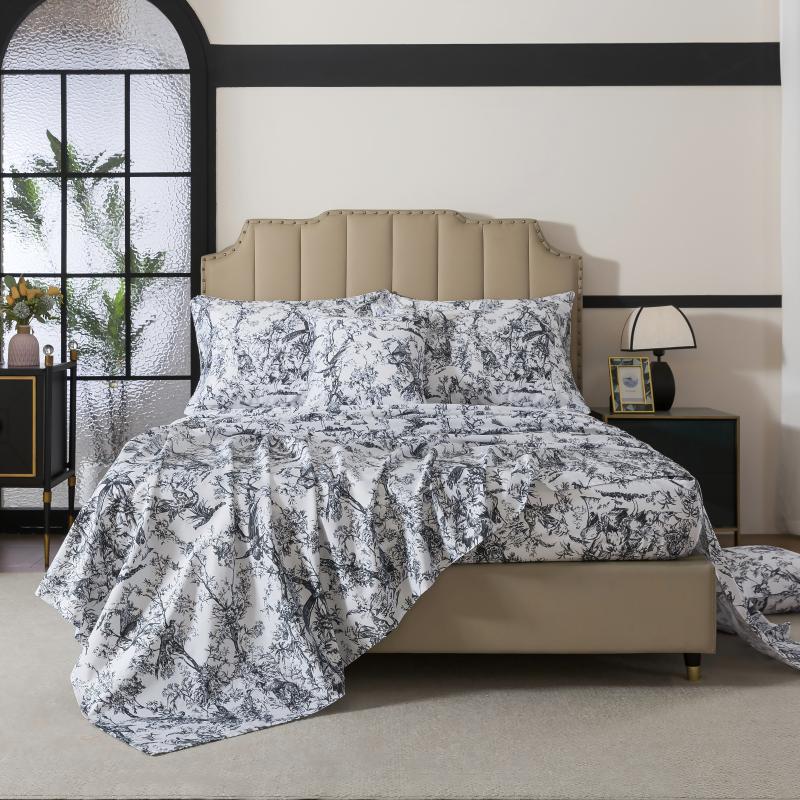
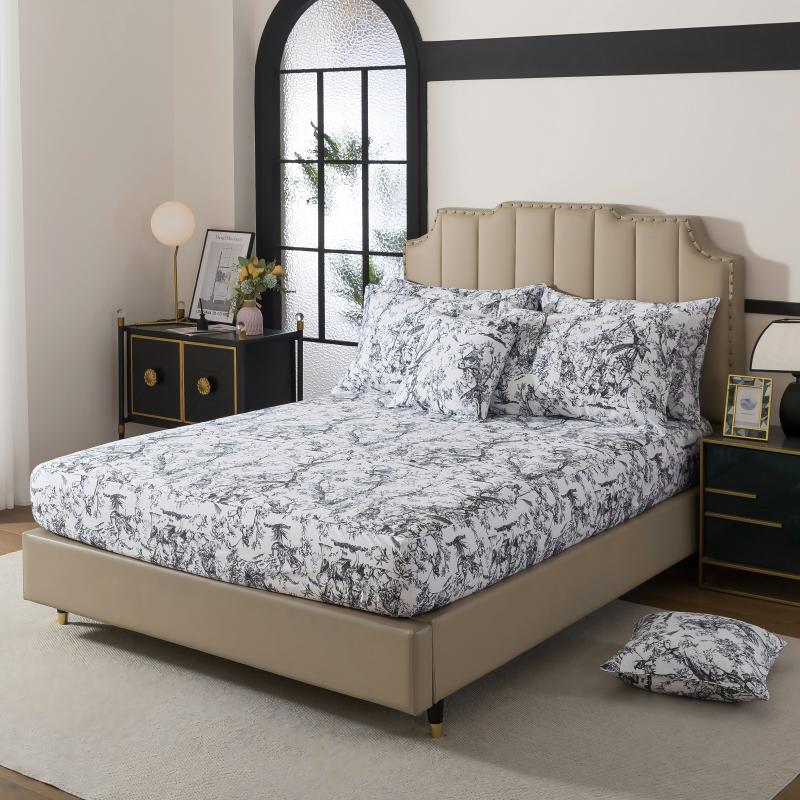
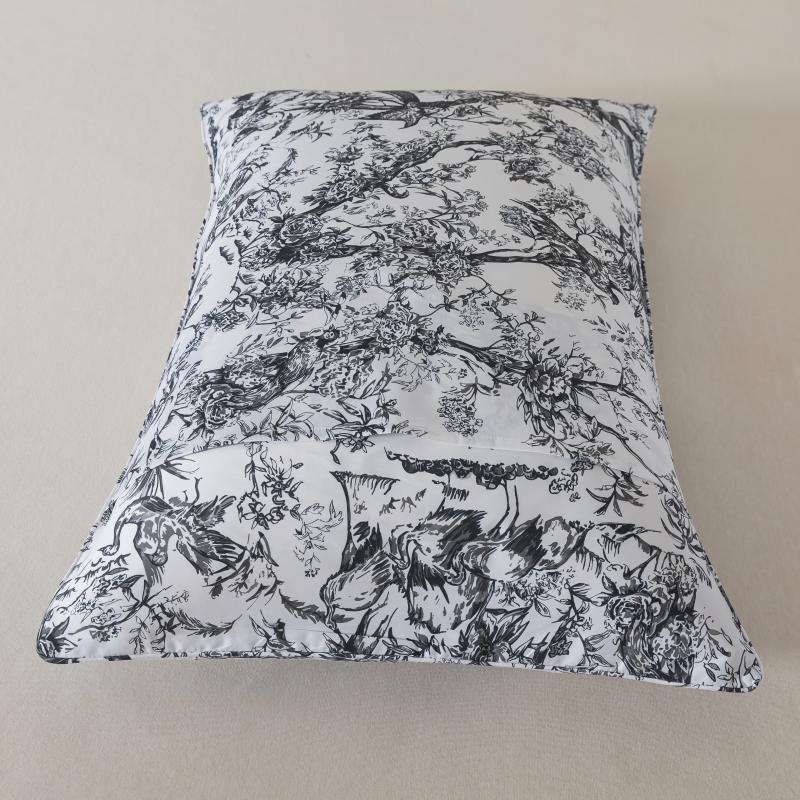
However, calm does not mean everything has to be plain white. A floral quilt, a subtle toile duvet cover, or a soft striped sheet set can add personality while keeping the room peaceful. Choose patterns with gentle colors and natural movement rather than sharp contrasts or overly bold designs.
Use Pattern in a Quiet Way
Pattern is one of the best ways to keep a calm bedroom from feeling boring. The secret is choosing patterns that feel soft rather than loud.
Floral prints, botanical designs, small-scale stripes, delicate checks, and vintage-inspired motifs can bring charm to the room without overwhelming it. A cotton quilt set with a faded floral design, for example, can make the bed feel layered and thoughtful while still maintaining a soothing atmosphere.
If you are nervous about using patterns, start with one main patterned piece. This could be a duvet cover, quilt, pillow sham, or curtain. Then keep the surrounding pieces simpler. A floral duvet cover paired with solid sheets and neutral pillows often feels balanced and relaxed.

Layer Textures Instead of Adding Clutter
Texture makes a bedroom feel warm and complete. It gives the space depth without needing too many decorative items.
Cotton bedding, quilted covers, ruffled edges, woven throws, linen curtains, knitted blankets, and soft rugs all add visual interest in a quiet way. These details make the room feel cozy without making it feel crowded.
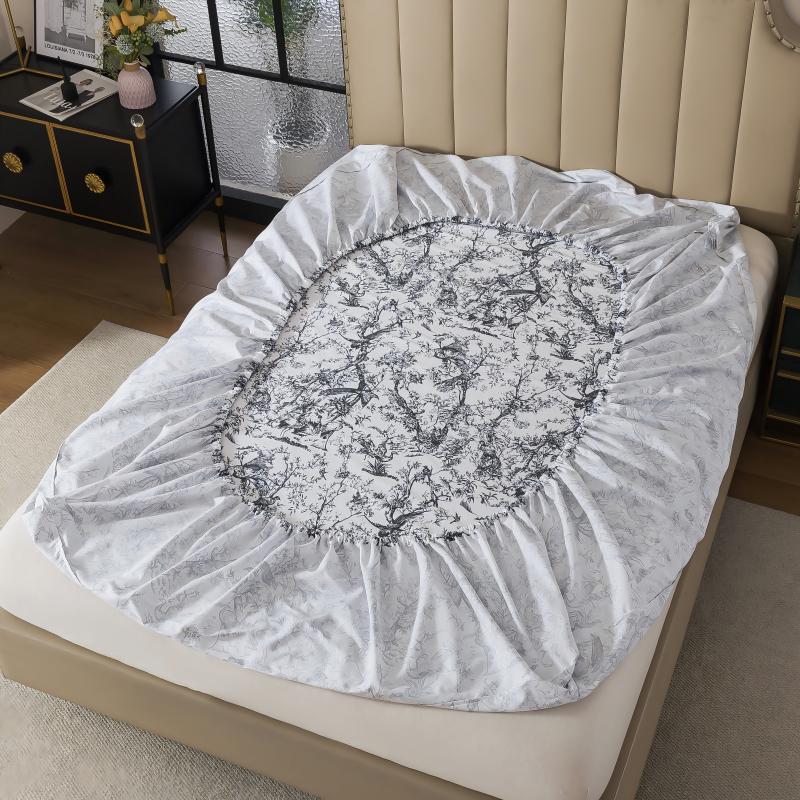
For example, a simple cotton sheet set can feel more inviting when layered with a quilted coverlet and a few soft pillows. The room still feels calm, but it no longer feels flat. Texture is especially useful when you prefer a lighter color palette because it keeps the space from looking too plain.
Choose Bedding That Feels Good, Not Just Looks Good
Your bed is the center of the bedroom, so the bedding should support both comfort and style. A calm bedroom should feel restful when you look at it and comfortable when you use it.
Natural fabrics like cotton are a good choice because they feel breathable, soft, and suitable for everyday use. Cotton bedding also works beautifully with relaxed bedroom styles because it does not look too stiff or formal. It can feel elegant while still feeling lived-in.
Look for bedding that matches the mood you want. A floral quilt set can create a soft countryside feeling. A toile duvet cover can bring a vintage French-inspired look. A solid cotton sheet set can keep the room clean and simple. The right bedding can become the main design element, reducing the need for too many extra decorations.
Keep the Color Palette Gentle but Not Empty
A peaceful bedroom usually has a limited color palette, but that does not mean it needs to be colorless. Instead of using many strong colors, choose two or three soft tones that work naturally together.
For example, cream, sage green, and warm beige can create a calm botanical feeling. Soft blue, white, and light grey can feel fresh and airy. Dusty rose, ivory, and taupe can feel romantic without being too sweet.
The goal is to let colors flow together gently. Avoid using too many high-contrast combinations in a small space, as they can make the room feel visually busy. When colors feel connected, the whole bedroom feels more peaceful.
Add Personal Details Carefully
A calm bedroom should still feel like your own. Personal details make the room warmer and more meaningful. The key is to choose fewer pieces and give them room to breathe.
A framed print, a small vase of flowers, a favorite book, a ceramic lamp, or a handmade tray can make the space feel personal without creating clutter. Instead of filling every surface, leave some empty space on your nightstand, dresser, or shelves. Empty space helps the eye rest.
When decorating, ask yourself whether each item adds comfort, beauty, or meaning. If it does not, it may not need to be in the bedroom.
Use Lighting to Soften the Room
Lighting can completely change how a bedroom feels. Bright overhead lighting may be useful, but it can make a room feel harsh at night. Softer lighting helps create a peaceful mood.
Use bedside lamps, warm bulbs, wall sconces, or small accent lights to create a gentle glow. Natural light during the day is also important. Light curtains can make the room feel airy while still offering privacy.
A calm bedroom often feels best when the lighting changes with the time of day: bright and fresh in the morning, warm and quiet in the evening.
Keep Everyday Items Organized
Even a beautifully decorated bedroom can feel stressful if everyday items are scattered everywhere. Calm spaces need simple organization.
Use baskets, drawers, trays, or under-bed storage to keep small items out of sight. Make the bed each morning, even if you only straighten the quilt and pillows. This small habit can make the entire room feel more peaceful.
Organization does not mean the room must look perfect. It simply means creating enough order so the space feels easy to live in.
Final Thoughts
A calm bedroom does not have to be plain, empty, or without personality. It can include soft patterns, natural textures, gentle colors, and meaningful details. The most peaceful bedrooms are often the ones that feel balanced: not too full, not too bare, and not designed only for appearance.
By choosing comfortable bedding, quiet patterns, soft lighting, and thoughtful decorations, you can create a bedroom that feels relaxing and beautiful at the same time. Calm does not mean boring. It means creating a space where your mind can slow down and your body can truly rest.