

In a world filled with inspiration images and styled interiors, it’s easy to believe that a beautiful bedroom requires layers of décor—artwork, pillows, throws, accents, and accessories. But a truly complete bedroom doesn’t come from adding more. It comes from choosing the right elements.
When design is thoughtful, a bedroom can feel finished, calm, and intentional without relying on extra décor. The key lies in balance, proportion, and choosing foundational pieces that do more than one job.
Start With the Bed as the Anchor
The bed is the visual and functional center of the bedroom. When it is well considered, it carries much of the room’s weight on its own.
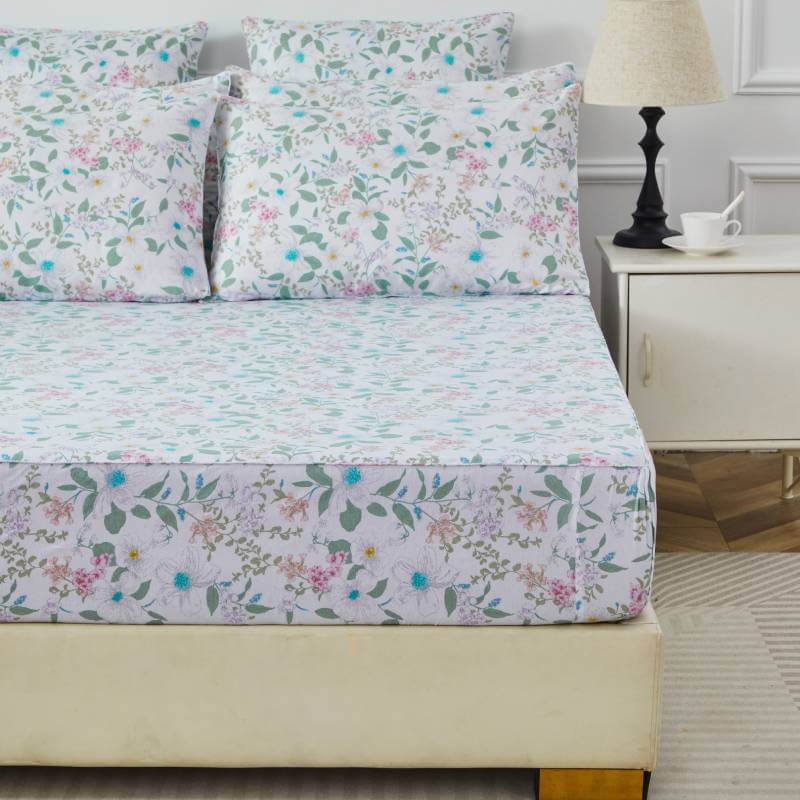
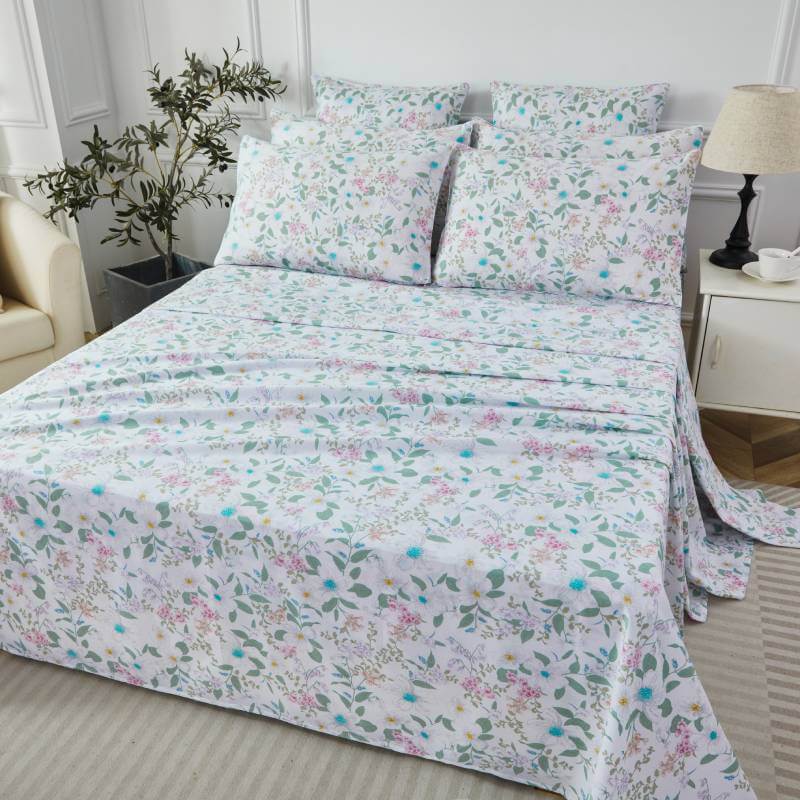
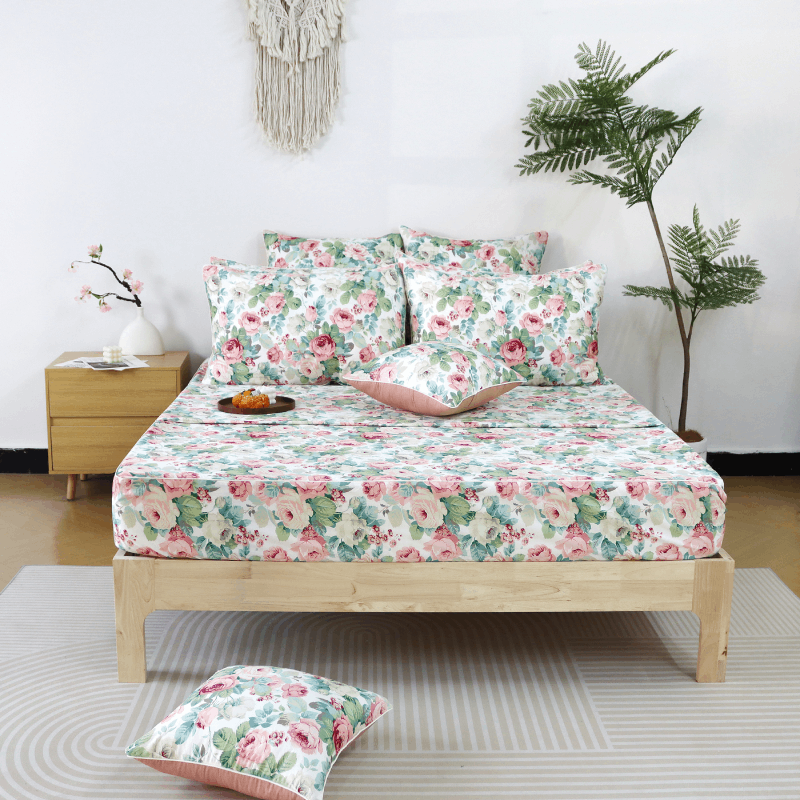
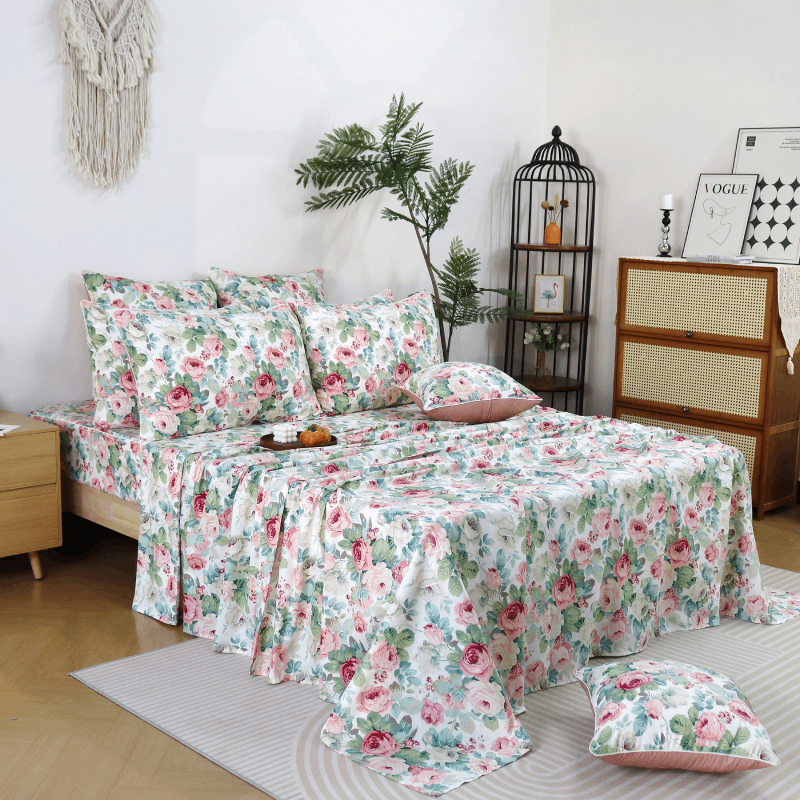
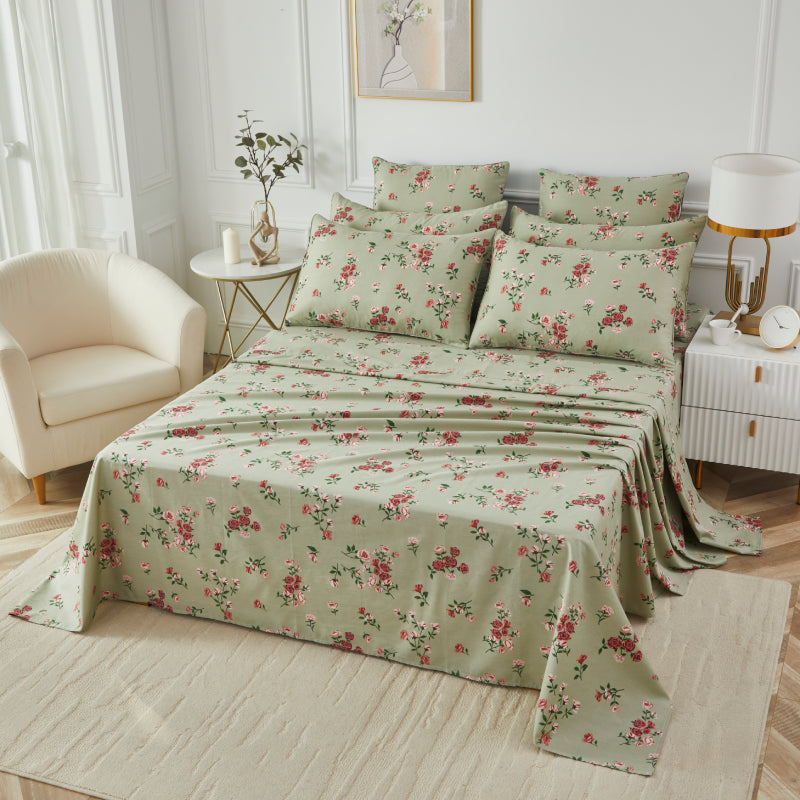
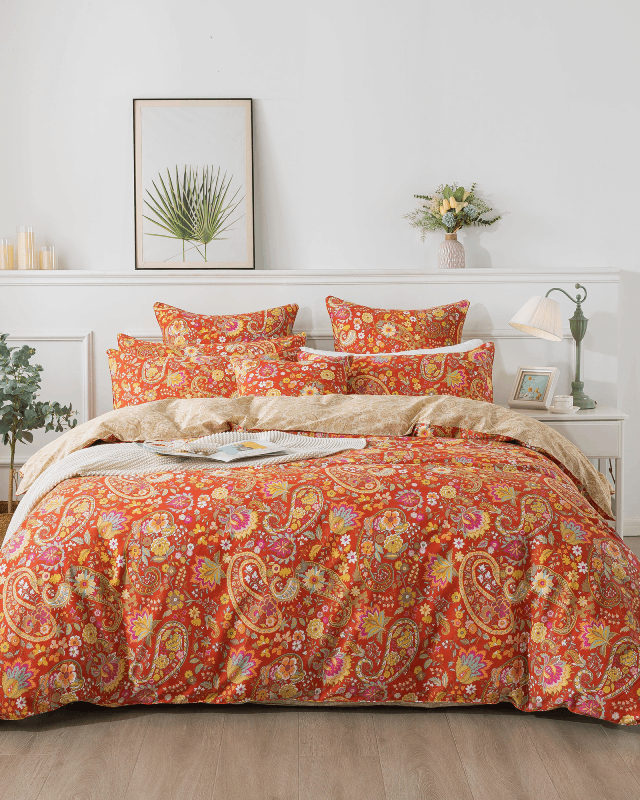
High-quality bedding with thoughtful color, texture, and pattern can replace the need for excessive styling. A bed that looks inviting, cohesive, and naturally layered immediately makes the room feel complete—even without additional accents.
Instead of adding décor around the bed, allow the bed to lead the room.
Choose Bedding That Has Visual Depth
Bedding doesn’t need to be loud to be expressive.
Subtle patterns, gentle color variations, and soft textures create visual interest without clutter. When bedding has depth built into its design, it holds attention naturally, making extra décor unnecessary.
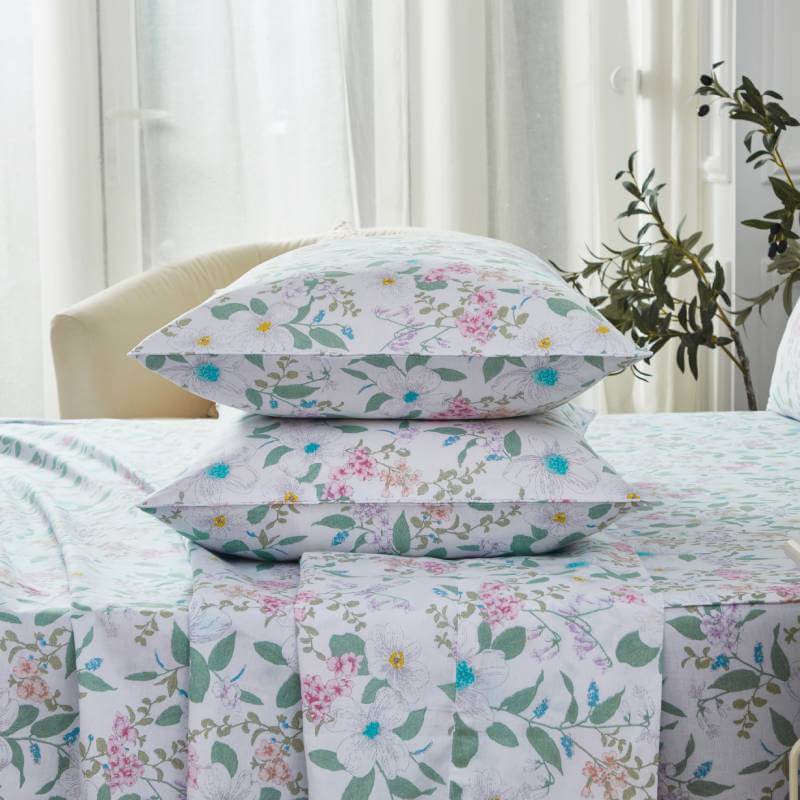
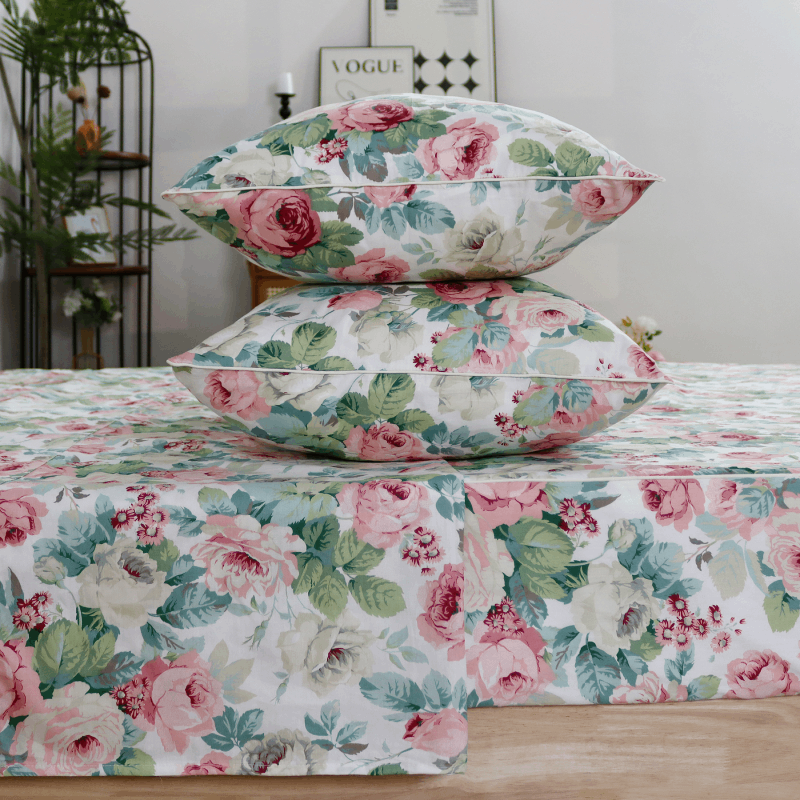
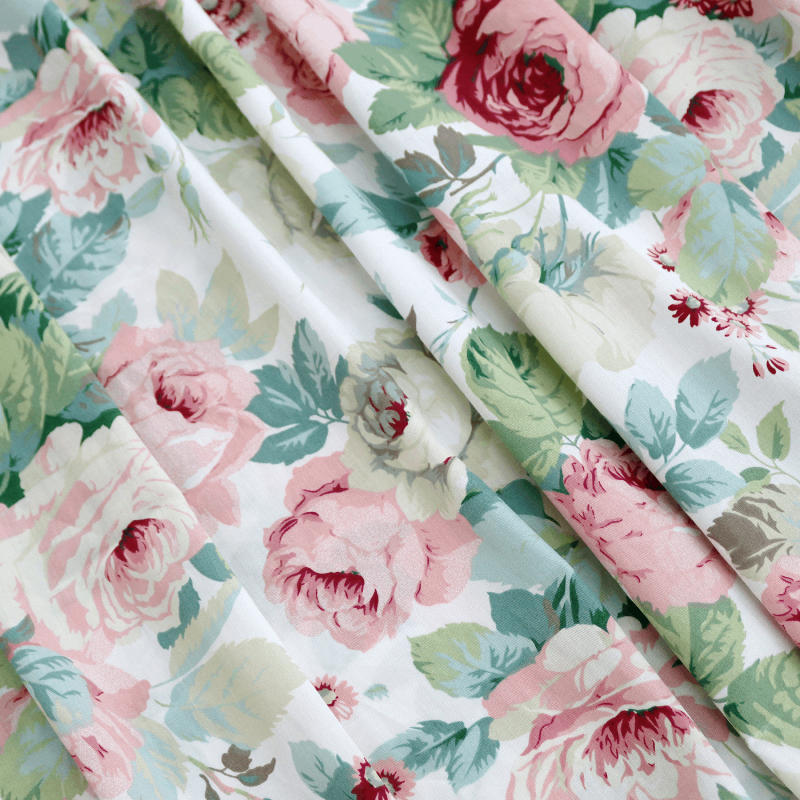
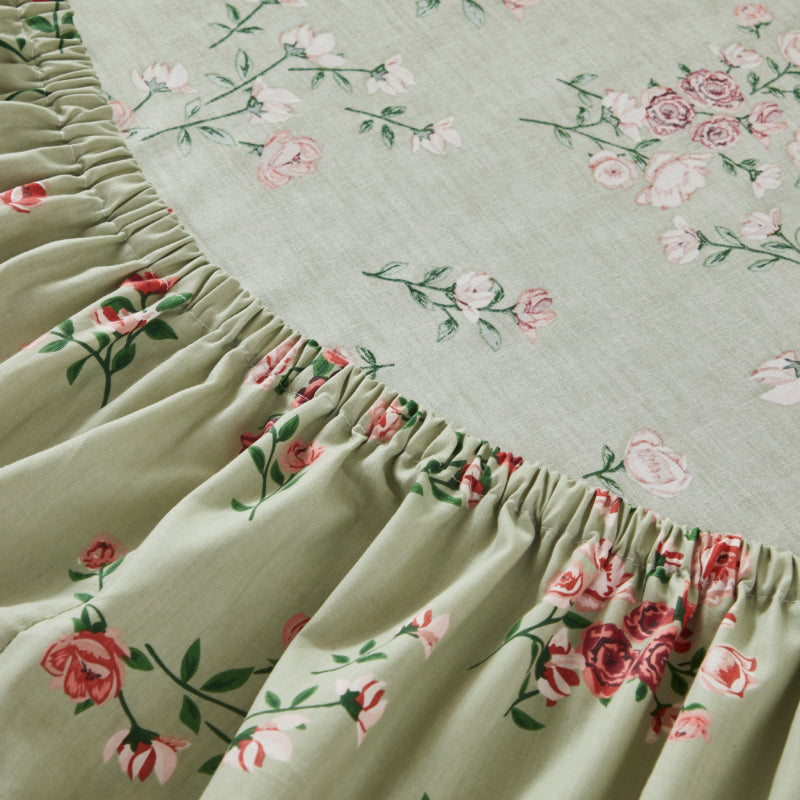
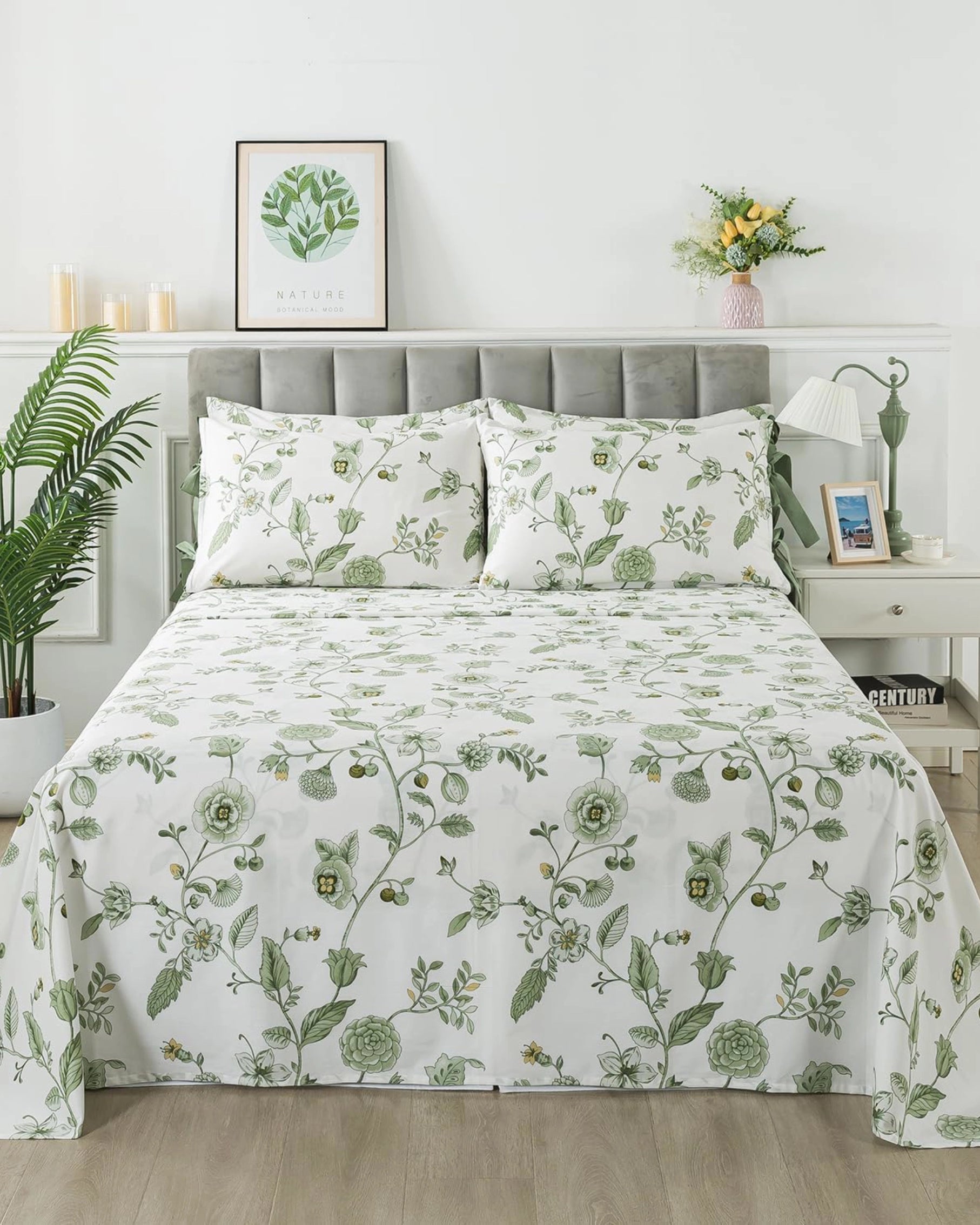
Florals with breathing room, textured weaves, or layered tones can add richness while remaining calm.
Let Color Do the Work
A restrained color palette creates cohesion. When bedding colors relate closely to the walls, floor, and natural light, the entire room feels intentional.
Instead of adding decorative items for contrast, let the bedding introduce warmth or softness within the existing palette. This approach keeps the space visually quiet while still feeling complete.
Consistency is often more powerful than contrast.
Focus on Proportion, Not Accessories
A room can feel unfinished not because it lacks décor, but because proportions feel off.
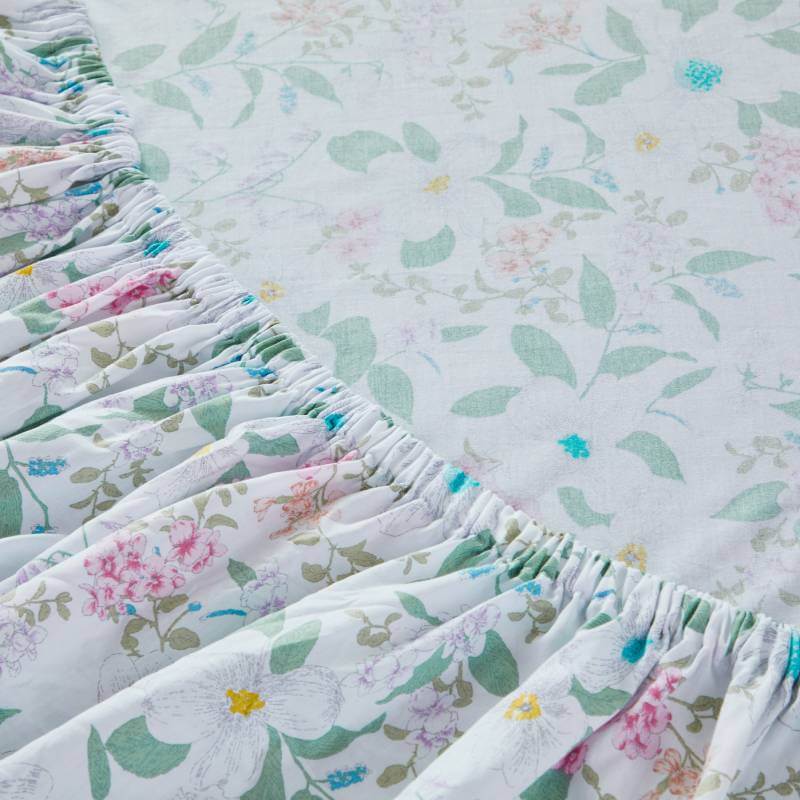
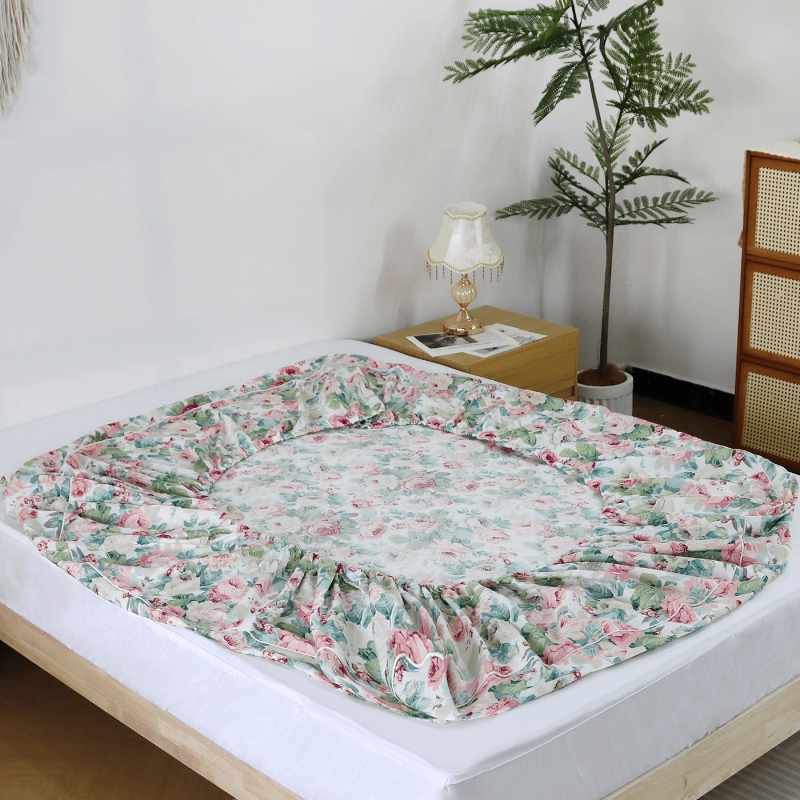
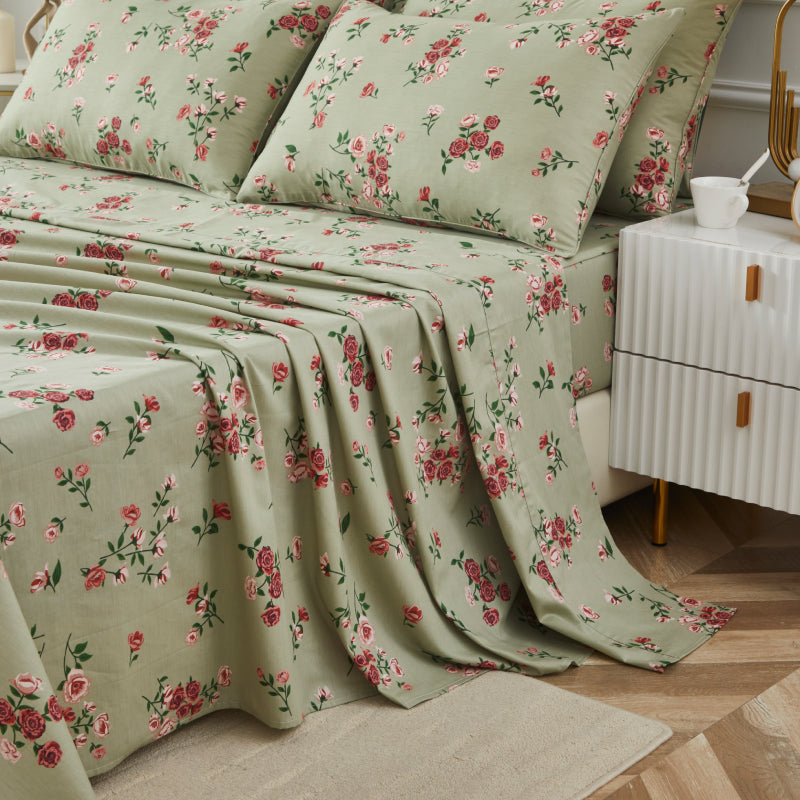
Well-fitted bedding that properly covers the mattress, drapes naturally, and balances the scale of the room contributes to a sense of order. When proportions are right, the space feels resolved.
Extra décor is often used to distract from imbalance—but when the foundation is correct, it isn’t needed.

Use Texture Instead of Decoration
Texture adds interest without adding objects.
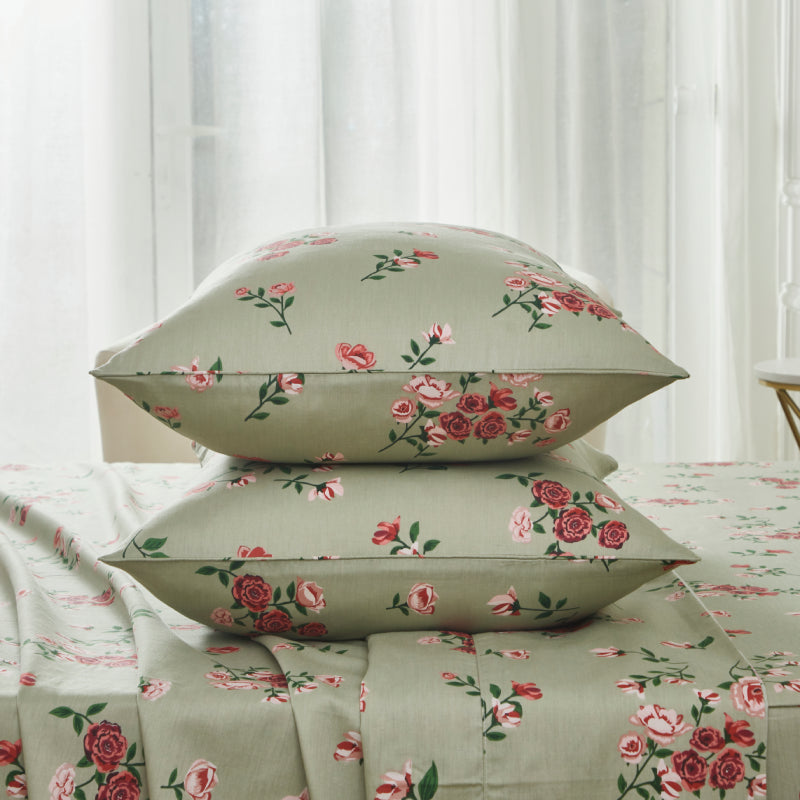
Soft cotton, light quilting, smooth pillowcases, or subtle stitching details bring dimension to the bed. These tactile elements engage the senses while maintaining simplicity.
A bedroom that feels good to touch rarely needs visual embellishment.
Allow Negative Space to Exist
Completeness does not mean fullness.
Empty space allows the eye to rest and gives meaning to what remains. A bedroom with space to breathe feels more intentional than one filled with decoration.
When the bed, nightstands, and lighting are thoughtfully chosen, leaving walls or surfaces uncluttered enhances the sense of calm and finish.
Design for Daily Use, Not Display
Bedrooms are lived-in spaces. When a room is designed for daily routines rather than visual impact, it naturally feels more settled.
Bedding that is easy to maintain, comfortable to use, and visually stable supports everyday life. This practicality contributes to a sense of completeness that purely decorative elements cannot provide.
A room that works well rarely feels unfinished.
Embrace Familiarity Over Novelty
Completeness often comes from familiarity.
When bedding feels familiar—through repeated use, softening fabric, and consistent design—it becomes part of the room’s identity. This emotional comfort reduces the desire to add more elements.
A bedroom that feels lived in and trusted is often more complete than one that looks styled.
Less Styling, More Intention
The goal is not minimalism for its own sake, but intention.
By choosing bedding that carries visual, emotional, and functional weight, the bedroom becomes self-sufficient. Each element earns its place, and nothing feels missing.
Final Thoughts
Creating a bedroom that feels complete without extra décor is about choosing better foundations, not adding layers. Thoughtful bedding, balanced color, proper proportion, and tactile texture can do the work of decoration quietly and effectively.
When the essentials are right, the room doesn’t ask for more.
It simply feels finished.