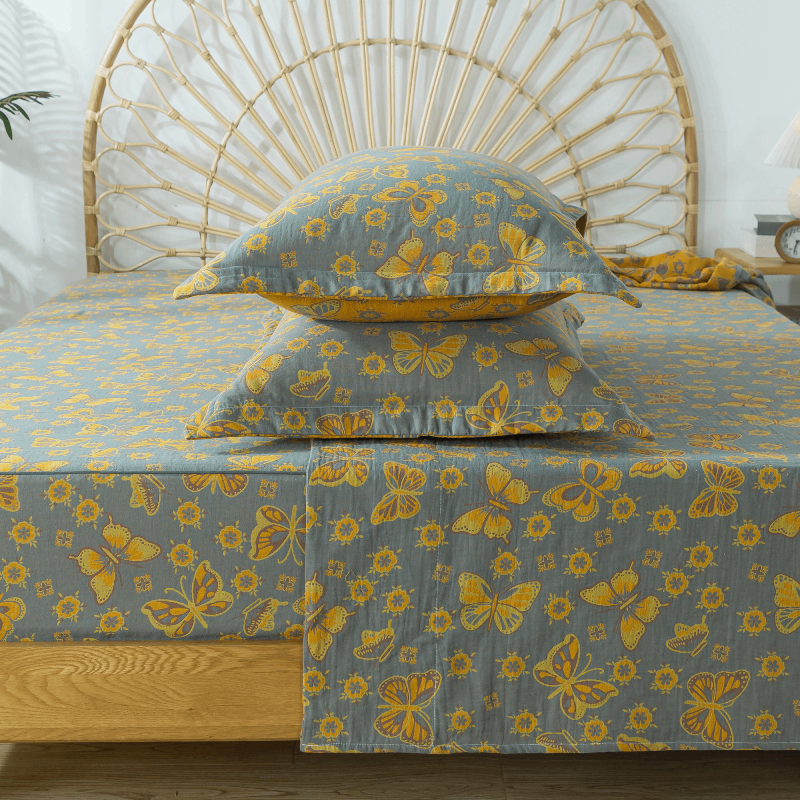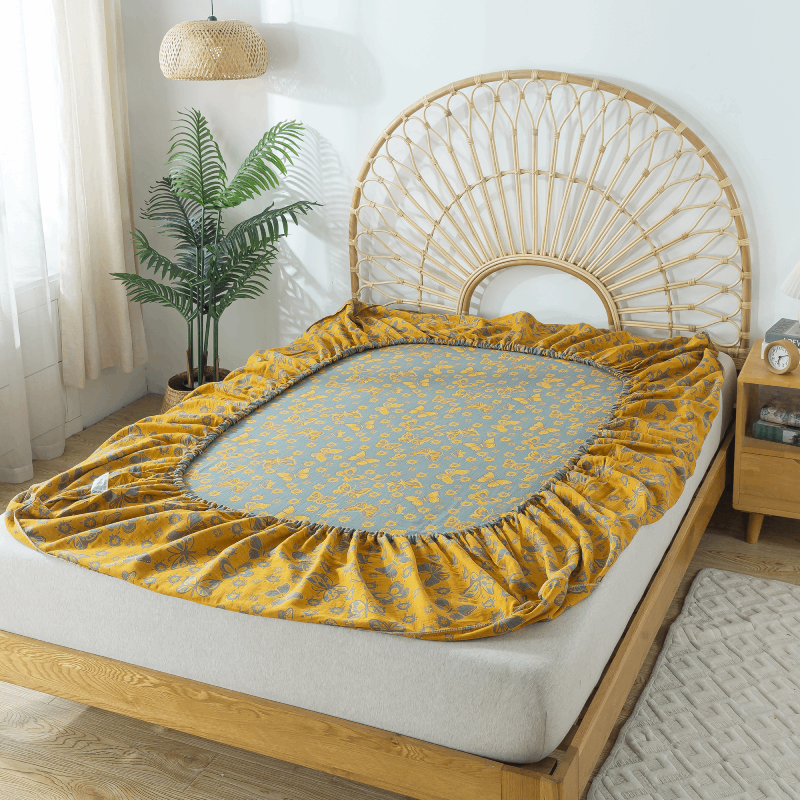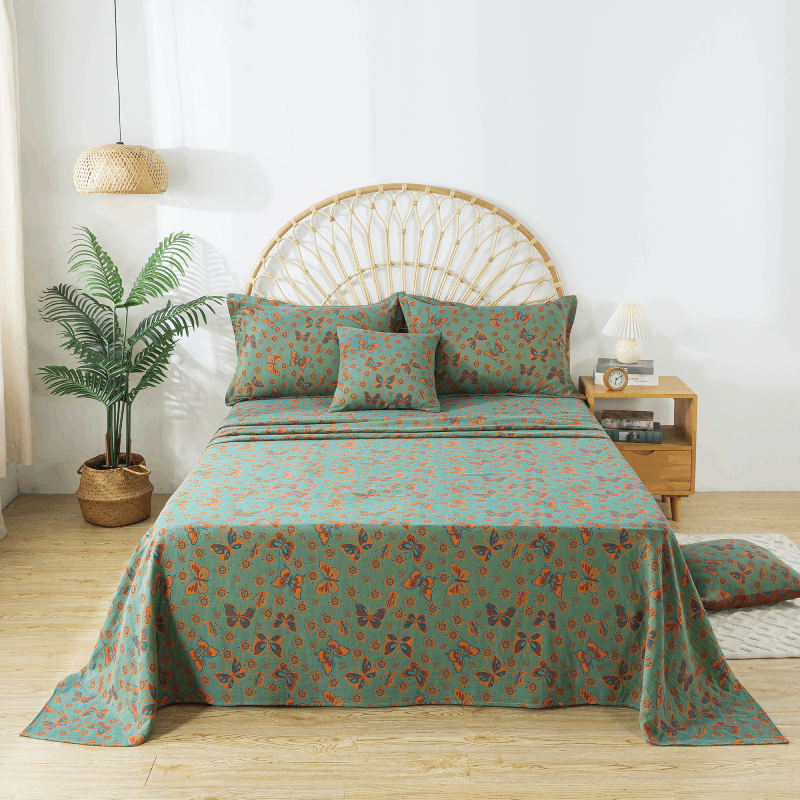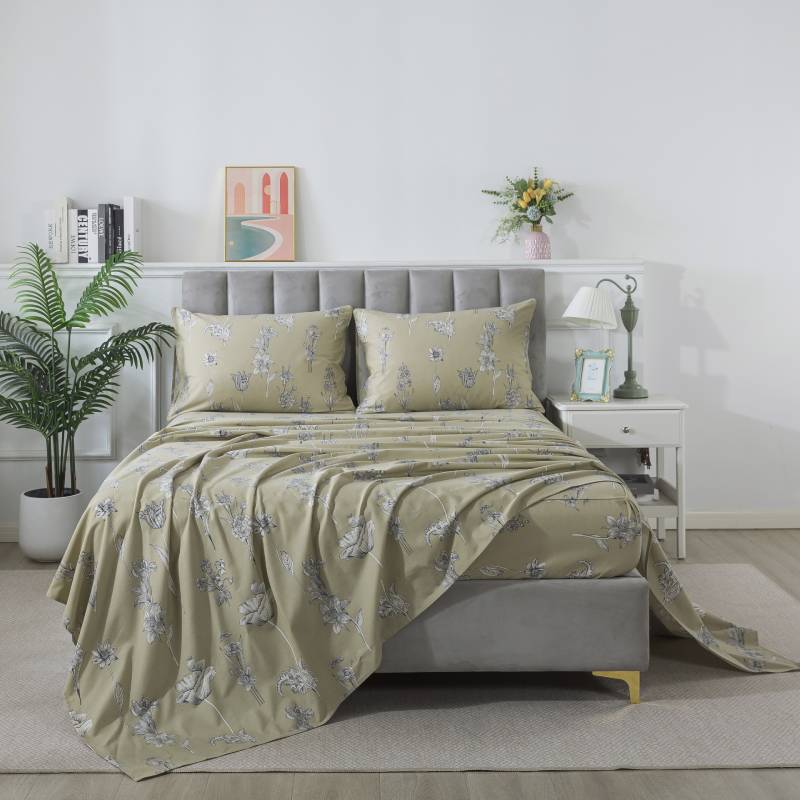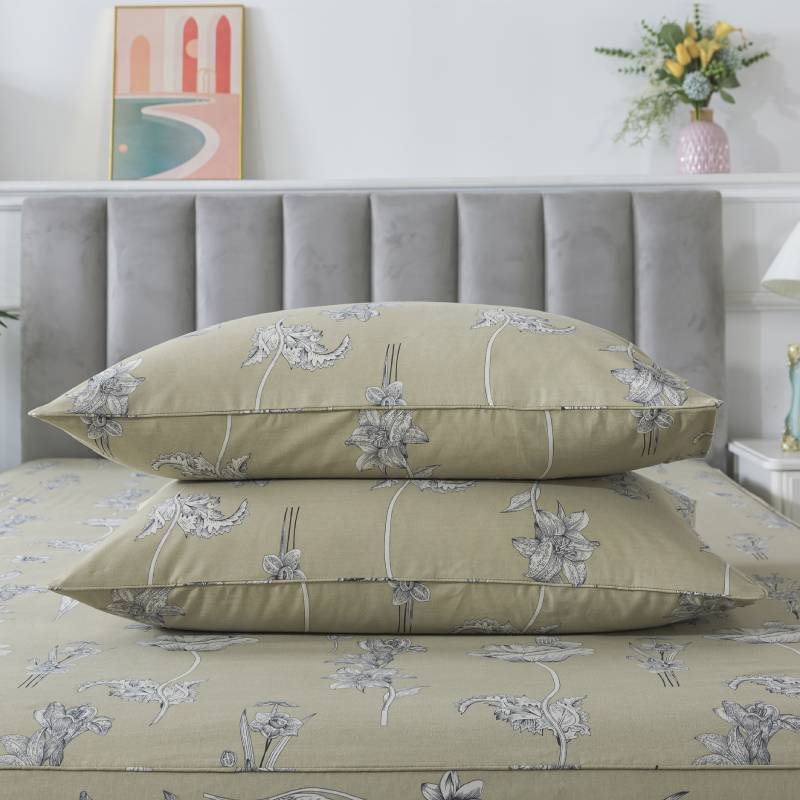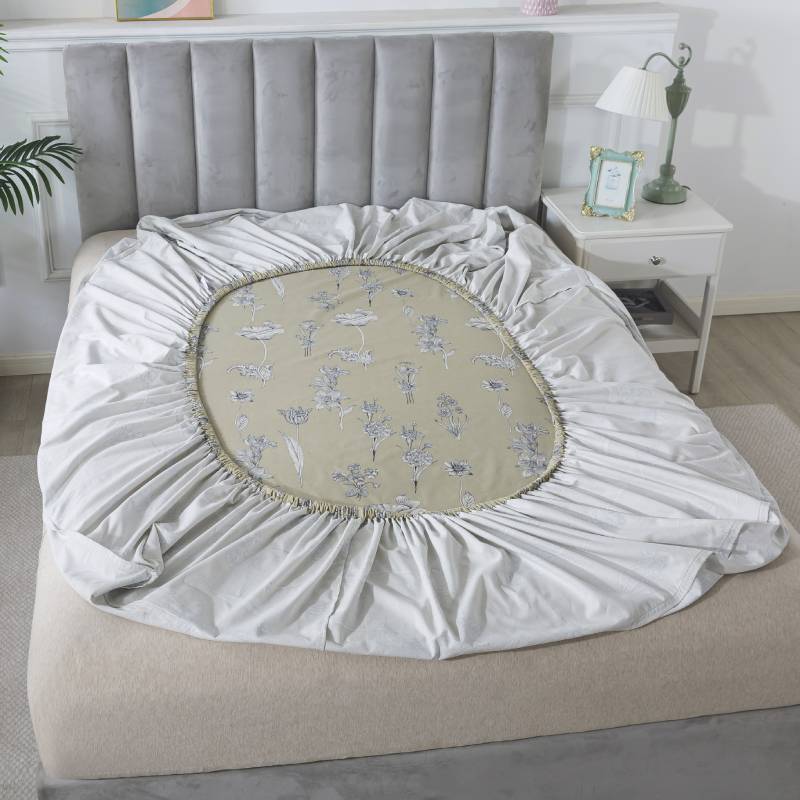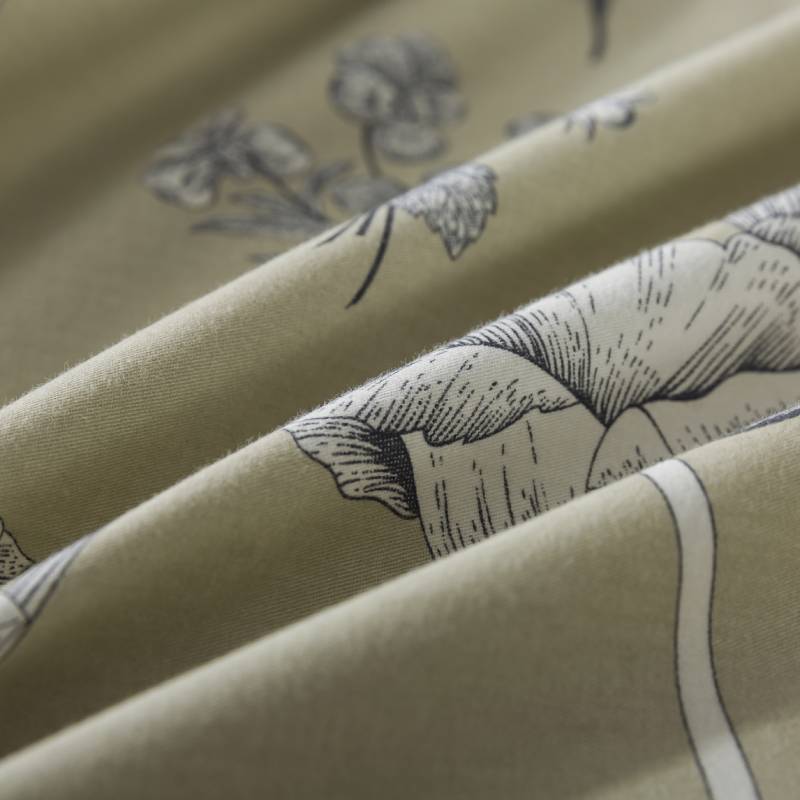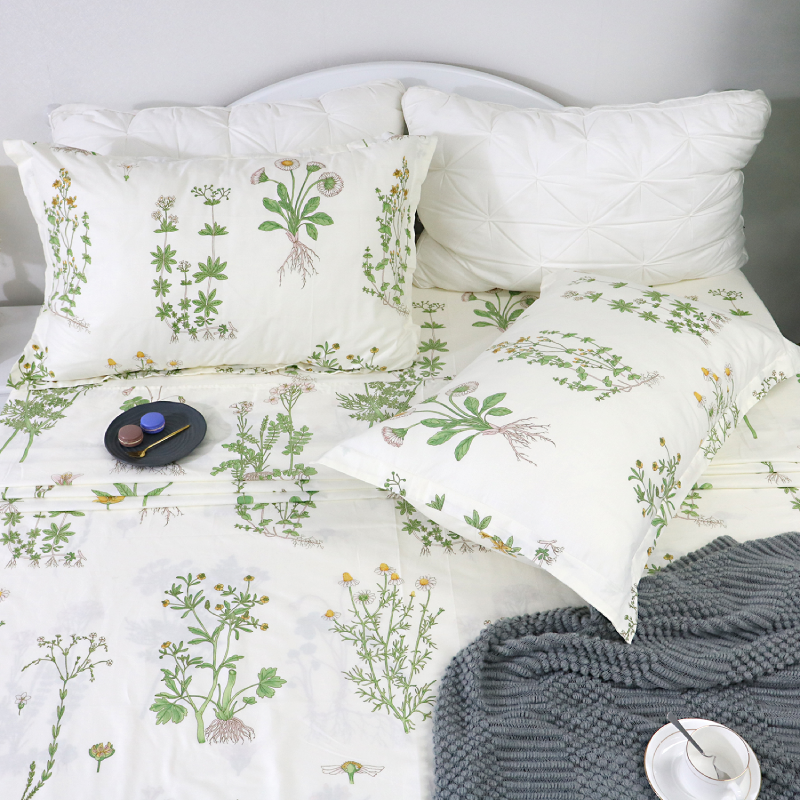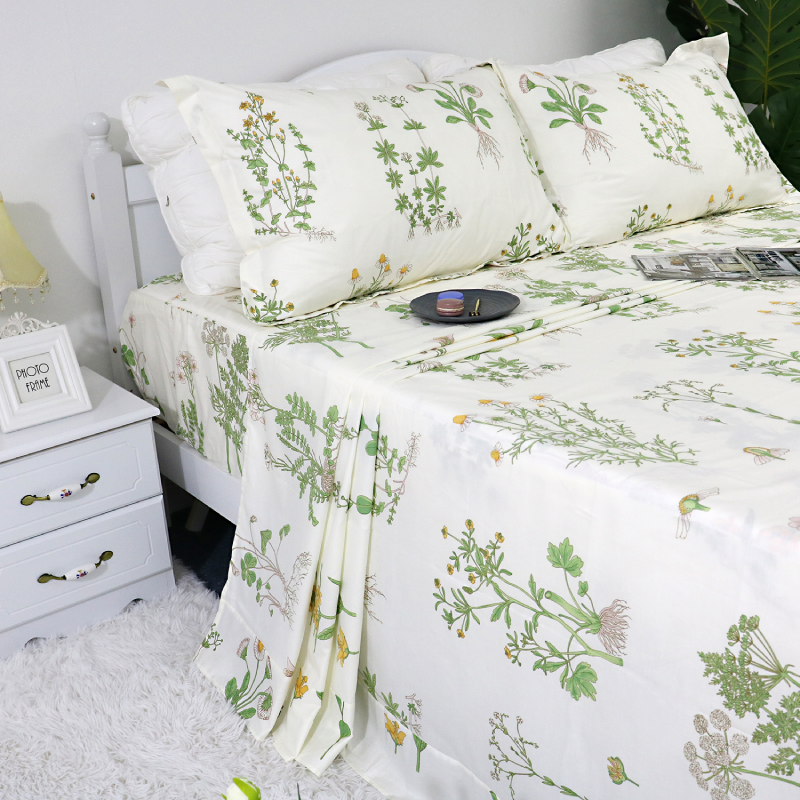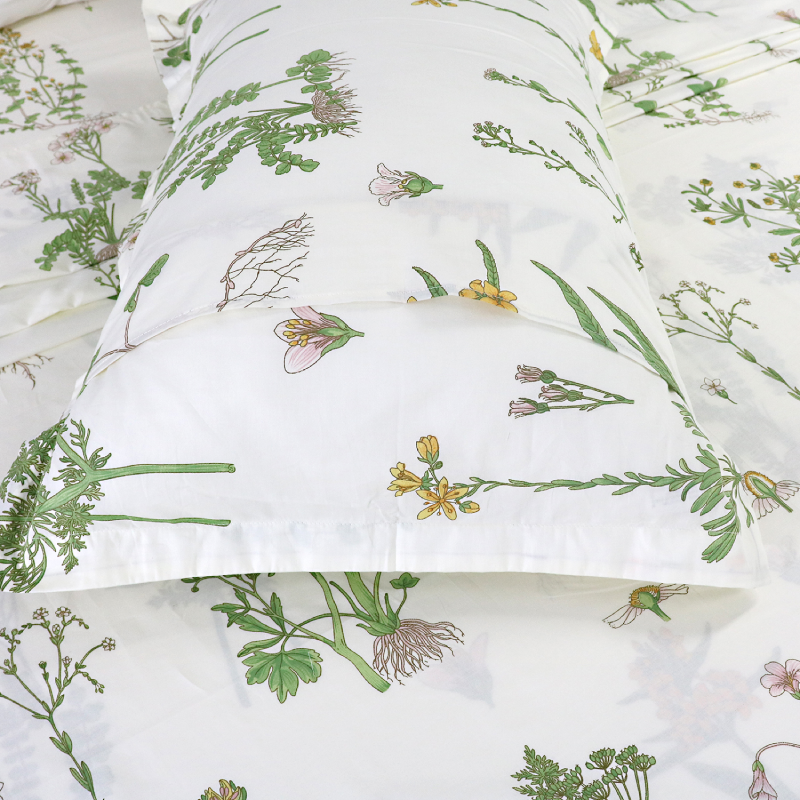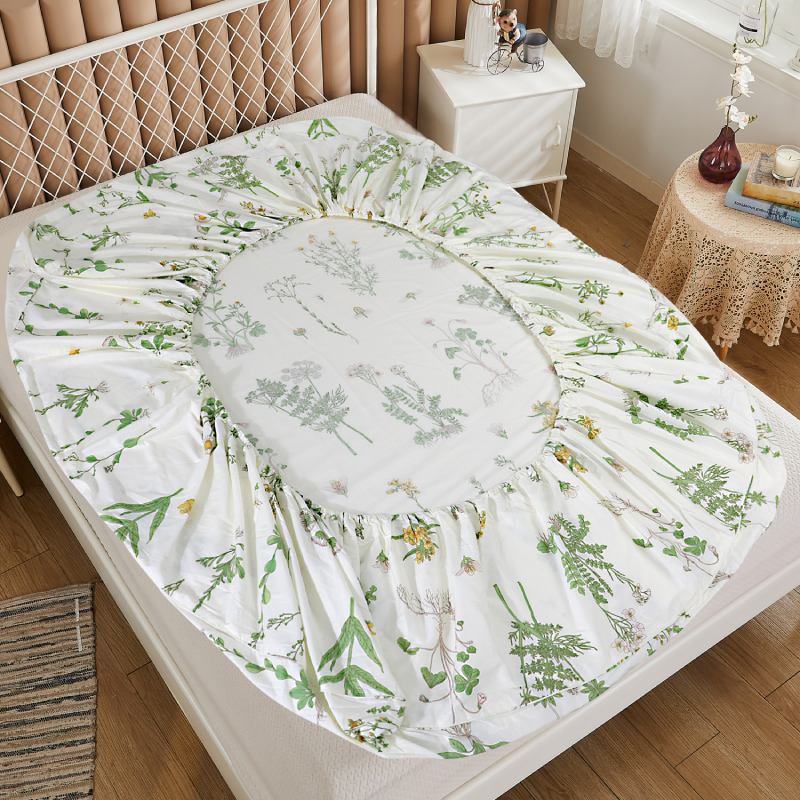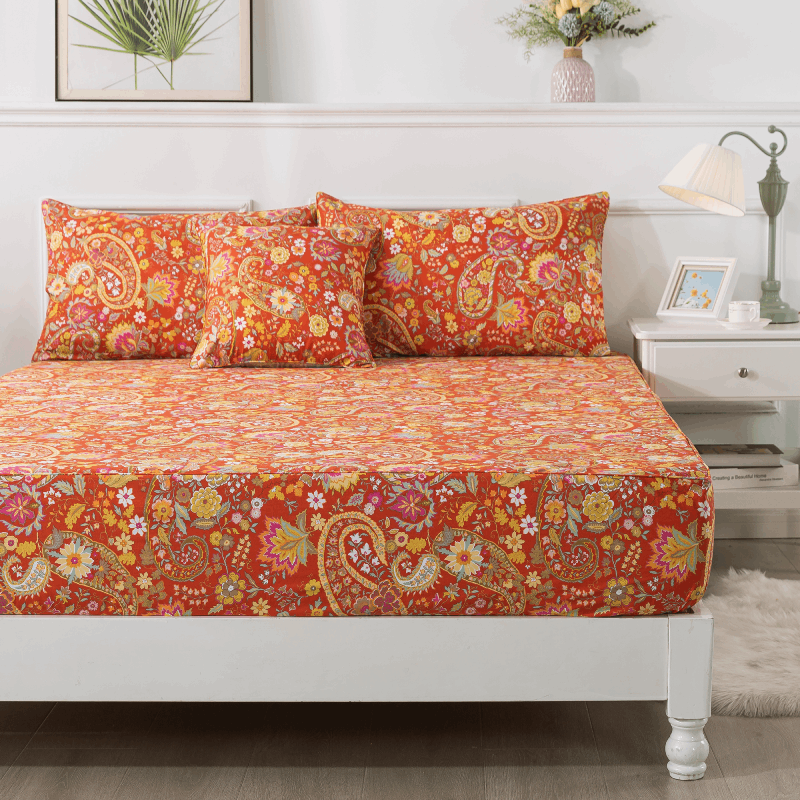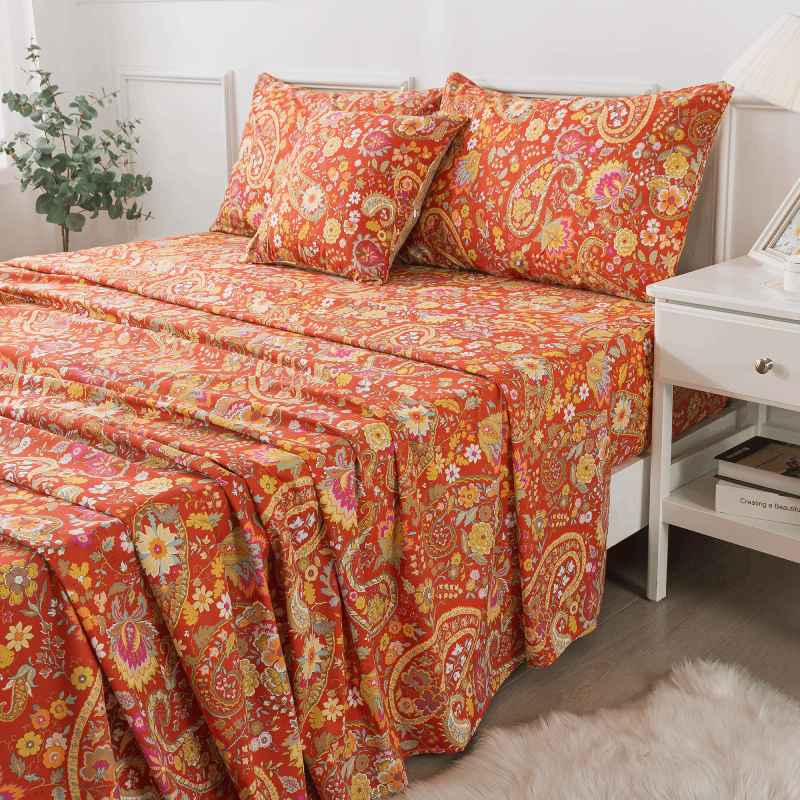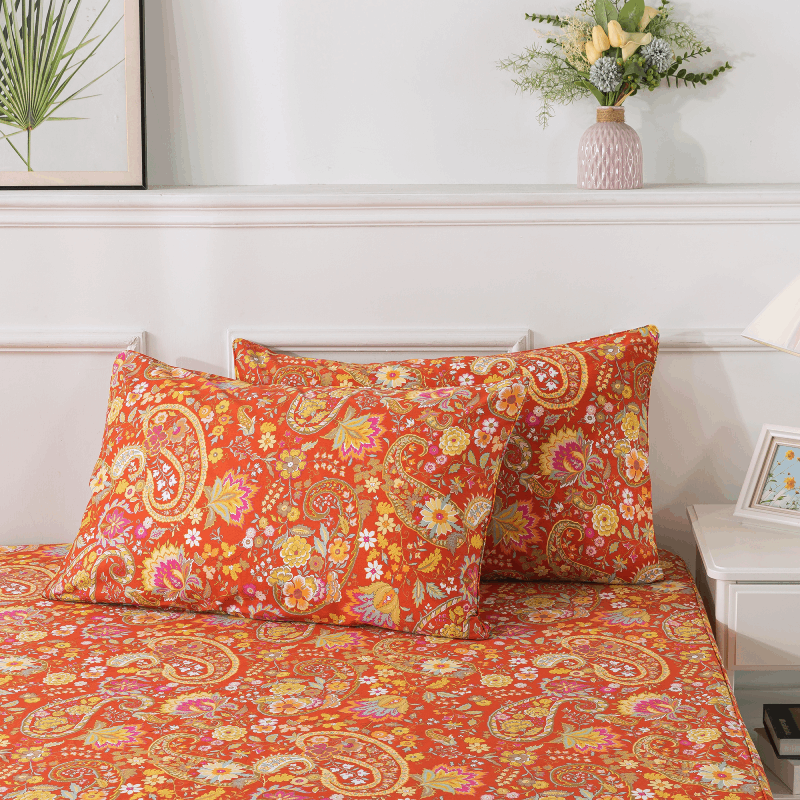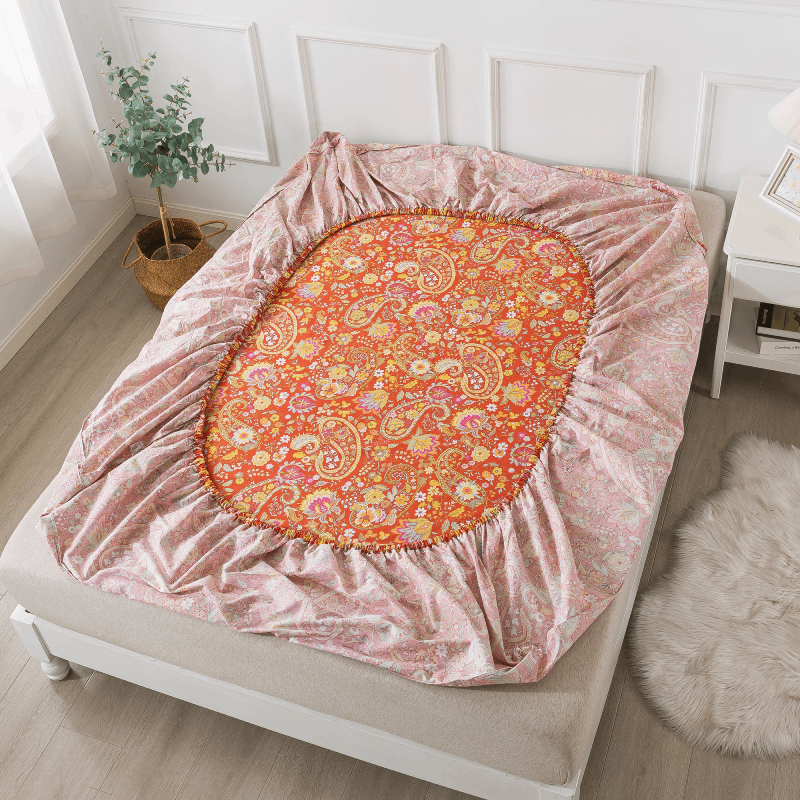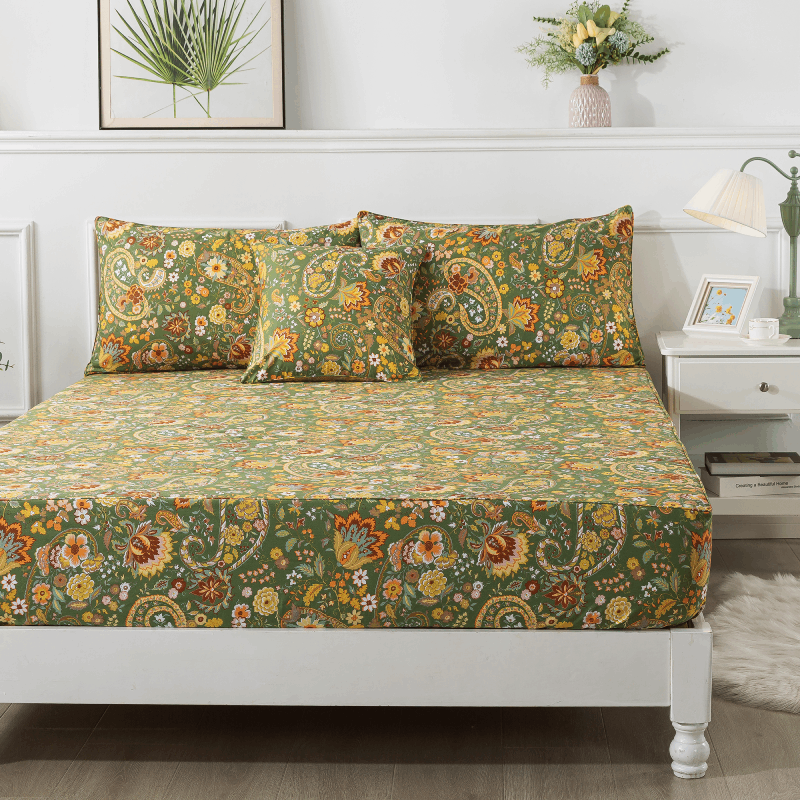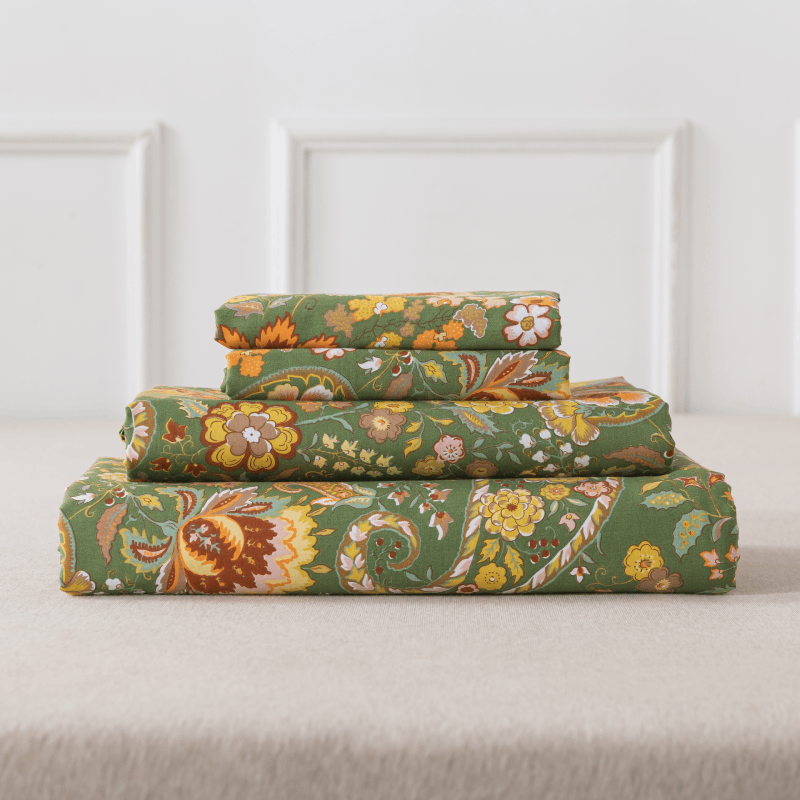
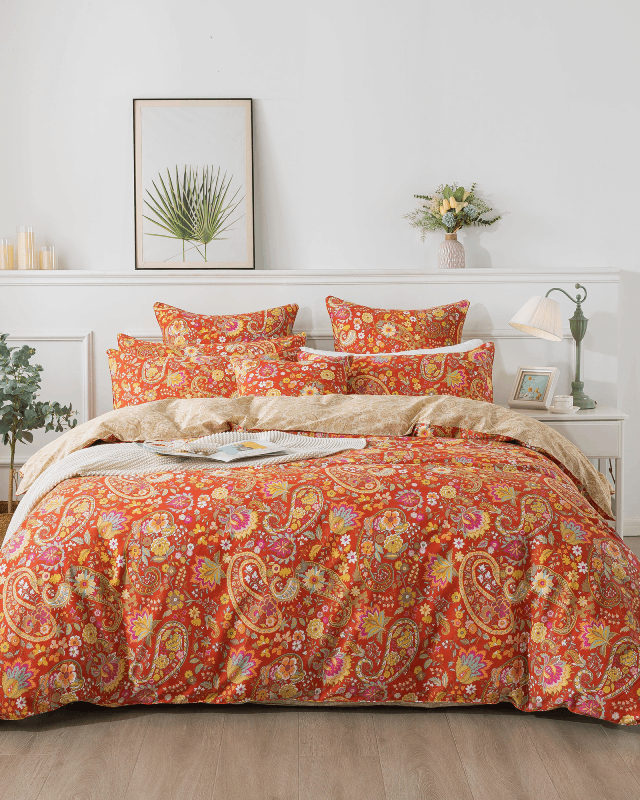
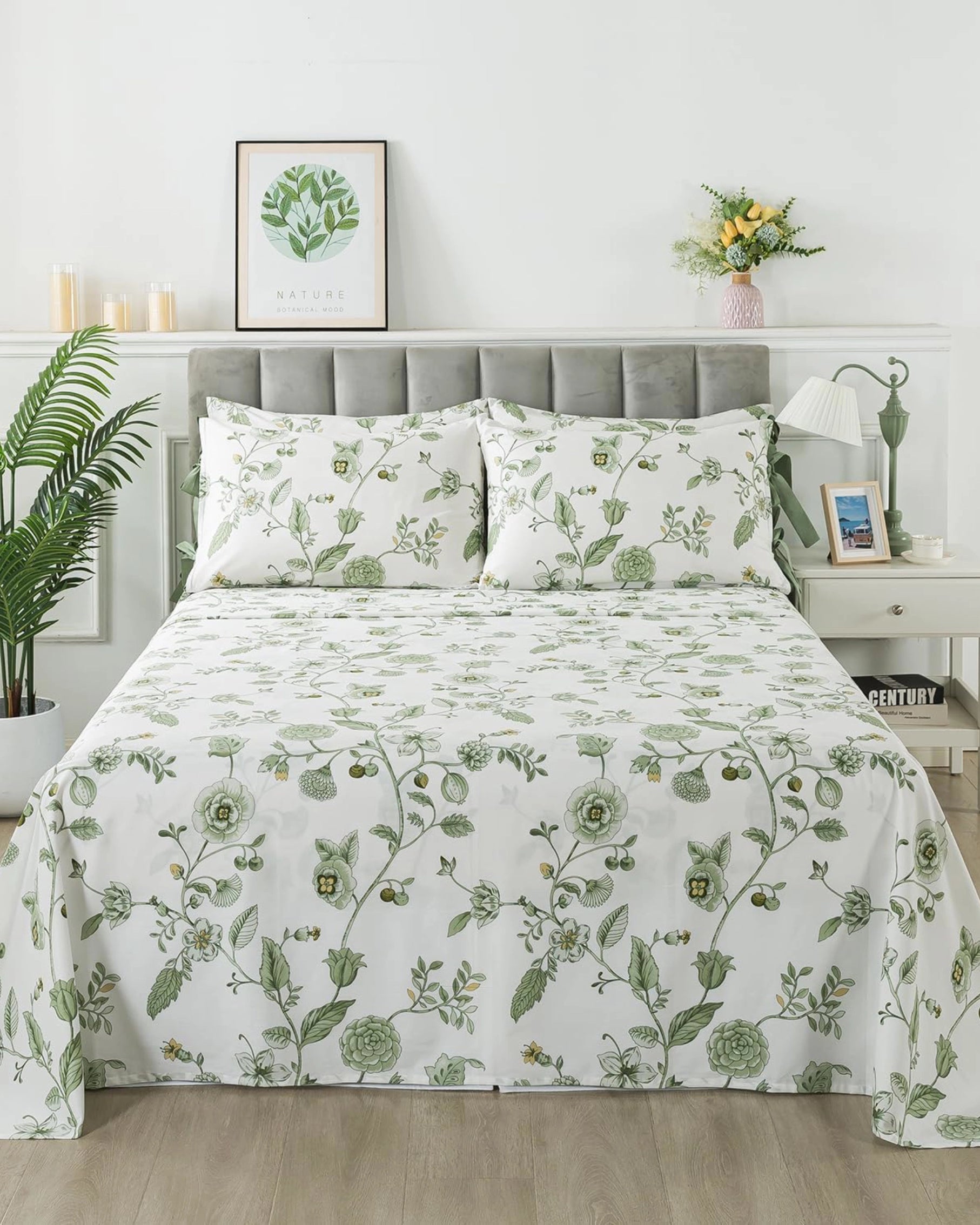


Floral bedding can make a bedroom feel soft, romantic, fresh, and full of personality. But if the print is too bold or the room already has many decorative details, floral bedding can quickly feel overwhelming. The key is not to avoid florals, but to choose the right scale, color, fabric, and styling balance.
Here are practical tips for choosing floral bedding that feels beautiful without overpowering the room.
1. Start with the Room’s Existing Color Palette
Before choosing floral bedding, look at the colors already in your bedroom. Pay attention to the wall color, curtains, rugs, furniture, and decorative pillows. If your room already has strong colors, choose floral bedding with softer, more muted tones.
For example, if your bedroom has beige, cream, white, or light wood furniture, soft pink, sage green, dusty blue, or vintage floral prints can blend naturally. If your room already includes dark furniture or bold wall colors, a floral pattern with a neutral background can keep the space from feeling too busy.
A good rule is to let the bedding include one or two colors already present in the room. This makes the floral design feel connected instead of visually separate.
2. Choose the Right Floral Scale
The size of the floral print makes a big difference. Large flowers create a dramatic look, while small flowers feel softer and more delicate.
If your bedroom is small, small-scale or medium-scale floral bedding is usually easier to style. Tiny floral prints, ditsy florals, and vintage botanical patterns add charm without taking over the entire space.
Large floral prints can still work, but they need more breathing room. They are best in simple bedrooms with minimal decor, plain walls, and fewer competing patterns.
3. Pay Attention to the Background Color
The background color of floral bedding often affects the overall mood more than the flowers themselves. A white, cream, or light pastel background usually feels airy and calming. A dark background can feel rich and elegant, but it may also make the bed appear heavier in the room.
If you want the bedding to feel soft and easy to match, choose floral designs with a light or neutral base. This helps the bed look fresh instead of visually crowded.
4. Balance Florals with Solid Colors
One of the easiest ways to keep floral bedding from overpowering the room is to pair it with solid colors. If your duvet cover or quilt has a floral print, use solid sheets, plain pillowcases, or a simple throw blanket.
For example, floral bedding with white sheets and a beige throw can feel clean and balanced. If the floral print includes soft green leaves, you can add one solid sage pillow to pull the look together.
Avoid using too many floral items at once. Floral duvet, floral sheets, floral curtains, and floral rugs in the same room can feel heavy unless they are carefully coordinated.
5. Consider the Fabric Texture
Fabric texture also affects how strong a floral pattern feels. Crisp cotton, washed cotton, muslin, and double gauze can make floral bedding feel relaxed and natural. Shiny fabrics may make the pattern look more formal or intense.
For a soft bedroom look, breathable cotton floral bedding is a good choice. It feels comfortable for everyday use and gives the print a more casual, lived-in beauty.
6. Match the Floral Style to the Bedroom Mood
Not all floral bedding has the same feeling. Some prints are romantic and vintage, while others are modern, tropical, or bold.
For a calm bedroom, choose watercolor florals, faded botanical prints, cottage-style flowers, or French country designs. These patterns usually have softer lines and gentle colors.
For a more modern room, choose floral bedding with fewer colors and a cleaner layout. A simple botanical print can add warmth without making the room feel too traditional.

7. Leave Negative Space in the Room
Floral bedding looks best when the room has some quiet areas. Plain walls, simple nightstands, and uncluttered surfaces help the floral pattern stand out in a tasteful way.
If the bed is the main decorative feature, keep other elements simple. Choose solid curtains, minimal wall art, and natural textures like wood, linen, or woven baskets.
The goal is to let the bedding bring charm while the rest of the room supports it.
8. Use Pillows Carefully
Decorative pillows can complete the look, but too many can make the bed feel crowded. If your bedding already has a floral pattern, choose pillows in solid colors or subtle textures.
A good combination might be two matching pillow shams, one solid accent pillow, and a simple throw. This creates a finished look without adding too much visual noise.
Final Thoughts
Floral bedding does not have to overpower a room. When chosen thoughtfully, it can make a bedroom feel peaceful, romantic, and welcoming. Focus on soft colors, the right print size, breathable fabrics, and simple styling around the bed.
The best floral bedding should feel like part of the room, not something fighting for attention. With the right balance, floral patterns can bring warmth and beauty while still keeping the bedroom calm and comfortable.