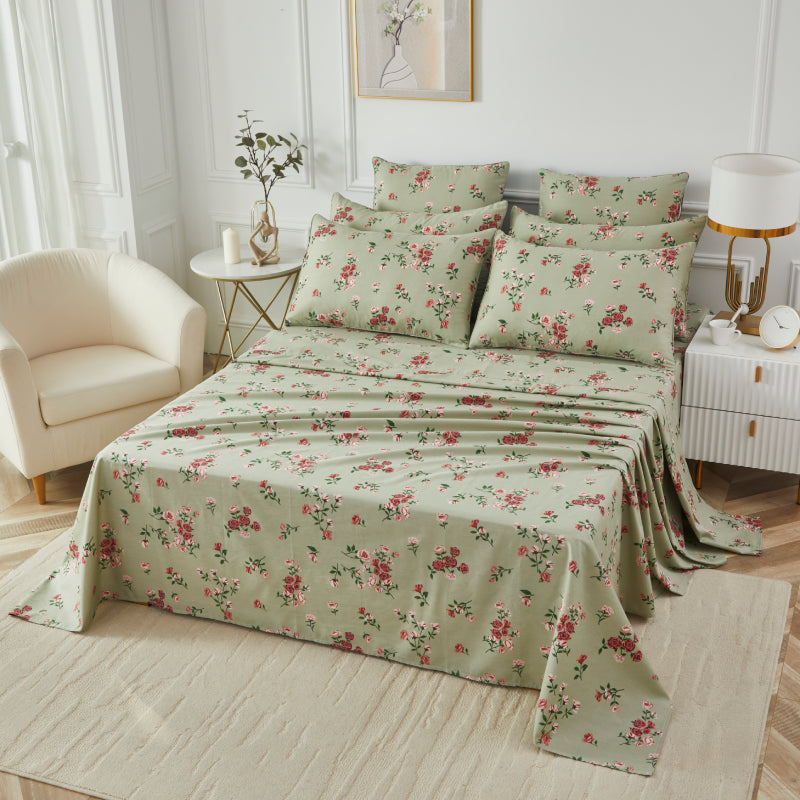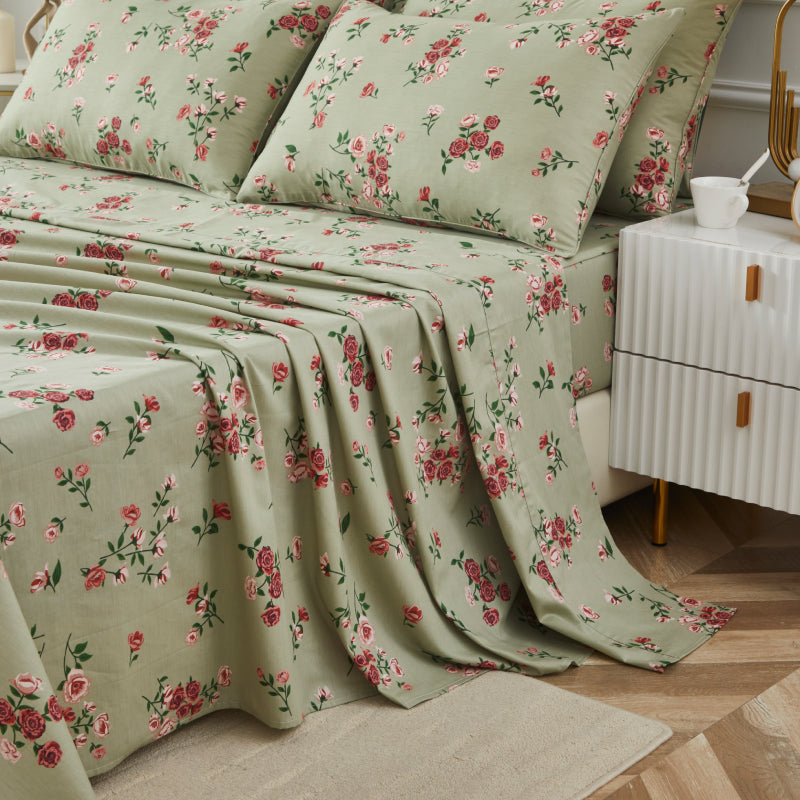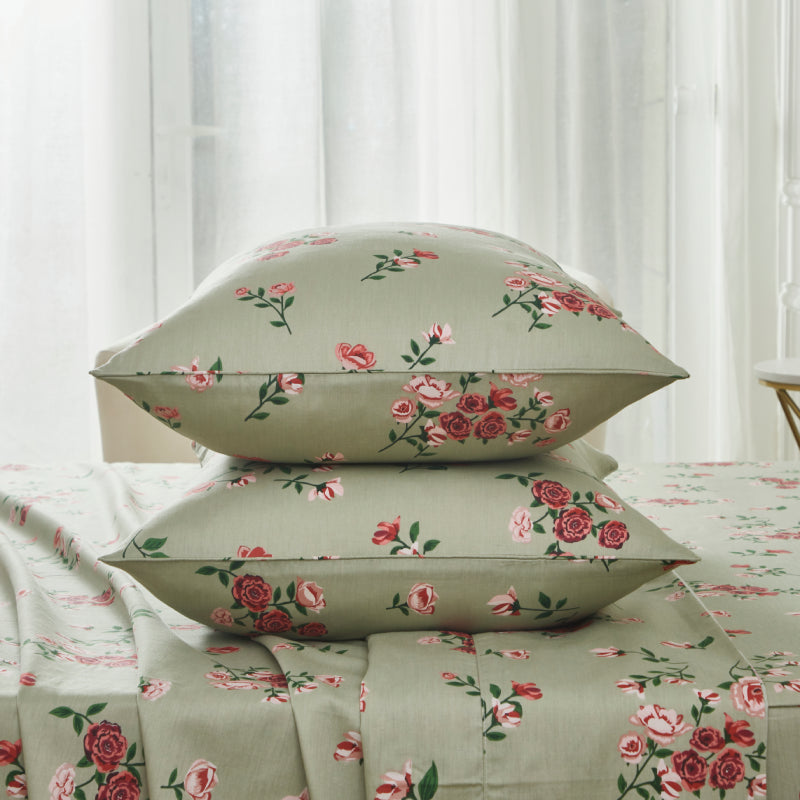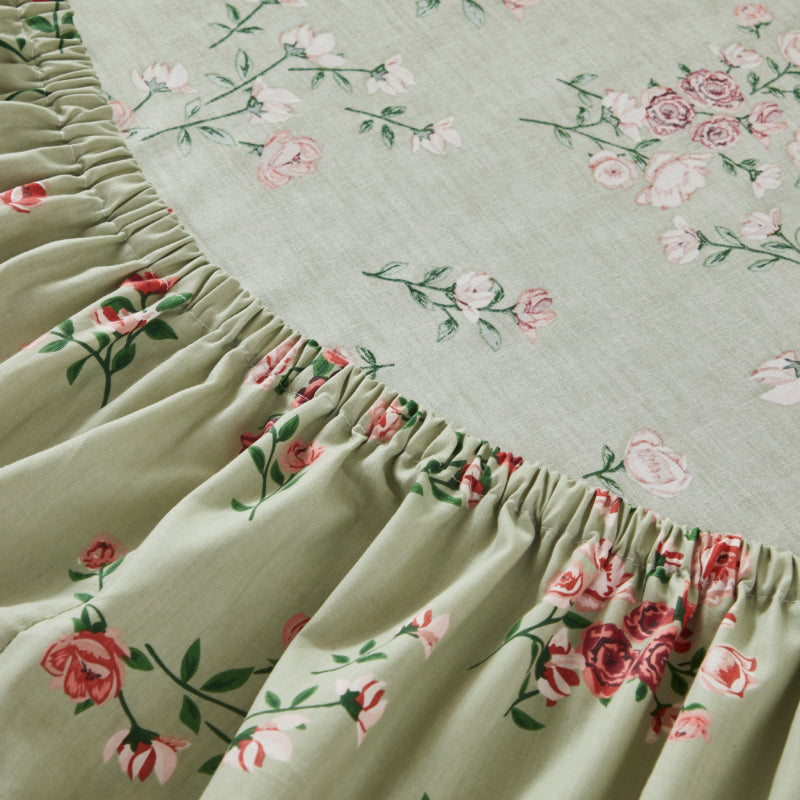
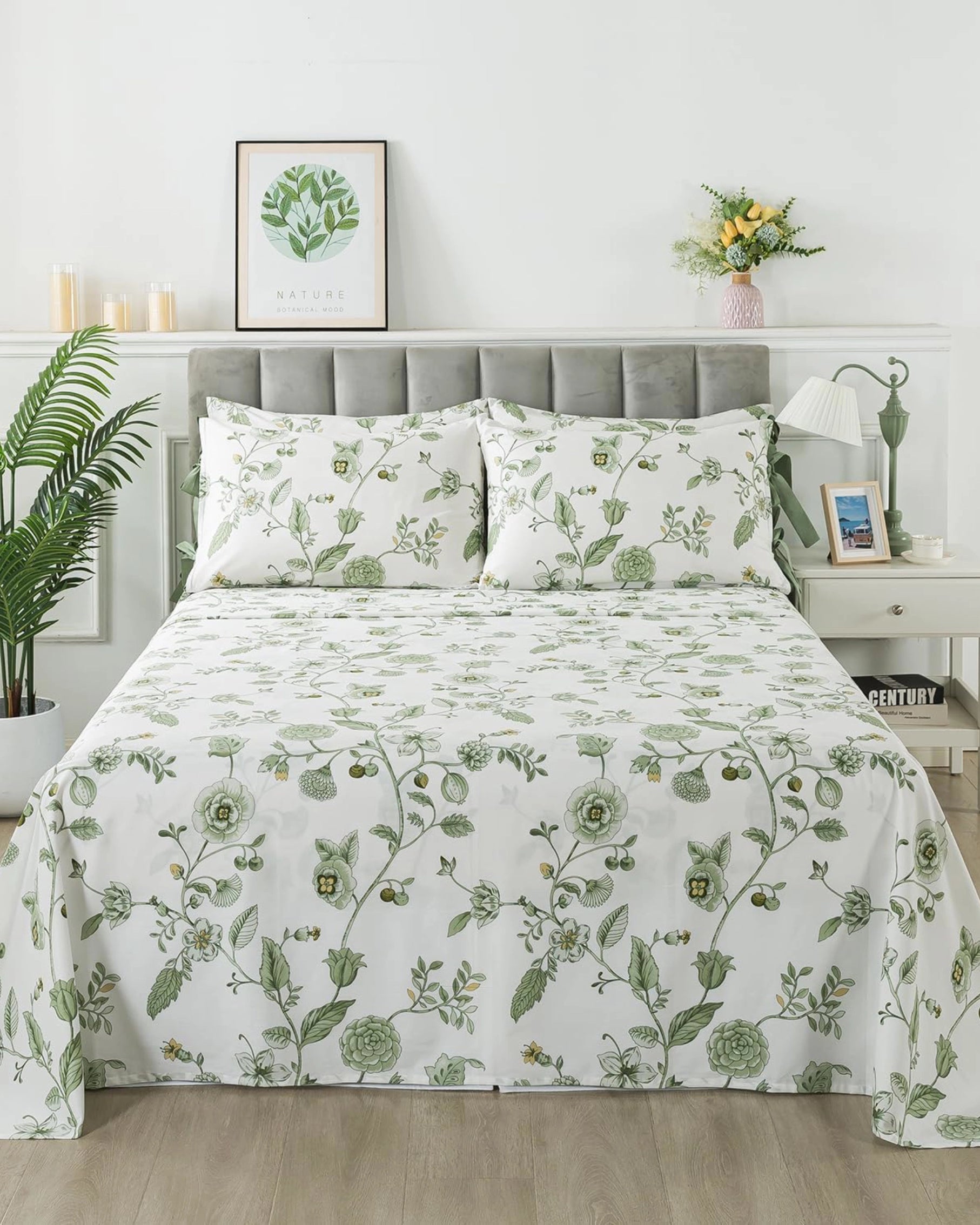


In real life, beds aren’t always perfectly styled. Sheets wrinkle, pillows shift, and throws end up casually draped rather than meticulously folded. But that doesn’t mean your bedroom has to look messy. The right bedding can actually enhance that relaxed, lived-in aesthetic—turning an unmade bed into a design statement rather than a flaw.
Here’s how to choose bedding that still looks effortlessly beautiful, even when it’s not perfectly arranged.

1. Prioritize Textured Fabrics Over Flat Finishes
Smooth, tightly woven fabrics like sateen tend to highlight wrinkles and creases. When the bed isn’t made, these materials can look disheveled rather than relaxed.
Instead, opt for fabrics with natural texture:
- Double gauze cotton
- Washed cotton
- Linen or linen blends
- Crinkled or puckered weaves
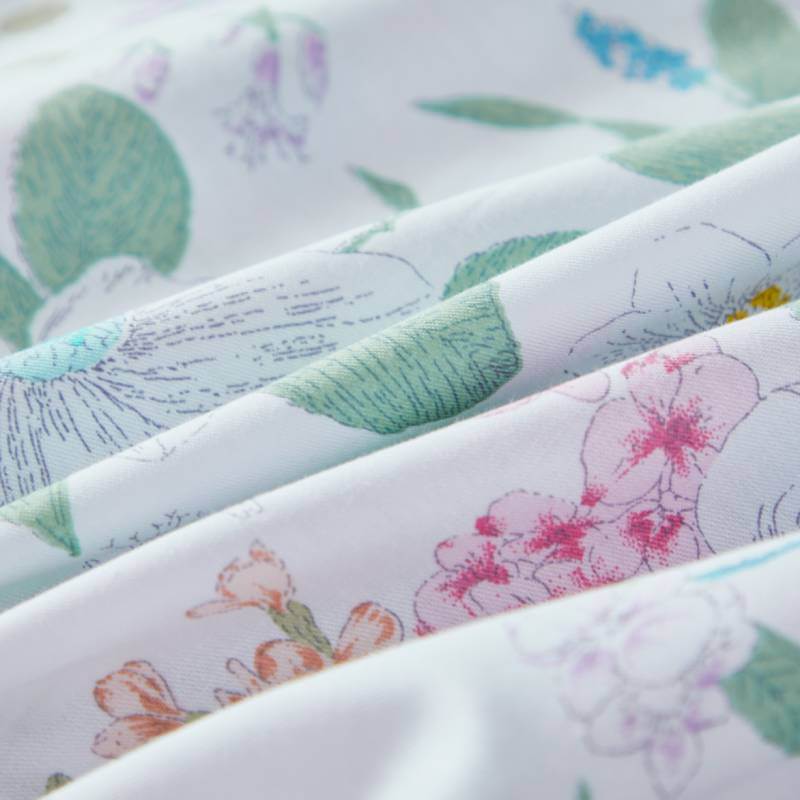
These materials are designed to look slightly rumpled. The texture diffuses light and softens visual imperfections, so wrinkles appear intentional rather than messy.
2. Choose Patterns That Camouflage Imperfection
Solid colors—especially darker or highly saturated ones—can emphasize folds, shadows, and uneven surfaces. In contrast, patterns help visually “break up” the surface of the bed.
Some effective pattern strategies:
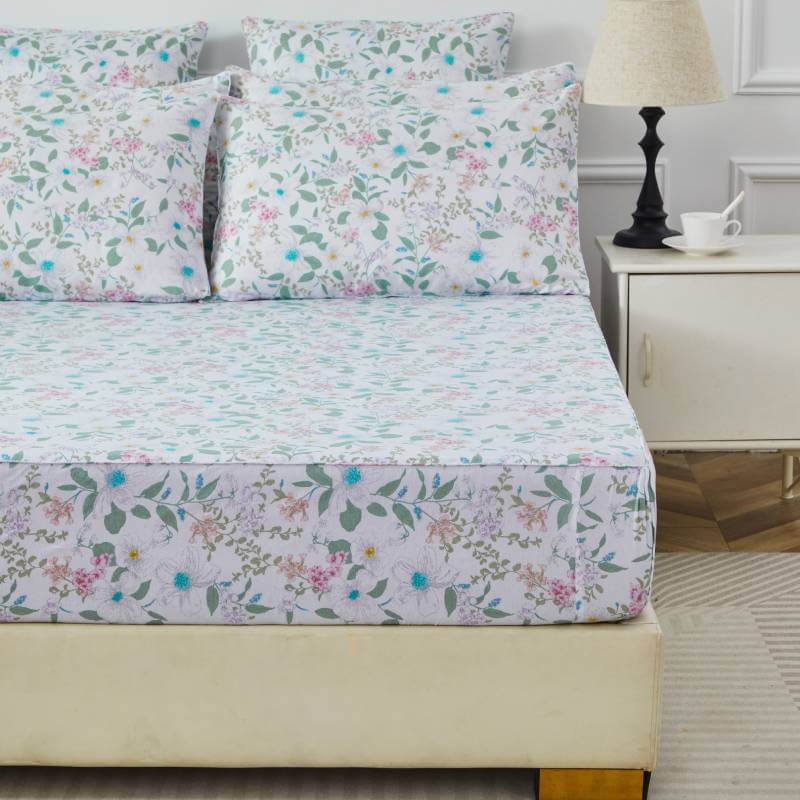
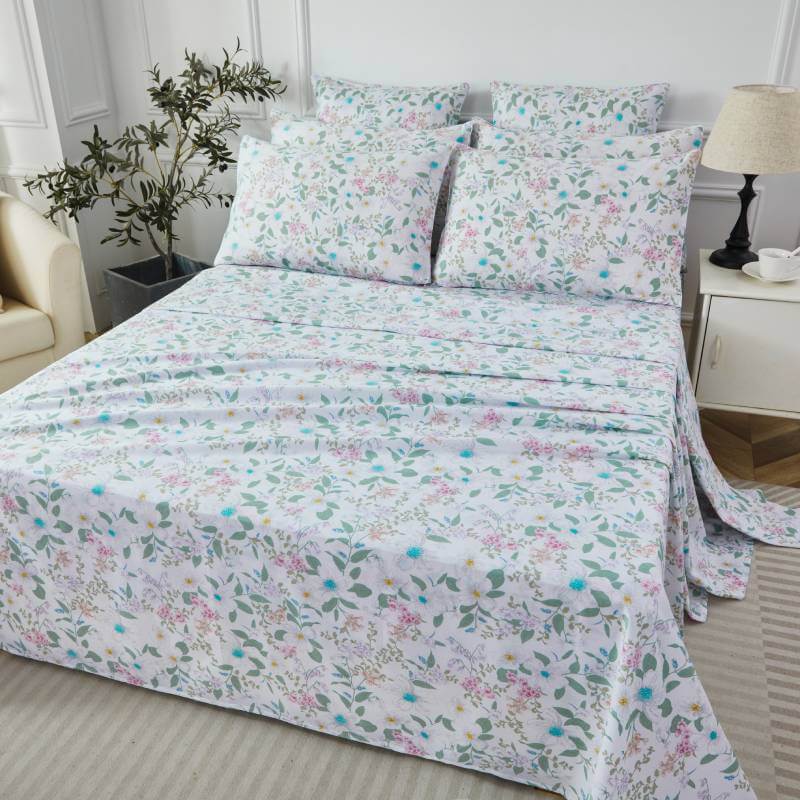
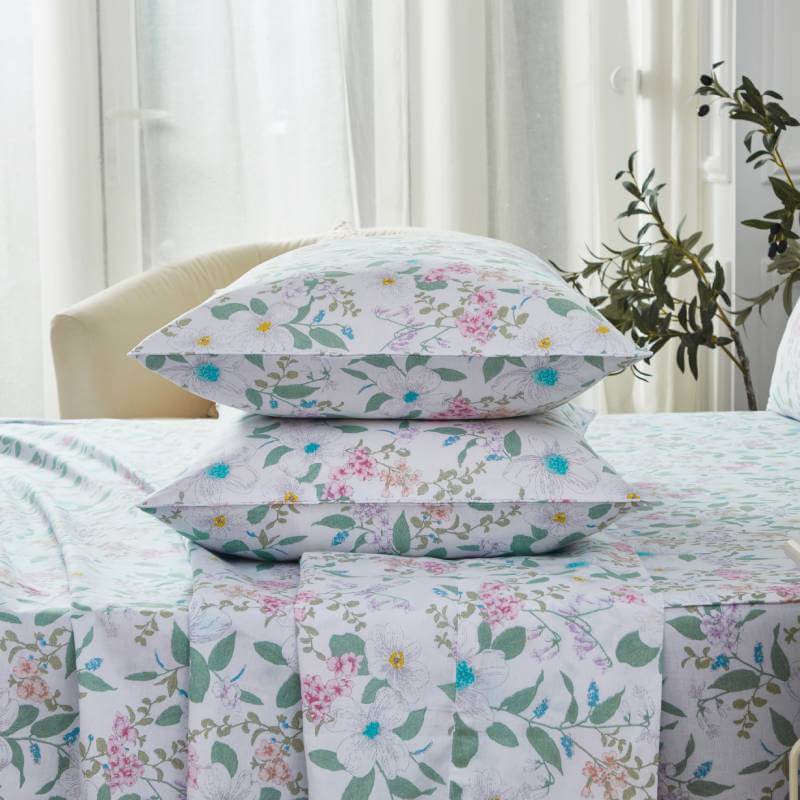
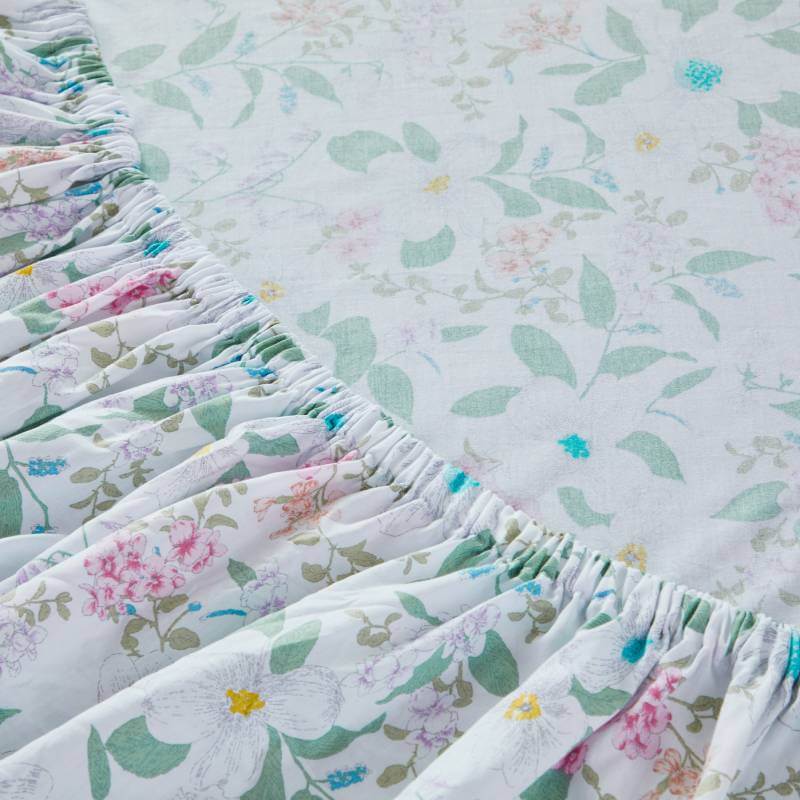
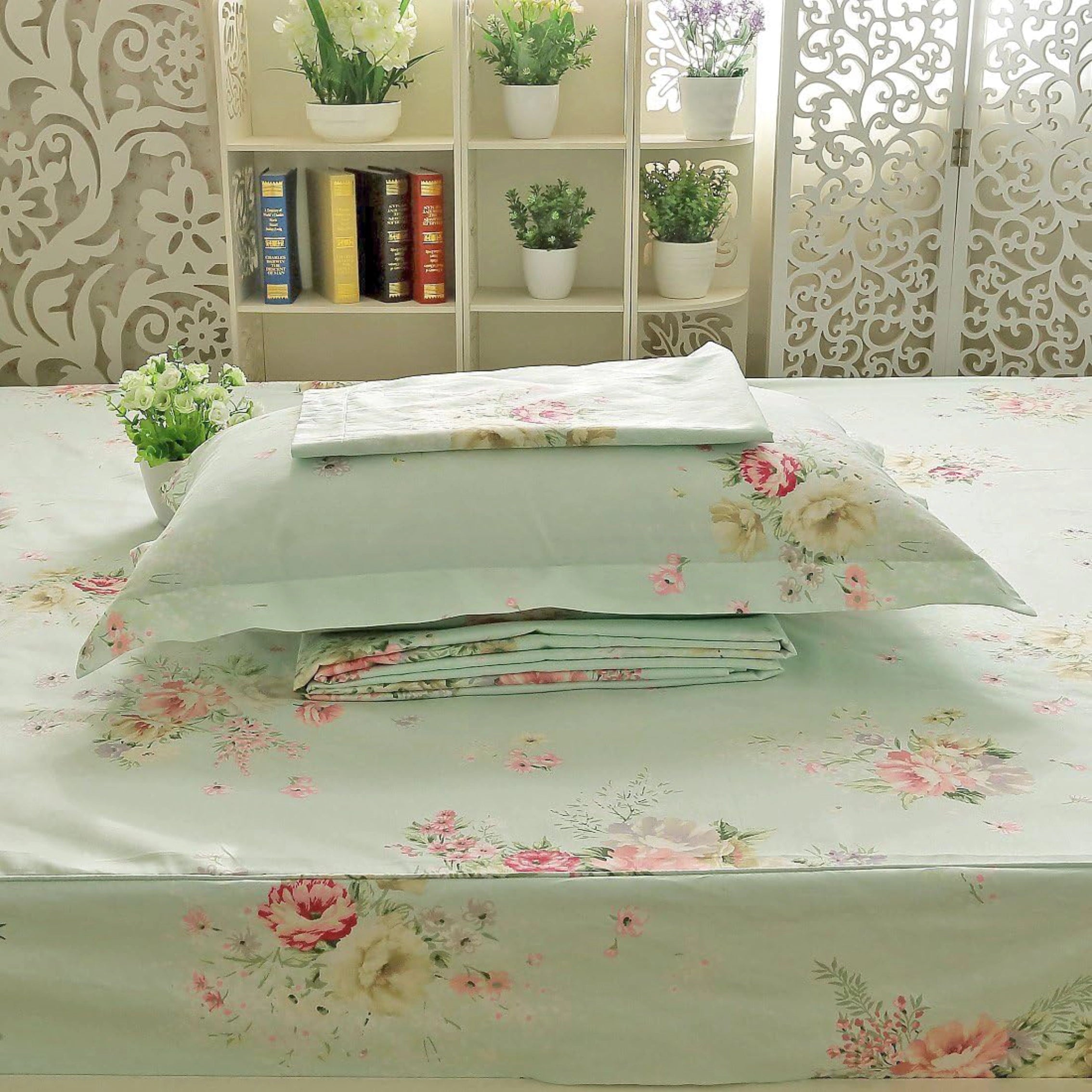
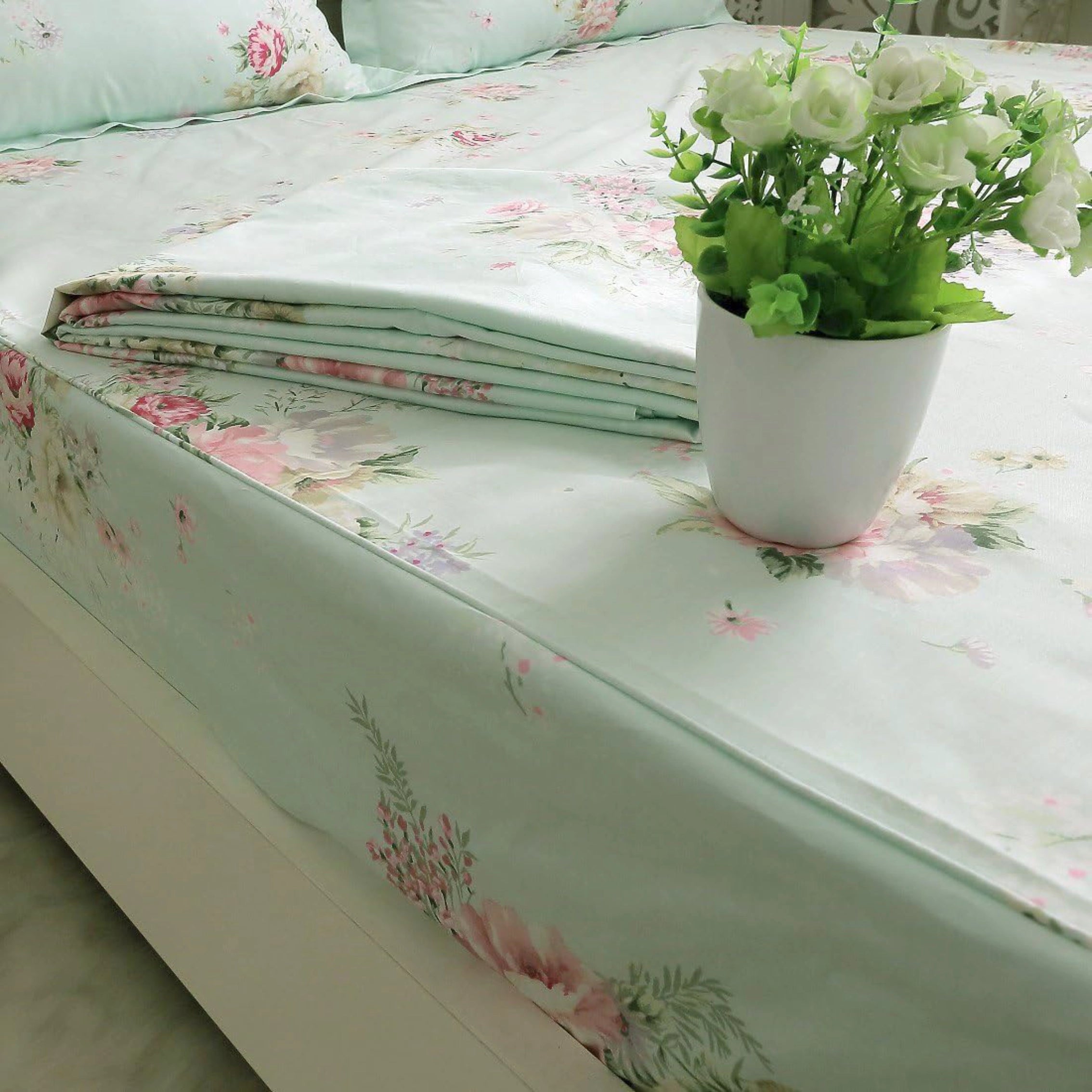
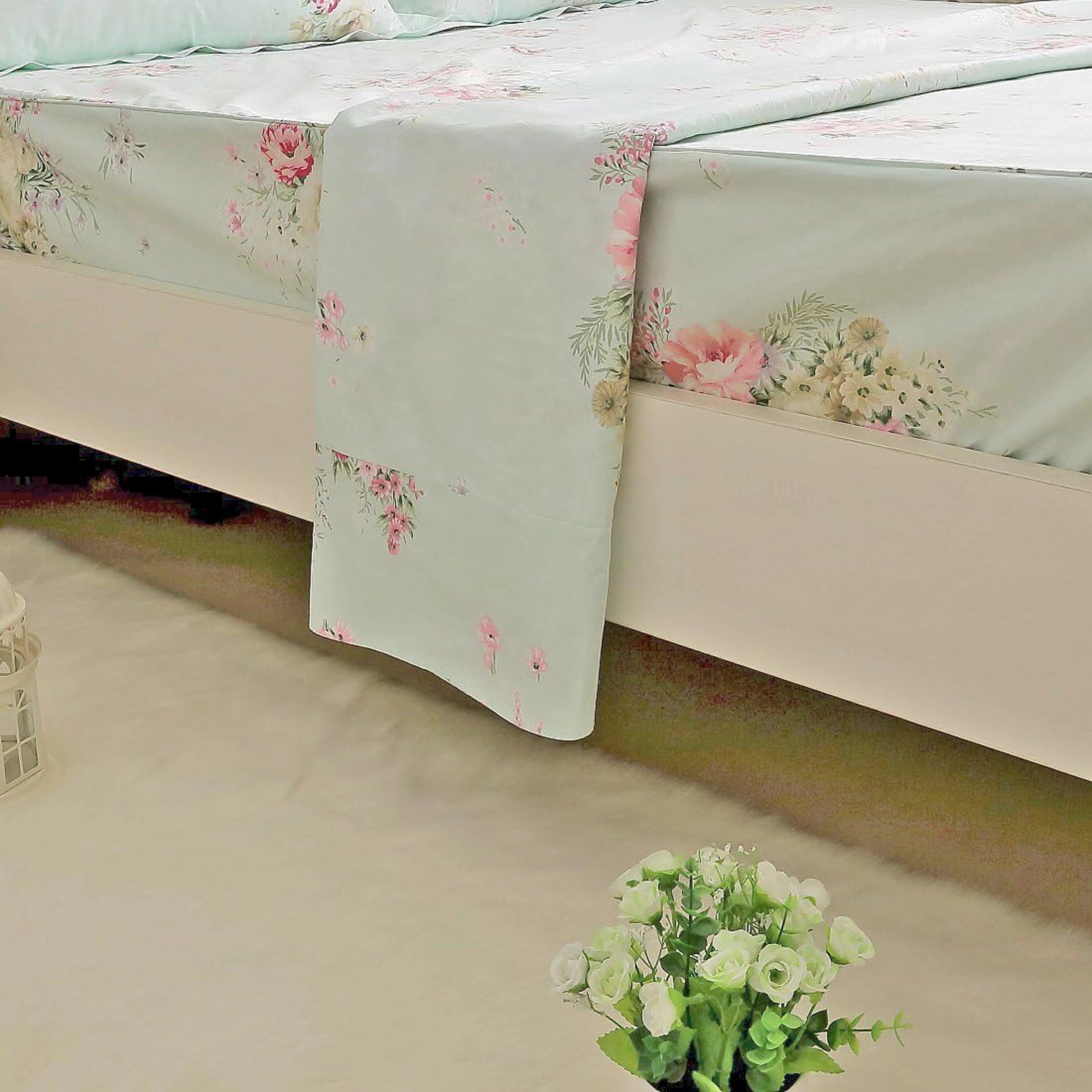
- Floral prints: Organic shapes naturally hide creases
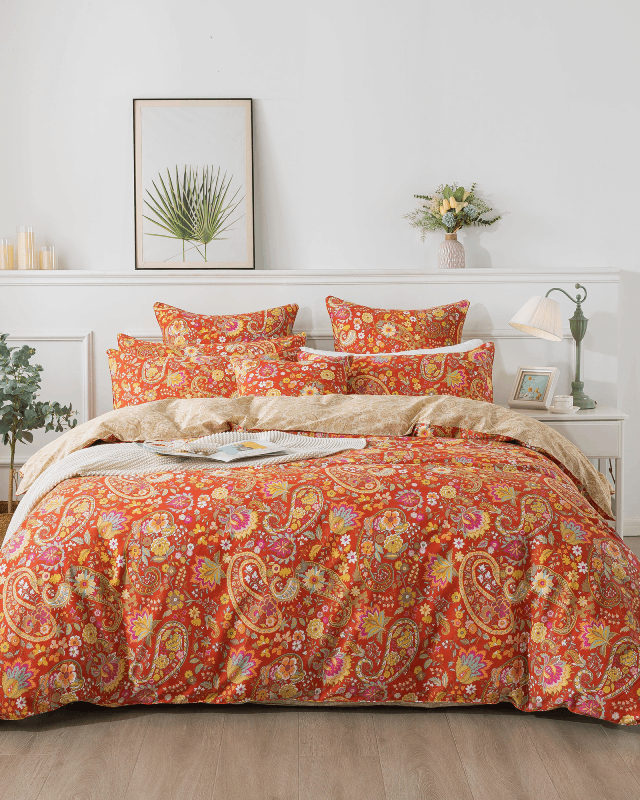
- Paisley or botanical designs: Add flow and visual movement
- Small-scale repeating patterns: Distract from wrinkles
- Soft watercolor prints: Blur lines and soften contrast
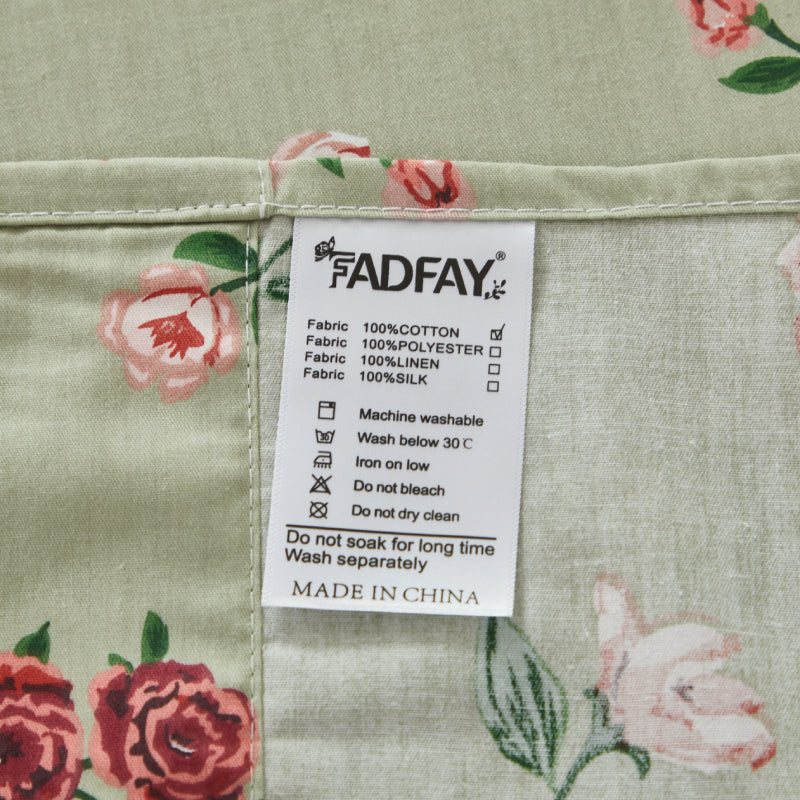
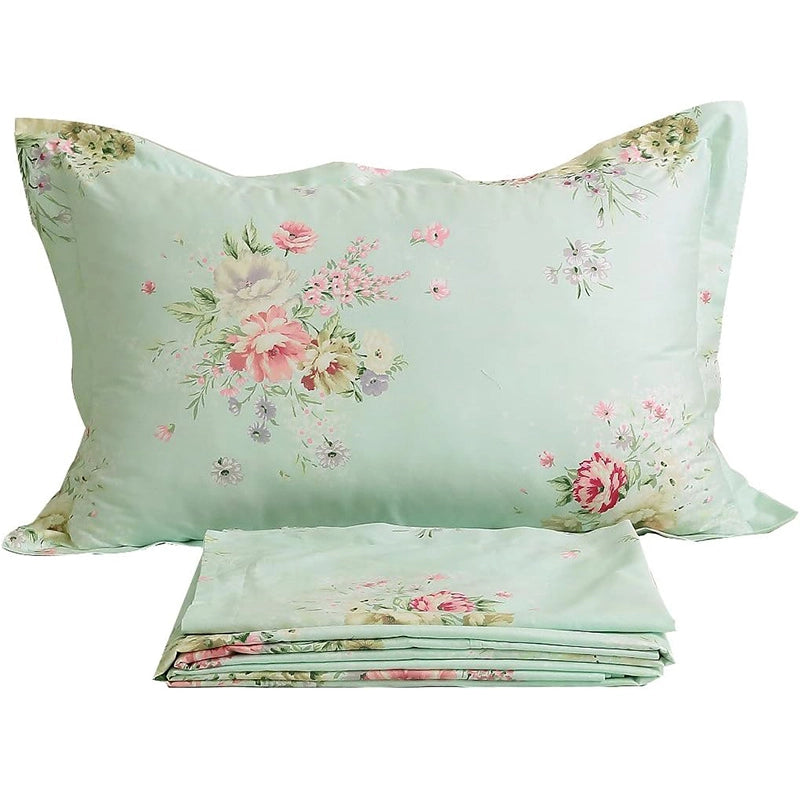
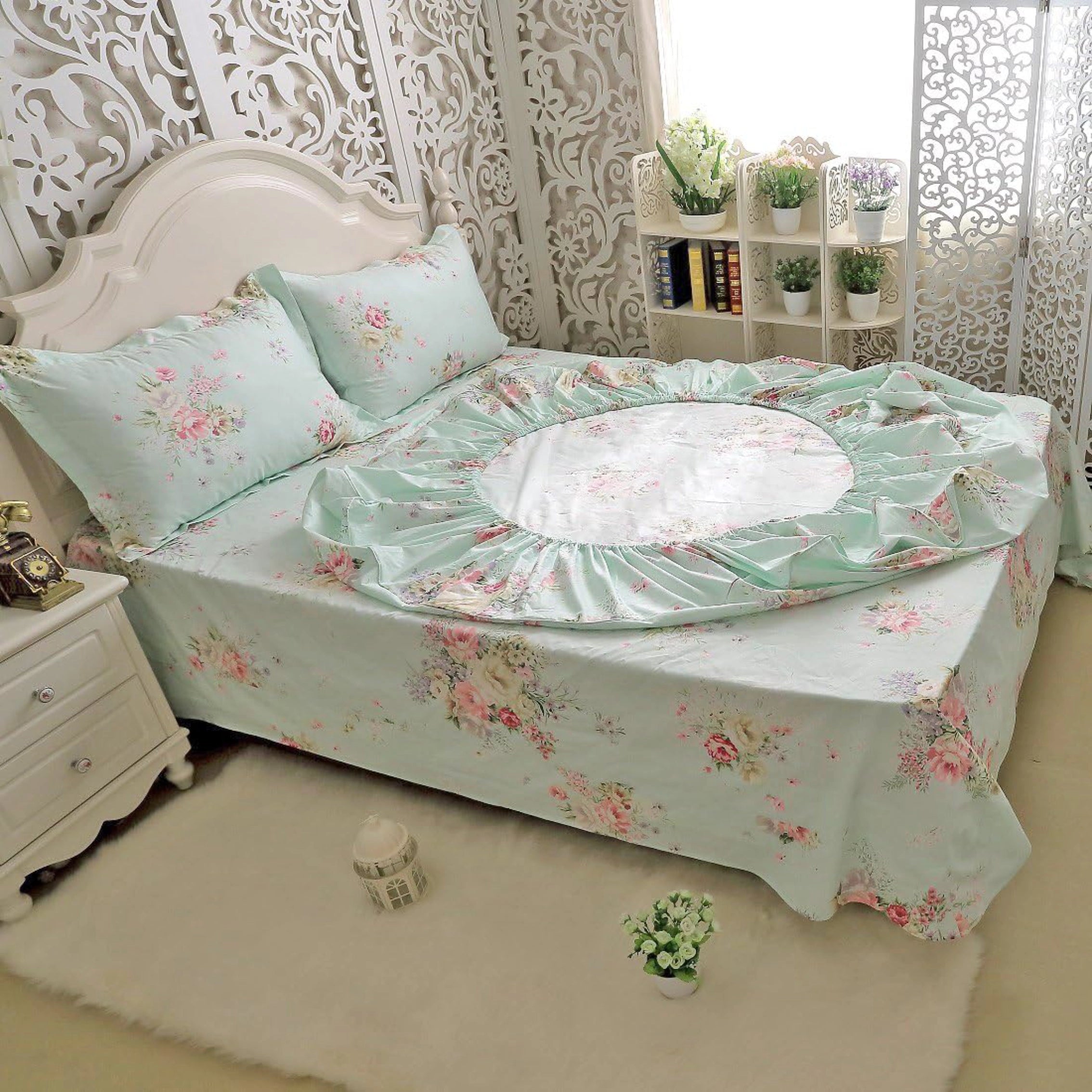
For brands like FADFAY that specialize in floral bedding, this is a major advantage. Floral designs inherently create a relaxed, layered look—even when the bed is only partially arranged.
3. Lean Into Soft, Muted Color Palettes
Color plays a significant role in how “messy” or “relaxed” a bed appears.
Best choices:
- Soft neutrals (ivory, beige, warm gray)
- Dusty pastels (blush, sage, powder blue)
- Faded vintage tones
These tones create a calming, cohesive visual field. Even if the bedding is slightly wrinkled or uneven, the softness of the palette prevents harsh visual contrast.
Avoid:
- High-gloss finishes
- Extremely dark, flat colors
- High-contrast color blocking
These tend to exaggerate every fold and shadow.
4. Opt for Lightweight, Breathable Layers
Heavy, stiff bedding often looks bulky and awkward when unmade. Lightweight materials, on the other hand, drape naturally and fall into soft, organic shapes.
Look for:
- Breathable cotton constructions
- Layerable quilts instead of thick comforters
- Soft coverlets that contour easily
A quilt or lightweight duvet will settle into gentle folds, creating a casual, inviting look—even if you didn’t “style” it.
5. Embrace the “Relaxed Drape” Effect
Some bedding looks best when it’s slightly undone. The key is choosing materials that naturally create elegant draping rather than stiff folds.
What to look for:
- Fabrics that fall softly rather than hold rigid structure
- Edges that don’t require precise alignment
- Slightly oversized pieces for a looser silhouette
This creates a “just-left-the-bed” aesthetic that feels intentional—similar to boutique hotel styling or editorial photography.
6. Focus on Durability and Real-Life Use
A bed that looks good unmade also needs to hold up to daily life—especially if pets, kids, or frequent use are involved.
Important qualities:
- Wrinkle-resistant or wrinkle-friendly textures
- Strong stitching and fabric resilience
- Easy machine washability
- Color retention after repeated washes
For example, double gauze cotton becomes softer over time and maintains its relaxed texture even after multiple washes—making it ideal for real-life, everyday bedding.
7. Layer Strategically—But Keep It Simple
You don’t need a dozen decorative elements. In fact, too many layers can look chaotic when the bed isn’t made.
A clean, effective layering approach:
- 1 quilt or duvet
- 1–2 pillows with coordinated cases
- Optional lightweight throw
The goal is cohesion, not complexity. When everything shares a consistent color palette and fabric story, even a slightly messy arrangement will feel balanced.
8. Design for “Effortless, Not Perfect”
The biggest mindset shift is this: stop designing for perfection.
Instead, aim for:
- A bed that looks inviting at any moment
- Materials that age gracefully
- Aesthetic that embraces softness, comfort, and authenticity
The best bedding doesn’t require constant adjustment. It looks good because it’s designed to look good in real life—not just in photos.
Final Thoughts
An unmade bed doesn’t have to look messy—it can look relaxed, elegant, and completely intentional. By choosing textured fabrics, soft color palettes, and forgiving patterns, you create a bedroom that feels both beautiful and livable.
Because ultimately, the most appealing spaces aren’t the ones that are perfectly styled—they’re the ones that feel naturally comfortable.
And the right bedding makes that effortless.