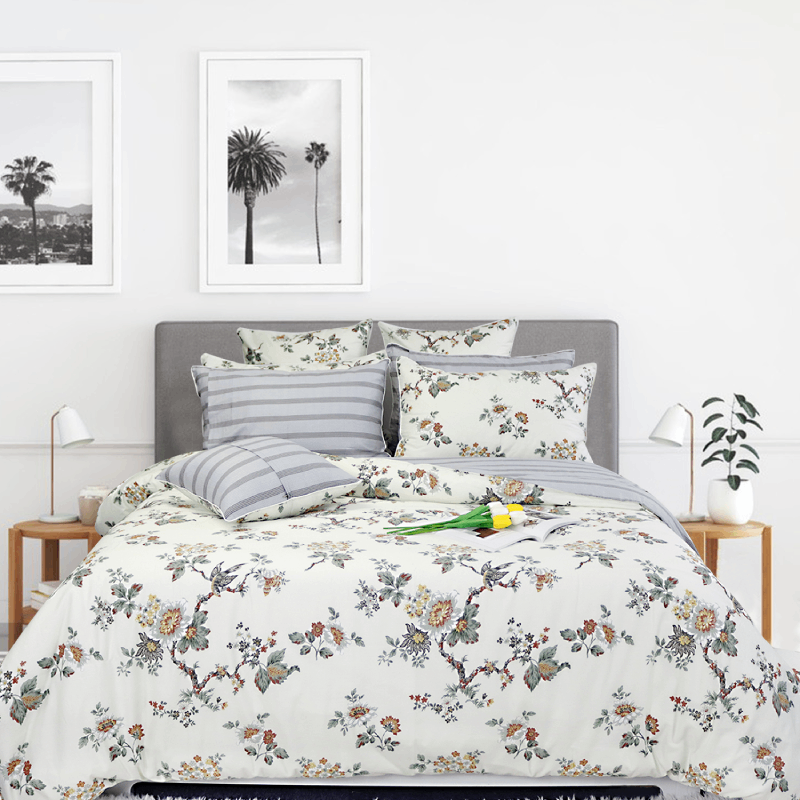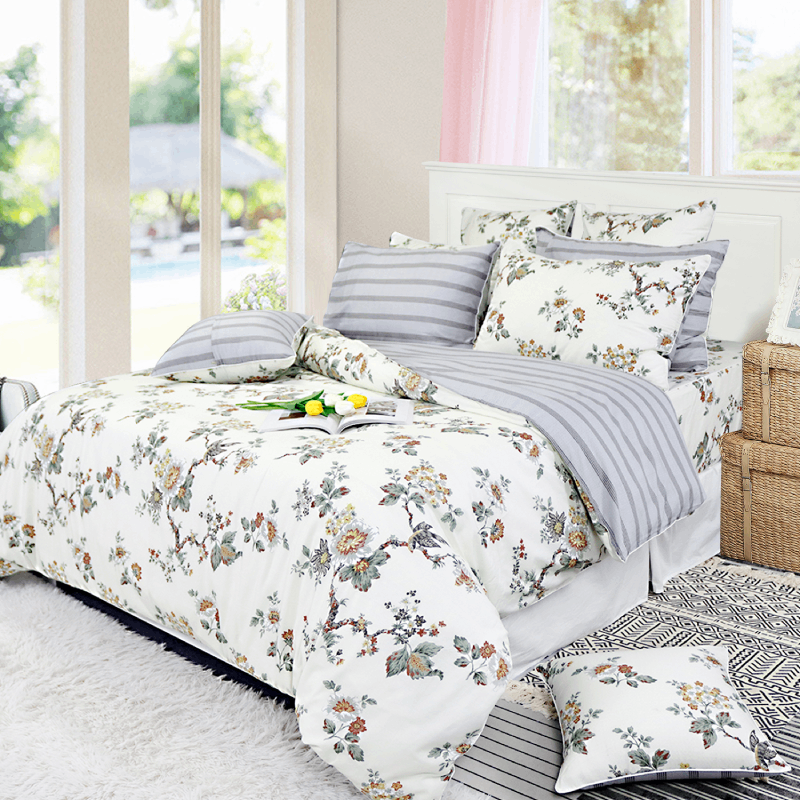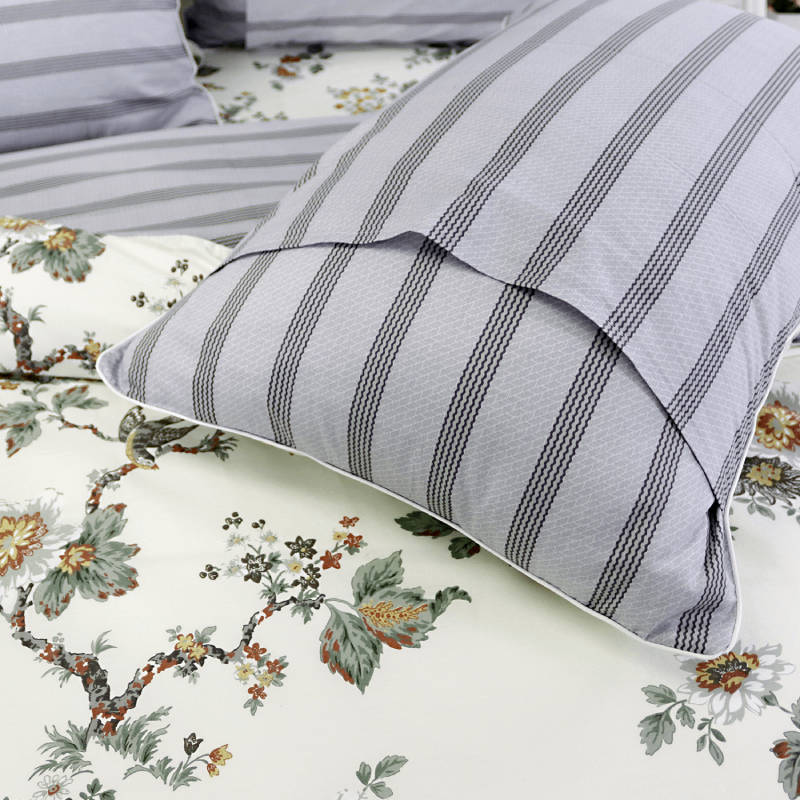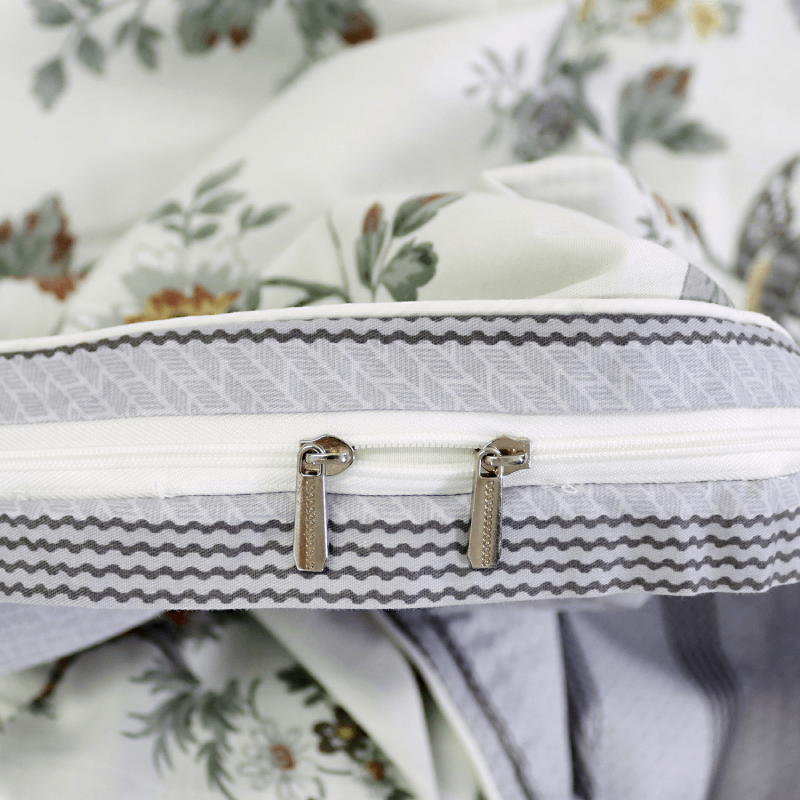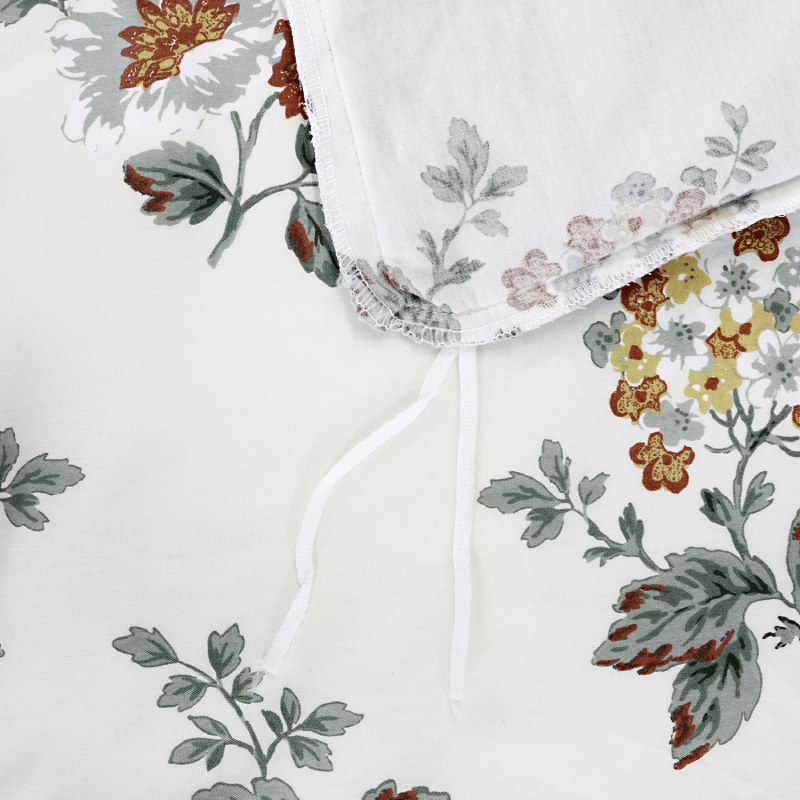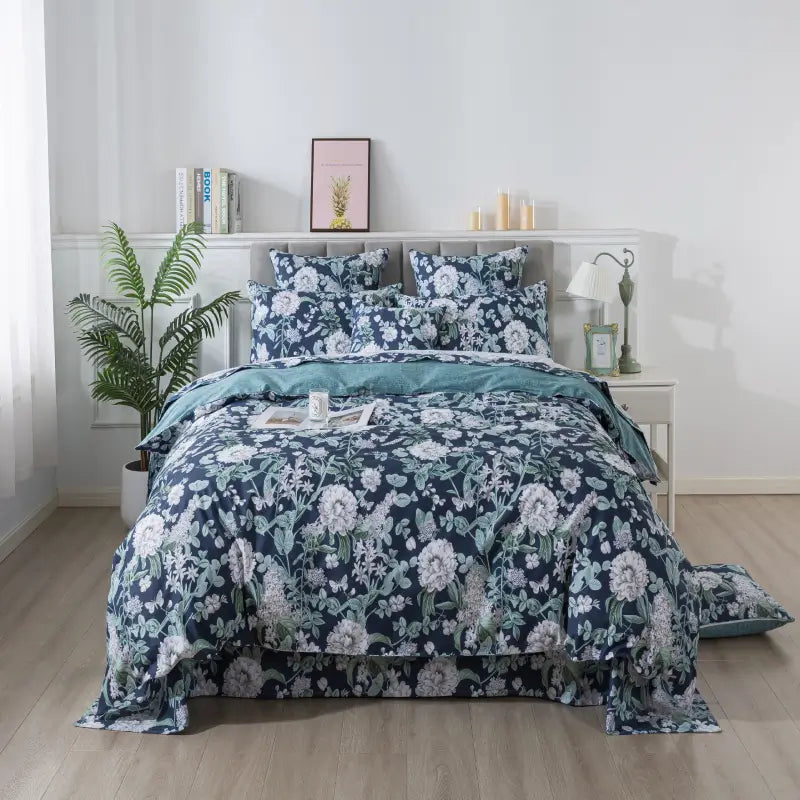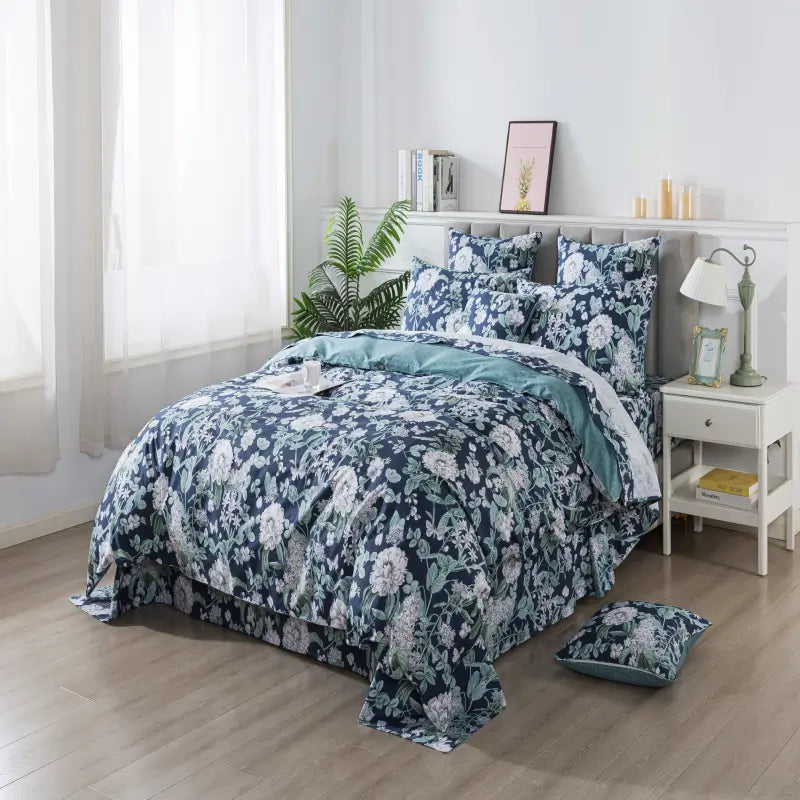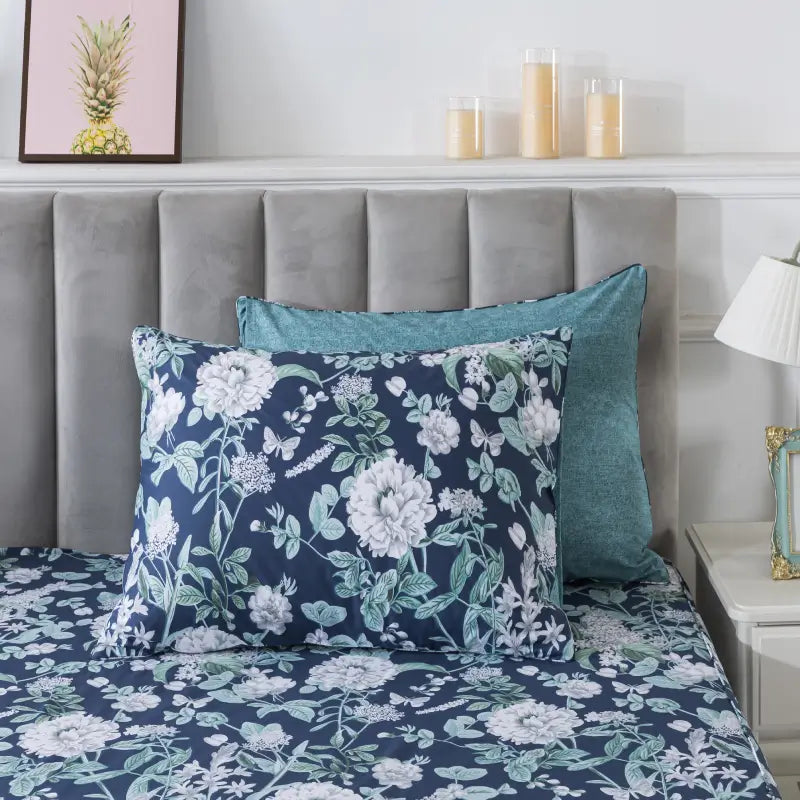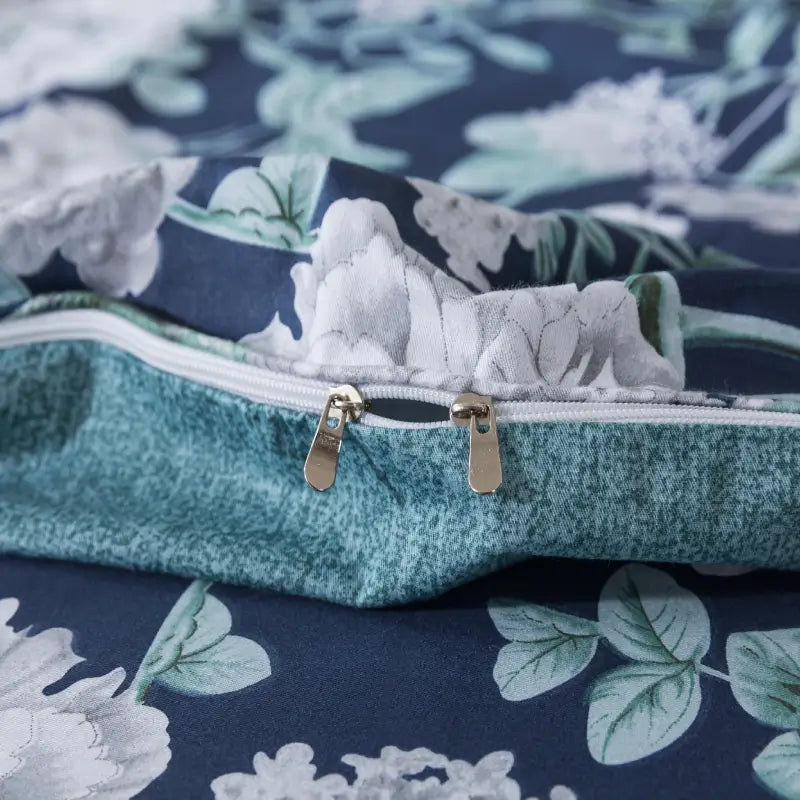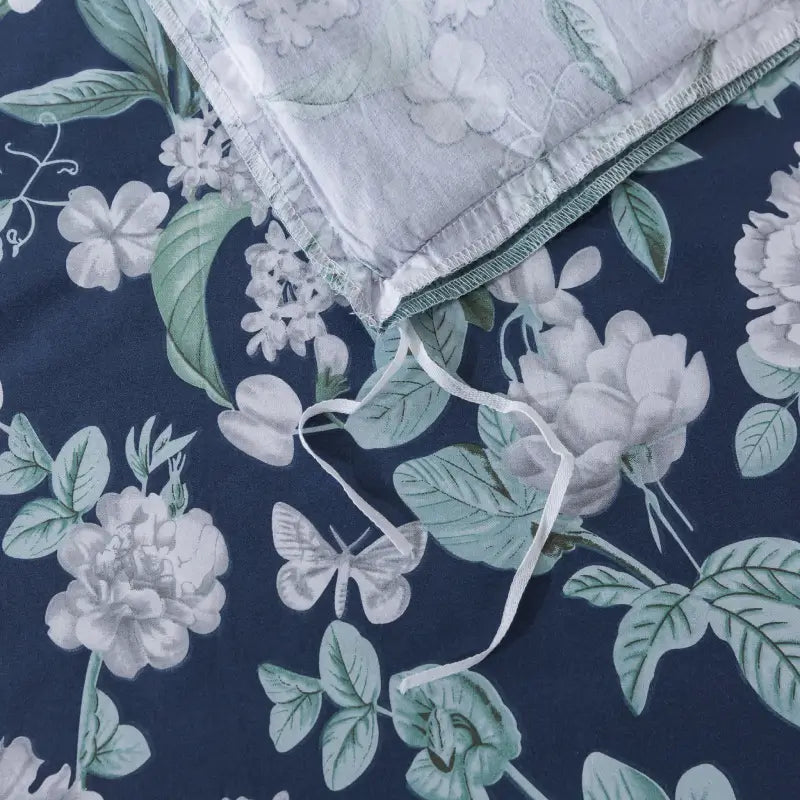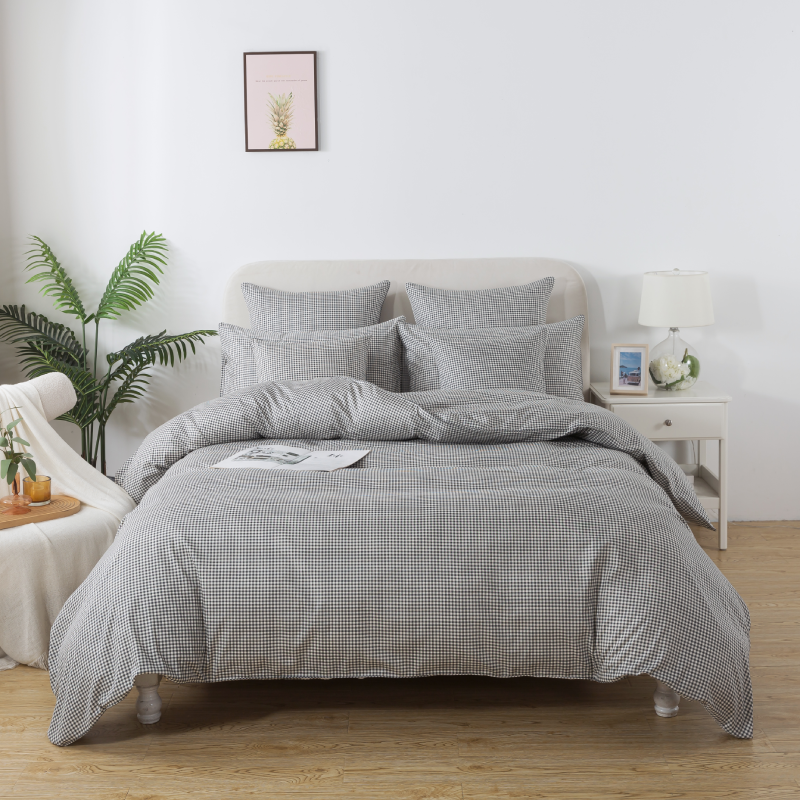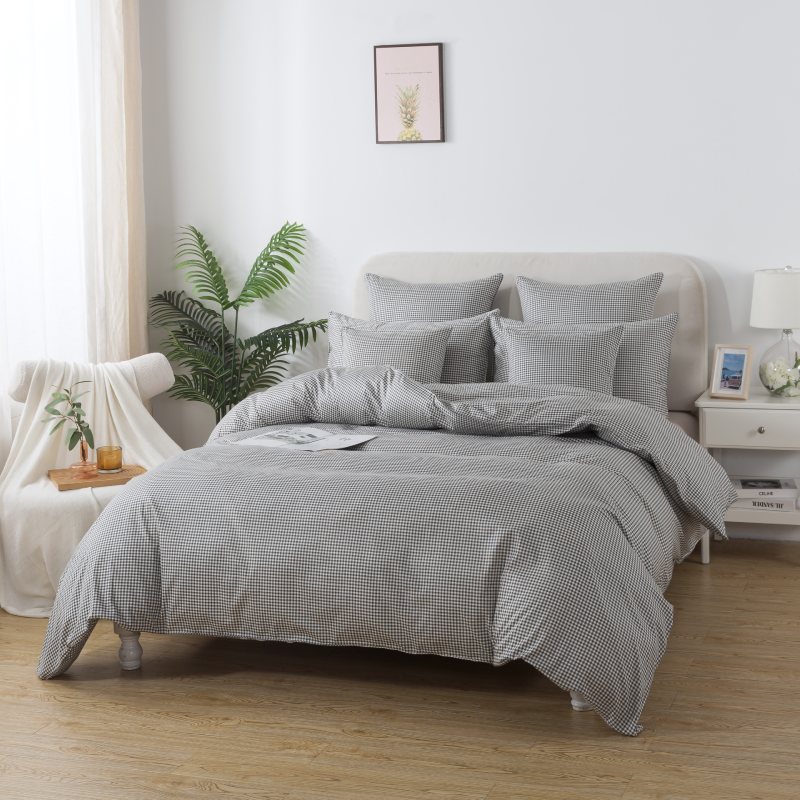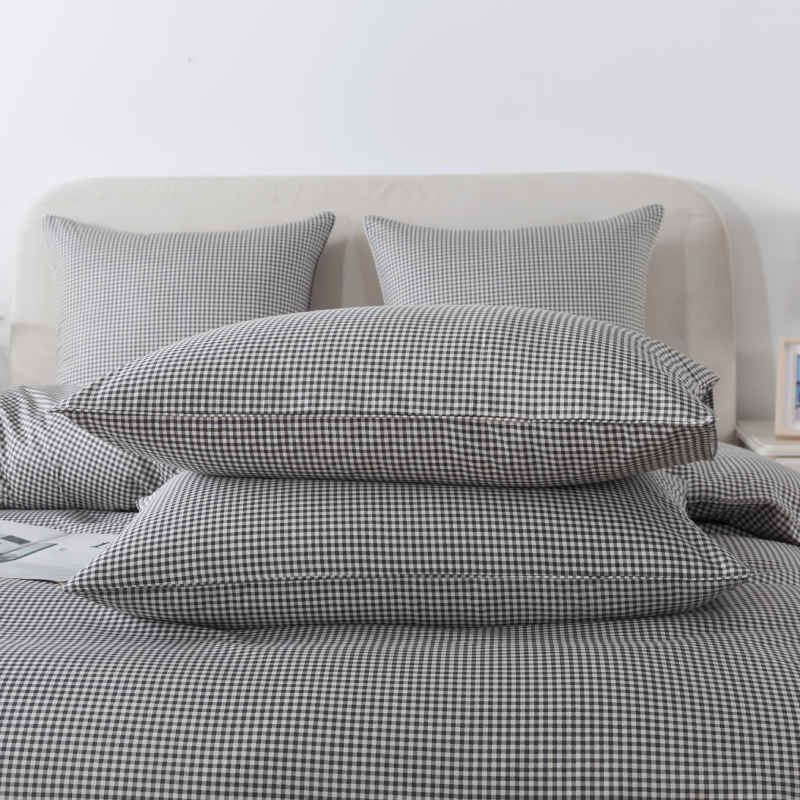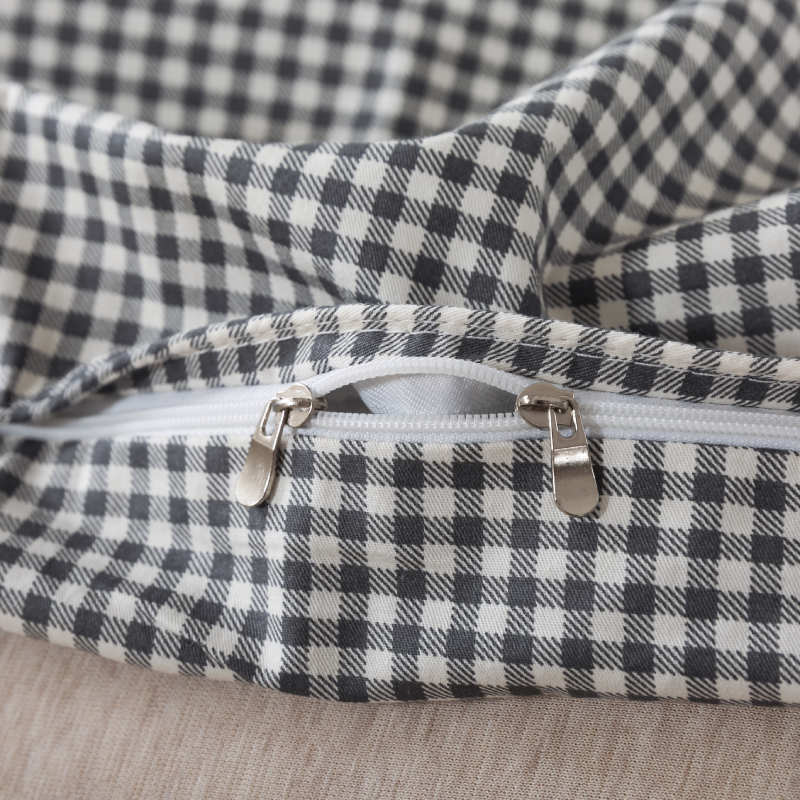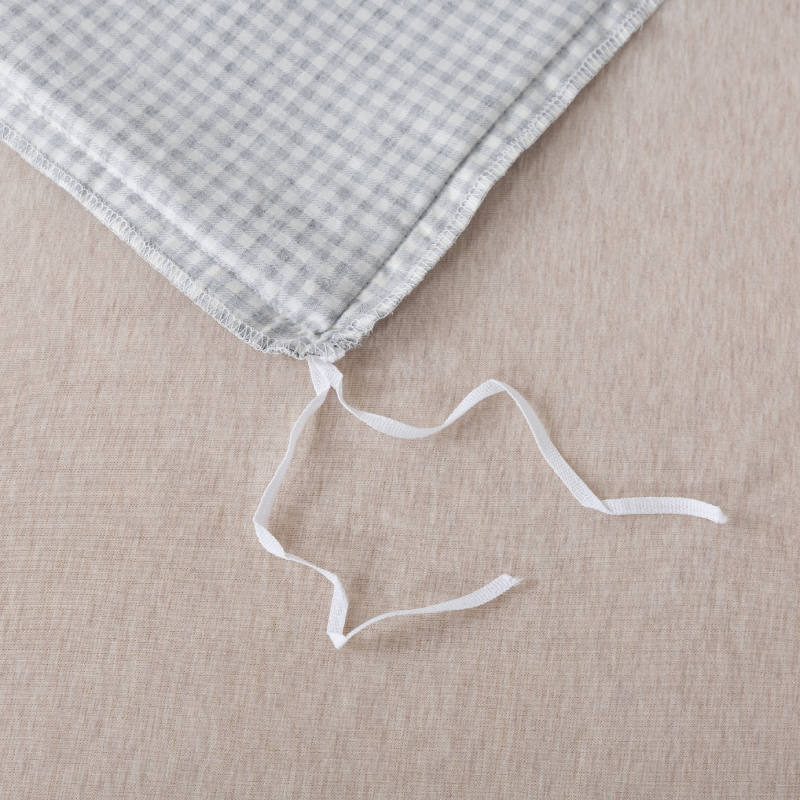
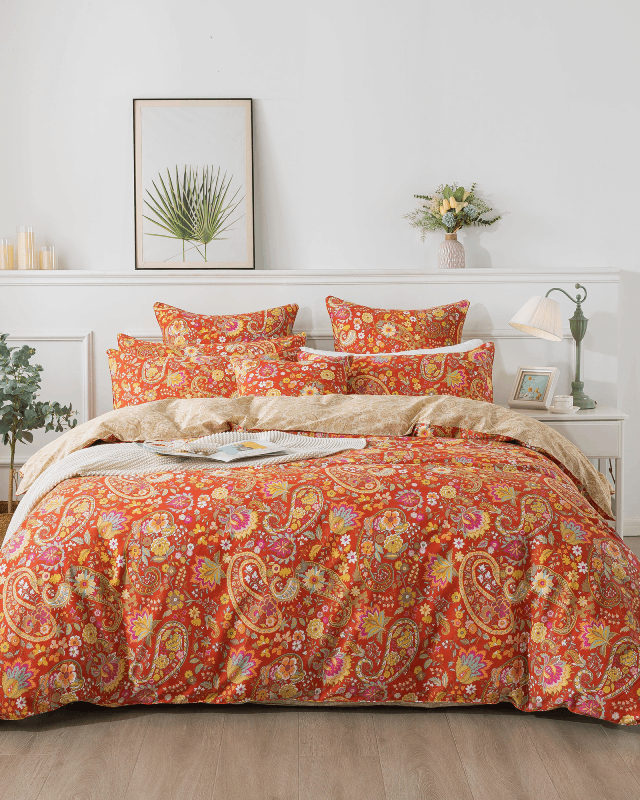
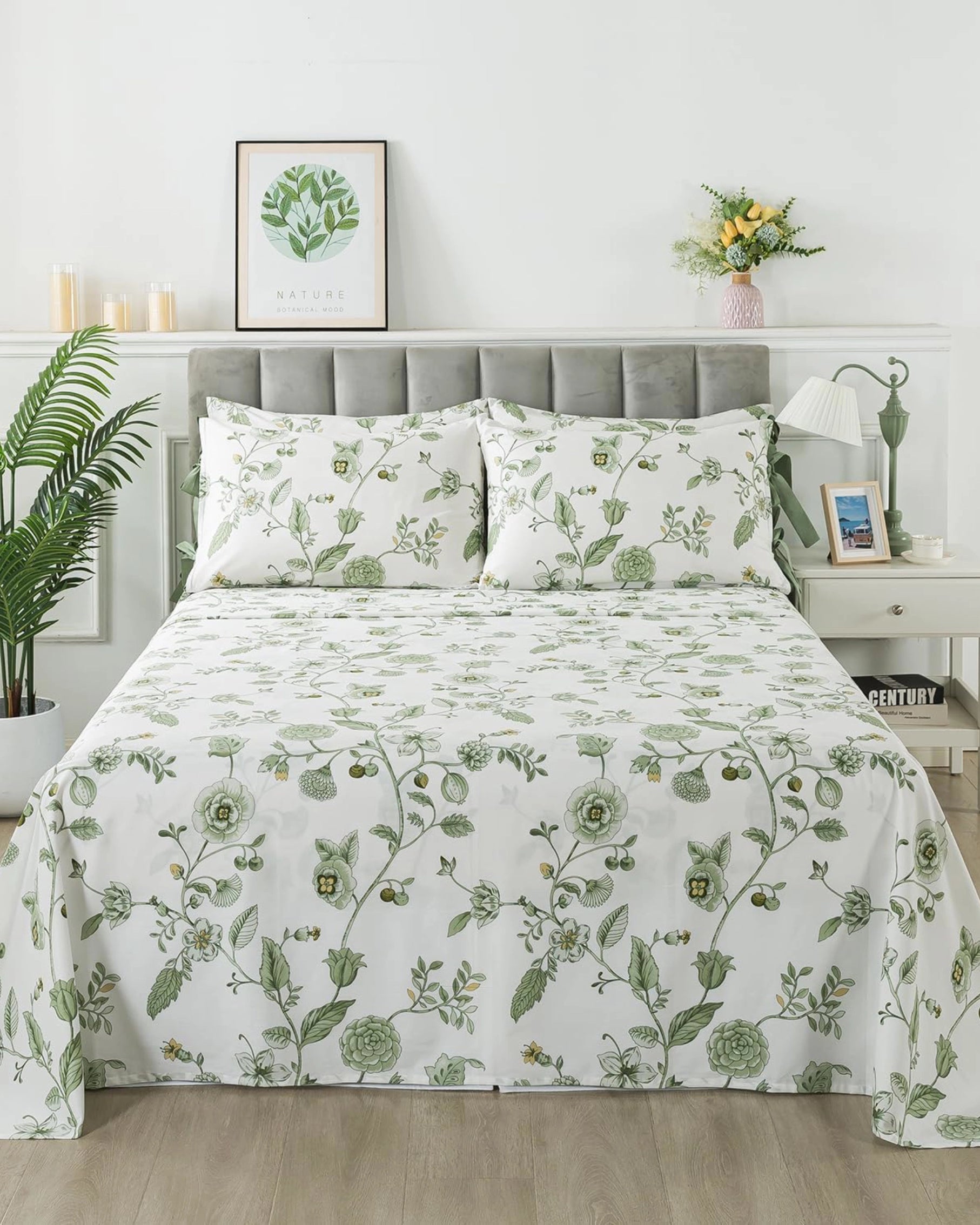


A cozy bed is not created by one element alone. It’s the result of thoughtful layering—where texture and print work together to shape how a bed looks, feels, and supports rest. While color often gets the most attention, it’s the relationship between texture and pattern that truly defines comfort.
Understanding how these two elements interact allows you to design a bed that feels inviting, balanced, and deeply comfortable without appearing cluttered or overstyled.
Why Texture Matters as Much as Pattern
Texture is a tactile experience. It’s what you feel when you sit, lie down, or pull the covers closer. Even visually, texture signals comfort before you ever touch the bed.
Common cozy textures include:
• Soft cotton or washed linen
• Quilted or lightly padded surfaces
• Matte, breathable fabrics
• Subtle weave variations
Texture adds warmth and depth, especially in bedrooms with simple or neutral color schemes.
The Role of Print in Emotional Comfort
Print, particularly floral or organic patterns, influences how a bed feels emotionally. Patterns add movement, rhythm, and personality to an otherwise flat surface.
Prints help:
• Break up large areas of solid color
• Add visual softness and interest
• Express mood and personal style
When thoughtfully chosen, prints enhance comfort rather than overwhelm it.
Balance Is the Key to Coziness
Too much texture can feel heavy; too much print can feel busy. A cozy bed finds balance between the two.
A good rule of thumb:
• Let one element lead
• Let the other support
For example, a detailed floral print pairs best with soft, understated textures, while a richly textured quilt benefits from simpler patterns.
How Prints Feel Softer with the Right Texture
The same print can feel very different depending on the fabric it’s printed on. Texture influences how we perceive pattern.
Printed on:
• Crisp cotton → feels fresh and structured
• Washed cotton or linen → feels relaxed and lived-in
• Quilted surfaces → feels warm and comforting
Soft textures naturally soften the visual impact of prints, making them feel cozier.
Layering Texture and Print Thoughtfully
Layering is where texture and print truly come together.
A cozy, balanced bed often includes:
• A printed duvet or quilt as the focal point
• Solid sheets with a smooth, breathable texture
• A textured throw or coverlet for warmth
• Pillows that mix subtle texture with minimal pattern
Each layer plays a role without competing for attention.
Using Texture to Calm Bold Prints
If you love patterned bedding but worry it may feel overwhelming, texture can act as a visual anchor.
Ways texture balances print:
• Neutral, textured throws ground busy patterns
• Soft knits or matelassé fabrics add calm
• Matte finishes reduce visual sharpness
This approach keeps the bed expressive yet soothing.

Using Print to Add Life to Neutral Textures
On the other hand, highly textured but neutral beds can feel flat without pattern.
Print adds:
• Movement to layered solids
• Personality to minimalist setups
• Visual warmth without heavy color
Even subtle prints—like tone-on-tone florals—can elevate neutral textures.
Scale Matters for Both Texture and Print
Scale plays a crucial role in comfort perception.
For a cozy bed:
• Avoid combining large, bold prints with heavy textures
• Pair small to medium-scale prints with plush textures
• Keep one element visually dominant
Balanced scale prevents the bed from feeling overwhelming or chaotic.
Color Connects Texture and Print
Color acts as the bridge between texture and print. When both elements share a cohesive palette, the bed feels unified.
Effective strategies include:
• Pulling colors from the print into textured layers
• Using muted or nature-inspired tones
• Avoiding high-contrast combinations
Cohesive color allows texture and print to complement rather than compete.
Comfort Is Both Visual and Physical
A cozy bed should look inviting and feel comfortable. Texture and print together influence both.
The best beds:
• Look soft and layered
• Feel breathable and supportive
• Invite rest rather than stimulation
When visual comfort aligns with physical comfort, the bed becomes a true retreat.
Let the Bed Evolve with the Seasons
Texture and print can shift seasonally without changing the entire setup.
For example:
• Lighter textures and airy prints in warmer months
• Heavier textures with deeper-toned prints in cooler seasons
This keeps the bed cozy year-round while extending the life of your bedding.
Final Thoughts
Creating a cozy bed is about harmony, not excess. Texture provides warmth and tactility, while print adds personality and emotional comfort. When they work together thoughtfully, the result is a bed that feels balanced, inviting, and deeply restful.
By understanding how texture and print interact, you can design a bed that supports comfort both visually and physically—turning everyday rest into a more intentional, comforting experience.