

A bedroom is more than a place to sleep. It is where we begin the morning, release the stress of the day, and enjoy moments of privacy and calm. While furniture, lighting, and color all influence the atmosphere of this space, soft textiles often make the most immediate difference.
From breathable cotton bedding to gently draped curtains, soft fabrics can change a bedroom from cold and unfinished into warm, peaceful, and inviting. They do not simply decorate the room—they shape how the room feels.
Softness Creates an Immediate Sense of Comfort
The first thing we often notice in a bedroom is the bed. Because it is usually the largest element in the room, its texture strongly influences the overall atmosphere.
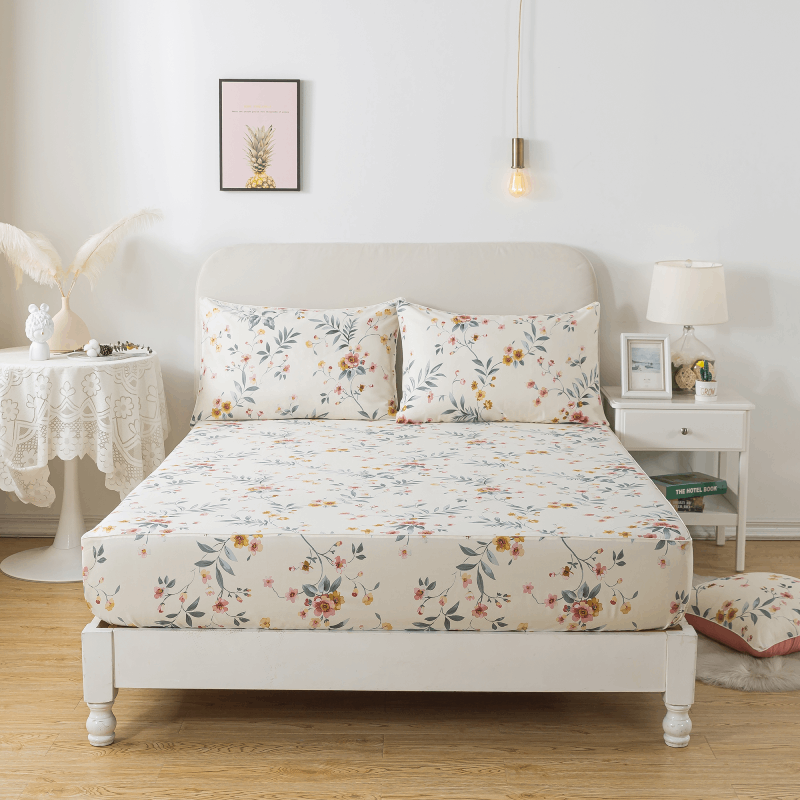
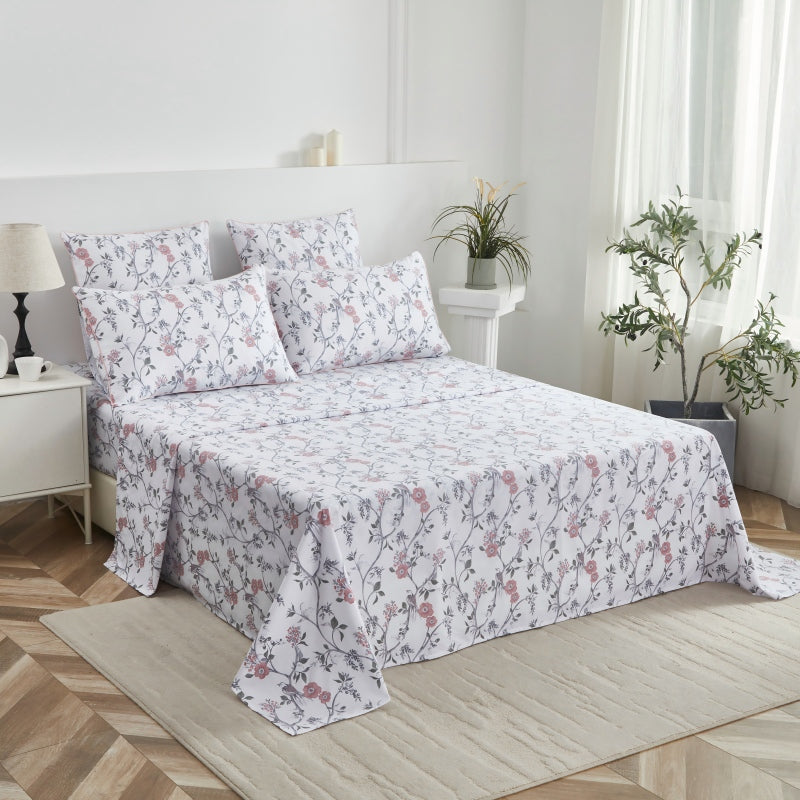
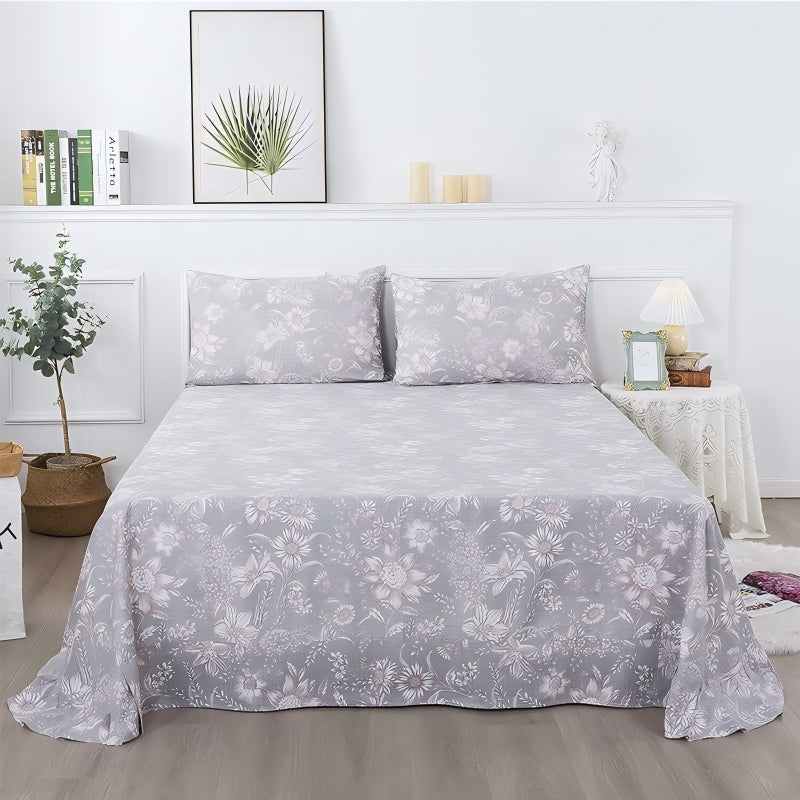
A bed covered with soft sheets, a lightweight quilt, and comfortable pillows naturally feels more welcoming than one dressed in stiff or overly formal materials. Even before touching the bedding, the visual softness creates a sense of ease.
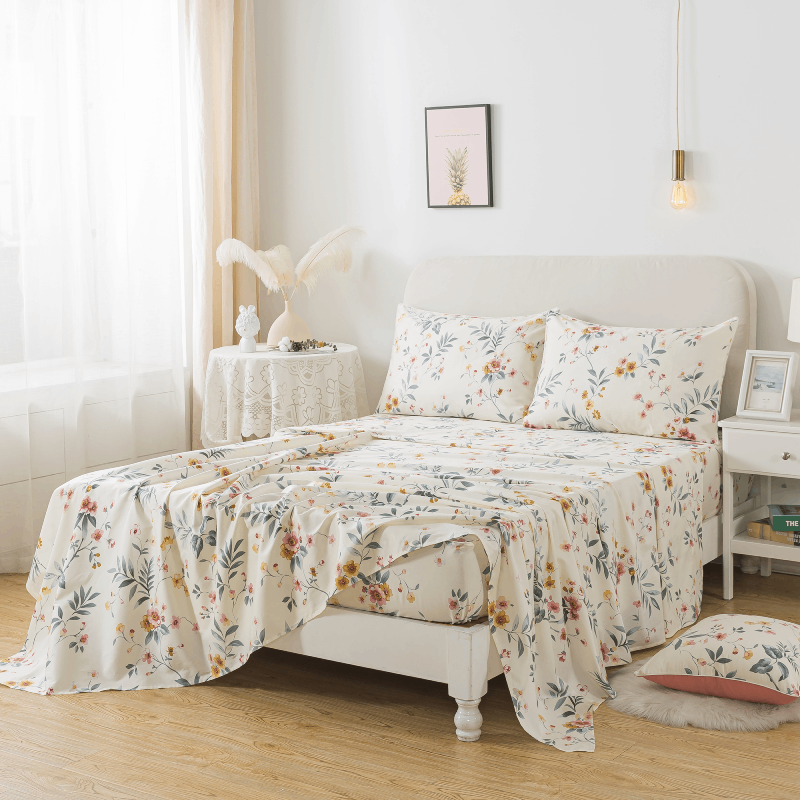
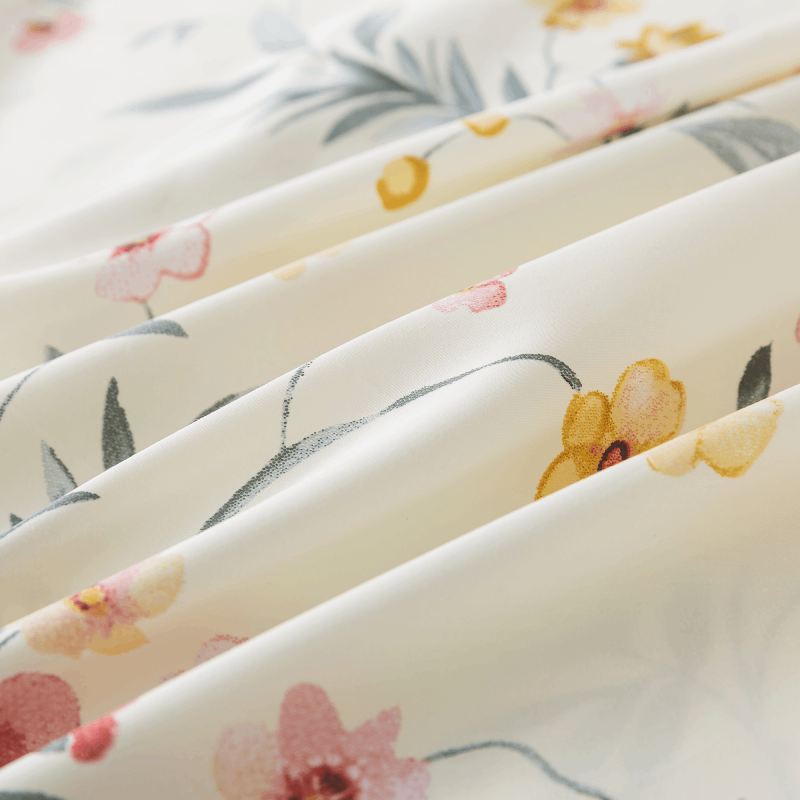
Fabrics with gentle folds and relaxed layers can make the room feel less rigid. They soften hard edges, balance structured furniture, and create an environment that encourages the body to slow down.
Natural Fabrics Help the Room Feel Calm
The type of textile matters as much as its appearance. Natural materials such as cotton are especially effective in bedrooms because they feel breathable, familiar, and comfortable against the skin.
Cotton bedding can help create a fresh and relaxed sleeping environment. Its soft texture feels pleasant throughout the year, while its breathable qualities support a more comfortable night’s rest.
Natural fabrics also tend to create a less artificial atmosphere. Their subtle texture and relaxed drape bring warmth into the room without making the design feel heavy or overdecorated.

Layers Add Warmth and Emotional Depth
A bedroom with only one flat layer of bedding may feel practical, but it can also feel incomplete. Adding layers gives the room more visual and emotional depth.
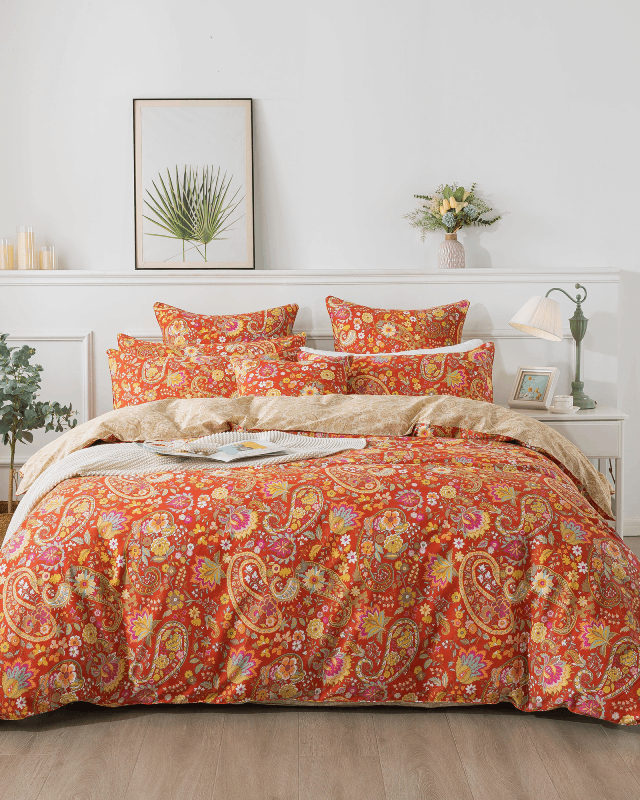
A folded quilt at the foot of the bed, a few decorative pillow shams, or a soft throw placed over a chair can make the space feel thoughtfully prepared. These details suggest comfort, care, and everyday livability.
Layering does not mean filling the room with unnecessary items. The goal is to create balance. A few carefully chosen textiles can make the room feel richer while still maintaining a clean and peaceful appearance.
Different textures can also work together. Smooth cotton sheets, a lightly stitched quilt, and a softly woven throw can add interest without creating visual clutter.
Textiles Influence the Mood of a Bedroom
Soft textiles can support many different bedroom moods.
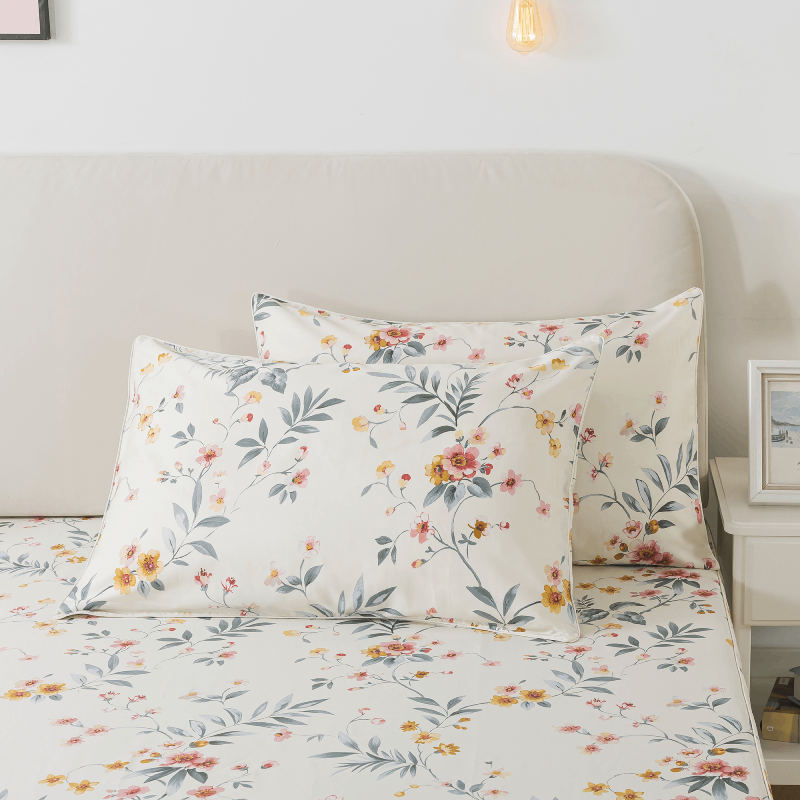
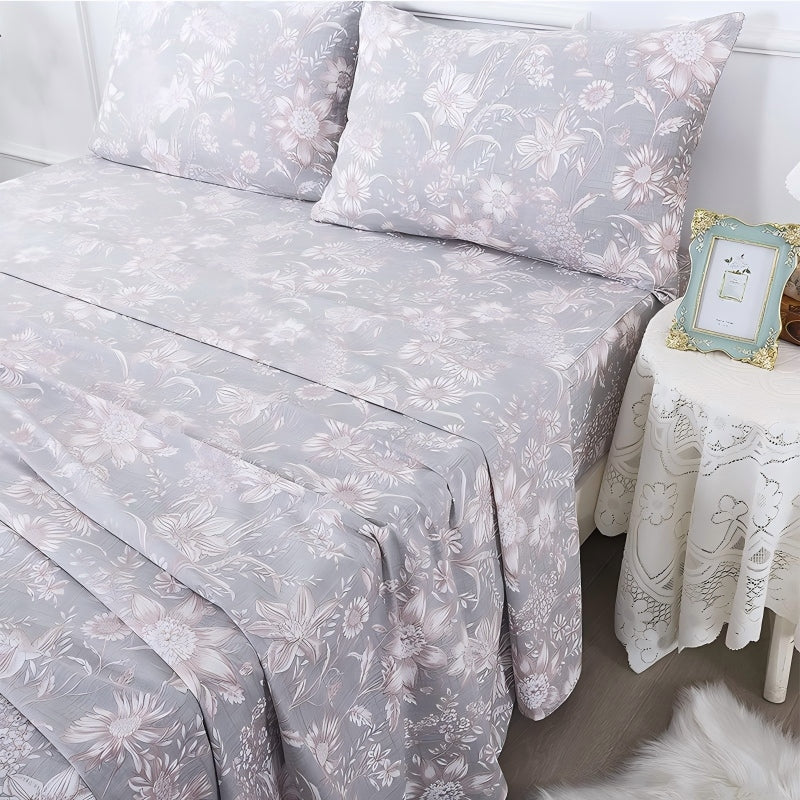
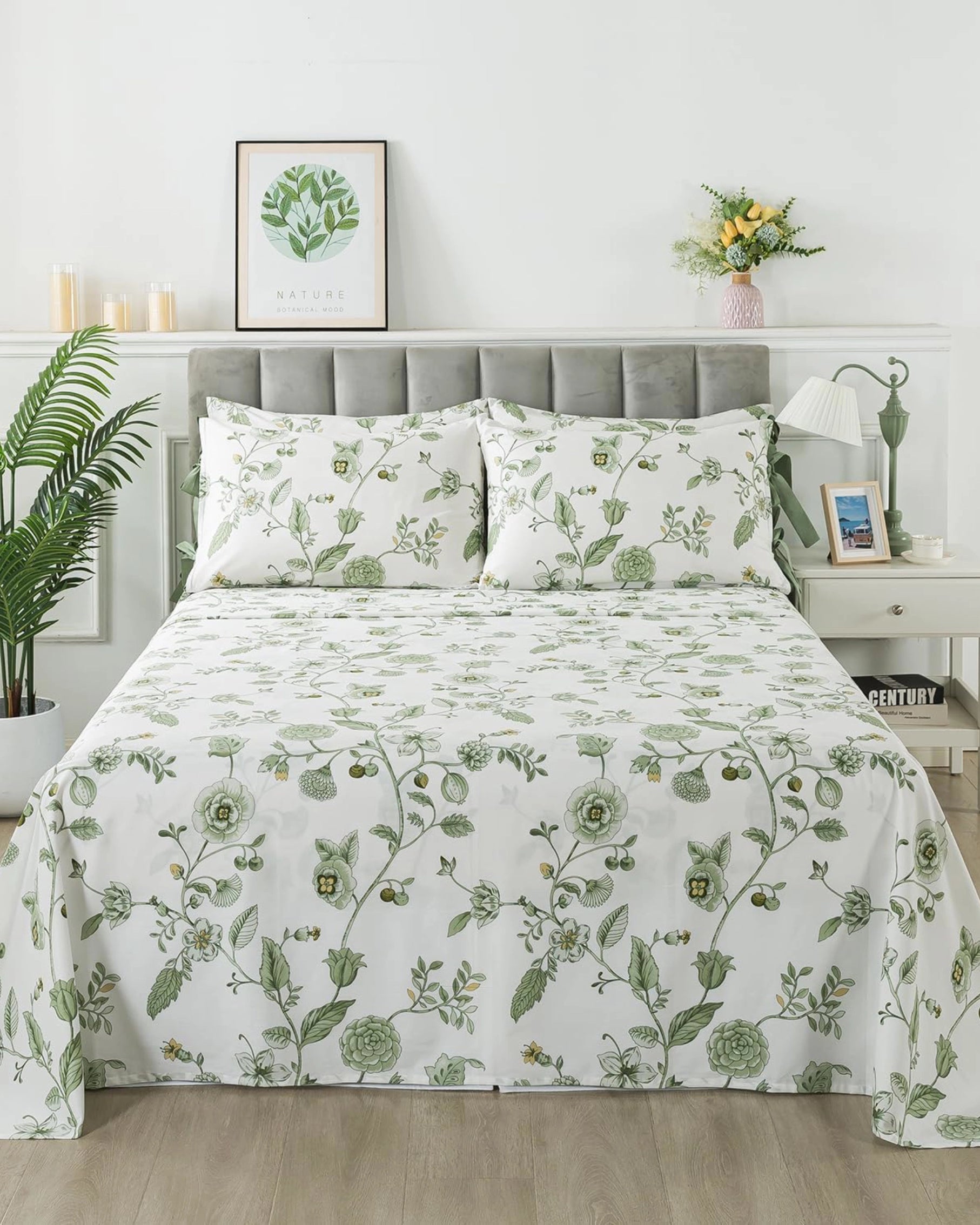
Floral bedding can create a romantic, cottage-inspired atmosphere. Botanical patterns may bring a refreshing connection to nature, while toile prints can add a sense of timeless elegance. Simple stripes or solid fabrics can make the room feel clean, quiet, and modern.
The emotional effect also depends on how the textiles are arranged. Neatly tailored bedding may feel polished and orderly, while relaxed layers and gentle folds often feel more casual and comforting.
This makes textiles one of the easiest ways to adjust the mood of a bedroom without replacing furniture or changing the entire color scheme.
Curtains and Rugs Soften the Whole Space
The bed is not the only place where fabric can change the room’s energy.
Curtains soften windows and filter natural light, helping the bedroom feel more private and peaceful. When sunlight passes through lightweight fabric, it becomes gentler and more diffused, creating a calmer atmosphere.
Rugs add warmth underfoot and reduce the visual hardness of wood or tile flooring. They can also absorb sound, making the bedroom feel quieter and more restful.
Even small textile details, such as a fabric lampshade, an upholstered bench, or a soft cushion, can help connect the room and create a more cohesive feeling.
Soft Textiles Encourage Slower Routines
A comfortable bedroom can influence daily habits. When the bed feels inviting and the room feels peaceful, it becomes easier to slow down before sleep.
Soft bedding may encourage simple evening rituals such as reading, stretching, journaling, or enjoying a quiet cup of tea. In the morning, a pleasant bedroom can help the day begin with a greater sense of comfort rather than urgency.
These small routines matter. They turn the bedroom into a personal retreat instead of a space used only for sleeping.
Refreshing the Bedroom Can Be Simple
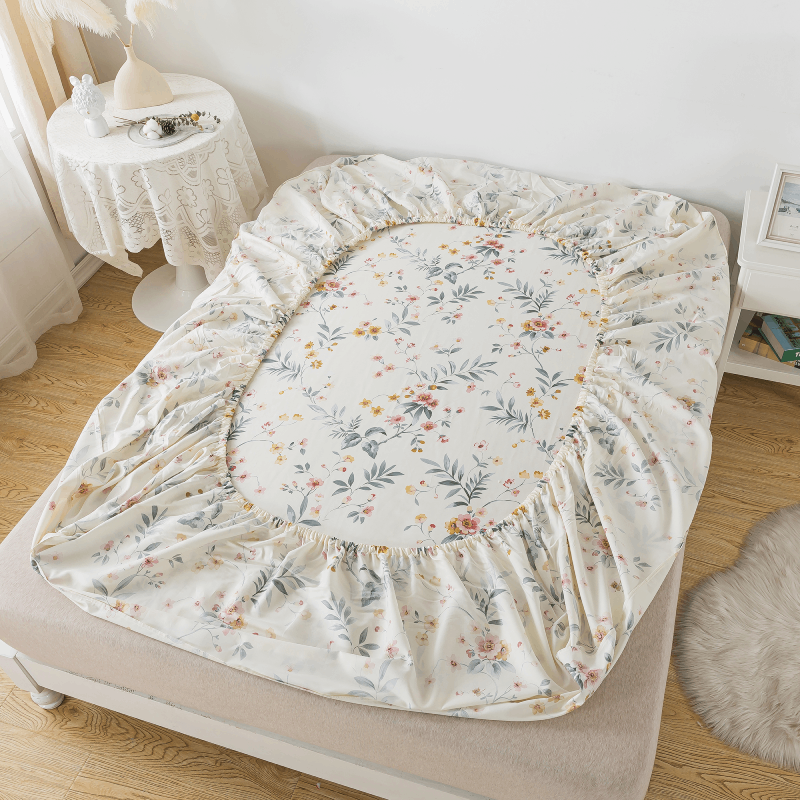
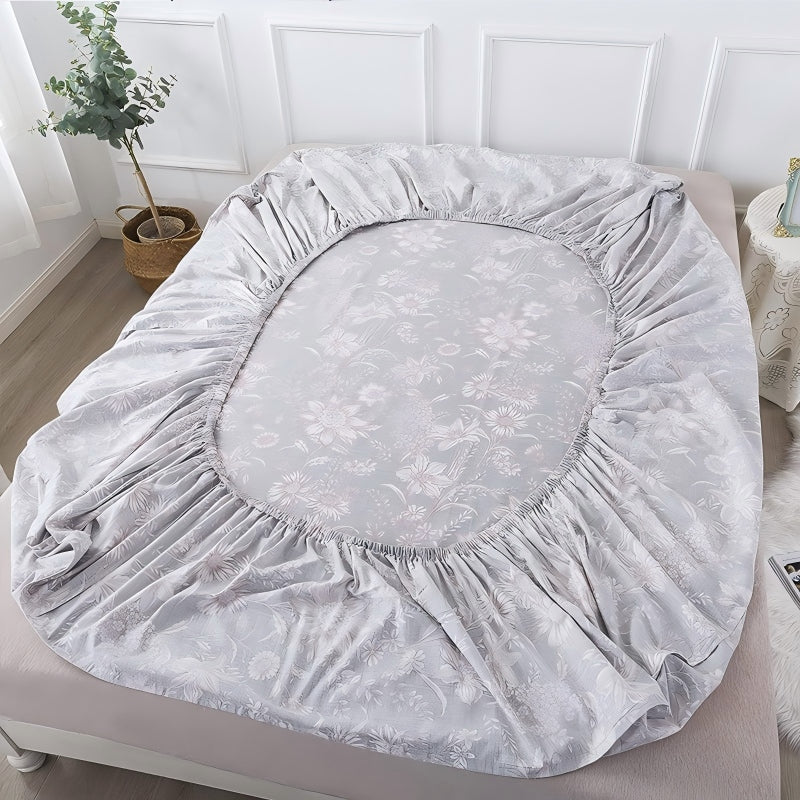
Changing the energy of a bedroom does not always require a complete redesign. Replacing a duvet cover, adding a breathable quilt, changing pillow shams, or introducing a soft rug can make the room feel noticeably different.
When choosing new textiles, consider more than appearance. Think about how the fabric feels, how easily it can be cared for, and whether it supports the atmosphere you want to create.
The best bedroom textiles combine comfort, beauty, and practicality. They should feel pleasant enough for everyday use while adding warmth and personality to the room.
Final Thoughts
Soft textiles have a quiet but powerful influence on a bedroom. They soften hard surfaces, improve comfort, support restful routines, and create a stronger emotional connection to the space.
A carefully chosen quilt, a set of breathable cotton sheets, or a pair of gently draped curtains can change more than the appearance of a room. These elements can make the bedroom feel calmer, warmer, and more personal.
When a bedroom is filled with softness, it becomes more than a decorated space. It becomes a place where the mind can settle, the body can relax, and everyday life can feel a little more peaceful.