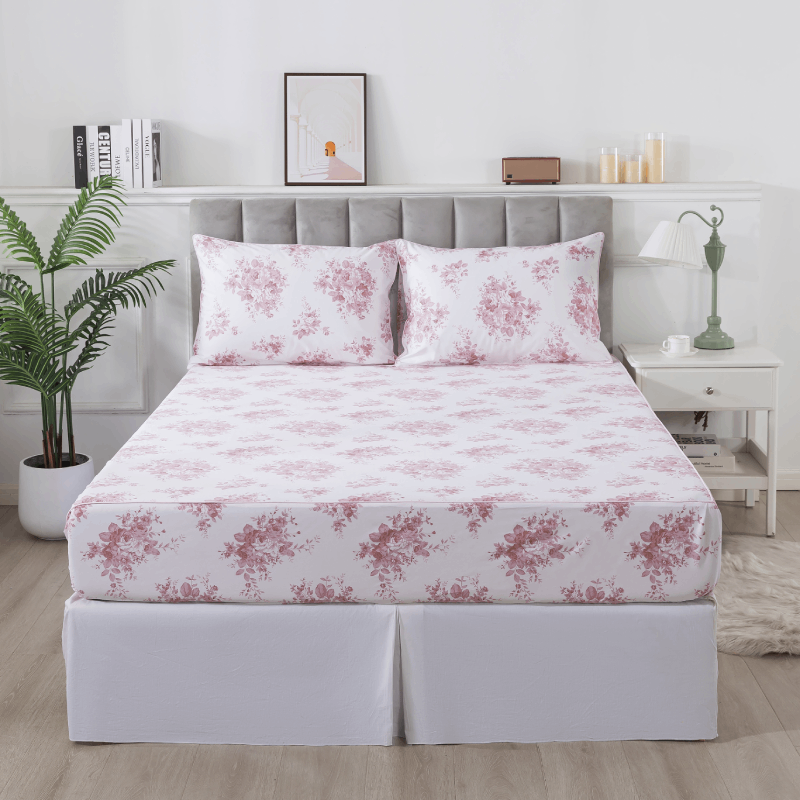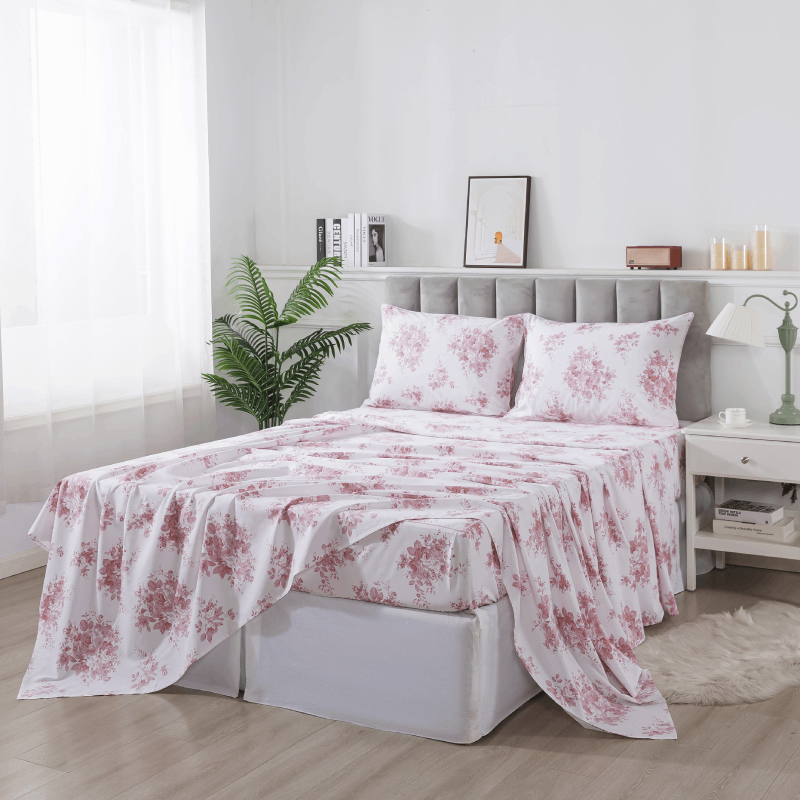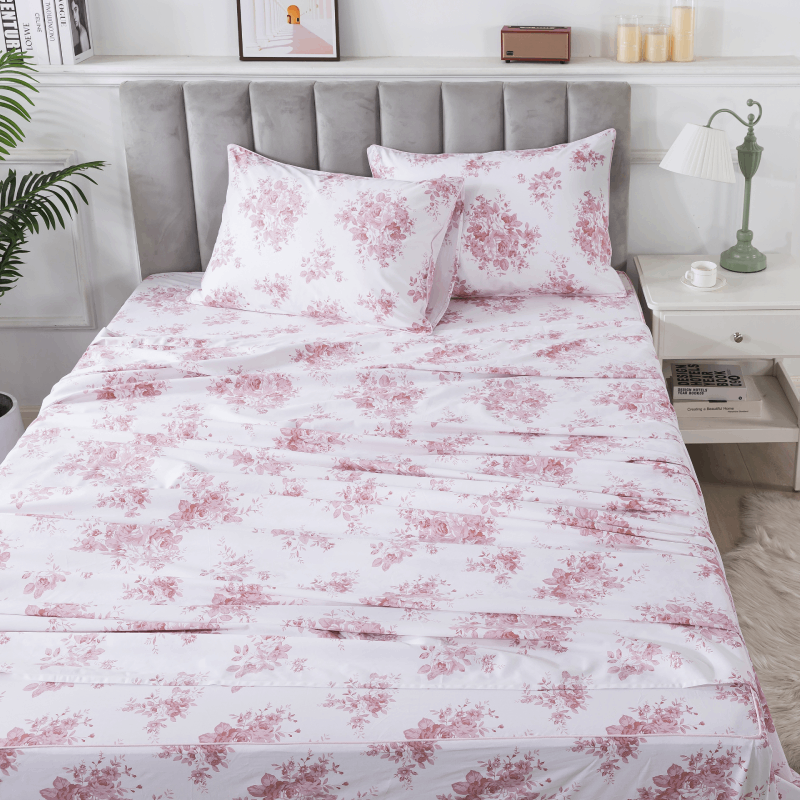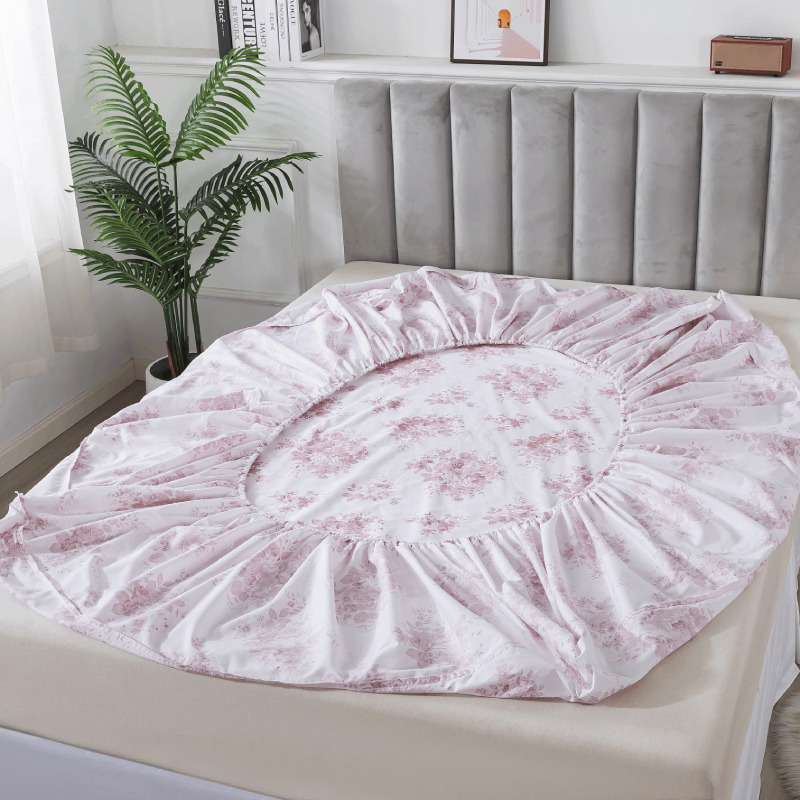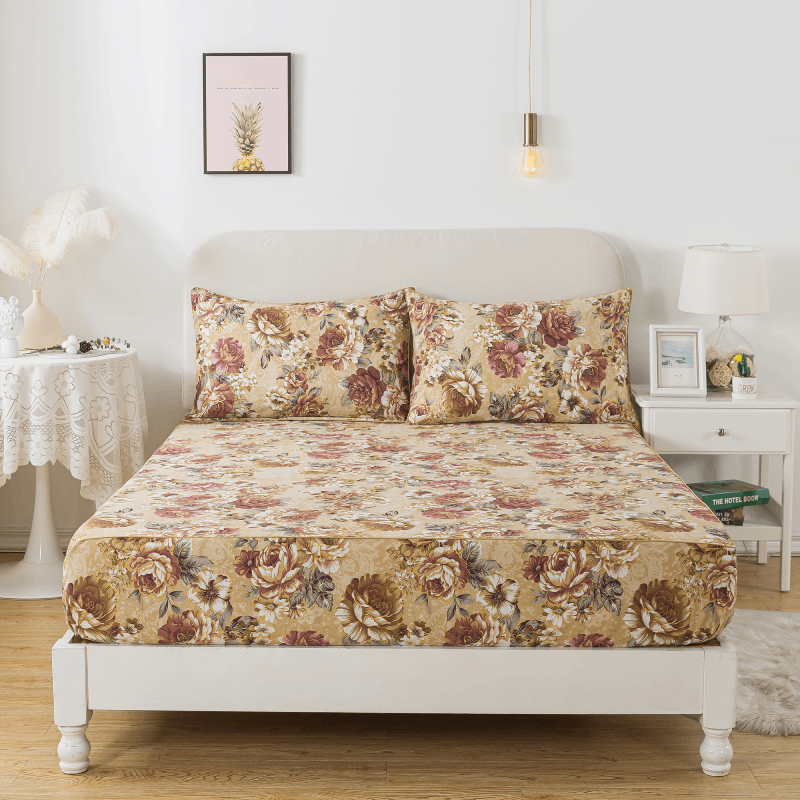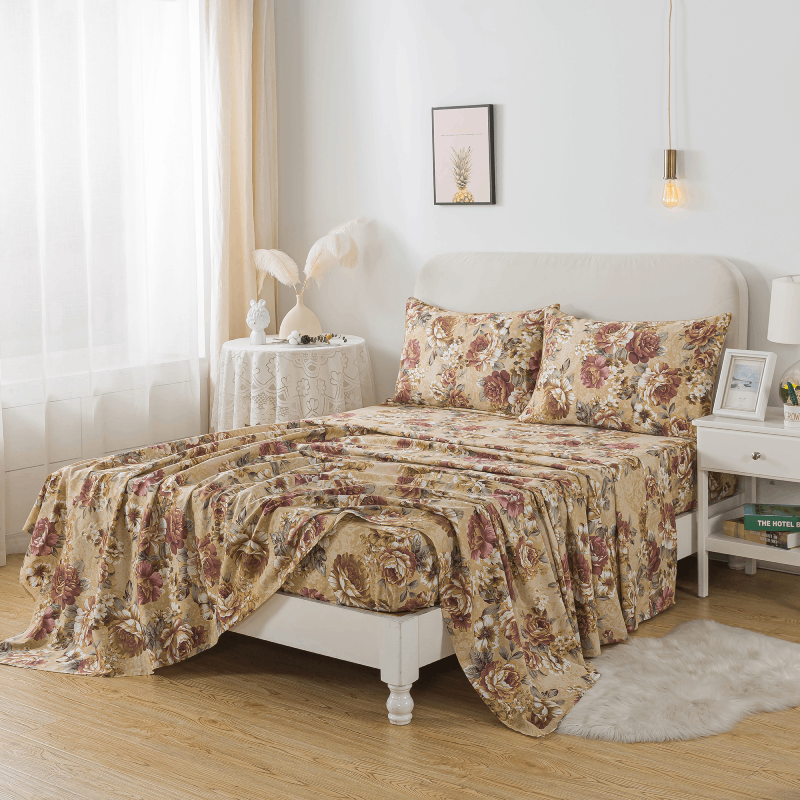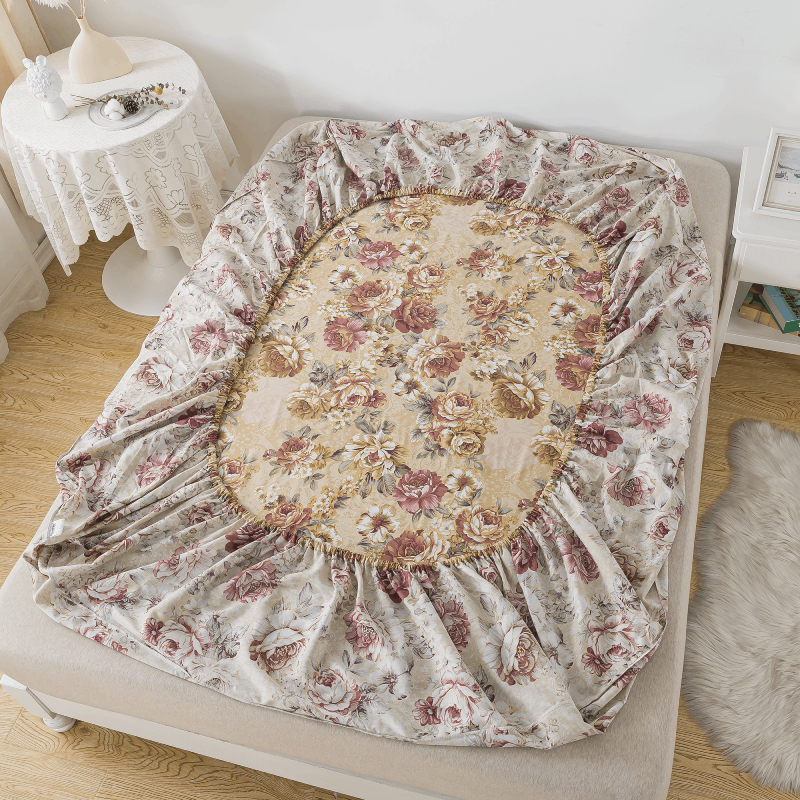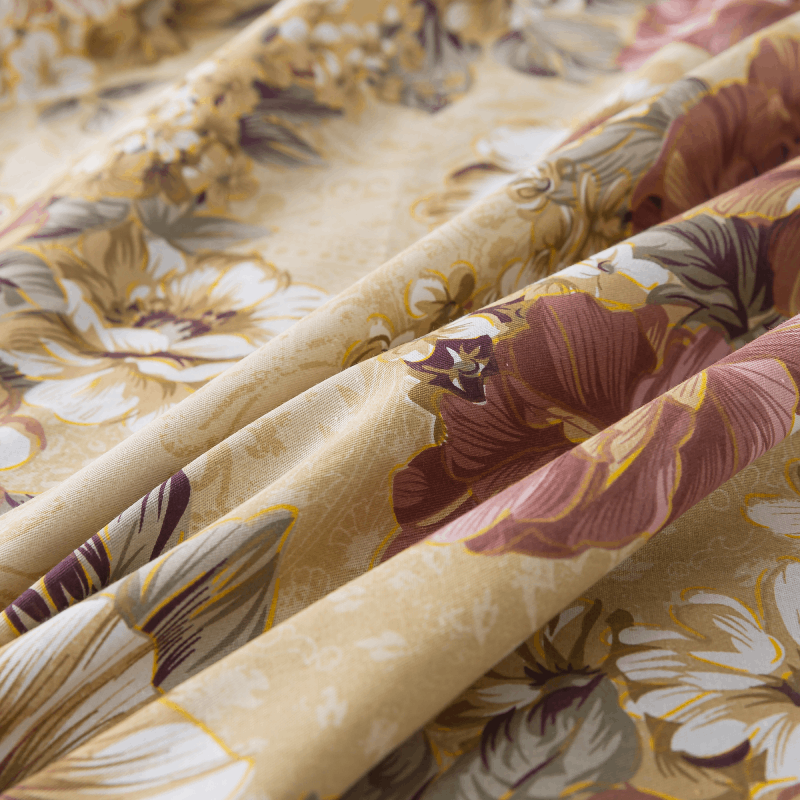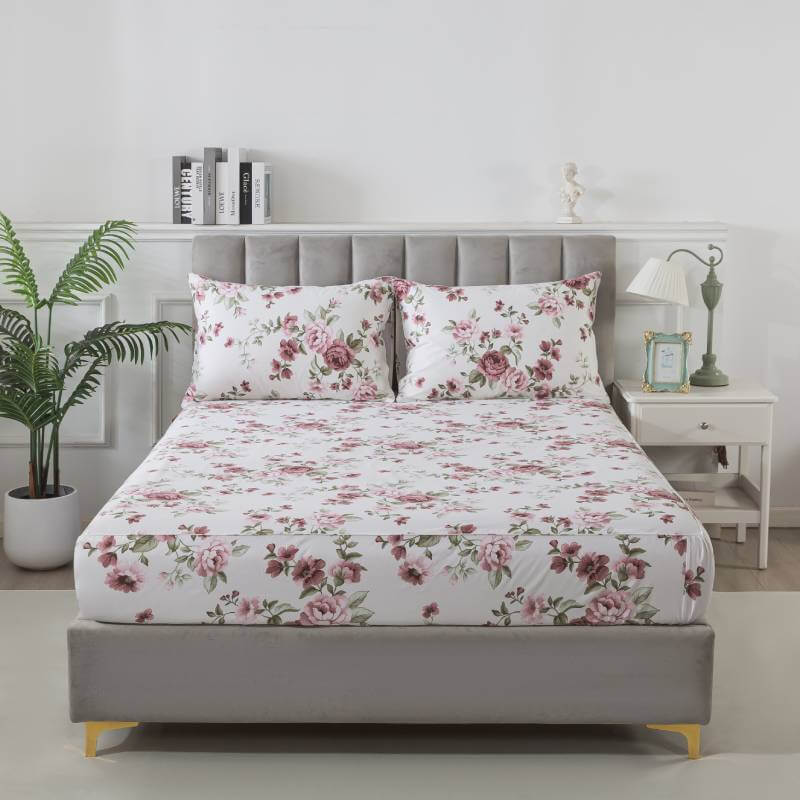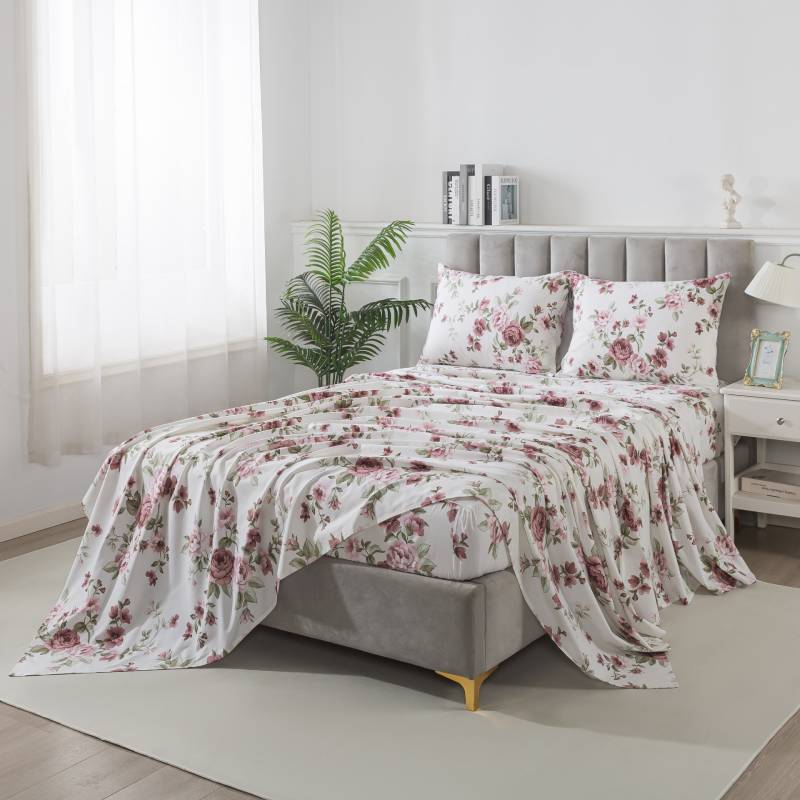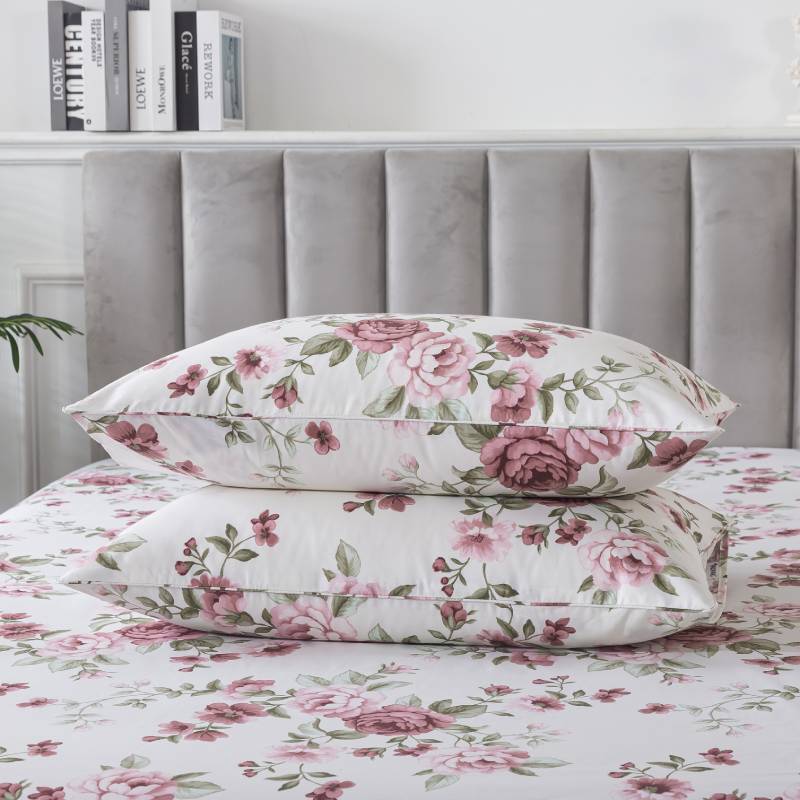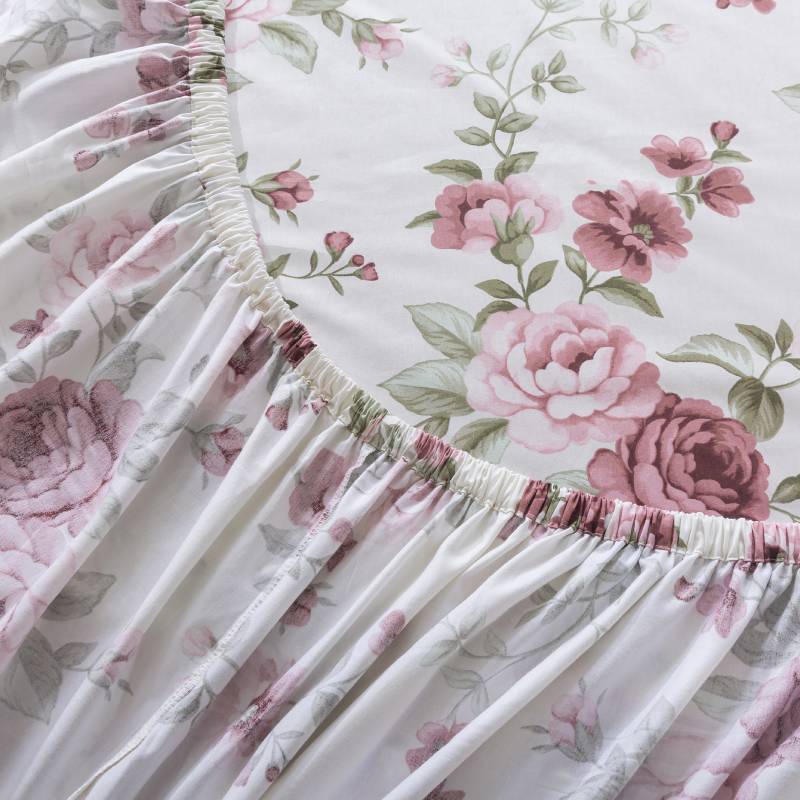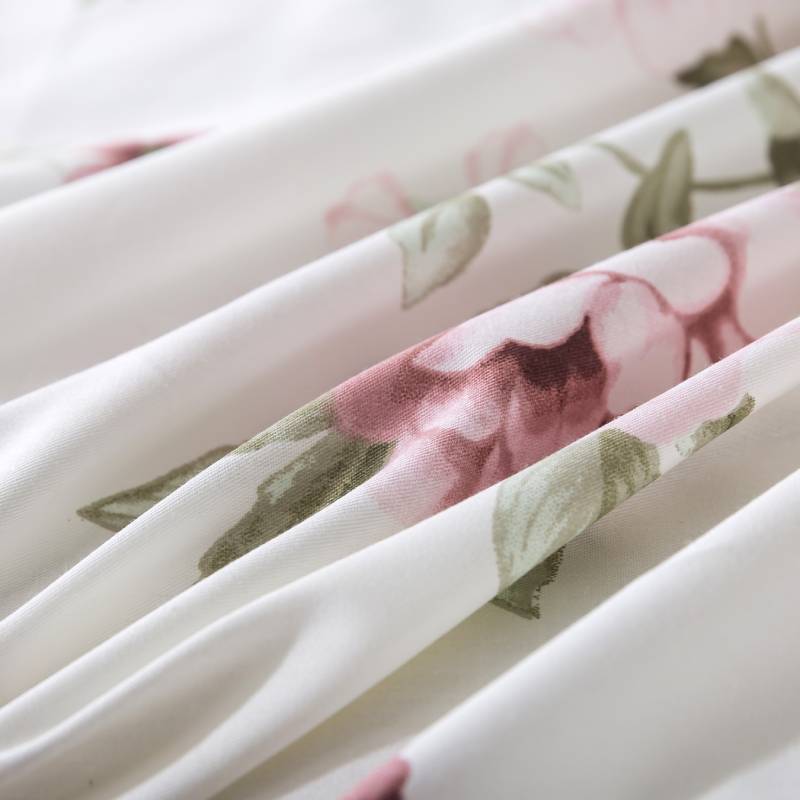

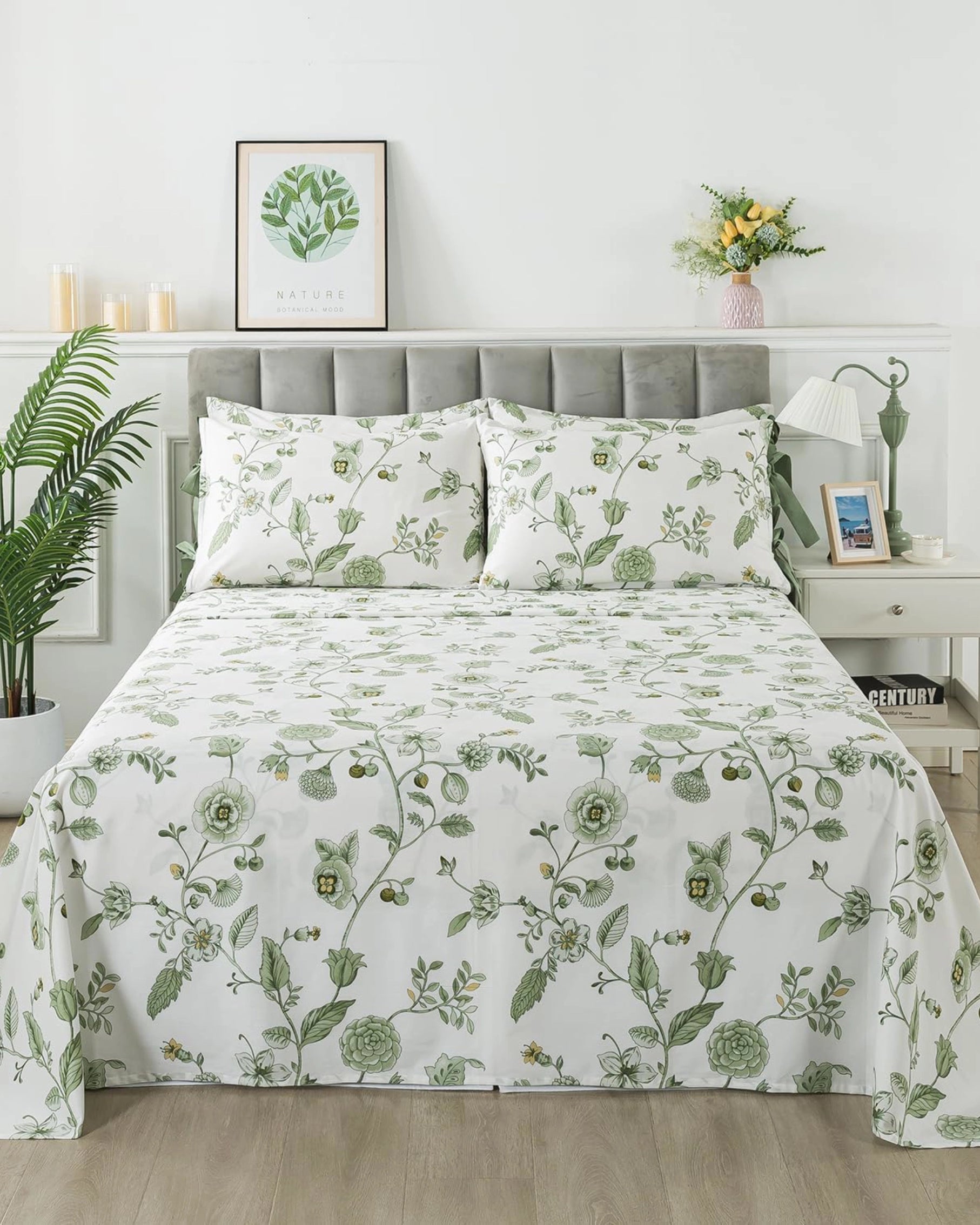


Floral bedding is not only about pattern and color. The way a floral design is printed can directly affect how the bedding looks, feels, and lasts after daily use and repeated washing. For brands and customers who care about comfort, durability, and visual detail, understanding printing techniques can make it easier to choose bedding that remains beautiful beyond the first impression.
Why Printing Technique Matters
A floral print may look attractive in product photos, but its real quality is revealed over time. Good printing should keep the pattern clear, the colors balanced, and the fabric comfortable against the skin. Poor printing, on the other hand, may cause colors to fade quickly, patterns to look flat, or the fabric to feel stiff.
Since bedding touches the skin every night, printing quality should never be separated from fabric quality. A beautiful floral design works best when it supports comfort rather than covering it up.
Pigment Printing: Practical and Widely Used
Pigment printing is one of the most common methods used for cotton bedding. In this process, color particles sit on the surface of the fabric and are fixed with a binder. This technique is popular because it can create soft floral patterns in many different shades and is suitable for large-scale production.
For floral bedding, pigment printing can achieve a natural, vintage-inspired look, especially when the design uses muted colors. However, if the binder is too heavy, the printed area may feel slightly stiff. High-quality pigment printing should feel smooth, not plastic-like, and the colors should remain stable after washing.
When choosing pigment-printed bedding, pay attention to whether the floral design feels breathable and soft. The best result is a print that looks elegant without making the fabric feel heavy.
Reactive Printing: Soft Feel and Better Color Penetration
Reactive printing is often considered a higher-quality printing method for natural fibers such as cotton. Instead of simply sitting on the surface, the dye chemically bonds with the fabric fibers. This usually creates better color brightness, softer hand feel, and stronger wash durability.
For floral bedding, reactive printing is especially useful when the design includes fine details, layered petals, or more delicate color transitions. Because the dye becomes part of the fabric, the bedding can feel softer and more natural compared with lower-quality surface printing.
Reactive printing is a strong choice for customers who want floral bedding that feels comfortable from the first night and continues to look fresh after repeated washing.
Digital Printing: Detailed and Flexible Designs
Digital printing allows floral patterns to be printed directly from digital artwork onto the fabric. This technique is ideal for complex floral designs, watercolor effects, botanical illustrations, and patterns with many color variations.
One of the biggest advantages of digital printing is detail. It can show delicate flower lines, soft gradients, and artistic textures that are difficult to achieve with traditional printing methods. For bedding brands that focus on unique floral aesthetics, digital printing provides more creative freedom.
However, the quality still depends on the fabric, ink, and finishing process. Good digital printing should not only look sharp but also remain soft, breathable, and washable.

Screen Printing: Rich Color and Classic Appeal
Screen printing uses separate screens to apply each color to the fabric. It can produce strong, even colors and is suitable for bold floral patterns or repeated designs. When done well, screen printing gives a clean and classic appearance.
For floral bedding, screen printing works beautifully with simple flower shapes, vintage motifs, or traditional repeating patterns. The limitation is that highly complex designs with many colors may require more screens, making production more complicated.
The quality of screen printing depends on accurate color alignment and proper finishing. If the screens are not aligned well, the floral details may appear blurred or uneven.
How Printing Affects Color Longevity
Color longevity is one of the most important signs of bedding quality. Floral prints often include soft pinks, greens, blues, yellows, or neutral tones, and these colors can lose their charm if they fade unevenly.
High-quality printing should resist fading from washing, sunlight exposure, and daily friction. Reactive printing usually performs well in this area, while pigment printing can also be durable when properly finished. Poor-quality printing may fade quickly, especially around frequently touched areas such as pillowcases and duvet edges.
To help preserve printed bedding, wash with mild detergent, avoid harsh bleach, and use gentle cycles when possible.
How Printing Affects Fabric Feel
A common mistake is judging floral bedding only by its design. The true experience comes from how the bedding feels during sleep. Some printing methods can affect the softness, breathability, and flexibility of the fabric.
If too much coating or binder is used, the bedding may feel rough or less breathable. This is especially noticeable on pillowcases or sheets, where skin contact is direct. High-quality floral bedding should allow the print and fabric to work together. The pattern should enhance the beauty of the bed without reducing comfort.
For cotton bedding, a soft hand feel is especially important. The print should not cover the natural comfort of the cotton.
How Printing Affects Pattern Clarity
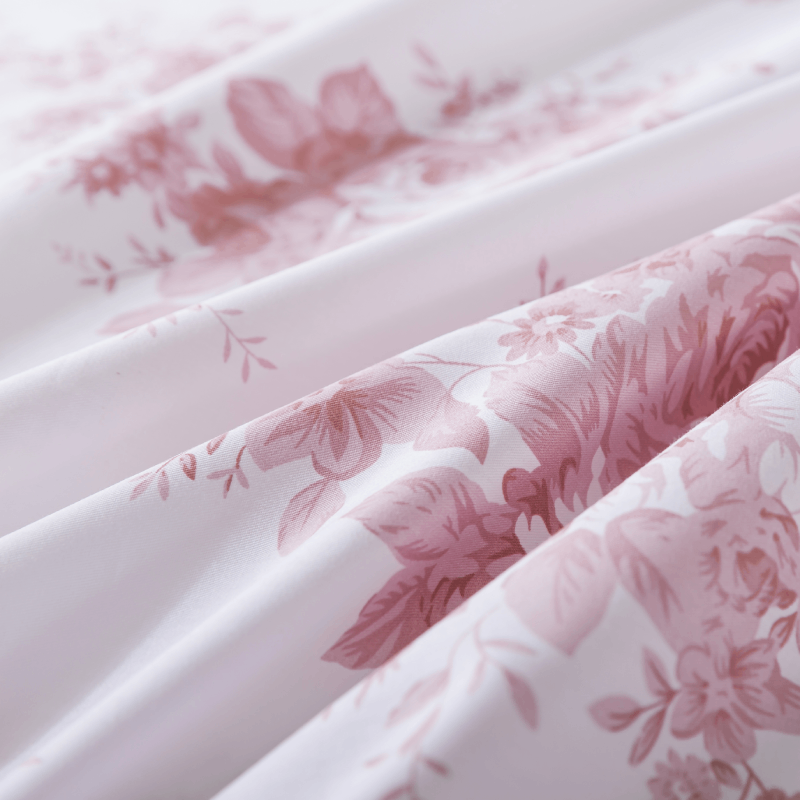
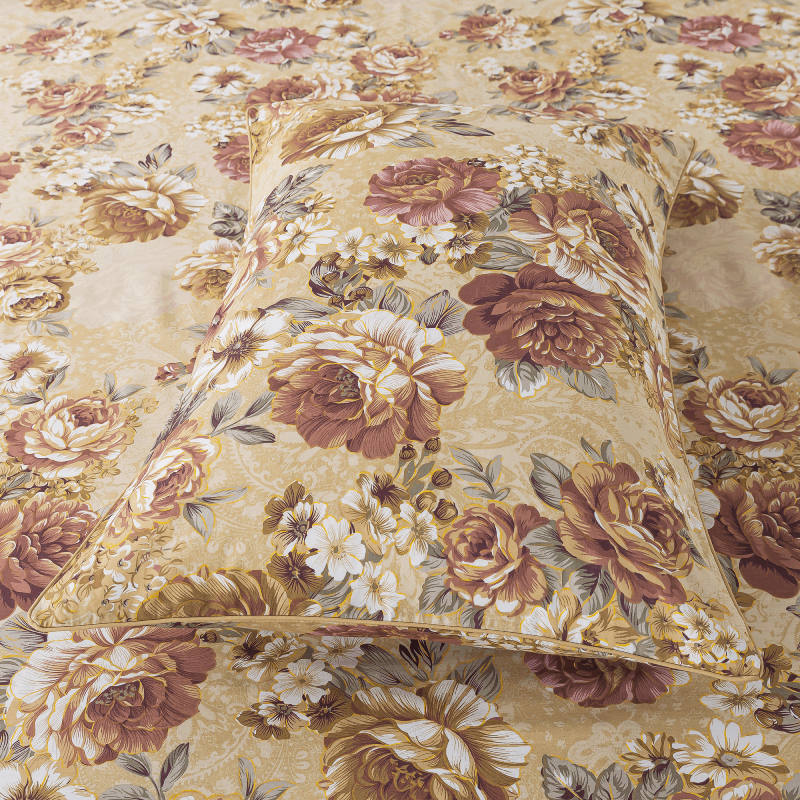
Floral designs often rely on small details: petal edges, leaf shapes, fine stems, and color layering. A good printing technique keeps these elements clean and well-defined. When printing quality is low, floral patterns may look blurry, flat, or uneven.
Digital printing is excellent for detailed artwork, while reactive printing can keep colors vivid and smooth. Screen printing works well for simpler repeated patterns. The best choice depends on the style of the floral design.
For elegant floral bedding, clarity does not always mean bright or loud. Sometimes the best print is soft, balanced, and refined.
Choosing Better Floral Bedding
When selecting floral bedding, look beyond the pattern itself. Consider these questions:
Does the print feel soft to the touch?
Are the floral details clear and balanced?
Do the colors look natural rather than overly harsh?
Is the fabric still breathable after printing?
Will the colors stay beautiful after repeated washing?
A well-made floral bedding set should combine visual beauty, fabric comfort, and long-term durability.
Final Thoughts
Printing techniques play a major role in the quality of floral bedding. They affect color, softness, durability, breathability, and the overall feeling of the product. Whether the bedding uses pigment printing, reactive printing, digital printing, or screen printing, the goal should be the same: to create a floral design that remains comfortable, elegant, and lasting in everyday life.
For customers who love floral bedding, the best choice is not only the prettiest pattern. It is the bedding that continues to feel soft, look graceful, and bring quiet beauty to the bedroom night after night.