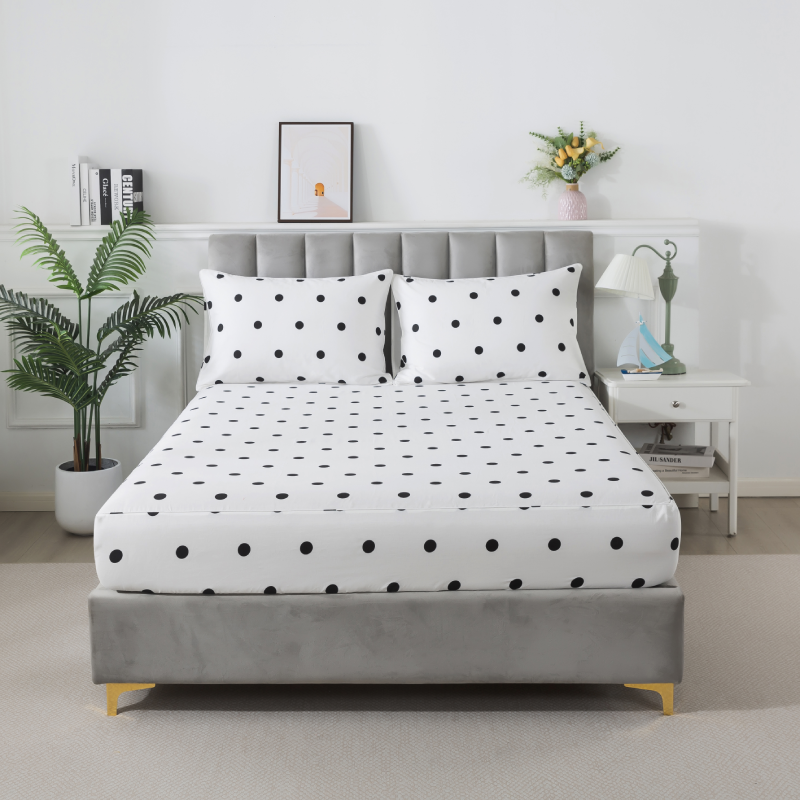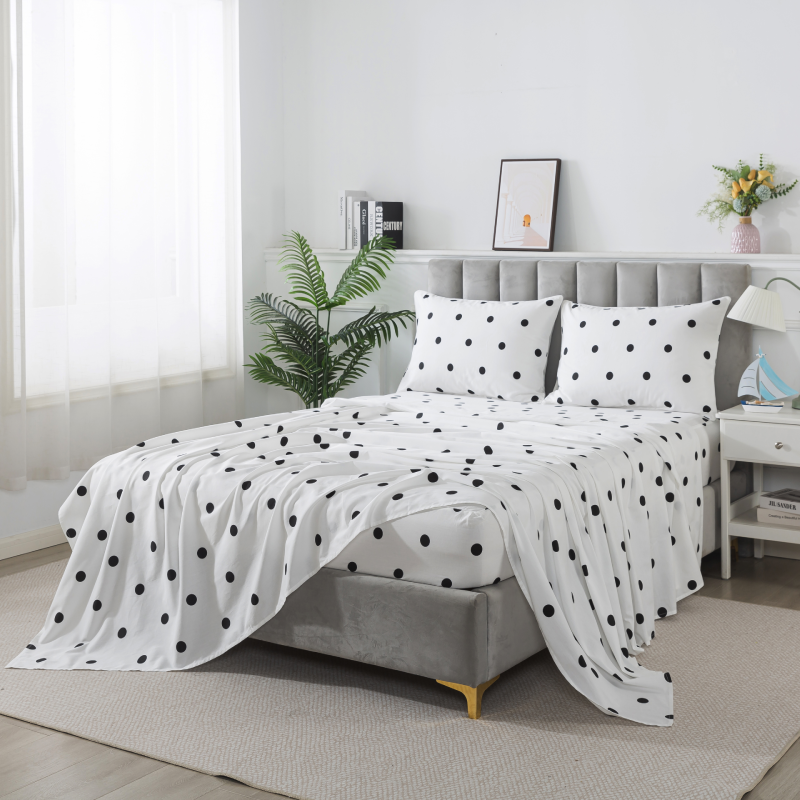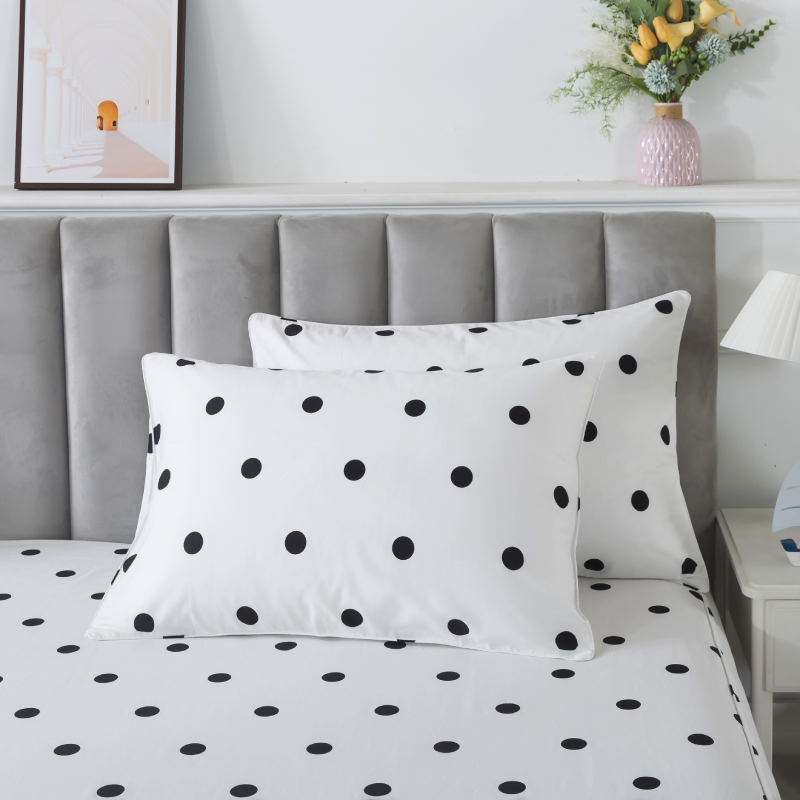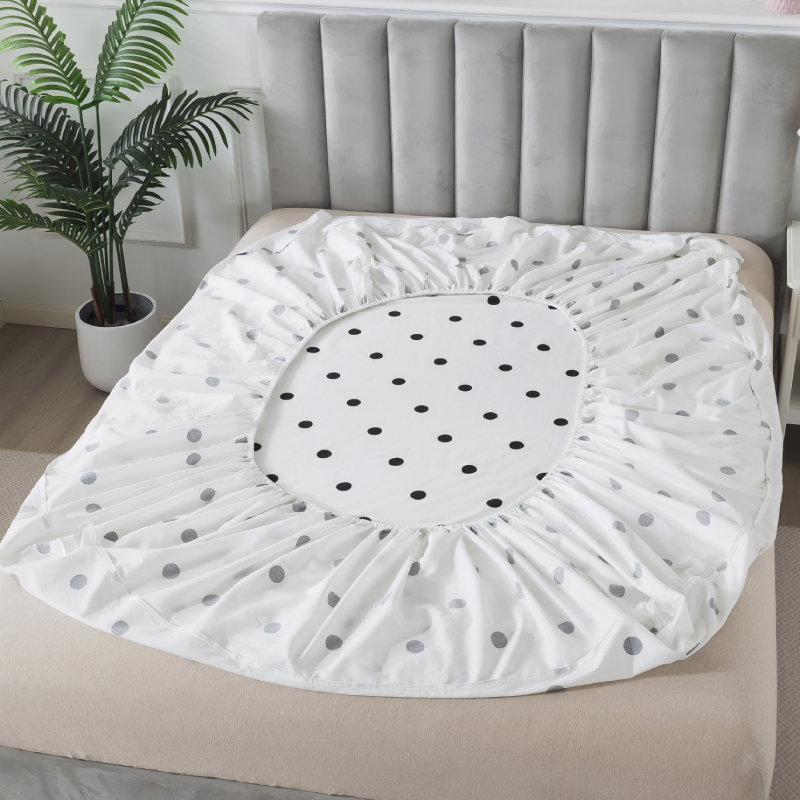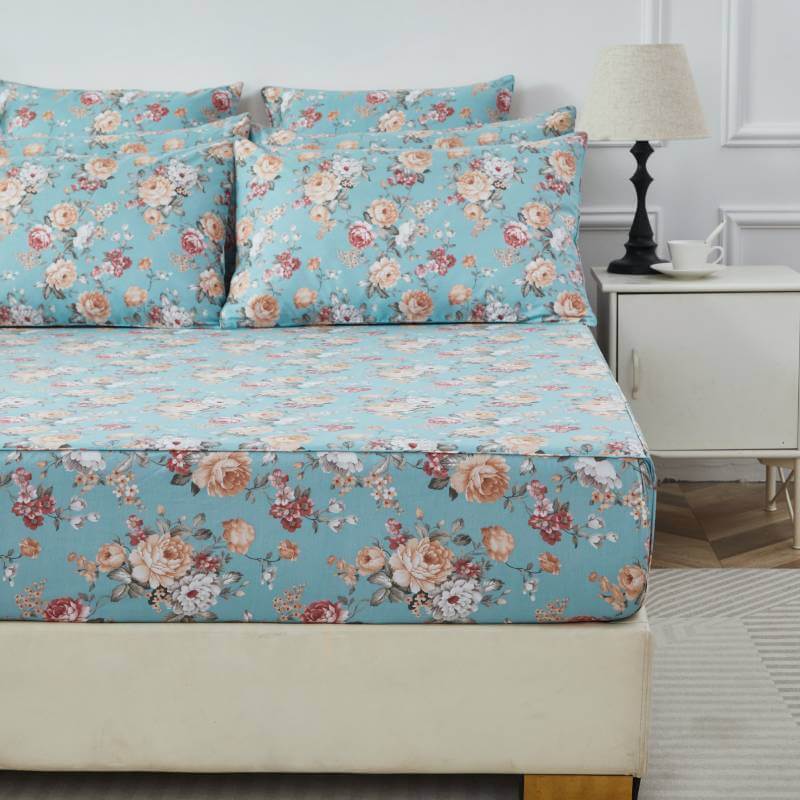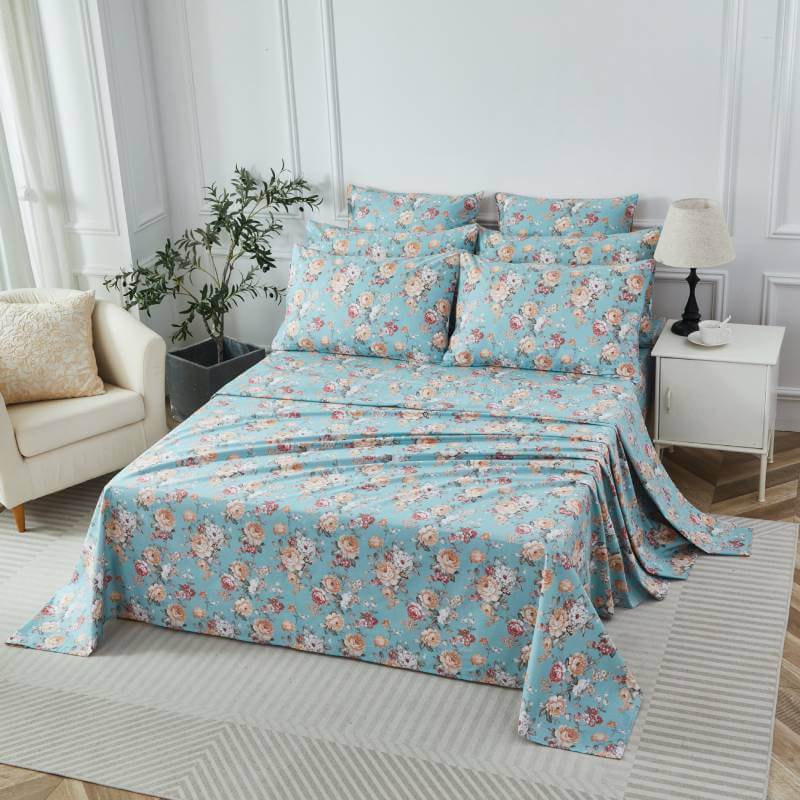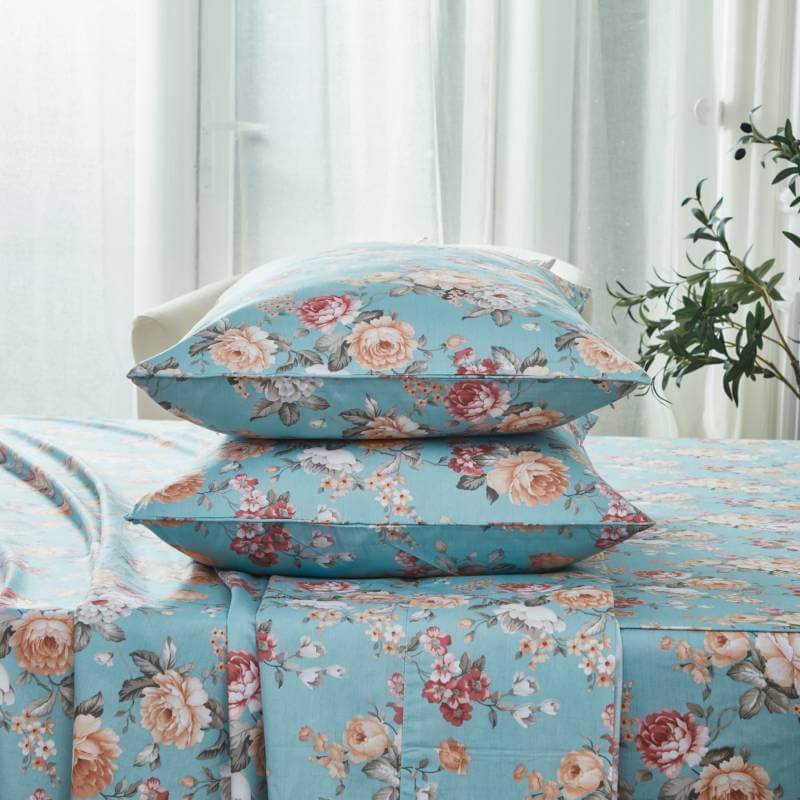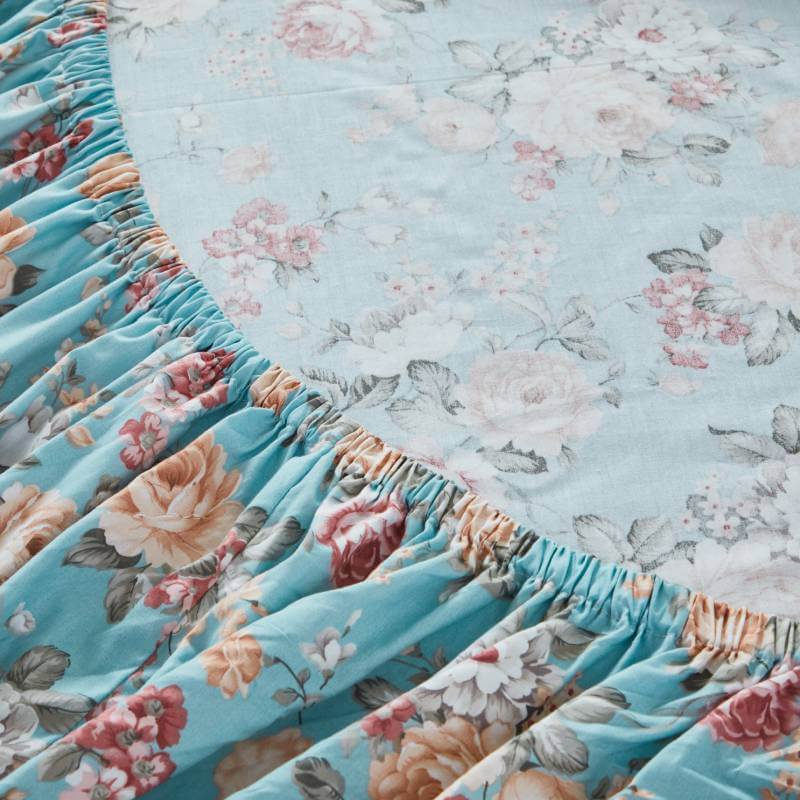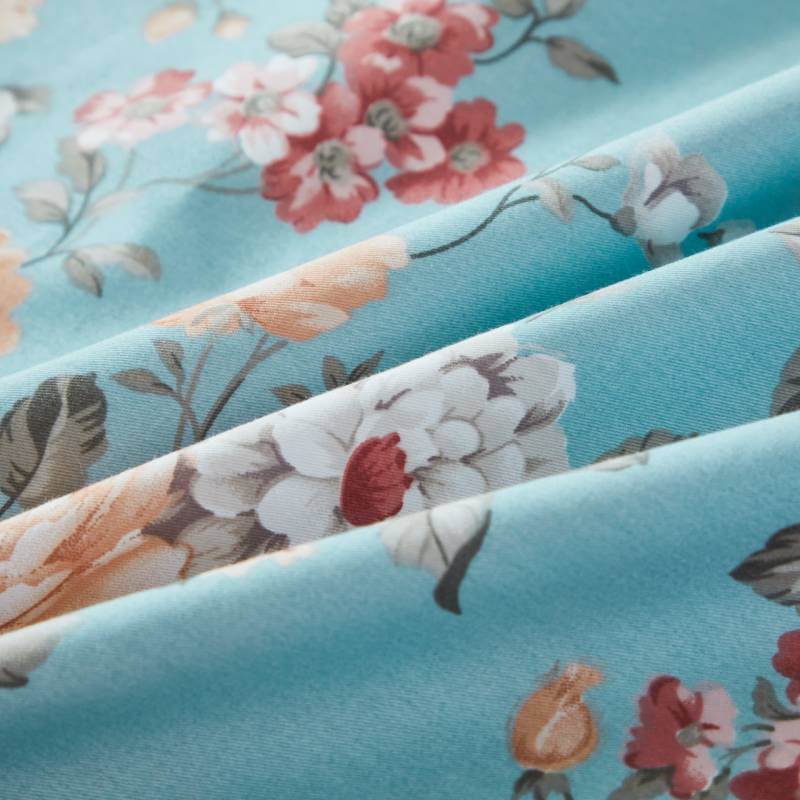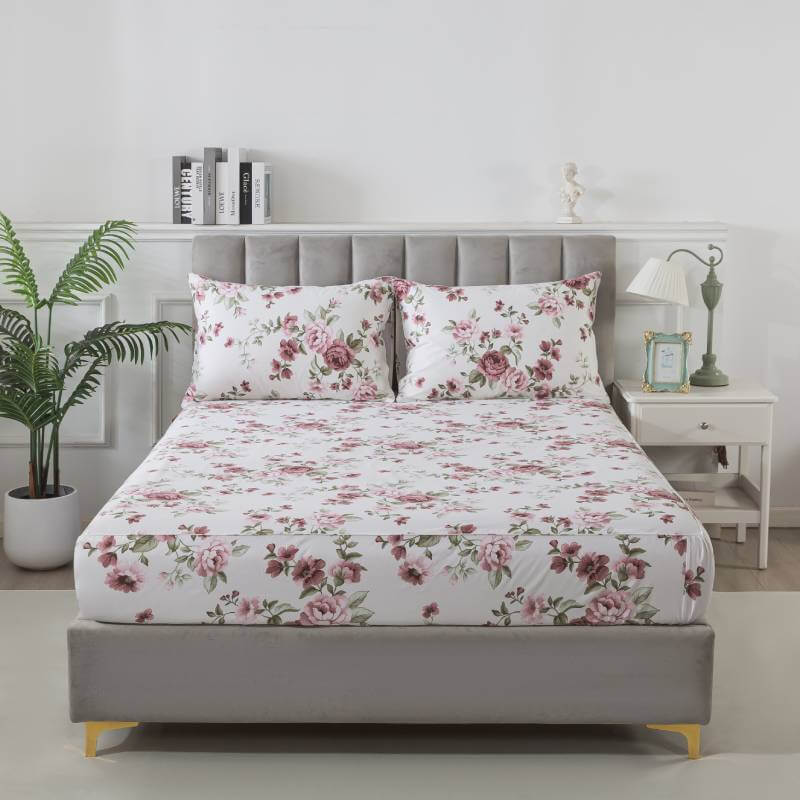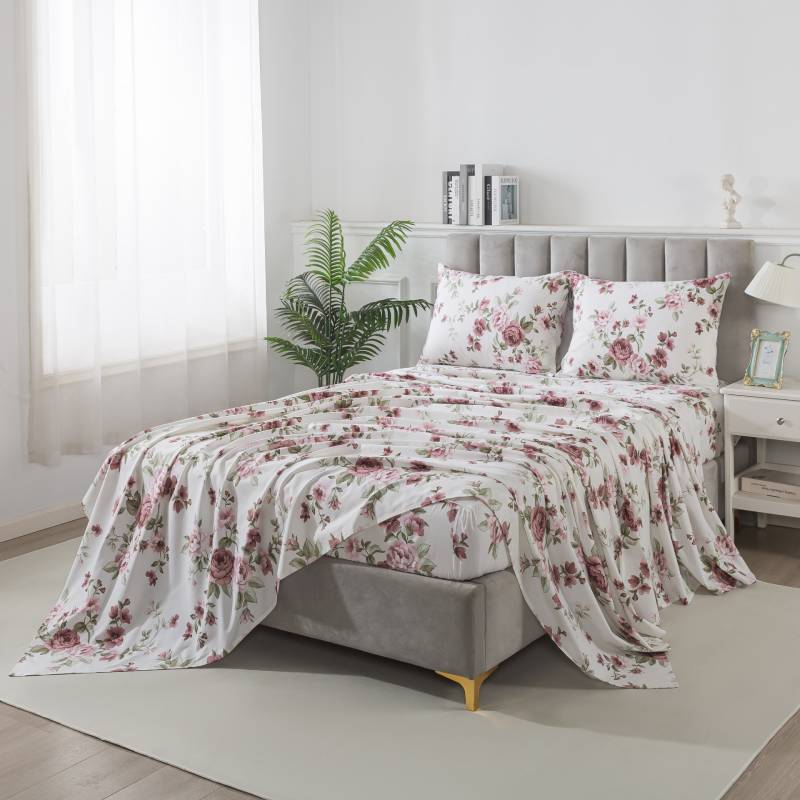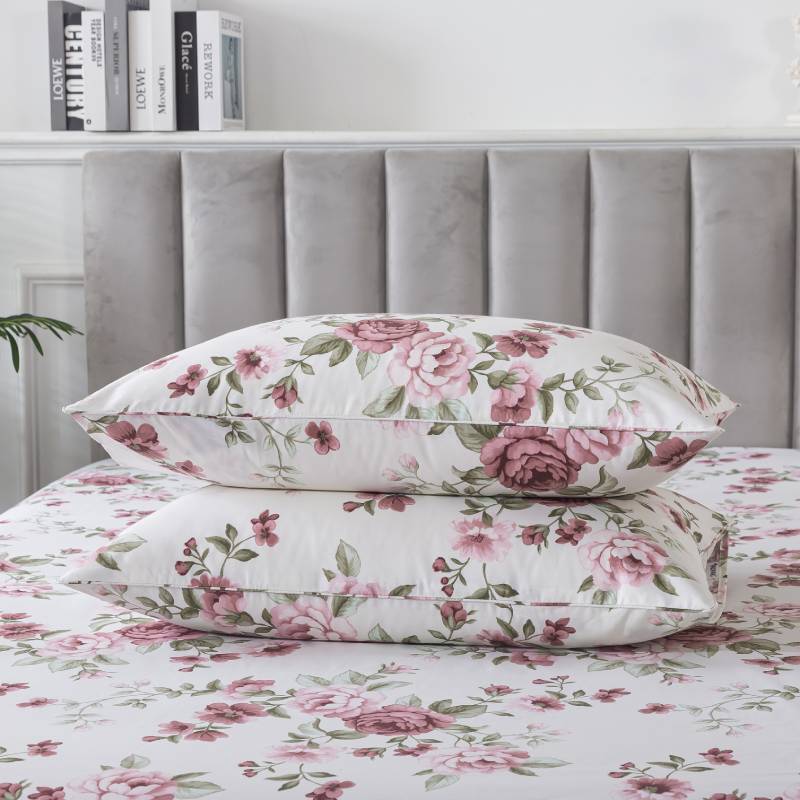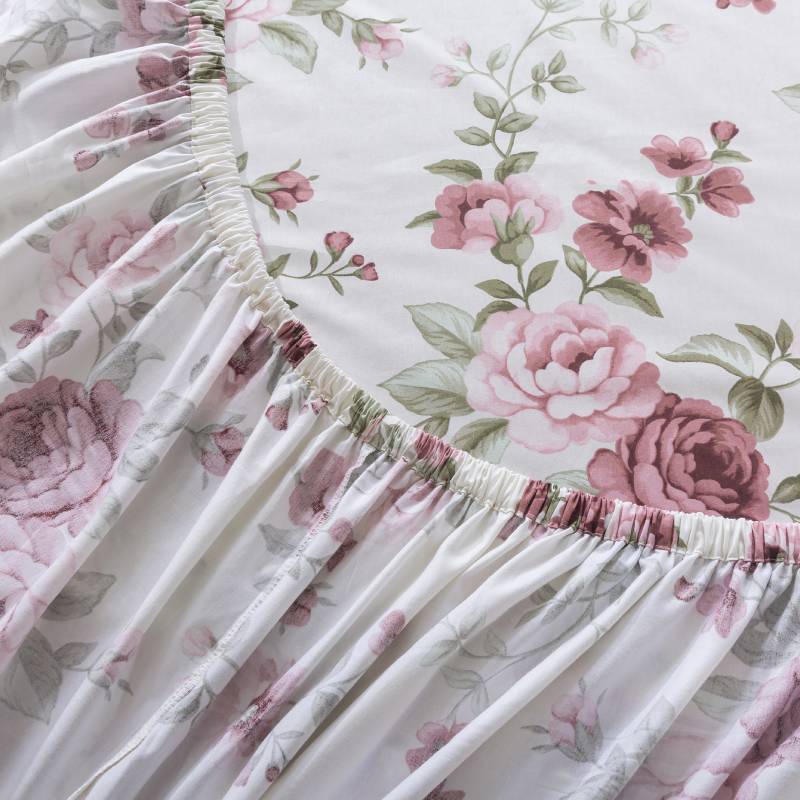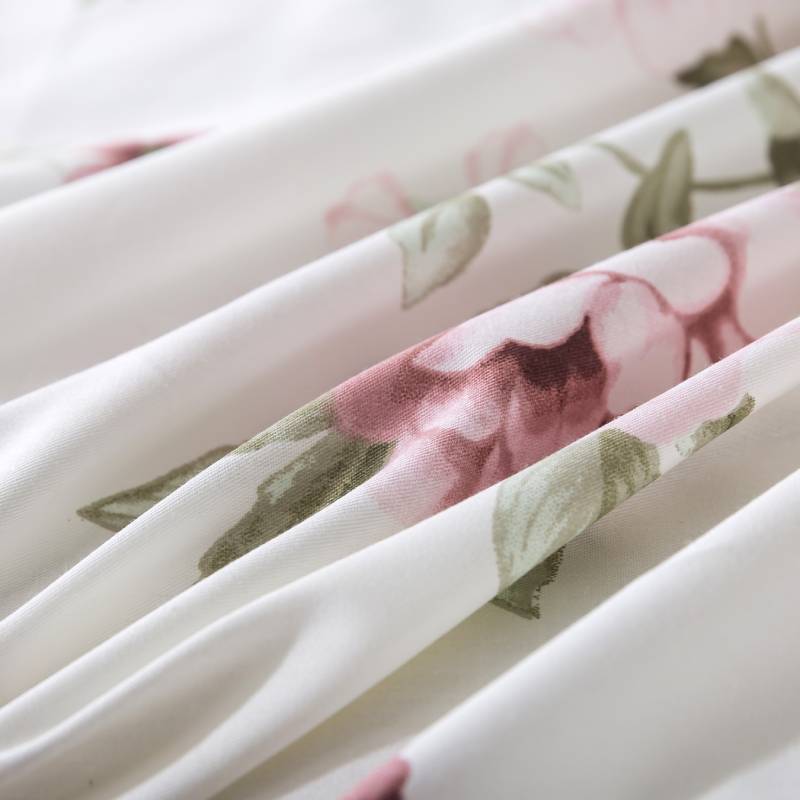
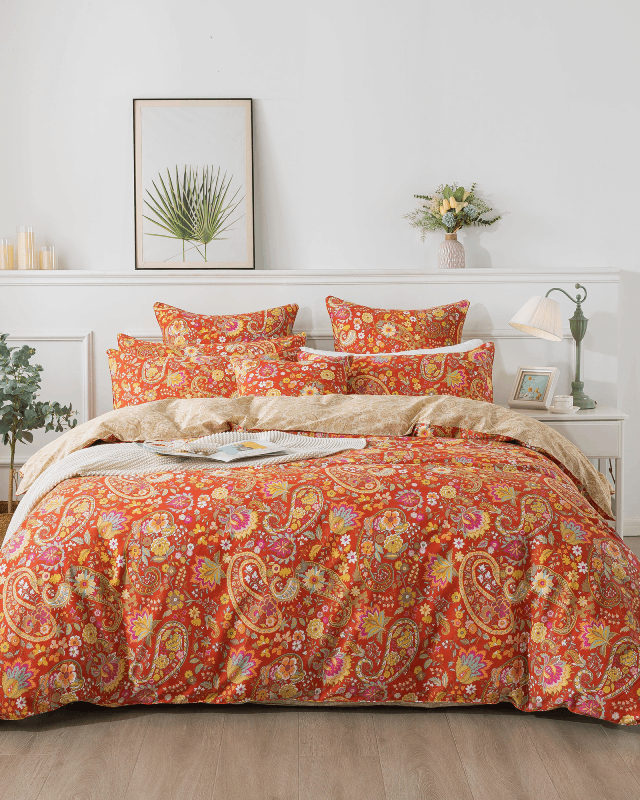
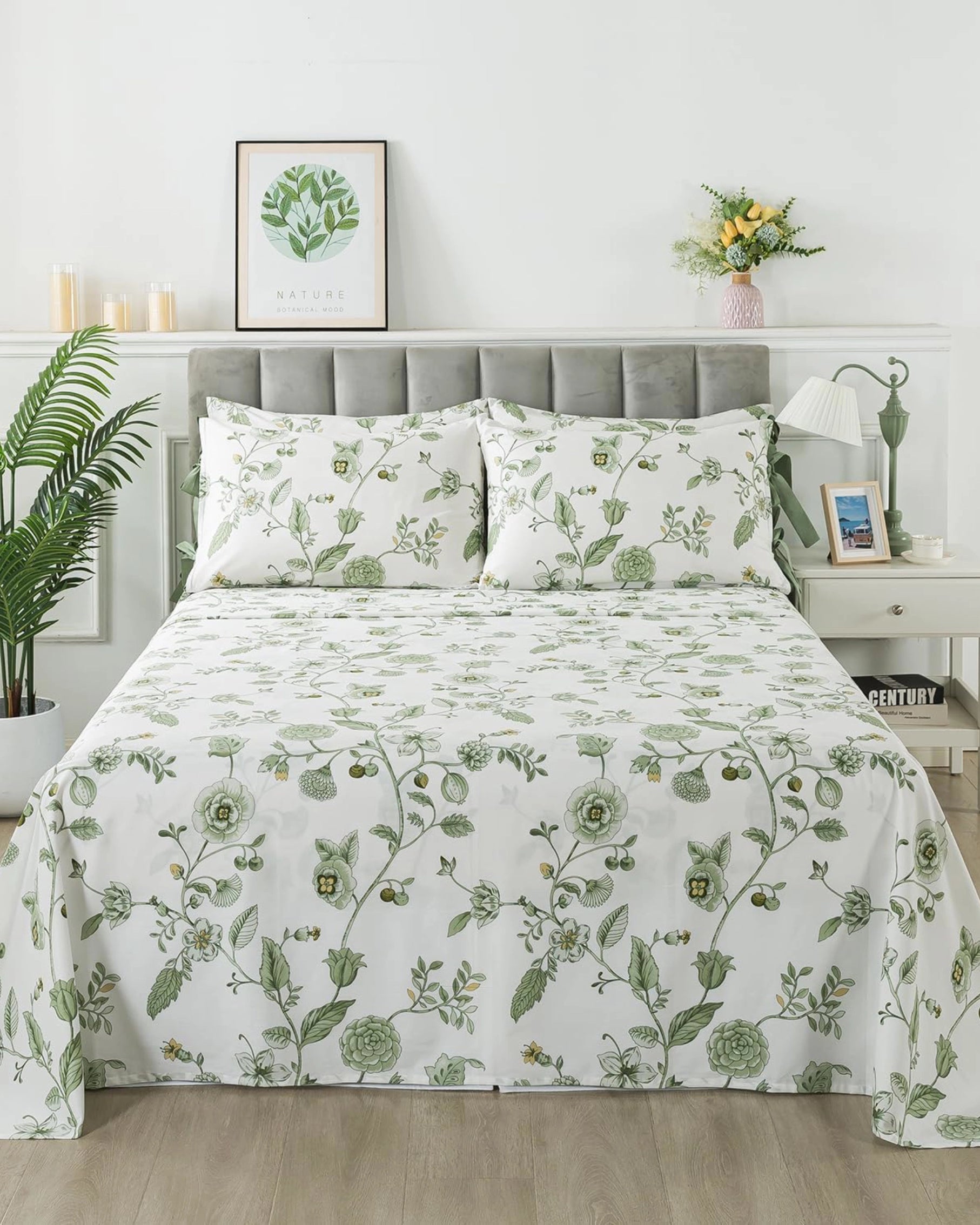


Floral bedding brings beauty and personality into the bedroom, but choosing the right floral design goes beyond aesthetics. Climate—especially heat and humidity—plays a critical role in how bedding feels, performs, and lasts over time. The wrong fabric or pattern choice can feel heavy, trap heat, or lose freshness quickly, while the right one enhances comfort and sleep quality year-round.
Understanding how climate influences bedding allows you to choose florals that look beautiful and feel right for where you live.
Why Climate Matters When Choosing Bedding
Heat and humidity affect how your body regulates temperature during sleep. Bedding that works well in a dry, cool climate may feel stifling in a warm, humid environment.
Climate influences:
• Breathability and airflow
• Moisture absorption
• Fabric weight and texture
• How fresh bedding feels overnight
Floral design choices—color, scale, and fabric—should align with these environmental factors.
Hot and Humid Climates: Lightness Is Essential
In warm, humid regions, bedding should promote airflow and moisture control while feeling visually fresh.
Best Fabrics for Heat and Humidity
Natural, breathable fibers perform best in these conditions.
Recommended options include:
• Lightweight cotton (percale or plain weave)
• Linen for maximum airflow
• Cotton blends with moisture-wicking properties
Avoid heavy fills, dense weaves, or synthetic materials that trap heat and moisture.
Floral Patterns That Feel Cool
Visual lightness matters as much as physical comfort.
Ideal floral styles include:
• Small to medium-scale florals
• Airy spacing with plenty of negative space
• Soft botanical motifs rather than dense clusters
These designs visually reinforce a sense of openness and freshness.
Color Palettes for Warm Climates
Color affects perceived temperature.
Choose:
• Light backgrounds (white, cream, pale gray)
• Cool tones like soft blues, greens, and gentle pastels
• Muted florals rather than high-contrast designs
These palettes help the bedroom feel cooler and calmer.
Dry and Hot Climates: Balance Is Key
In hot but dry regions, temperature drops at night may require more flexibility.
Best practices include:
• Breathable cotton or cotton sateen
• Mid-weight floral bedding that layers easily
• Designs that transition well between seasons
Florals with slightly richer colors still work here, as long as the fabric remains breathable.

Moderate and Seasonal Climates: Versatile Florals
If you experience distinct seasons, versatility becomes the priority.
Look for:
• All-season cotton bedding
• Medium-scale floral designs that adapt visually
• Neutral-based florals that layer well
These choices allow you to rotate bedding with minimal changes while maintaining comfort.
Cooler and Humid Climates: Soft Warmth Without Weight
In cooler regions with humidity, bedding should offer warmth while remaining breathable.
Consider:
• Brushed cotton or lightweight flannel for cooler months
• Florals with slightly denser patterns for visual warmth
• Deeper but muted tones like sage, dusty rose, or soft navy
Avoid overly heavy comforters that trap moisture.
How Fabric Finish Affects Comfort
Beyond fabric type, finishes influence how bedding feels in different climates.
Helpful finishes include:
• Enzyme-washed cotton for softness without heaviness
• Matte finishes that feel breathable
• Low-residue treatments that won’t trap moisture
Avoid stiff or coated finishes that reduce airflow.
Practical Tips for Climate-Smart Floral Bedding
• Rotate bedding seasonally
• Use lightweight inserts with floral duvet covers
• Air bedding regularly to release moisture
• Wash frequently but gently to maintain freshness
Climate-appropriate bedding stays comfortable longer and requires less maintenance.
Choosing Florals That Age Well in Your Climate
Heat and humidity can accelerate wear. Florals that hold up best tend to have:
• Colorfast dyes
• Balanced contrast rather than extreme saturation
• High-quality natural fibers
Well-chosen floral bedding maintains its beauty even with frequent washing.
Final Thoughts
Floral bedding should support your environment, not fight it. By considering heat, humidity, and seasonal changes, you can choose florals that feel as good as they look—light, breathable, and comfortable where you live.
When fabric, pattern, and climate work together, your bedroom becomes a space that truly supports rest, regardless of the weather outside.