

In a world that moves quickly and demands constant attention, comfort at home has become more than a luxury—it is a necessity. Yet true comfort does not always come from grand renovations or expensive furniture. Often, it is found in the smallest, most thoughtful details. These quiet elements shape how a space feels, how we unwind, and how we reconnect with ourselves at the end of the day.
The Power of Soft Textures
One of the most immediate ways to experience comfort is through touch. The textures we surround ourselves with—bedding, cushions, rugs—play a subtle but powerful role in how we perceive our living space.
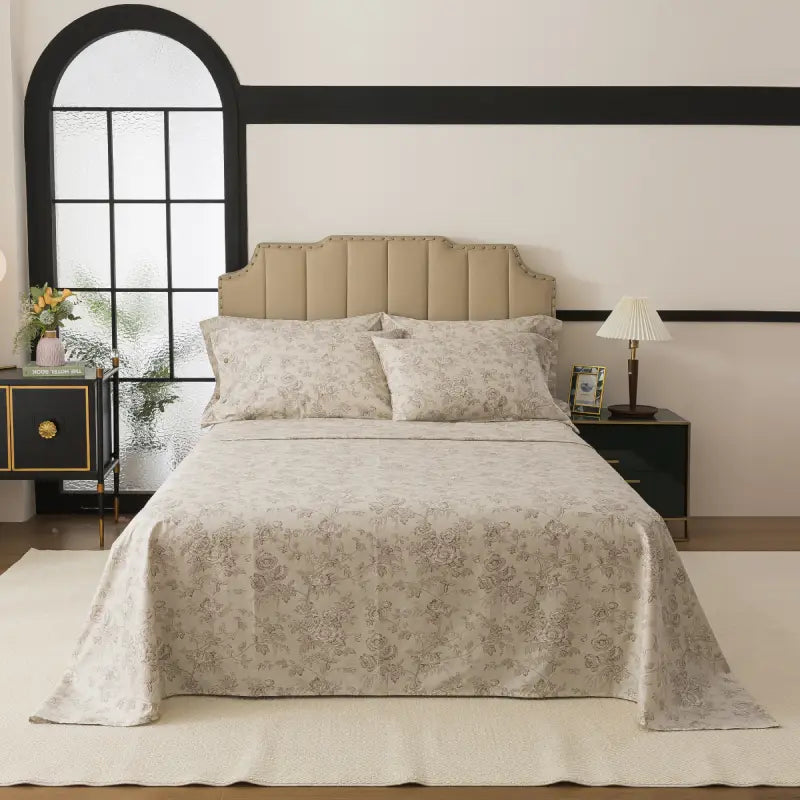
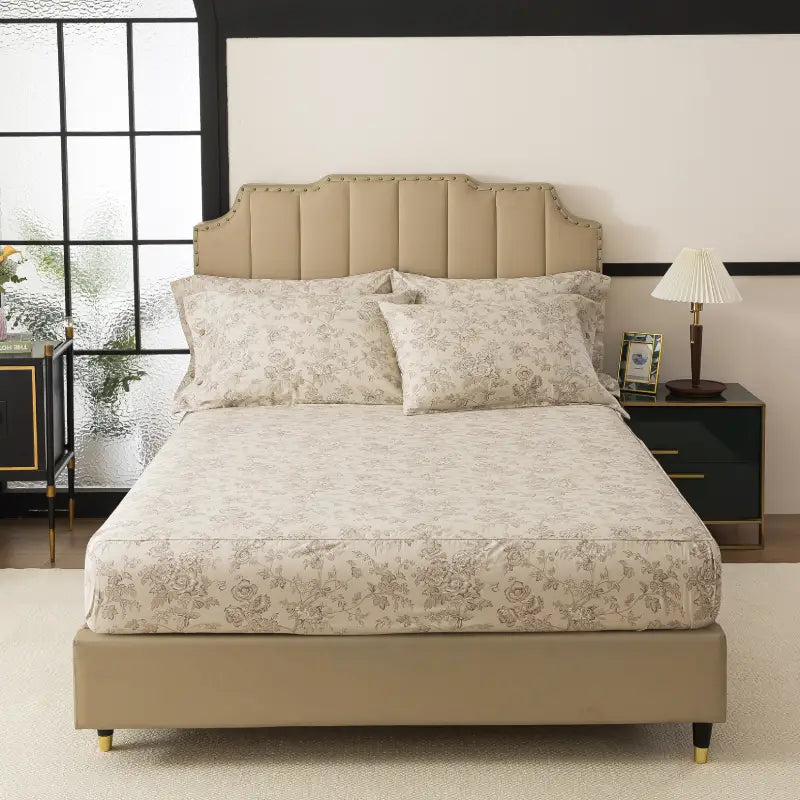
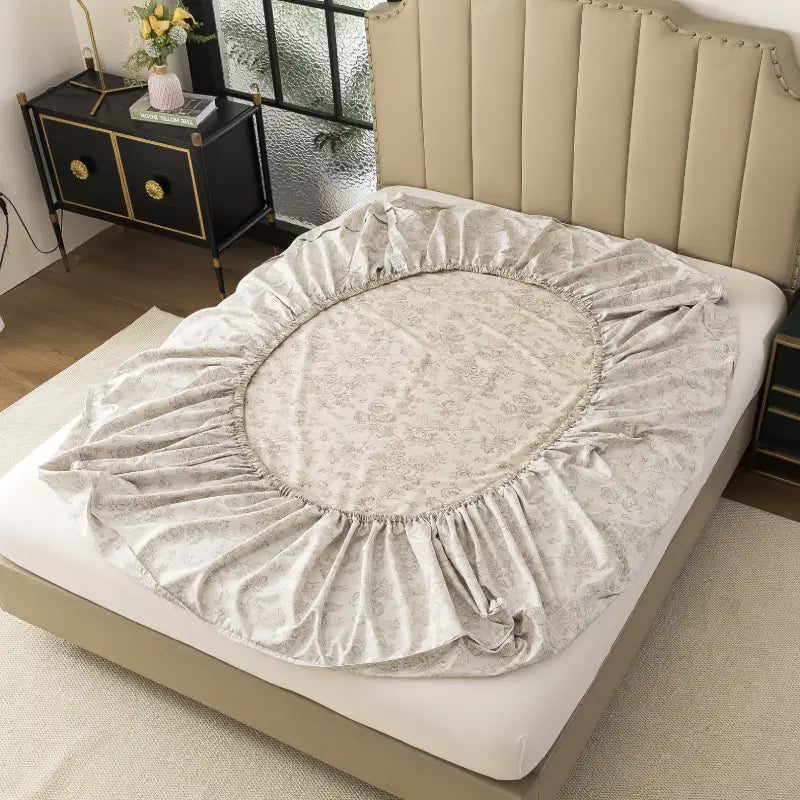
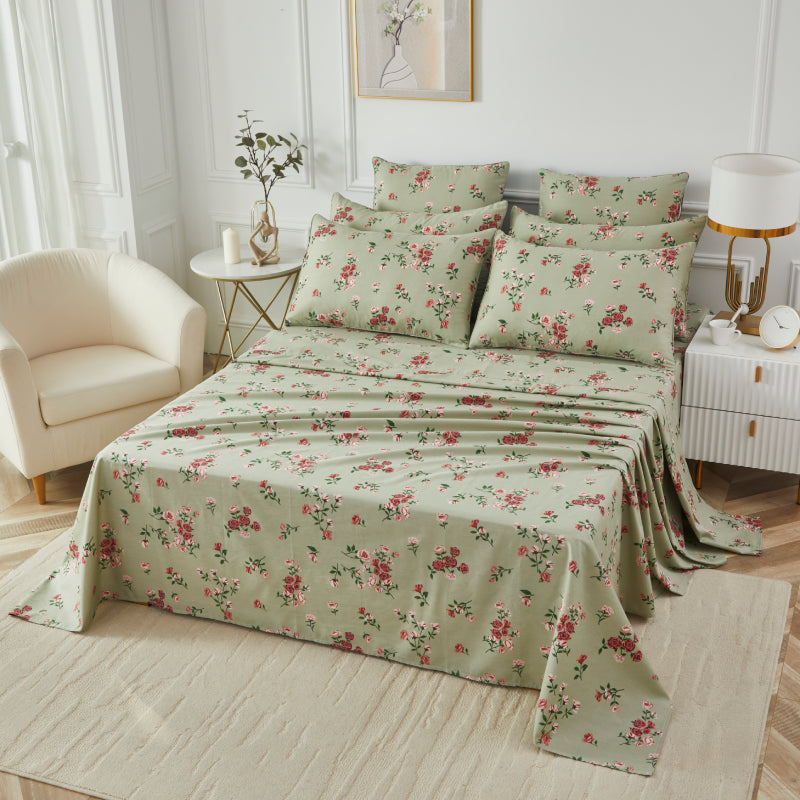
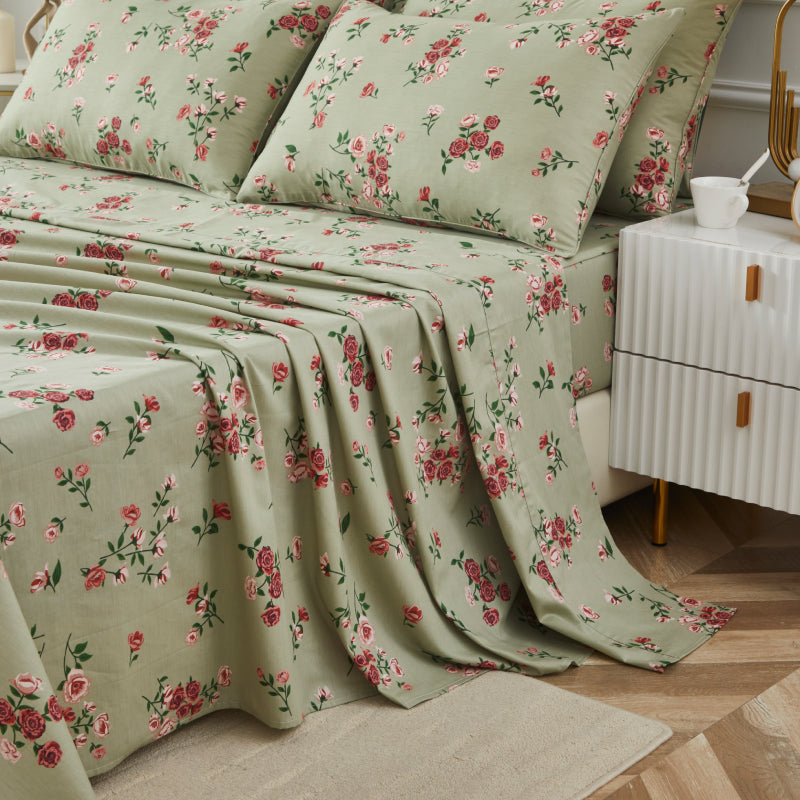
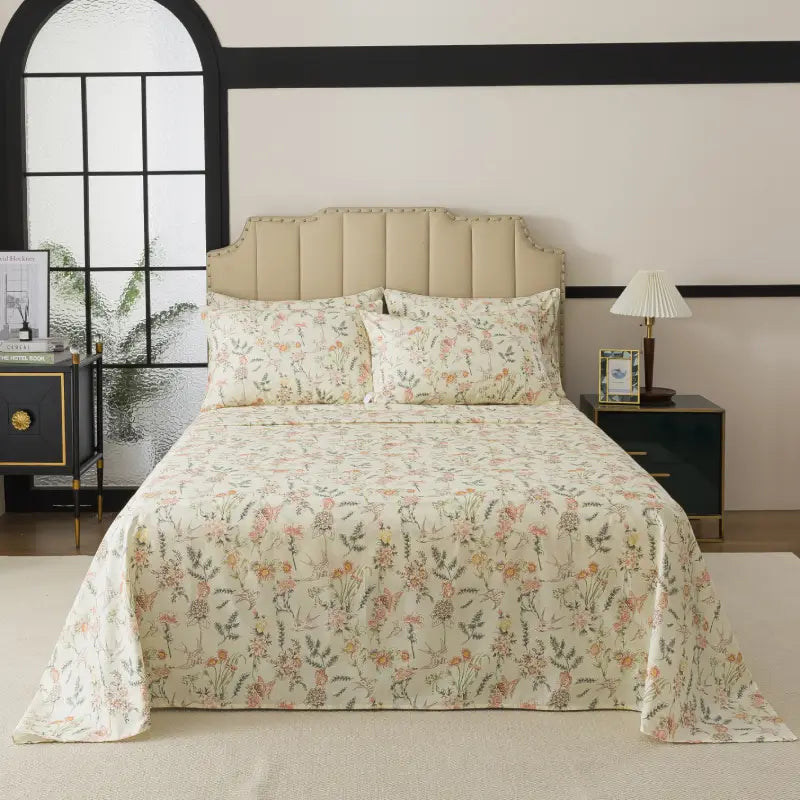
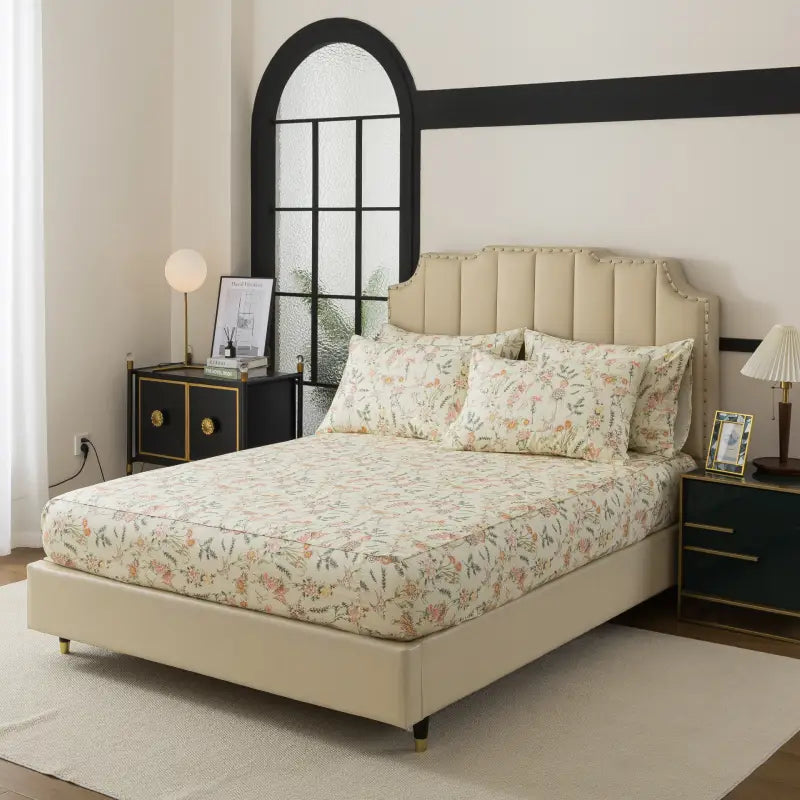
Natural materials, especially cotton, are particularly effective in creating a sense of ease. Their breathability, softness, and familiarity offer a tactile comfort that synthetic materials often lack. A well-made cotton bedding set, for instance, doesn’t just look inviting—it feels calming against the skin, helping the body relax more naturally.
Layering textures can further enhance this effect. A light quilt folded at the foot of the bed, a soft throw draped over a chair, or a low-pile rug underfoot all contribute to a layered, lived-in atmosphere. These details do not overwhelm the space; instead, they quietly invite you to stay a little longer.
Light That Feels Like Home
Lighting is another often-overlooked detail that dramatically influences comfort. Harsh, bright lights may serve a functional purpose, but they rarely create warmth. In contrast, soft, diffused lighting—especially natural light during the day and warm-toned lamps in the evening—helps establish a more relaxing environment.
Morning sunlight filtering through curtains can gently wake a room, highlighting textures and colors in a way that feels organic and alive. In the evening, a bedside lamp or a softly glowing corner light can signal to the mind that it is time to slow down.
The key is not complexity, but intention. Even a single well-placed light source can transform the mood of a room.

Familiar Patterns and Subtle Beauty
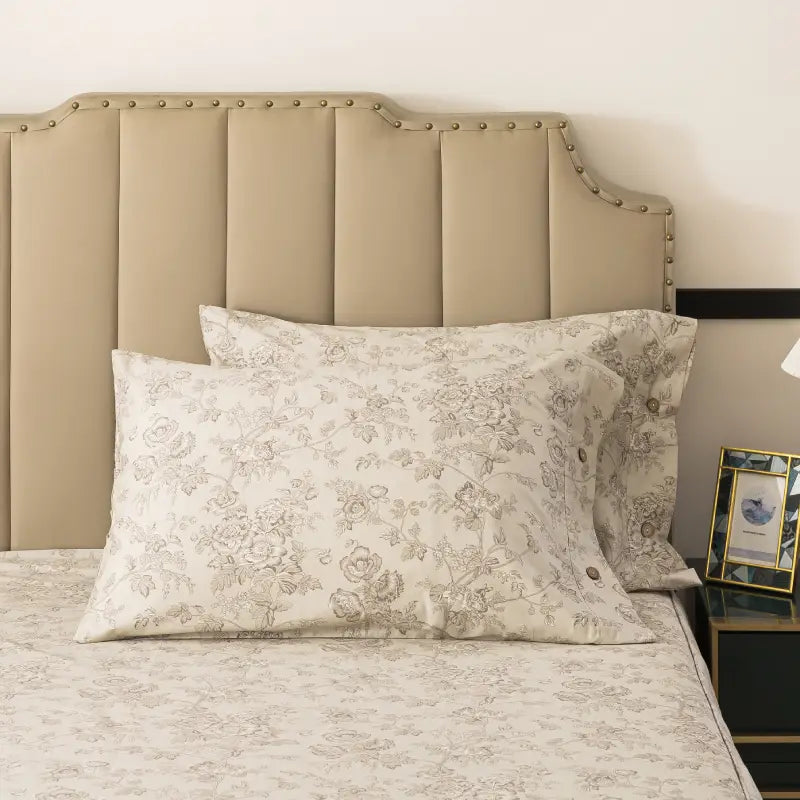
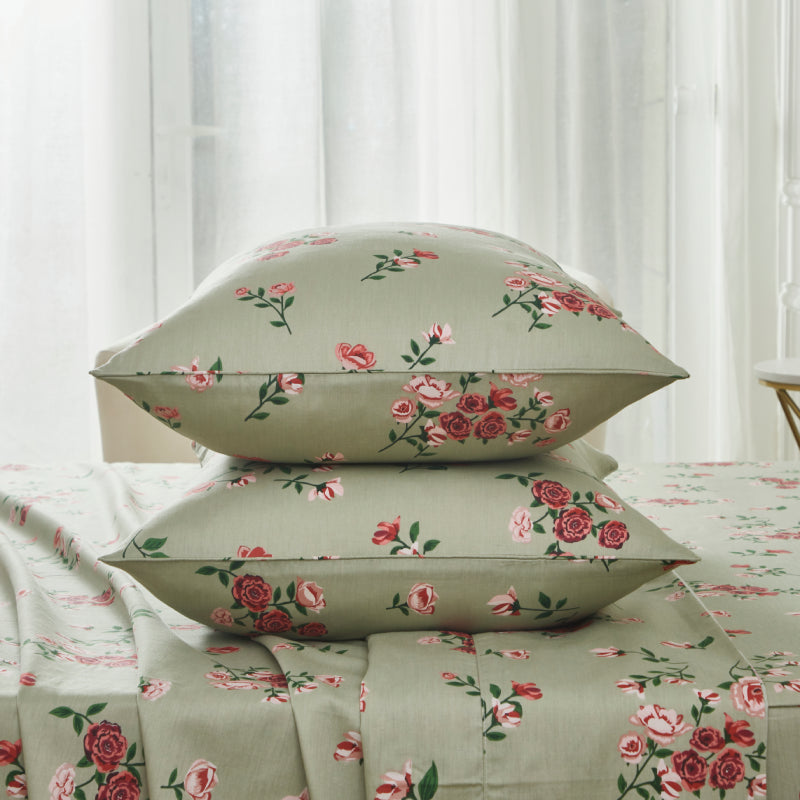
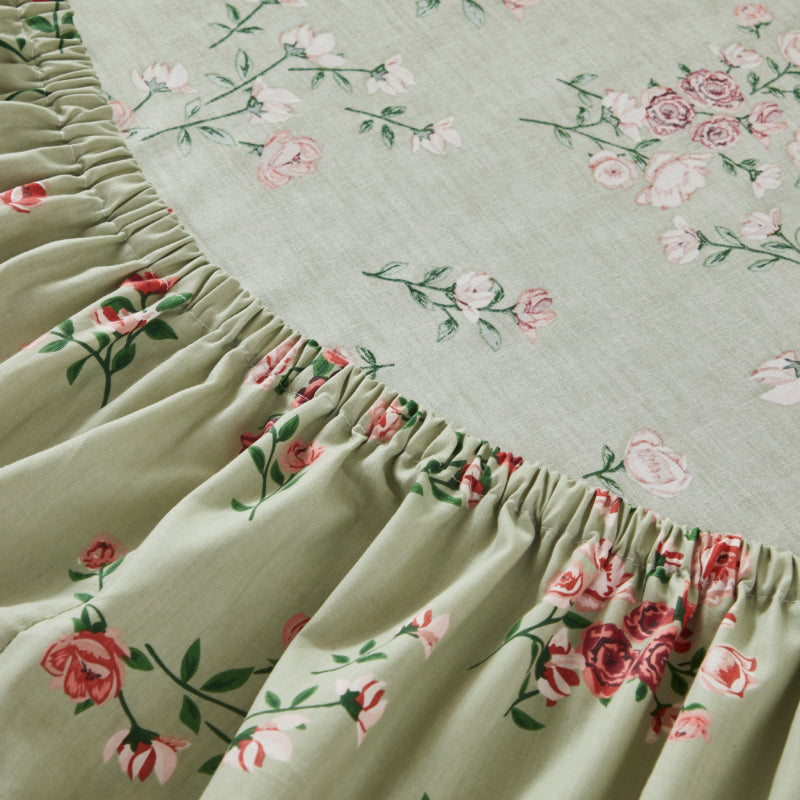
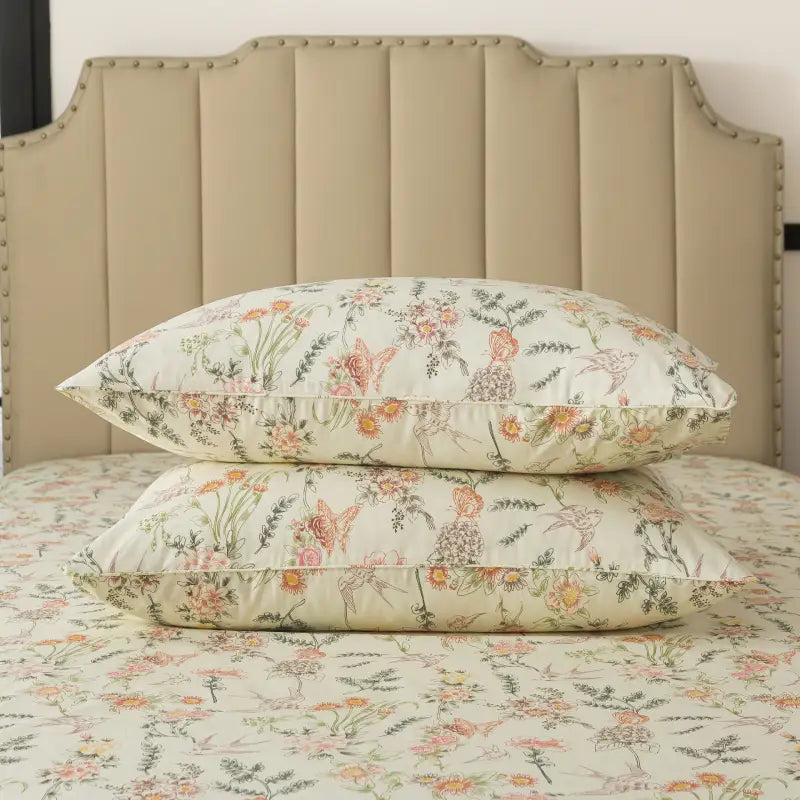
Visual comfort often comes from familiarity and harmony. Patterns, especially those inspired by nature, can bring a quiet sense of balance into a space. Floral designs, soft stripes, or understated prints evoke a feeling of calm without demanding attention.
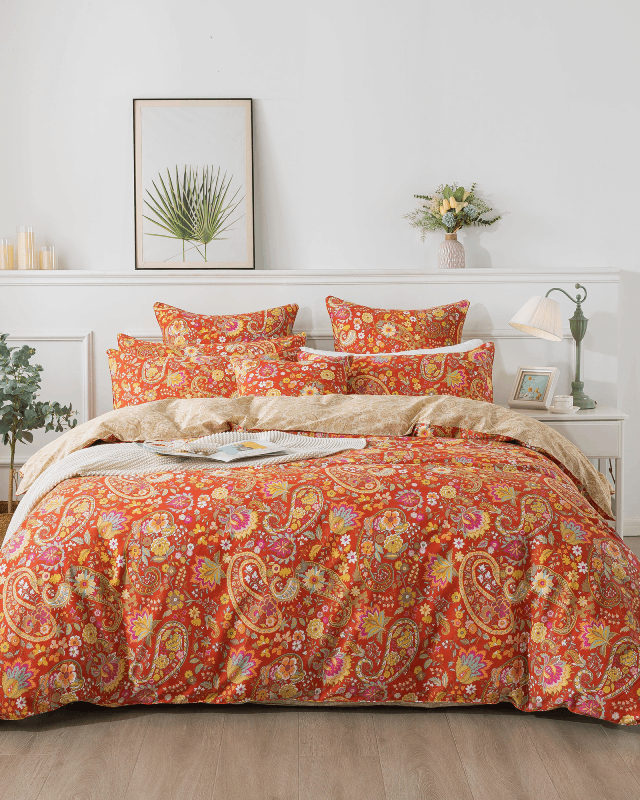
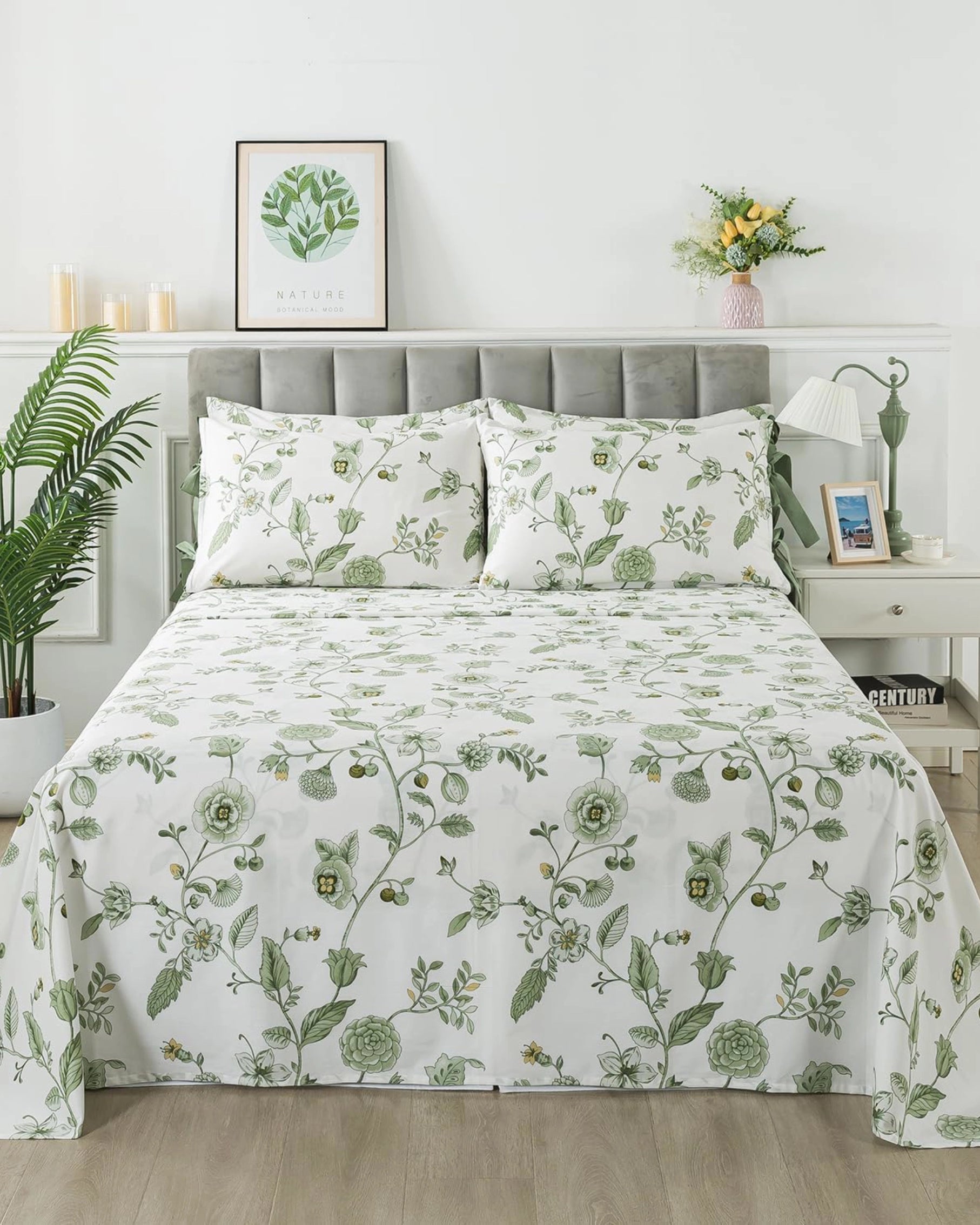
These elements work best when they feel effortless rather than decorative. A floral duvet cover, for example, does more than add visual interest—it introduces a sense of softness and continuity, echoing the rhythms of nature within the home.
Color also plays a role. Gentle tones—muted blues, warm neutrals, soft greens—tend to soothe rather than stimulate. When combined with simple patterns, they create an environment that feels both refined and restful.
The Comfort of Routine Spaces
Comfort is not only about how a space looks or feels, but also about how it supports daily rituals. The places where we rest, read, or simply pause become anchors in our routines.
A neatly made bed at the end of a long day, a favorite chair by the window, or even a quiet corner with a soft rug can become deeply personal spaces. These areas do not need to be large or elaborate. Their value lies in consistency—the way they quietly welcome you back, day after day.
Over time, these small spaces begin to hold meaning. They become associated with rest, reflection, and comfort, reinforcing a sense of stability in an otherwise busy world.
Embracing Imperfection
True comfort is rarely found in perfection. A home that feels lived in—where fabrics soften over time, where natural wrinkles appear, where objects are used and appreciated—often feels more inviting than one that is overly curated.
Materials like cotton age gracefully. With each wash, they become softer, more familiar, more personal. This gradual transformation adds character, reminding us that comfort is something that evolves rather than something that is achieved instantly.
Allowing a space to breathe, to change, and to reflect real life is essential. It is this authenticity that makes a home feel genuine and comforting.
Small Details, Lasting Impact
It is easy to overlook the small things in favor of larger changes. But often, it is the smallest adjustments that have the greatest impact. A softer fabric, a warmer light, a calming pattern—these are not dramatic transformations, yet they reshape how a space is experienced.
Comfort is not built overnight. It is layered, detail by detail, through choices that prioritize feeling over appearance. When we begin to notice and refine these small elements, our homes become more than just places to live—they become places to rest, to reset, and to feel at ease.
Conclusion
Finding comfort in simple home details is ultimately about intention. It is about choosing materials that feel good, lighting that soothes, and designs that resonate quietly. It is about creating a space that supports who you are, rather than impresses others.
In the end, comfort is not something we chase—it is something we cultivate, one small detail at a time.