

A bedroom should feel like a place where the day becomes quieter. Yet even a well-decorated room can sometimes feel too plain, cold, or unfinished. The good news is that creating a softer bedroom does not require a complete renovation. A few thoughtful changes to your bedding, lighting, colors, and textures can make the space feel noticeably warmer within a single week.
Here are some easy ways to give your bedroom a softer, more comforting atmosphere.
1. Refresh Your Bedding Layers
Bedding has the greatest visual and physical impact in a bedroom. Start by adding or rearranging layers rather than replacing everything.
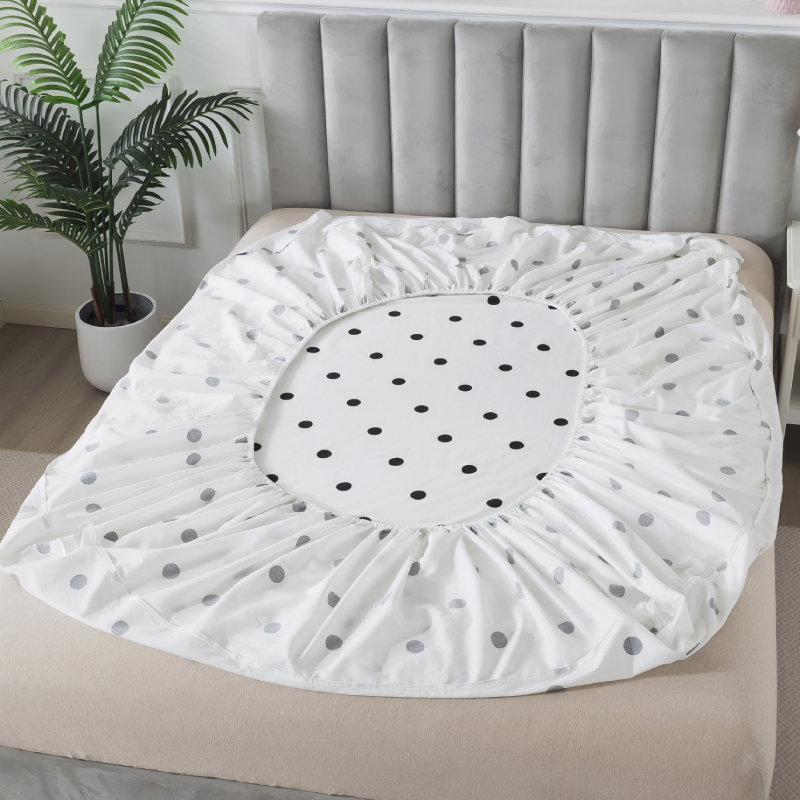
Place a lightweight quilt, coverlet, or folded duvet at the end of the bed. This creates depth and makes the bed look more inviting. You can also layer breathable cotton sheets beneath a soft duvet cover for a comfortable combination that works throughout the year.
Natural cotton is especially useful because it feels gentle against the skin while maintaining an airy, relaxed appearance. Slight wrinkles can even contribute to a casual, lived-in look rather than making the room feel overly formal.
2. Add More Pillows—But Keep Them Practical
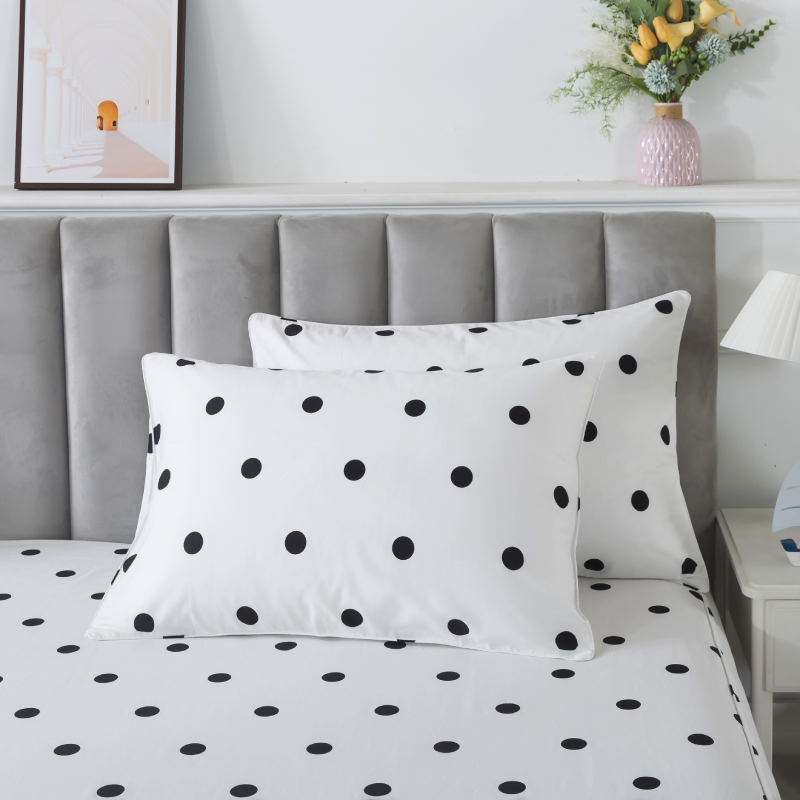
A few additional pillows can instantly soften the shape of the bed. Combine standard sleeping pillows with two decorative shams or a small lumbar pillow.
You do not need an excessive number of cushions. The goal is to create comfort without making the bed difficult to use. Choose pillow covers with subtle details such as quilting, ruffles, embroidery, botanical prints, or lightly textured fabric.
For a balanced arrangement, place larger pillows at the back and smaller accent pillows in front.
3. Introduce Gentle Patterns
Softness is not only about fabric. Visual patterns also influence how a bedroom feels.
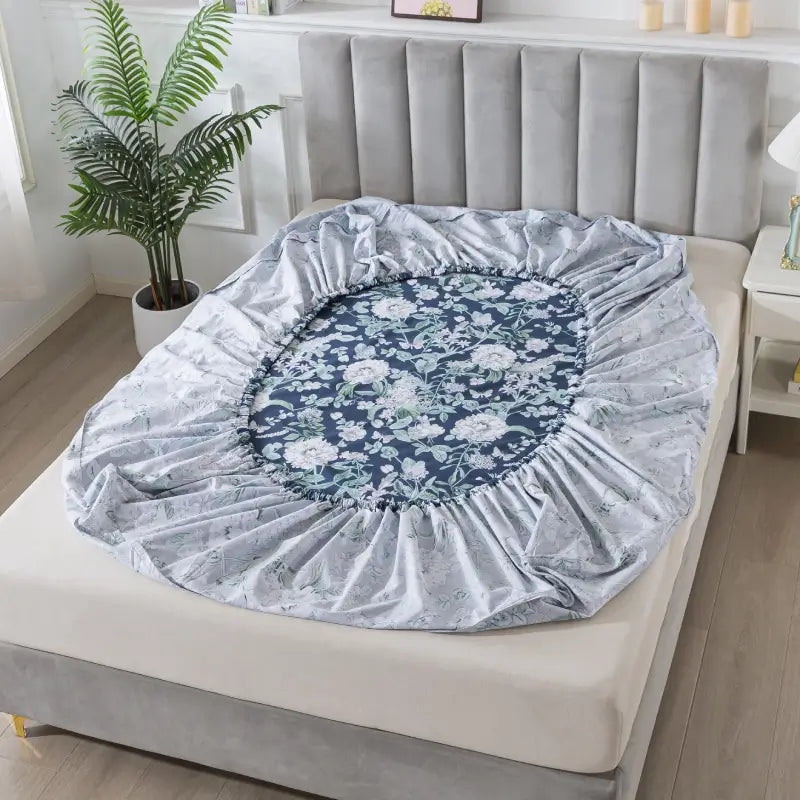
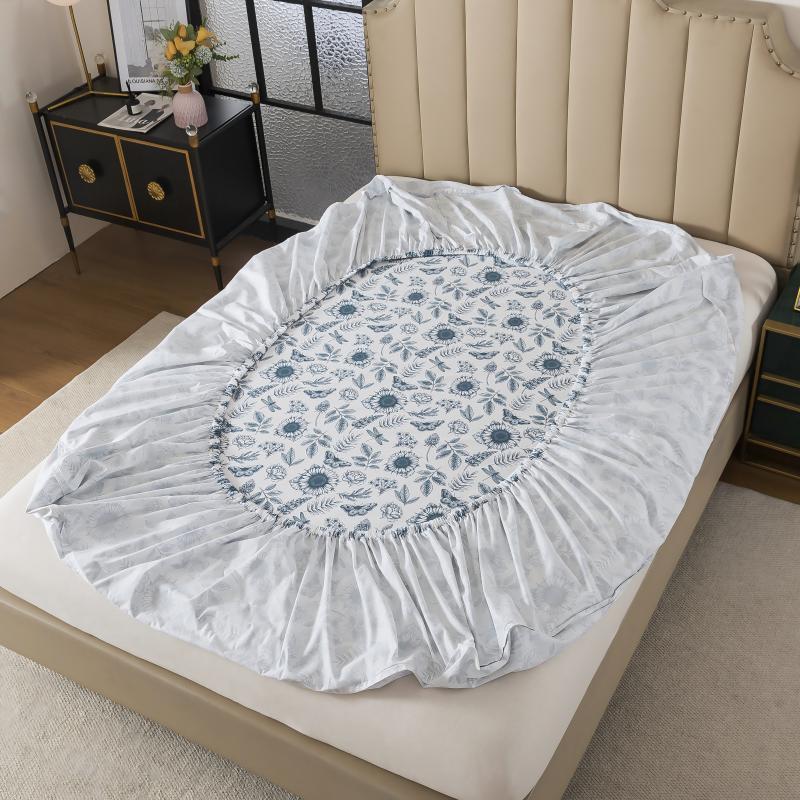
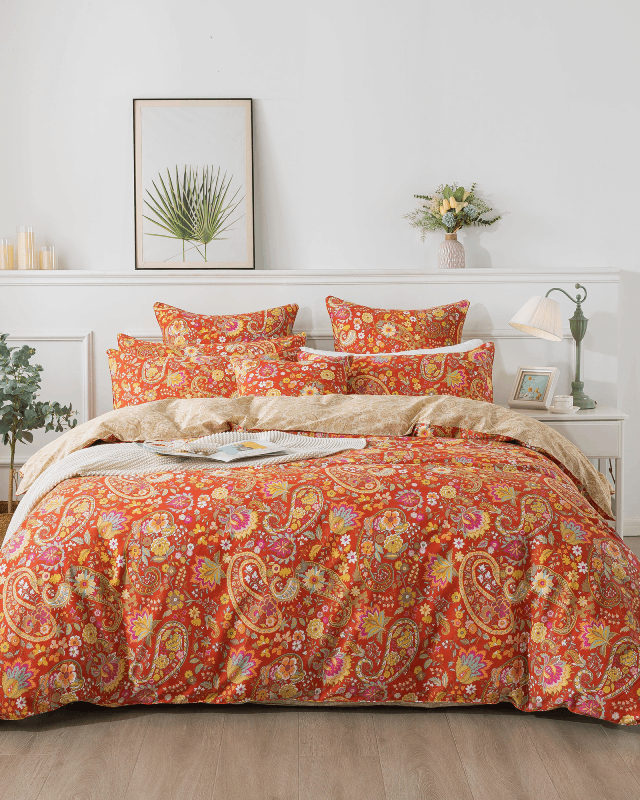
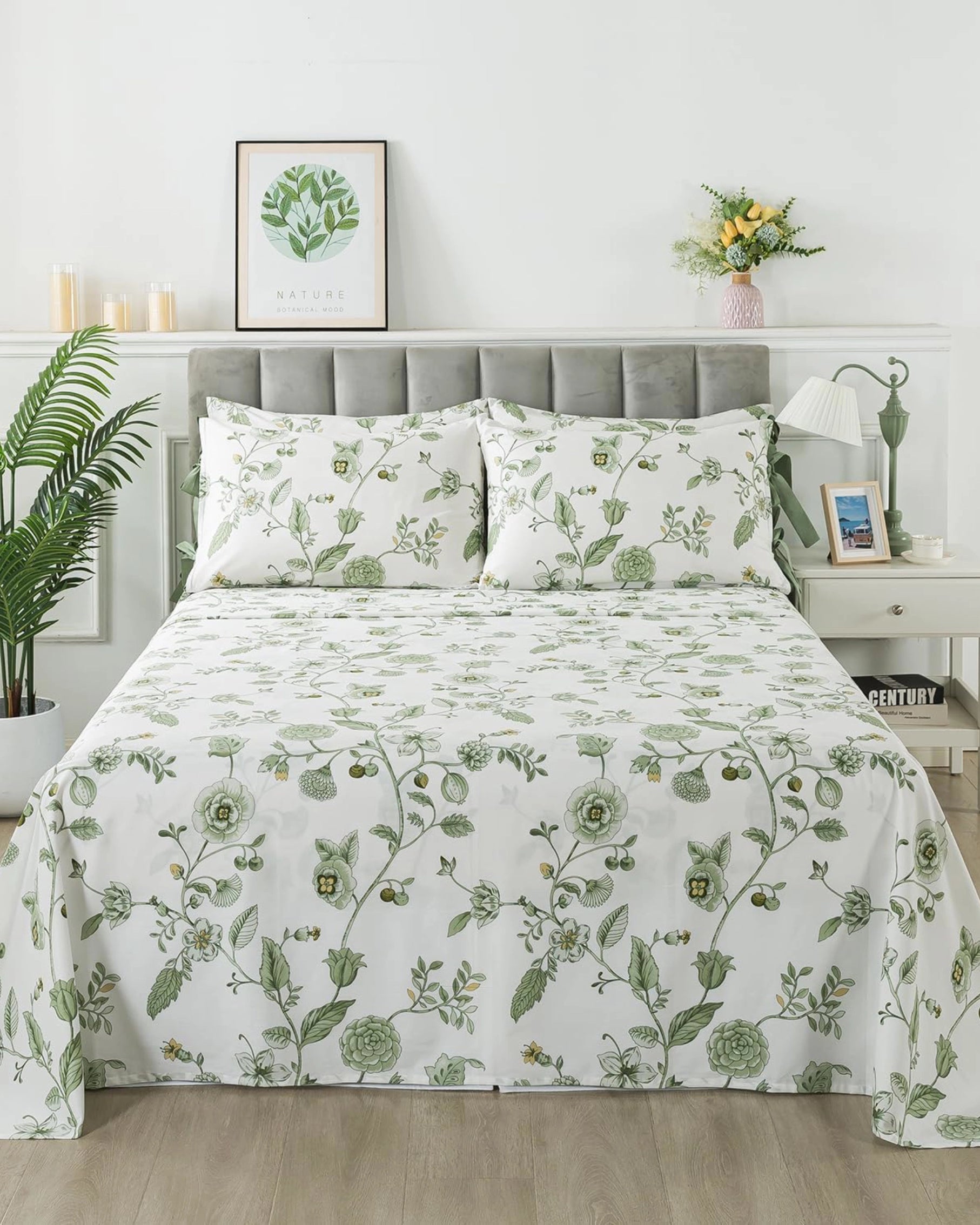
Floral prints, small botanical motifs, delicate stripes, toile designs, and watercolor-inspired patterns can reduce the sharpness of a plain room. They add movement and personality without requiring bold furniture or dramatic wall colors.
When using patterned bedding, keep surrounding accessories relatively simple. A floral duvet cover, for example, can become the main decorative feature while solid curtains and neutral rugs support the overall look.
4. Use Warmer, Layered Lighting
Bright overhead lighting can make a bedroom feel practical rather than restful. Create a gentler atmosphere by using several smaller light sources.
Bedside lamps, wall sconces, and warm-toned bulbs produce a softer glow than a single ceiling fixture. A small reading lamp near a chair or dresser can also make the room feel more complete.
During the daytime, let natural light enter through lightweight curtains. Sheer or semi-sheer fabrics diffuse sunlight and create a calm, airy effect.
5. Place a Rug Beside the Bed
Hard flooring can make a bedroom feel cold, especially in the morning. A rug beside or underneath the bed introduces warmth, texture, and comfort underfoot.
You do not always need a large area rug. A small runner on each side of the bed can provide the same softening effect at a lower cost. Look for a rug with a low, comfortable pile that is easy to clean and does not overwhelm the room.

6. Soften Empty Surfaces
Bare nightstands and dressers can make a room feel unfinished. Add a few simple objects with rounded shapes and natural textures.
A ceramic lamp, a small vase, a fabric-covered box, or a stack of books can make hard surfaces feel less severe. Avoid filling every available space. A carefully chosen group of two or three objects usually feels calmer than a crowded display.
7. Bring in Natural Elements
Natural materials help create a peaceful and grounded bedroom. Consider adding a small plant, a vase of dried flowers, a woven basket, or a wooden tray.
These details introduce organic shapes that contrast with the straight lines of beds, dressers, and windows. Even one small branch or arrangement of seasonal flowers can make the room feel more personal.
8. Update Your Curtains
Curtains influence the softness of a room more than many people realize. Heavy, dark panels can make a small bedroom feel enclosed, while very short curtains may look visually abrupt.
Choose curtains that reach close to the floor and allow some natural light to filter through. Cotton, linen-look, or lightly textured fabrics create a relaxed finish. Hanging the curtain rod slightly higher than the window can also make the room feel taller and more graceful.
9. Reduce Visual Clutter
A room often feels softer when the eye has space to rest. Put away unnecessary items from the nightstand, floor, and top of the dresser.
Use baskets, under-bed storage, or decorative boxes to organize smaller belongings. This does not mean the bedroom must look minimal or impersonal. Instead, keep visible only the objects that add comfort, beauty, or meaning.
10. Finish with a Comforting Scent
Scent can quietly change the mood of a bedroom. Linen sprays, dried lavender, candles, or a gentle diffuser can help establish a relaxing atmosphere.
Choose light fragrances rather than anything too strong. Cotton, lavender, chamomile, cedar, and soft floral notes work particularly well in sleeping spaces.
A Softer Bedroom, One Detail at a Time
Making a bedroom feel softer is not about following a strict decorating formula. It is about creating layers of comfort through touch, light, color, and personal details.
Start with one or two changes this week. Add a cotton quilt, adjust your lighting, introduce a gentle pattern, or place a rug beside the bed. Small updates can work together to transform an ordinary bedroom into a warmer and more restful retreat.