

A beautiful bedroom is not only about matching colors, stylish furniture, or a perfectly made bed. The most memorable bedrooms are the ones that feel emotionally warm—the kind of space that makes you feel safe, calm, and genuinely at home the moment you enter.
Emotional warmth in bedroom design comes from more than visual beauty. It is created through texture, softness, light, color, and personal details that make the room feel lived in without feeling messy. Whether your style is floral, vintage, cottage-inspired, modern, or minimal, the goal is the same: to create a bedroom that supports rest, comfort, and a quiet sense of belonging.
Start with a Soft and Comforting Color Palette
Color has a strong emotional effect on a bedroom. Warm neutrals, soft creams, gentle beige, muted pink, faded blue, sage green, and warm white can instantly make a room feel calmer and more inviting. These colors do not overwhelm the space, but they still bring depth and personality.
For a softer bedroom look, avoid colors that feel too sharp or cold. Instead of pure white, choose ivory or cream. Instead of bright gray, try taupe or warm linen tones. If you love florals, botanical prints, or vintage patterns, choose designs with balanced colors that feel gentle rather than busy.
The best bedroom colors should help the room feel peaceful in the morning and relaxing at night.
Use Bedding as the Emotional Center of the Room
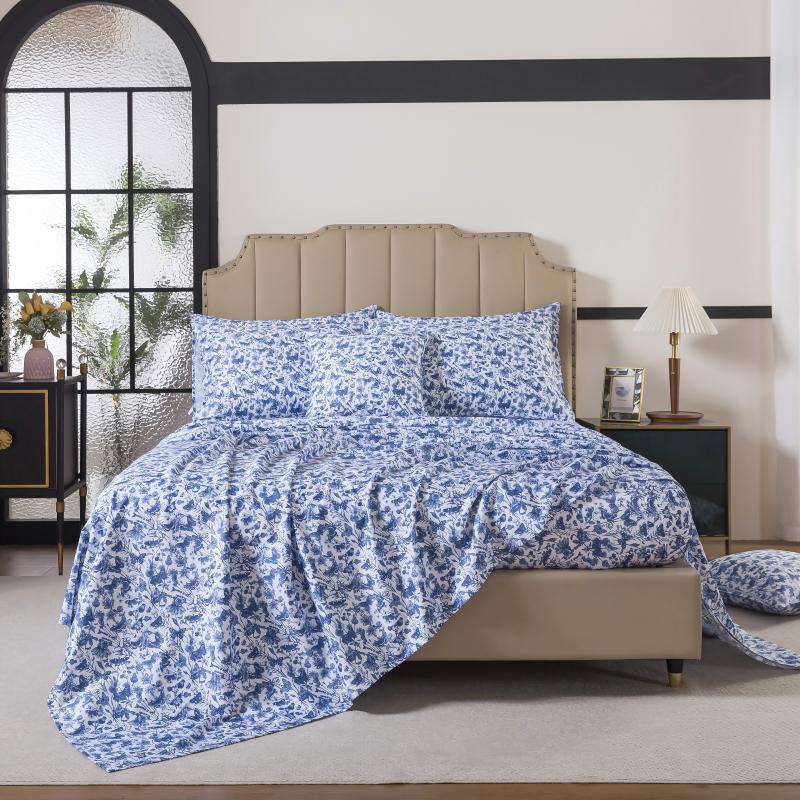
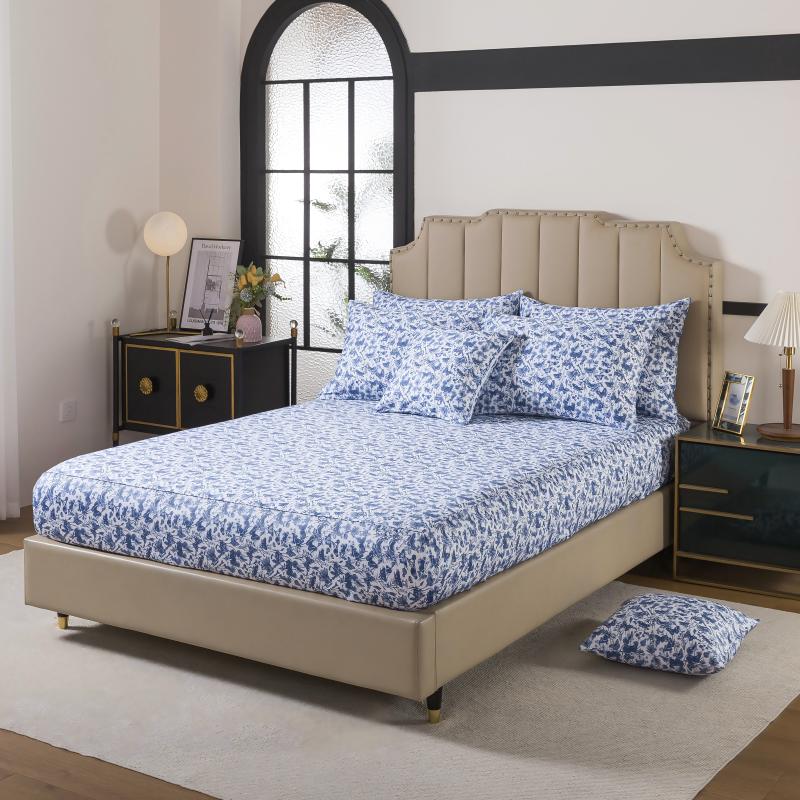
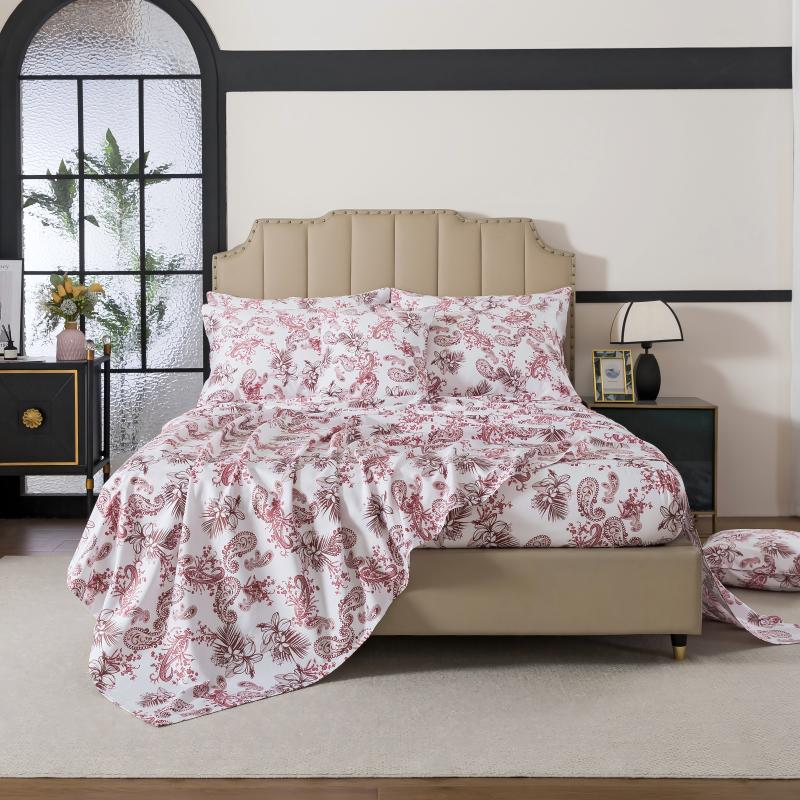
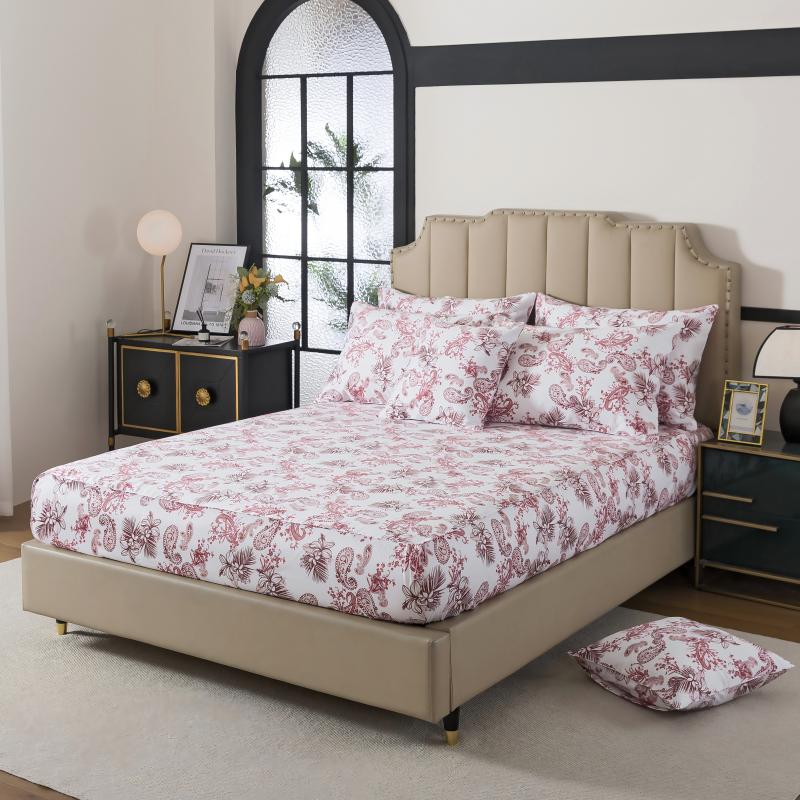
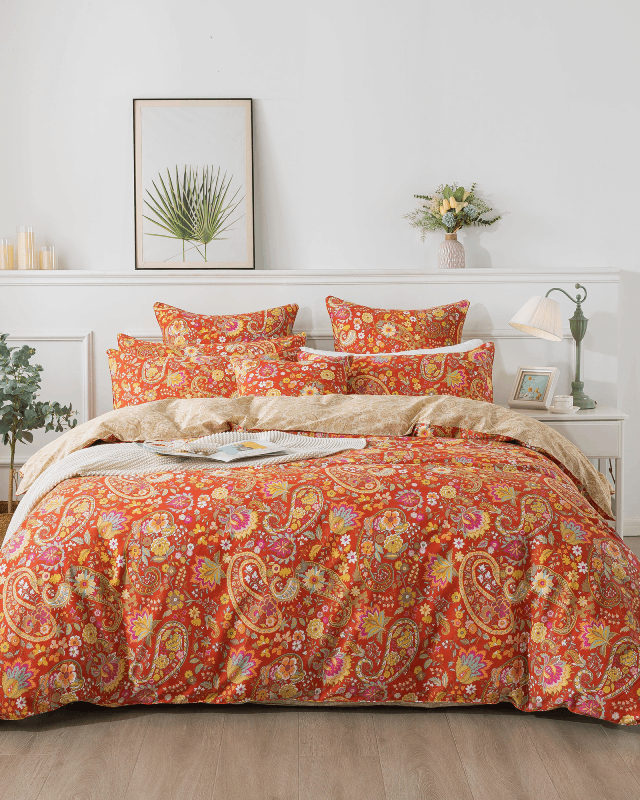
The bed is always the heart of the bedroom. It is the first thing people notice, and it sets the emotional tone for the entire space. Soft, breathable bedding can make a bedroom feel instantly warmer and more personal.
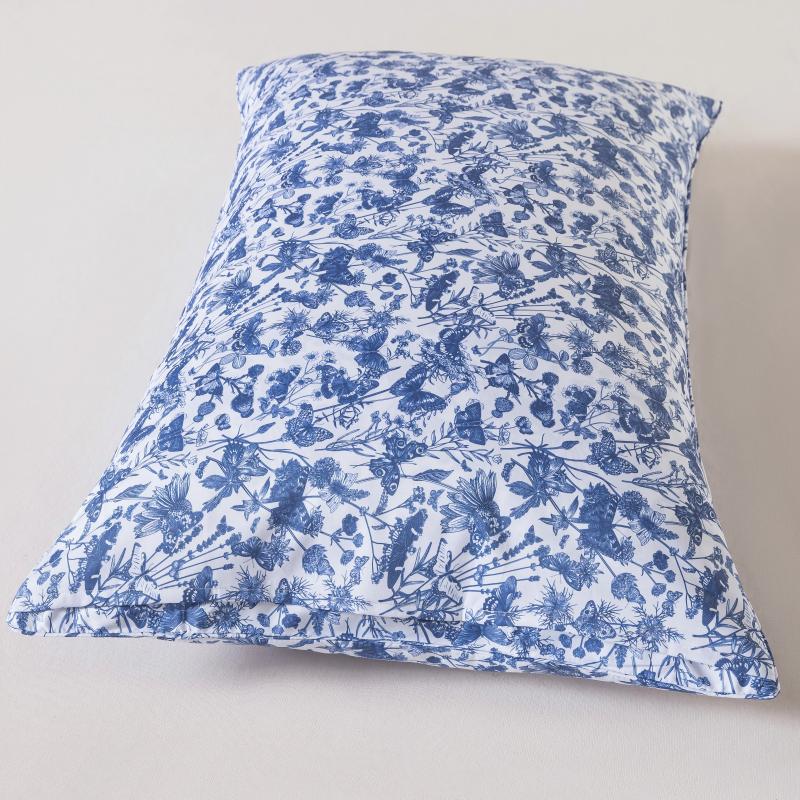
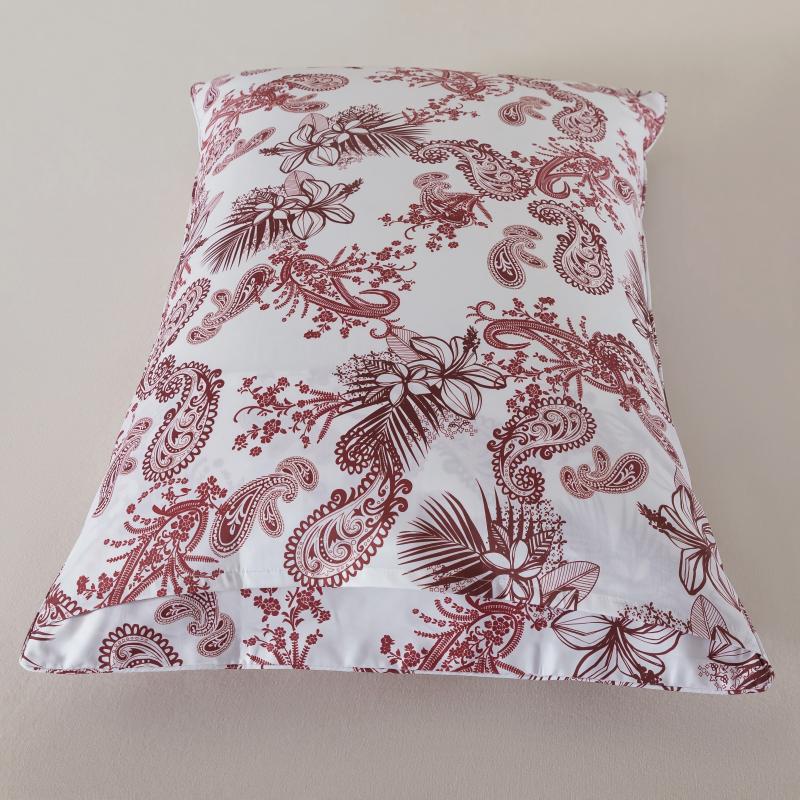
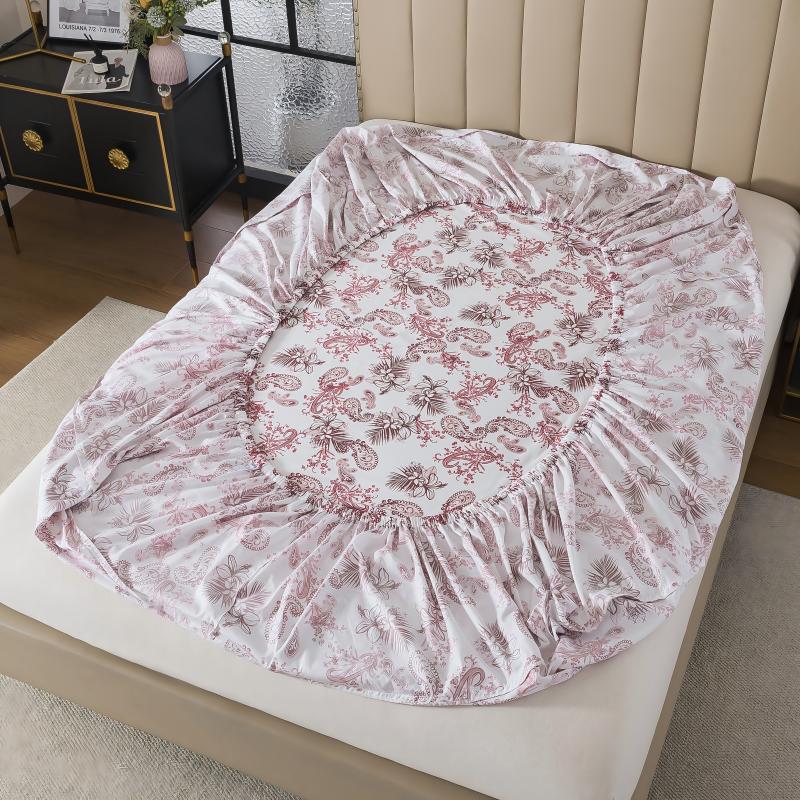
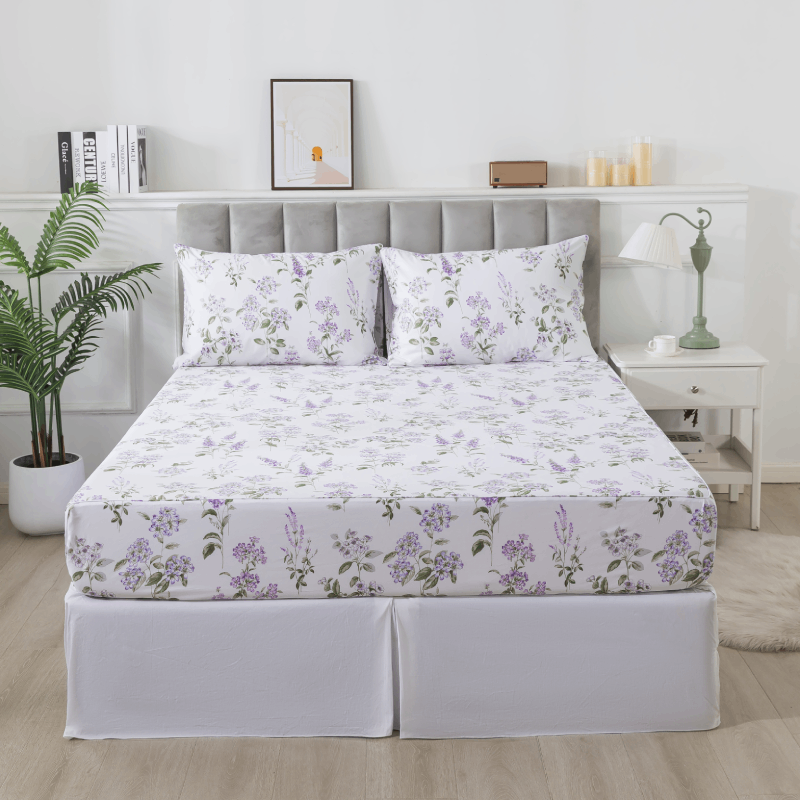
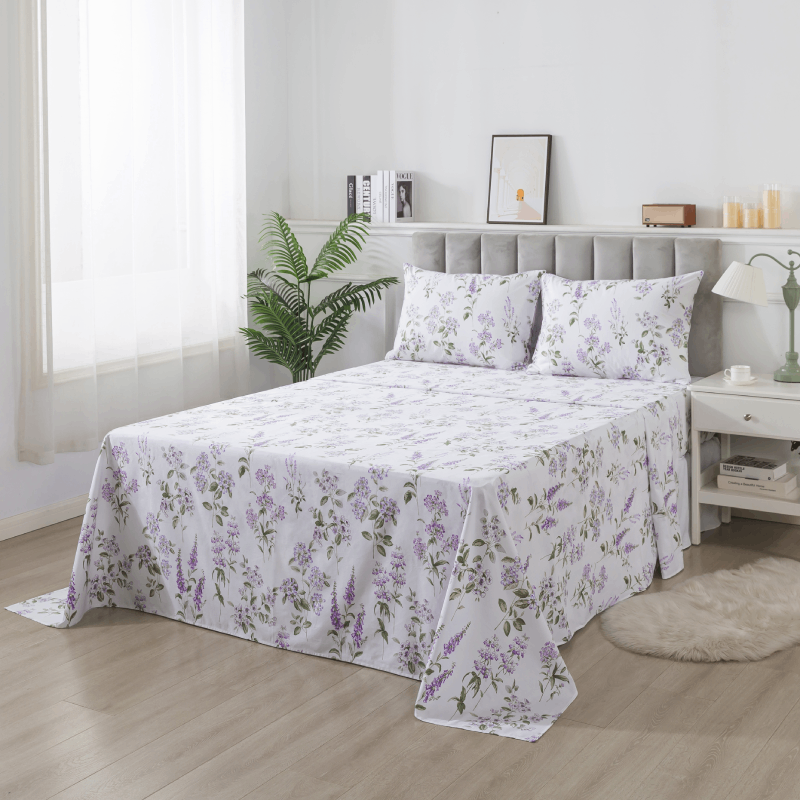
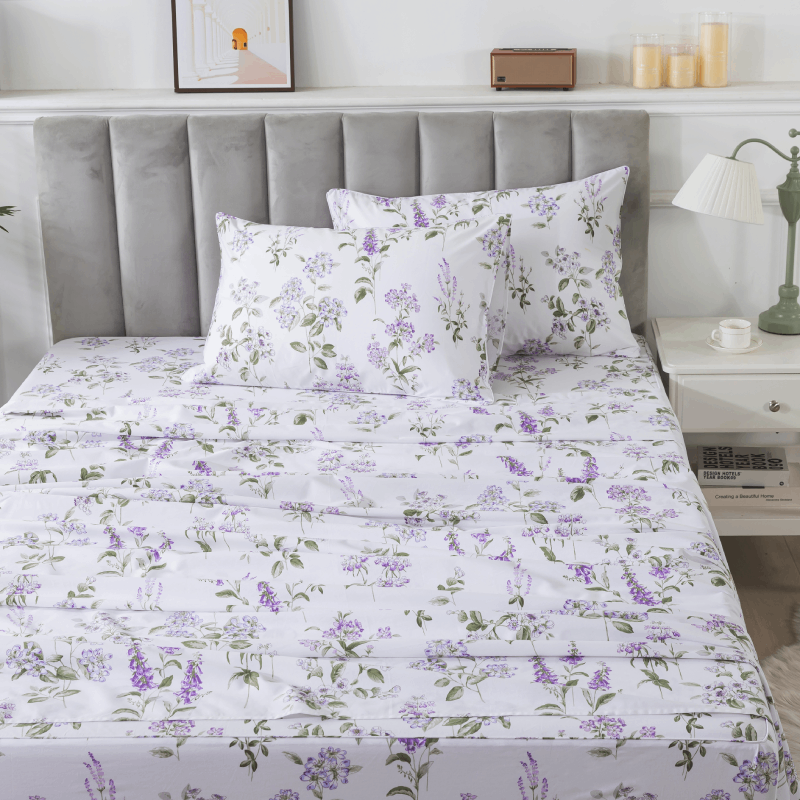
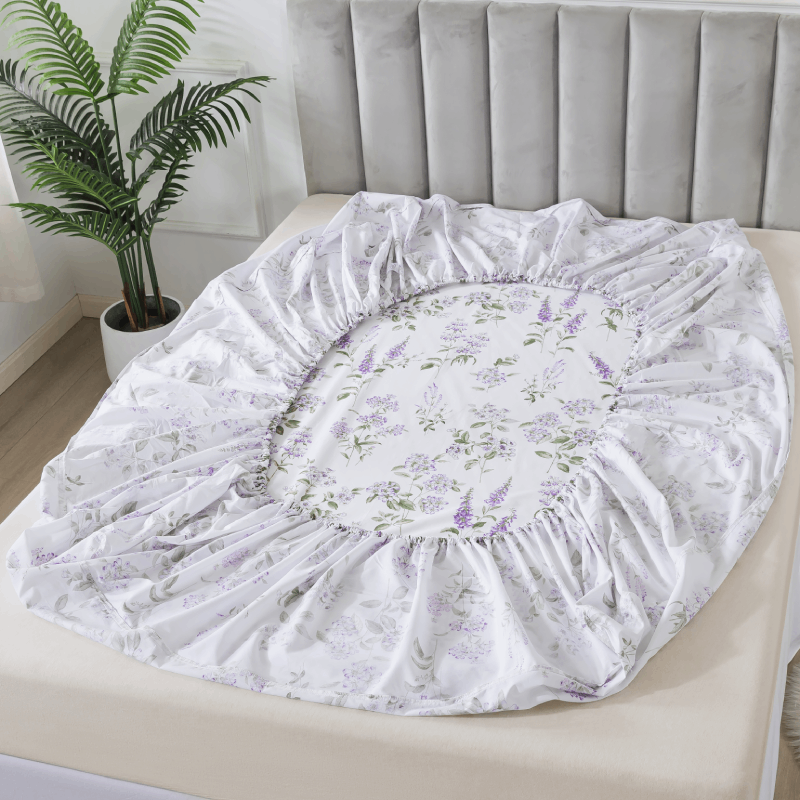
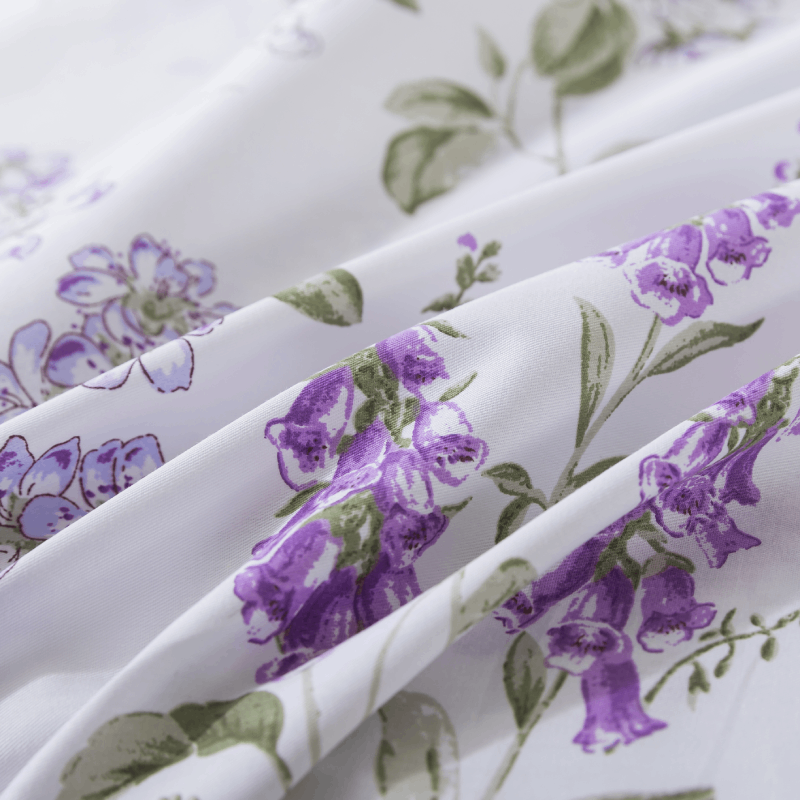
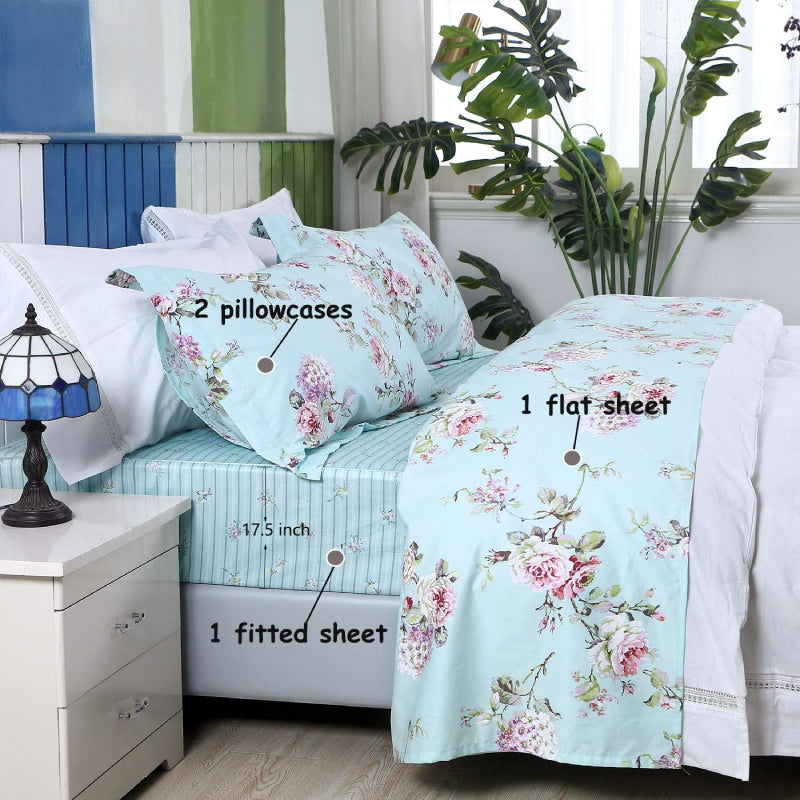
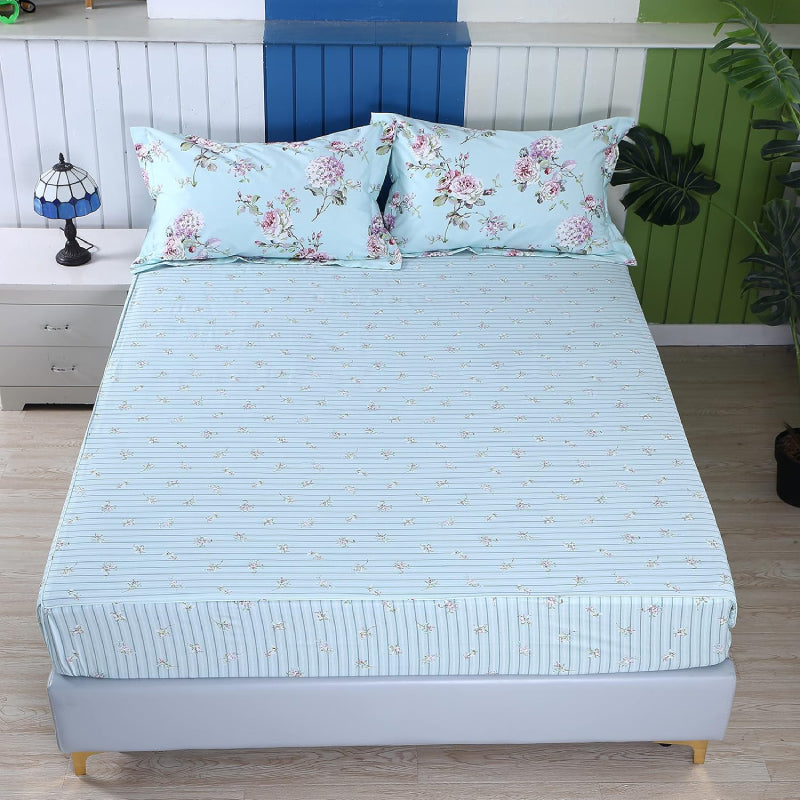
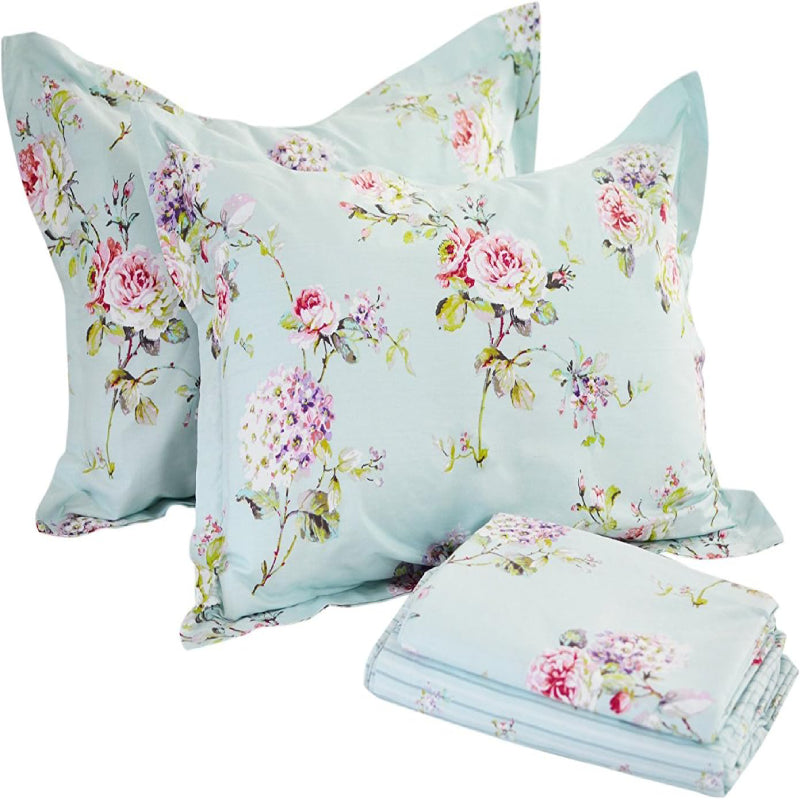
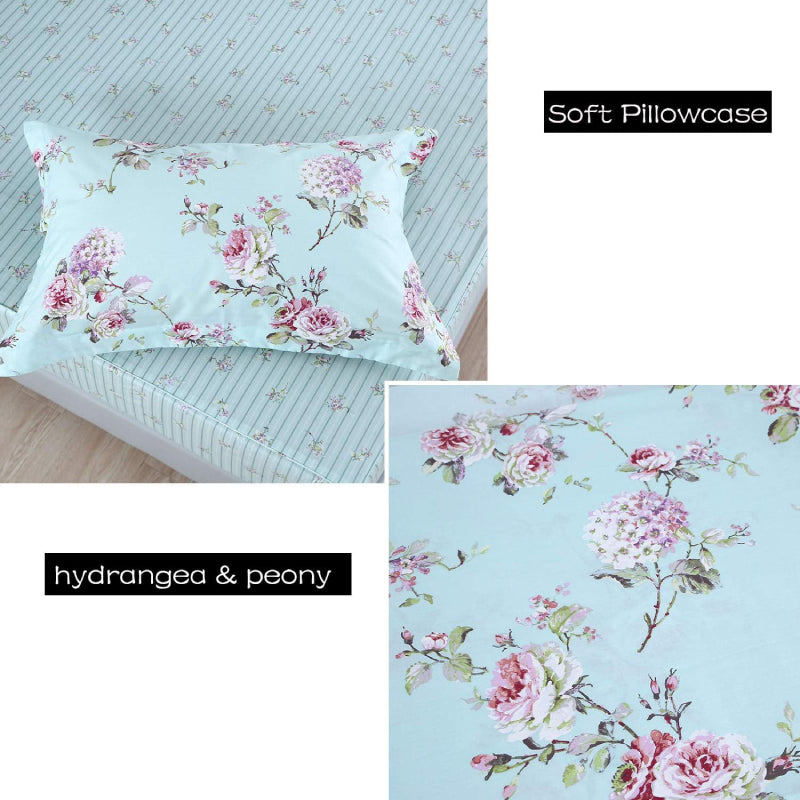
Cotton bedding is a wonderful choice because it feels natural, comfortable, and easy to live with. A floral duvet cover, a softly patterned sheet set, or a quilt with delicate texture can add warmth without making the room feel overly decorated. The key is to choose bedding that looks beautiful but still feels practical for everyday use.
A bedroom should not feel like a showroom. Slight softness, natural folds, and layered bedding can make the space feel more human and welcoming.

Layer Textures for a Cozy Feeling
Texture is one of the most important parts of emotional warmth. A room can have a simple color palette and still feel rich when different textures are layered together.
Try combining smooth cotton sheets, a quilted coverlet, a knitted throw, linen curtains, a soft area rug, or decorative pillows with subtle embroidery or ruffle details. These small layers create visual comfort and make the room feel more inviting.
Texture also helps a bedroom feel less flat. Even if you prefer a minimal look, adding a few soft materials can make the space feel gentle instead of empty.
Let Natural Light Shape the Mood
Natural light can completely change the feeling of a bedroom. Morning light gives the space freshness, while soft evening light creates calm. To design a bedroom that feels emotionally warm, think about how light enters the room throughout the day.
Sheer curtains are a simple way to soften sunlight and create a dreamy, peaceful atmosphere. Warm bedside lamps can also make the room feel more intimate at night. Avoid lighting that feels too harsh or blue-toned. Instead, choose warm bulbs and soft lampshades that create a gentle glow.
A bedroom should feel comfortable in every light, from bright mornings to quiet evenings.
Add Personal Details Without Clutter
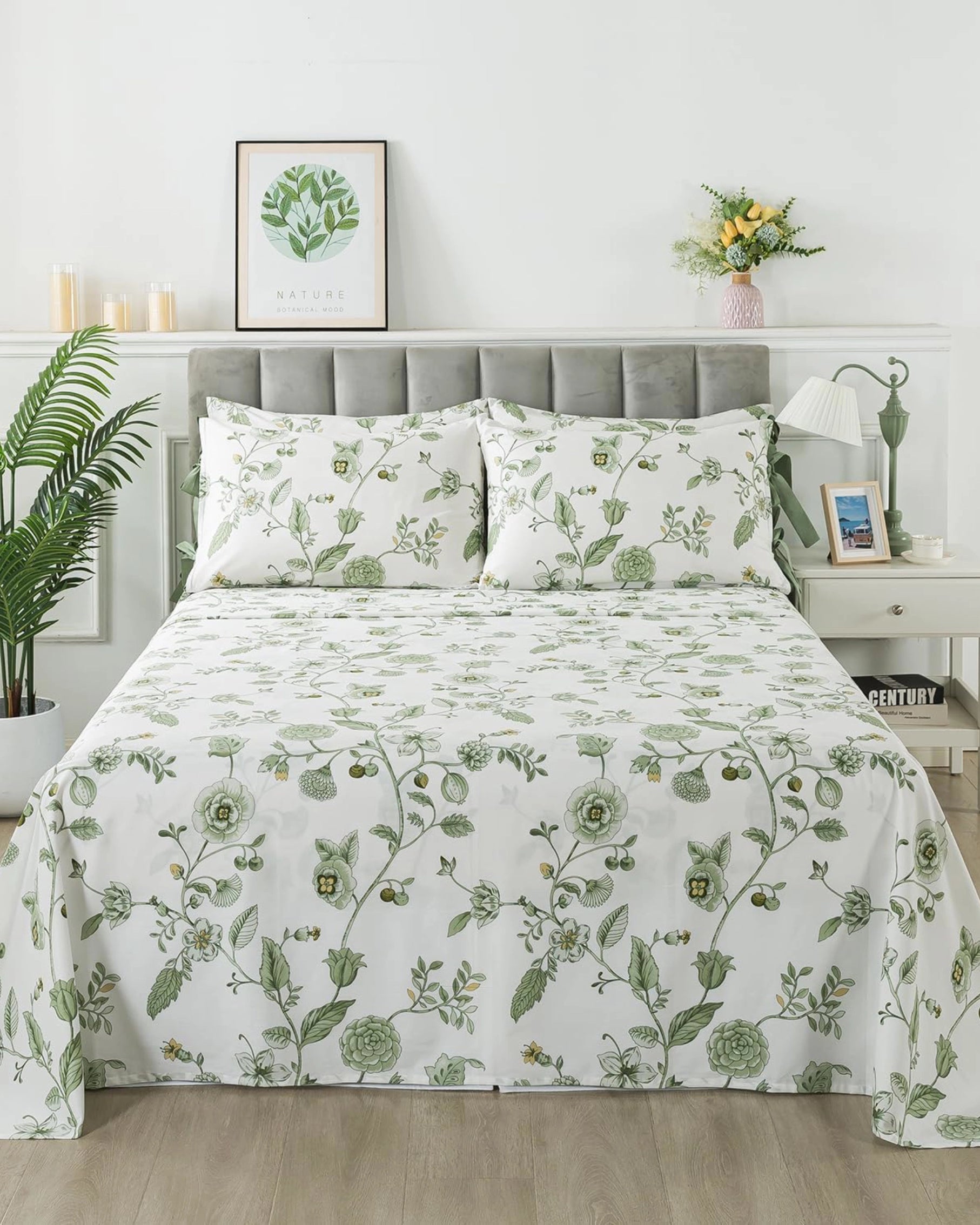
Emotional warmth often comes from small personal touches. A framed photo, a favorite book, a ceramic vase, dried flowers, a soft candle, or a meaningful piece of art can make the room feel connected to your life.
However, too many objects can make the space feel crowded. Choose a few items that truly add feeling to the room. A warm bedroom does not need to be full; it only needs to feel intentional.
The best personal details are the ones that make you feel calm, happy, or connected to a memory.
Bring in Nature-Inspired Elements
Nature has a calming effect, which is why floral prints, botanical patterns, wood tones, and natural fibers work so well in bedroom design. These elements help the room feel grounded and peaceful.
A floral bedding set can bring softness and romance. A wooden nightstand can add warmth. A vase of fresh or dried flowers can make the space feel alive. Even small details, such as leaf patterns or soft garden-inspired colors, can make the bedroom feel more emotionally comforting.
Nature-inspired design does not have to be dramatic. Often, the most elegant effect comes from subtle details.
Make the Bedroom Feel Easy to Live In
A bedroom that feels emotionally warm should also feel easy to use. If the space looks beautiful but feels difficult to maintain, it may not feel truly comforting over time.
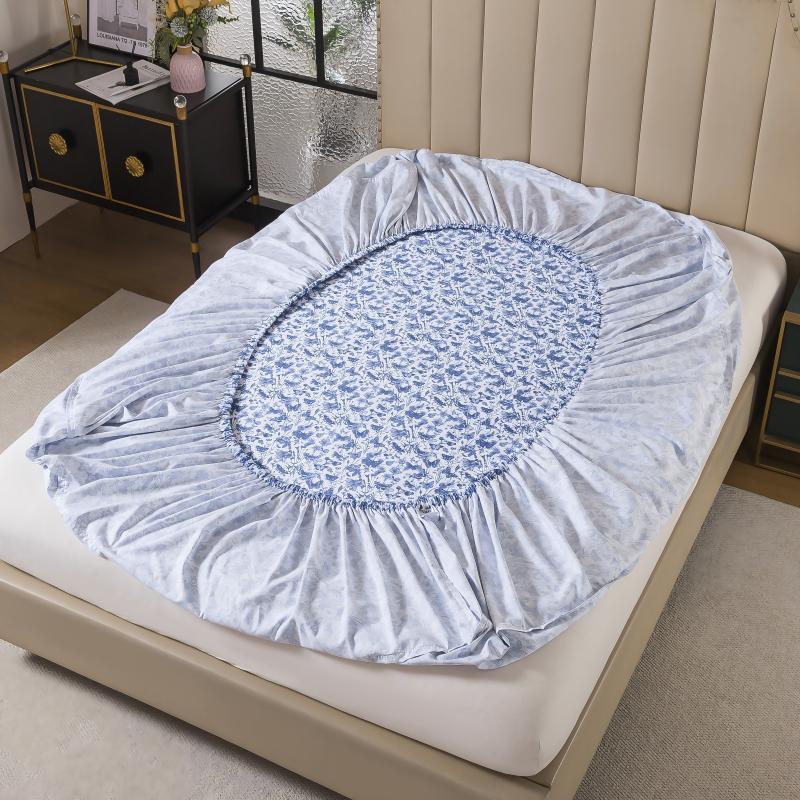
Choose bedding that is comfortable, washable, and suitable for daily life. Keep surfaces simple. Make sure there is enough room to move comfortably. Use storage that helps the room stay clean without feeling too strict.
True warmth comes from a bedroom that supports real life—not just perfect moments.
Balance Beauty and Comfort
The most inviting bedrooms are never only decorative. They combine beauty with comfort. A beautiful floral pattern, a soft cotton texture, a warm lamp, and a cozy quilt all work together to create an emotional experience.
When designing your bedroom, ask yourself: Does this space make me want to slow down? Does it feel peaceful after a long day? Does it feel like a place where I can truly rest?
If the answer is yes, then the room is more than stylish—it is emotionally warm.
Final Thoughts
Designing a bedroom that feels emotionally warm is about creating a space that comforts both the body and the mind. Through soft colors, natural textures, gentle lighting, meaningful details, and comfortable bedding, a bedroom can become more than a place to sleep. It can become a personal retreat.
The most beautiful bedroom is not always the most perfect one. It is the one that feels calm, soft, and deeply welcoming every day.