

In a world where schedules are packed and time feels increasingly scarce, your bedroom should do more than just look beautiful—it should function as a seamless support system for your daily routine. A well-designed bedroom doesn’t demand extra effort; instead, it quietly simplifies your life. Especially on busy days, the right layout, materials, and atmosphere can make the difference between chaos and calm.
Start with Function, Then Layer Comfort
When designing a bedroom for efficiency, function must come first. Think about how you actually use your space on a typical weekday morning or evening. Do you rush to get dressed? Do you need quick access to essentials? Do you often collapse into bed after a long day?
Arrange your furniture to support natural movement. Keep pathways clear. Place frequently used items—like clothing, chargers, or reading glasses—within arm’s reach. A clutter-free layout reduces friction, allowing your routine to flow effortlessly.
Once function is established, layer in comfort. Soft, breathable bedding made from natural materials like cotton helps regulate temperature and ensures restful sleep, which is critical when your days are demanding.
Choose Materials That Work with You
On busy days, maintenance should be the last thing on your mind. That’s why material selection is essential.
Opt for fabrics that are:
- Easy to care for (machine washable, wrinkle-resistant)
- Durable (able to withstand frequent use and washing)
- Comfortable across seasons (breathable in summer, cozy in winter)
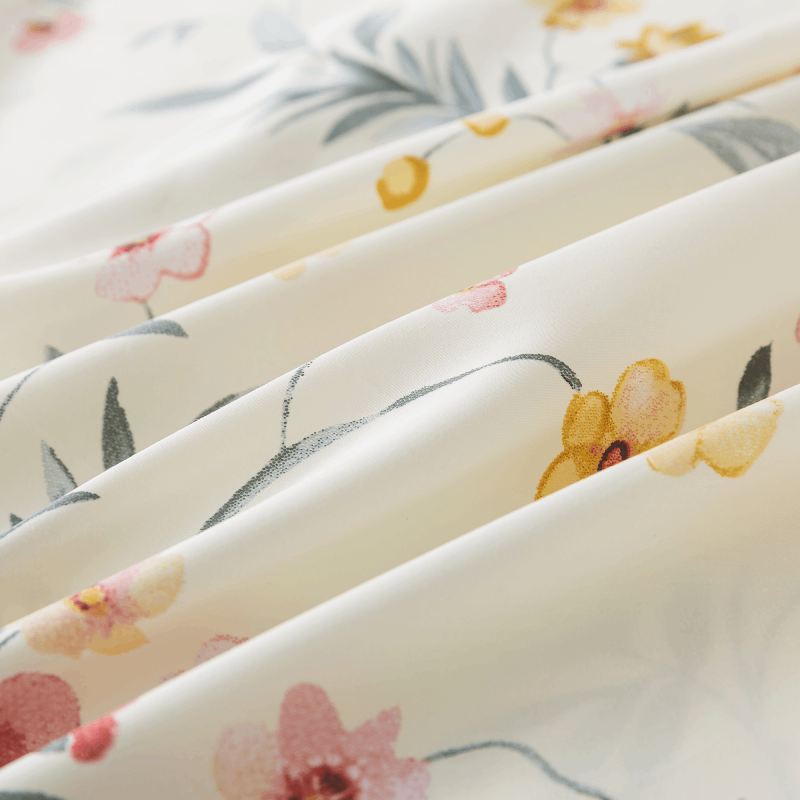
For example, double gauze cotton bedding is ideal—it’s lightweight, naturally textured, and becomes softer over time. Its slightly wrinkled appearance also means you don’t have to worry about keeping everything perfectly smooth. This “effortless look” aligns perfectly with a fast-paced lifestyle.
Keep Visual Noise Low
A busy day already fills your mind with information. Your bedroom should do the opposite—it should visually quiet things down.
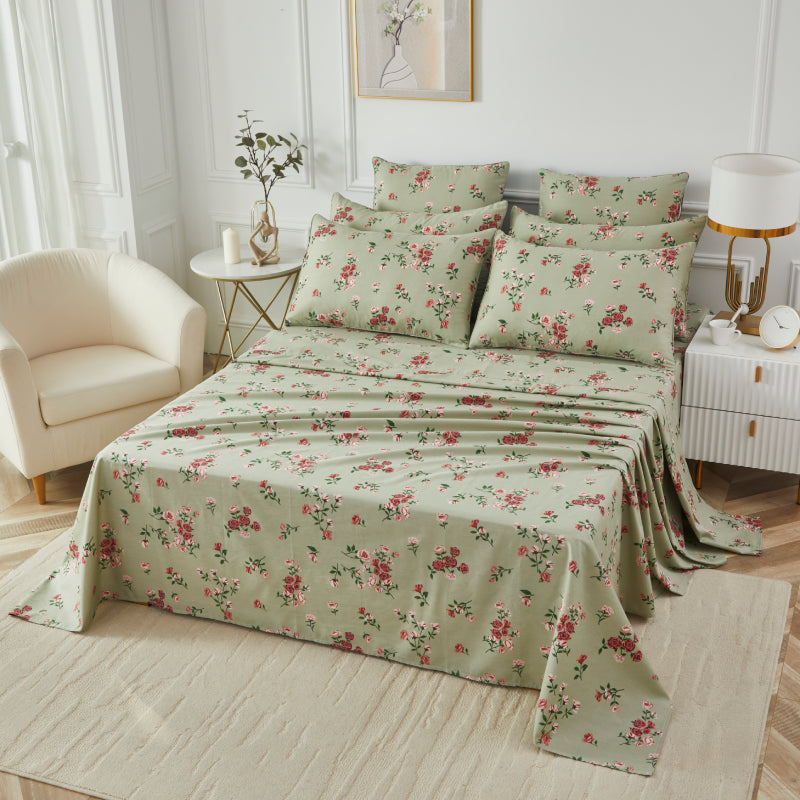
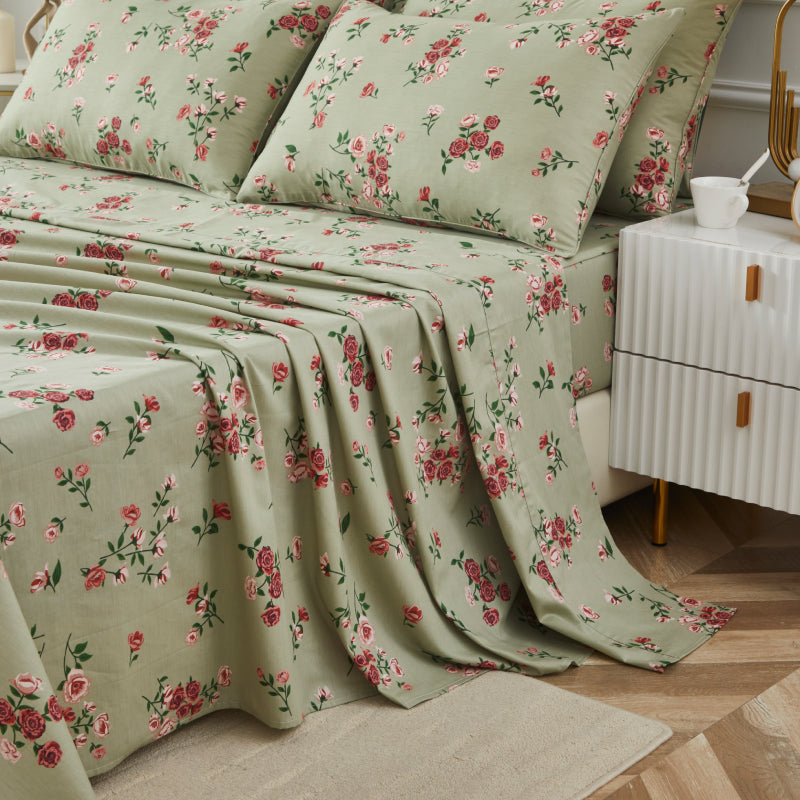
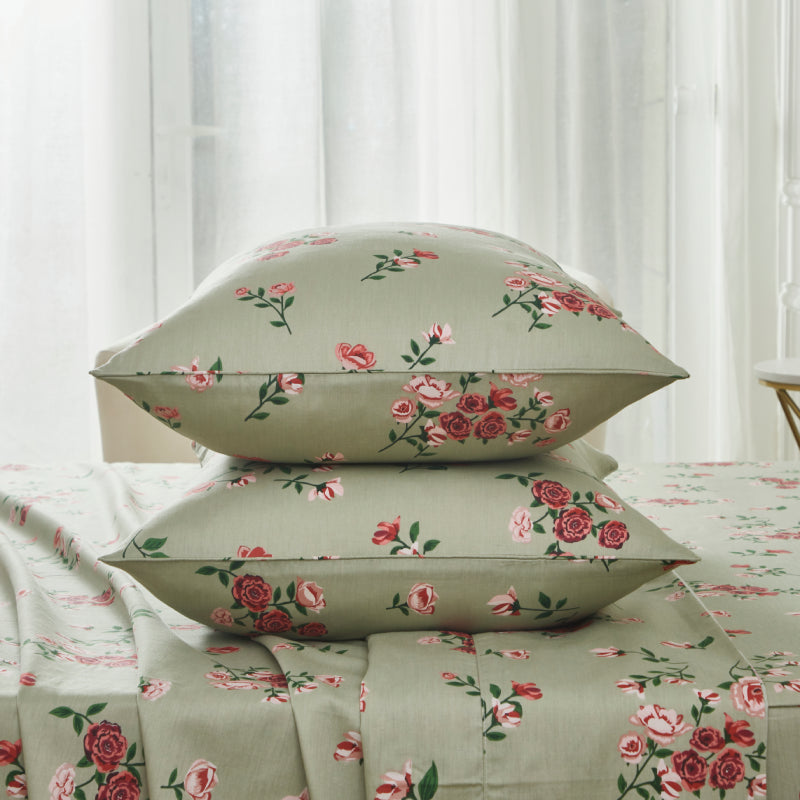
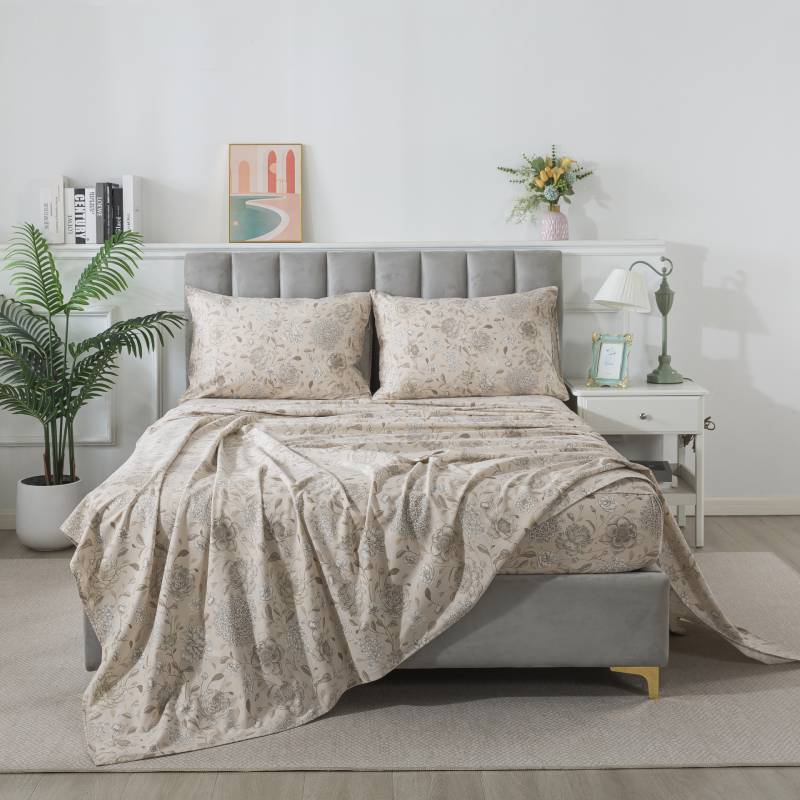
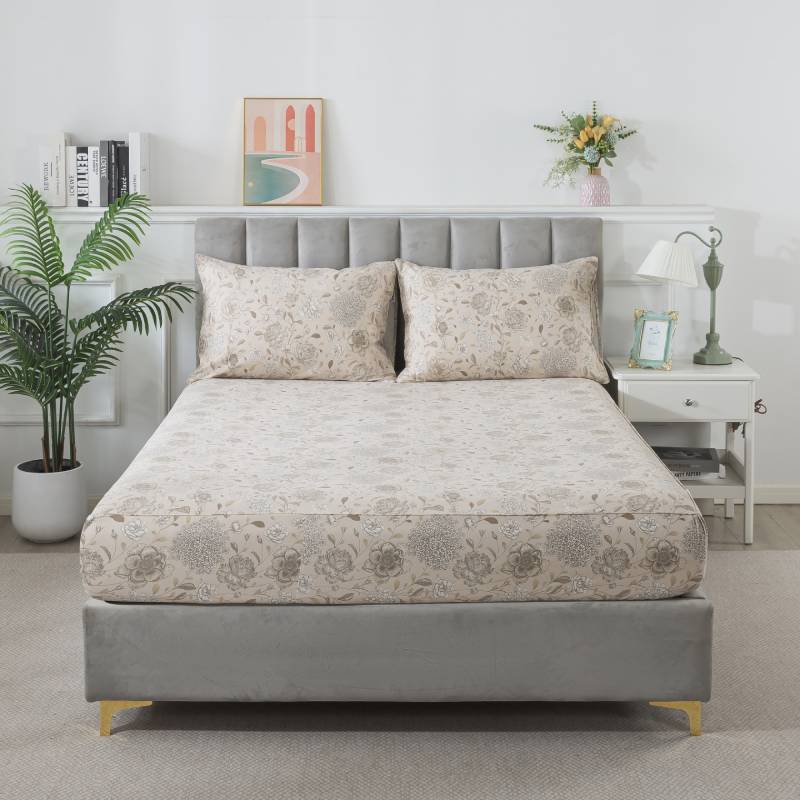
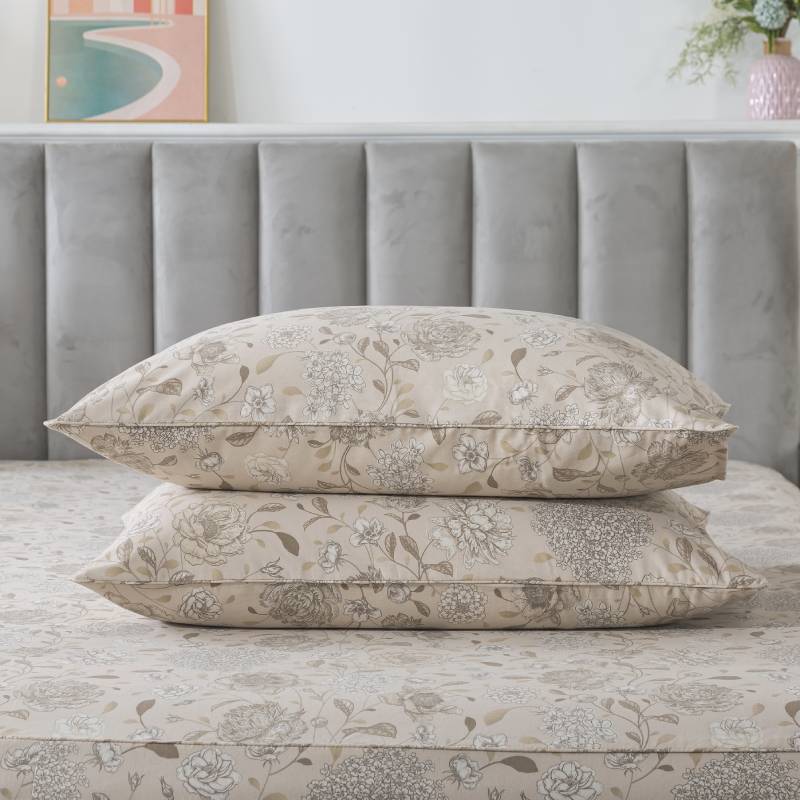
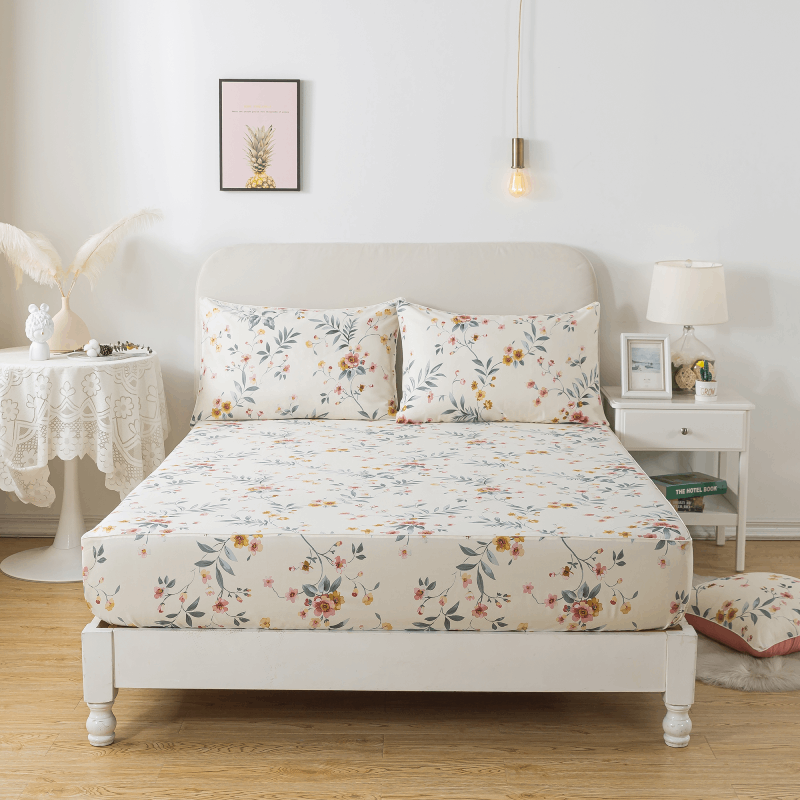
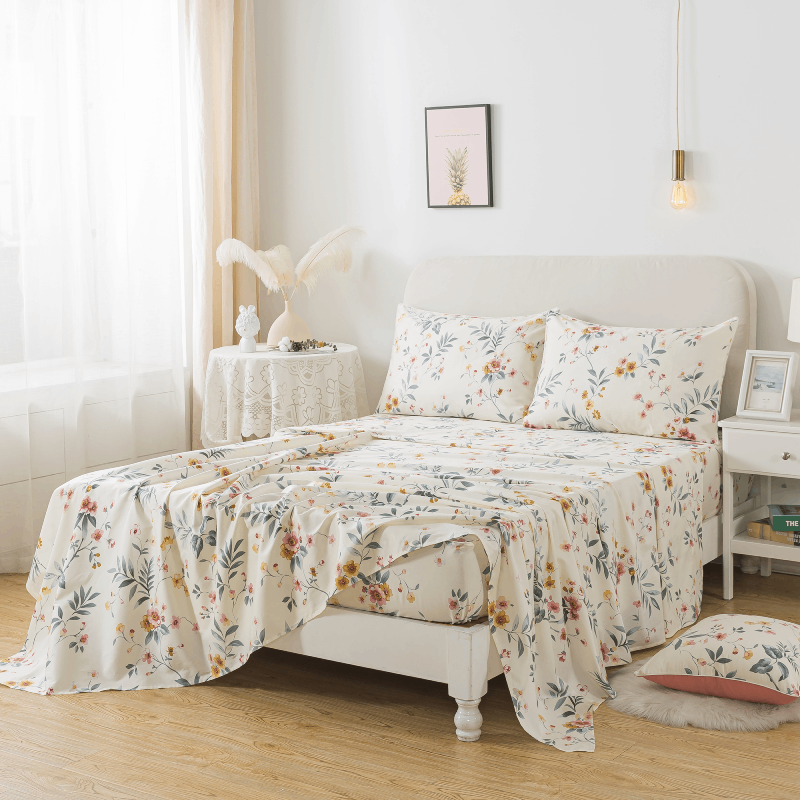
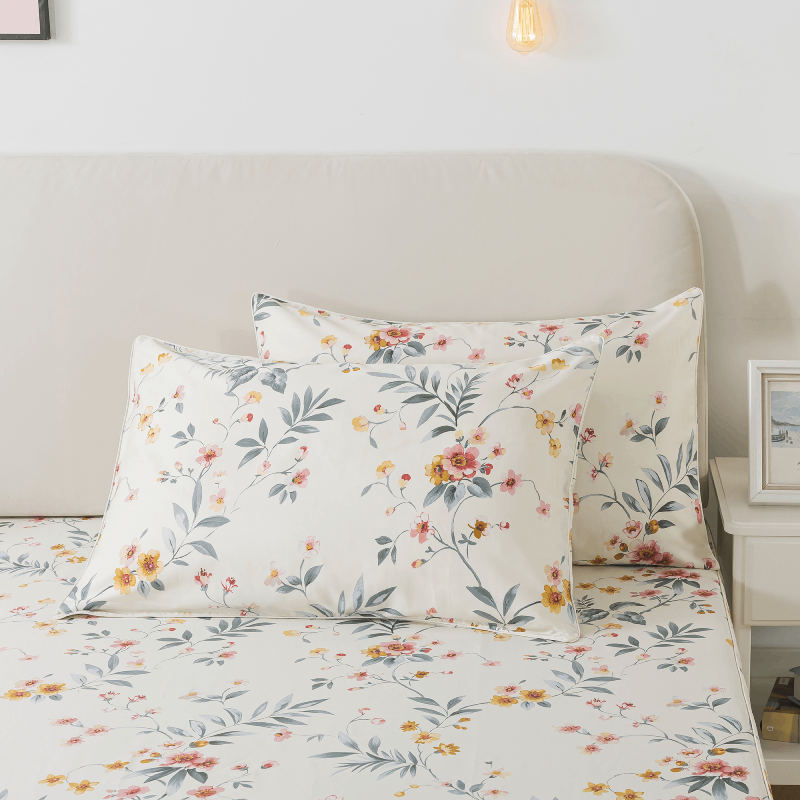
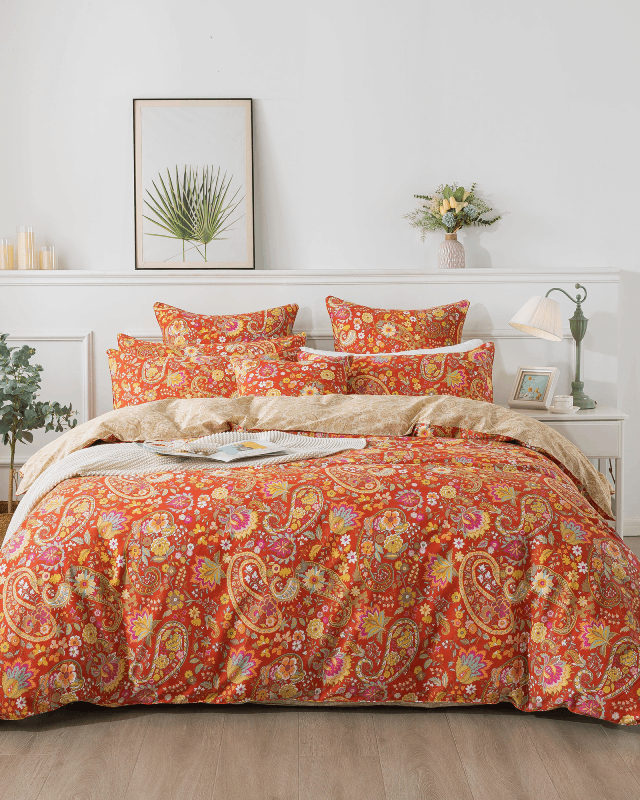
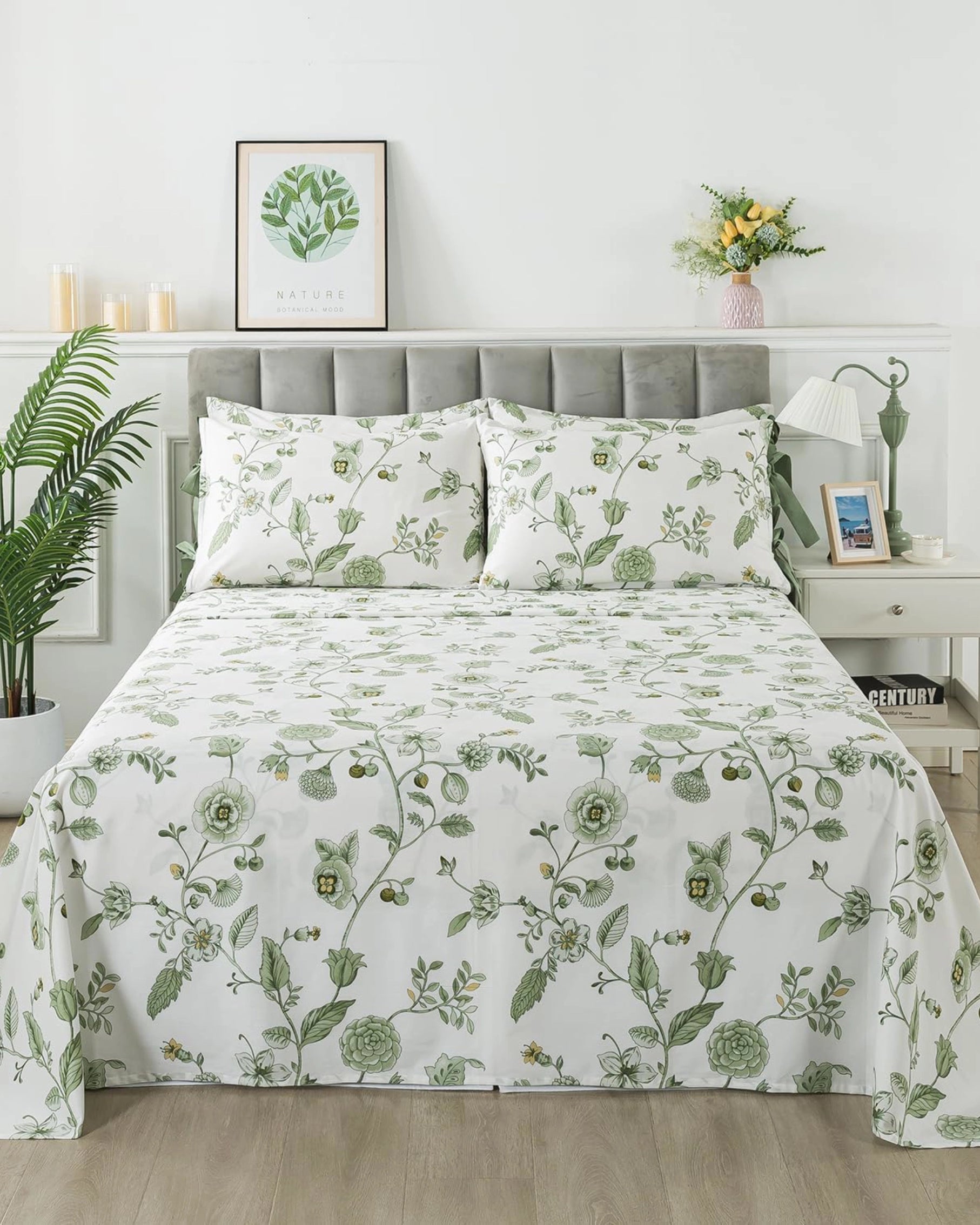
Stick to a cohesive color palette. Soft neutrals, muted florals, or gentle earth tones can create a calming environment without feeling dull. Avoid overly bold or chaotic patterns that may overstimulate your senses, especially when you're trying to wind down.
This doesn’t mean your space has to be plain. Subtle floral designs or layered textures can add depth without overwhelming the room. The goal is balance—visual interest paired with tranquility.

Design for Quick Resets
No matter how organized you are, busy days can leave your bedroom slightly out of place. The key is designing a space that’s easy to reset in minutes.
- Use storage solutions that are intuitive and accessible
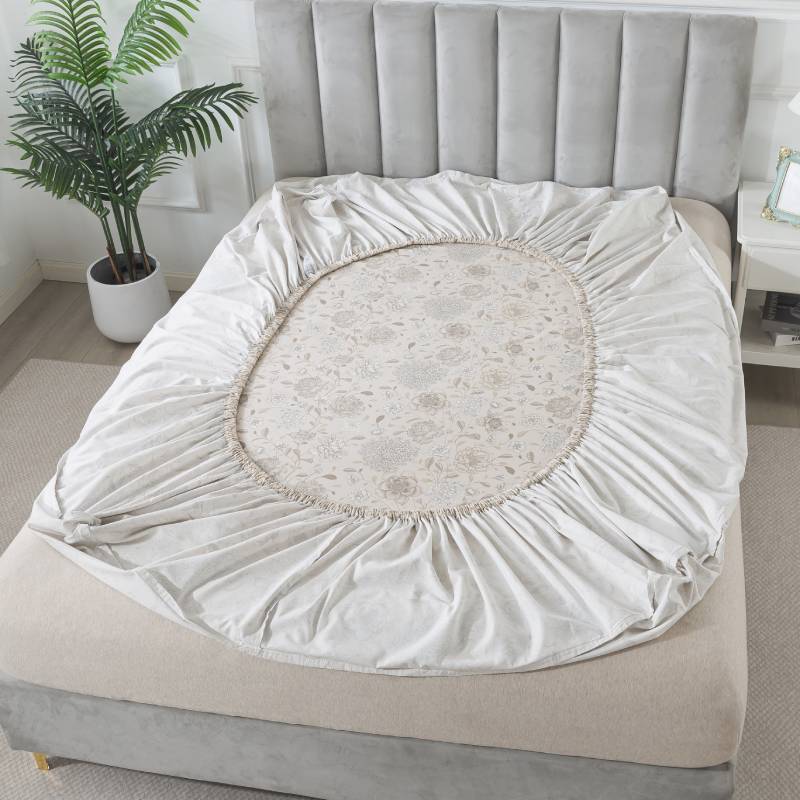
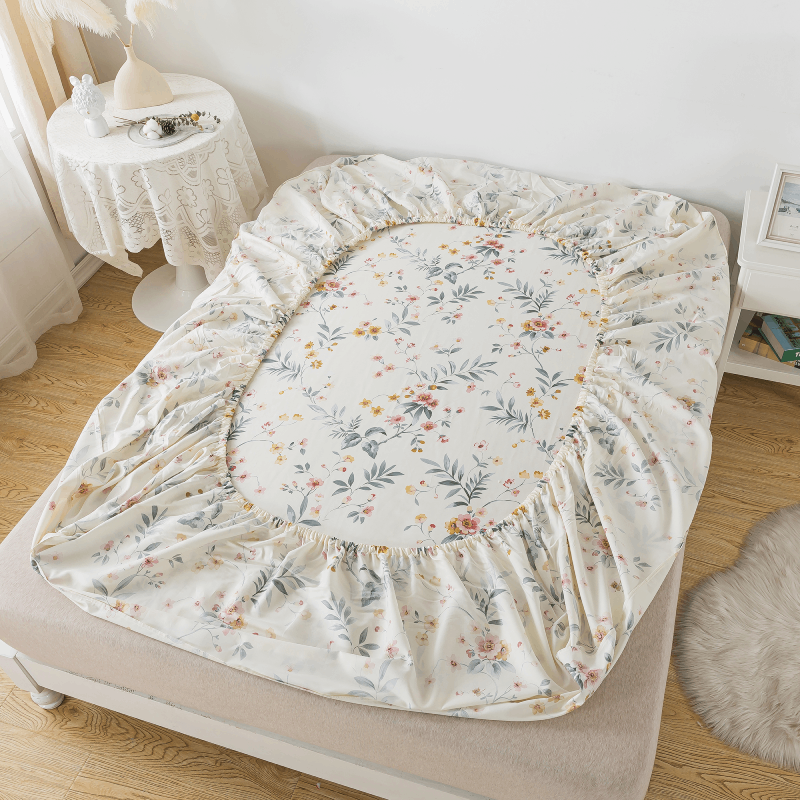
- Choose bedding that naturally falls into place (instead of requiring constant adjustment)
- Limit decorative items that need frequent rearranging
A well-designed bed, for instance, should look inviting even when casually made. Textured cotton fabrics and relaxed draping help maintain a “styled” look without effort.
Make Your Bed the Center of Recovery
On demanding days, your bed becomes more than furniture—it’s your recovery zone. Prioritize quality where it matters most.
Invest in:
- Soft, breathable sheets
- Supportive pillows
- A comforter or quilt that feels light yet cozy
The tactile experience matters. When your bedding feels gentle against your skin, it signals your body to relax. This transition—from high activity to rest—is essential for maintaining energy over time.
Incorporate Small Rituals
Even on the busiest days, small moments of comfort can have a big impact. Your bedroom should support these micro-rituals.
A bedside lamp with warm lighting, a favorite book, or a soft throw can create a sense of routine and familiarity. These elements don’t take up much space, but they add emotional value to your environment.
When your space encourages even a few minutes of intentional rest, it becomes more than functional—it becomes restorative.
Let Your Bedroom Work Quietly in the Background
The best bedroom design is one you don’t have to think about. It supports you without demanding attention. It adapts to your routine instead of interrupting it.
On busy days, this kind of environment becomes invaluable. You move through your space effortlessly in the morning, and at night, you return to a place that helps you unwind without effort.
In the end, designing a bedroom that works on busy days isn’t about adding more—it’s about refining what’s already there. By focusing on function, choosing practical materials, and creating a calm atmosphere, you build a space that truly supports your life—no matter how hectic it gets.