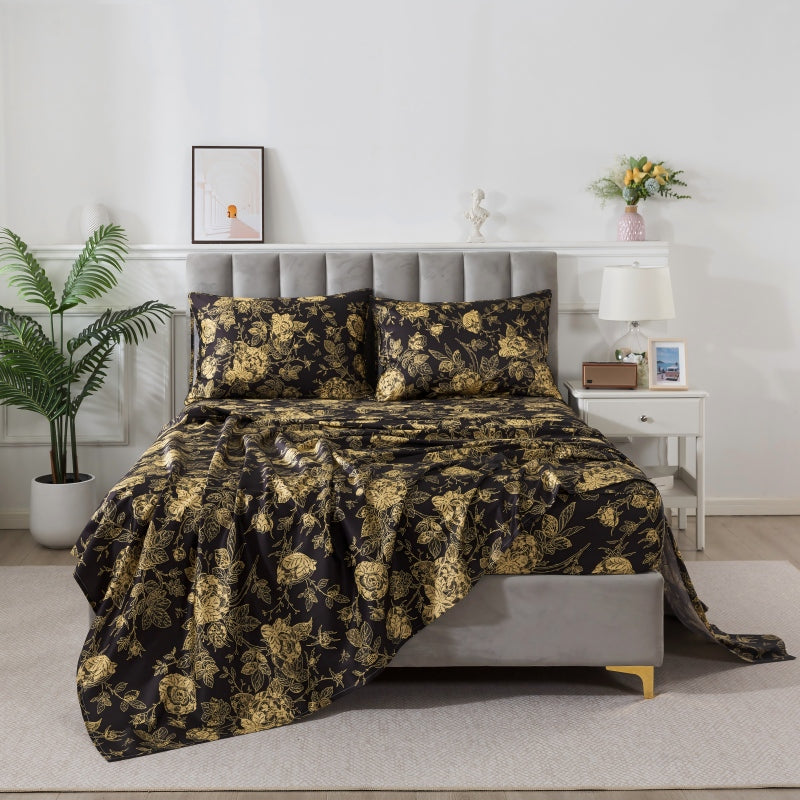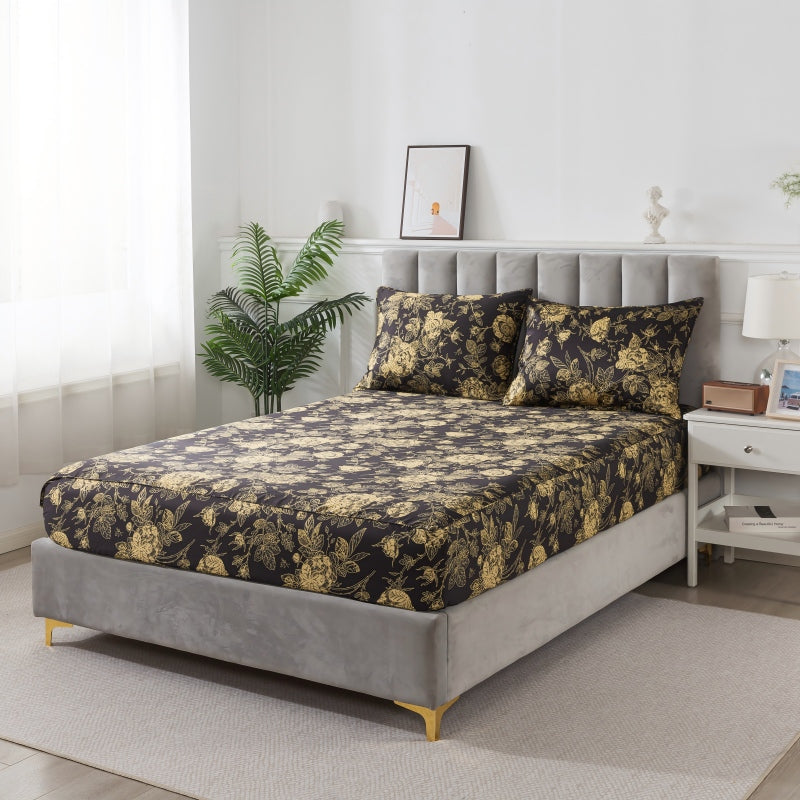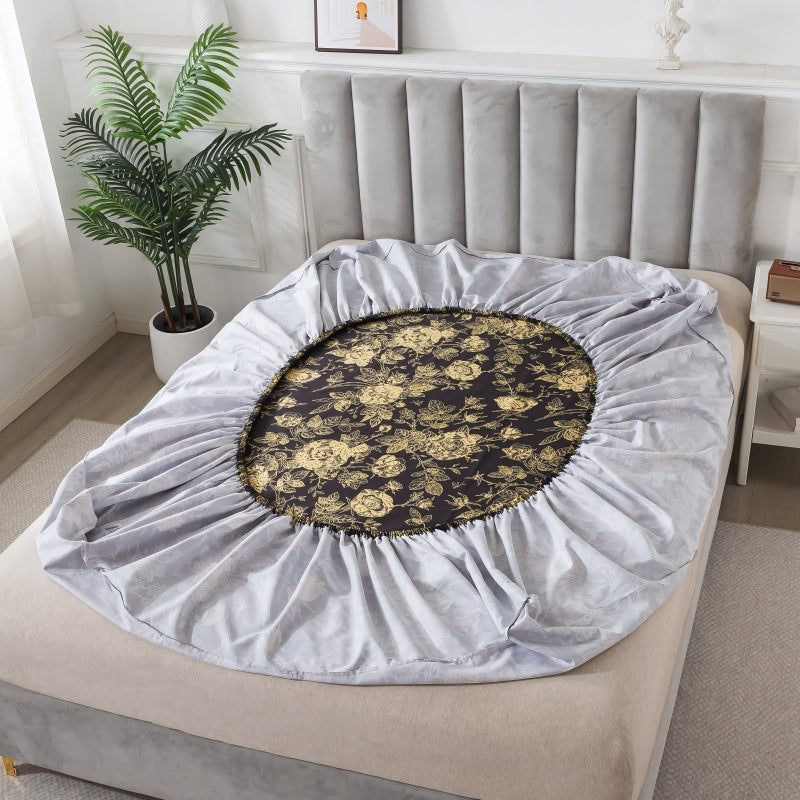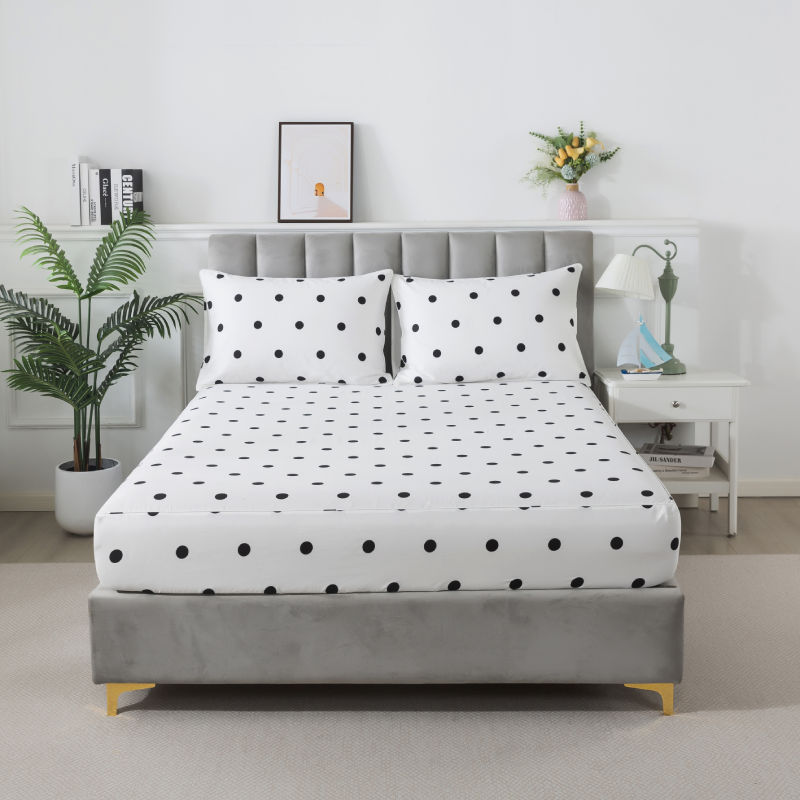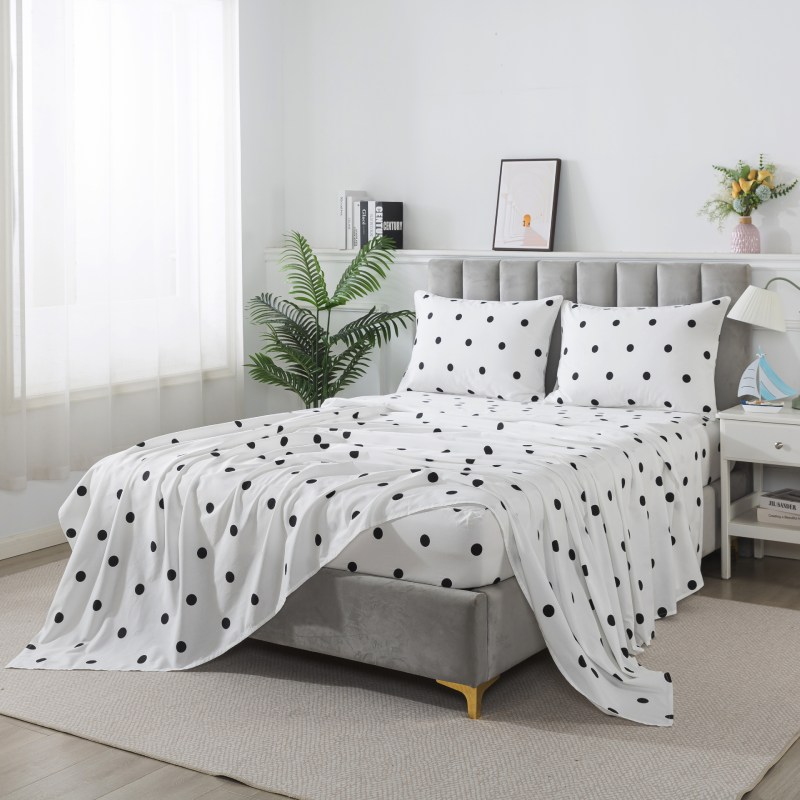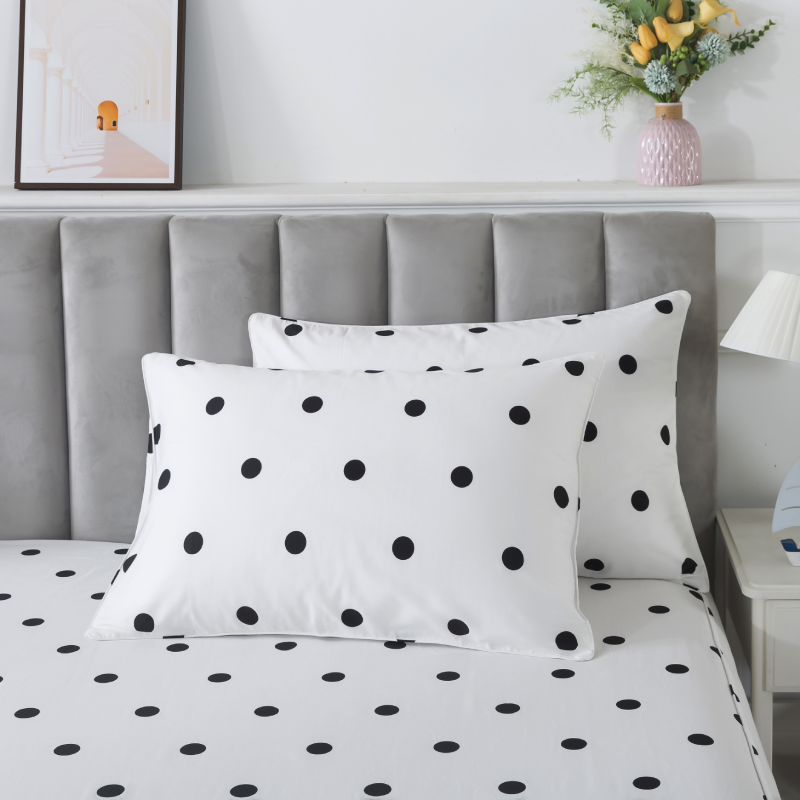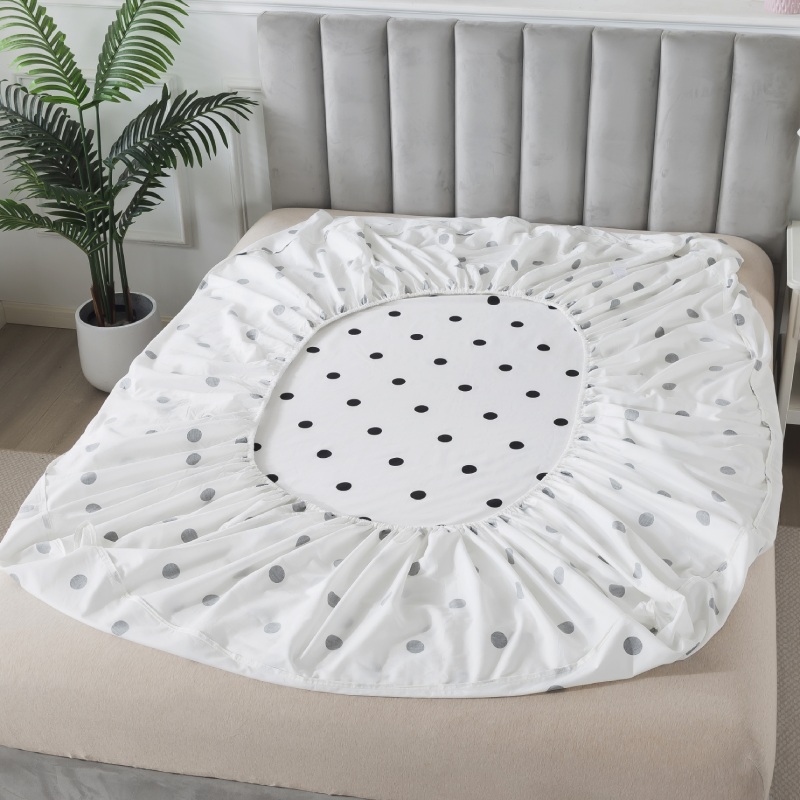



A bedroom with large windows has a changing backdrop: soft morning light, branches moving in the breeze, and the shifting colors of each season. These details give the room a character that furniture and accessories alone cannot create.
Decorating such a space begins with noticing what is already there. Thoughtful furniture placement, comfortable bedding, and a few colors borrowed from the landscape can help the bedroom feel connected to its surroundings while remaining private and restful.
Let the View Guide Your Color Palette
Before choosing paint or bedding, spend a little time looking outside. Is your window framed by leafy trees, an open garden, distant hills, or a stretch of coastline?
Choose two or three colors from that view and repeat them gently indoors. A wooded setting might inspire warm ivory bedding with soft green accents. A coastal view can work beautifully with sandy neutrals and faded blue. For a garden-facing bedroom, delicate floral prints can echo the flowers beyond the glass.
You do not need to match every outdoor color. A few subtle connections are enough to make the room feel cohesive. Keep larger surfaces relatively quiet so that both the view and your chosen textiles have room to stand out.
Arrange Furniture Around Sightlines
Large windows deserve space around them. Tall dressers, bulky shelving, or oversized headboards can interrupt the view and make an airy bedroom feel crowded.
When the layout allows, place the bed where you can enjoy the scenery while sitting up. Positioning it perpendicular to the window often offers a comfortable balance between an outdoor view and a solid wall behind the headboard.
If the bed must sit beneath a window, consider a lower headboard and leave enough clearance to operate curtains or shades. Keep access to windows and doors unobstructed.
A small chair beside the glass can turn an unused corner into a place for reading or morning coffee. Choose a compact shape that leaves the surrounding area feeling open.
Make Bedding the Soft Center of the Room
In a bedroom with expansive glass, bedding adds softness and helps the space feel welcoming. It also offers an easy way to connect the interior with the landscape.
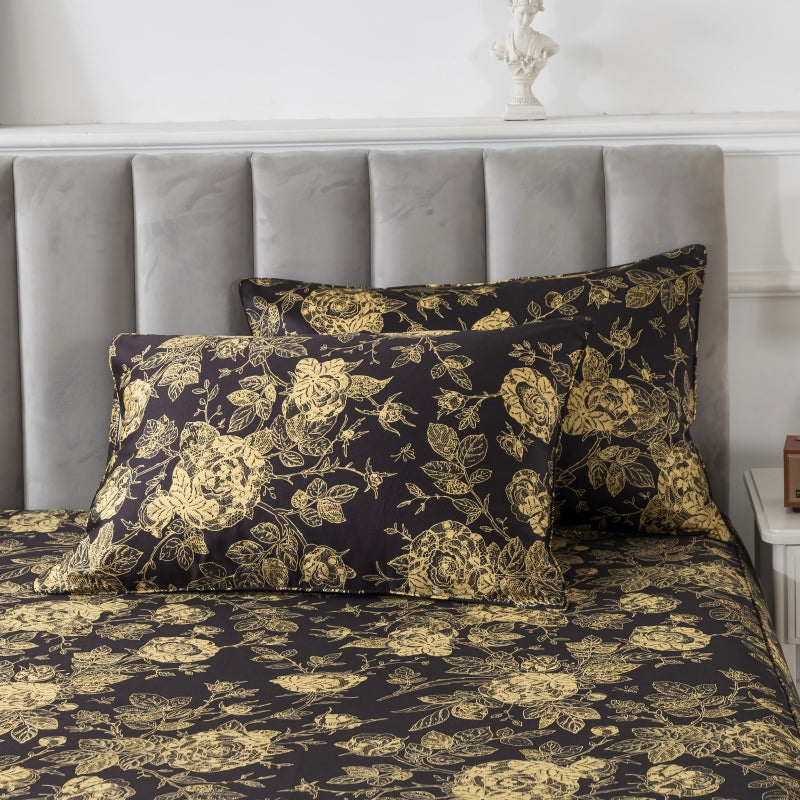
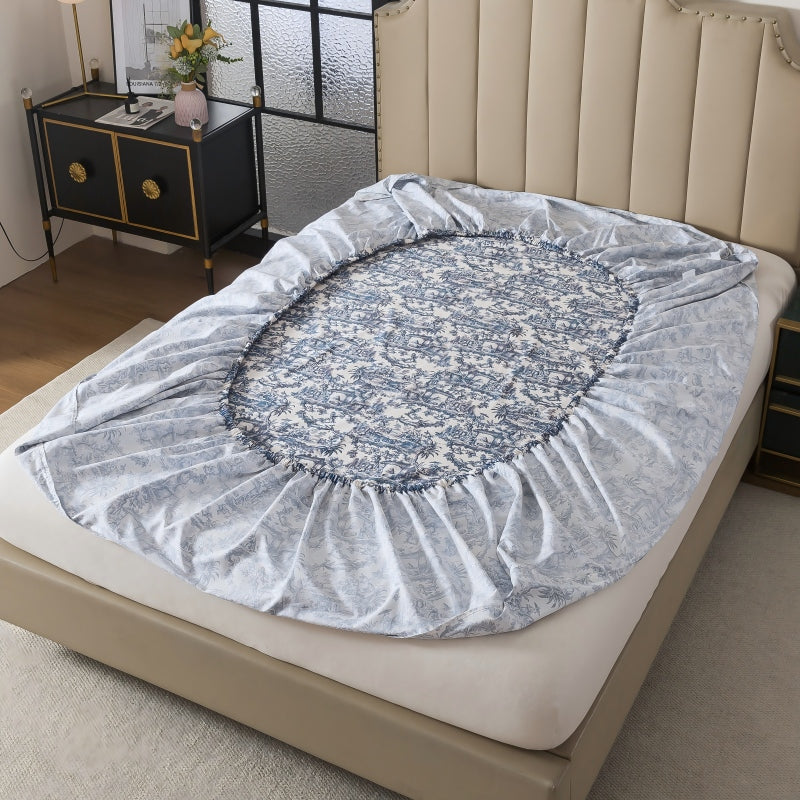
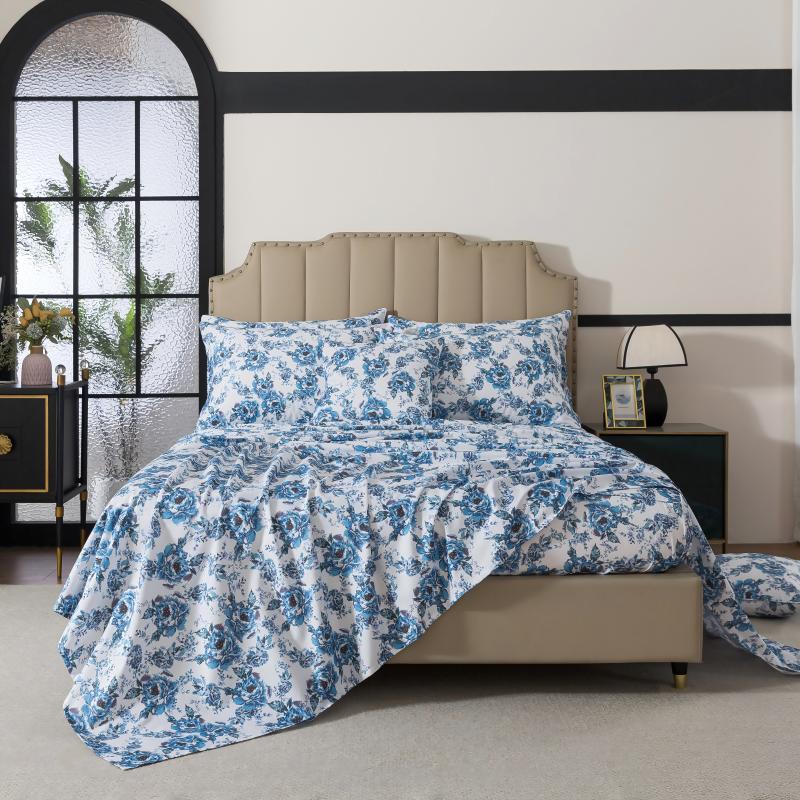
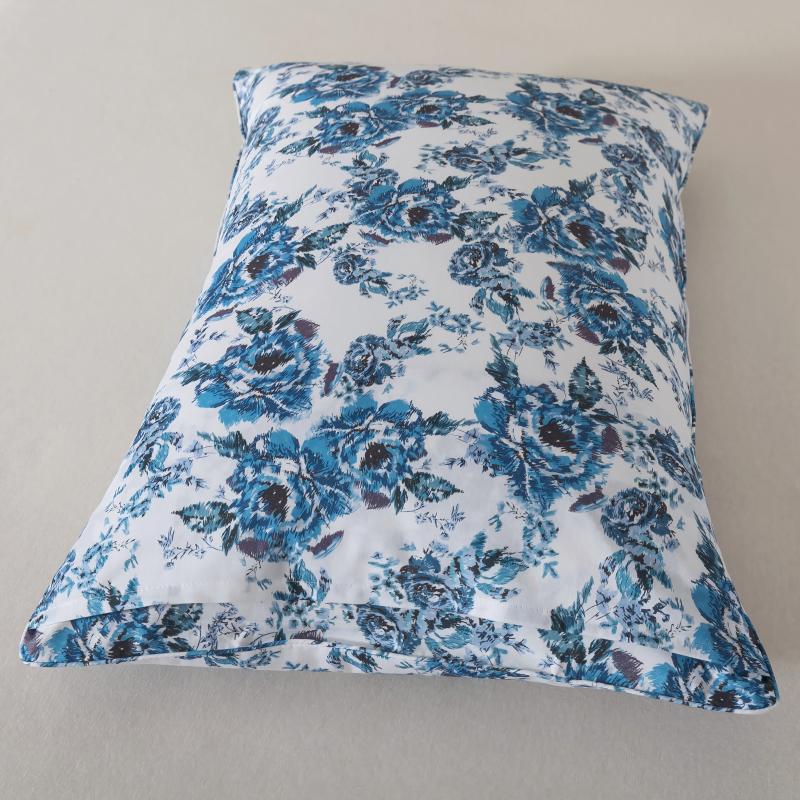
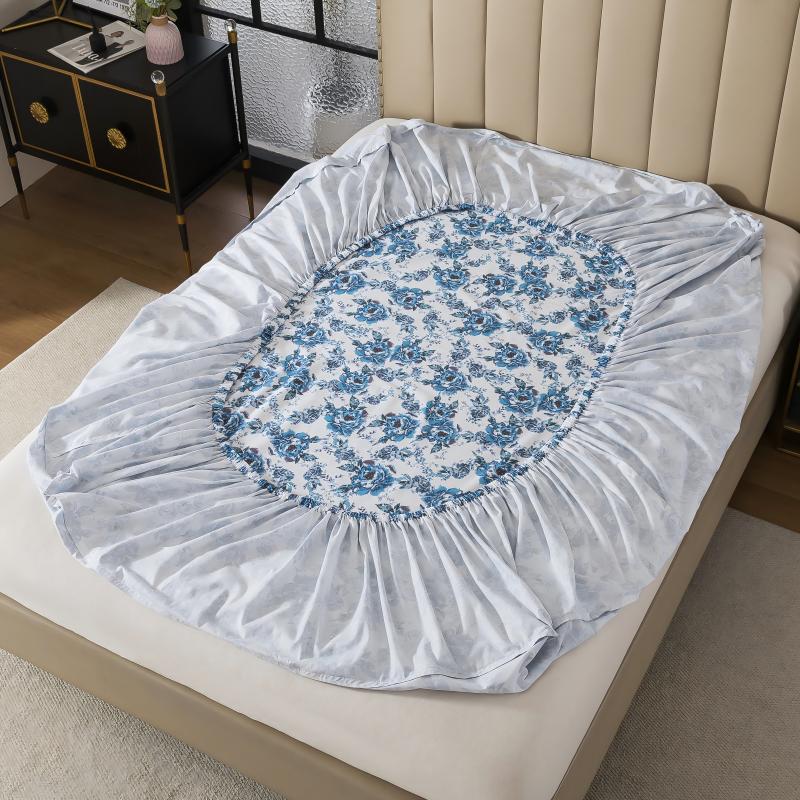
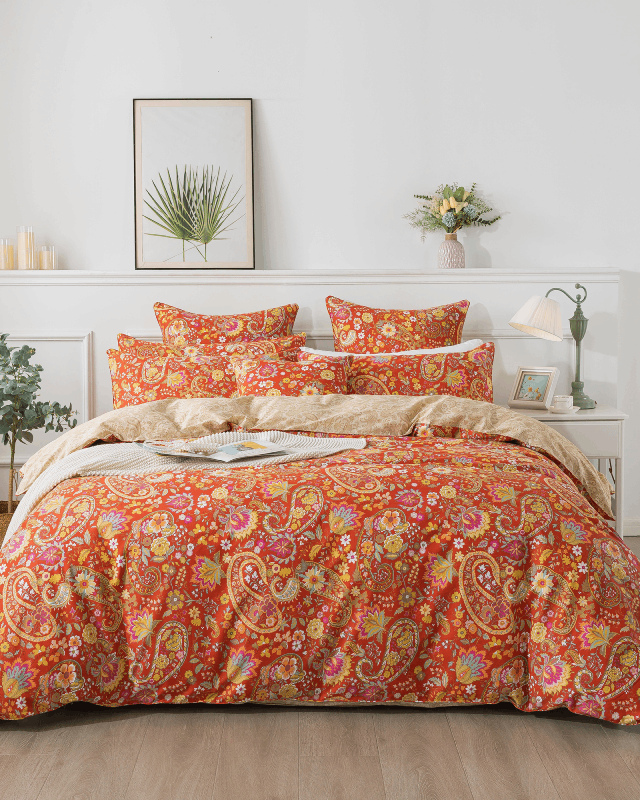
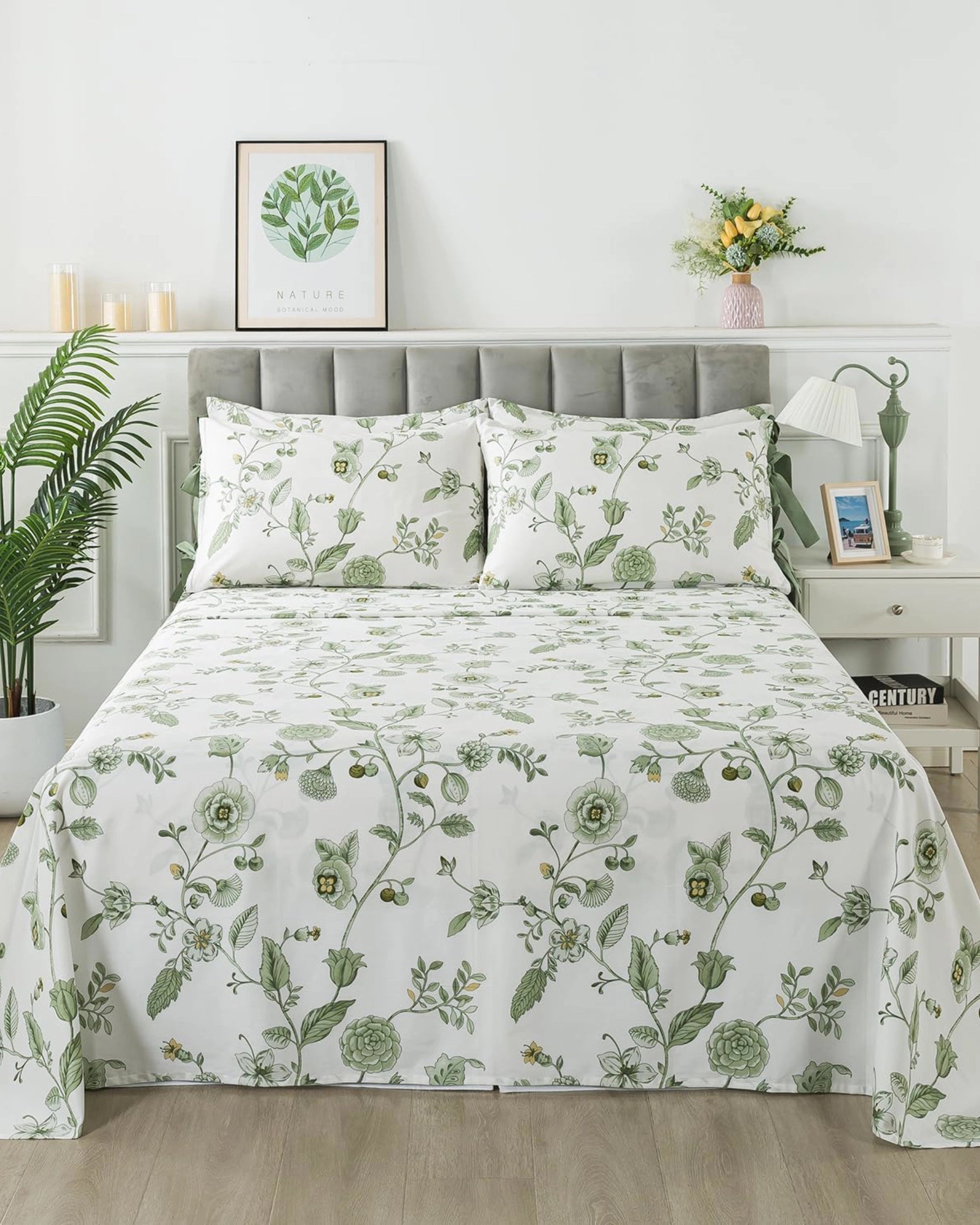
Floral bedding works especially well when the windows overlook a garden or trees. Small botanical prints create a gentle impression, while larger flowers give the bed a more noticeable presence. Balance either option with solid-colored layers.
For example, pair a floral duvet cover with ivory sheets and a lightly textured throw. Alternatively, use floral sheets beneath a plain quilt, allowing the pattern to appear at the folded edge and on the pillows.
Cotton bedding can bring a relaxed, familiar texture to the arrangement. Muslin cotton offers a softly crinkled appearance, while a smooth cotton weave creates a neater finish. Choose the feel you enjoy most, then build the styling around it.
Layer Window Treatments for Flexibility
A beautiful view does not remove the need for privacy or darkness at bedtime. Layered window treatments let you adjust the room throughout the day.
Sheer curtains can soften daylight while keeping the windows visually light. Pair them with lined curtains or blackout shades when stronger light control is needed. Remember that sheers alone may offer limited privacy after dark when interior lights are on.
Where wall space permits, extend the curtain rod beyond the window frame so the panels can draw clear of the glass. Simple fabrics in warm white, oatmeal, or another quiet neutral help frame the scenery without drawing too much attention.
Add Texture Through Natural Materials
Wood, woven fibers, and ceramics can connect the room to its outdoor setting without making the decor feel overly themed.
A wooden bedside table, a woven basket, or a matte ceramic lamp introduces variation alongside soft bedding. Choose a few pieces with distinct textures instead of filling every surface.
A rug beneath the bed can make the room feel more comfortable underfoot and visually anchor the furniture. If your bedding has a detailed floral pattern, a plain or subtly textured rug gives the eye somewhere to rest.

Consider How the Light Changes
Look at the room in the morning, afternoon, and evening before making final color choices. The same fabric may appear crisp in bright daylight and warmer under bedside lamps.
Test paint samples and bedding swatches near the window and farther inside the room. This helps you choose combinations that feel comfortable throughout the day.
For evening use, add soft bedside lighting so the room remains inviting after the view disappears into darkness. Adjustable lamps are useful for reading and allow you to keep the overall lighting gentle.
Leave Some Space Unfilled
A bedroom with a generous view rarely needs decoration in every corner. Clear windowsills, uncluttered bedside tables, and a few carefully chosen accessories allow the setting to remain part of the room.
Start with comfortable bedding, practical window coverings, and furniture that supports everyday routines. Then add only the details the space needs. With this approach, the bedroom feels complete while leaving room for sunlight, scenery, and the seasons to shape its atmosphere.