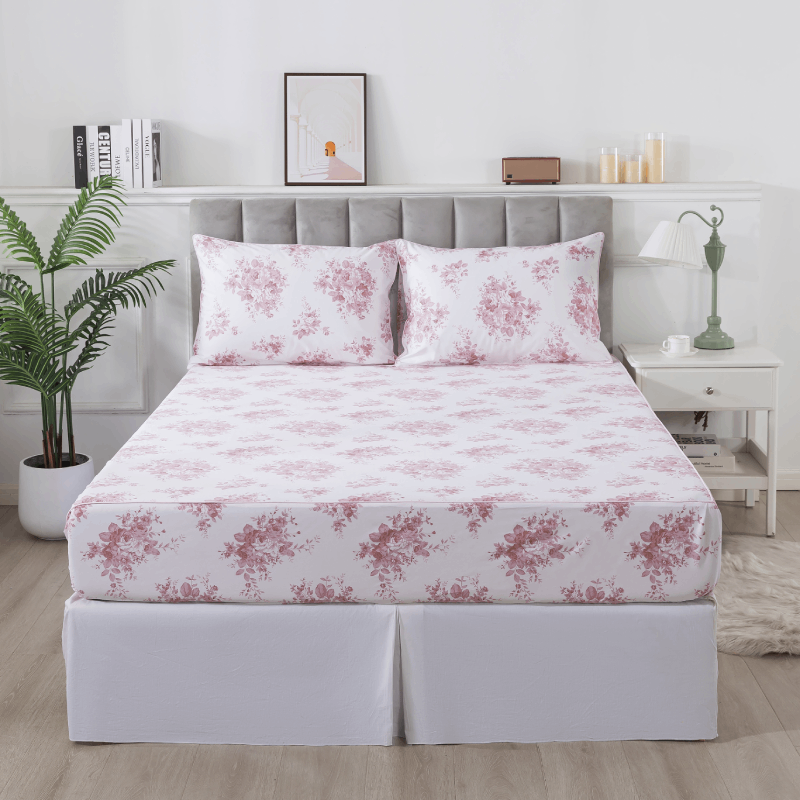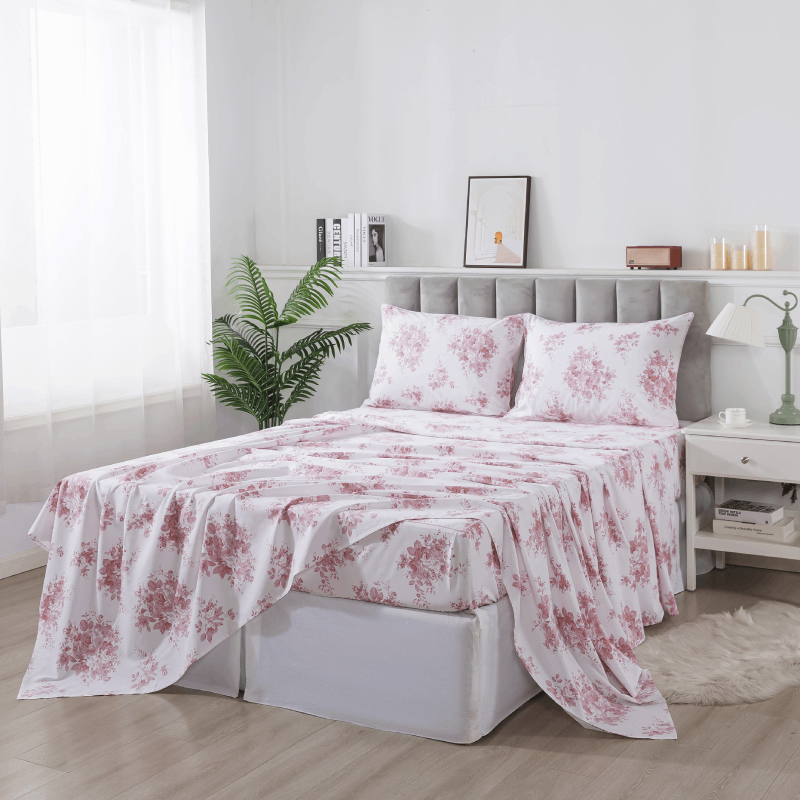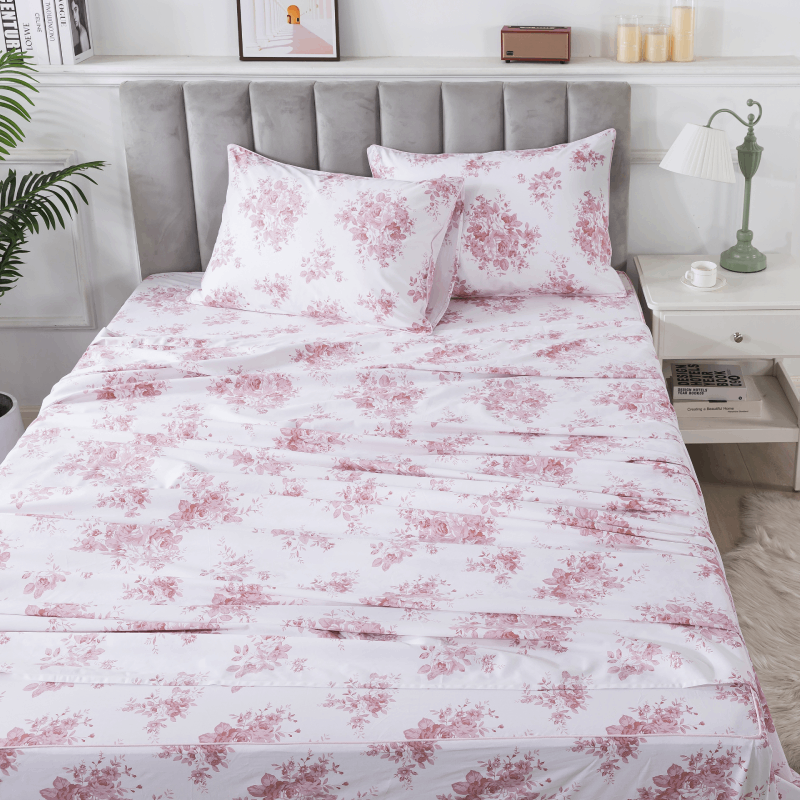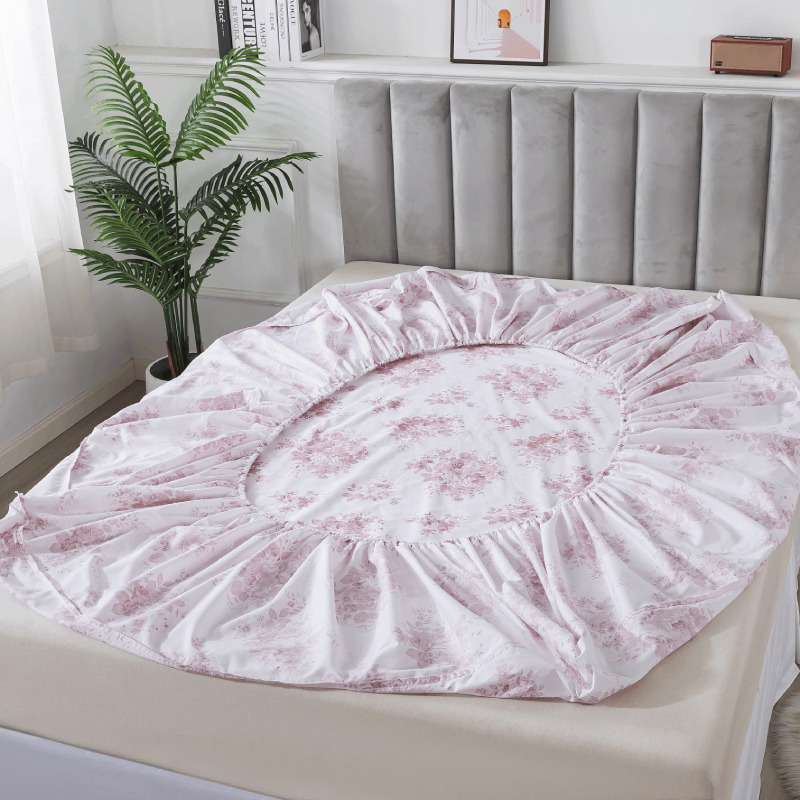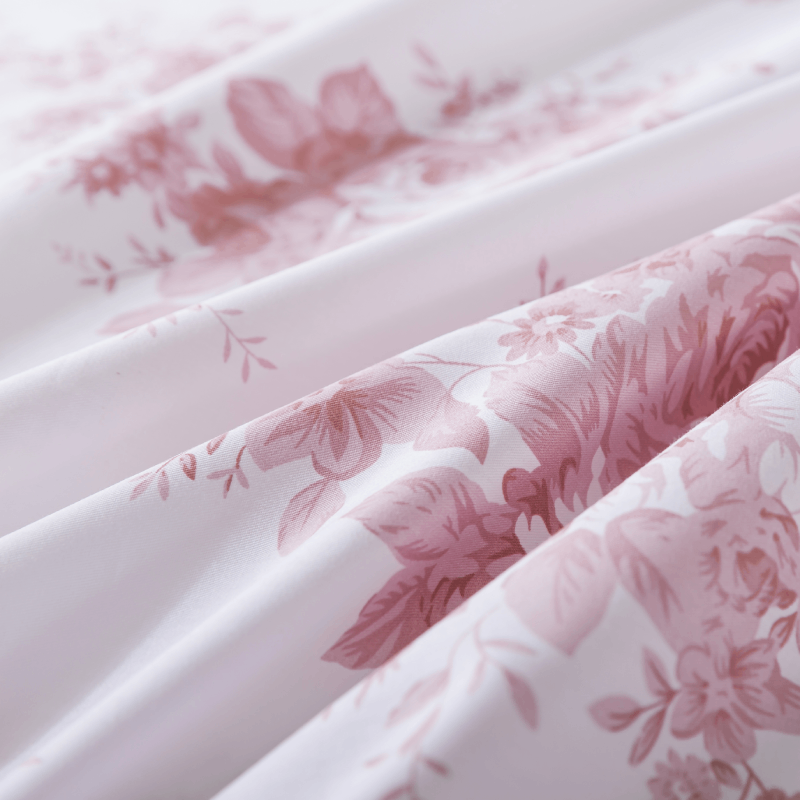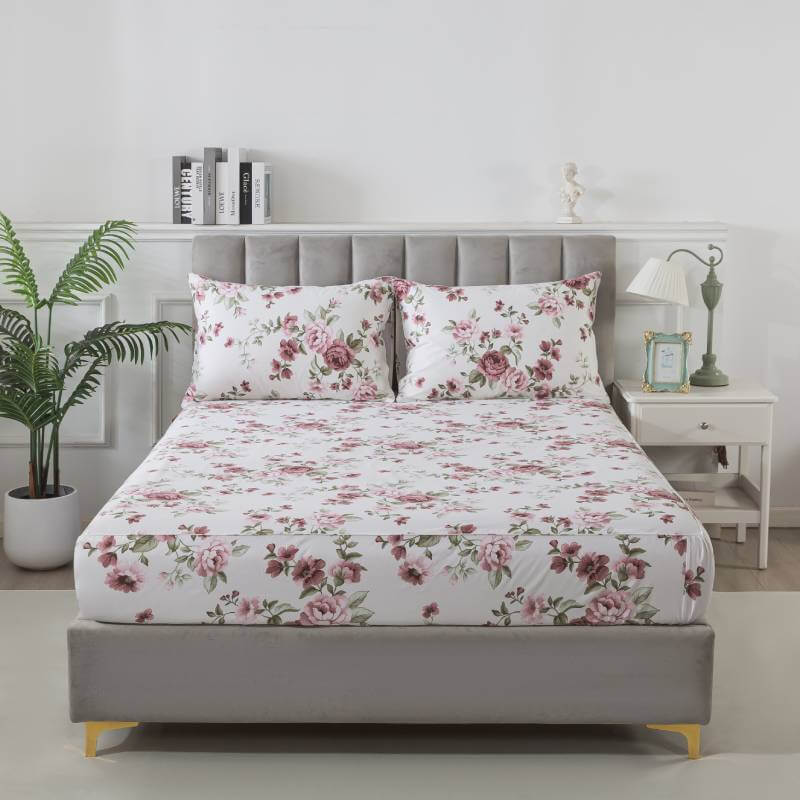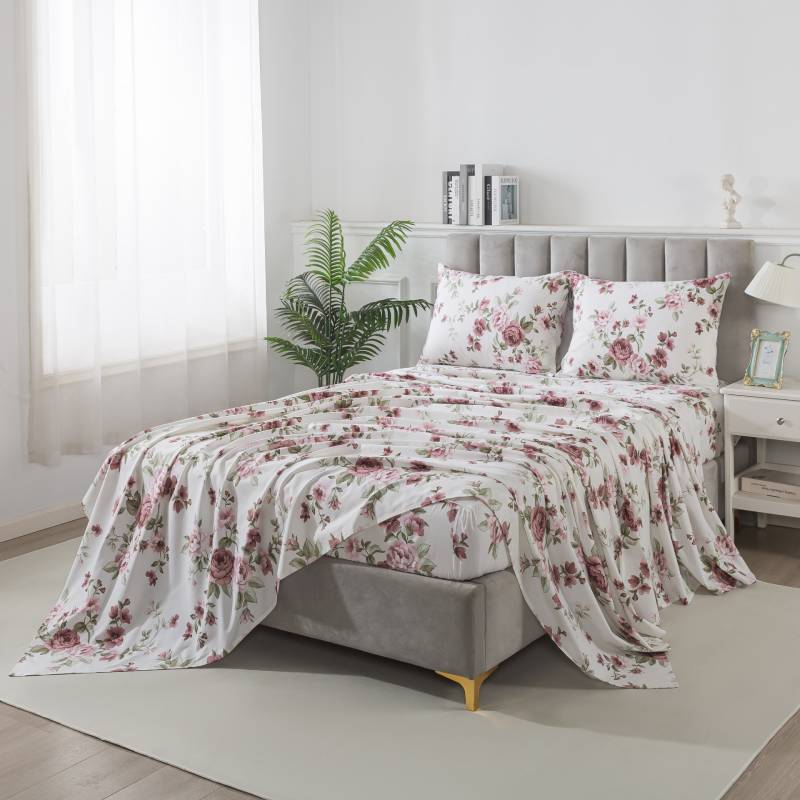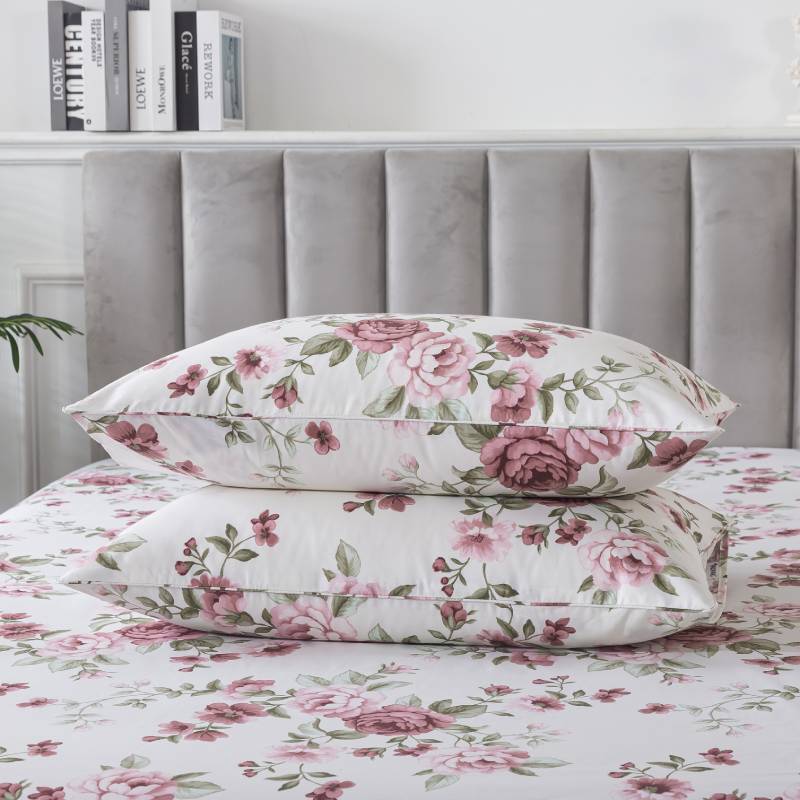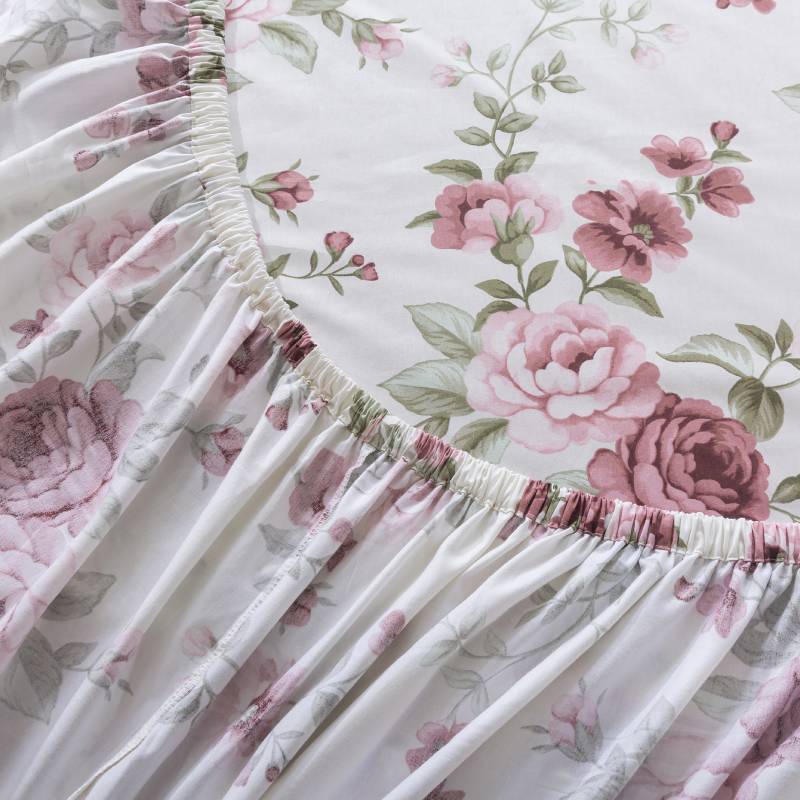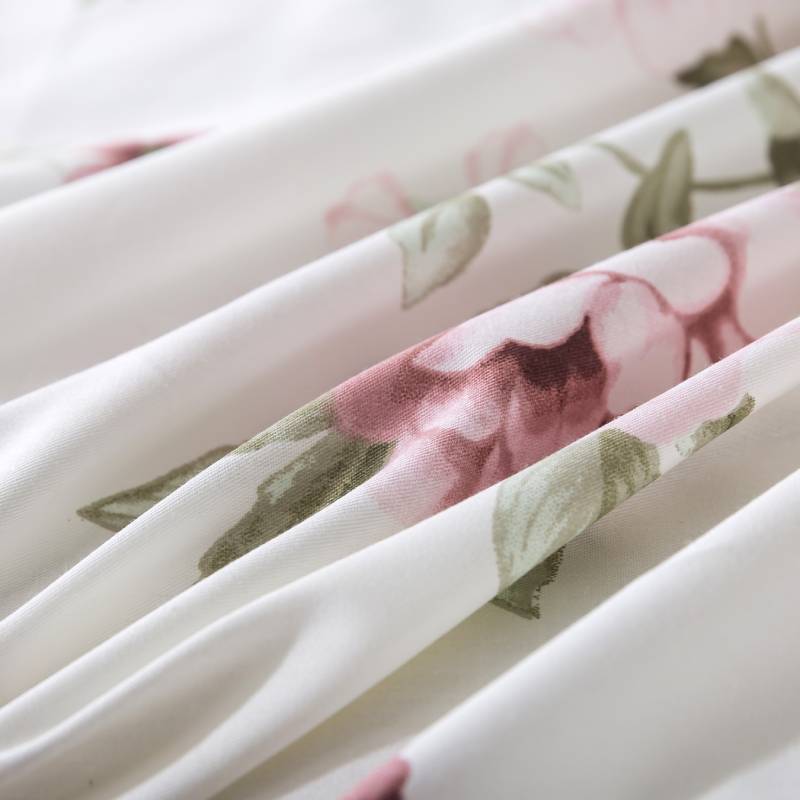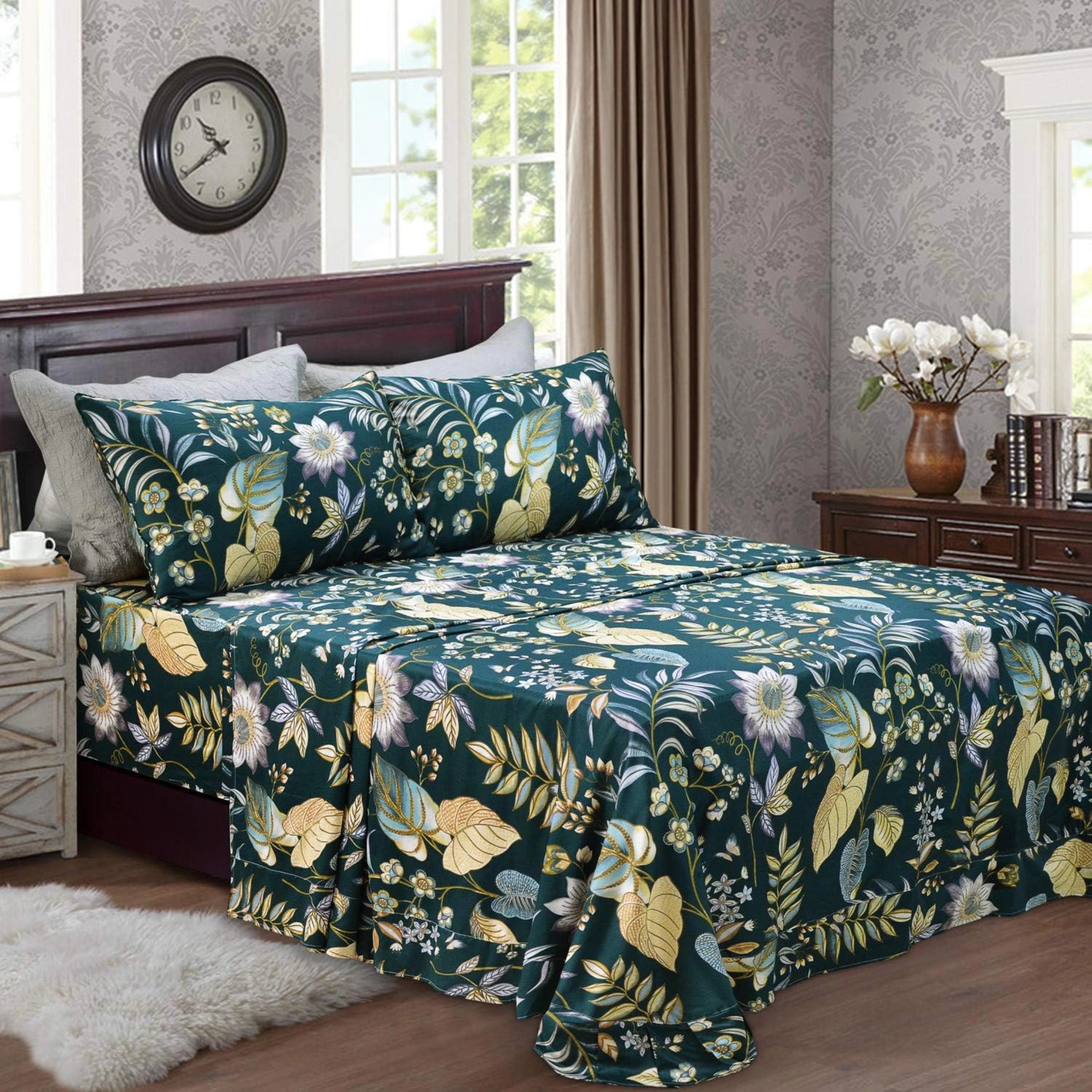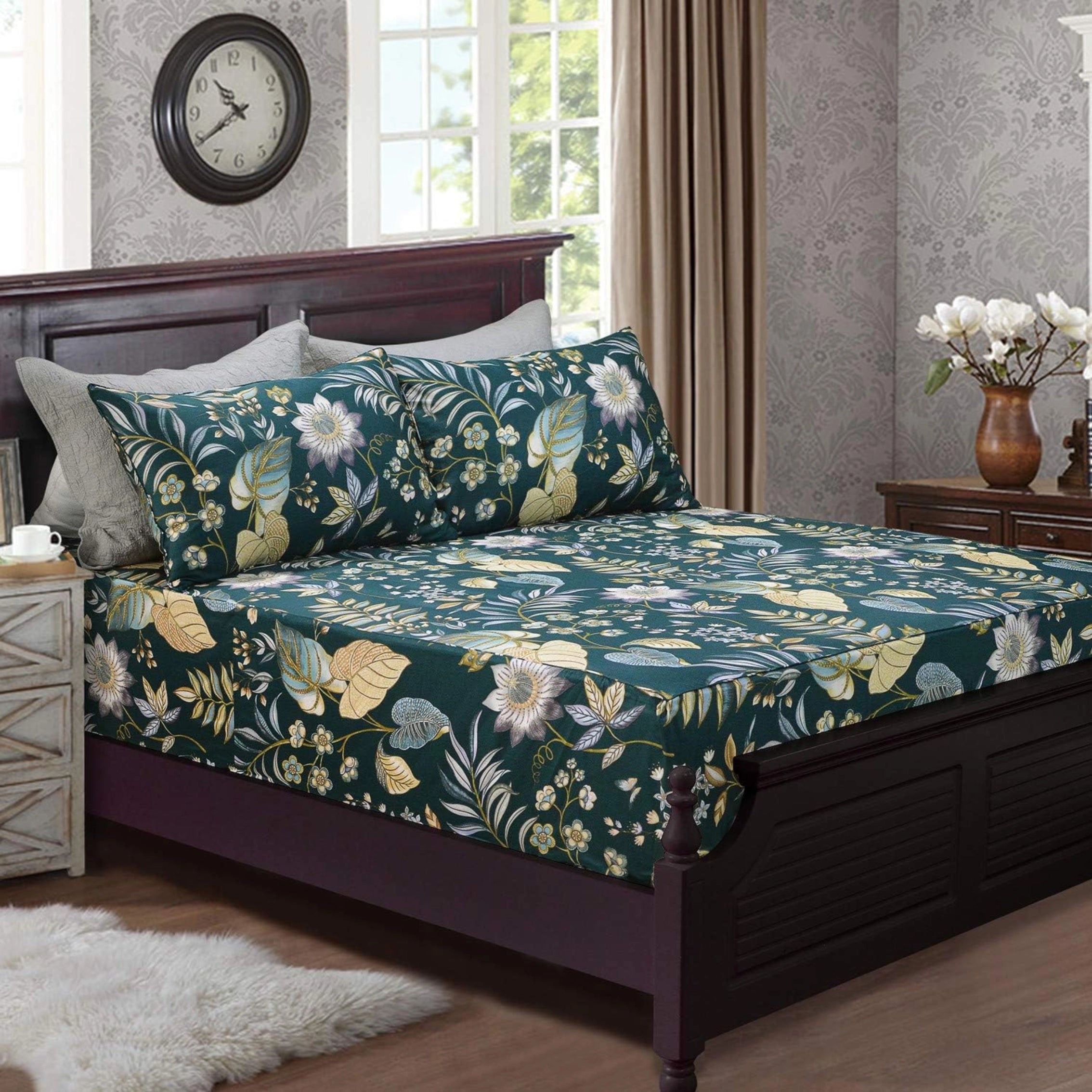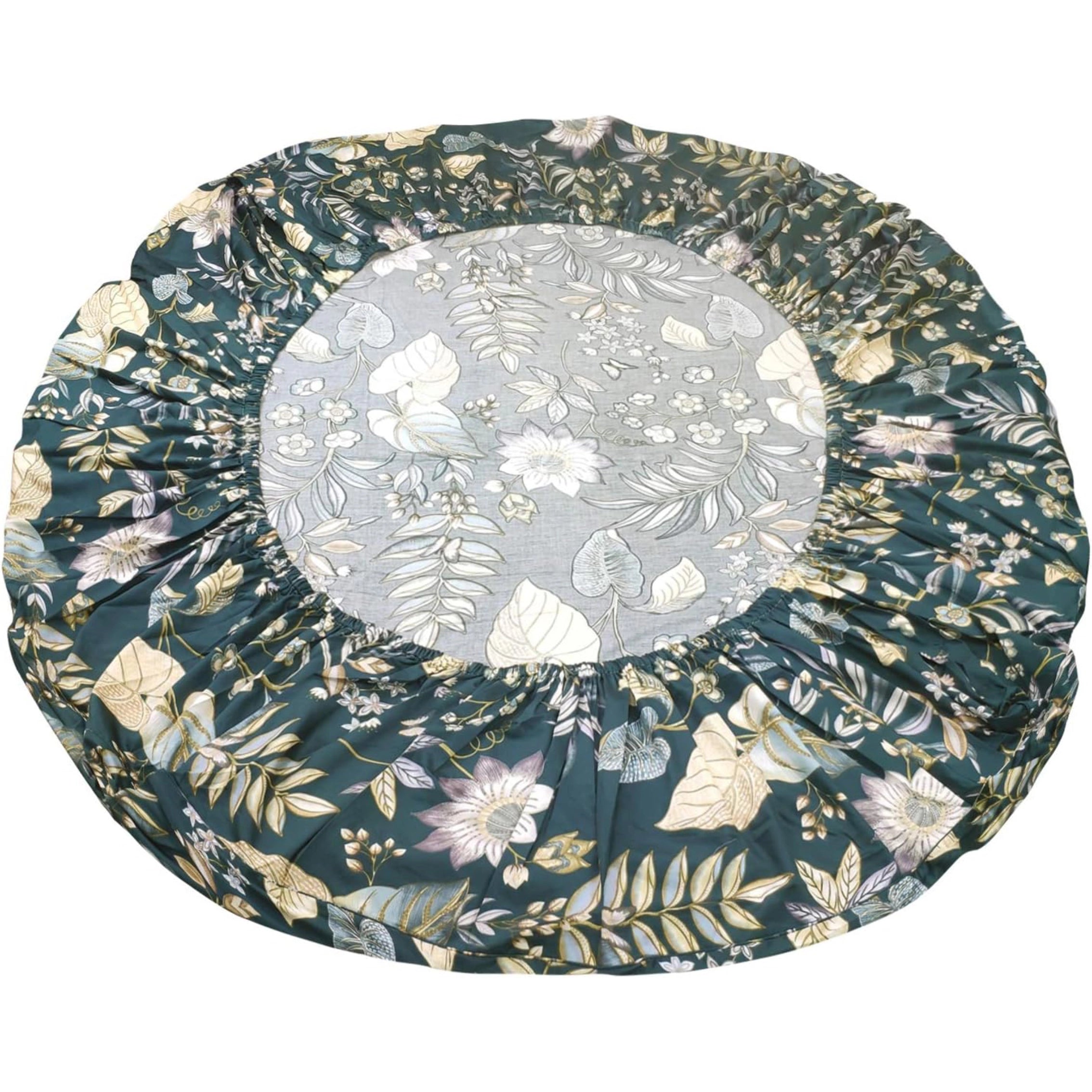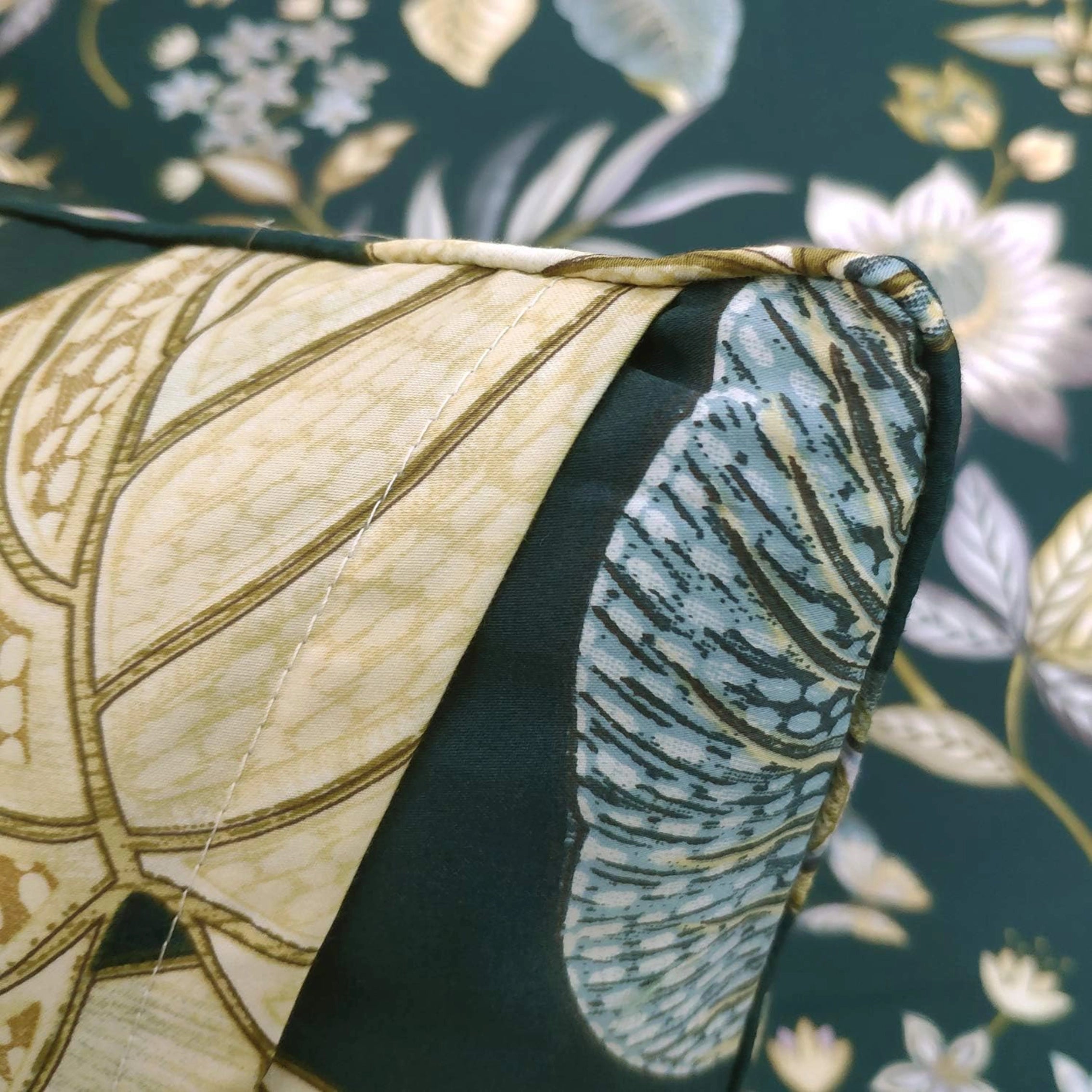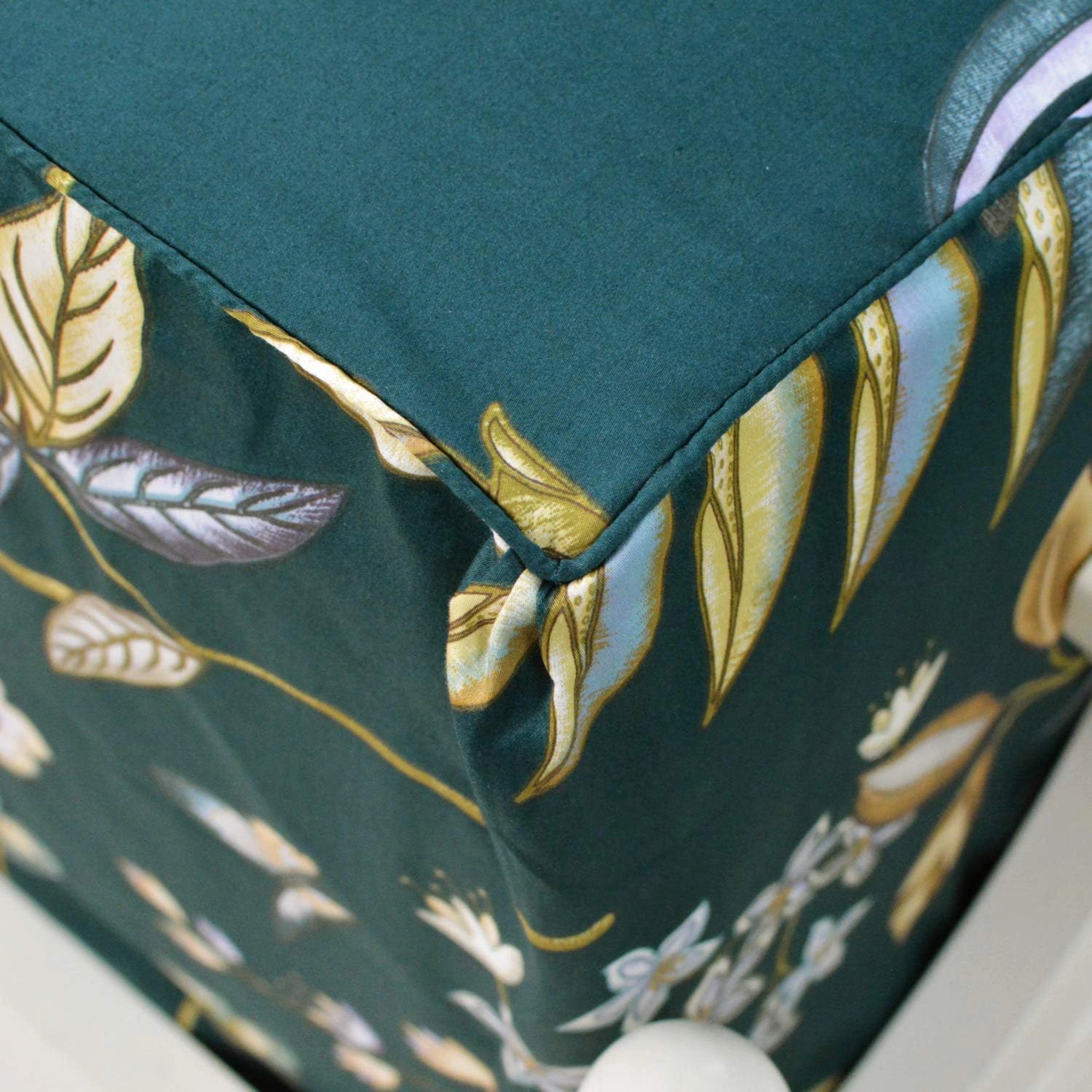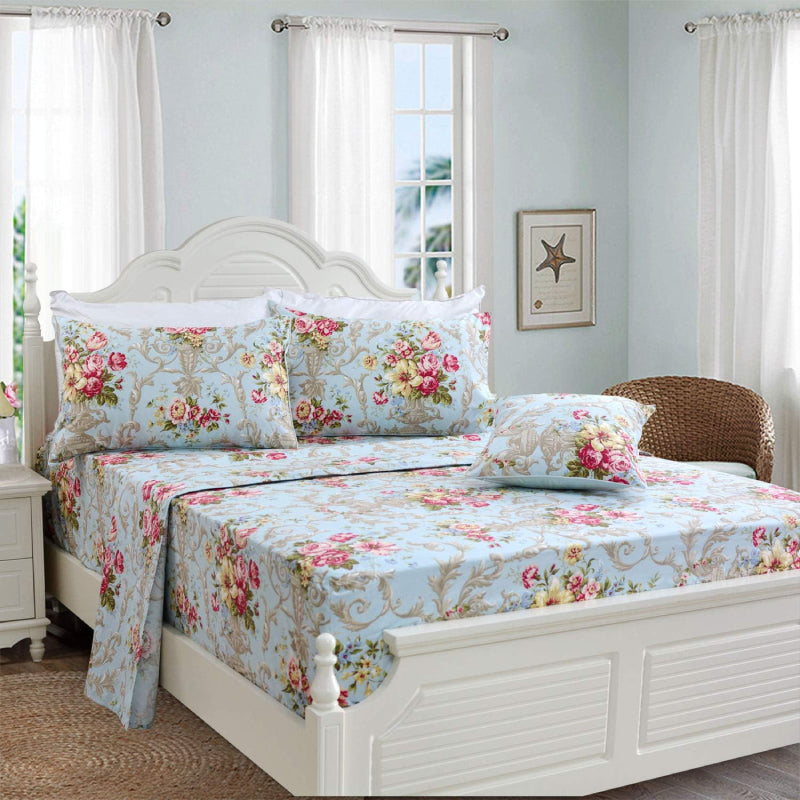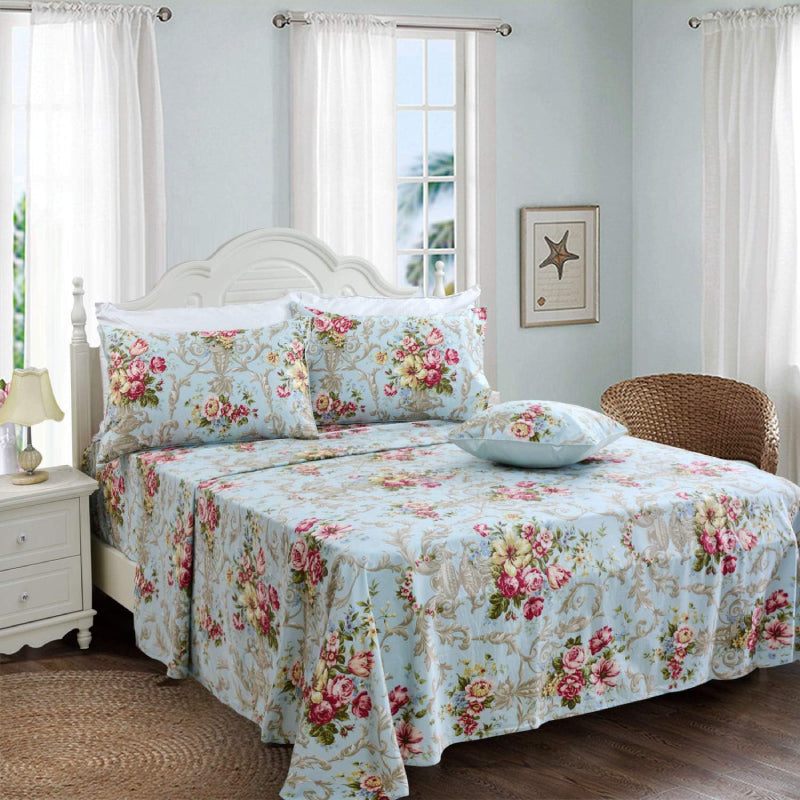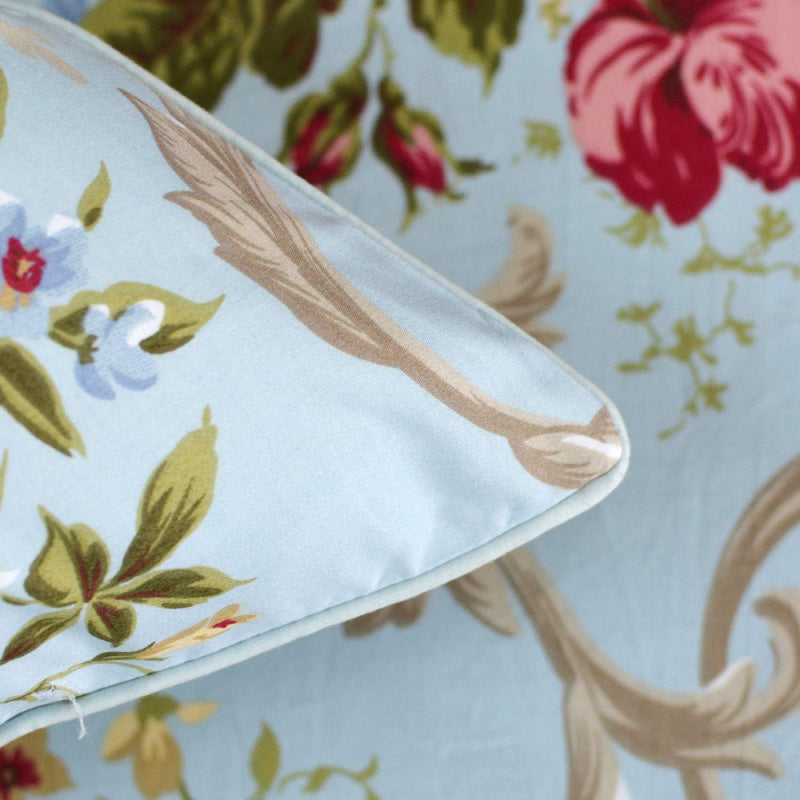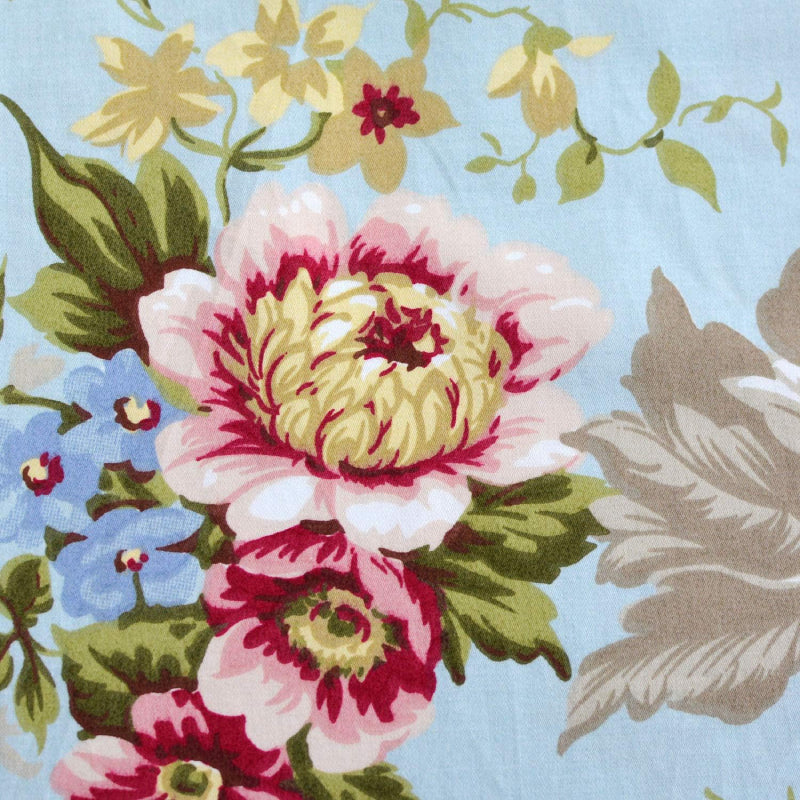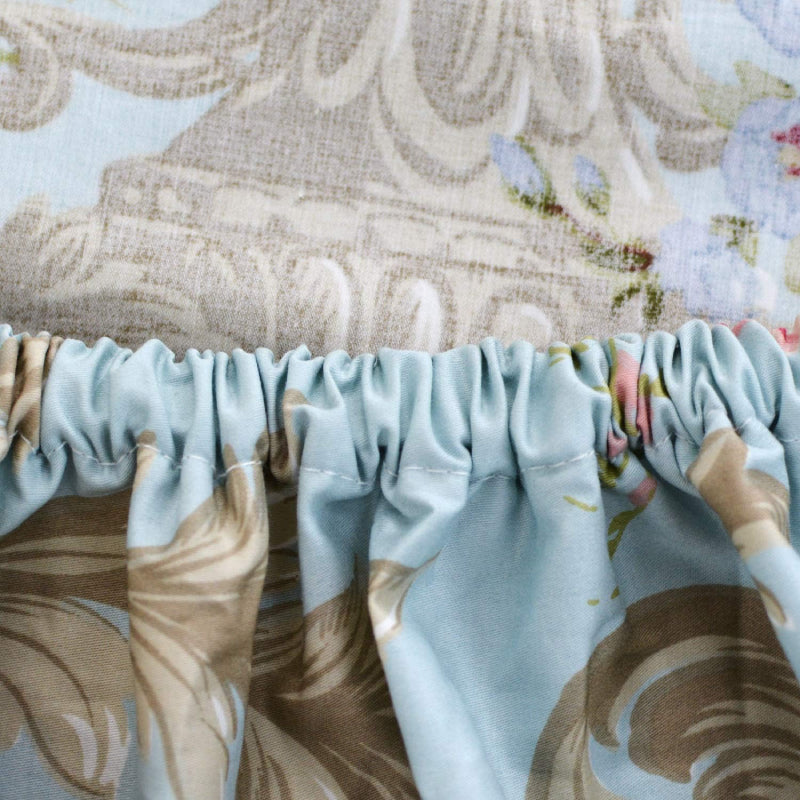
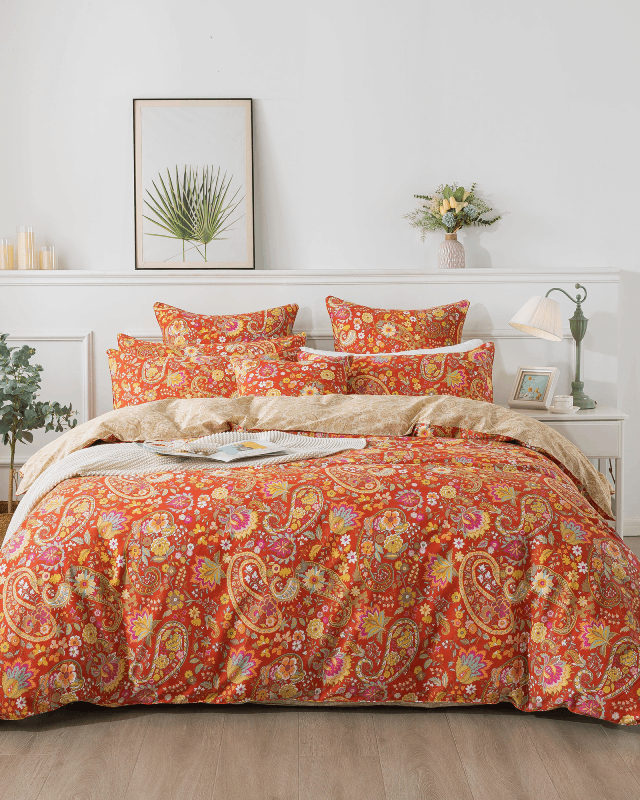
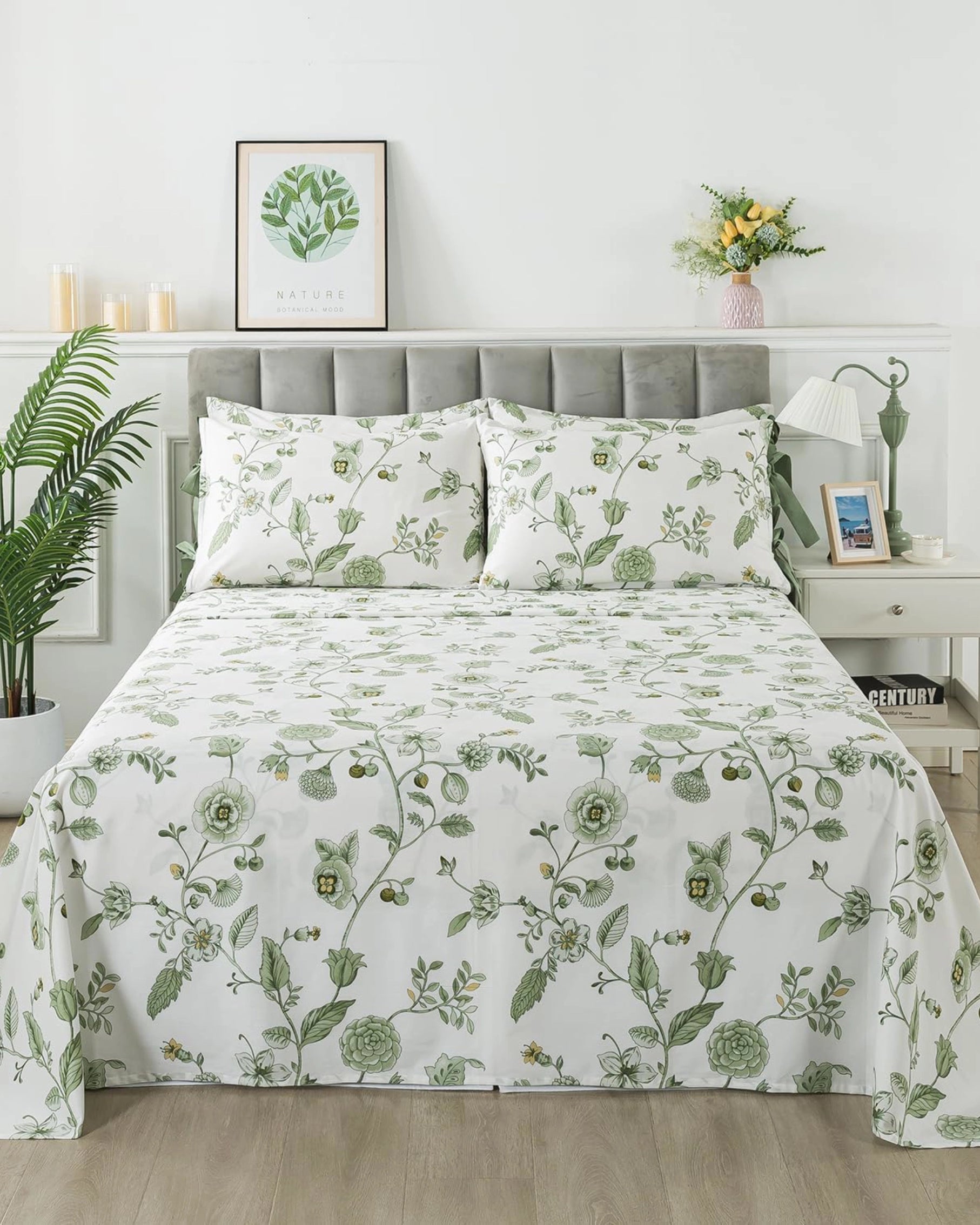


Floral bedding has a unique ability to evolve with us. Unlike trend-driven patterns that feel tied to a specific moment, florals can shift in mood, scale, and meaning as our homes—and lives—change. The same category of bedding can feel playful in one stage, grounding in another, and quietly comforting later on.
Choosing the right floral bedding isn’t about age alone. It’s about how you live, how your home functions, and what you need from your bedroom at that moment. Here’s how floral bedding can adapt beautifully across different stages of home life.
Early Independence: First Homes and Personal Space
Your first apartment or personal bedroom is often about expression. Space may be limited, furniture mismatched, and walls temporary—but bedding becomes a central design statement.
At this stage, floral patterns work best when they add personality without overwhelming the room.
-
Smaller-scale florals bring visual interest without making a space feel crowded.
-
Brighter or more playful colors reflect experimentation and energy.
-
Lightweight cotton fabrics suit flexible lifestyles and frequent washing.
Floral bedding here is less about coordination and more about joy. It’s okay if the pattern leads the room rather than blends into it.
Building a Shared Home: Couples and Growing Families
As living spaces become shared, bedrooms often shift from self-expression to balance. Floral bedding can still play a role, but its function changes.
This is where restraint and harmony matter.
-
Muted florals—soft blues, warm neutrals, gentle greens—create calm without feeling bland.
-
Balanced pattern density helps bedding feel welcoming to both partners.
-
Breathable, durable cotton supports everyday use, frequent laundering, and real life.
In family homes or homes with pets, florals also become practical. Patterns naturally disguise minor wear, wrinkles, or pet hair better than solid colors, making them ideal for lived-in spaces.

Homes with Children: Comfort, Durability, and Warmth
When children enter the picture, bedrooms often need to multitask. They’re no longer just for sleep, but for reading, early mornings, shared cuddles, and occasional chaos.
Floral bedding during this stage benefits from being soft, forgiving, and emotionally warm.
-
Gentle, nature-inspired florals help create a sense of safety and familiarity.
-
Mid-tone color palettes hide everyday marks better than very light or very dark shades.
-
Natural fibers feel safer, cooler, and more comfortable for sensitive skin.
Floral designs can subtly reinforce routine and comfort, especially in guest rooms or shared spaces where calm matters more than style statements.
Settled Living: Long-Term Homes and Personal Rhythm
As life stabilizes, bedrooms often become quieter spaces. Design choices grow more intentional, less reactive. Floral bedding here is about longevity rather than novelty.
The best choices tend to be:
-
Timeless floral motifs that don’t follow short-term trends.
-
Lower contrast patterns that blend into the room rather than dominate it.
-
High-quality cotton weaves that improve with time and washing.
At this stage, floral bedding often becomes part of a larger sensory experience—how the room feels in the morning light, how the fabric sounds when you move, how it ages with use.
Later Stages: Comfort, Ease, and Familiarity
In later stages of home life, priorities often shift again. Ease of care, physical comfort, and emotional familiarity matter more than design impact.
Florals can feel especially meaningful here.
-
Soft, recognizable patterns bring continuity and calm.
-
Gentle colors reduce visual fatigue.
-
Easy-care, breathable cotton supports comfort without complication.
Floral bedding at this stage isn’t decorative—it’s reassuring. It feels like something you don’t have to think about, and that’s exactly the point.
One Pattern, Many Lives
What makes floral bedding special is its adaptability. The same design language can feel playful, grounding, or deeply comforting depending on how it’s scaled, colored, and lived with.
Choosing floral bedding isn’t about finding something “appropriate” for a certain age. It’s about understanding what your home needs right now—and allowing your bedding to change with you.
Because a good home doesn’t stay still. And neither should the things that make it feel like home.