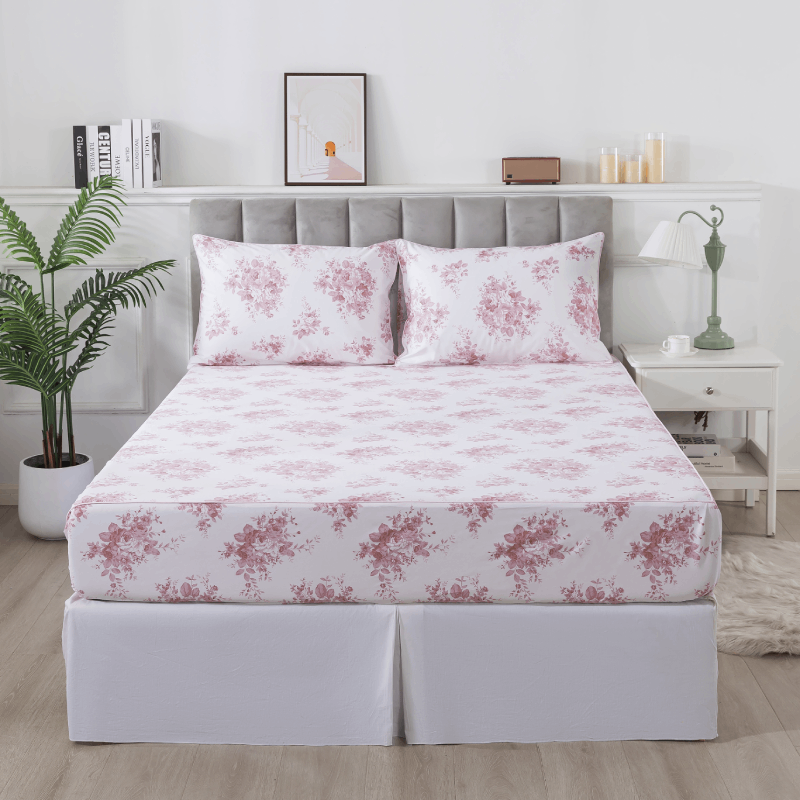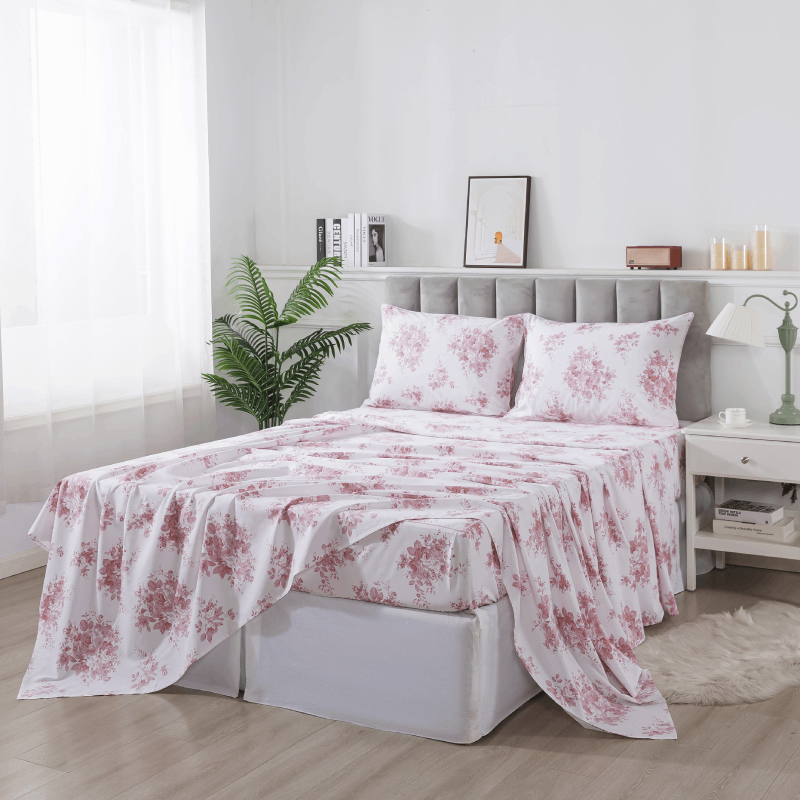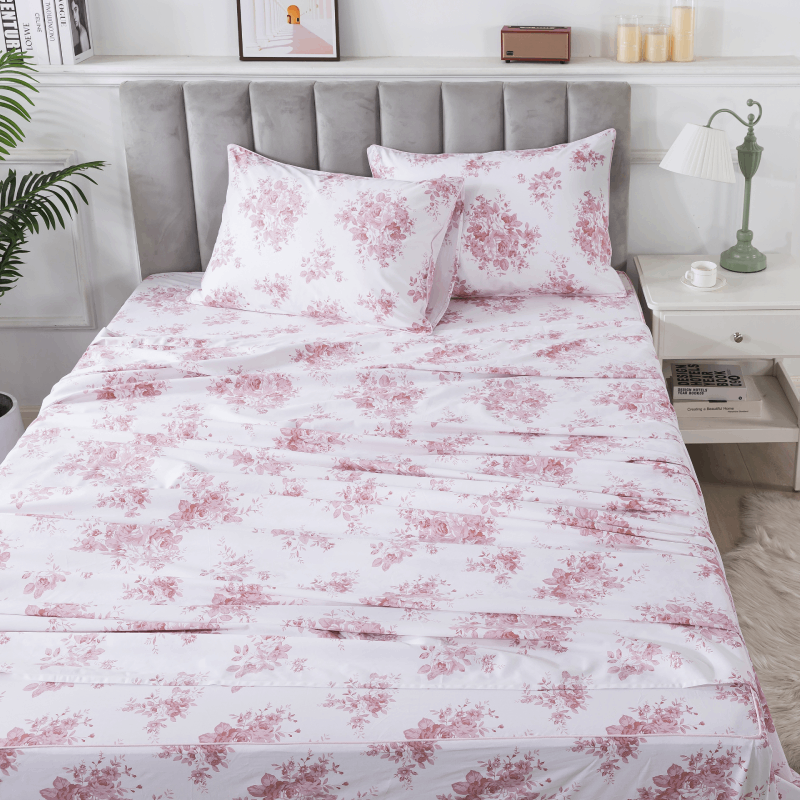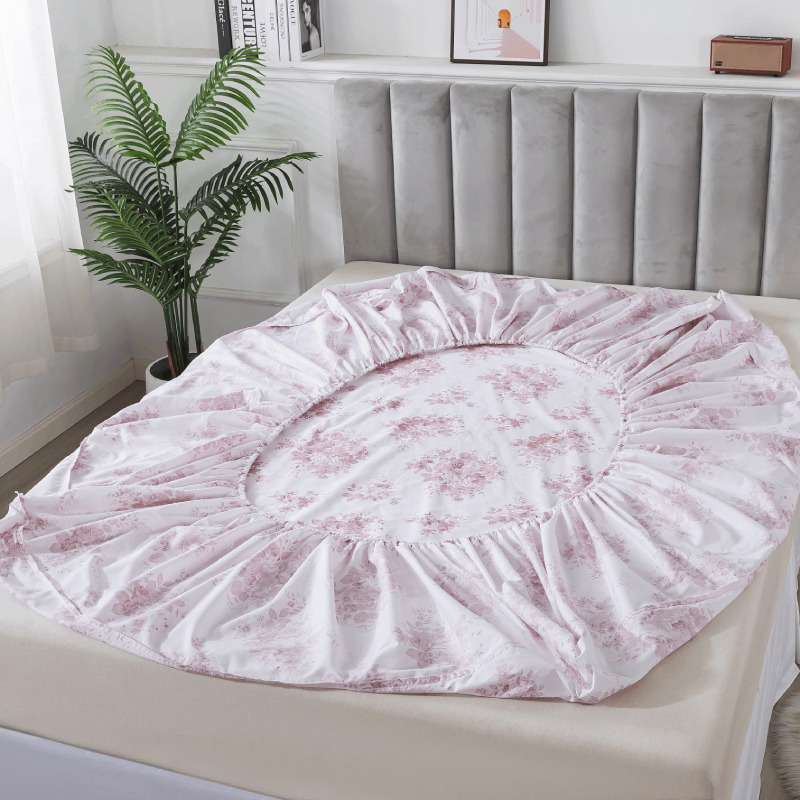



You can usually tell within seconds.
You lie down.
Your shoulders drop.
Your breathing changes.
Or they don’t.
Some bedding feels right the moment it touches your skin. Other sets look beautiful on the bed, photograph well, and even claim premium materials — yet something never quite settles. You adjust the pillows. You shift under the covers. Weeks pass, and it still feels slightly “off.”
So what creates that immediate sense of ease?
It’s rarely just about thread count or surface softness. The difference is structural, sensory, and psychological — and often invisible at first glance.
1. The First Contact: Surface Softness vs. Living Softness
There are two types of softness.
Cosmetic softness is engineered to impress in a showroom. It can feel slick, overly smooth, or artificially silky. It photographs beautifully. But over time, it may trap heat, cling to the skin, or lose integrity after washing.
Living softness, on the other hand, feels natural rather than dramatic. It doesn’t shout. It breathes. It relaxes with you. Fabrics like well-woven cotton — especially when finished thoughtfully — soften with use rather than degrade.
Immediate comfort often comes from materials that are thermally responsive and moisture-balanced. Natural cotton fibers allow airflow and micro-ventilation. That subtle breathability is what tells your body: You can rest here.
Your nervous system recognizes it before your mind does.
2. Breathability Is Not a Marketing Term — It’s a Physical Experience
Many people mistake weight for warmth and smoothness for quality. But comfort is largely about temperature regulation.
When bedding fails to feel right immediately, it’s often because:
-
It traps body heat.
-
It doesn’t allow moisture to evaporate.
-
The fabric holds tension instead of relaxing under pressure.
Breathable cotton fabrics — particularly layered constructions like double-layer gauze — create small air pockets that help regulate heat without feeling heavy. That structure produces a dry, calm surface rather than a humid one.
If your bedding feels slightly warm and sticky within minutes, your body will never fully relax.
Immediate comfort is thermal equilibrium.
3. Drape and Movement: The Way Fabric Responds to You
Comfort is kinetic.
When you turn, does the fabric follow your movement — or resist it?
Does it fall naturally, or does it sit stiffly across the mattress?
Good bedding has a balanced drape: structured enough to hold its shape, relaxed enough to move fluidly. The tactile feedback should feel stable but not rigid.
Fabrics that are too tight in weave may feel smooth but unyielding. Fabrics that are too loose may wrinkle excessively or feel unstable. The sweet spot is a construction that responds, not reacts.
You notice it when you pull the duvet slightly and it settles back into place without effort.
That is engineered ease.

4. Sensory Honesty: Why “Perfect” Can Feel Wrong
Sometimes bedding doesn’t feel right because it feels overly polished.
Hyper-gloss finishes.
Overly crisp textures.
Synthetic sheen.
These qualities create visual impact, but they may conflict with the psychological purpose of a bedroom: decompression.
The bedroom is not a showroom. It’s a recovery space.
Natural textures — subtle wrinkles, matte finishes, breathable fibers — signal authenticity. They communicate that this is a lived-in environment. Your body relaxes more easily when the space feels forgiving.
Perfection can create tension. Soft imperfection creates calm.
5. Wash Performance: The Hidden Variable
Another reason some bedding never feels right? It changes after washing.
Fabrics treated heavily during manufacturing may feel smooth at first but lose structure after laundering. Others stiffen. Some pill. Some trap pet hair more aggressively over time.
High-quality cotton bedding that is properly woven and finished tends to improve after washing. Fibers open slightly. The hand feel becomes more supple. The fabric stabilizes rather than deteriorates.
Immediate comfort that lasts is not accidental. It’s the result of construction integrity.
6. Lifestyle Alignment: The Unspoken Factor
The most overlooked reason bedding feels right instantly is compatibility with real life.
If you have pets, does it resist excessive hair cling?
If you wash frequently, does it maintain softness?
If you prefer natural light and minimal styling, does it look good slightly rumpled?
Bedding that matches your daily rhythms feels intuitive. Bedding that requires constant adjustment feels like maintenance.
True comfort integrates into your life instead of asking you to preserve it.
7. The Nervous System Test
There is a simple way to evaluate bedding:
Lie down.
Close your eyes.
Notice your breathing.
If you instinctively exhale and settle, the fabric is working with you. If you adjust, pull, smooth, or fidget — something in the tactile system is misaligned.
Your body makes the decision faster than your thoughts.
Immediate comfort is not luxury. It’s alignment — between material, structure, temperature, and the way you actually live.
Final Thought
The bedding that feels right immediately is rarely the most dramatic. It is the one that:
-
Breathes naturally
-
Moves easily
-
Softens over time
-
Withstands washing
-
Fits real life
It doesn’t demand attention. It supports rest.
And once you experience that quiet, immediate sense of ease, it becomes difficult to accept anything that only looks comfortable — but never truly feels that way.