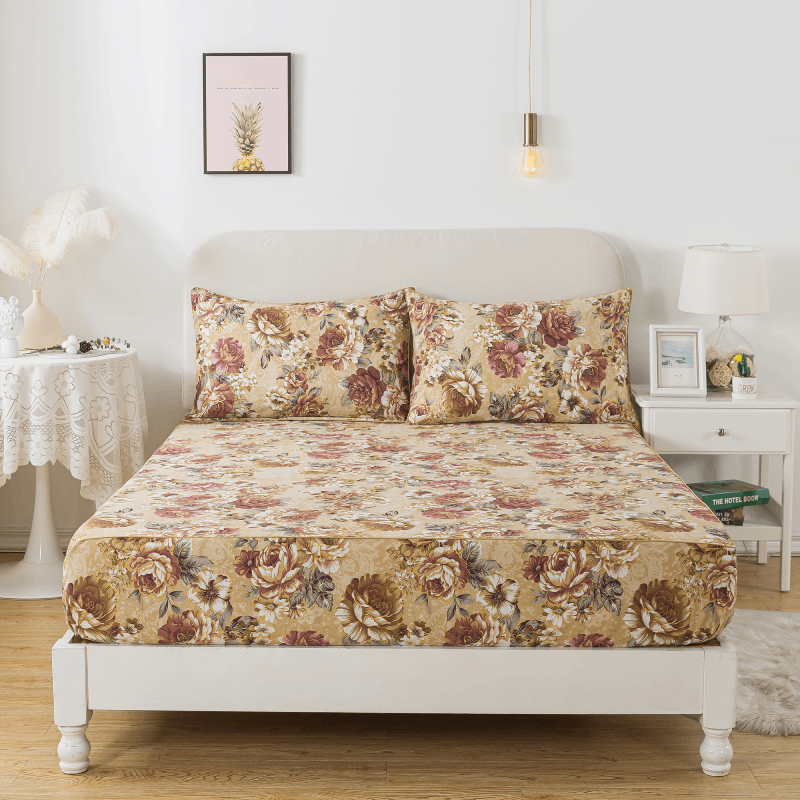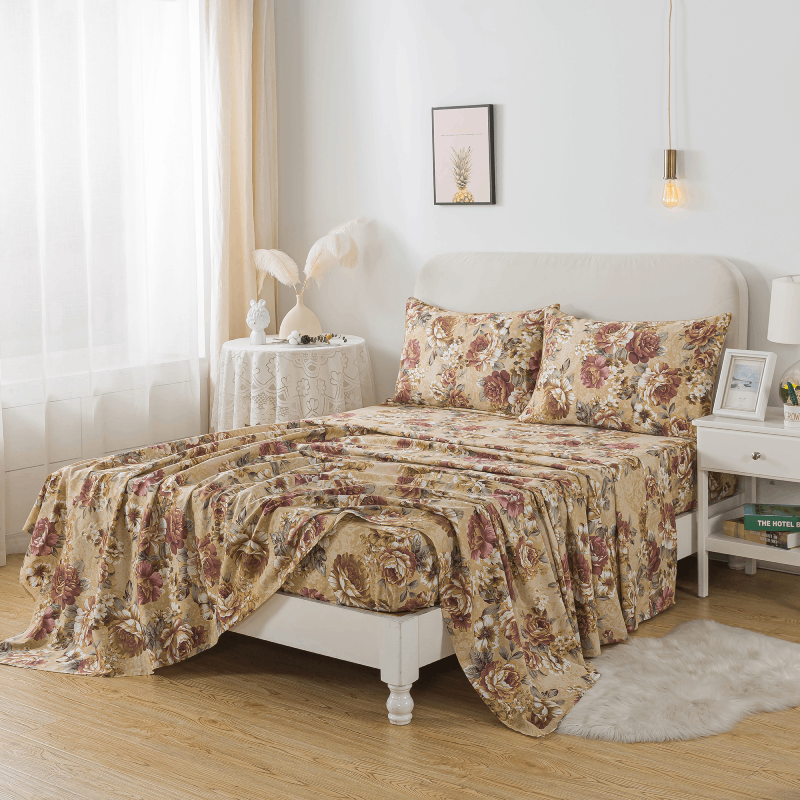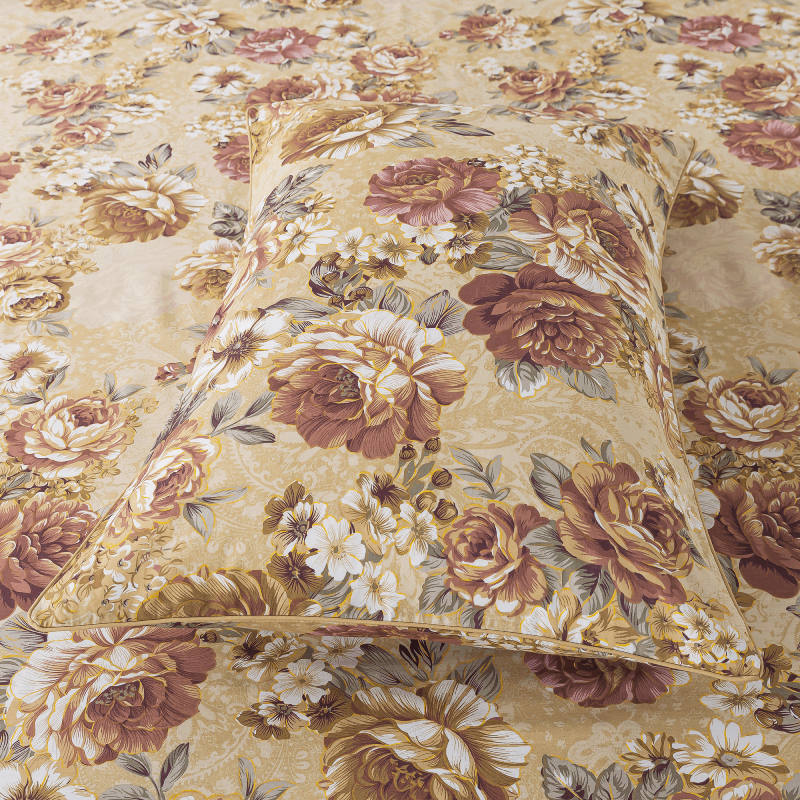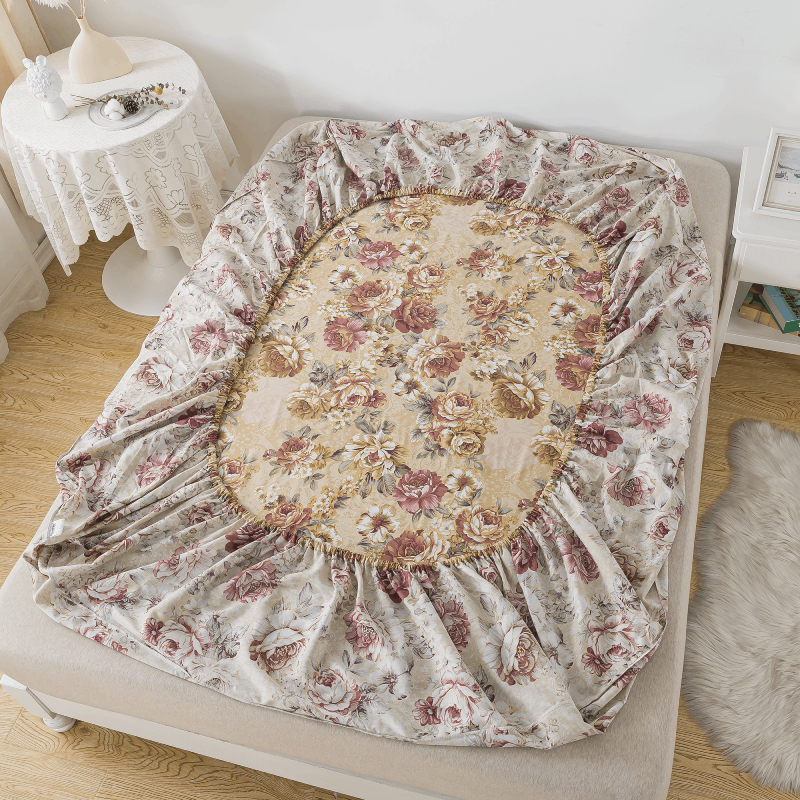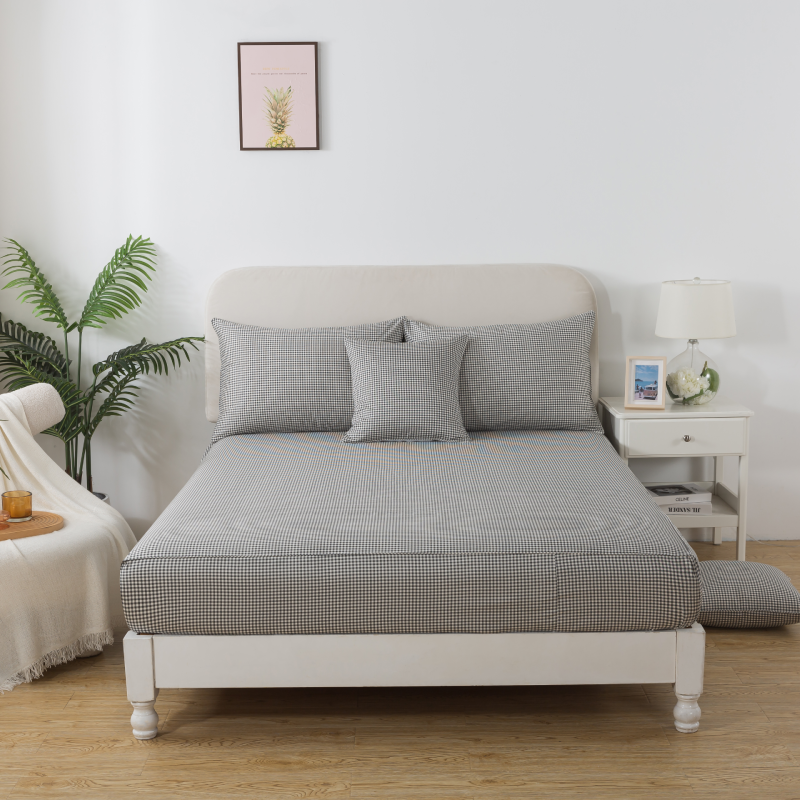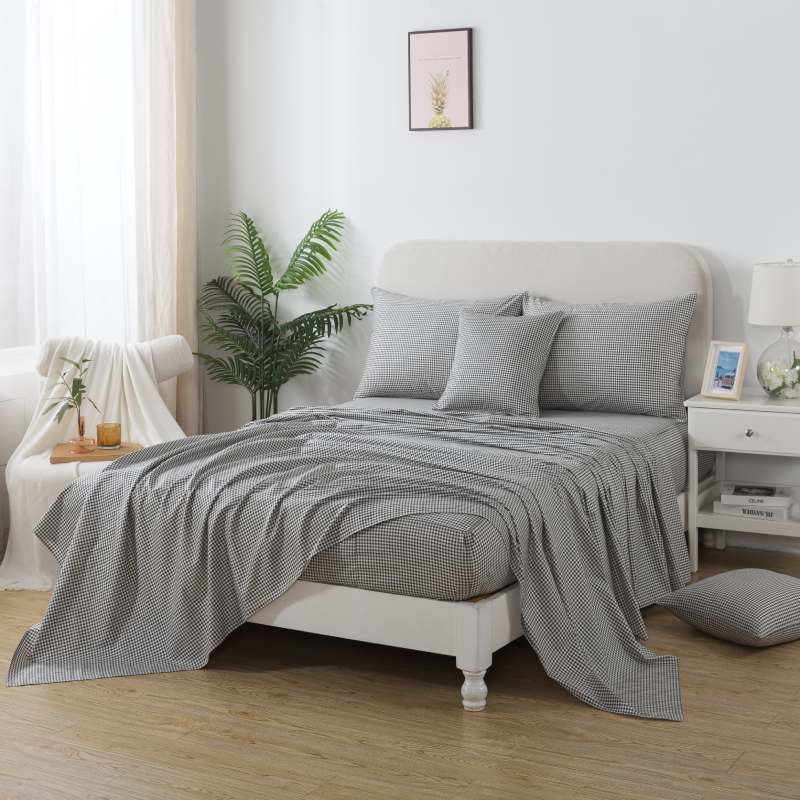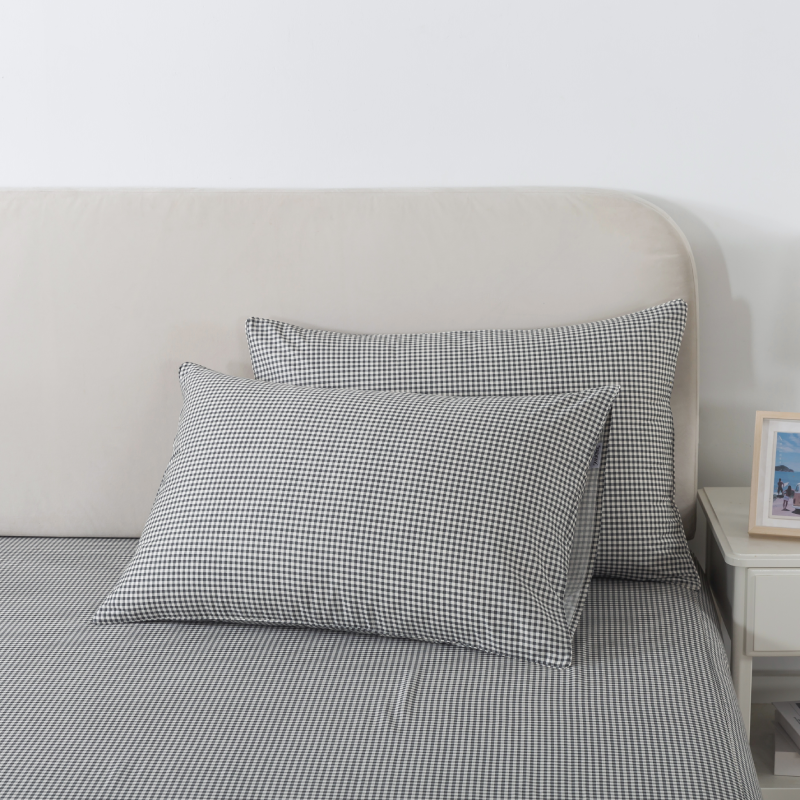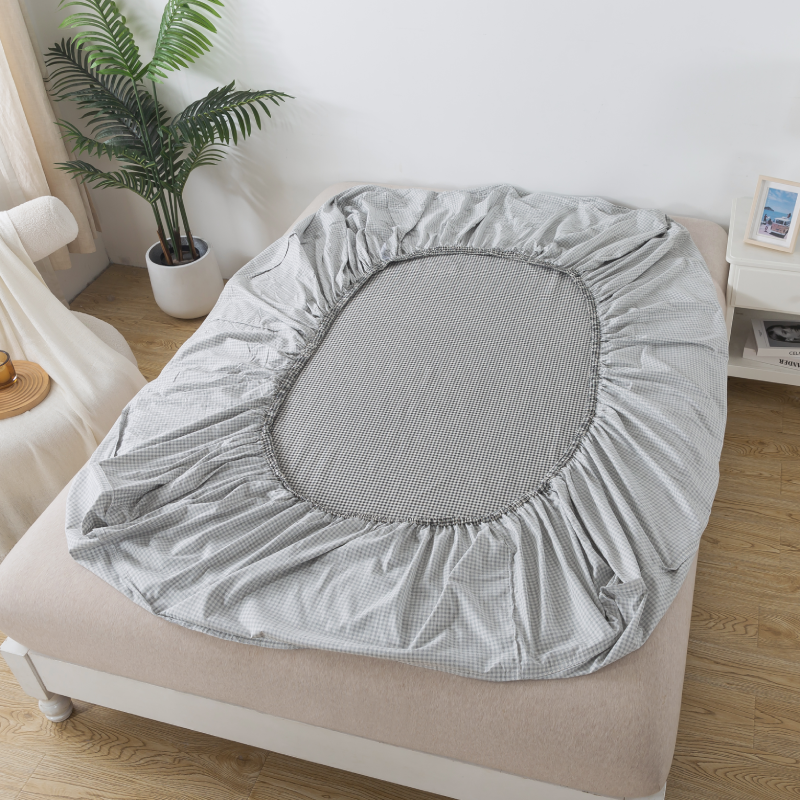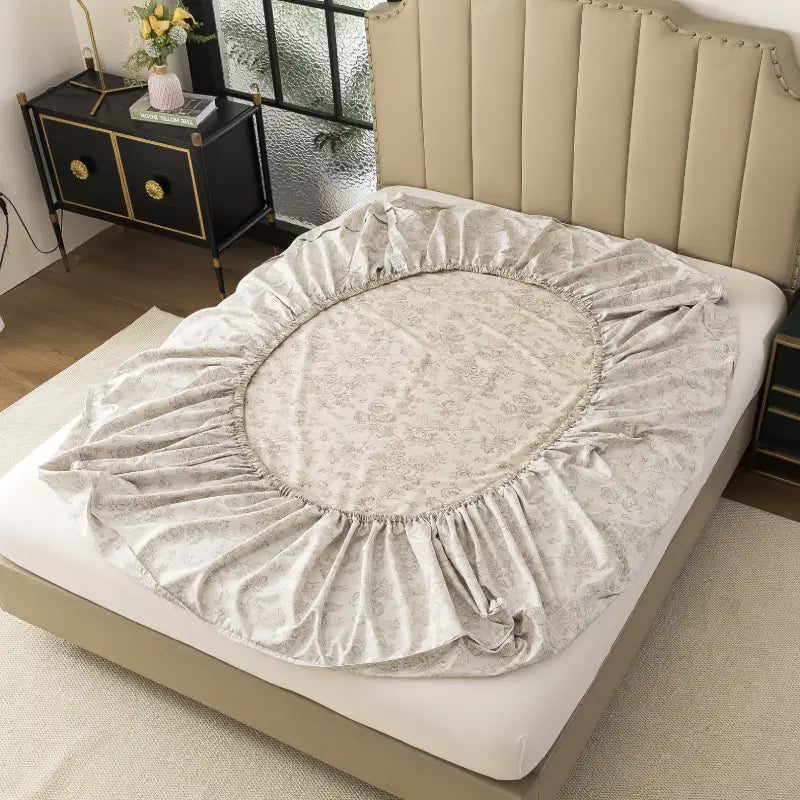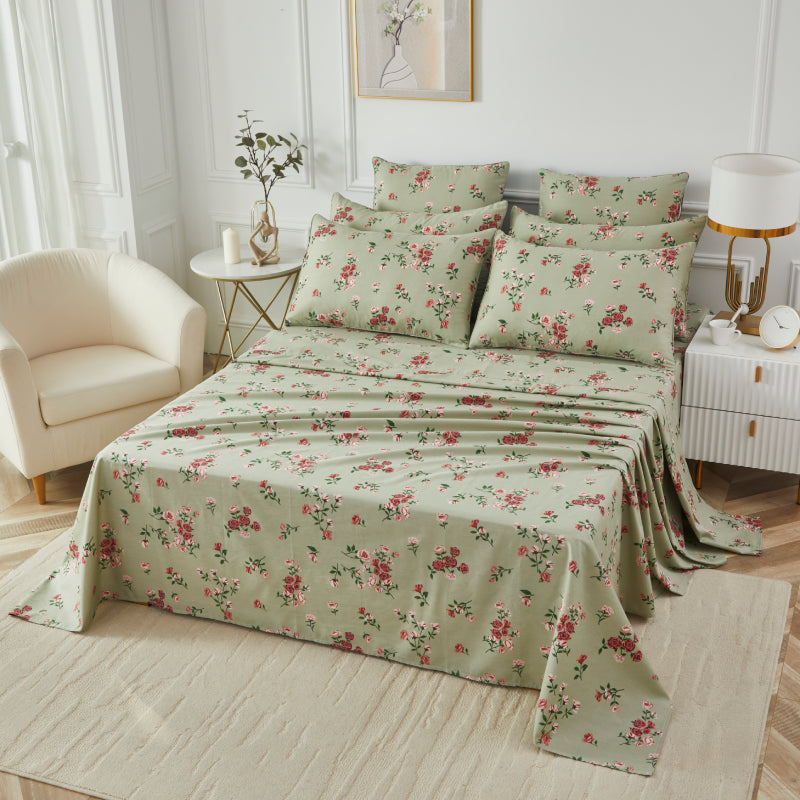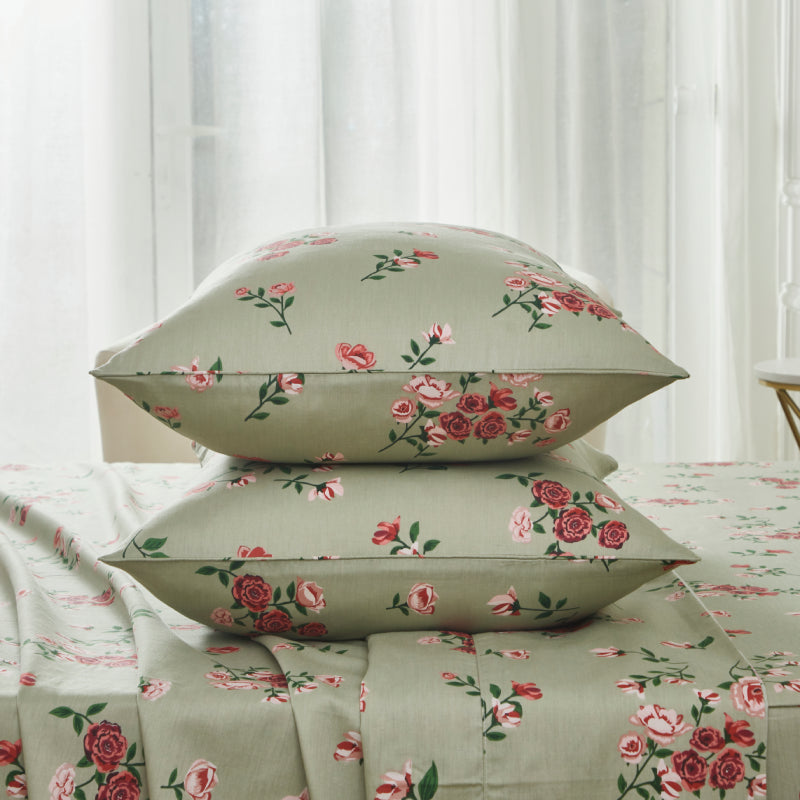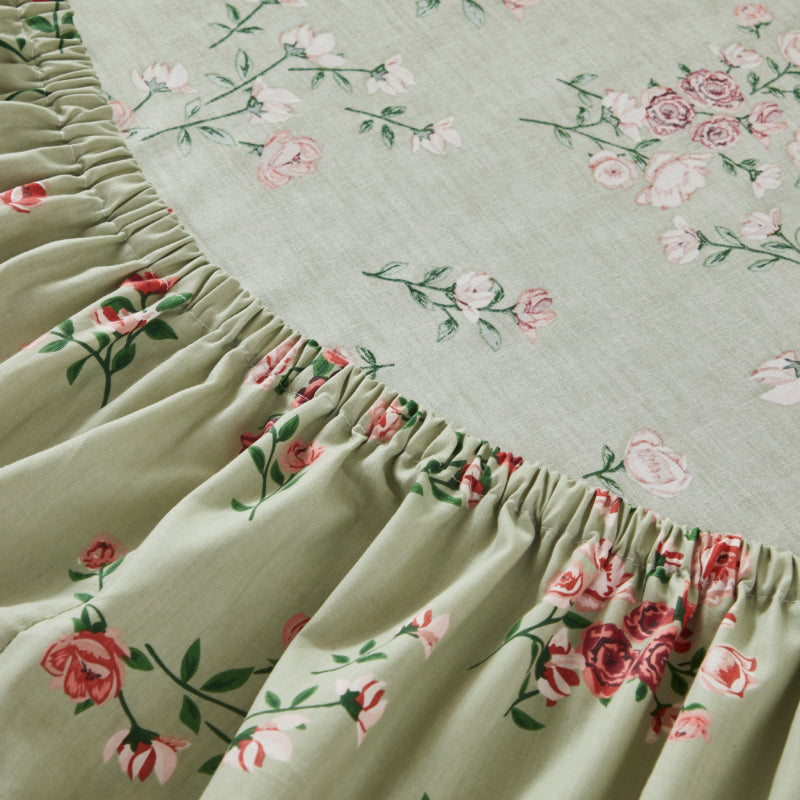
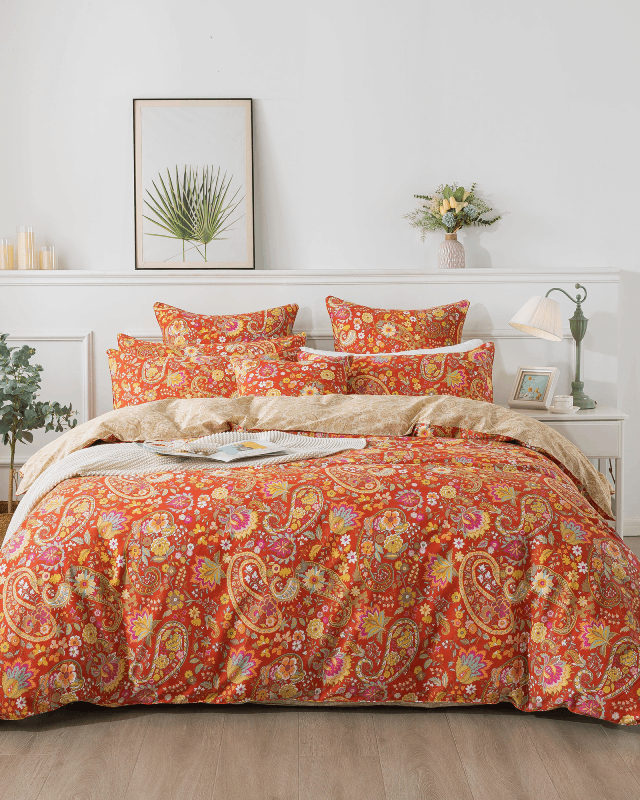
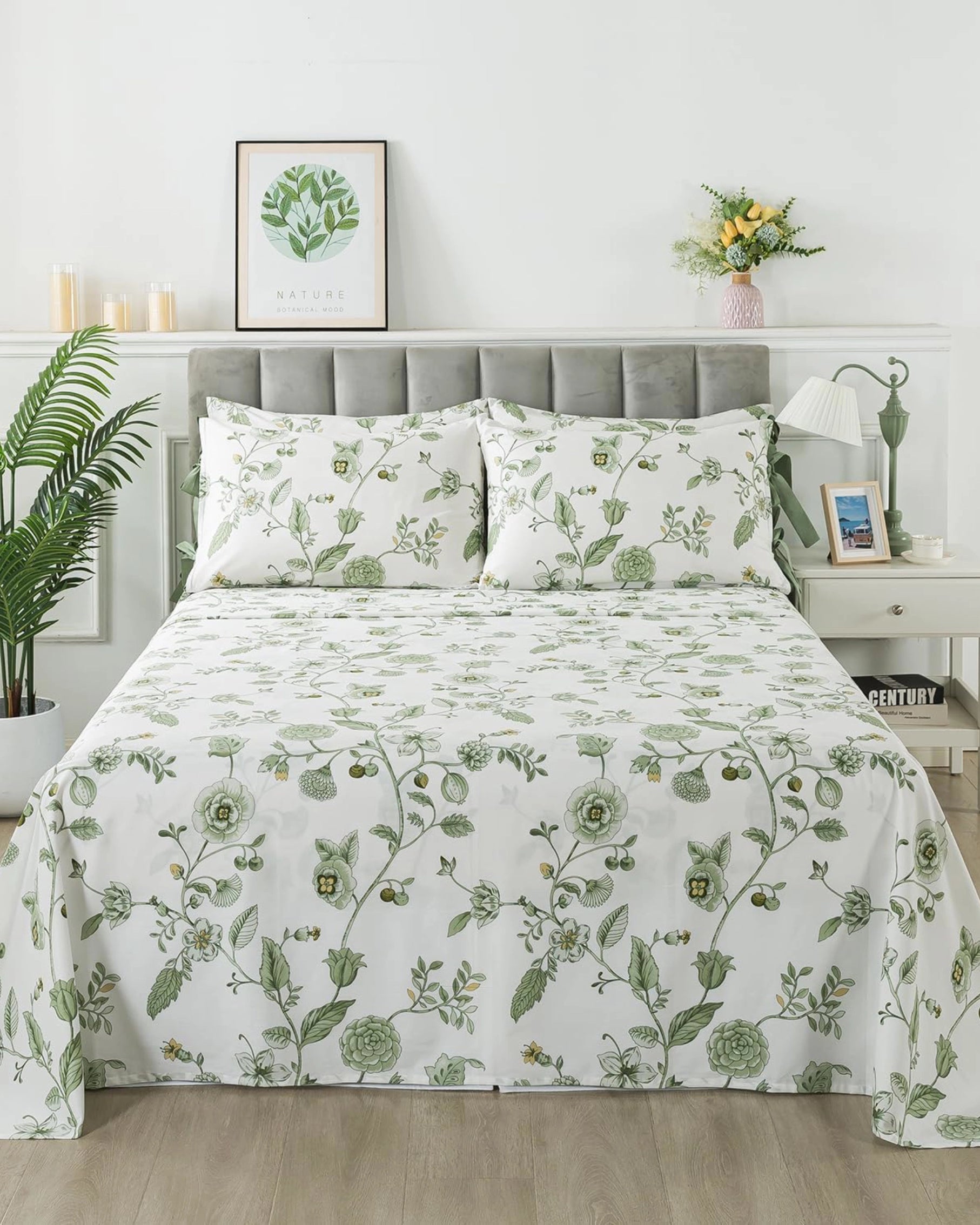


Scroll through social media or flip through a design magazine, and it can feel like every beautiful bedroom follows the same formula: perfectly layered pillows, wrinkle-free bedding, symmetrical nightstands, and flawless lighting. These spaces are visually stunning, but they often don’t reflect how real people actually live.
In everyday life, bedrooms are not showrooms. They are personal spaces where we rest, recharge, read, work, nap with pets, and spend quiet moments away from the outside world. That is why perfect styling matters far less than comfort, ease, and emotional warmth.
A bedroom should feel lived in — not staged.
Real Comfort Always Looks Slightly Imperfect
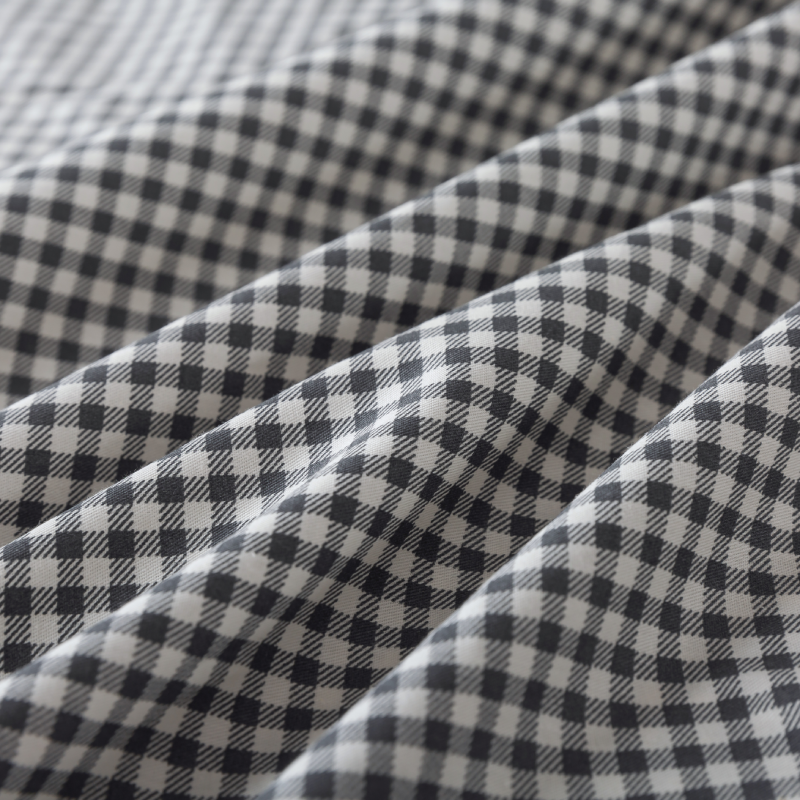
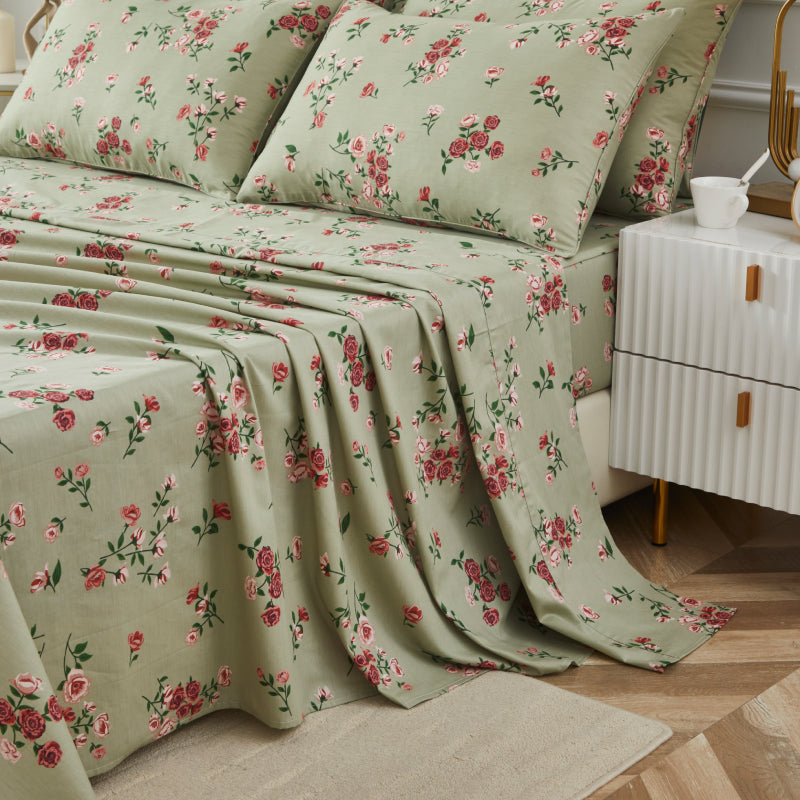
The soft folds in a cotton quilt, the relaxed texture of washed bedding, or a slightly uneven throw blanket often make a bedroom feel more inviting rather than less beautiful.
Perfectly styled rooms can sometimes feel distant or untouchable. In contrast, everyday bedrooms carry personality. They show signs of use, comfort, and routine. A casually folded blanket or gently wrinkled duvet can create a sense of calm that overly polished spaces often lack.
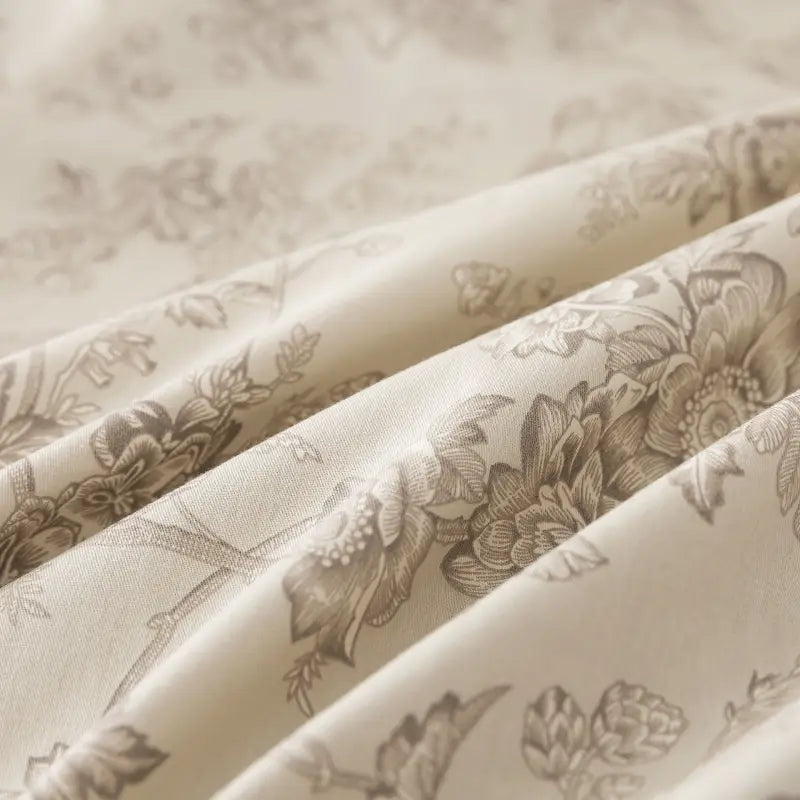
Natural materials especially embrace this relaxed beauty. Cotton bedding, double gauze fabrics, and soft quilted textures are designed to soften over time. They move naturally with daily life instead of holding a rigid showroom appearance.
The goal is not perfection.
The goal is ease.

A Bedroom Should Support Daily Life
Bedrooms are deeply functional spaces. They are where mornings begin and evenings slow down. Most people are not interested in spending thirty minutes arranging decorative pillows every day.
Practical comfort matters more:
- Breathable fabrics that stay comfortable through the night
- Bedding that becomes softer after washing
- Quilts that drape naturally instead of looking stiff
- Materials that feel good against the skin
- Designs that still look beautiful without constant adjustment
When a bedroom supports daily routines effortlessly, it becomes more valuable than any perfectly styled image online.
This is especially true in family homes or pet-friendly spaces. Real bedrooms include movement, texture, and activity. Pets jump onto beds. Children pull blankets loose. Pillows shift during sleep. These details are not flaws — they are signs that the room is genuinely being enjoyed.
Soft Styling Creates Emotional Warmth
Many of the most comforting bedrooms are not perfectly coordinated. Instead, they feel layered slowly over time.
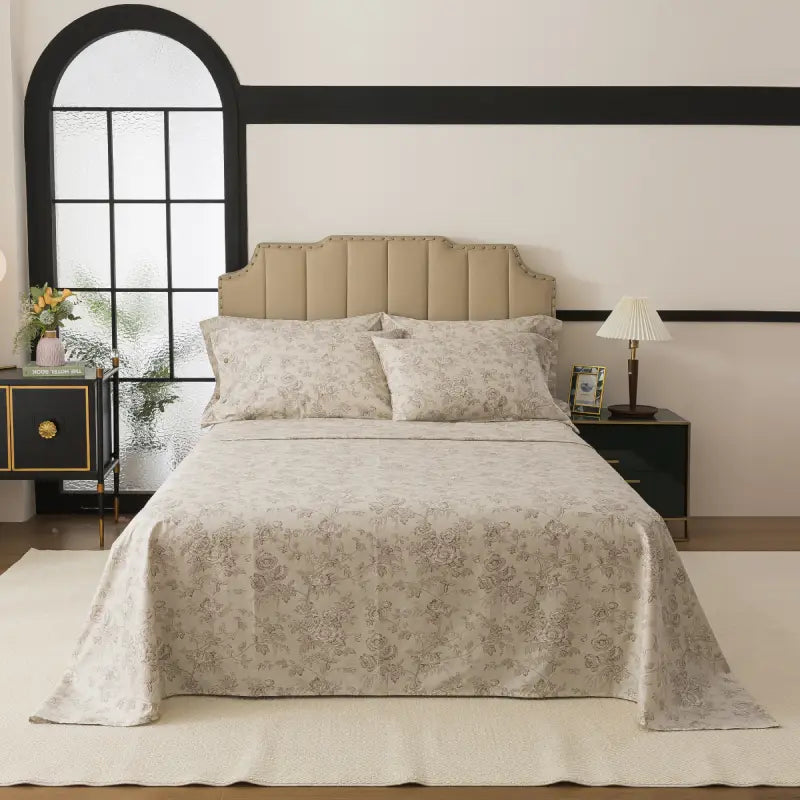
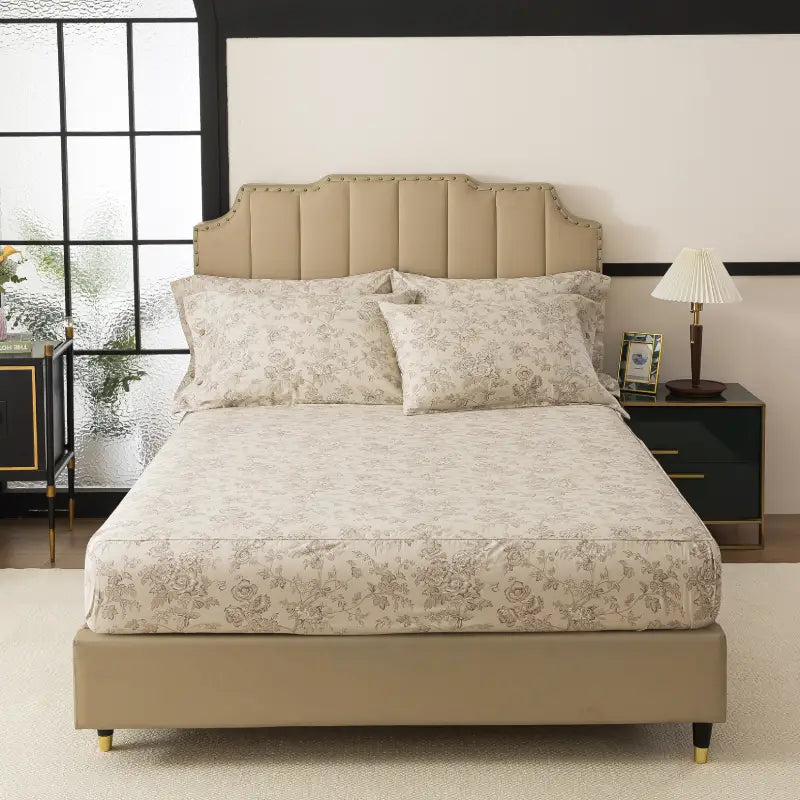
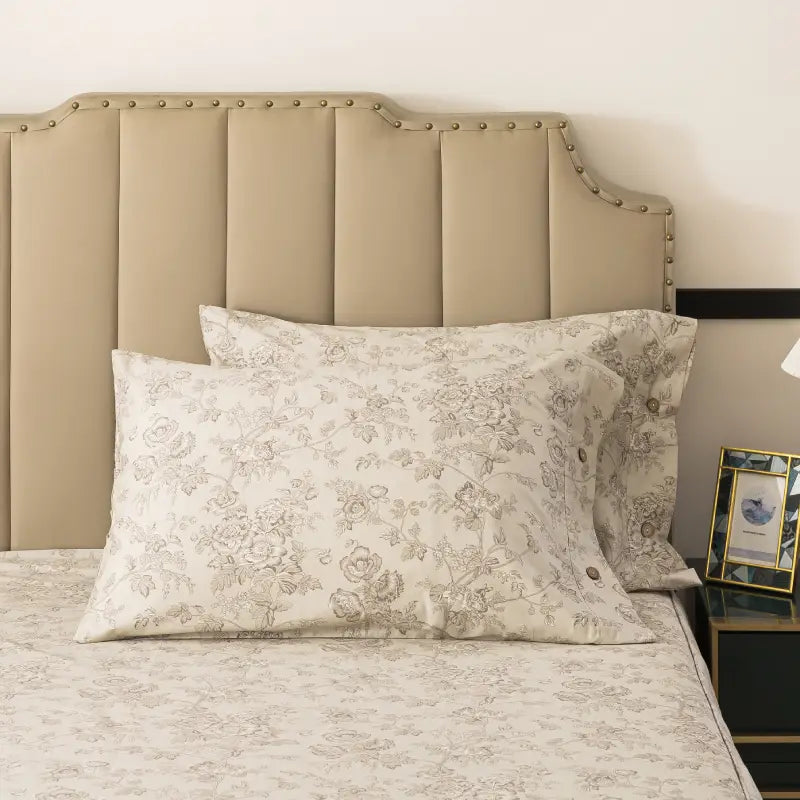
A floral quilt paired with relaxed linen curtains. A slightly faded reading chair near the window. Morning sunlight touching softly wrinkled cotton bedding. These small details create emotional warmth because they feel authentic.
Over-styled rooms can sometimes prioritize appearance over atmosphere. But everyday bedrooms succeed when they make people feel relaxed the moment they walk inside.
This softer approach to styling also removes pressure. You do not need a professionally designed space to create beauty. Even simple updates — fresh bedding, calming colors, natural textures, or subtle floral patterns — can completely change how a room feels.
The most welcoming bedrooms rarely look overly decorated.
They simply feel peaceful.
Imperfection Often Makes a Space More Beautiful
Interestingly, many modern interior trends are moving away from rigid perfection. Relaxed luxury, quiet interiors, and soft organic styling are becoming increasingly popular because people want homes that feel natural rather than overly curated.
This is why gently textured fabrics, washed cotton, and relaxed floral bedding continue to resonate with so many people. They create visual softness without demanding perfection.
A bedroom with natural texture and lived-in comfort often photographs beautifully precisely because it feels real. The relaxed drape of a quilt or the softness of layered cotton creates depth and warmth that perfectly ironed spaces sometimes lose.
Beauty does not disappear when a room feels lived in.
Often, it becomes stronger.
Everyday Bedrooms Should Feel Personal
Truly memorable bedrooms reflect the people who live in them. They are shaped by habits, routines, and personal comfort rather than strict design rules.
Some people love soft florals. Others prefer neutral tones. Some enjoy layered quilts and textured bedding, while others keep things minimal. None of these choices need to follow trends perfectly to feel beautiful.
The best bedrooms are not designed only for photographs.
They are designed for real mornings, quiet evenings, deep sleep, and everyday comfort.
And that is exactly why perfect styling does not matter nearly as much as people think.
A bedroom that feels calm, welcoming, and genuinely lived in will always feel more meaningful than one that simply looks perfect from a distance.