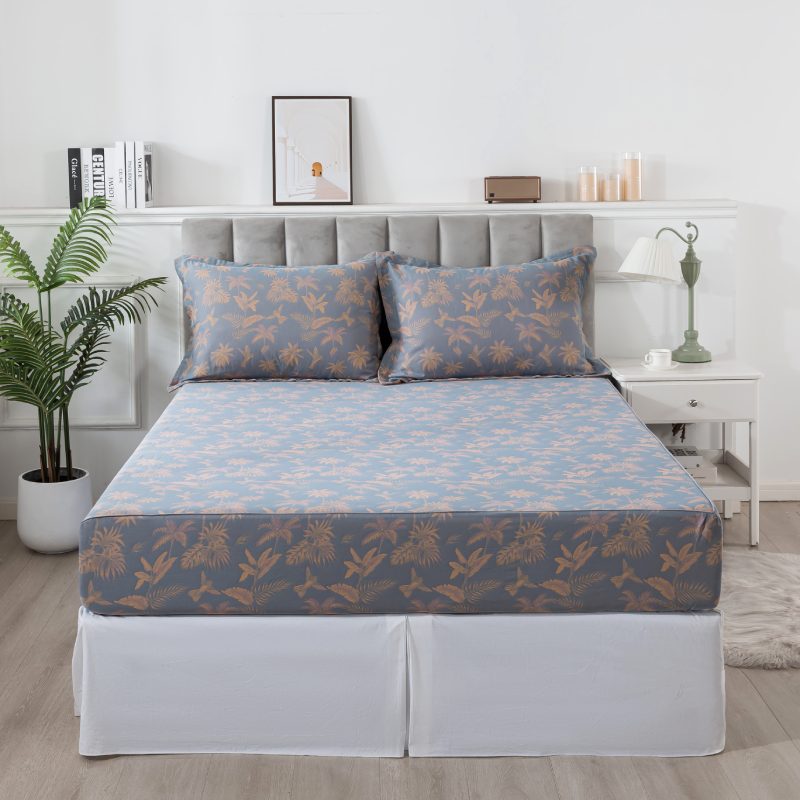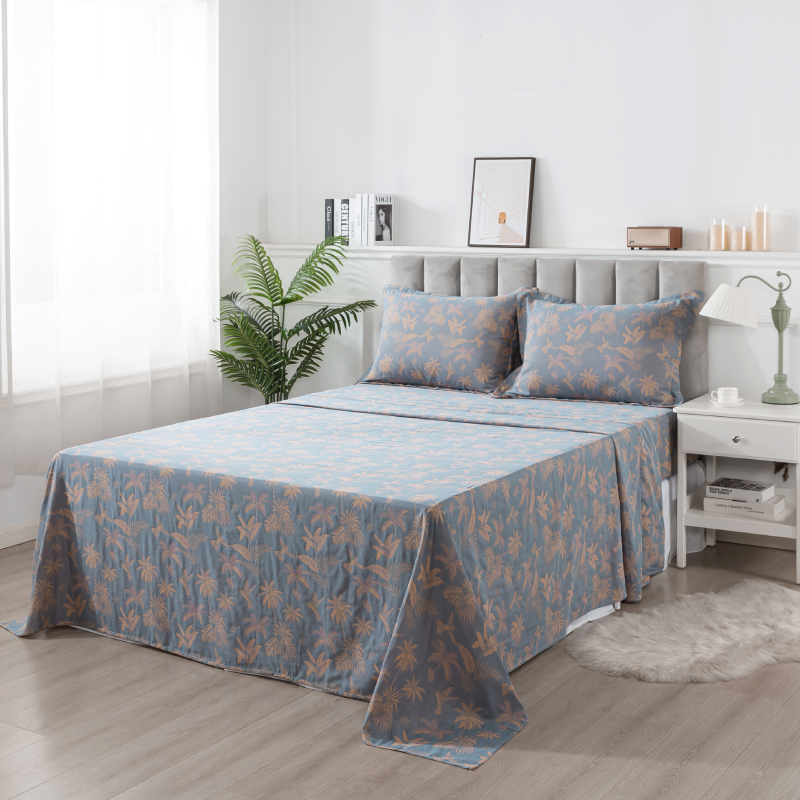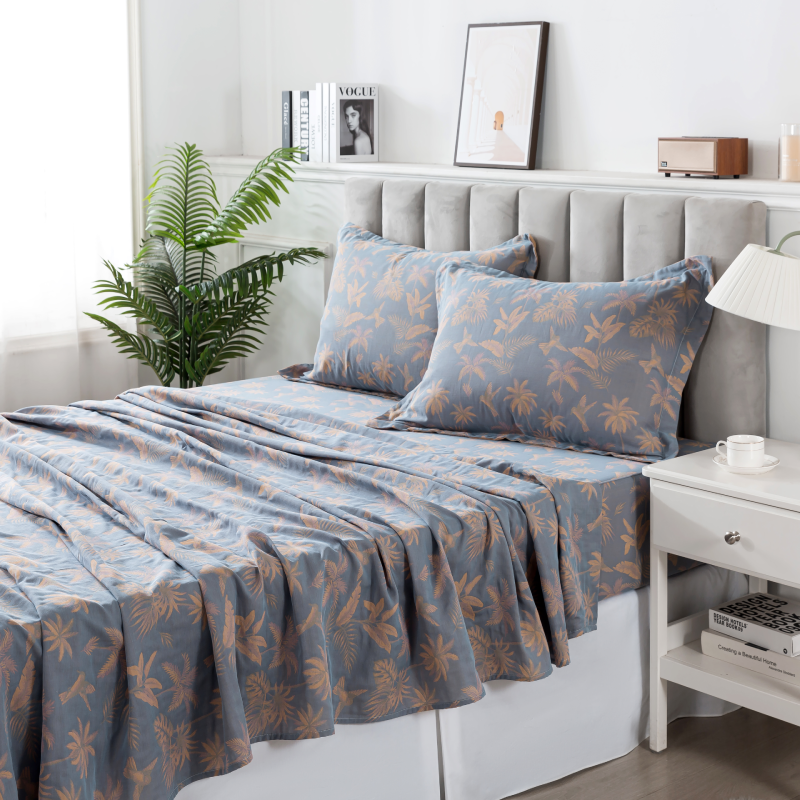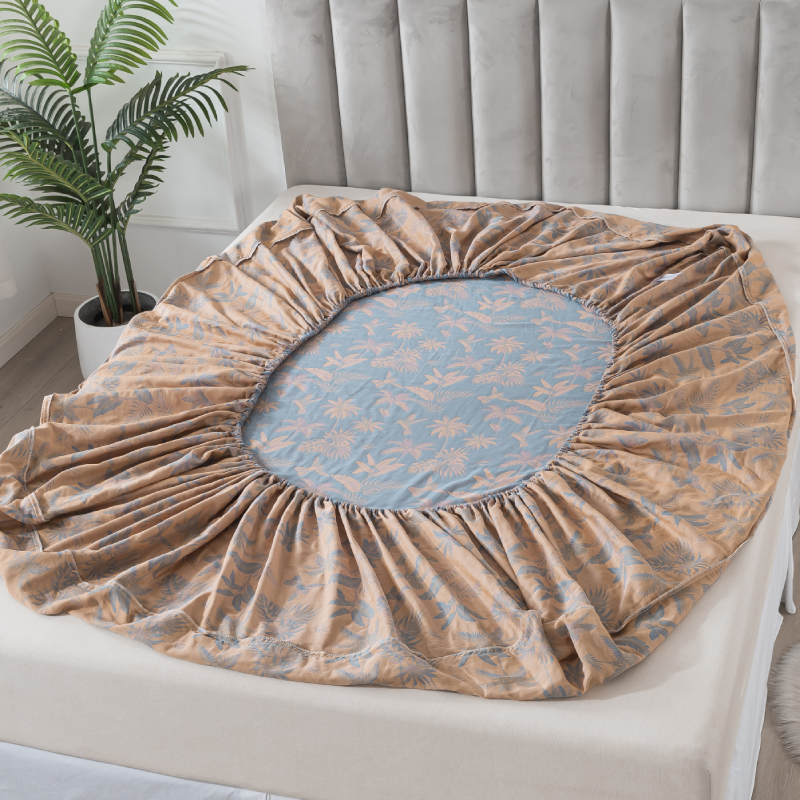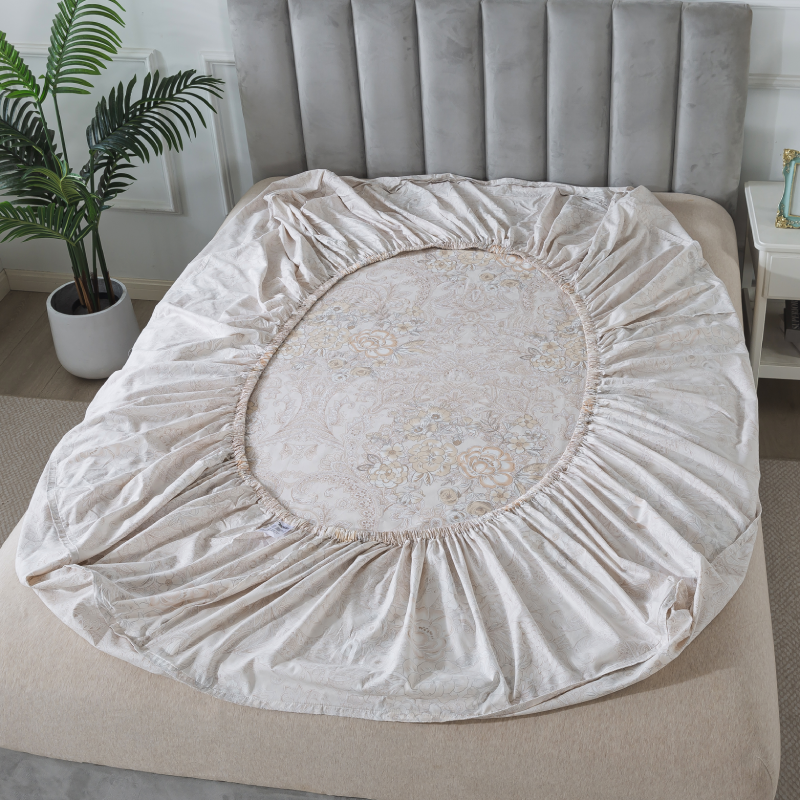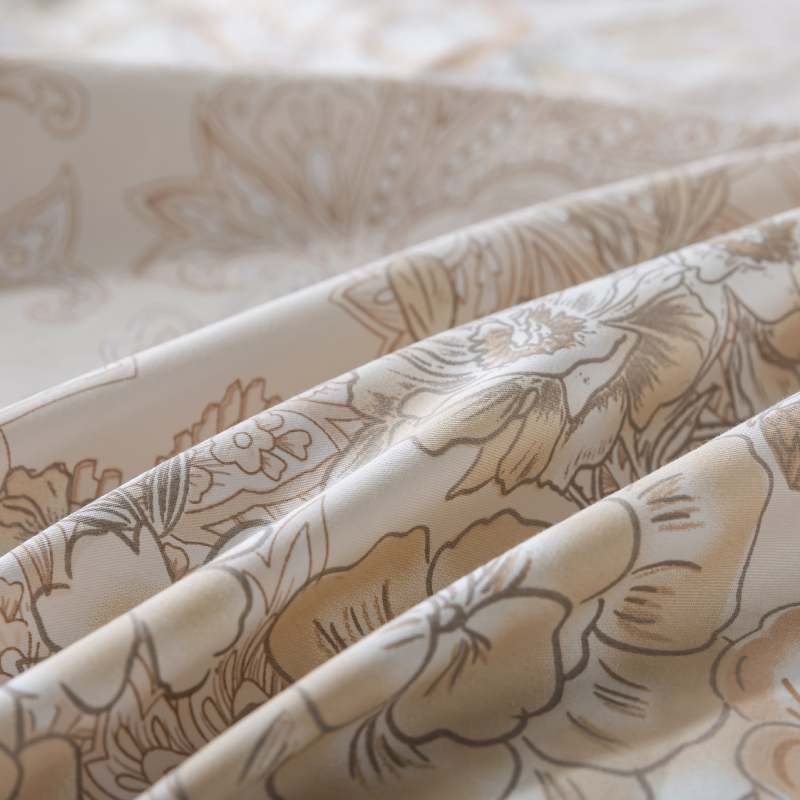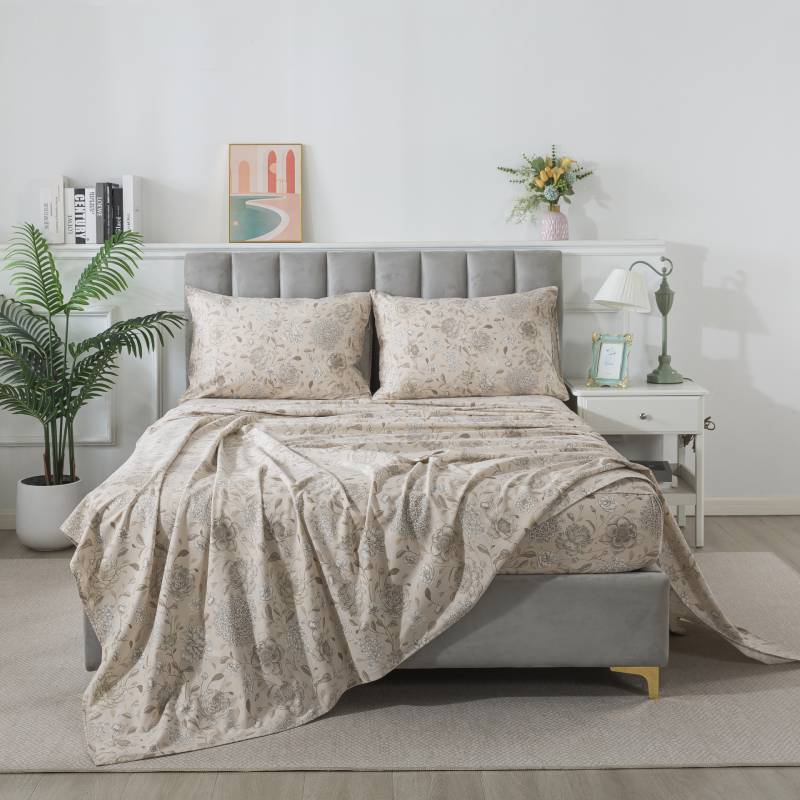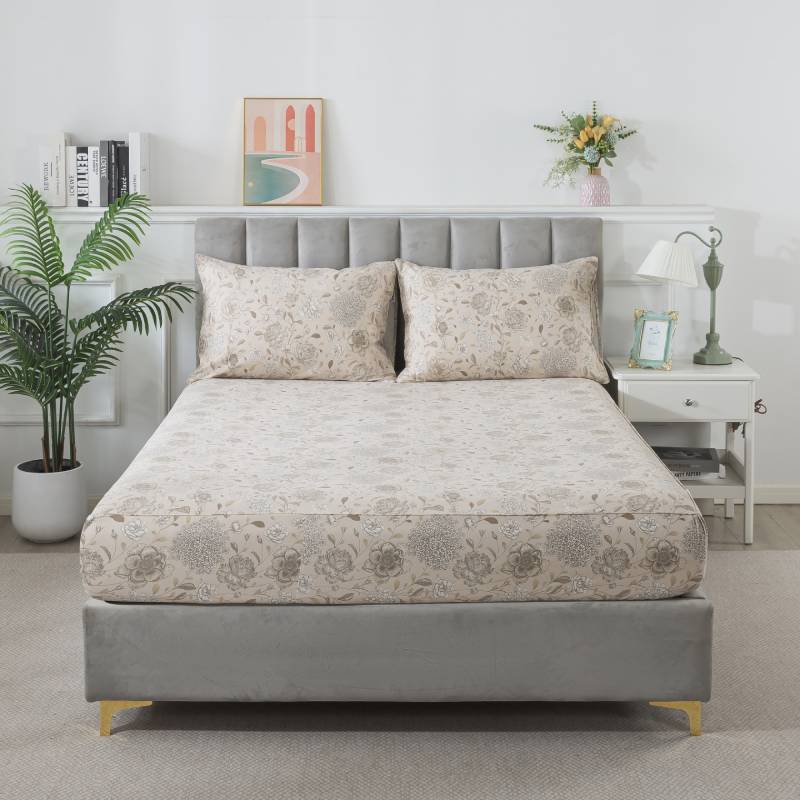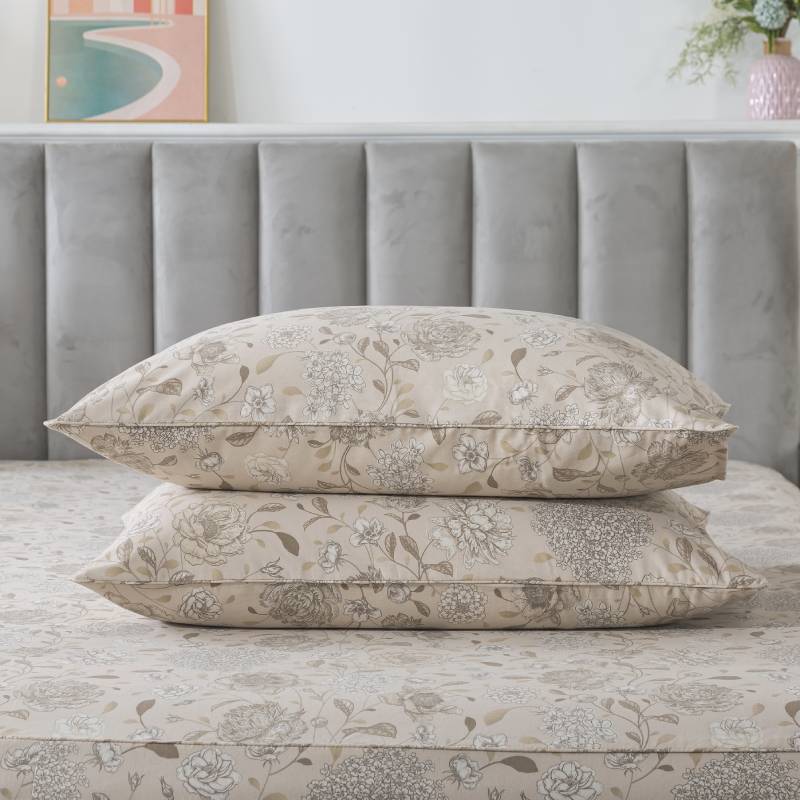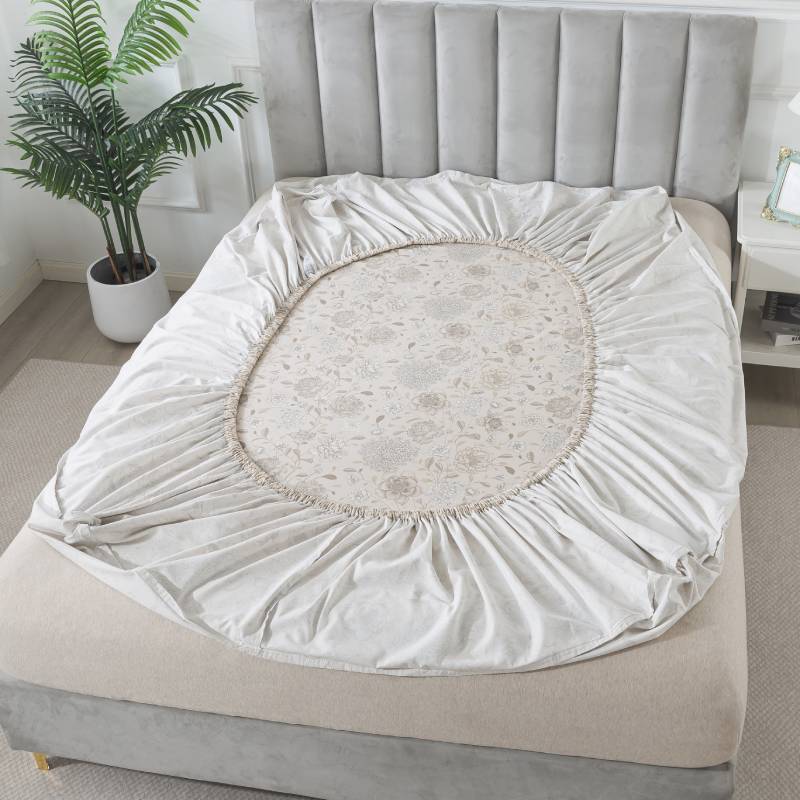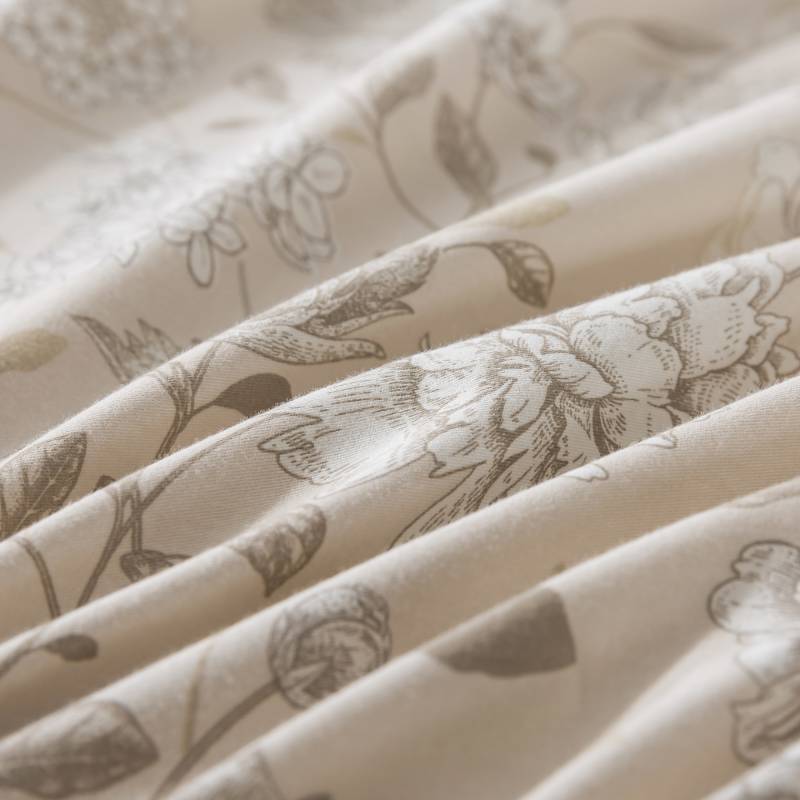
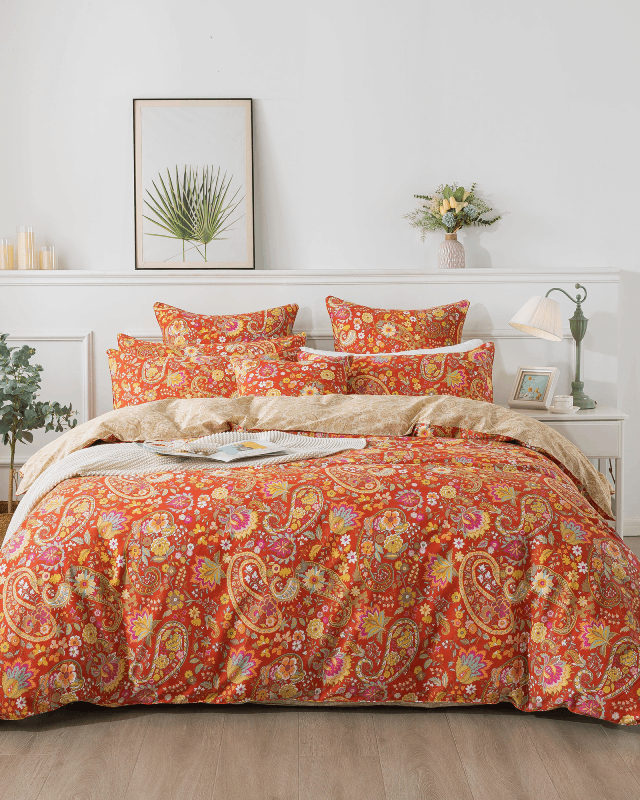
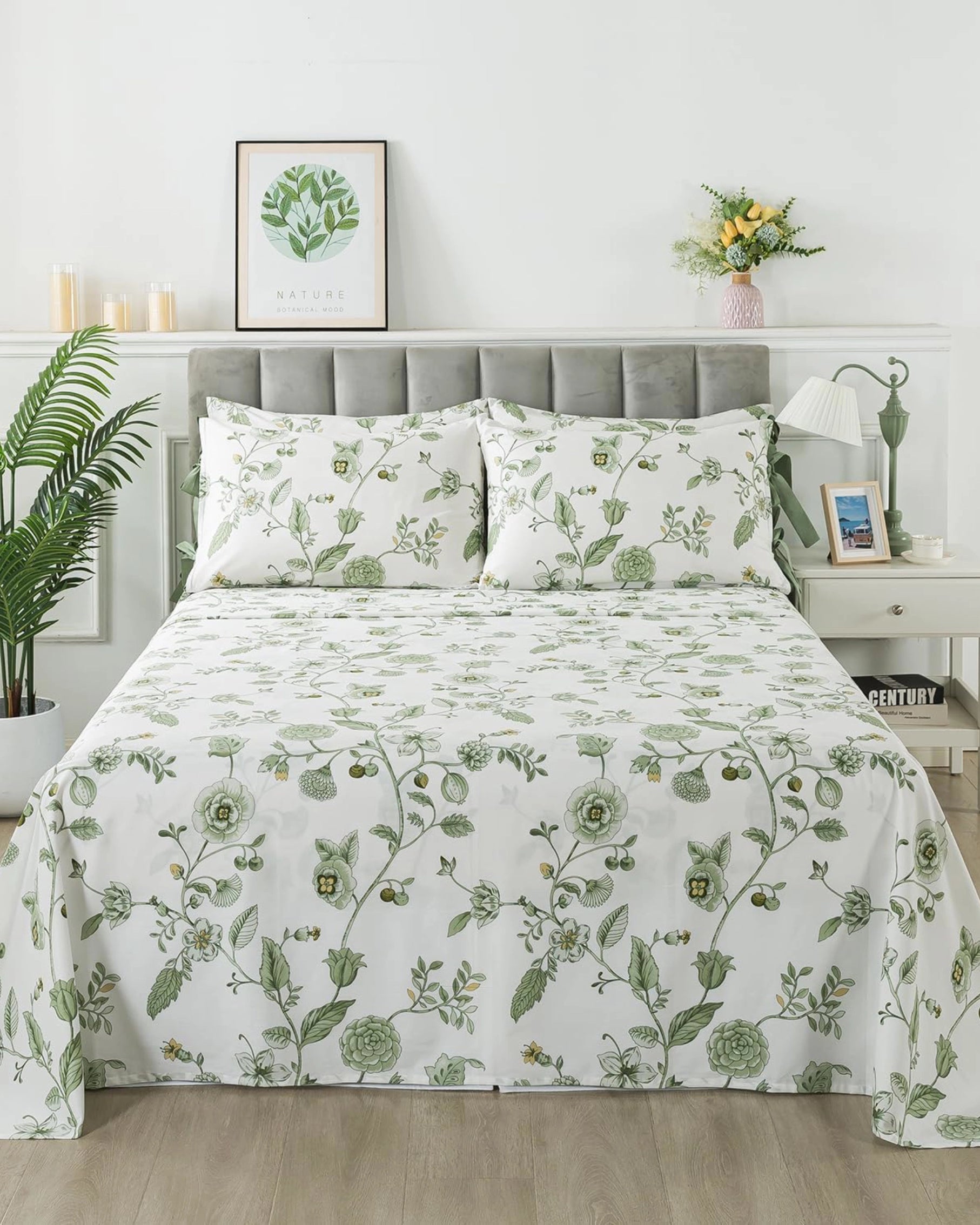


Floral patterns have a unique ability to make a home feel warm, lived-in, and emotionally grounding. Across cultures and generations, people consistently return to florals—not because they are trendy, but because they feel familiar. Whether subtly woven into textiles or boldly displayed on bedding, florals carry a quiet comfort that few other patterns can match.
This sense of comfort is not accidental. It is rooted in psychology, memory, and our deep connection to nature.
A Natural Connection We Instinctively Recognize
Humans have an innate relationship with nature. Long before modern interiors existed, natural environments shaped our sense of safety and belonging. Flowers, plants, and organic forms signaled life, growth, and balance.
Floral patterns echo these natural cues through:
• Organic curves instead of sharp lines
• Rhythmic repetition found in nature
• Color palettes drawn from landscapes and gardens
When we see florals at home, our minds instinctively register them as familiar and reassuring.
Florals and the Psychology of Comfort
Research in environmental psychology shows that natural imagery reduces stress and promotes relaxation. Floral patterns, even in abstracted or stylized forms, trigger similar responses.
They help:
• Lower visual tension
• Soften structured interiors
• Create emotional warmth
Unlike geometric patterns that can feel rigid or stimulating, florals feel gentle and accommodating—qualities especially valued in private spaces like bedrooms.
The Role of Memory and Nostalgia
For many people, florals are tied to personal memories. They may recall childhood bedrooms, grandparents’ homes, or family gatherings where floral textiles were present.
This nostalgia contributes to comfort by:
• Evoking feelings of safety and care
• Connecting present spaces to meaningful past experiences
• Creating continuity across life stages
Even contemporary floral designs often carry echoes of traditional motifs, reinforcing this emotional familiarity.
A Pattern That Transcends Trends
Unlike many design trends that rise and fade, floral patterns persist. They evolve in scale, color, and style, but their essence remains consistent.
Florals feel comforting because they are:
• Familiar across generations
• Adaptable to changing aesthetics
• Timeless rather than time-bound
This longevity builds trust. What has endured for centuries feels reliable in a fast-changing world.

Softness in Both Form and Feeling
Florals are visually soft. Their flowing shapes contrast with the straight lines and hard surfaces common in modern interiors.
This softness:
• Balances minimal or structured spaces
• Adds warmth without clutter
• Makes rooms feel more inviting
In bedding and textiles, floral patterns amplify this effect by pairing gentle visuals with physical comfort.
Color as Emotional Language
Floral designs often use harmonious, layered color palettes inspired by nature. These combinations feel intuitive rather than forced.
Common emotional responses include:
• Calm from muted greens and blues
• Warmth from soft pinks and earth tones
• Joy from gentle, sunlit hues
Because these colors exist naturally around us, they feel emotionally safe and familiar at home.
Florals as a Universal Design Language
Across cultures, florals appear in traditional clothing, art, and home textiles. While styles differ, the emotional message remains consistent.
Florals commonly symbolize:
• Growth and renewal
• Care and nurturing
• Beauty in everyday life
This universality reinforces their comfort—florals speak a language we all understand.
Why Florals Work Especially Well in Bedrooms
Bedrooms are emotional spaces. They are where we rest, recover, and begin each day. Floral patterns support these functions naturally.
They help bedrooms feel:
• Softer and more personal
• Less clinical or overly styled
• Emotionally supportive
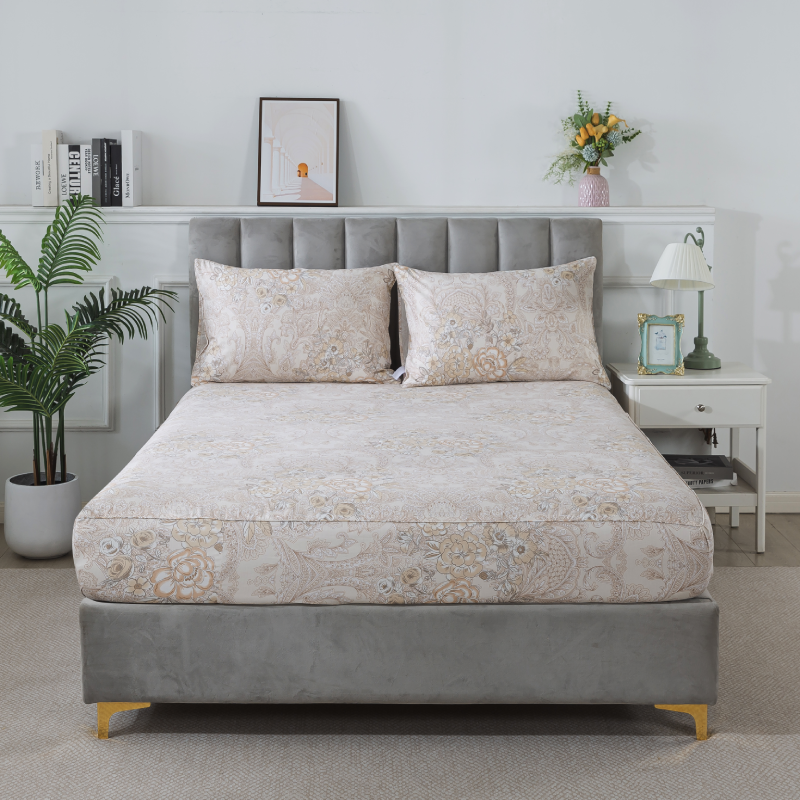
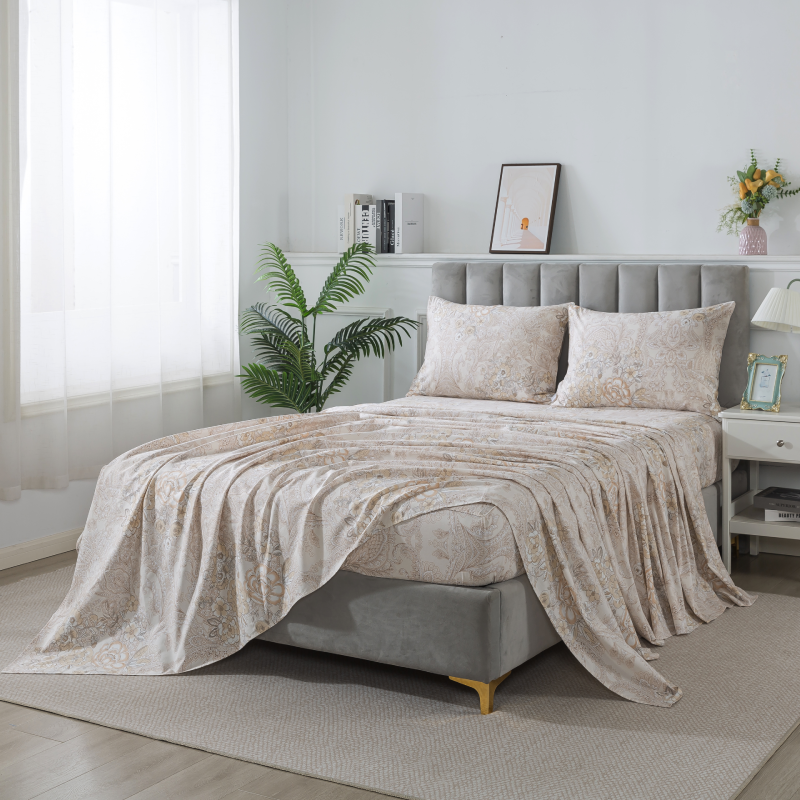
Floral bedding, in particular, turns the bed into a visual and emotional anchor—one that signals rest and familiarity.
Modern Florals: Familiar, Not Old-Fashioned
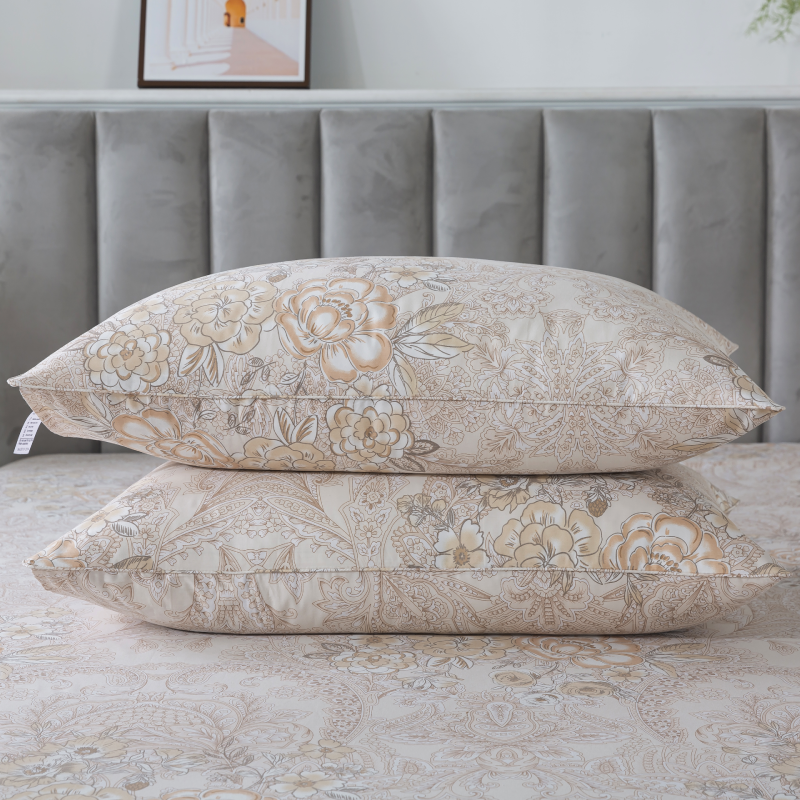
Today’s floral designs are often reimagined with lighter palettes, open spacing, and refined details. This allows them to feel fresh while retaining their comforting essence.
Modern florals:
• Blend easily with minimalist décor
• Feel calm rather than ornate
• Retain emotional warmth without heaviness
They offer comfort without feeling dated.
The Comfort of Repetition and Rhythm
Floral patterns repeat naturally, creating visual rhythm. This repetition is soothing—it mirrors patterns found in leaves, petals, and branches.
Our minds respond positively to this gentle predictability, which reinforces feelings of calm and order within the home.
Final Thoughts
Floral patterns feel familiar and comforting because they speak to something deeply human. They connect us to nature, memory, and emotional balance. In a home, they soften spaces, support well-being, and create environments that feel lived-in rather than staged.
Choosing florals is not just a design decision—it is an emotional one. Their comfort lies not in novelty, but in their enduring presence, reminding us that beauty can be gentle, familiar, and quietly reassuring.