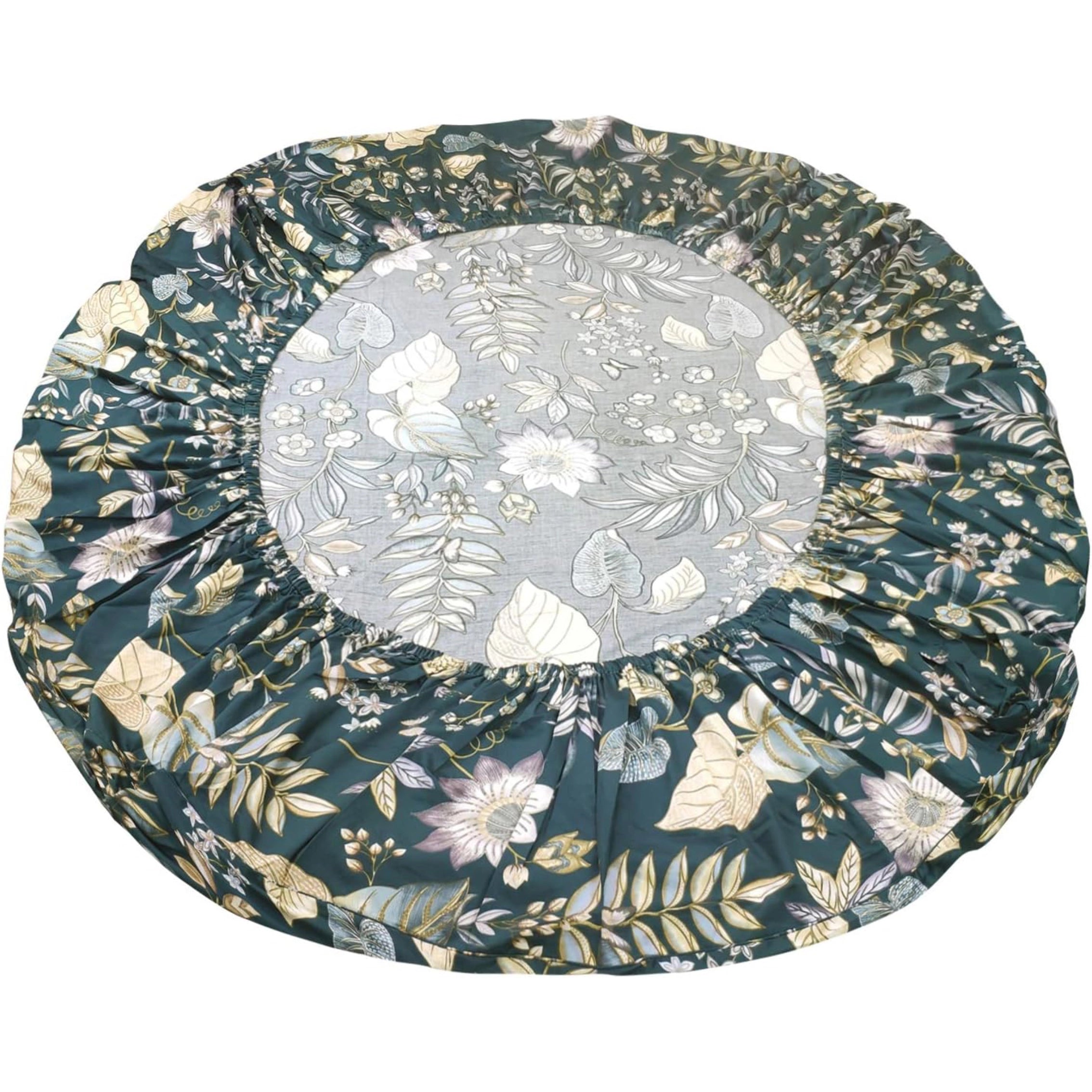




In today’s fast-paced world, sleep is often an afterthought for many. Whether you’re an early riser or a night owl, sleep is essential for both physical and mental health. But did you know that the quality of your sleep is not only influenced by your habits and lifestyle but also by something as simple as your bedding? The science behind sleep is fascinating, and understanding how your bedding affects your sleep quality can help you make informed decisions about improving your rest.
From choosing the right material to selecting the perfect mattress, pillow, and blankets, every aspect of your bedding plays a role in creating the perfect sleep environment. In this blog, we’ll dive deep into the science of sleep and explore how different bedding choices can enhance your sleep quality.
Why Quality Sleep Matters
Before diving into how bedding affects sleep, let’s first understand why quality sleep is so crucial.
The Benefits of Quality Sleep:
-
Physical Recovery: During deep sleep stages, your body repairs muscles, tissues, and organs, allowing for optimal recovery.
-
Mental Clarity: Sleep helps consolidate memories and enhances cognitive function, contributing to better decision-making and problem-solving skills.
-
Mood Regulation: A lack of sleep can lead to irritability, mood swings, and increased stress. Consistent, quality sleep helps regulate hormones that control emotions.
-
Immune System Boost: Sleep is crucial for a strong immune system, as your body produces infection-fighting proteins and antibodies while resting.
With all these benefits, it’s clear that good sleep is essential for a healthy body and mind. Now, let’s dive into how bedding plays a role in achieving restful, rejuvenating sleep.
The Role of Bedding in Sleep Quality
Your bedding serves as the foundation for your sleep experience. From the fabric of your sheets to the support your mattress provides, these elements work together to create the optimal sleep environment. Here are some key factors that can enhance or disrupt your sleep quality.
1. Mattress: The Foundation of Restful Sleep
Your mattress is the most important piece of bedding in determining how well you sleep. A high-quality mattress not only supports your body but also helps regulate temperature, which is key to comfortable sleep.
- Firmness and Support: The right mattress firmness depends on your sleeping position. Side sleepers generally benefit from a medium-soft mattress, while back and stomach sleepers may prefer firmer mattresses. A mattress that offers the right support ensures proper spinal alignment, reducing aches and pains.
- Temperature Regulation: Some mattresses come with cooling technology or materials such as memory foam, which can trap heat. If you tend to get hot at night, look for a mattress with breathable, temperature-regulating features to keep you cool.
2. Pillow: Supporting Your Neck and Spine
Your pillow is just as important as your mattress when it comes to sleep quality. A pillow that doesn’t provide proper support for your head and neck can lead to discomfort, poor sleep, and even chronic pain.
- Pillow Loft and Firmness: The loft (height) and firmness of your pillow should correspond with your sleeping position. For side sleepers, a thicker, firmer pillow is ideal to fill the gap between the head and the mattress. Back sleepers may prefer a medium-loft pillow, while stomach sleepers need a softer, thinner pillow to prevent neck strain.
- Material Choices: Pillows come in various materials, from memory foam to down feathers, each offering different benefits. Memory foam pillows mold to the shape of your neck and head, providing personalized support, while down pillows offer softness and comfort.
Internal Link: Explore our range of pillows for ultimate support.

3. Sheets: The Fabric That Cares for Your Skin
Your sheets come in direct contact with your skin for several hours each night. The fabric of your sheets can impact your comfort level and overall sleep quality.
- Breathability: Opt for natural, breathable fabrics such as cotton, linen, or bamboo. These fabrics allow air to circulate and prevent overheating. Cotton is a classic choice known for its softness and moisture-wicking properties, while linen is naturally breathable and perfect for hot sleepers.
- Thread Count: Thread count is often associated with the quality of sheets, but a higher thread count isn’t always better. A higher thread count means the fabric is denser, but it doesn’t necessarily mean it's softer. Look for a balanced thread count (around 300–500) that provides both comfort and durability.
Internal Link: Shop our luxury sheets made from breathable fabrics.
4. Blankets and Duvets: Temperature Control for a Comfortable Sleep
Your blanket or duvet plays a significant role in regulating body temperature throughout the night. Keeping your body at a comfortable temperature ensures you won’t wake up due to feeling too hot or too cold.
- Insulation: Choose blankets and duvets with natural insulation properties like down feathers, which help keep you warm without overheating. If you tend to sleep hot, opt for lightweight, breathable materials like cotton or a lighter duvet fill.
- Weight and Feel: Some people find that heavier blankets, such as weighted blankets, help them feel more secure and relaxed, leading to better sleep. These blankets can reduce anxiety and help individuals with insomnia feel more grounded.
Internal Link: Browse our selection of cozy blankets and duvets designed for optimal comfort.

5. Mattress Protector: Hygiene and Long-Lasting Comfort
While often overlooked, a mattress protector is a simple yet effective way to ensure the longevity of your mattress and maintain a clean, hygienic sleep environment.
- Dust Mite Protection: Mattress protectors prevent the buildup of dust mites and allergens, which can irritate your skin and disrupt your sleep. They’re particularly useful for those with allergies or asthma.
- Temperature Control: Some protectors are designed to regulate temperature, ensuring your mattress stays cool in summer and warm in winter.
Creating the Ultimate Sleep Environment
Bedding plays a significant role in creating a restful and comfortable sleep environment, but it’s not the only factor to consider. Here are a few additional tips to help optimize your sleep:
- Create a Sleep-Inducing Ambiance: Dim the lights, play calming music, or use aromatherapy to set the mood for sleep. Lavender, chamomile, and sandalwood are known for their relaxing properties.
- Establish a Sleep Schedule: Going to bed and waking up at the same time every day helps regulate your body’s internal clock and improves sleep quality over time.
- Limit Screen Time Before Bed: The blue light emitted from screens can interfere with melatonin production, making it harder to fall asleep. Try to avoid screens at least 30–60 minutes before bedtime.
Conclusion: Invest in Your Sleep
Your bedding is a critical component of achieving restful, rejuvenating sleep. By selecting the right mattress, pillow, sheets, and blankets, you can create the ideal environment for your body to relax, recover, and thrive. Quality sleep impacts every aspect of your health, from physical recovery to mental clarity, mood regulation, and overall well-being. So, don’t underestimate the importance of investing in high-quality bedding that aligns with your sleep needs.
Whether you’re upgrading your existing bedding or starting fresh, take the time to select the perfect pieces that will support you through a peaceful, uninterrupted night’s sleep.
Internal Link: Browse our complete bedding collection for better sleep.