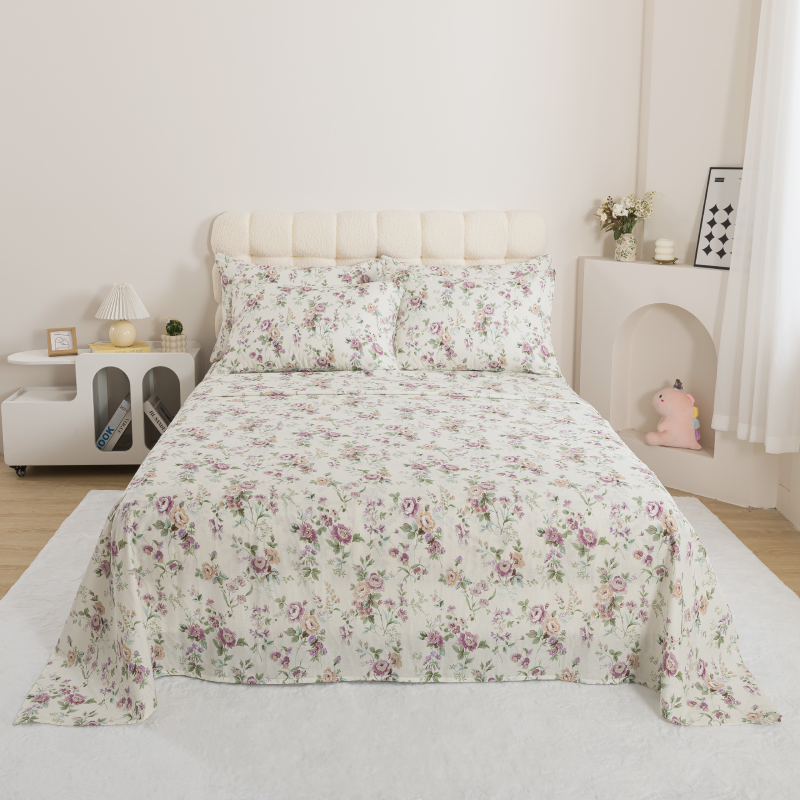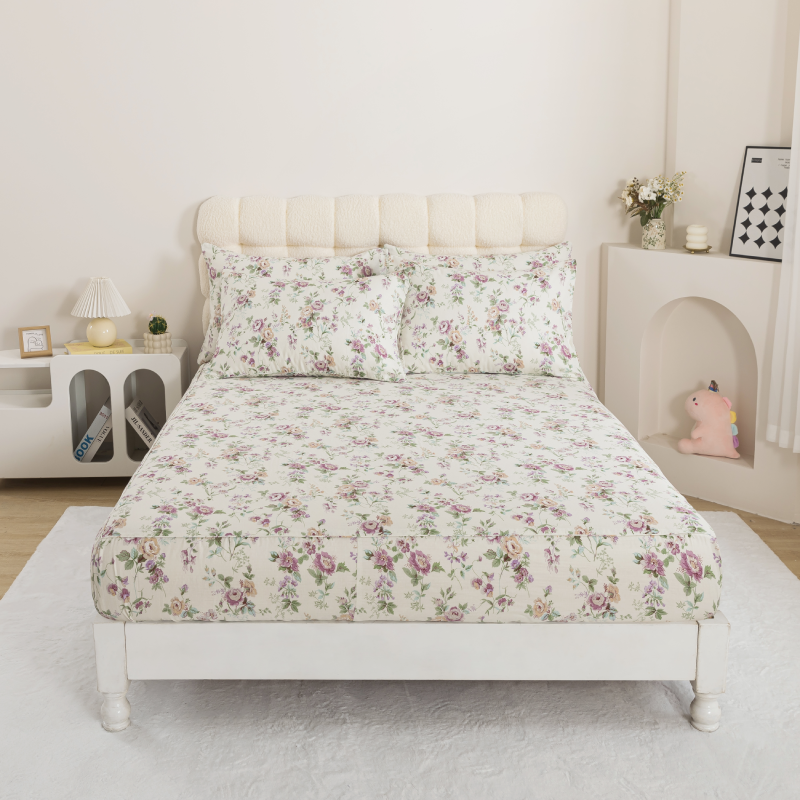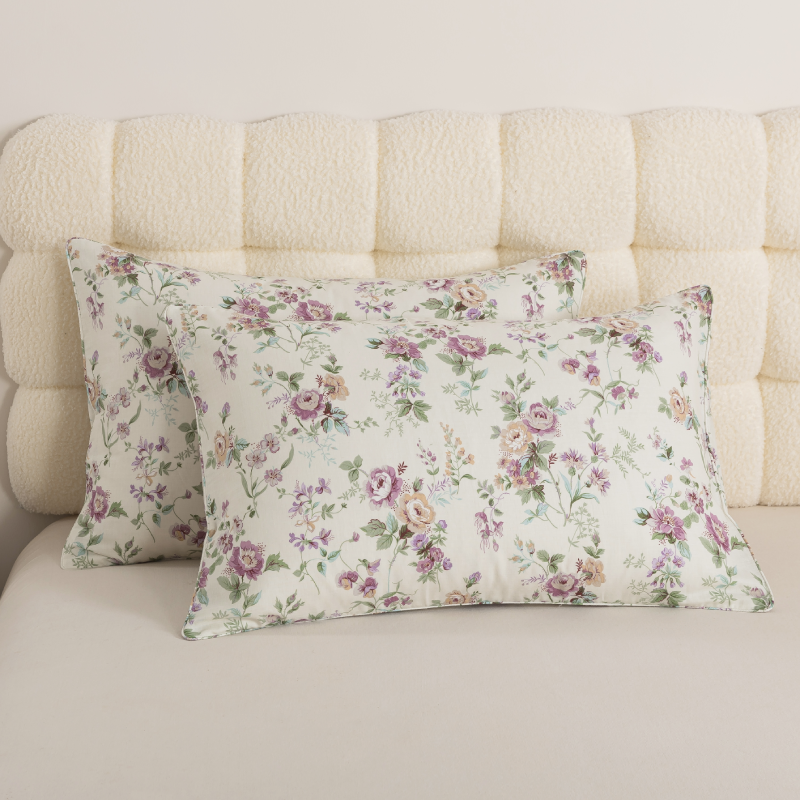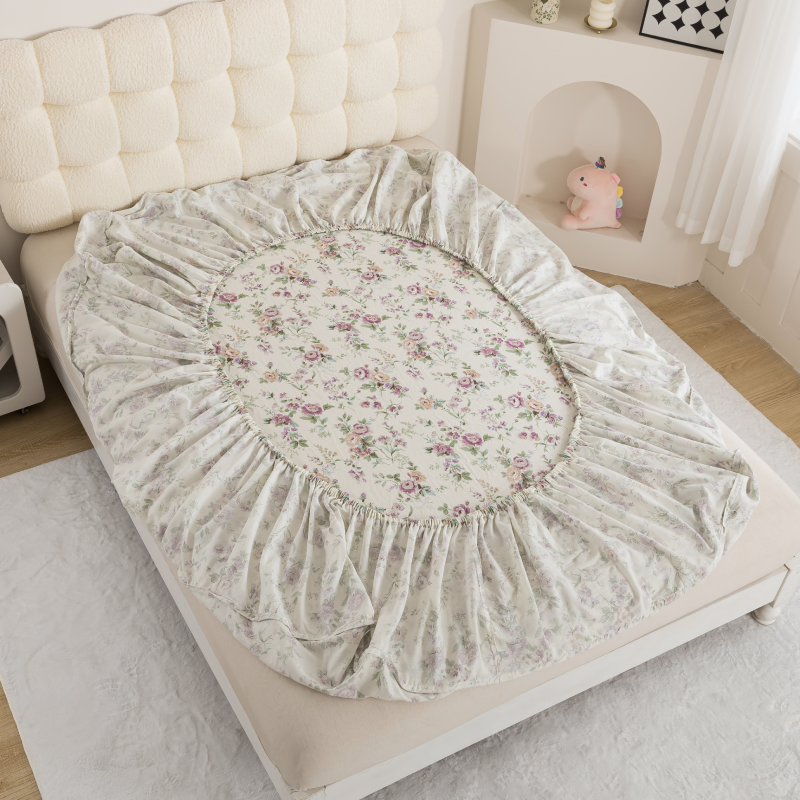
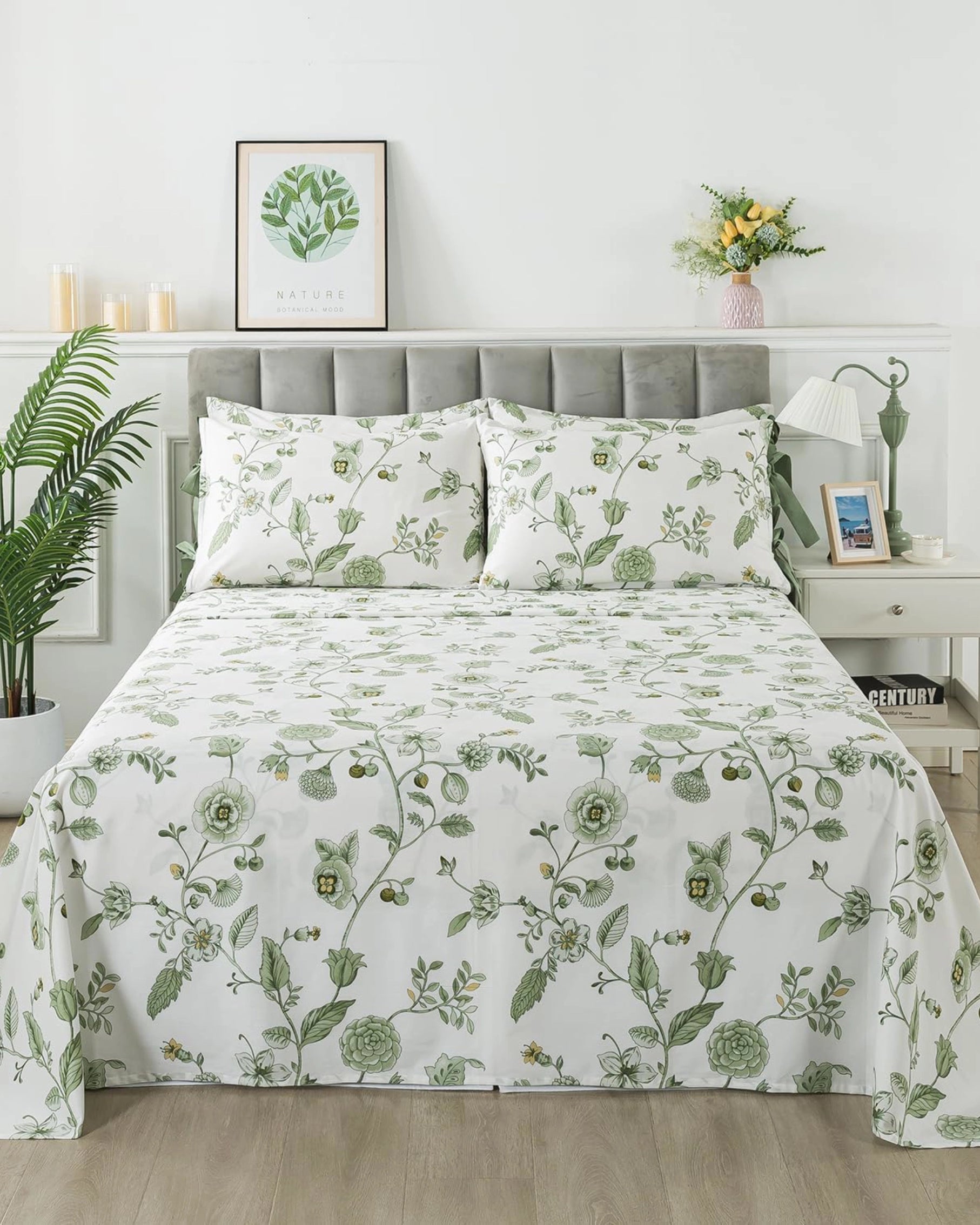


A bedroom does not only change with furniture, bedding, or wall color. It also changes with light. During the day, natural sunlight shows every color clearly and directly. But in the evening, when the main lights are turned off and a small lamp begins to glow, the entire mood of the room becomes softer, warmer, and more personal.
Evening lamp light plays an important role in how bedroom colors are seen and felt. It can make a room feel calm, romantic, cozy, vintage, elegant, or even restful. The same bedding, curtains, and décor may look completely different under soft evening light than they do in bright daylight.
Why Evening Light Feels Different
Daylight is usually clear and balanced. It helps us see patterns, textures, and colors in a more accurate way. Evening lamp light, however, is often warmer and softer. Instead of showing every detail sharply, it creates a gentle atmosphere.
This is why a bedroom can feel more peaceful at night. Shadows become softer. Floral prints feel more delicate. Cotton bedding looks warmer and more inviting. A small bedside lamp can turn an ordinary bedroom into a private retreat.
Warm lamp light often adds a golden or amber tone to the room. This can make cream, beige, pink, sage green, lavender, and soft blue colors feel more romantic and relaxed. For bedrooms with floral bedding, this kind of lighting can make the pattern feel less busy and more atmospheric.

How Lamp Light Changes Bedding Colors
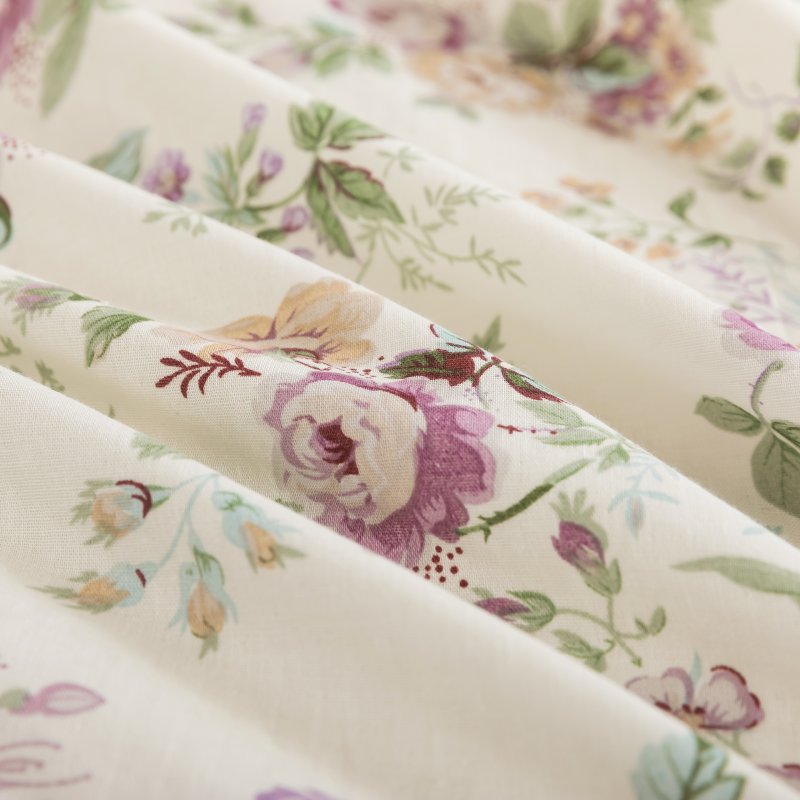
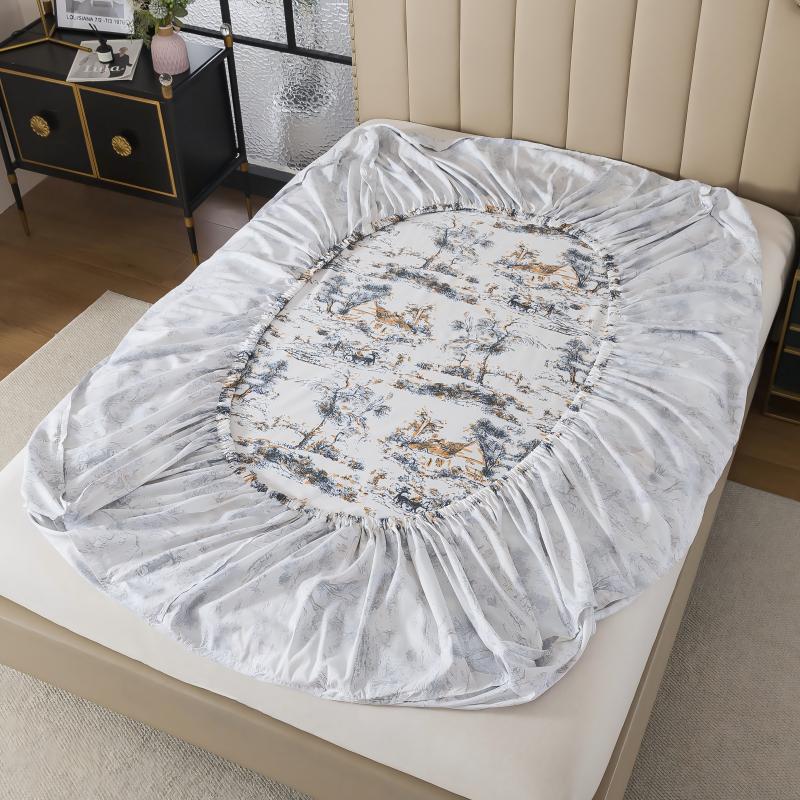
Bedding is usually one of the largest color areas in a bedroom, so it reacts strongly to lighting. A white duvet cover may look crisp during the day, but under evening lamp light, it may appear creamy and soft. A pink floral sheet set may look sweet in daylight, then become warmer and more vintage at night.
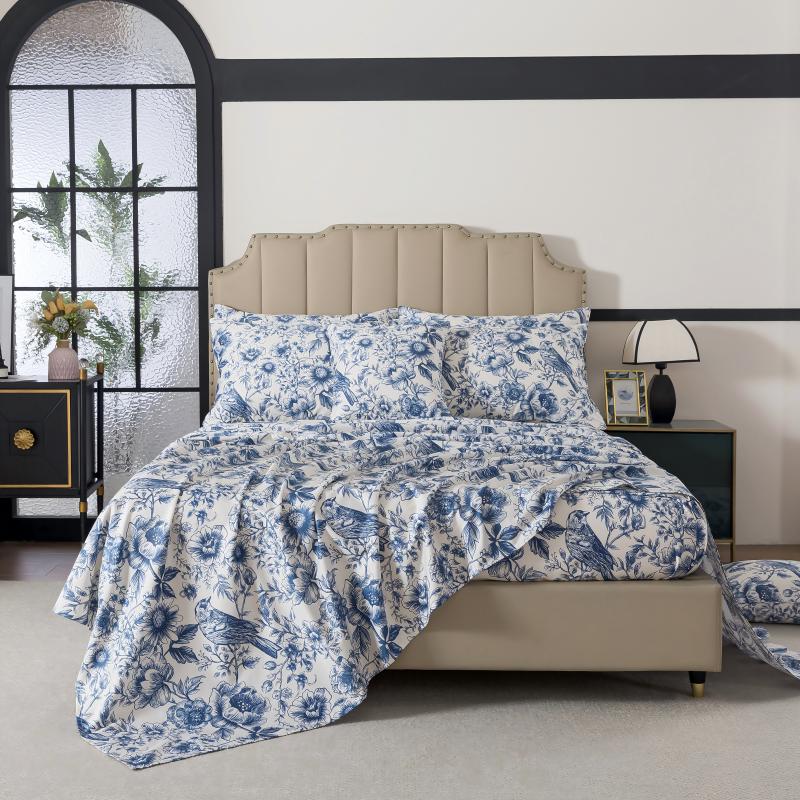
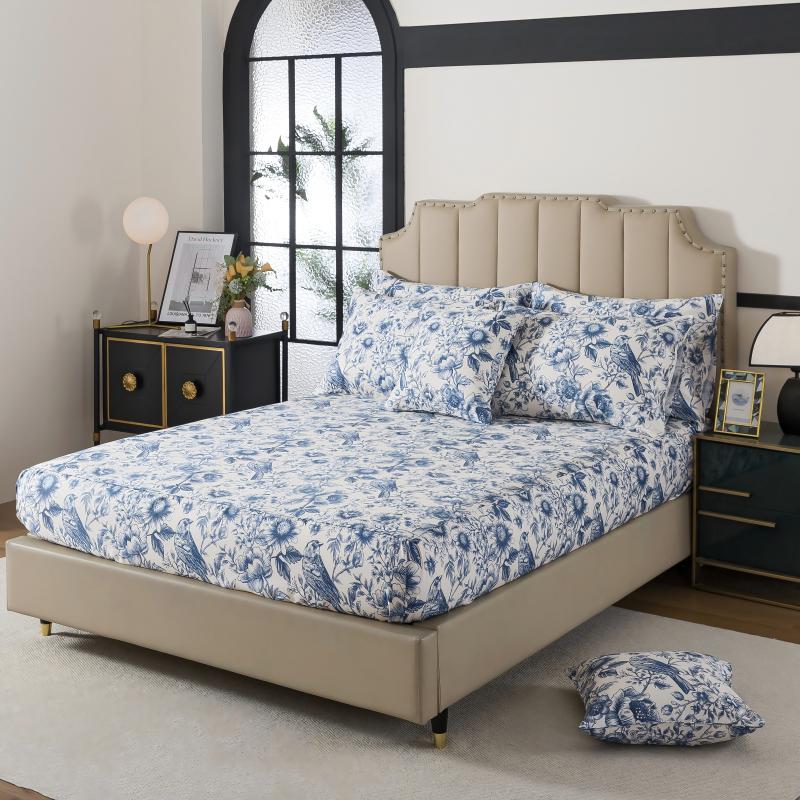
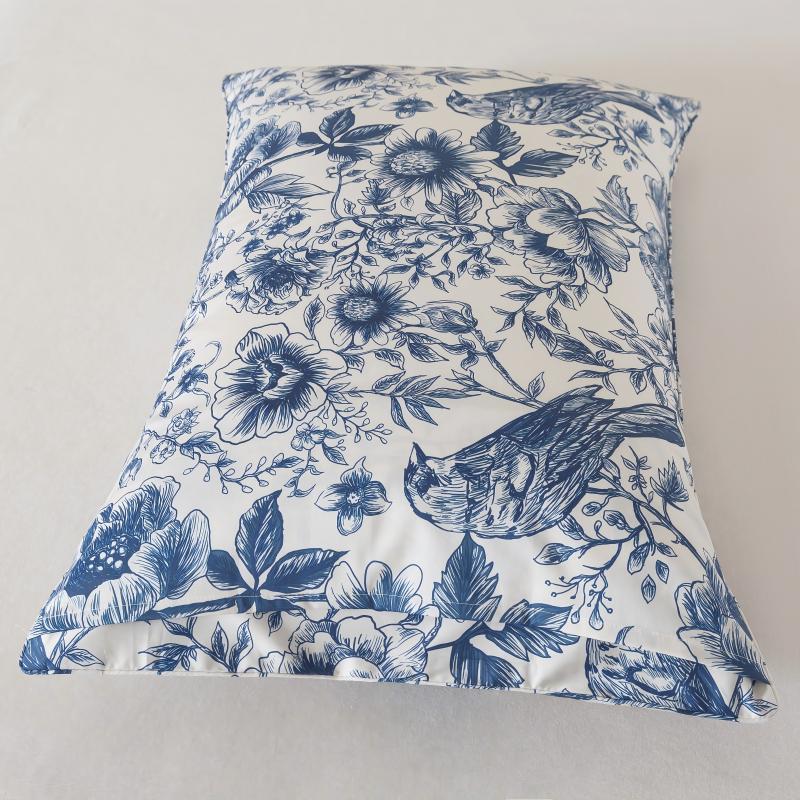
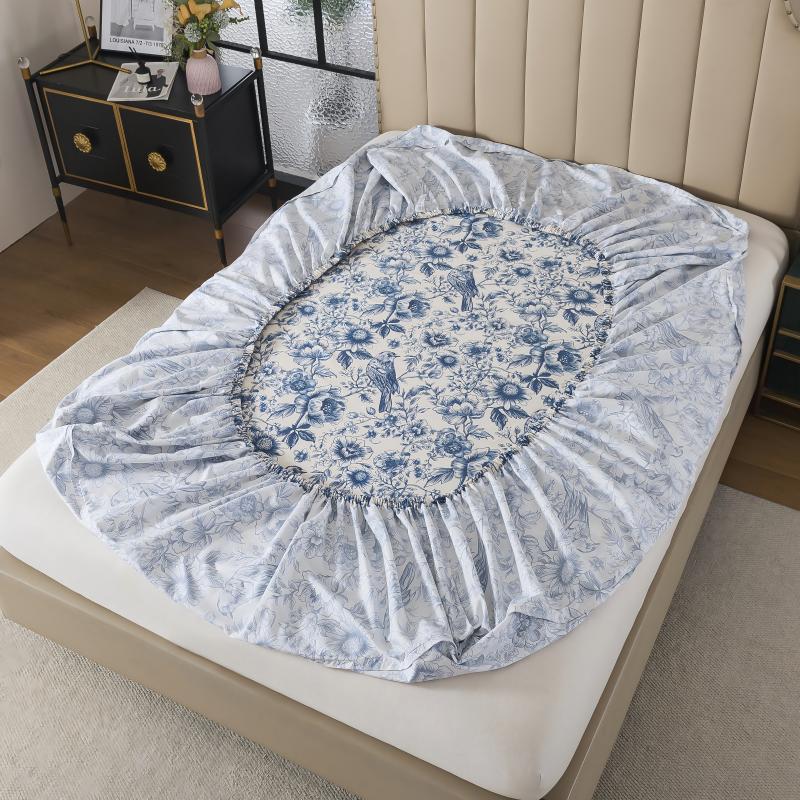
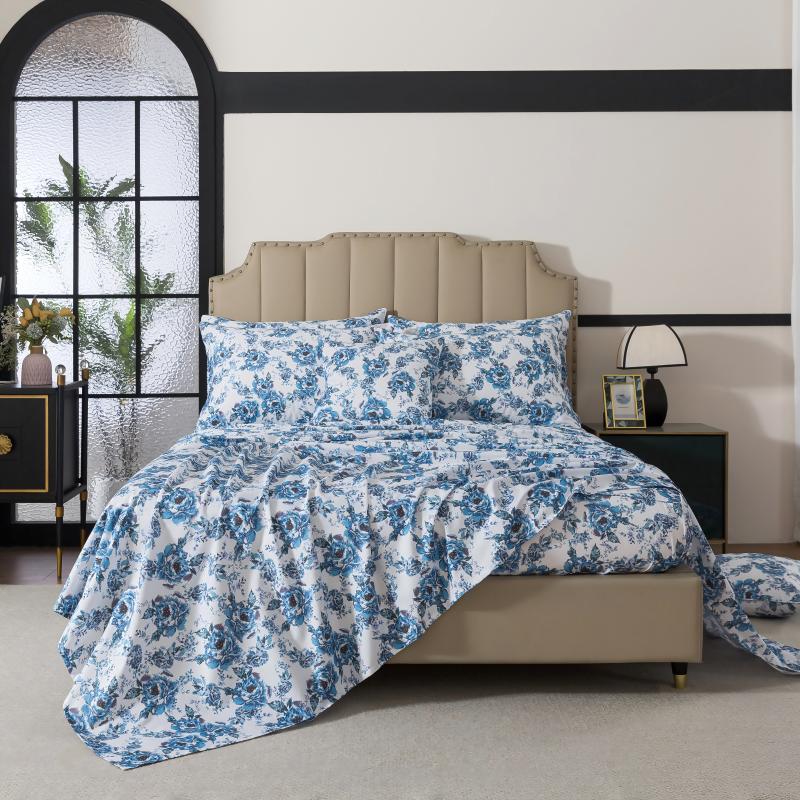
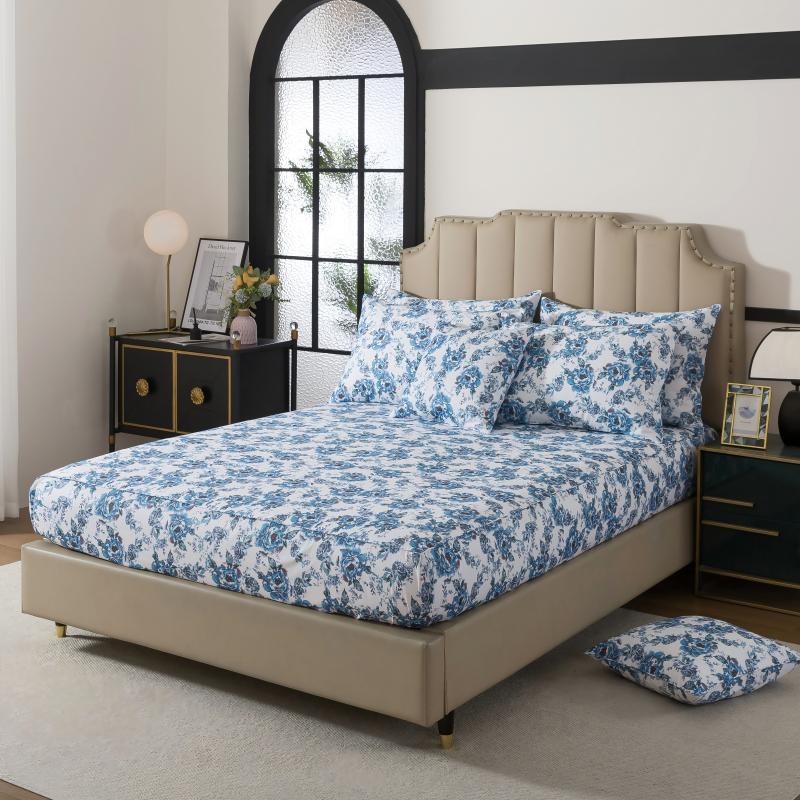
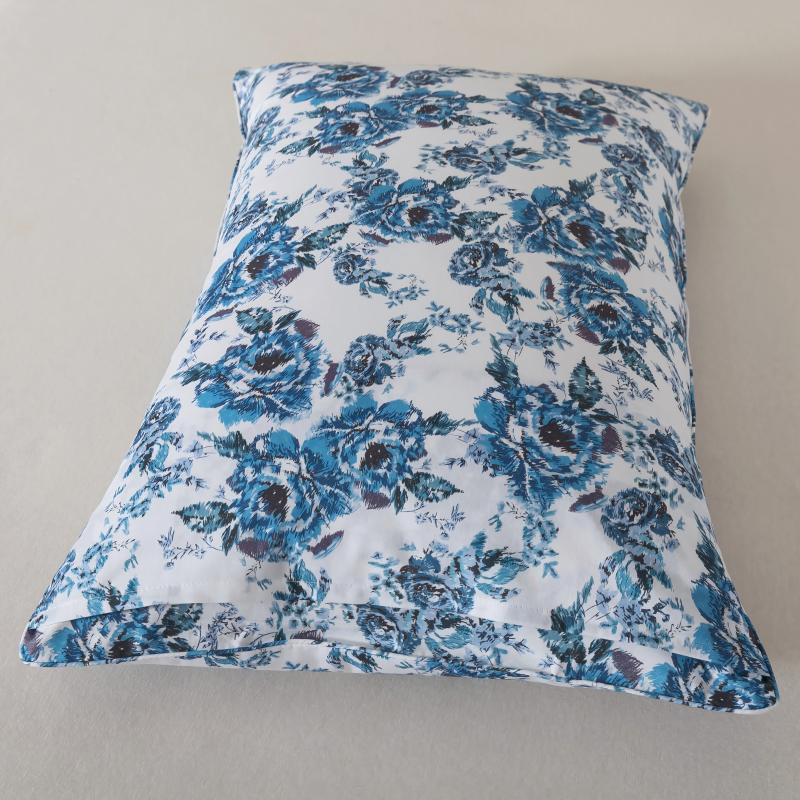
Blue bedding can also shift in mood. In bright daylight, blue may feel fresh and clean. Under warm lamp light, it may become softer, quieter, and more muted. Green bedding can feel more natural and earthy, while purple or lavender tones may become more romantic and dreamy.
This color shift is not a problem. In fact, it is part of what makes a bedroom feel alive. A well-designed room should not look flat at every hour. It should have different moods from morning to evening.
Creating a Softer Bedroom Mood
If you want a calm evening bedroom, avoid relying only on bright ceiling lights. Overhead lighting can feel too strong before sleep. A bedside lamp, floor lamp, or small table lamp is usually better for creating a relaxing mood.
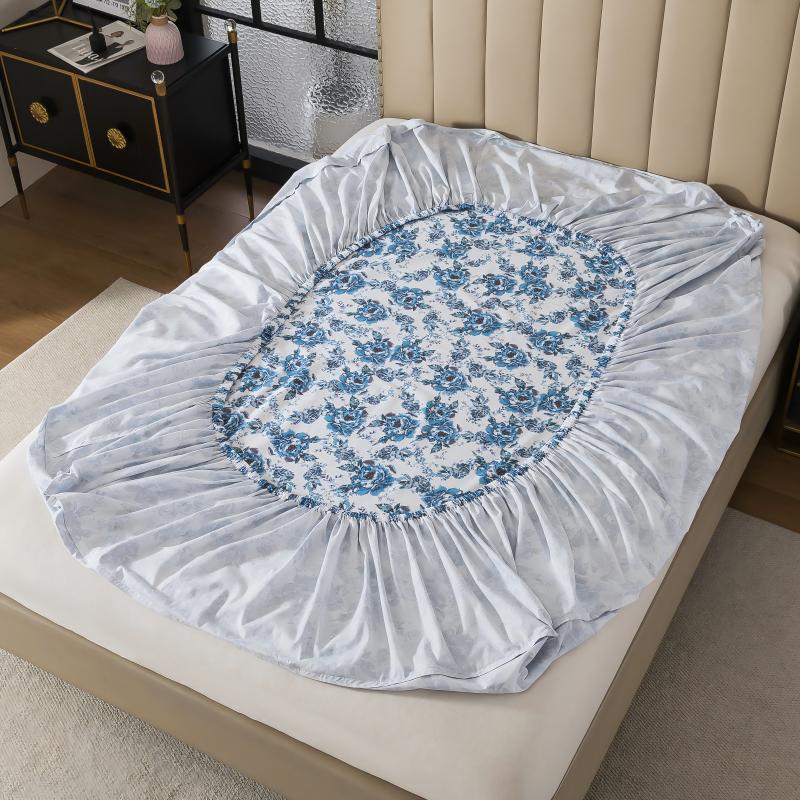
Soft warm light works especially well with cotton bedding, floral prints, ruffle edges, quilted textures, and cottage-inspired décor. It highlights fabric texture without making the room feel harsh. For a cozy bedroom, the goal is not to make everything bright. The goal is to create enough light for comfort while keeping the atmosphere gentle.
A lamp with a fabric shade can help diffuse the light. Instead of shining directly into the room, the light spreads slowly and softly. This makes colors feel blended and natural. It also reduces strong contrast, which helps the bedroom feel more restful.
Matching Lamp Light with Bedroom Colors
Different bedroom color palettes respond to evening lamp light in different ways.
For white and cream bedrooms, warm lamp light adds depth and prevents the room from feeling too plain. It creates a soft, hotel-like feeling while keeping the space comfortable.
For pink or floral bedrooms, evening light can make the room feel romantic and feminine without looking overly sweet. Floral patterns become softer, especially when paired with cotton or gauze textures.
For blue bedrooms, lamp light can balance the coolness of the color. This helps blue bedding feel less cold and more suitable for a relaxing sleep space.
For green or botanical bedrooms, warm evening light brings out a natural, earthy feeling. It works beautifully with leaf prints, garden florals, and vintage-style bedding.
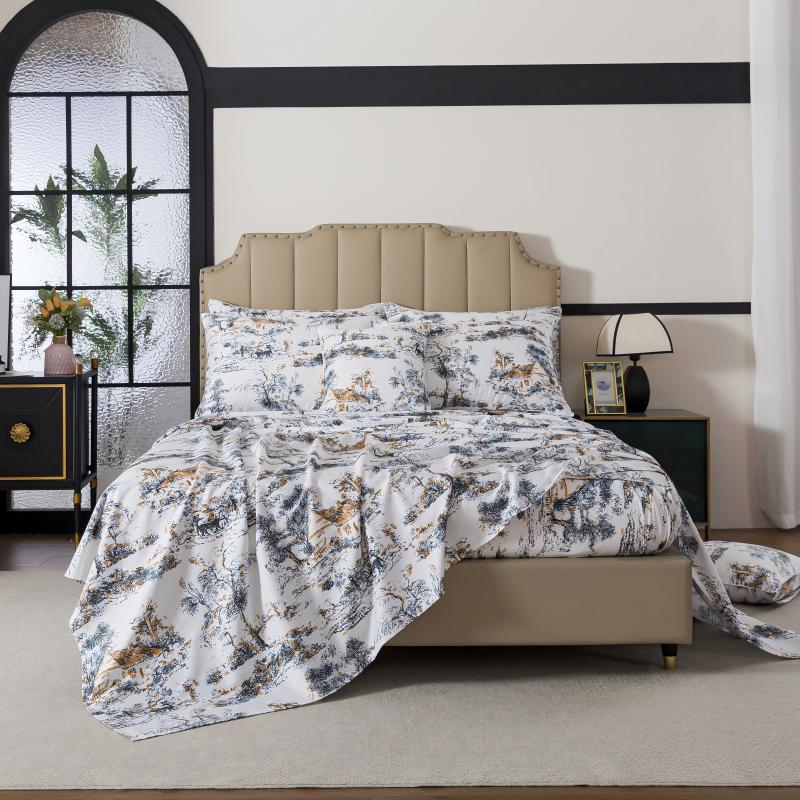
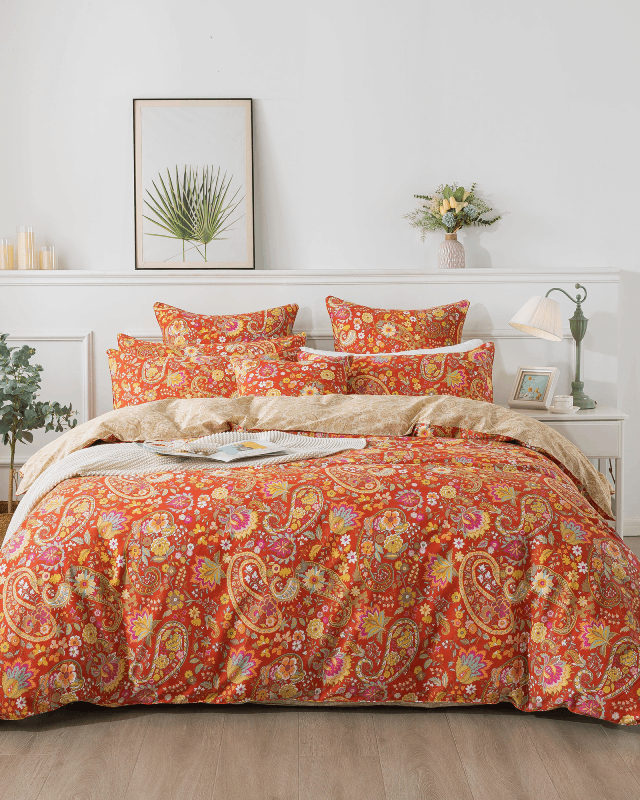
For darker bedrooms, such as navy, charcoal, or deep floral prints, lamp light adds contrast and drama. It can make the space feel intimate rather than heavy.
The Emotional Side of Evening Lighting
Bedroom design is not only about appearance. It is also about feeling. Evening lamp light signals that the day is slowing down. It helps separate daytime activity from nighttime rest.
When the light becomes softer, the room naturally feels quieter. This can make small routines feel more comforting: reading in bed, folding back the duvet, touching the softness of cotton sheets, or simply sitting for a few minutes before sleep.
Color mood is emotional. A bedroom with the right evening light can feel safe, warm, and deeply personal. It does not need to be perfectly styled. A slightly wrinkled duvet, a gentle floral pattern, and a warm bedside lamp can often feel more beautiful than a room that looks too perfect.
Small Details That Make a Big Difference
To improve bedroom color mood in the evening, start with small changes. Choose warm bulbs instead of cool white ones. Place lamps near soft surfaces such as bedding, curtains, or upholstered furniture. Use lampshades that diffuse light rather than expose a harsh bulb.
You can also layer lighting. A bedside lamp, a small dresser lamp, or a soft corner light can work together to create depth. This allows different parts of the bedroom to glow gently instead of being lit evenly from above.
The best bedroom lighting should support the colors already in the room. It should make cotton look softer, floral patterns feel more graceful, and the whole space feel ready for rest.
Final Thoughts
Evening lamp light has the power to change the mood of a bedroom without changing the room itself. It softens colors, warms textures, and gives bedding a more relaxed and inviting look.
Whether your bedroom style is vintage, cottage, romantic, minimal, or classic, the right lamp light can bring out its most comforting side. In the evening, color is not only something we see. It is something we feel. And with the gentle glow of a bedside lamp, the bedroom becomes more than a place to sleep. It becomes a peaceful space to end the day.