



In the rhythm of daily life, our homes quietly shape the habits that define our well-being. From the moment we wake up to the time we settle down for sleep, small routines influence how calm, productive, and balanced our lives feel. Among the many elements in a home environment, bedding plays a surprisingly powerful role in building consistent and healthy home habits.
While bedding is often viewed simply as a functional household item, it is actually a central part of daily routines. The bed is where the day begins and ends, making bedding an important contributor to comfort, sleep quality, and the development of structured habits.
Bedding as the Foundation of Daily Routines
Many successful home habits begin with a simple action: making the bed. This small task sets the tone for the day by creating an immediate sense of order and accomplishment.
When bedding is visually appealing and comfortable, people are naturally more motivated to maintain their bedroom space. Beautiful bedding encourages individuals to straighten pillows, smooth sheets, and keep the sleeping area tidy.
Over time, this small daily ritual builds consistency. A well-made bed signals the transition from rest to productivity in the morning, while preparing the bed in the evening creates a sense of readiness for relaxation and sleep.
The Psychological Effect of a Well-Designed Bed
Our surroundings influence our mental state more than we often realize. A bedroom that feels calm, clean, and inviting helps reduce stress and promotes relaxation.
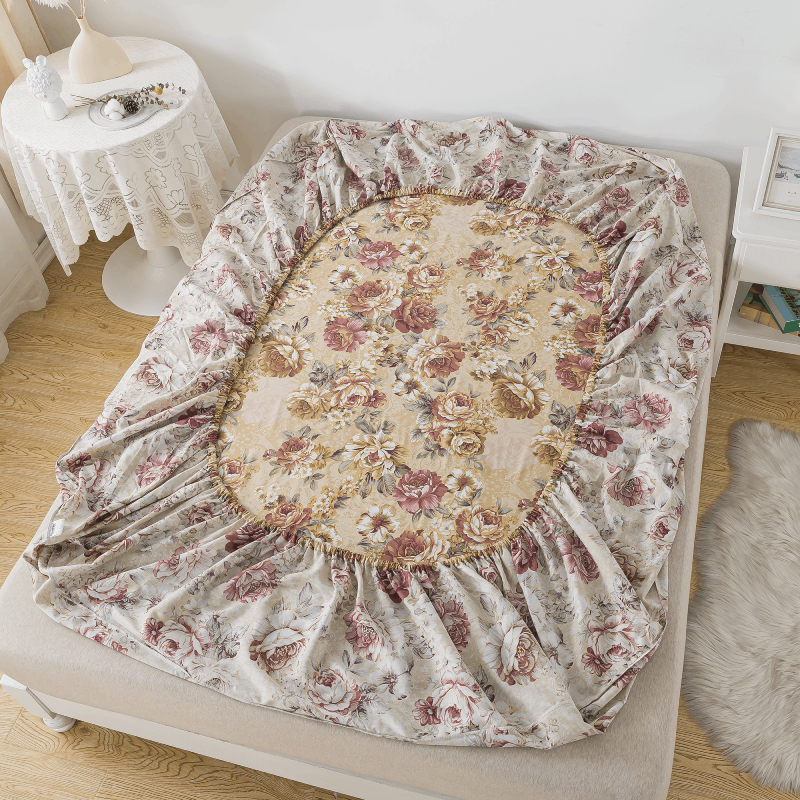
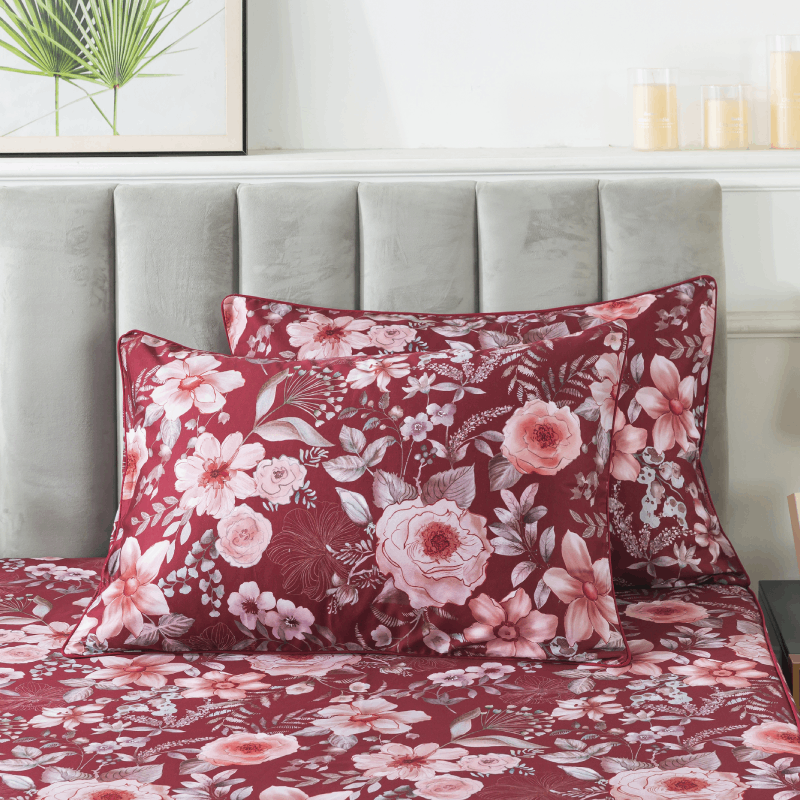
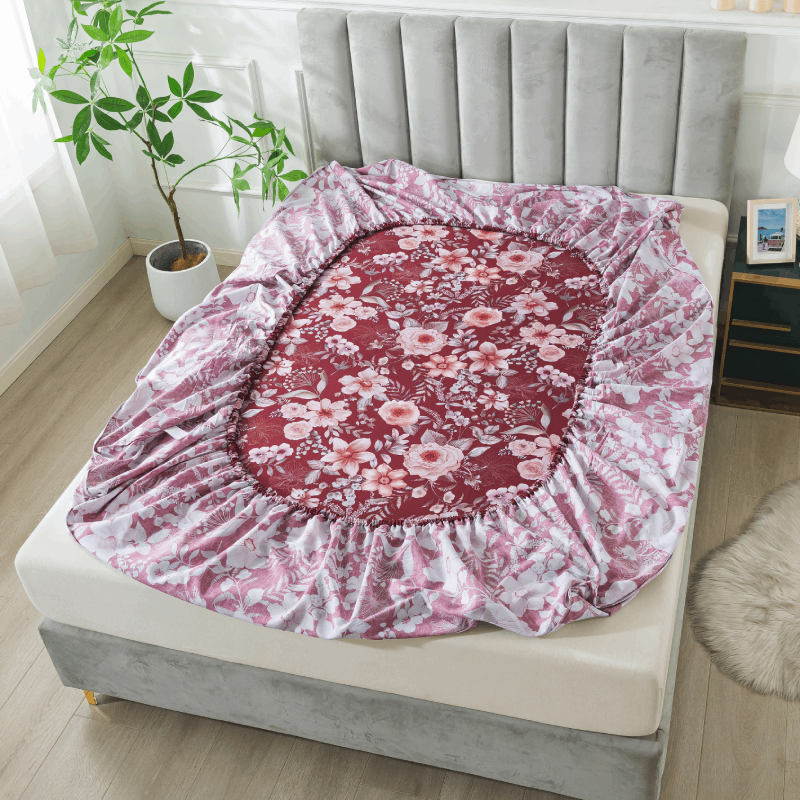
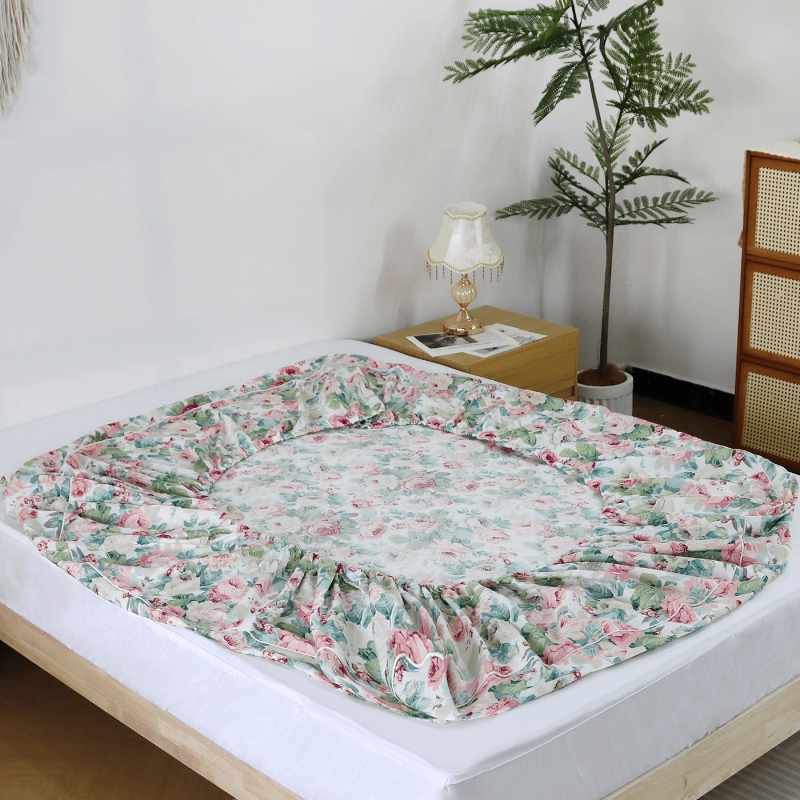
Soft textures, breathable fabrics, and thoughtfully designed patterns create a peaceful atmosphere. Floral patterns, soft colors, and natural materials can evoke a sense of comfort and warmth, transforming a bedroom into a personal retreat.
When the bed becomes a place associated with relaxation and comfort, it reinforces healthy nighttime routines. People are more likely to disconnect from devices, read a book, or unwind quietly when their bedroom environment supports those habits.
Consistency Through Comfort
Comfort is one of the strongest motivators for routine behavior. When bedding feels soft, breathable, and supportive, people naturally look forward to bedtime.
High-quality materials such as cotton bedding help regulate temperature, absorb moisture, and maintain comfort throughout the night. This contributes to deeper and more consistent sleep, which is essential for physical health and mental clarity.
When sleep improves, daily routines become easier to maintain. People wake up feeling refreshed, making it easier to keep consistent wake-up times, morning routines, and productive habits throughout the day.

Encouraging Clean and Organized Living
Bedding also encourages broader habits related to home organization. Clean bedding often inspires people to maintain a tidy bedroom environment.
Regularly washing sheets, changing pillowcases, and refreshing blankets create a routine of cleanliness that extends to other areas of the home. Over time, this routine becomes automatic and contributes to a healthier living environment.
The visual impact of fresh bedding also enhances the overall aesthetic of a bedroom. A beautifully styled bed often becomes the focal point of the room, motivating homeowners to keep surrounding spaces neat and harmonious.
Creating a Personal Sanctuary
In modern life, where work and digital distractions often blur the boundaries between rest and productivity, the bedroom should remain a space dedicated to relaxation.
Bedding plays a key role in establishing this boundary. When the bed is comfortable, visually soothing, and intentionally styled, it becomes a signal that the day is ending and it is time to rest.
Simple elements such as layered quilts, soft pillow arrangements, and breathable cotton fabrics can transform a bed into a cozy sanctuary. This environment encourages mindfulness, rest, and emotional balance.
Building Habits for the Whole Family
Consistent home habits are especially important for families. Children, in particular, benefit from predictable routines around bedtime and waking.
Comfortable and inviting bedding helps create positive bedtime experiences. When children associate their beds with warmth, safety, and comfort, they are more likely to develop healthy sleep patterns.
Over time, these routines build lifelong habits that support physical health, emotional stability, and overall well-being.
Small Changes, Lasting Impact
Developing consistent home habits does not require dramatic lifestyle changes. Often, it begins with simple improvements to everyday spaces.
Updating bedding, maintaining clean sheets, and creating a comfortable sleep environment are small steps that have lasting effects on daily routines. These small adjustments encourage structure, relaxation, and better sleep habits.
When a bed feels inviting and restful, it naturally becomes the anchor of daily life — a place where mornings begin with clarity and evenings end with calm.
Conclusion
Bedding is more than just a household necessity; it is a quiet but powerful influence on daily routines and home habits. From encouraging morning organization to promoting restful sleep, the right bedding helps create consistency in everyday life.
By investing in comfortable, thoughtfully designed bedding, homeowners can transform their bedrooms into spaces that support healthy habits, emotional balance, and lasting comfort.
Sometimes, the simplest elements of a home — like a well-made bed — have the greatest impact on how we live each day.