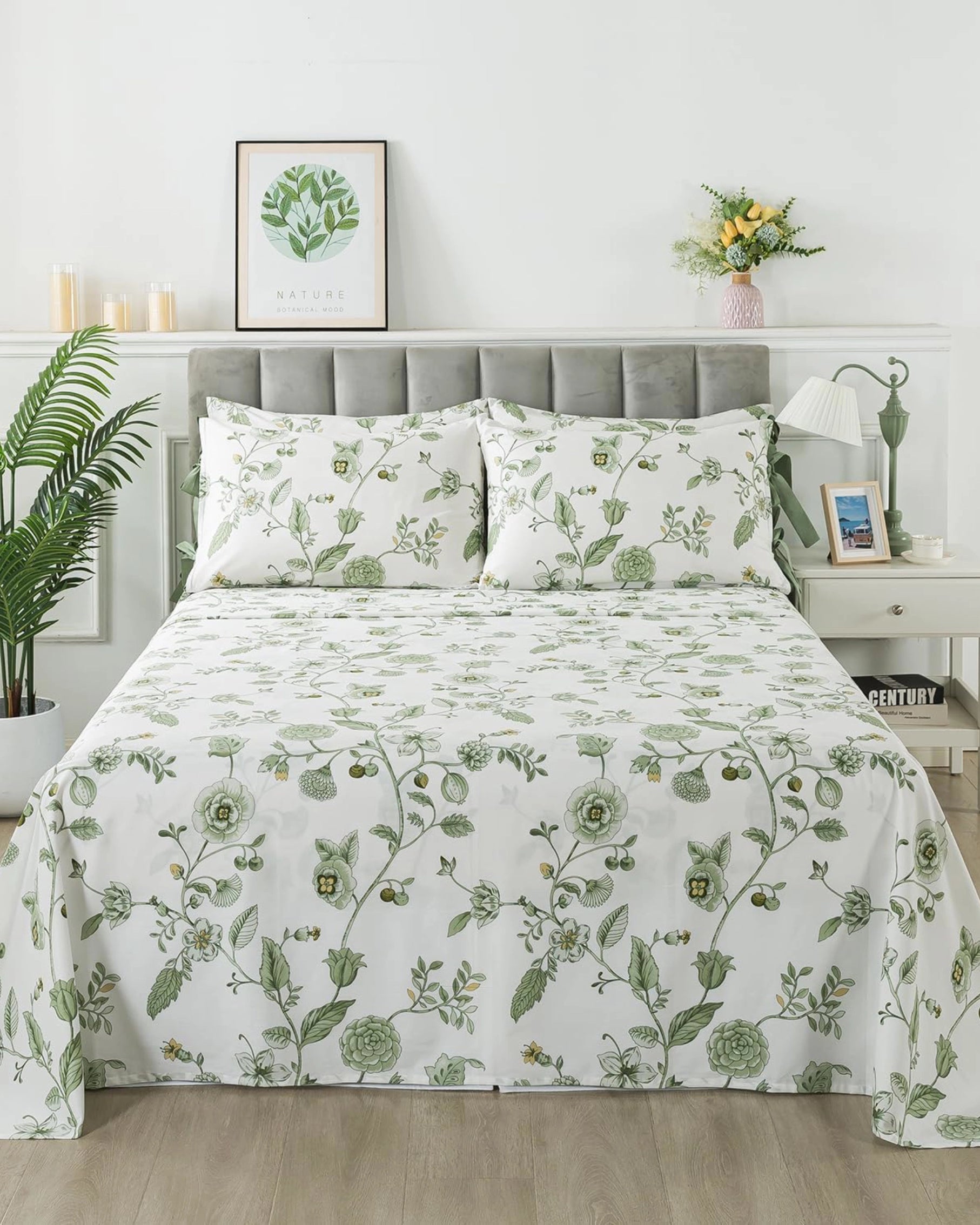


In a world that often feels fast, loud, and visually overwhelming, the spaces we live in play a powerful role in shaping how we feel. While modern design trends frequently celebrate minimalism and stark simplicity, there is a growing appreciation for interiors that feel softer, warmer, and more personal. Soft textures and thoughtful patterns introduce a quiet confidence into a room—an understated elegance that does not demand attention but gently invites comfort, calm, and connection.
The Emotional Power of Softness
Softness in interior design goes beyond the physical sensation of touch. It reflects a visual and emotional quality that makes a space feel welcoming. Materials like cotton bedding, woven quilts, layered textiles, and plush rugs create an atmosphere that signals rest and relaxation.
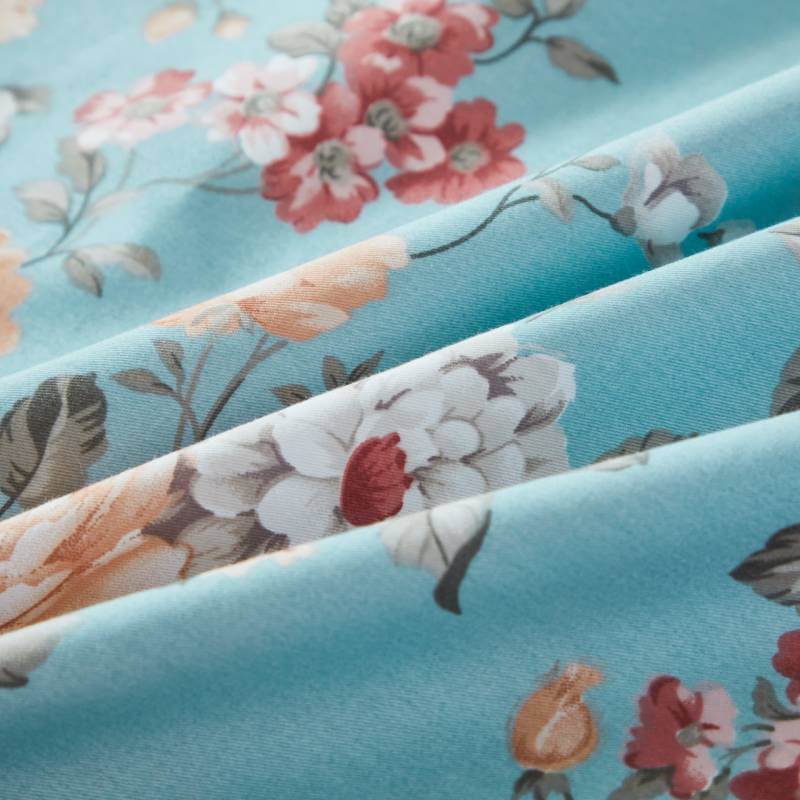
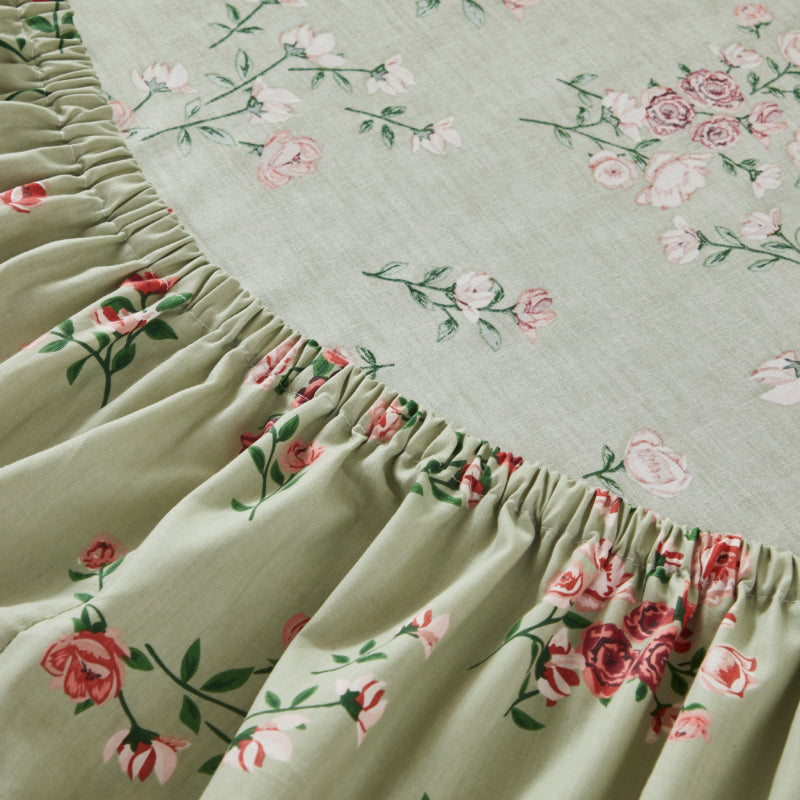
When we enter a room filled with soft textures, our bodies instinctively respond. The visual softness of fabrics—whether it is a delicate floral quilt or breathable cotton sheets—encourages us to slow down. It communicates a simple message: this is a place meant for comfort.
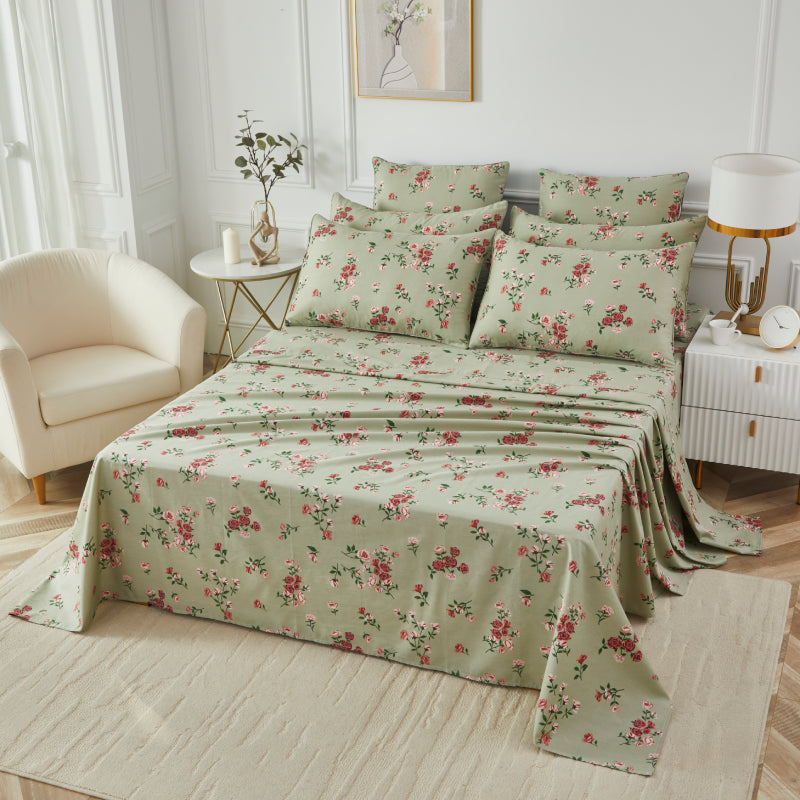
Bedrooms, in particular, benefit from this sense of softness. Since sleep and restoration are the primary purposes of the space, the materials and textures surrounding us should support those goals. Smooth cotton fabrics, gentle patterns, and layered bedding create an environment where the mind can unwind naturally.
Patterns That Speak Quietly
Patterns often get misunderstood as something bold or visually busy. In reality, when used thoughtfully, patterns bring depth and personality to a space without overwhelming it.
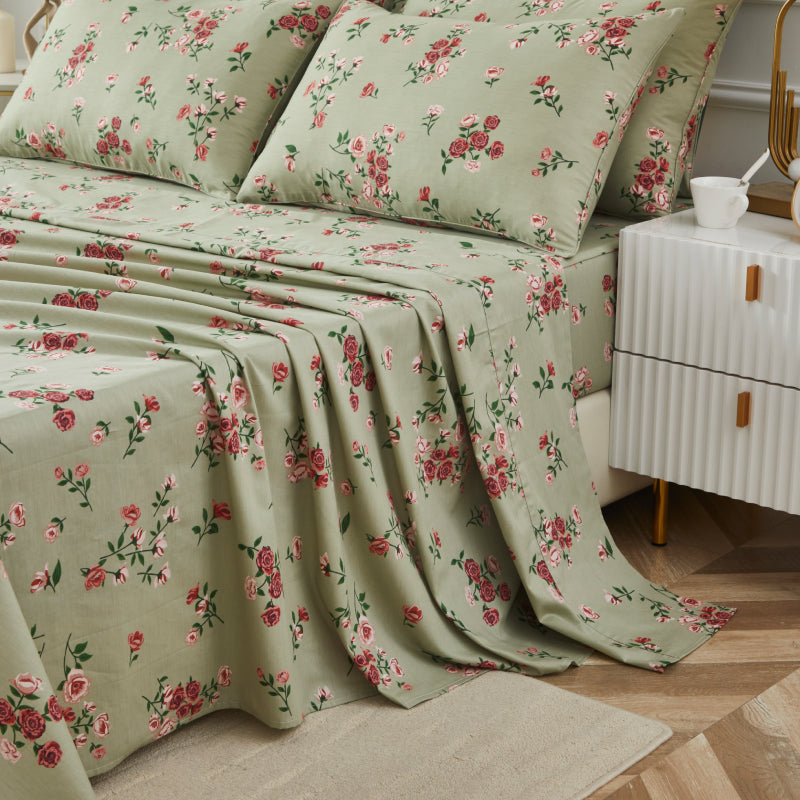
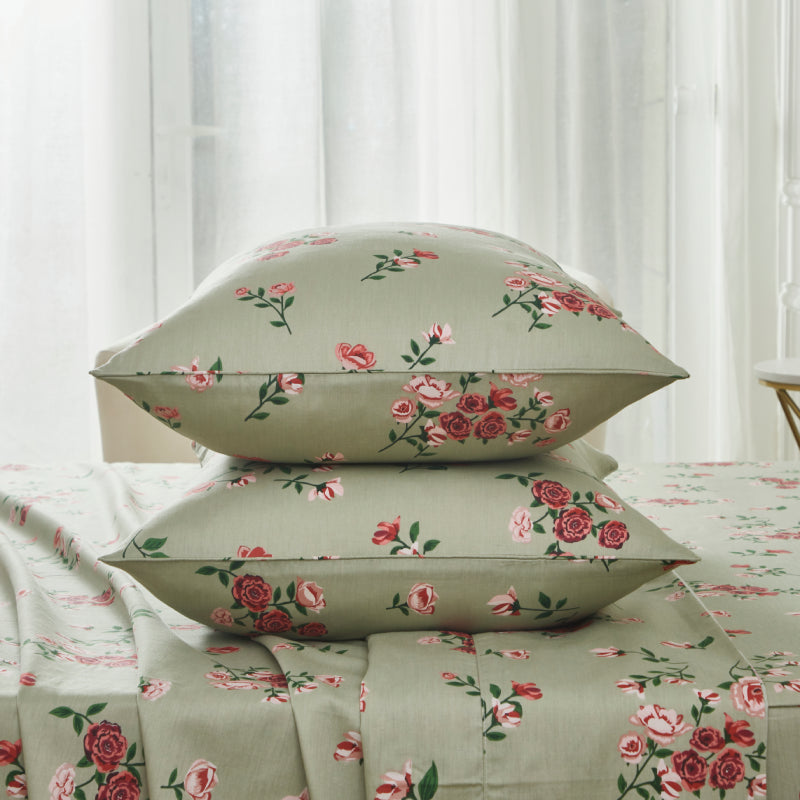
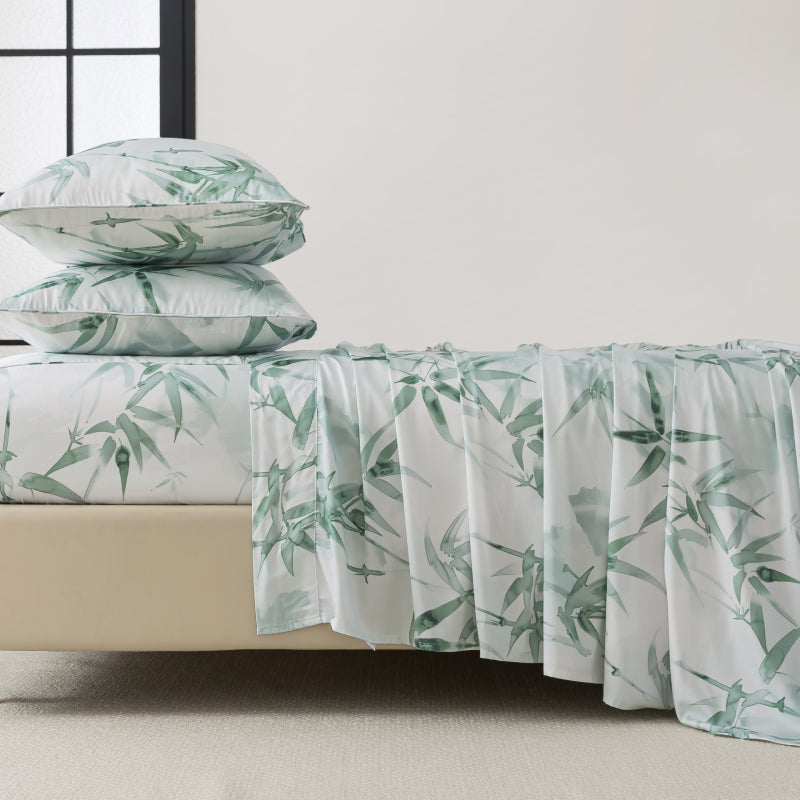
Soft patterns—such as florals, botanical prints, subtle patchwork, or delicate vintage-inspired motifs—create visual rhythm. They guide the eye naturally through the room while maintaining a sense of harmony. Instead of dominating the space, these patterns work like background music: present, comforting, and quietly expressive.
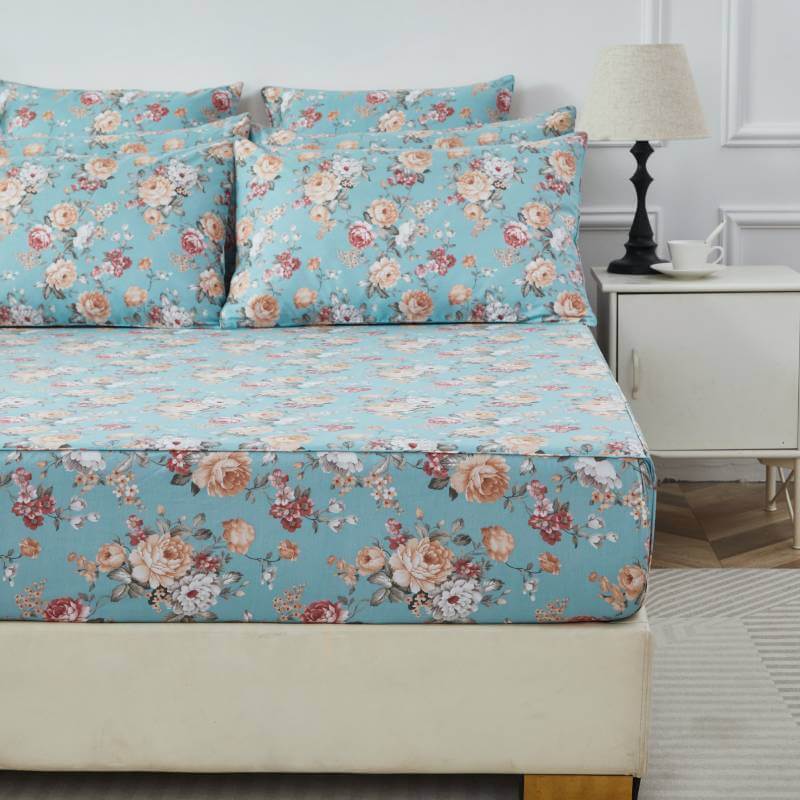
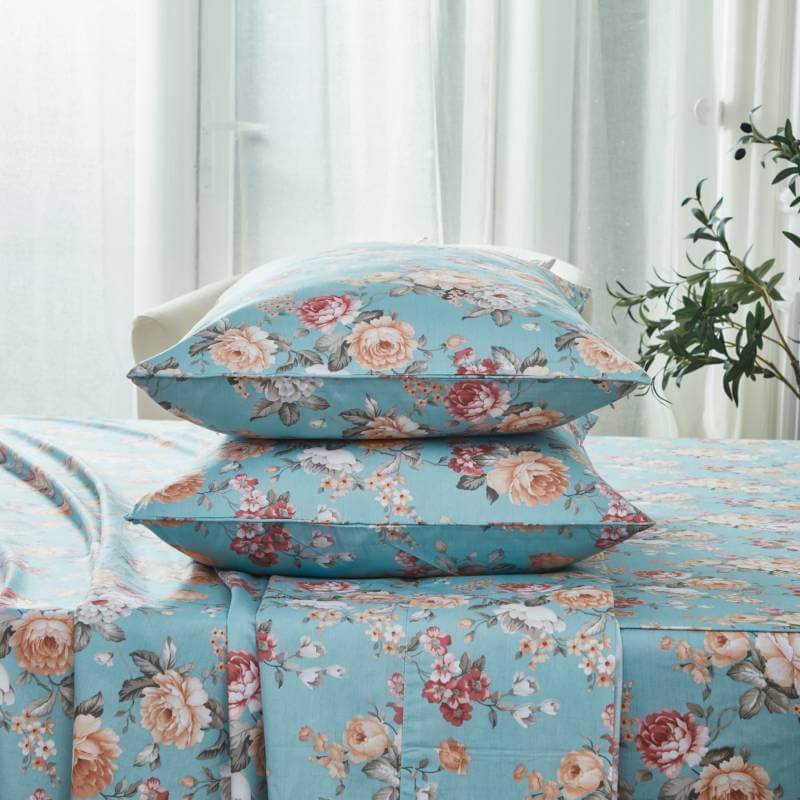
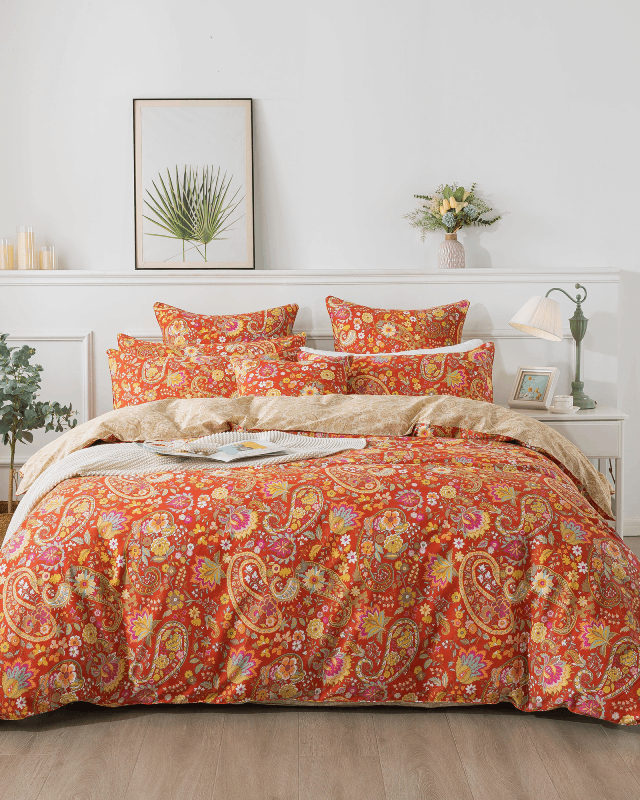
Floral patterns, for example, have long been associated with feelings of warmth and nostalgia. They echo natural environments, reminding us of gardens, open air, and peaceful landscapes. When incorporated into bedding, curtains, or accent textiles, they transform a bedroom into a gentle retreat from the outside world.
The key lies in balance. Soft patterns paired with neutral tones—such as cream, beige, pale blue, or muted pink—create a cohesive look that feels both elegant and approachable.

Layering: The Secret to Warmth and Depth
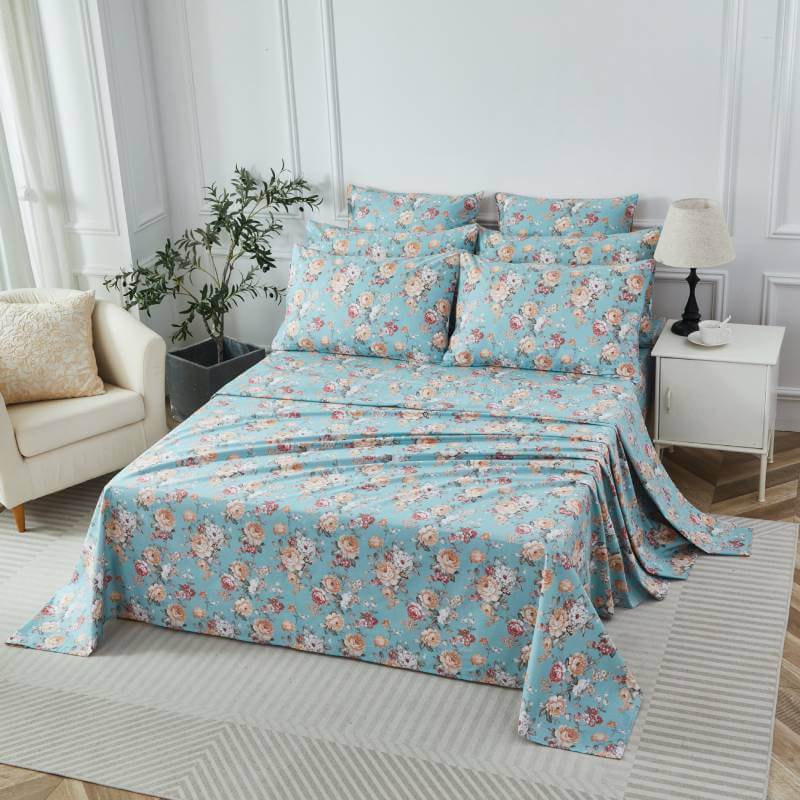
One of the defining characteristics of a soft, patterned space is thoughtful layering. Rather than relying on a single statement piece, layered textiles allow the room to feel richer and more lived-in.
A well-layered bedroom might include:
-
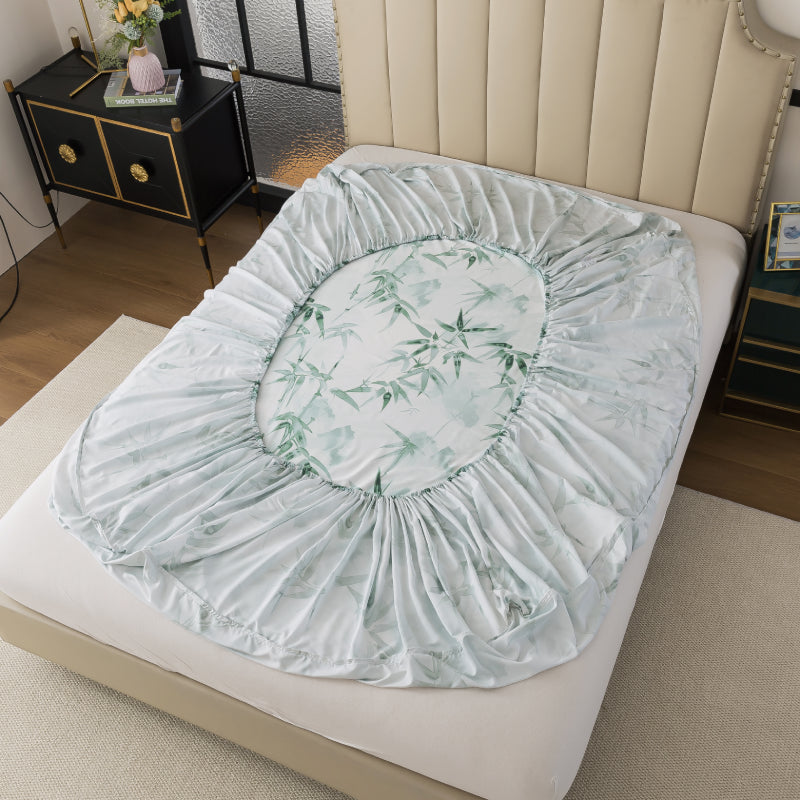
Breathable cotton sheets as the foundation
-
A quilt or lightweight comforter with subtle patterns
-
Decorative pillows that add color and texture
-
A soft throw blanket draped at the foot of the bed
-
A gentle rug beneath the bed that warms the floor
Each layer contributes both function and visual interest. Together, they create a space that feels carefully curated but never overly styled.
Layering also allows homeowners to adapt the room to different seasons. In cooler months, thicker quilts and additional blankets bring warmth. During warmer seasons, lighter fabrics maintain the softness while keeping the space breathable and fresh.
The Quiet Luxury of Natural Materials
Another defining quality of calm, patterned interiors is the use of natural materials. Cotton, linen, wool, and wood all contribute to a grounded, organic atmosphere.
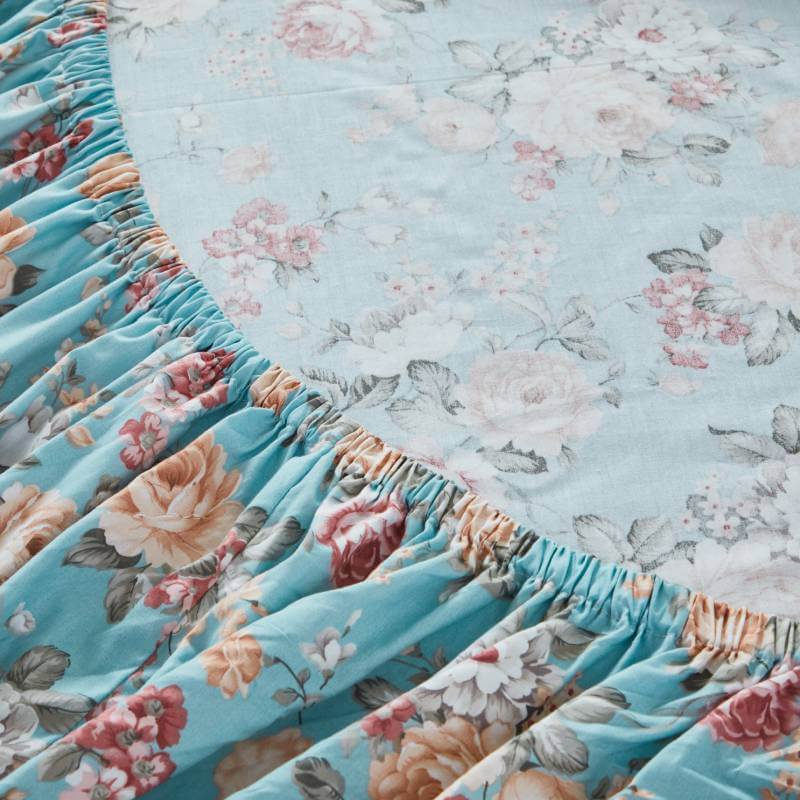
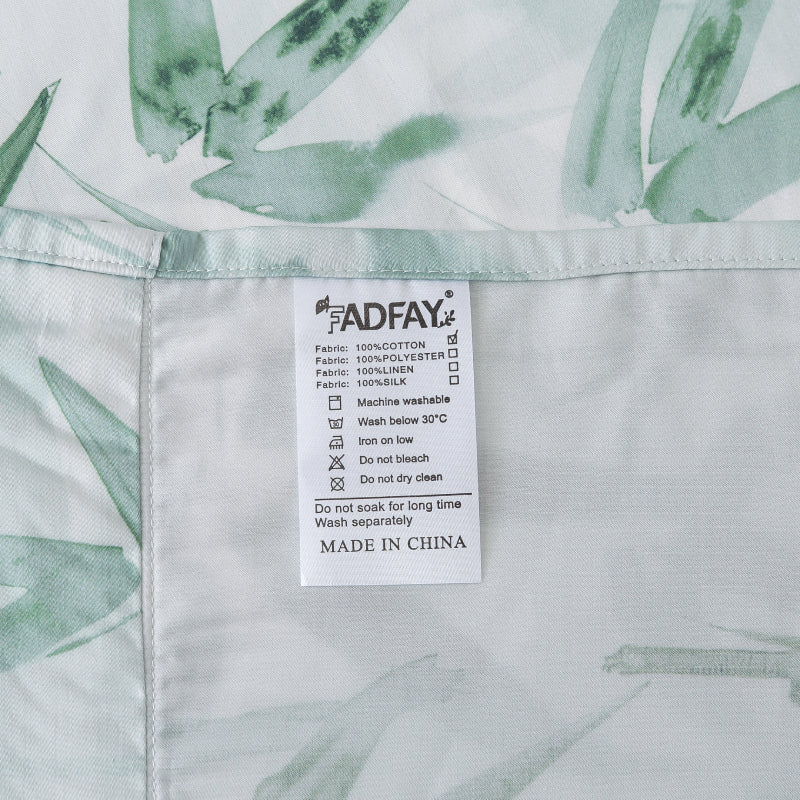
Natural cotton bedding, for example, offers both comfort and breathability. Its softness improves with time and washing, making it a practical and enduring choice. Unlike synthetic materials, natural fibers tend to feel gentler against the skin and more aligned with the body’s natural temperature regulation.
Beyond comfort, these materials also introduce subtle texture. The weave of cotton fabric, the stitchwork of a quilt, or the softness of a woven rug adds depth to a room without requiring bold colors or dramatic designs.
This kind of quiet luxury is not about extravagance. Instead, it is about thoughtful choices that prioritize quality, comfort, and timeless beauty.
Creating a Space That Feels Personal
Perhaps the most meaningful aspect of soft, patterned interiors is their ability to tell a story. Unlike stark or purely decorative designs, patterned textiles often carry emotional associations—family traditions, handmade craftsmanship, or memories of comfort and home.
A quilt with delicate stitching might remind someone of childhood bedrooms or handmade heirlooms. A floral duvet cover may evoke images of countryside gardens or peaceful mornings with sunlight filtering through curtains.
These subtle emotional connections are what transform a room from simply “well designed” into a space that truly feels lived in and loved.
A Calm Retreat in a Busy World
As our daily lives grow increasingly digital and fast-paced, the value of calm physical environments becomes even more important. Soft, patterned spaces offer a gentle counterbalance to the constant stimulation of modern life.
They do not rely on bold statements or dramatic contrasts. Instead, their strength lies in quiet confidence—the kind that comes from harmony, comfort, and thoughtful design.
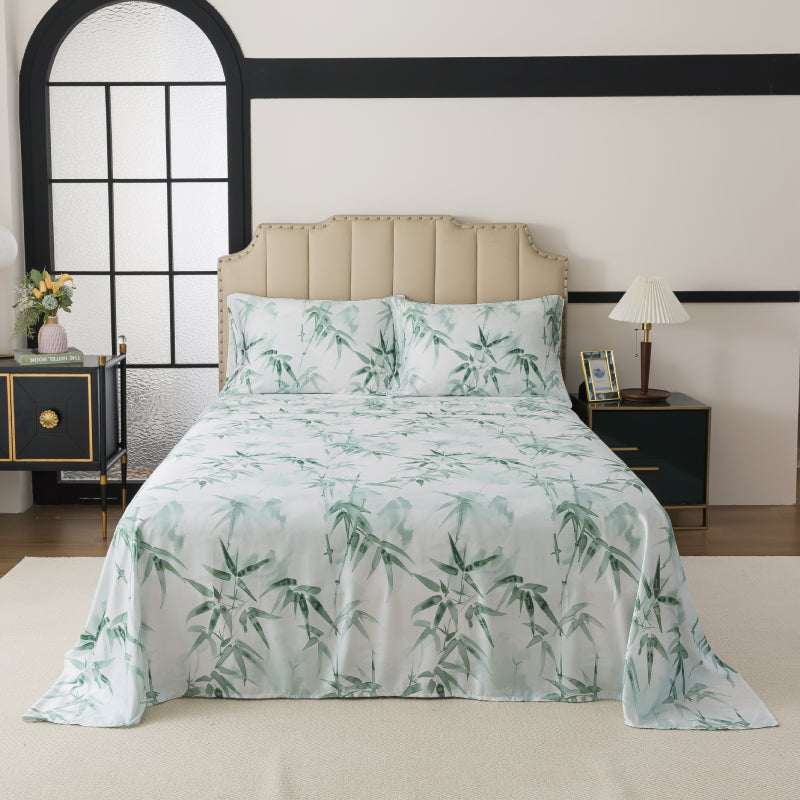
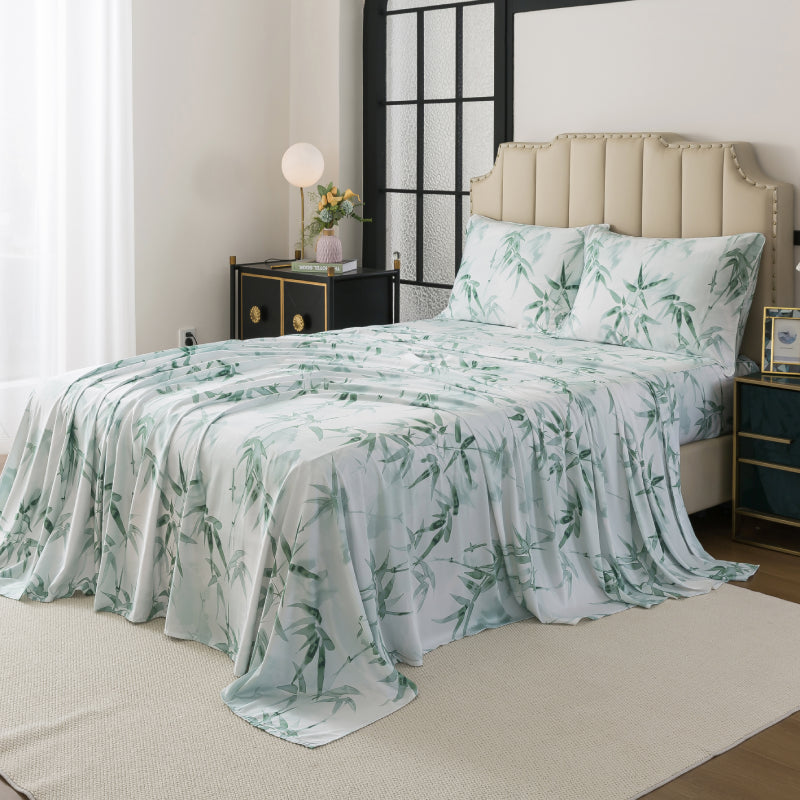
A bedroom filled with soft cotton textures, calming colors, and delicate patterns becomes more than just a place to sleep. It becomes a personal retreat, a place where the outside world fades away and rest comes naturally.
In the end, the beauty of soft, patterned spaces is not in their ability to impress, but in their ability to nurture. And sometimes, the most powerful design statement is the one that simply makes us feel at home.