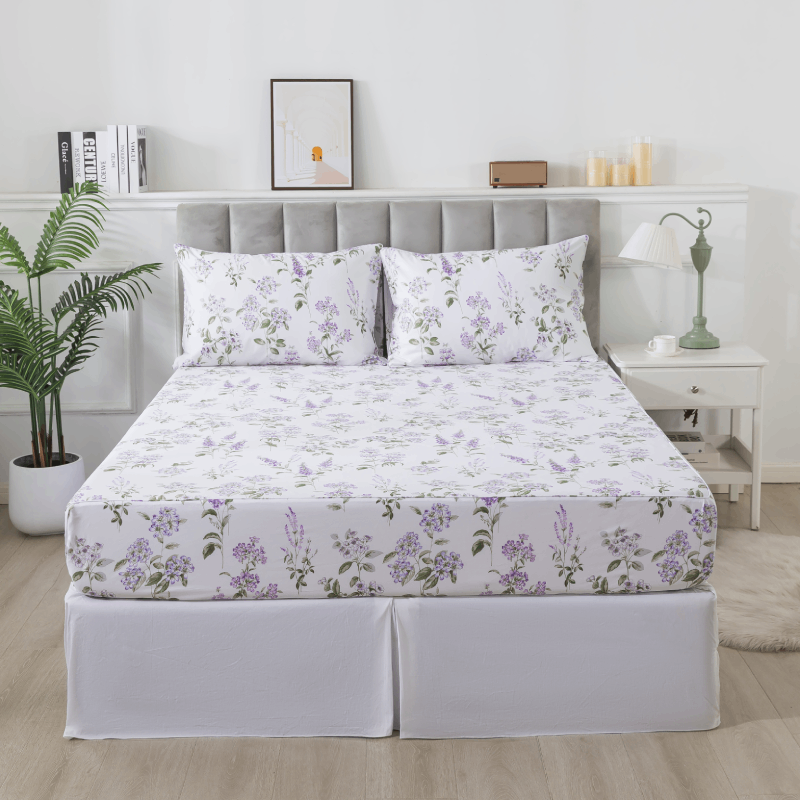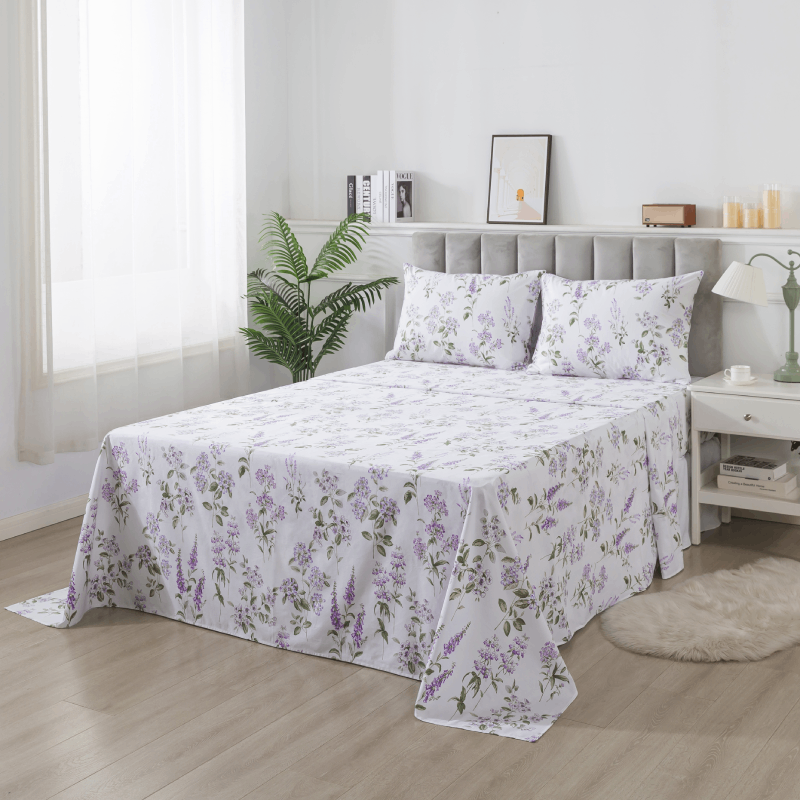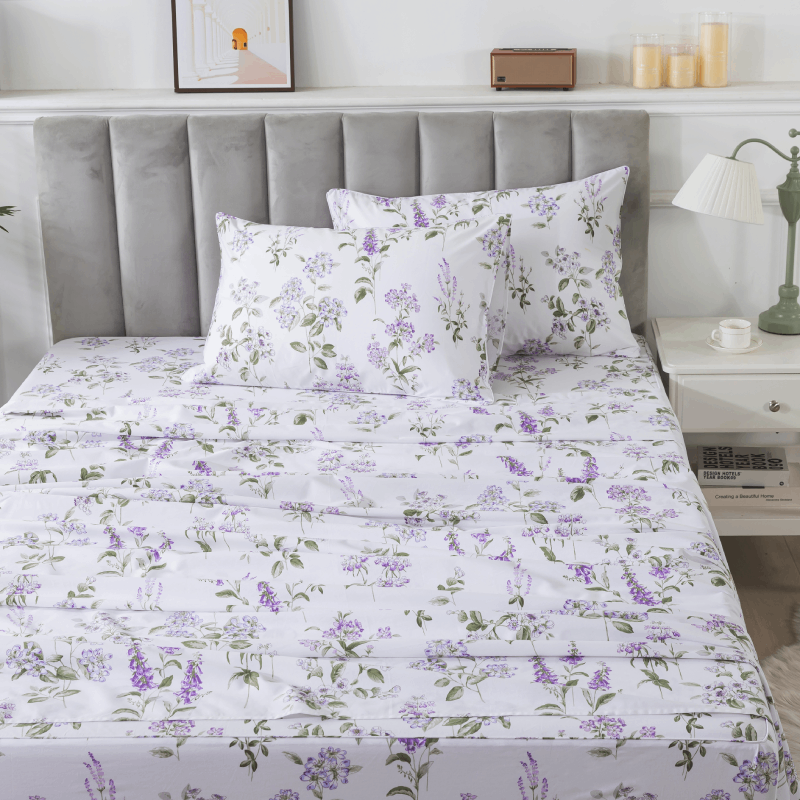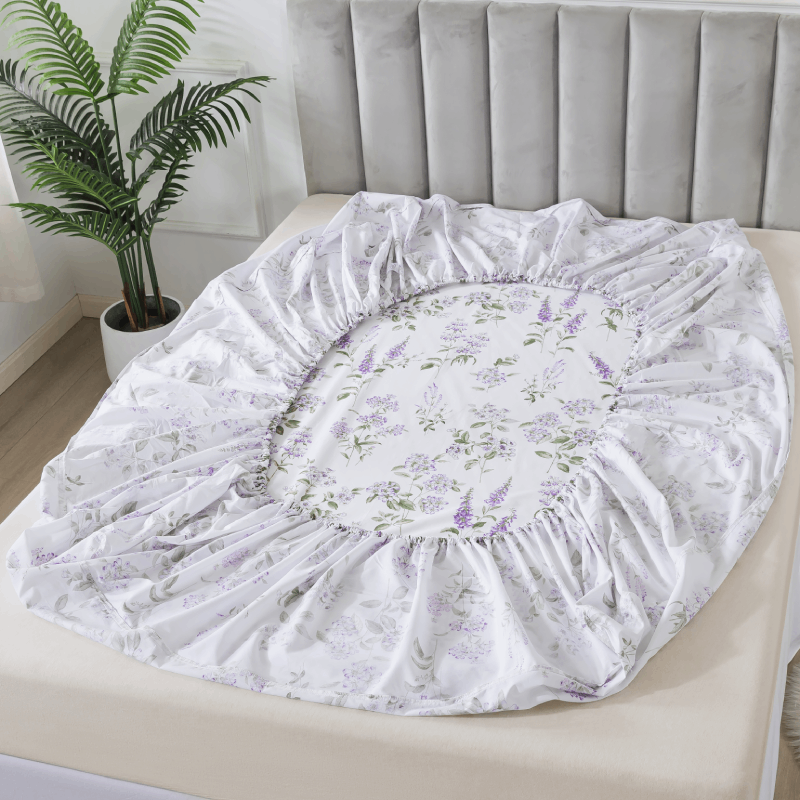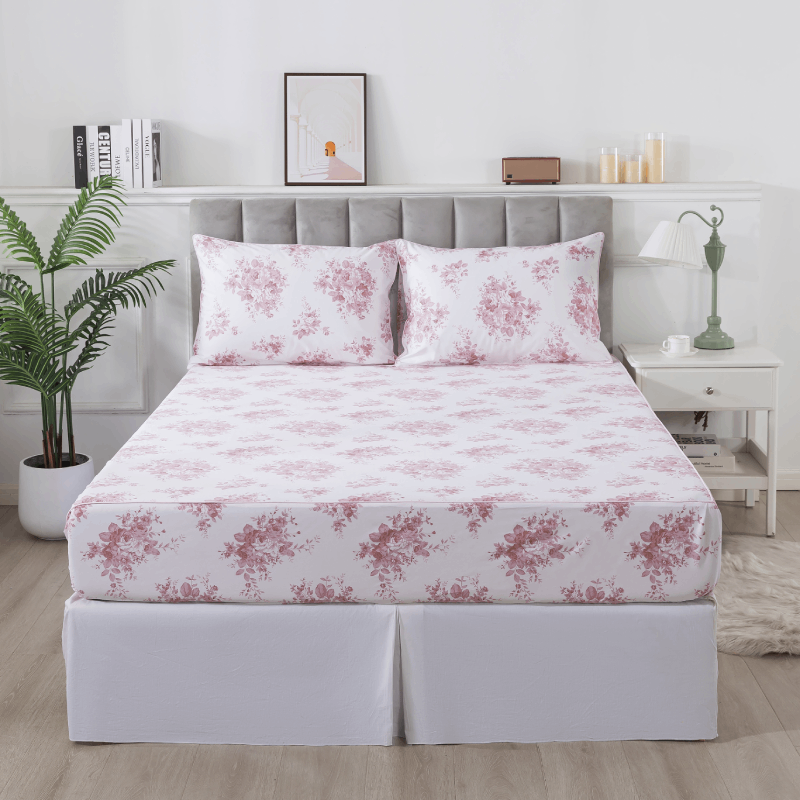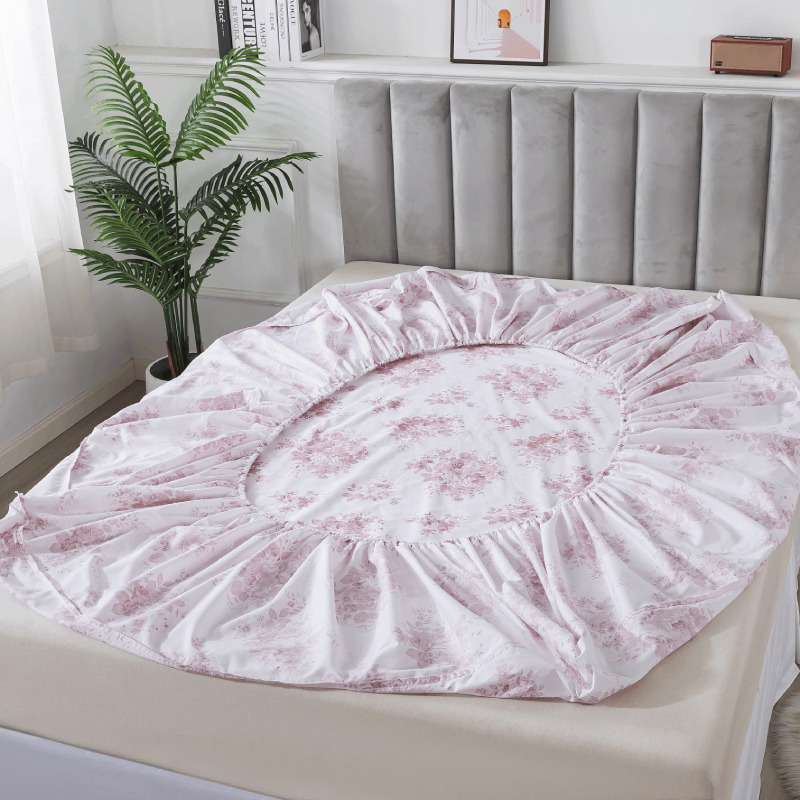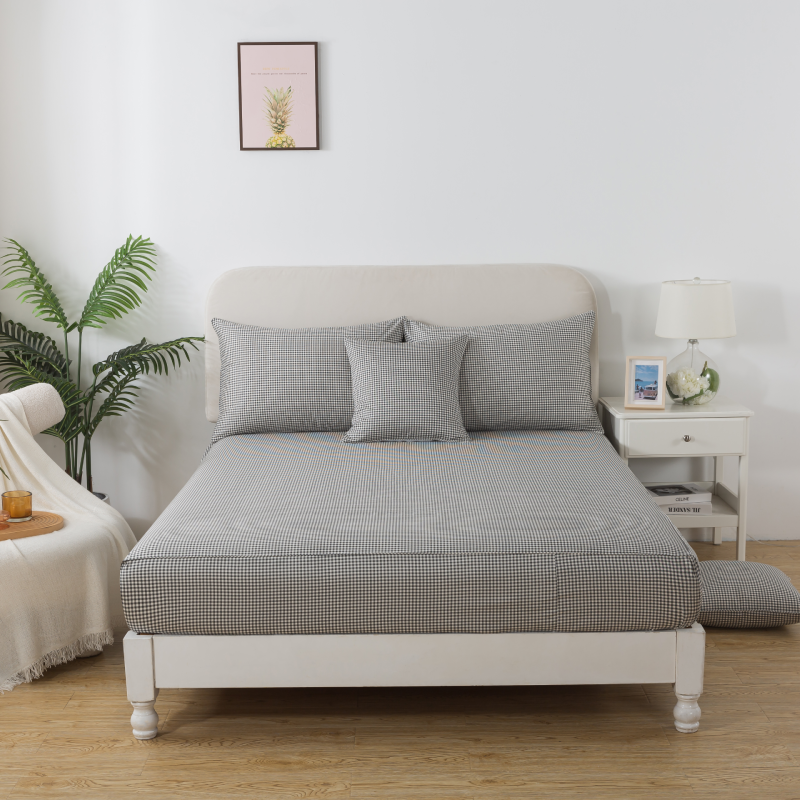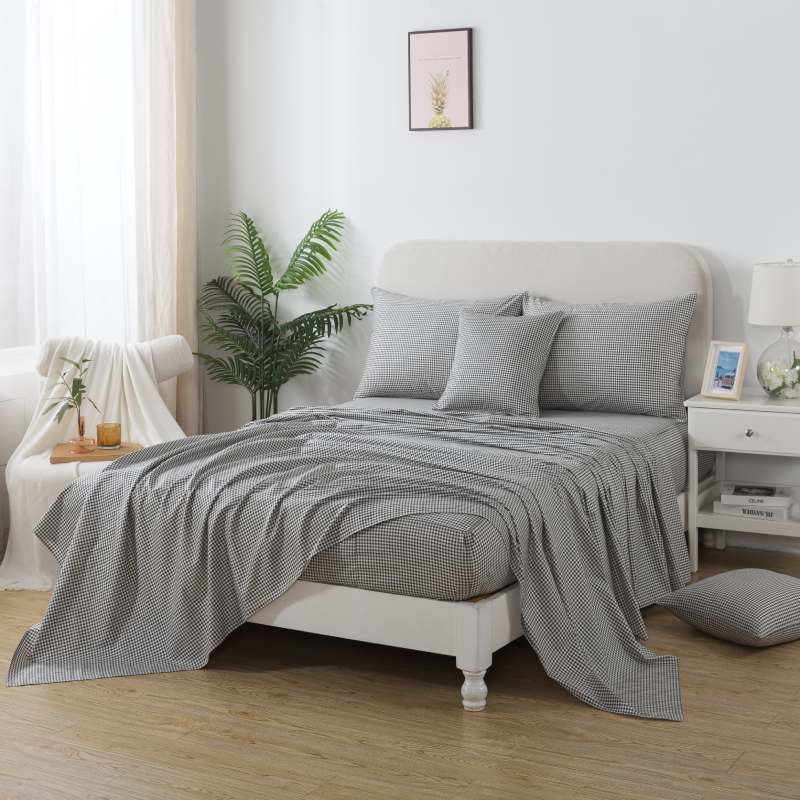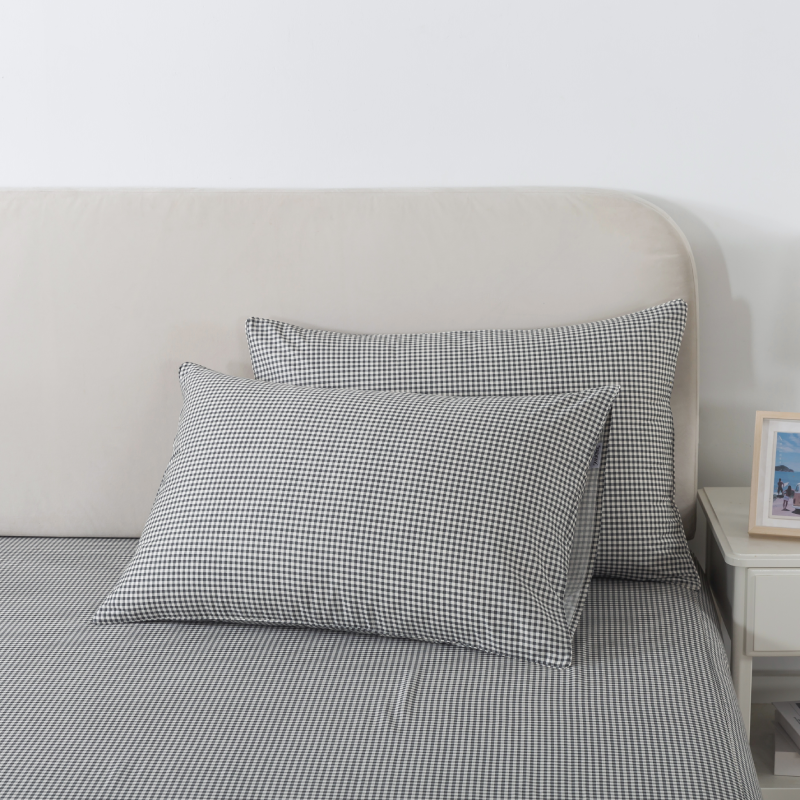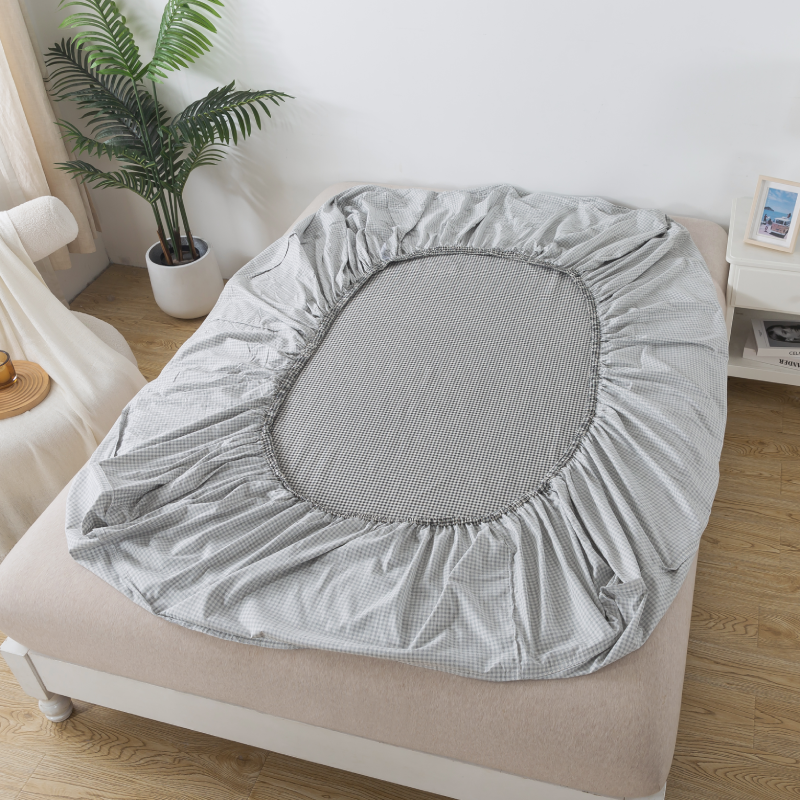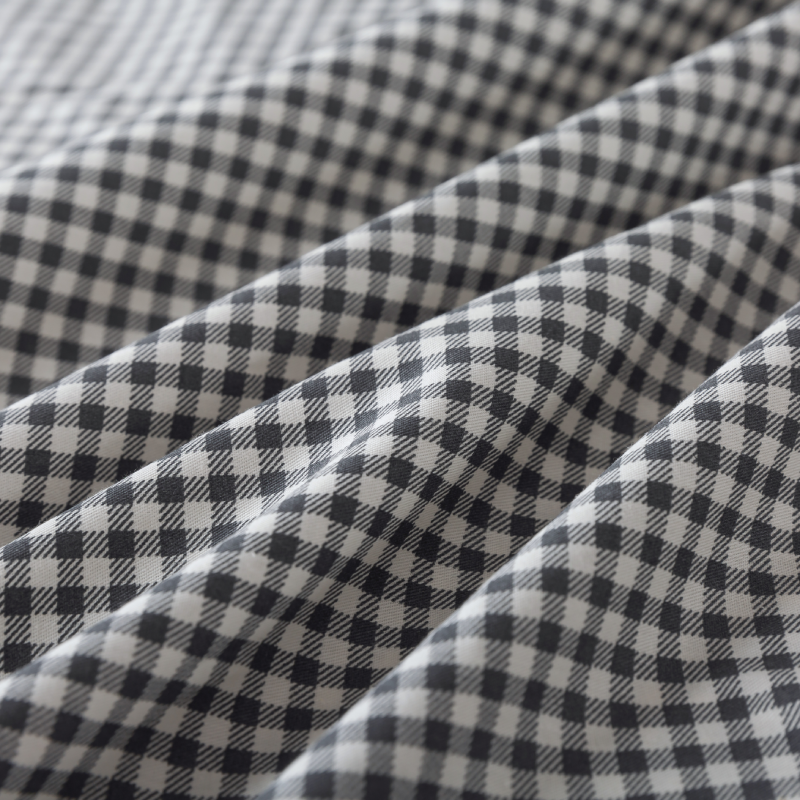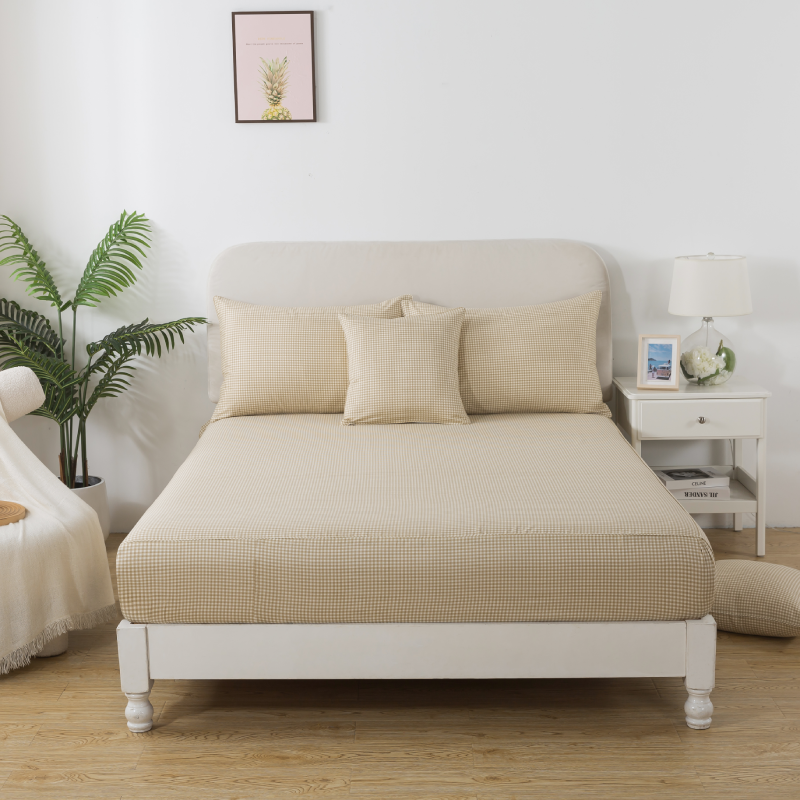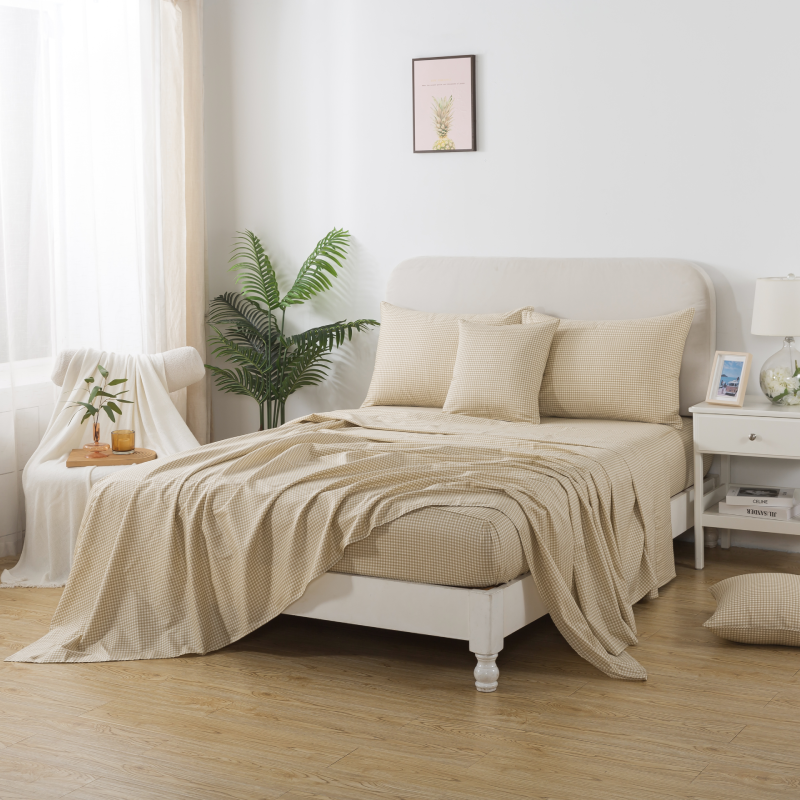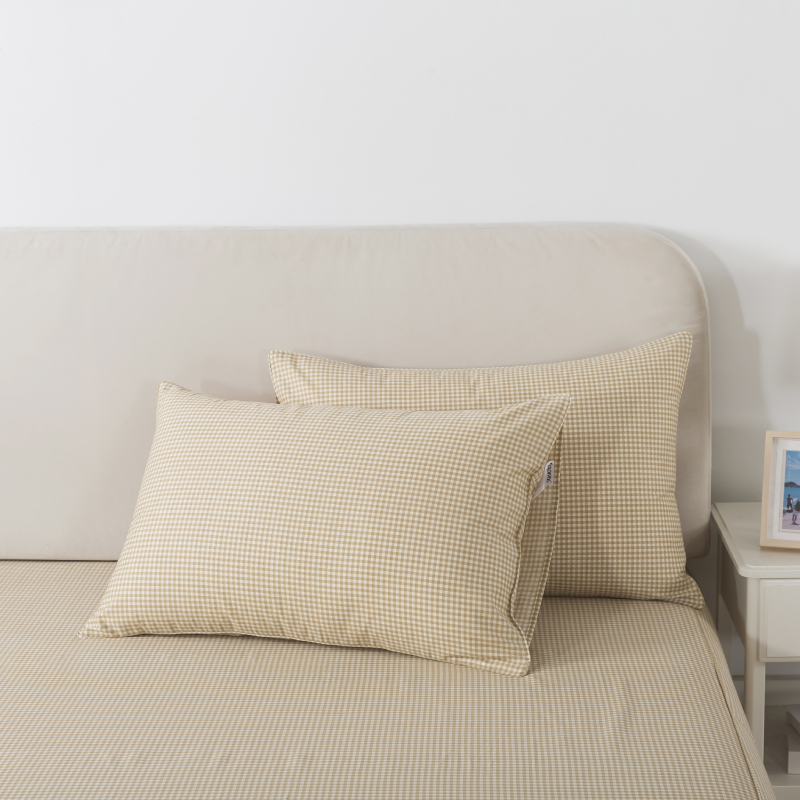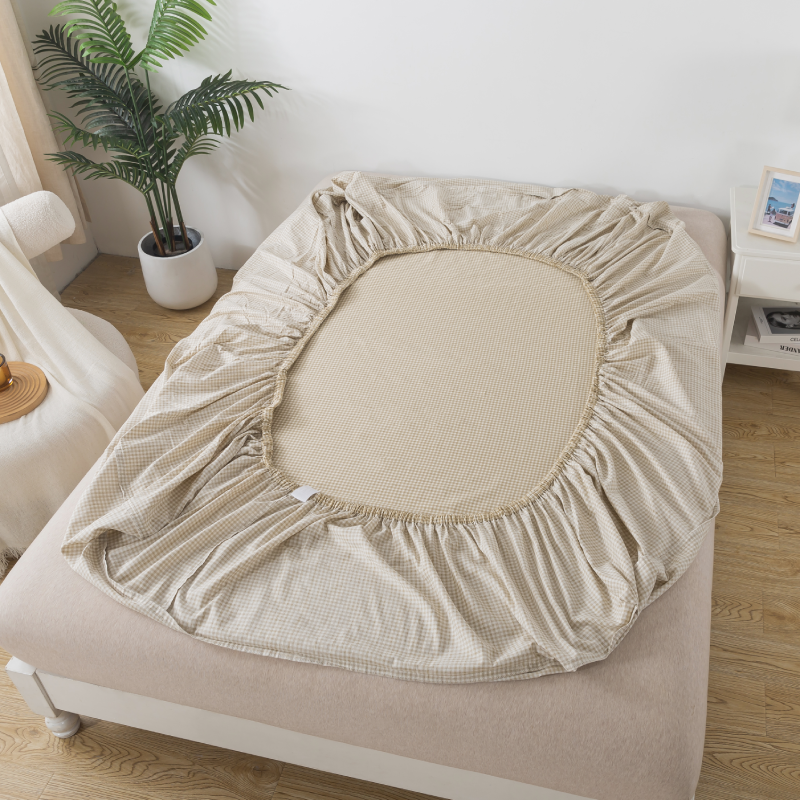
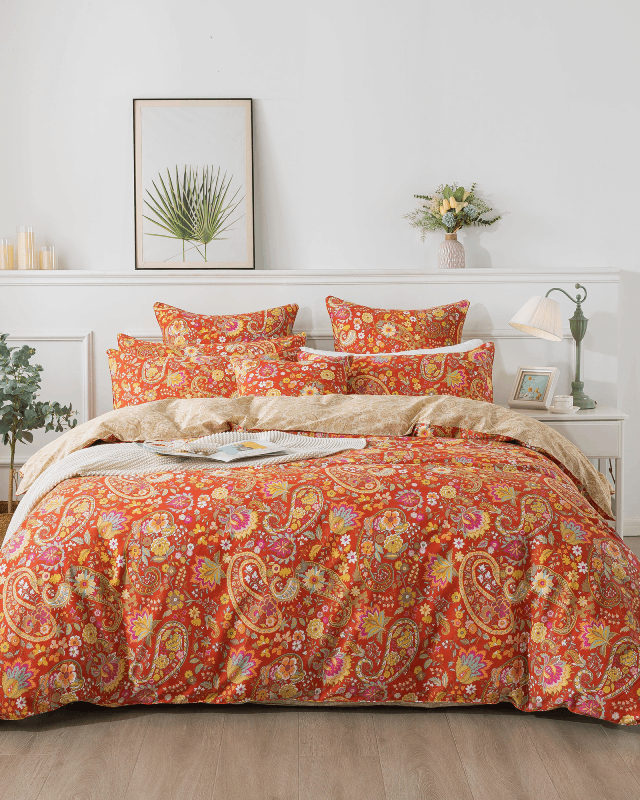
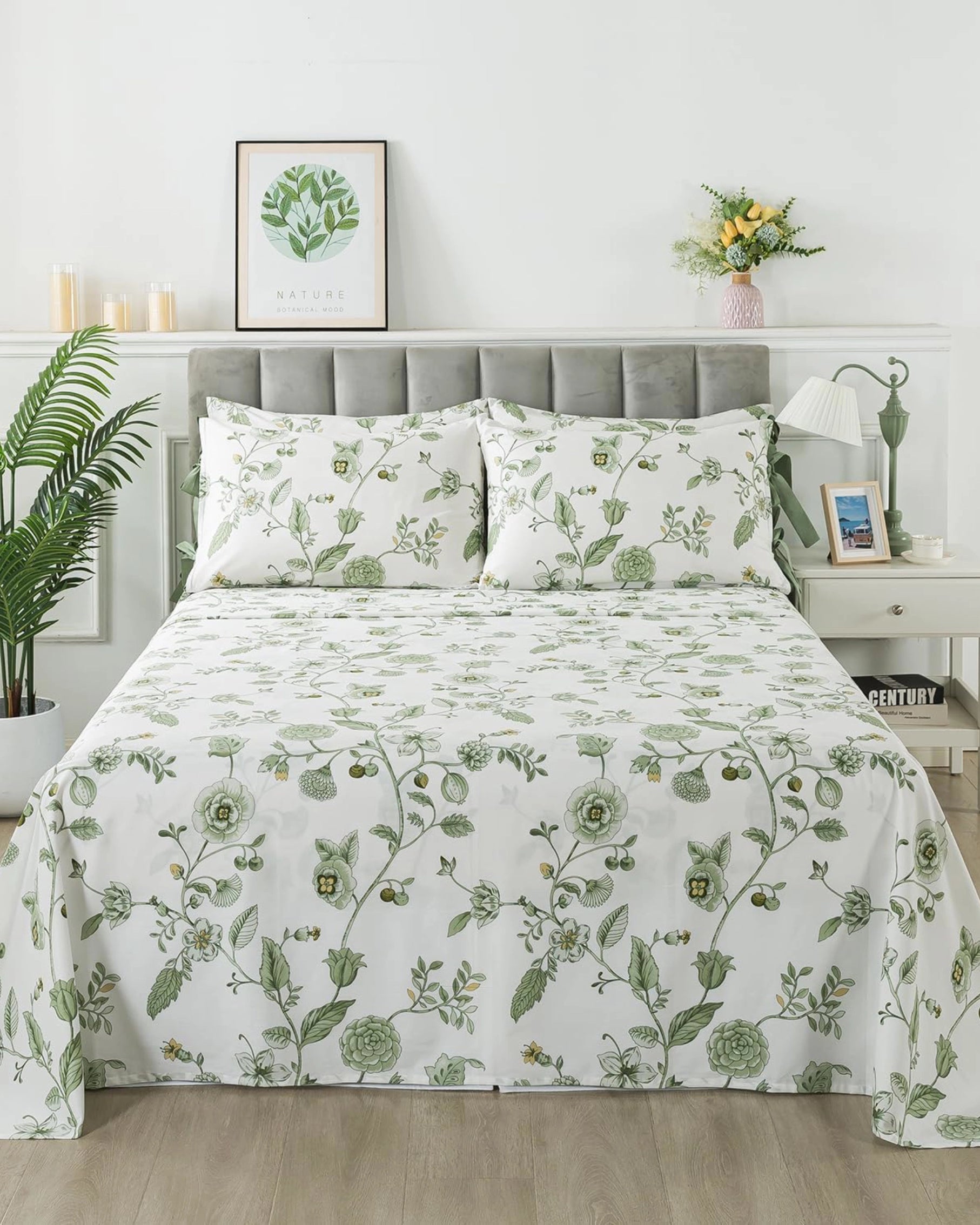


Scroll through Instagram long enough and you’ll start to believe that a “good” bed must look a certain way. Perfectly smooth sheets. Pillows stacked at precise angles. A color palette so coordinated it almost feels staged. These beds photograph beautifully—but living with them is a very different experience.
There’s a growing gap between bedding that looks perfect on screen and bedding that actually works in real life. And that gap is where many bedrooms quietly go wrong.
When Bedding Is Designed for the Camera, Not the Body
Instagram-perfect bedding is often created with one priority in mind: visual impact. High contrast colors, dramatic textures, sharp folds, and styled layers are chosen because they read well on a screen.
But what looks striking in a photo doesn’t always translate into comfort:
-
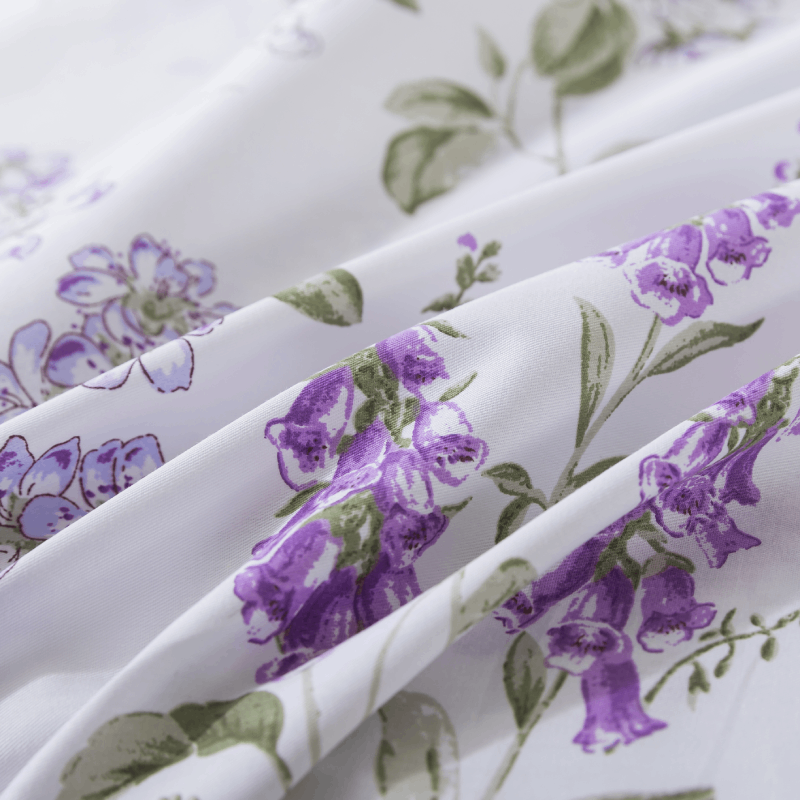
Fabrics may feel stiff or overly treated to hold their shape
-
Textures can be scratchy or noisy when you move
-
Layers look luxurious but trap heat or restrict movement
In short, the bed becomes something to look at, not something to relax into.
The Hidden Cost of “Perfect”
A bed that must stay perfect quickly becomes high-maintenance. You smooth the sheets every morning. You hesitate to sit on it in outside clothes. You worry about wrinkles, pet hair, or a pillow being slightly out of place.
Over time, this creates subtle tension. Your bedroom stops feeling like a place you use and starts feeling like a place you manage.
Good bedding should do the opposite. It should disappear into your routine—supporting sleep, rest, and daily life without demanding attention.

Real Life Leaves Marks (And That’s Not a Flaw)
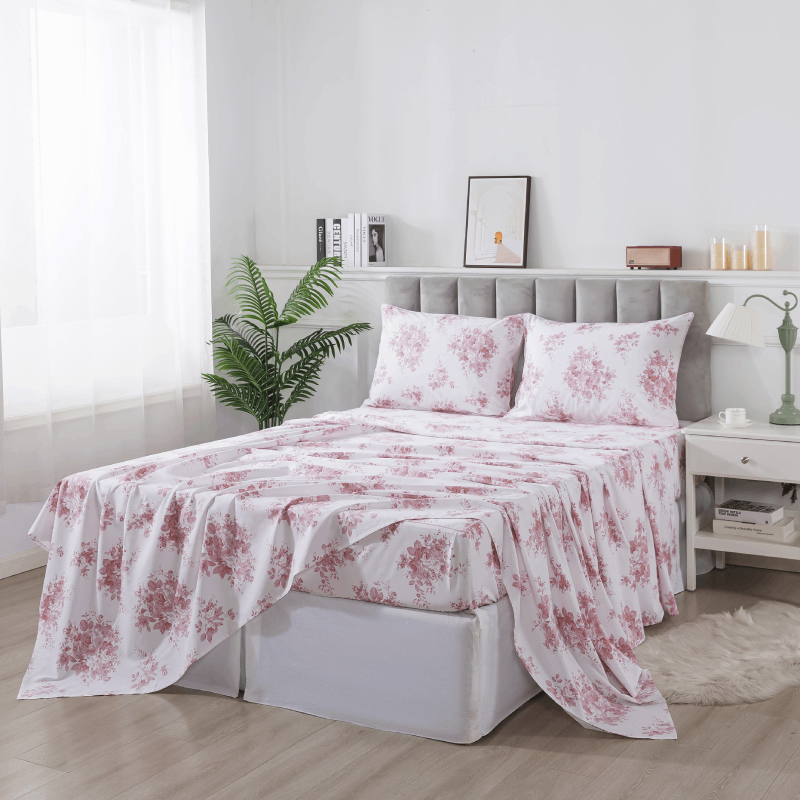
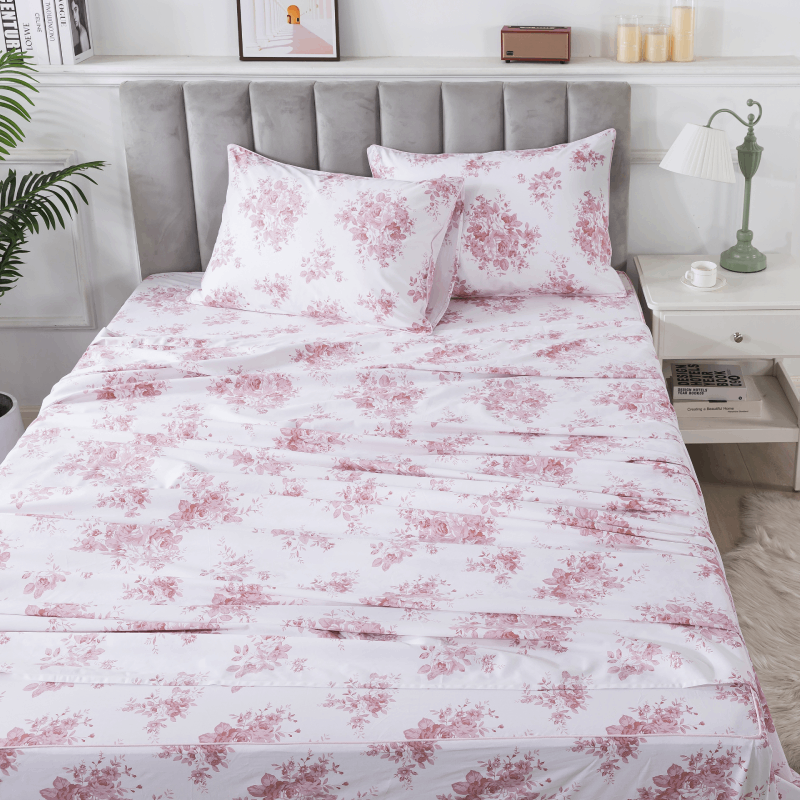
Homes are lived in. Beds are where we read, nap, scroll, recover from long days, and share space with partners, kids, or pets. Wrinkles happen. Hair happens. Imperfect mornings happen.
Instagram-perfect bedding often treats these signs of life as problems to be hidden. But in reality, they’re proof that a bed is doing its job.
Comfortable bedding adapts to these moments:
-
It softens instead of stiffening
-
It breathes instead of overheating
-
It holds up to washing without losing its feel
A few natural creases are not a failure of design. They’re evidence of usability.
The Illusion of Luxury
Another issue with picture-perfect bedding is how it redefines “luxury.” Luxury becomes visual drama rather than physical comfort.
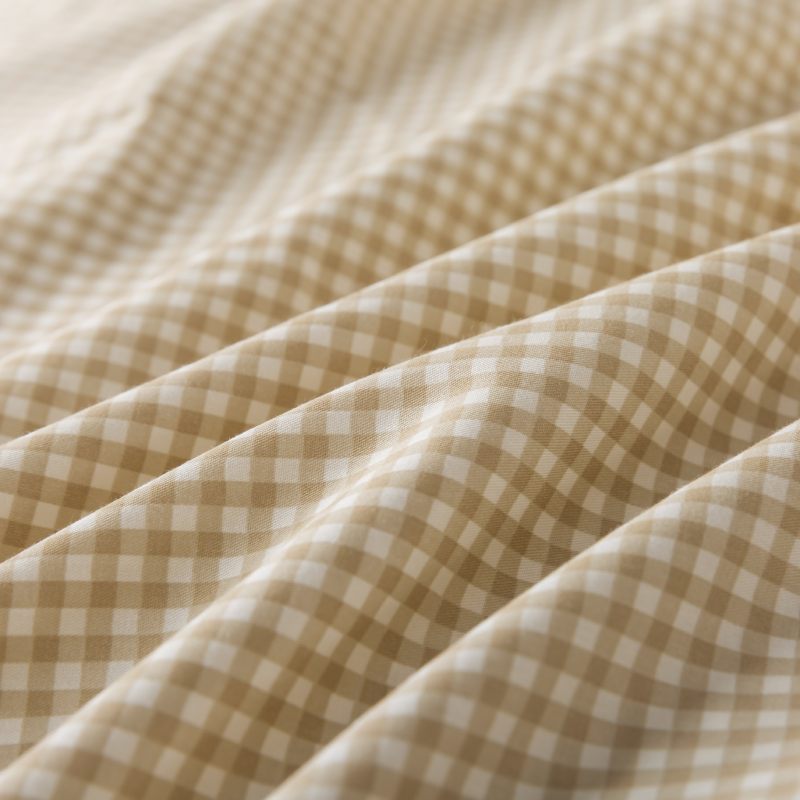
True quality is quieter. It’s the way cotton feels against skin at the end of a long day. The way fabric stays breathable through the night. The way you stop thinking about your bedding entirely once you lie down.
If you constantly notice your sheets—too hot, too rough, too heavy—then no amount of visual polish can make them luxurious.
Bedrooms Are Not Showrooms
A showroom bed is designed to be untouched. A real bed is designed to be returned to every night.
When bedrooms are styled primarily for social media, they risk losing their original purpose: rest. The soft lighting, neutral tones, and calm textures that truly support sleep often look “plain” online—but they feel right in person.
Designing a bedroom around how it photographs is easy. Designing it around how it feels takes more intention.
Choosing Bedding Beyond the Feed
If you’re reassessing your bedding, here are a few questions worth asking—none of which have anything to do with Instagram:
-
How does this fabric feel after eight hours of sleep?
-
Does it stay comfortable through different seasons?
-
Can it handle regular washing without losing softness?
-
Do I feel relaxed when I see it unstyled, at the end of a normal day?
The answers to these questions matter far more than how your bed looks in a square photo.
A Different Kind of Beauty
There’s a quieter beauty in bedding that doesn’t try to perform. Sheets that crease naturally. Pillows that settle where they’re needed. Fabrics that get better with time instead of worse.
This kind of bedding may never go viral. But it will be the one you look forward to coming back to—night after night.
And in the end, that’s what a bed is for.