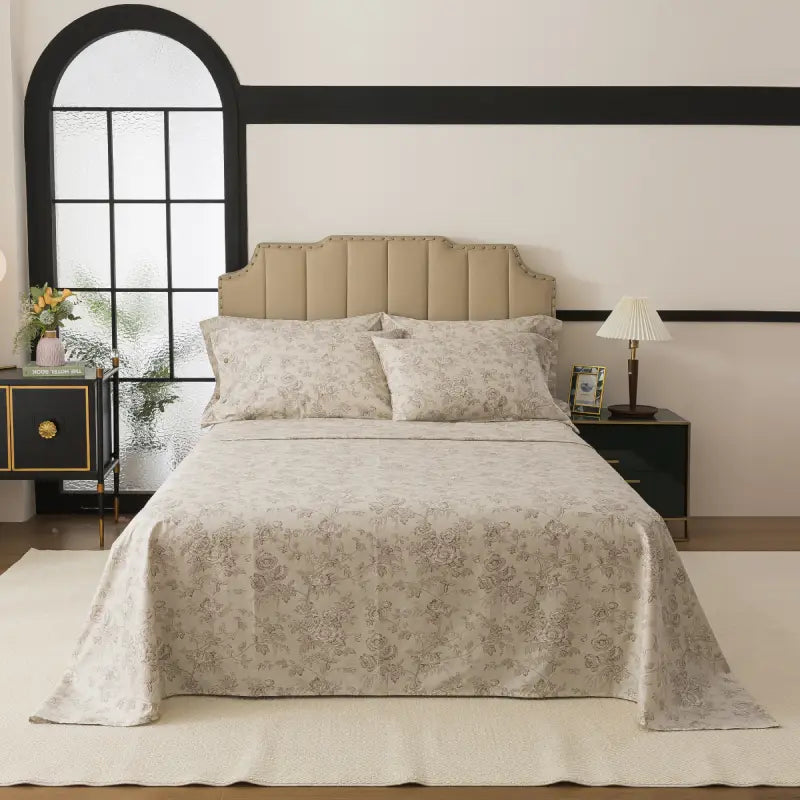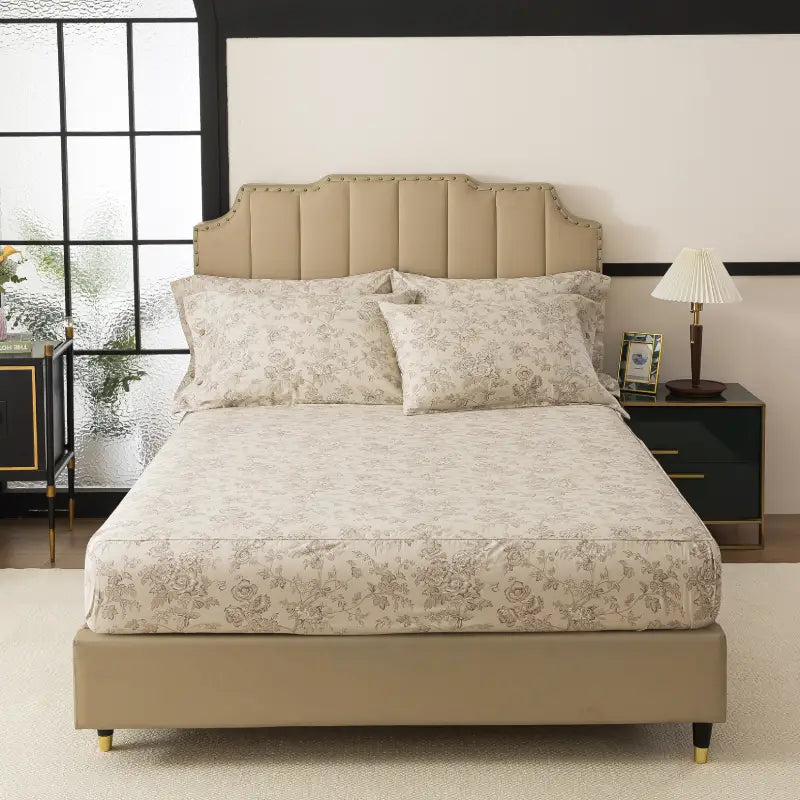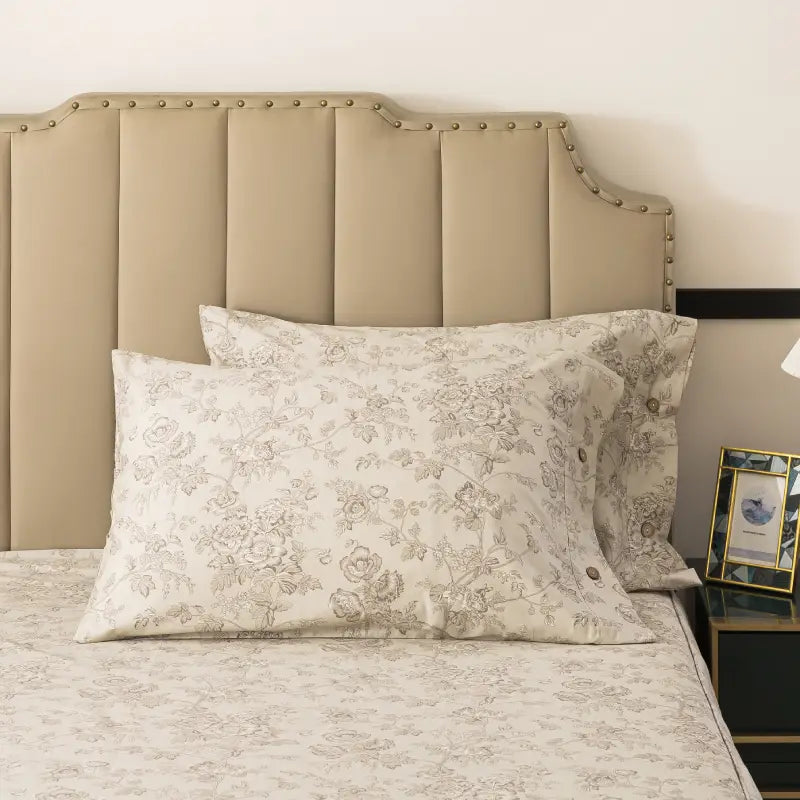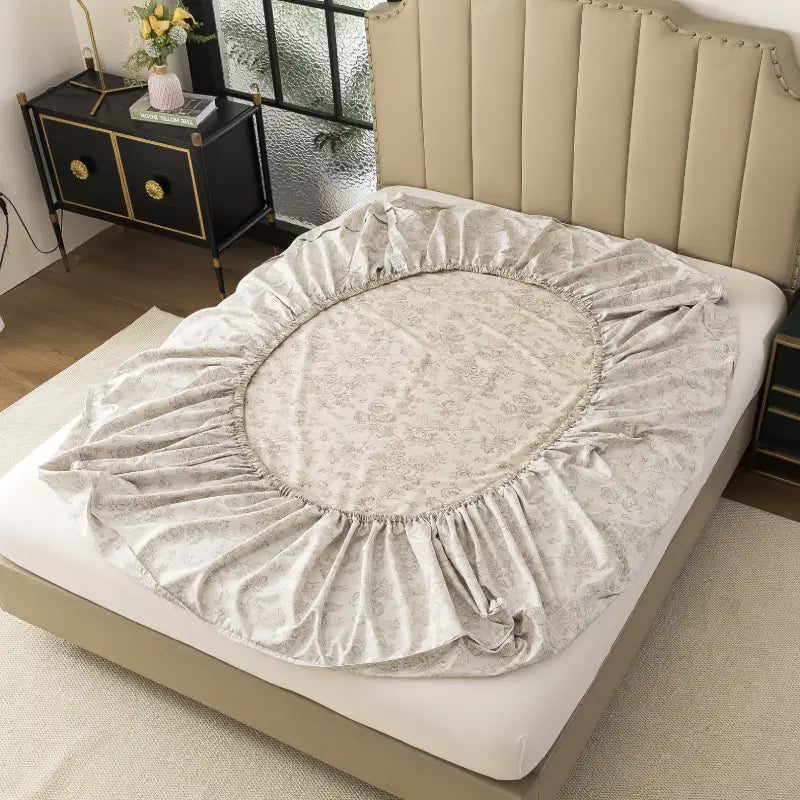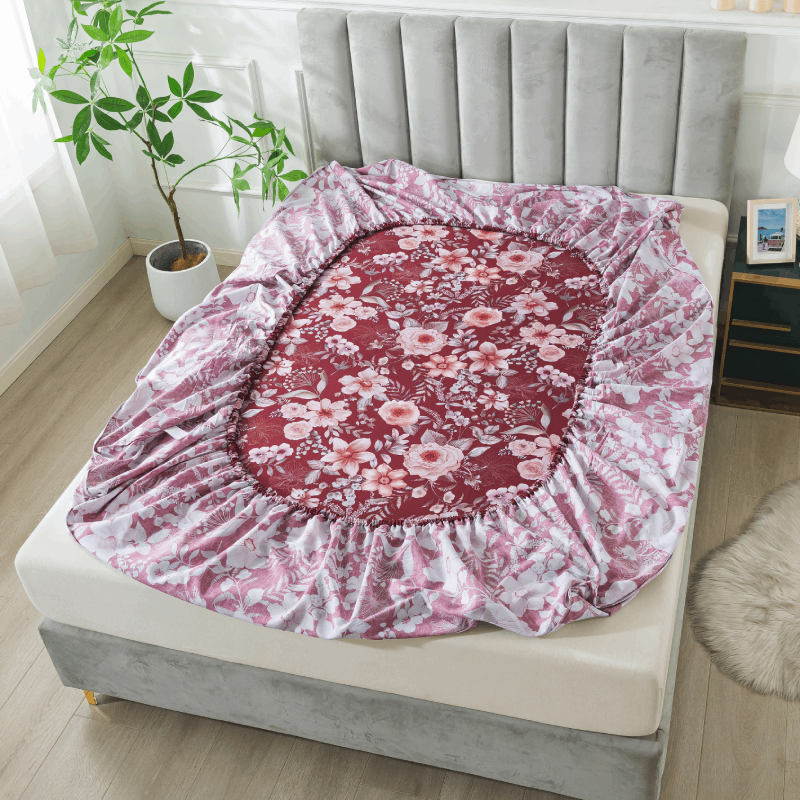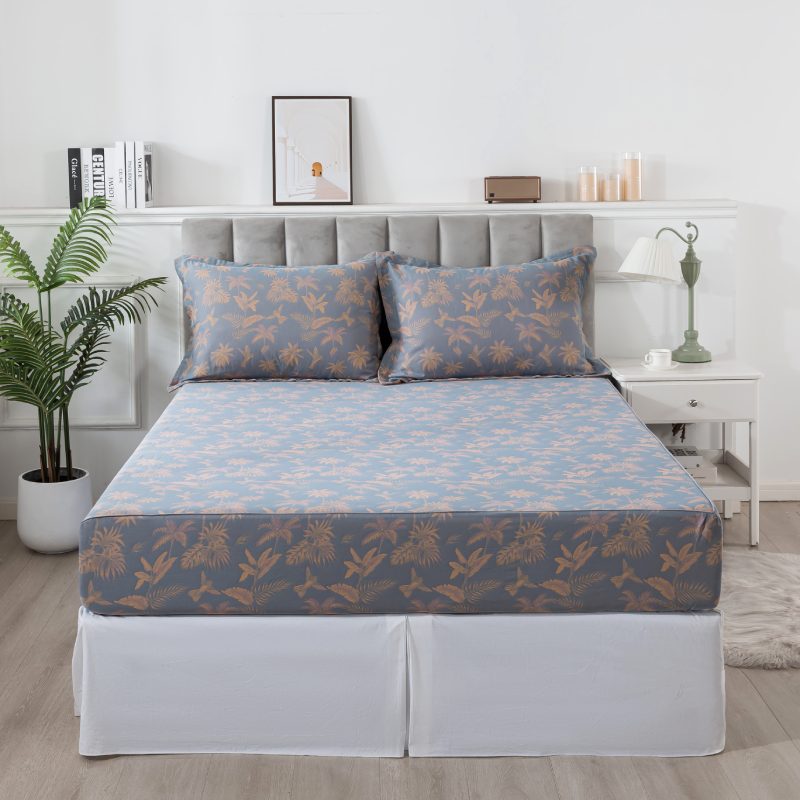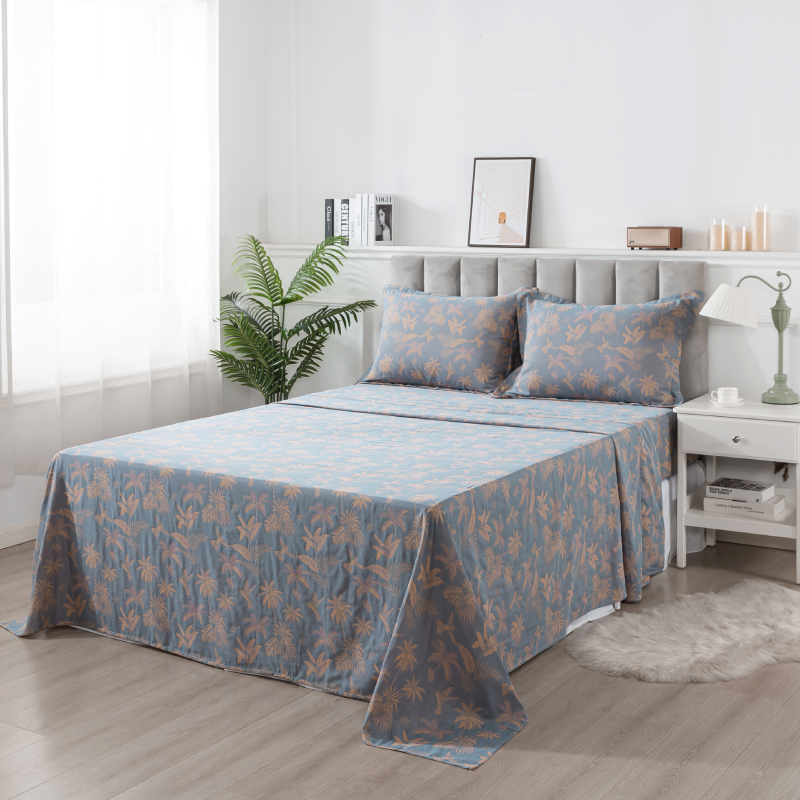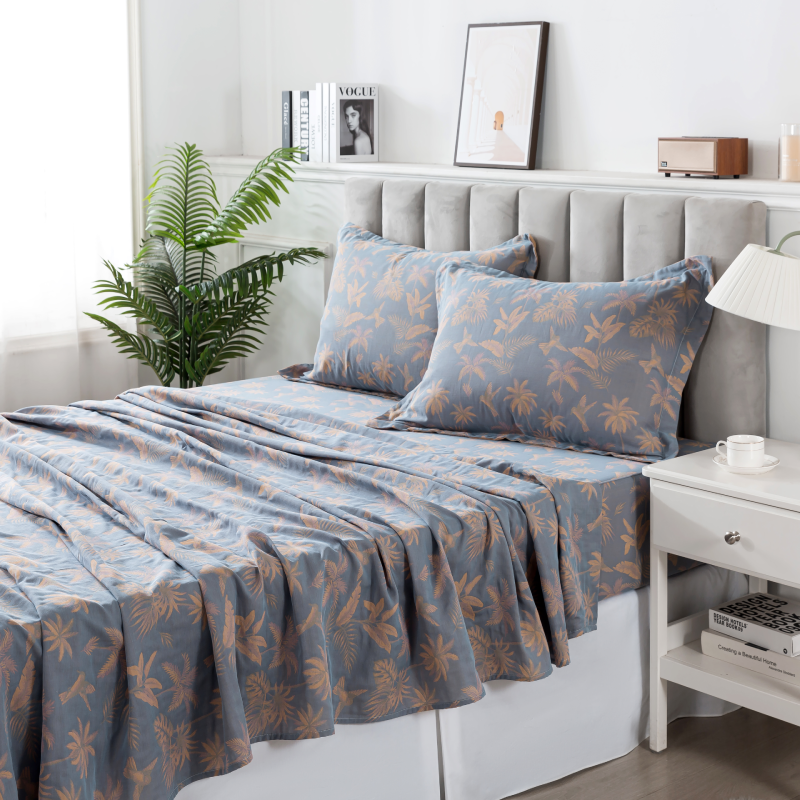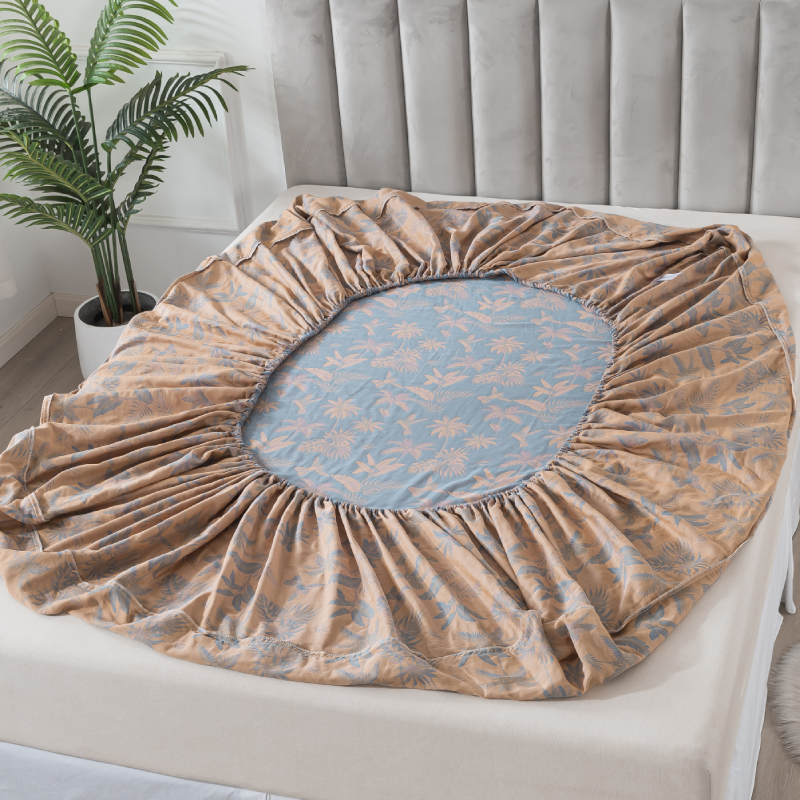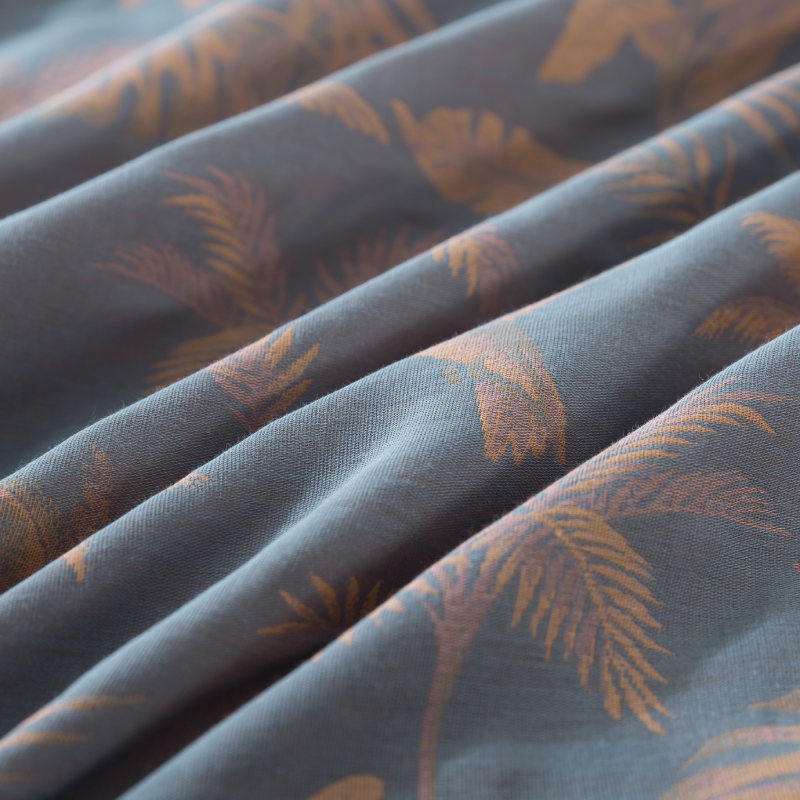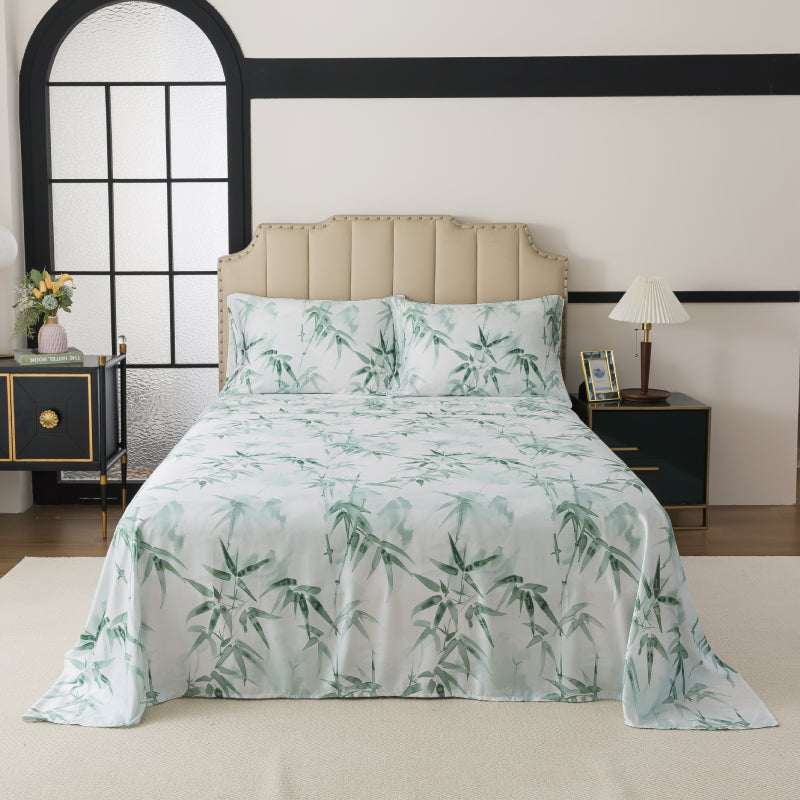


Floral prints have been a staple in design for centuries, with their timeless appeal woven into the fabric of fashion, interior decor, and even textiles. From soft pastels to bold, vibrant hues, florals can add a touch of whimsy, romance, or sophistication to any space or outfit. But not all floral prints are created equal. The difference between a good floral print and a great one lies in the details, craftsmanship, and how the design speaks to its intended audience. Let’s explore what makes a floral print stand out.
1. The Art of Balance
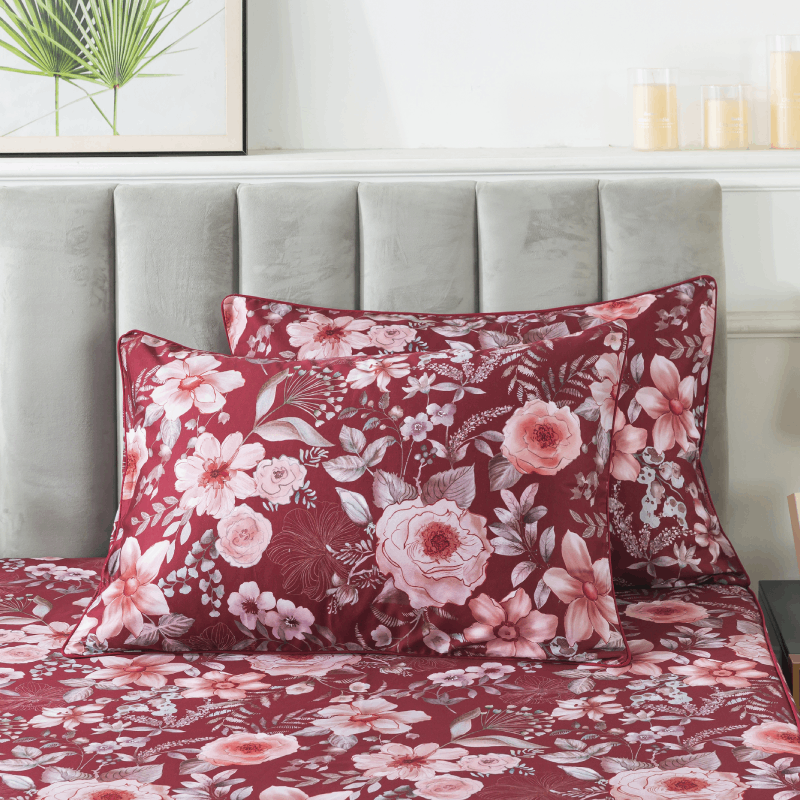
A good floral print often features a beautiful arrangement of flowers, but a great floral print knows how to balance its elements. The most successful floral designs create harmony through the careful placement of flowers, stems, and leaves. A well-balanced print has a thoughtful composition where no element feels overcrowded or too sparse.
Take, for example, a design with large flowers placed in such a way that the eye is naturally drawn across the pattern, enjoying the movement and flow. On the other hand, a good floral print might use repetitive patterns that can feel monotonous or heavy. A great floral design knows when to scale flowers to create depth and intrigue, and when to pull back and let negative space breathe.
2. Color Palette That Speaks to the Mood
While a good floral print uses colors that are pleasing to the eye, a great floral print uses color in a way that evokes a specific mood or emotion. The color palette is one of the most powerful tools a designer can use to elevate the floral print.
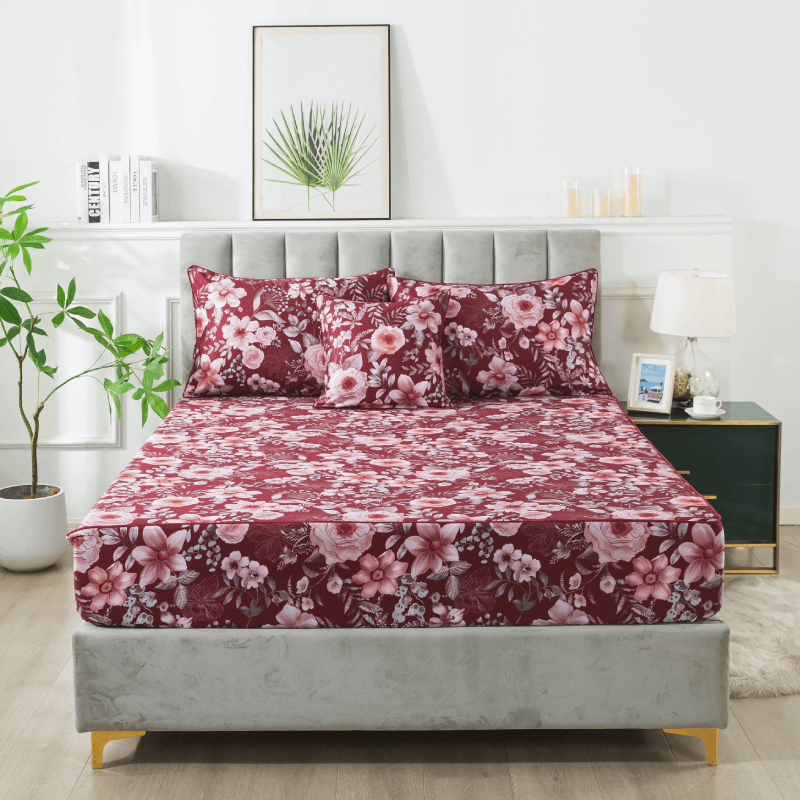
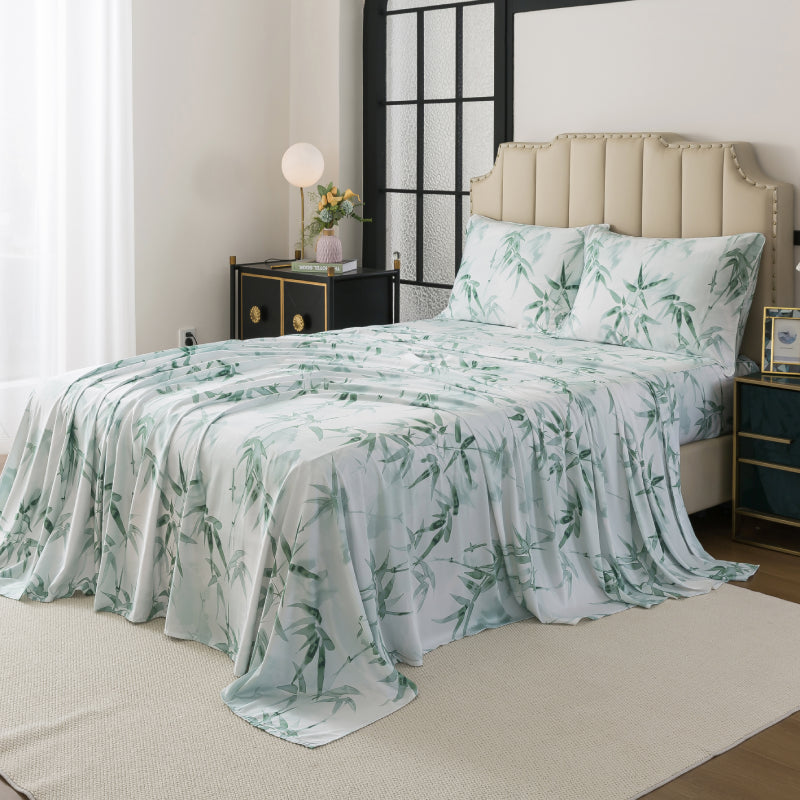
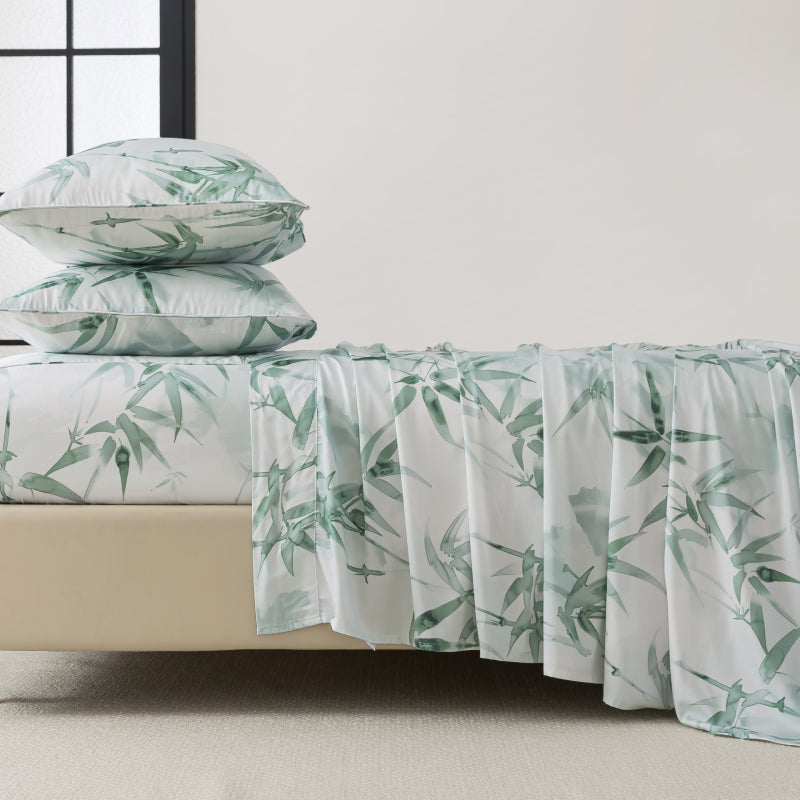
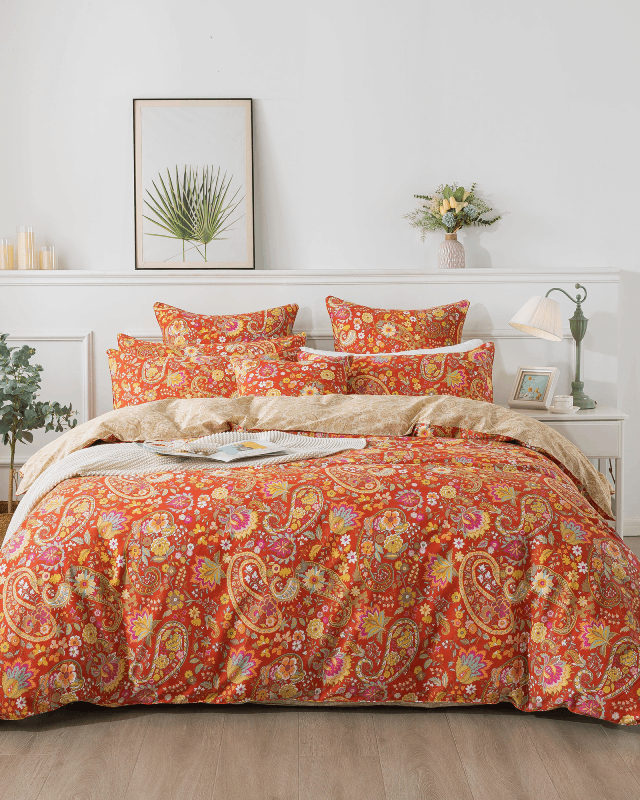
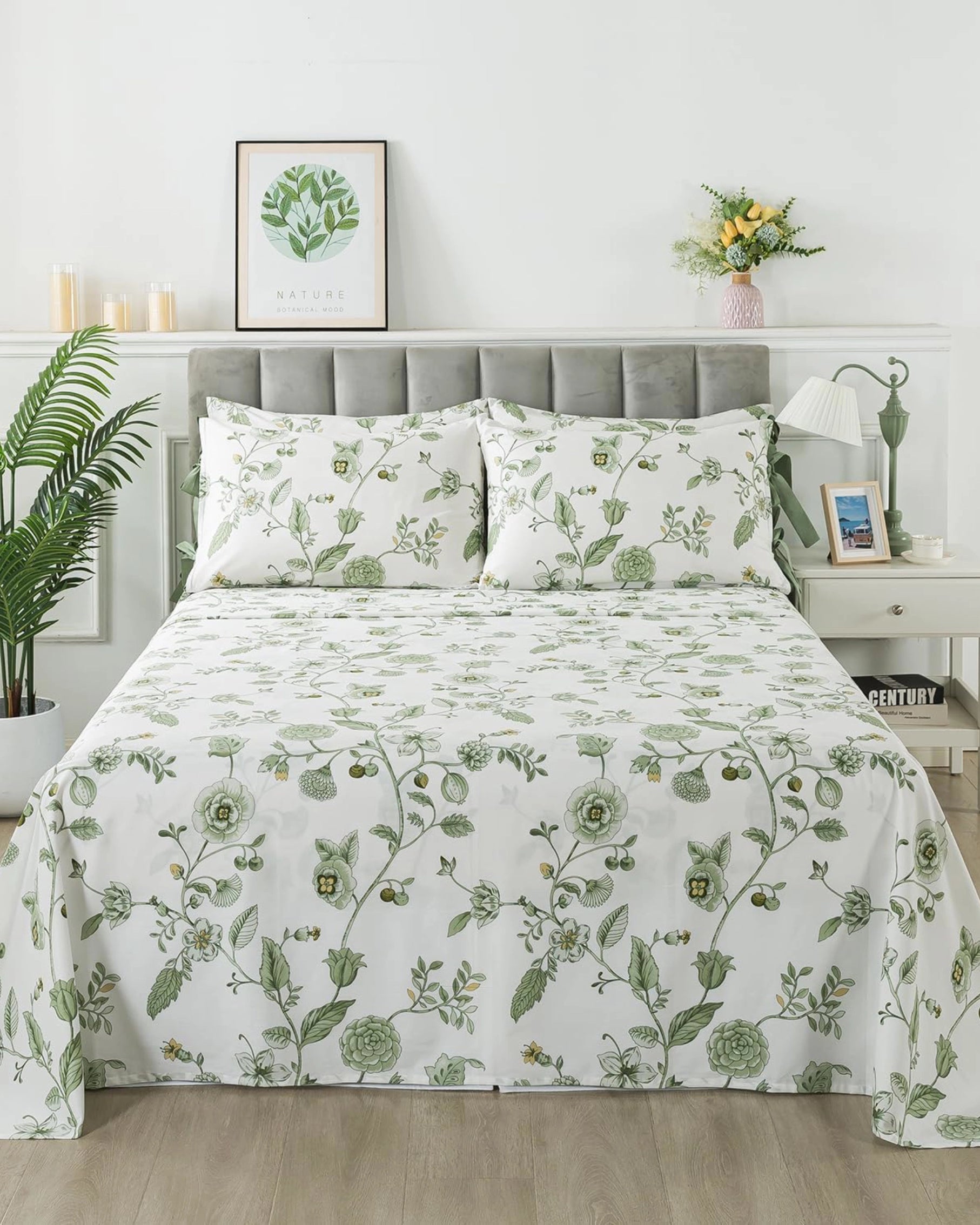
A good floral might simply feature shades of pinks, reds, and yellows, reminiscent of a classic garden. But a great floral print may use muted tones of sage green, soft blush, and ivory to create a sense of tranquility, or bold contrasts of deep navy and mustard to convey a sense of modern elegance. Great floral prints don’t just mimic nature—they translate the emotions and atmosphere of a scene.
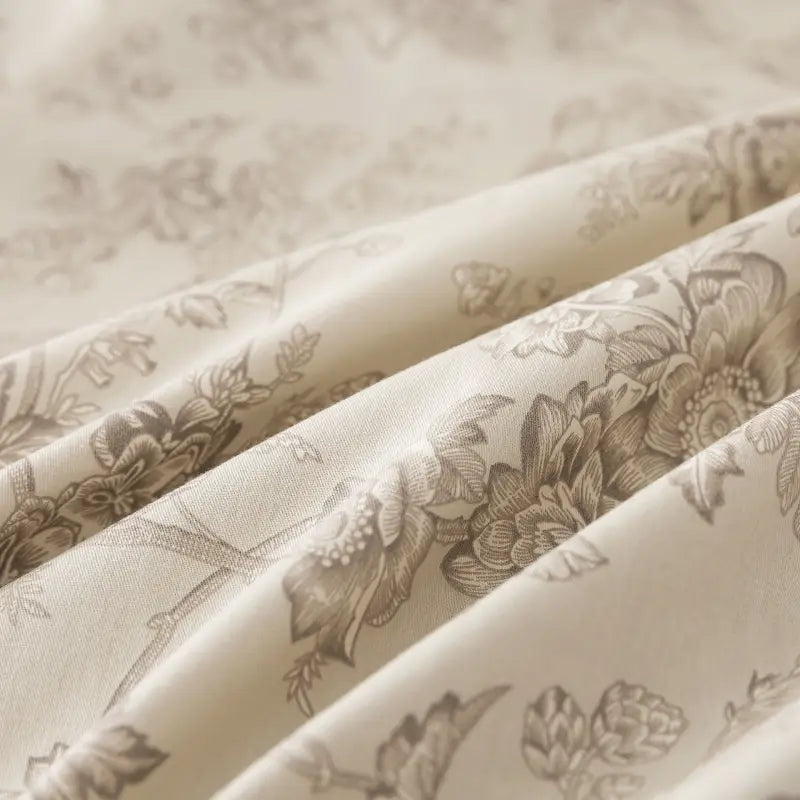
For instance, a design that incorporates softer tones with detailed shading might bring a vintage or nostalgic feel, while a bright and vibrant palette could evoke a more energetic, contemporary vibe. The right color balance makes a floral design feel not just decorative but deeply atmospheric.

3. The Quality of the Print
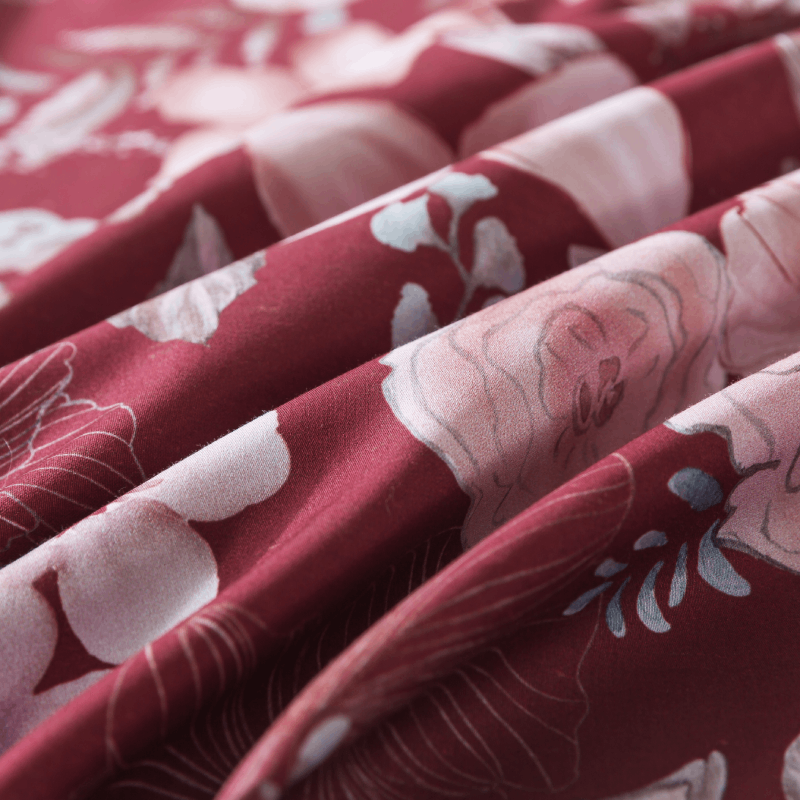
The technique used to create the floral print can dramatically affect its impact. A good floral print might look beautiful when you first see it, but a great floral print demonstrates high-quality craftsmanship, whether it’s in the print’s texture, the precision of its design, or its longevity.
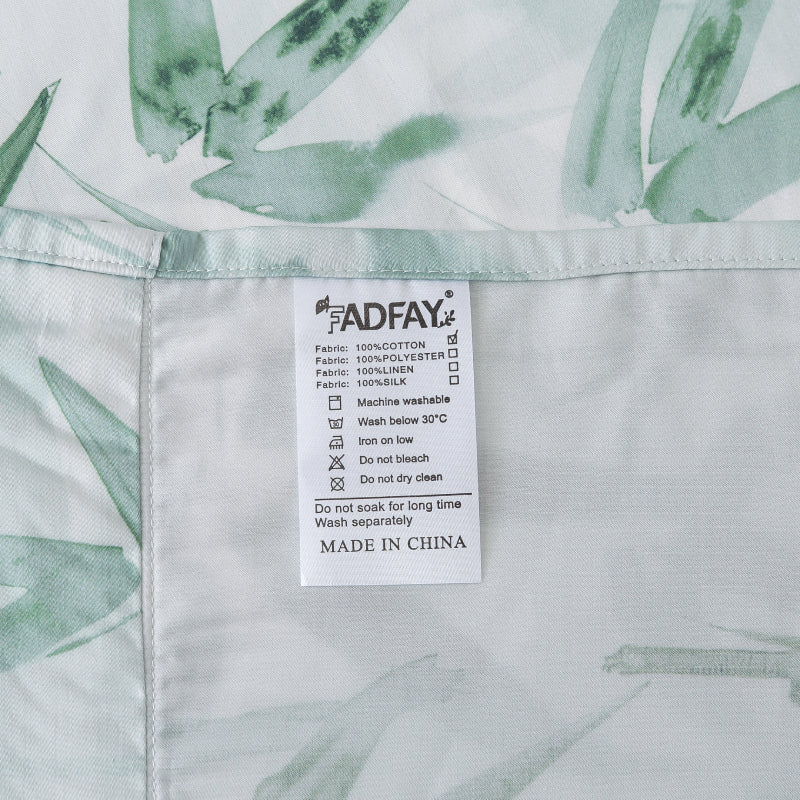
For example, the quality of the fabric used for printing plays a significant role in how the floral design translates into a final product. A great floral print on soft, high-quality cotton feels luxurious to the touch and holds its vibrant colors even after multiple washes. In contrast, a good print may start to fade or lose its vibrancy over time if the fabric or print process is of lesser quality.
Similarly, how a floral pattern is printed—whether it’s through intricate digital printing, traditional screen printing, or hand-painting—affects the visual impact of the design. A great floral print often features rich details, delicate shading, and subtle gradients, while a good print might be more static and flat.
4. The Story Behind the Design
Floral prints with depth tell a story. Great floral designs often have an element of storytelling, whether it’s inspired by a particular garden, a place, or a season. Designers often look at nature for inspiration, but a great floral print doesn’t simply replicate a flower—it interprets it.
Take, for example, the difference between a classic rose pattern and one that incorporates a wildflower theme. A good rose print may capture the essence of the flower but may not go beyond that. In contrast, a great wildflower design might feature varying sizes of flowers, tendrils that wind and wrap around each other, or an assortment of flowers from different seasons, evoking the beauty of nature’s imperfections.
When a floral print carries a story or an inspiration behind it, it transcends being just a pattern—it becomes an experience. This thoughtful approach brings the design to life and makes it feel personal and unique.
5. Timeless Appeal
Floral prints, while always in fashion, go through phases of popularity. A good floral print might look trendy in the current season, but a great floral print stands the test of time. This is what sets a classic floral print apart from one that fades away with trends.
Great floral prints have a certain timeless quality—they can be embraced in any era, adaptable to new styles, and can work seamlessly with both modern and vintage elements. This sense of longevity makes a great floral print an investment piece, whether it’s in fashion, bedding, or home decor.
6. Versatility Across Mediums
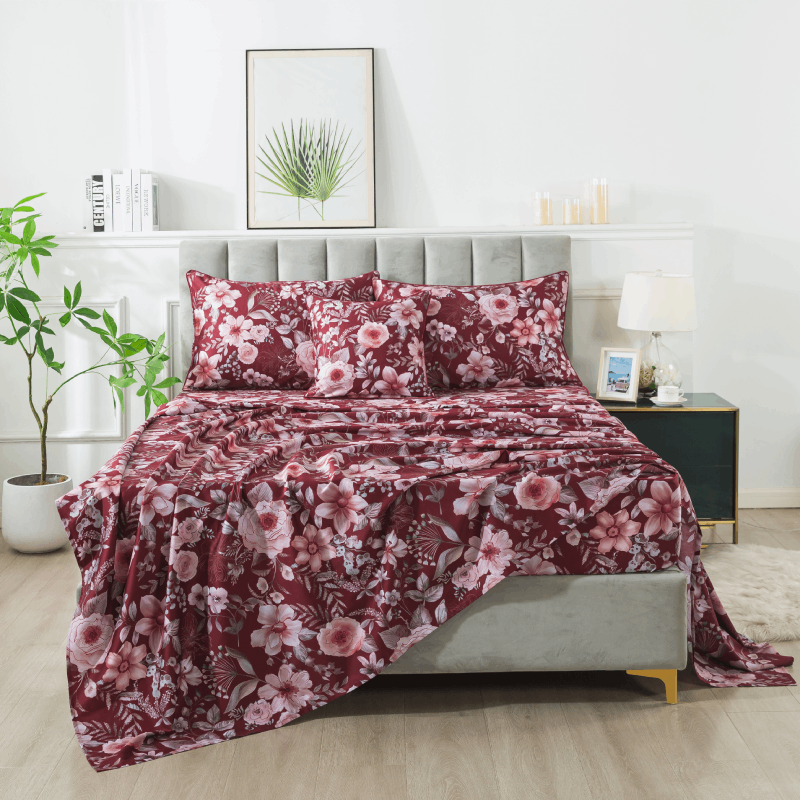
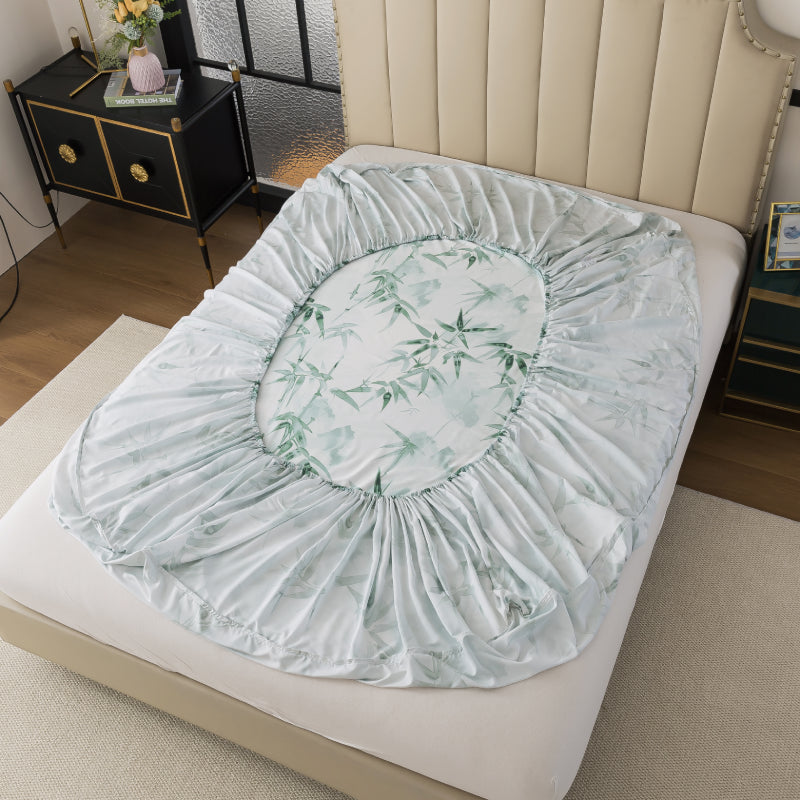
A great floral print is versatile—it can work beautifully on a duvet cover, a set of curtains, or even a silk scarf. A good floral print, however, might only be suited for specific applications. The beauty of a great floral print lies in its adaptability and the way it can be scaled, colored, and interpreted to fit different purposes.
This versatility is what allows a floral print to work across different design styles, from minimalistic modern homes to more traditional, eclectic spaces. A great floral design has the ability to shift with the space or wardrobe it occupies.
Conclusion
While a good floral print can add beauty and charm to a space or outfit, a great floral print does much more—it tells a story, evokes emotion, and demonstrates a level of craftsmanship and design that makes it unforgettable. Whether it’s the balance of elements, the quality of the print, or the mood it creates, the difference between a good and great floral print is evident in how it makes you feel. When selecting floral prints, choose not just for visual appeal but for the depth and story that great designs offer.