

Sharing your home with pets brings warmth, companionship, and a sense of everyday joy. But when cats, dogs, or other furry friends are part of your daily life, your bedding needs to do more than look beautiful. It should feel comfortable, wash well, resist everyday wear, and help your bedroom stay fresh and inviting.
For pet-friendly homes, the best bedding is not only about style. It is about choosing fabrics, colors, textures, and construction details that can handle real life.
1. Choose Natural, Breathable Fabrics
When pets love curling up on the bed, breathable bedding becomes especially important. Natural fibers such as 100% cotton are a smart choice because they feel soft against the skin while allowing air to circulate. This helps keep the bed from feeling too warm or stuffy, especially if your pet likes to sleep close to you.
Cotton bedding is also comfortable across seasons. It feels fresh in warmer months and cozy when layered in cooler weather. For homes with pets, this balance matters because bedding often needs to stay comfortable through daily use, frequent washing, and changing temperatures.
2. Look for Bedding That Is Easy to Wash
Pet-friendly bedding should be easy to care for. Even the cleanest pets can bring small traces of fur, dust, or outdoor particles onto the bed. Choosing machine-washable bedding makes daily life much easier.
Avoid overly delicate materials that require complicated care. Bedding that can be washed regularly and still maintain its softness, shape, and color is a better long-term choice. High-quality cotton bedding is often ideal because it becomes softer with use while still feeling clean and breathable after washing.
3. Pick Patterns That Help Hide Everyday Pet Hair
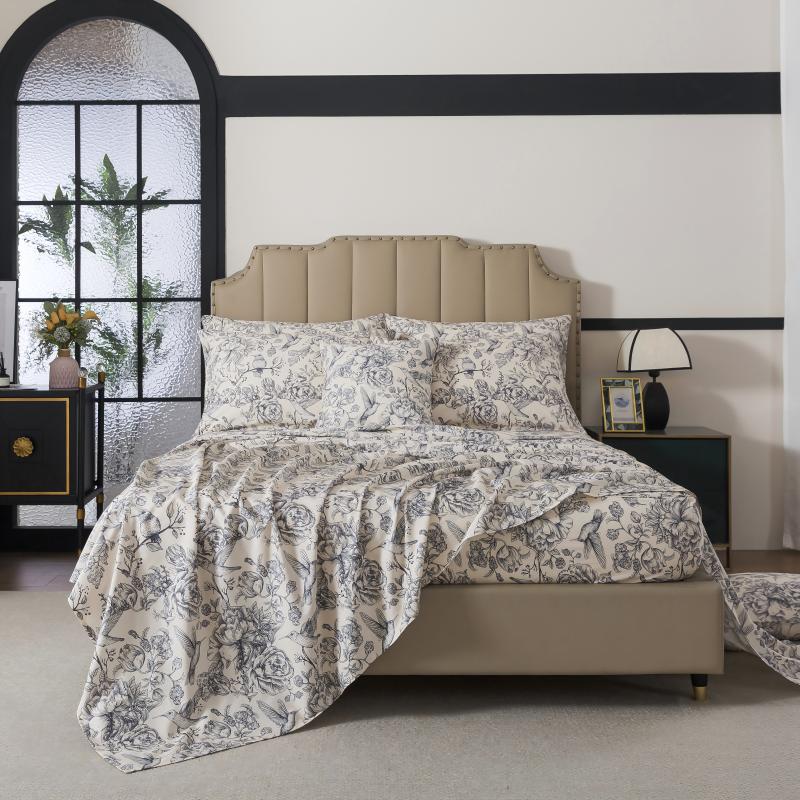
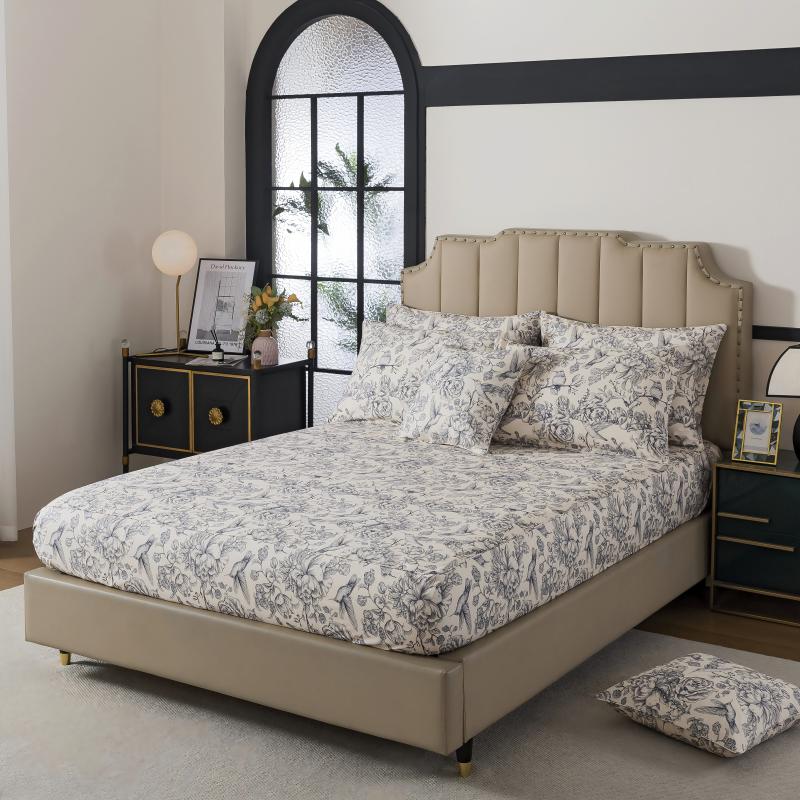
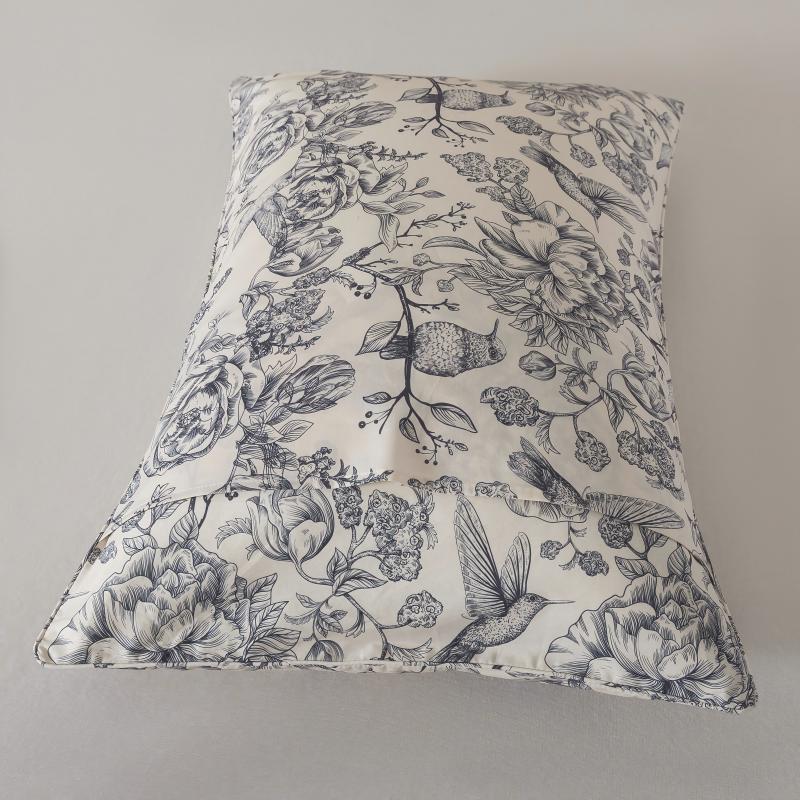
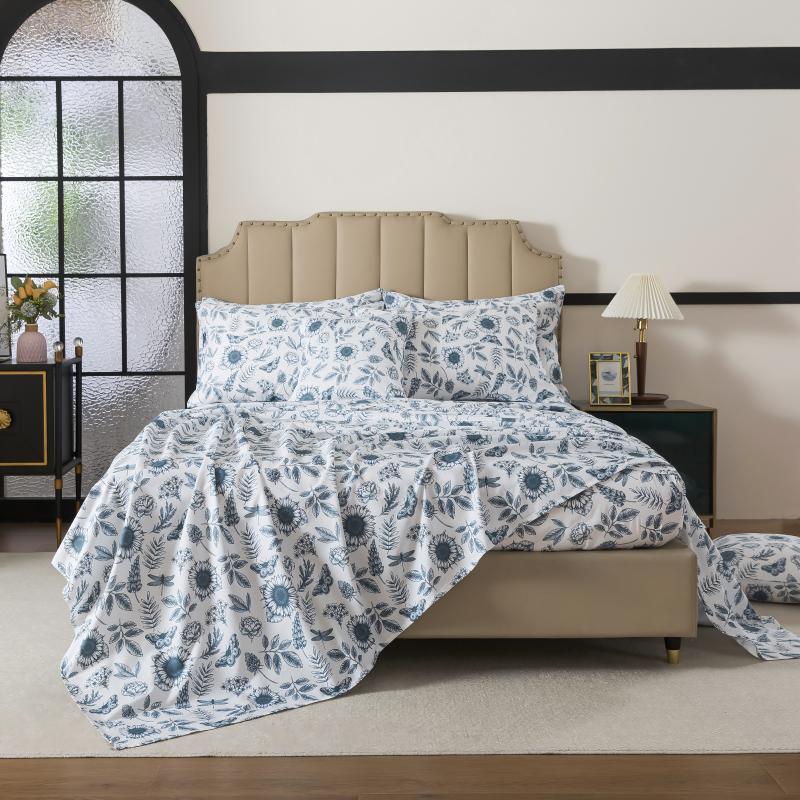
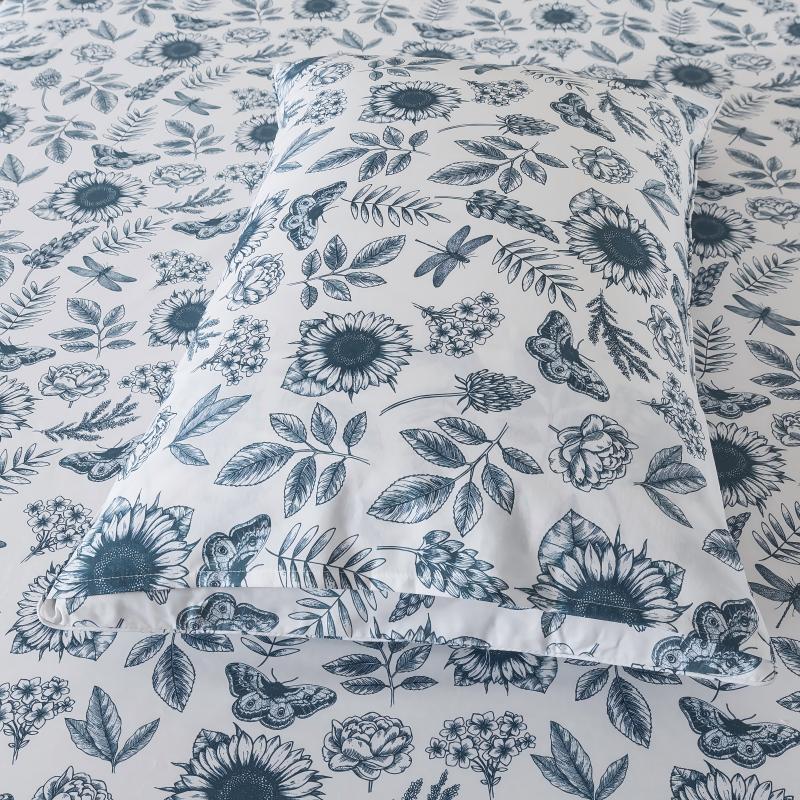
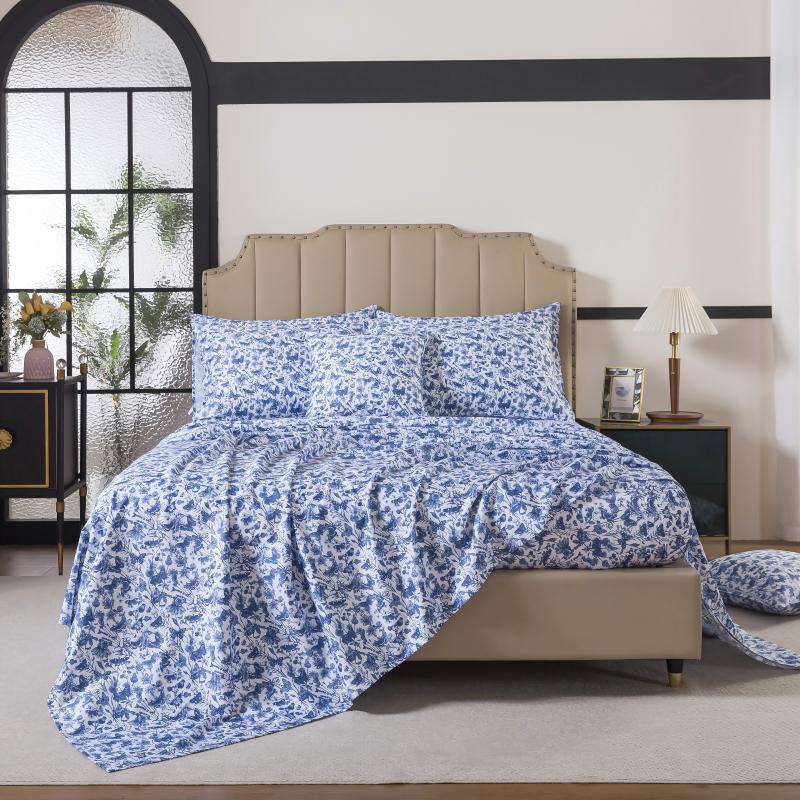
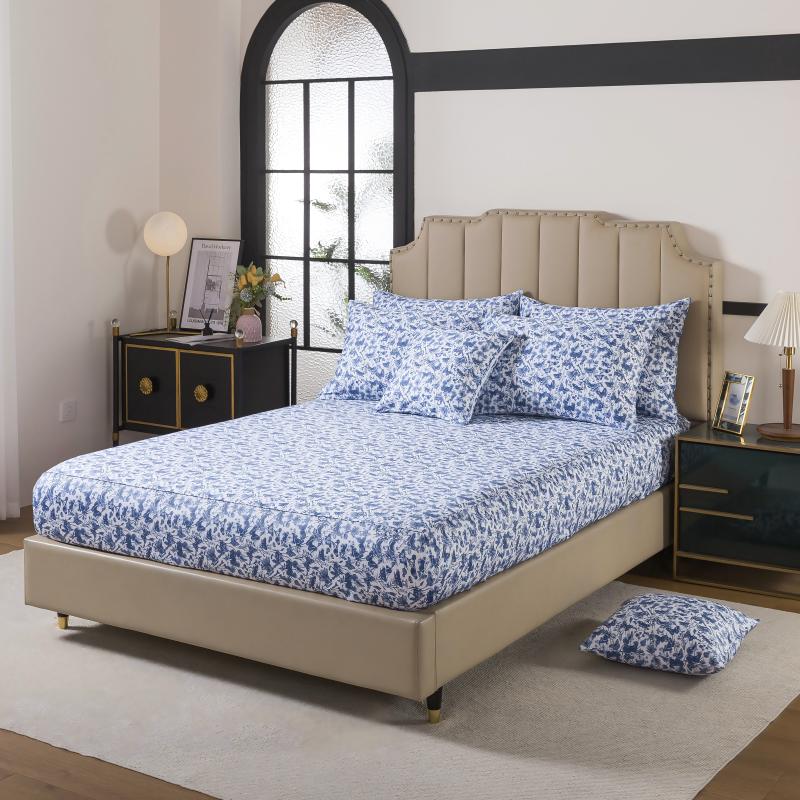
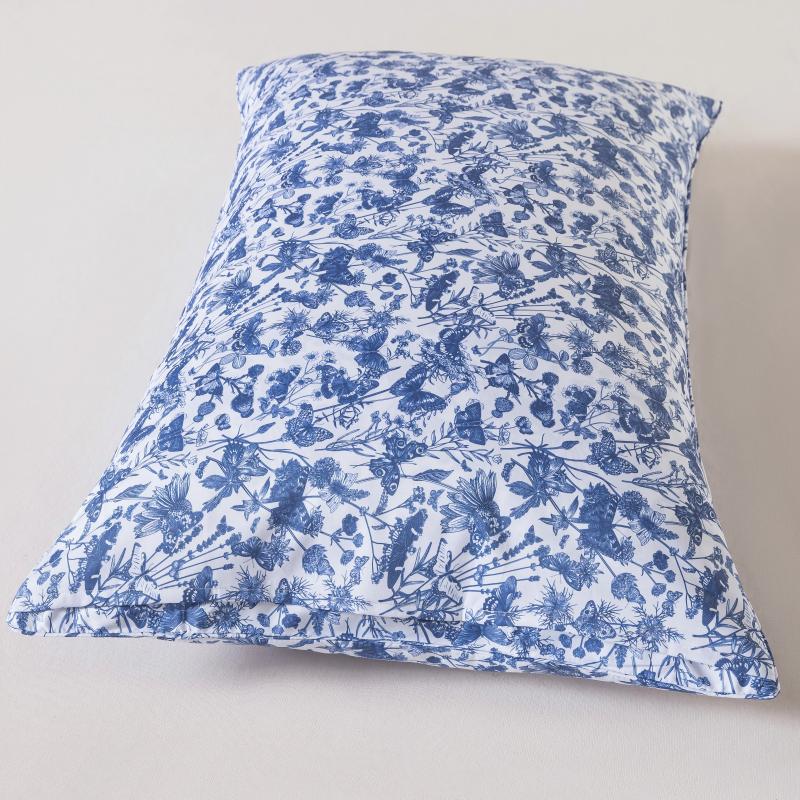
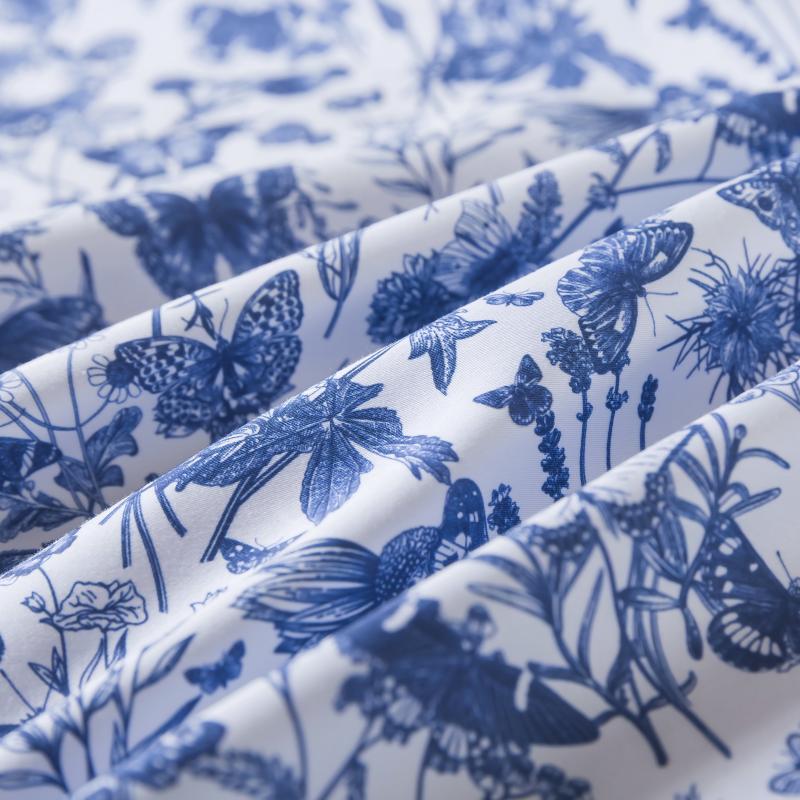
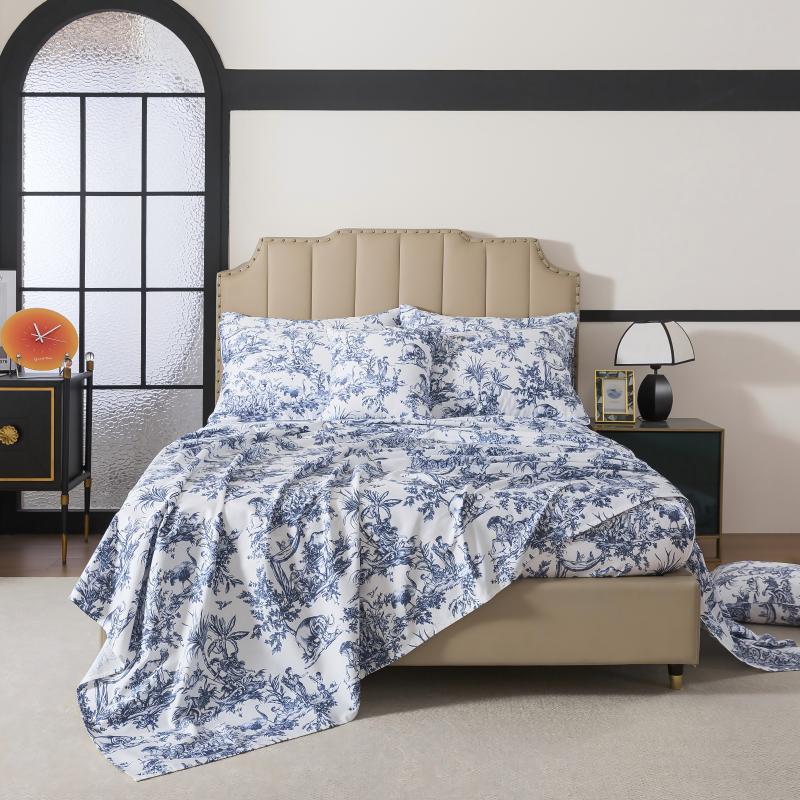
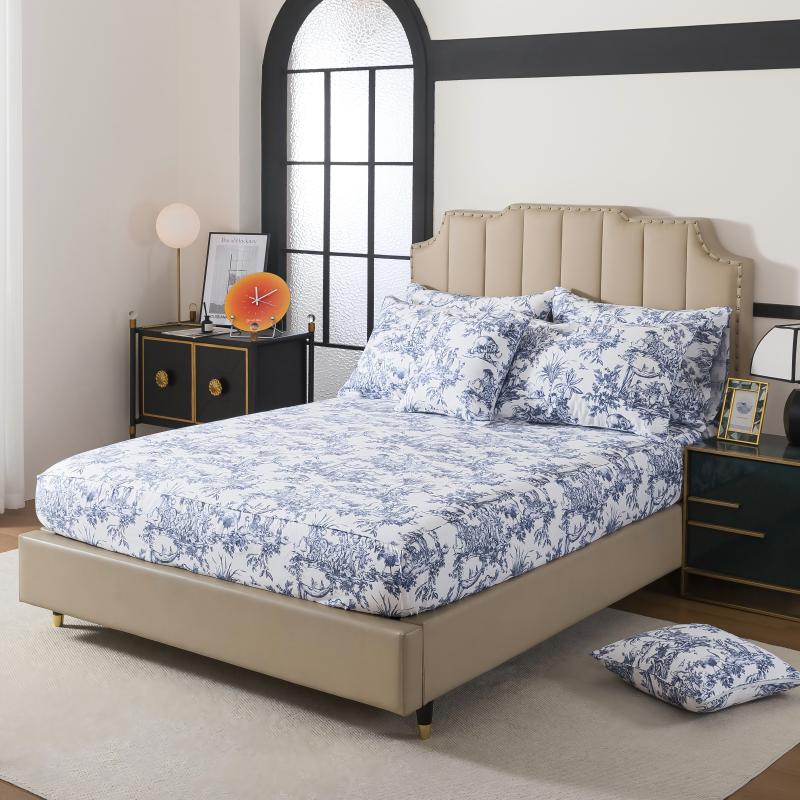
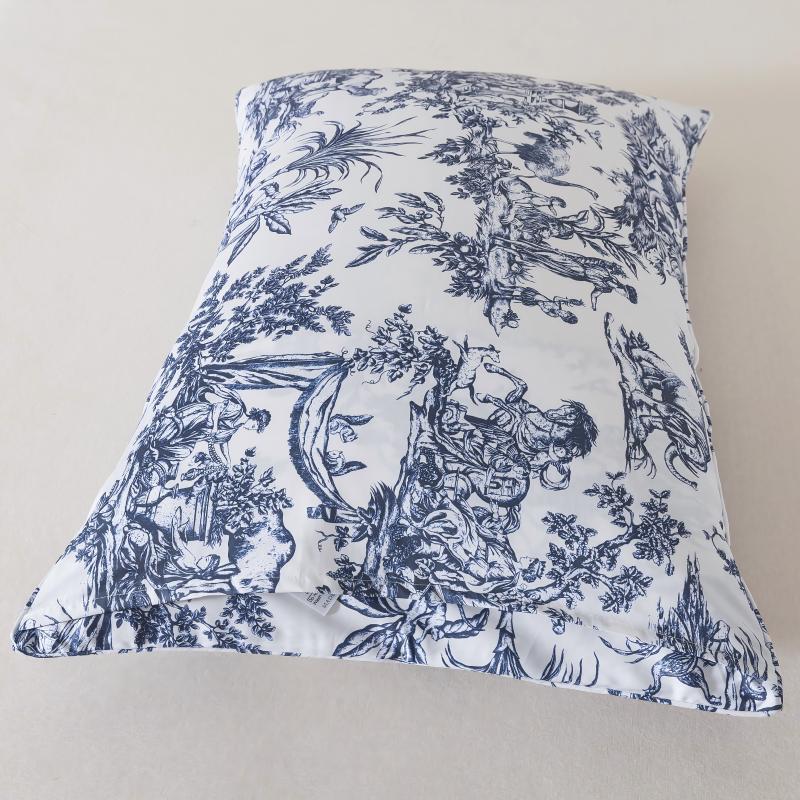
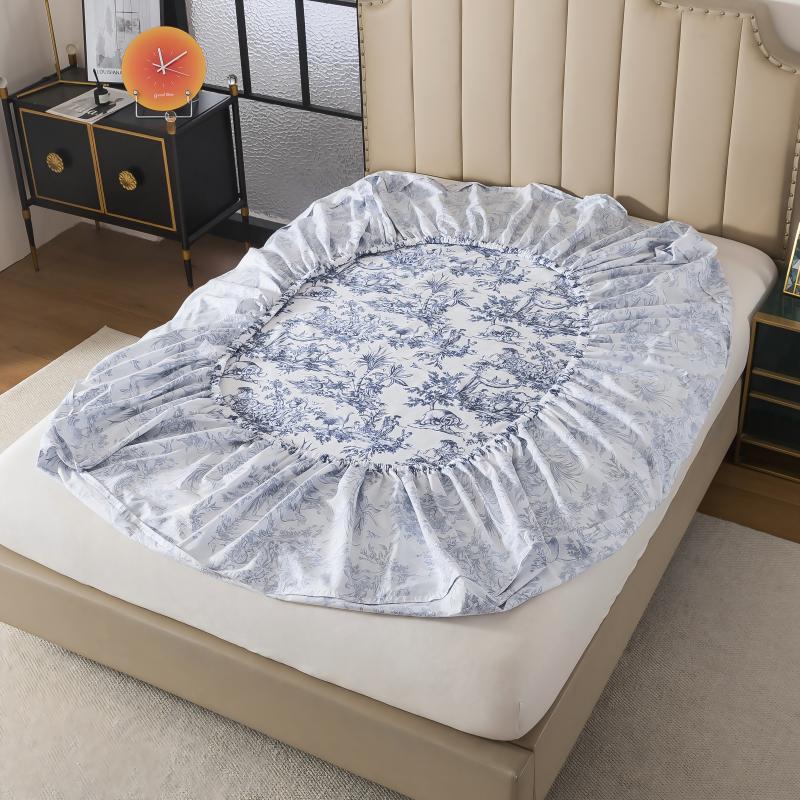
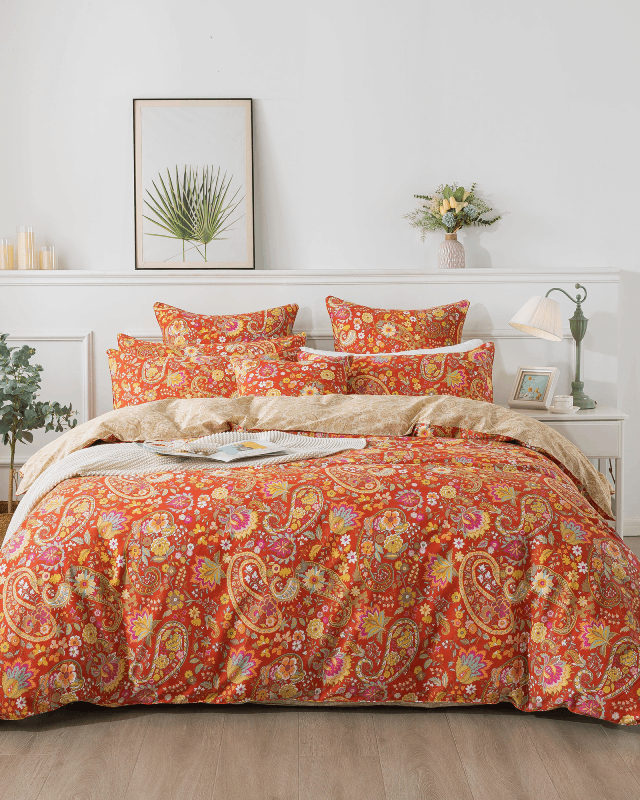
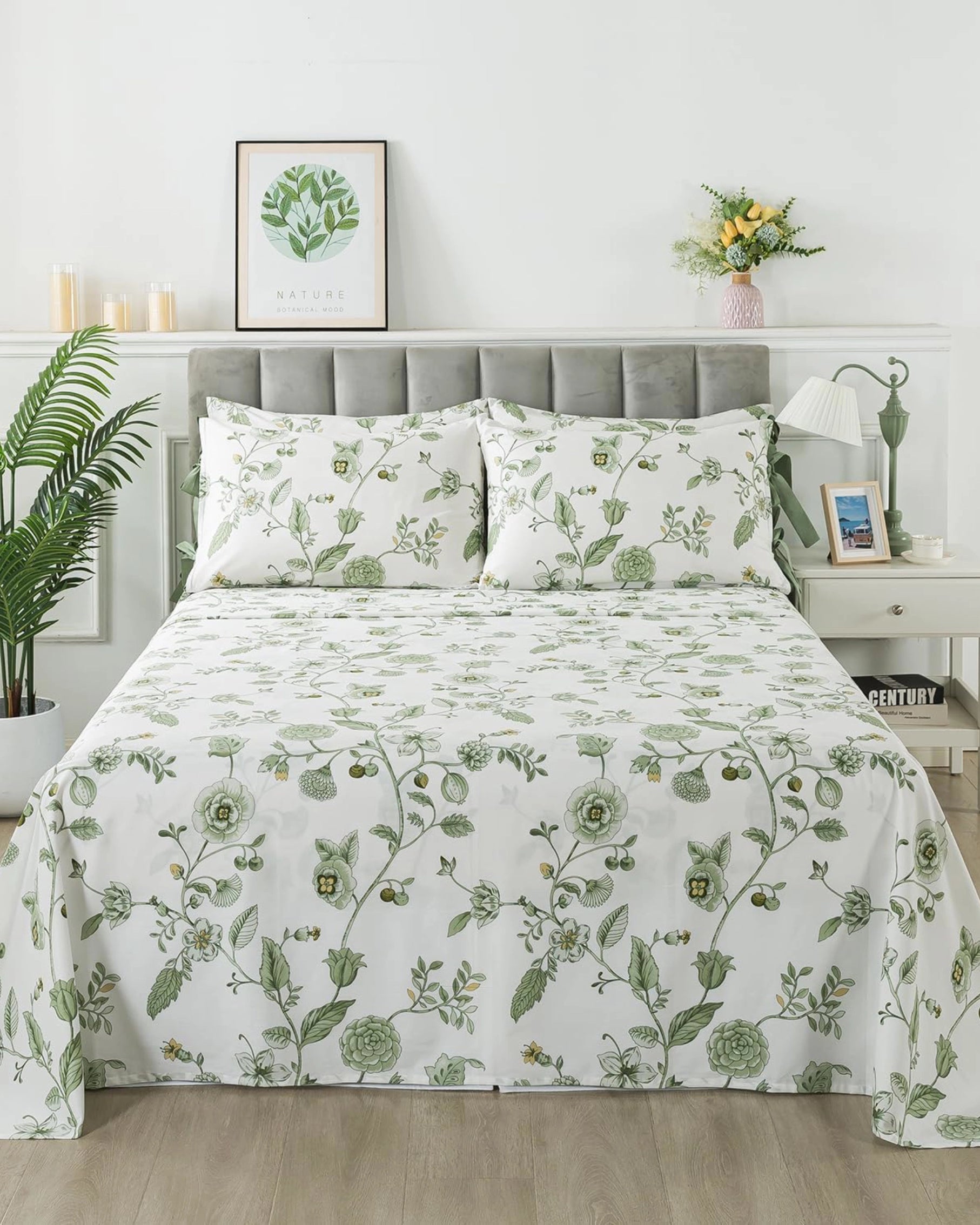
Solid dark colors may show light pet hair, while very pale colors may show marks more easily. For pet-friendly homes, patterned bedding can be more forgiving. Floral prints, botanical patterns, and soft vintage designs can help visually soften the appearance of small fur traces between washes.
This does not mean your bed has to look busy. Muted florals, gentle prints, and elegant patterns can keep the room feeling calm while still being practical. A well-balanced print adds beauty and helps the bedding look fresh in everyday life.

4. Consider Texture, Not Just Appearance
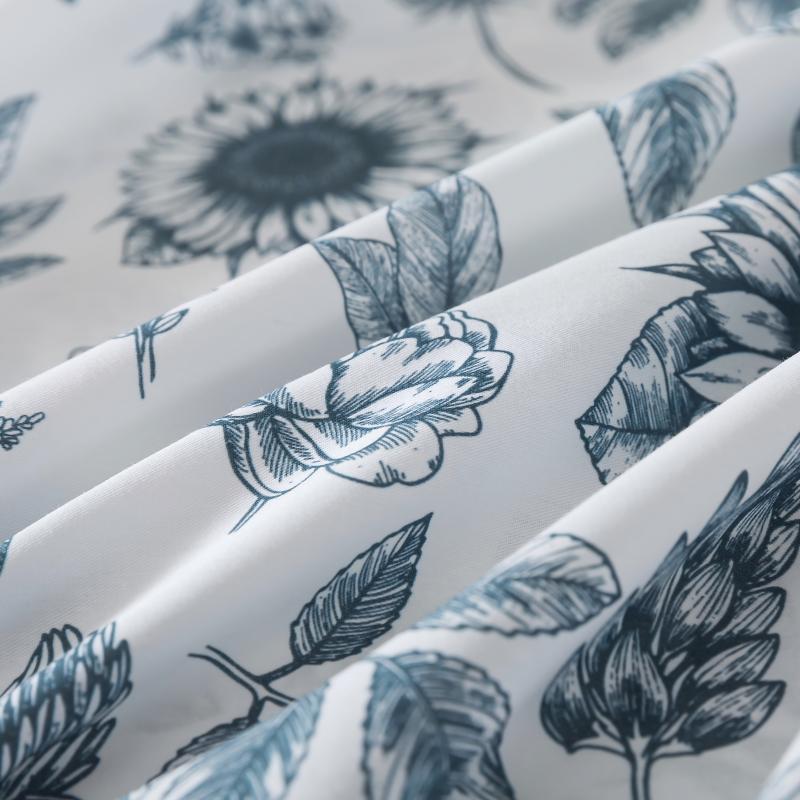
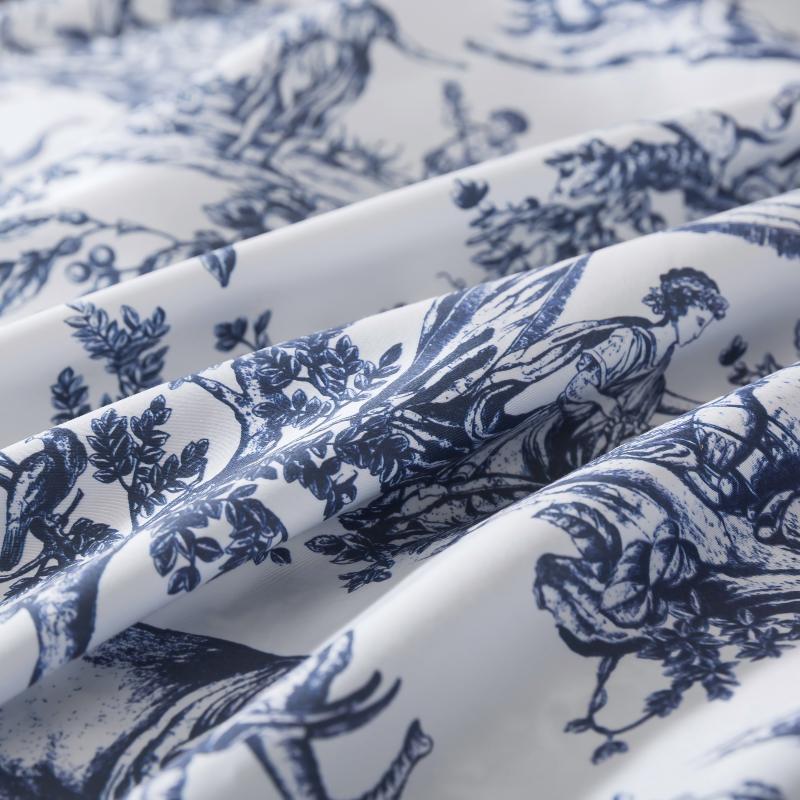
Beautiful bedding should also feel good to touch. If your pet often sleeps on the bed, look for fabric with a comfortable hand feel and a smooth but not overly slippery surface. Bedding that feels too slick may not be cozy, while rough textures can feel uncomfortable for both people and pets.
Soft cotton, cotton percale, and cotton gauze textures are good options for homes that value both comfort and practicality. They create a relaxed, lived-in look without feeling messy. Over time, natural creases can make the bed feel warm, soft, and effortless rather than overly formal.
5. Choose Durable Construction
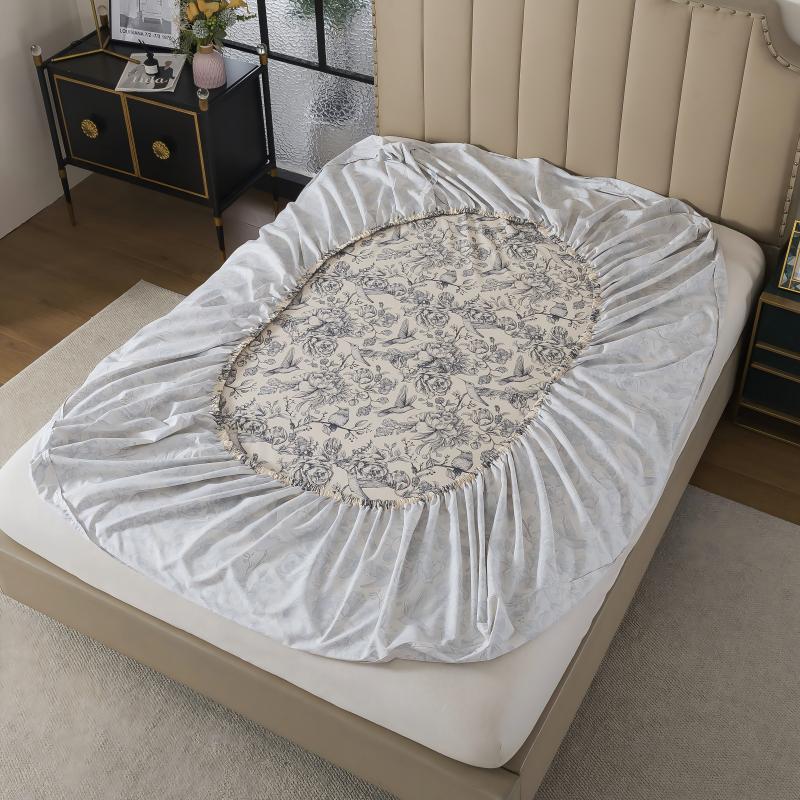
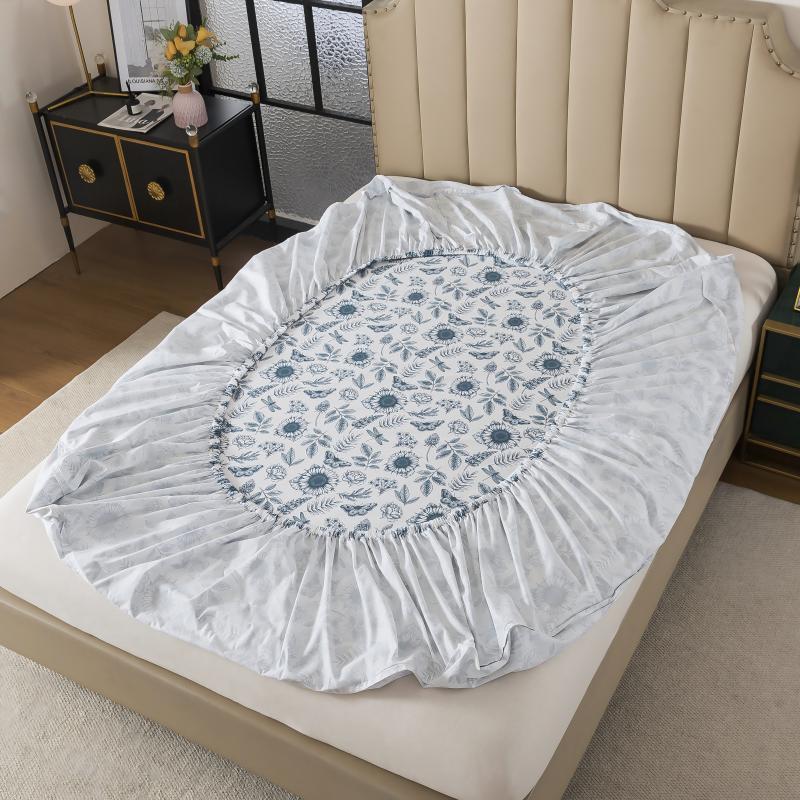
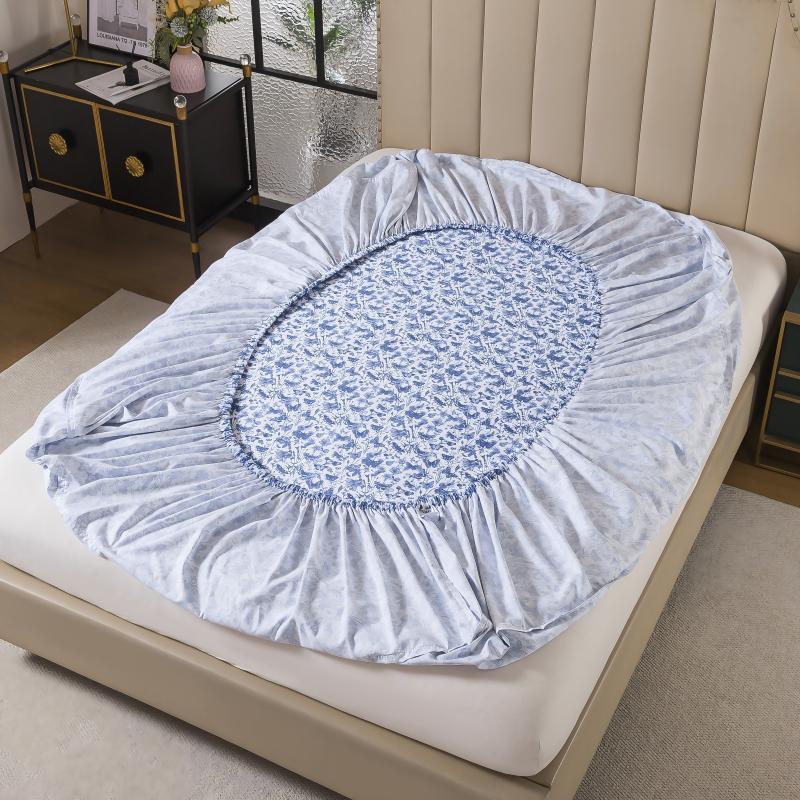
Pets may jump on the bed, knead the fabric, or move around before settling down. Because of this, bedding construction matters. Look for neat stitching, secure seams, and quality finishing. These details help bedding keep its shape and structure after regular use.
Duvet covers, sheets, pillowcases, and quilt sets should feel well-made, not thin or fragile. Pet-friendly bedding does not need to look heavy, but it should be strong enough for daily life.
6. Use Layers for Easier Maintenance
Layering is one of the simplest ways to make a pet-friendly bed more practical. A washable quilt, coverlet, or throw placed over the main bedding can protect the sheets underneath. If your pet has a favorite sleeping spot, you can wash the top layer more often without changing the entire bed.
Layering also adds style. A floral quilt over crisp cotton sheets, or a soft throw at the foot of the bed, can create a cozy and thoughtful look while making maintenance easier.
7. Avoid Bedding That Traps Too Much Fur
Some fabrics attract and hold pet hair more than others. Very fuzzy or overly textured materials can make fur harder to remove. For everyday bedding, smoother cotton fabrics are often easier to shake out, brush, or wash.
If your pet sheds often, choose bedding with a surface that does not cling too strongly to hair. This helps the bed look cleaner between washes and makes regular care less frustrating.
8. Match Bedding Style to a Relaxed Home
A pet-friendly home should feel welcoming, not overly precious. Bedding that looks beautiful but feels too formal may not fit a lifestyle where pets are part of the family. Soft florals, cottage-inspired prints, vintage botanical patterns, and warm neutral tones can create a bedroom that feels elegant yet lived-in.
The goal is to create a space where both people and pets can relax. The best bedding makes the bedroom feel cared for, but never untouchable.
9. Refresh the Bed Regularly
Even with the right bedding, small habits make a big difference. Shake out blankets, wash pillowcases often, and rotate layers when needed. Keeping a lint roller or fabric brush nearby can also help maintain a clean look.
Regular washing and simple daily care help extend the life of your bedding. More importantly, they keep your bedroom feeling fresh and comfortable.
Final Thoughts
The best bedding choices for pet-friendly homes combine comfort, durability, easy care, and timeless style. Natural cotton fabrics, washable layers, thoughtful patterns, and strong construction can make your bed beautiful without making it difficult to maintain.
A pet-friendly bedroom does not have to sacrifice elegance. With the right bedding, your space can feel soft, fresh, and inviting every day — for you and for the pets who love to be close.