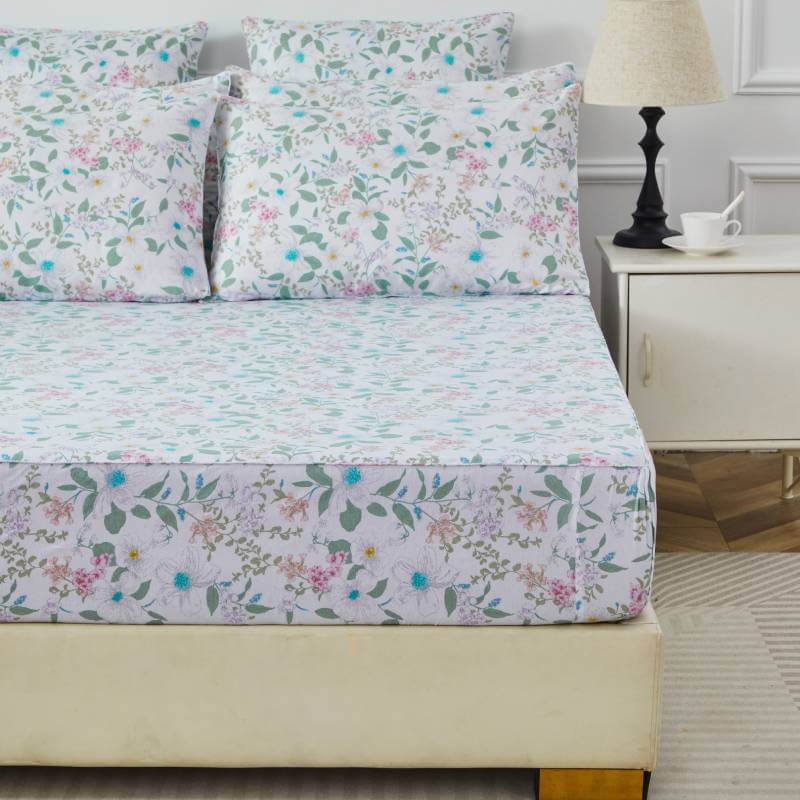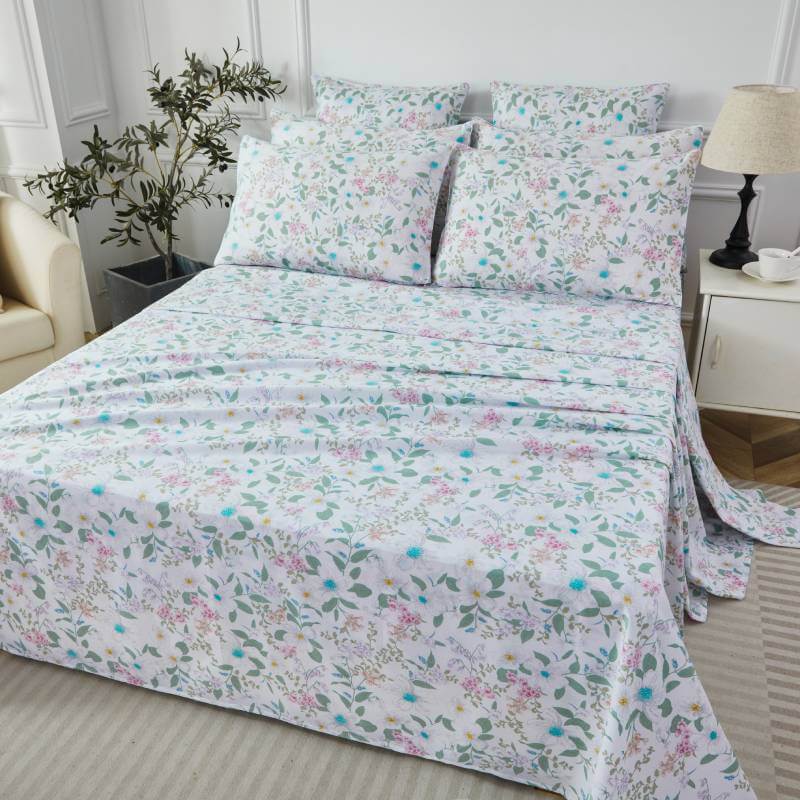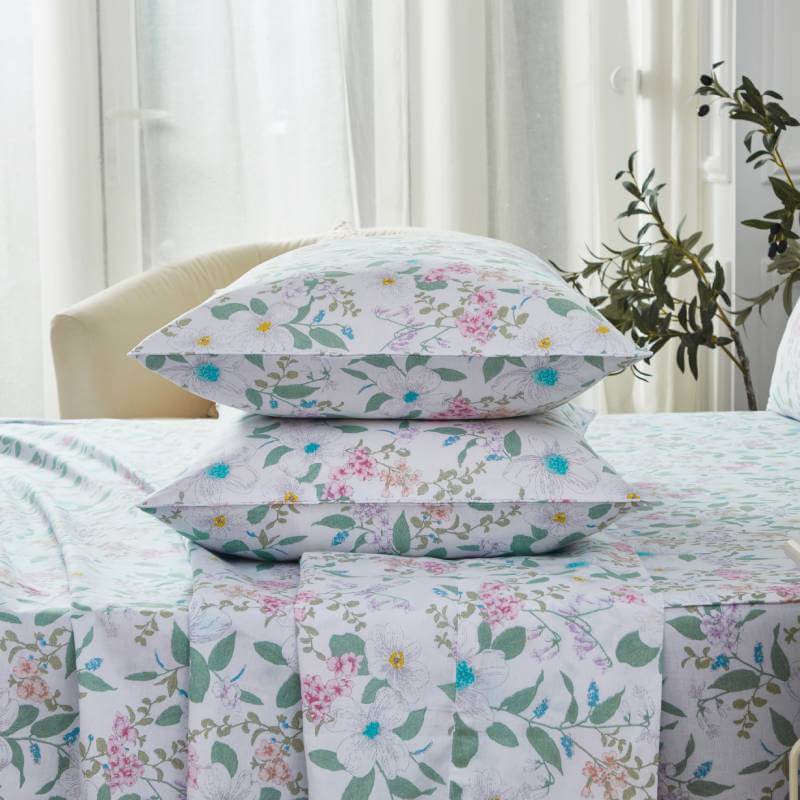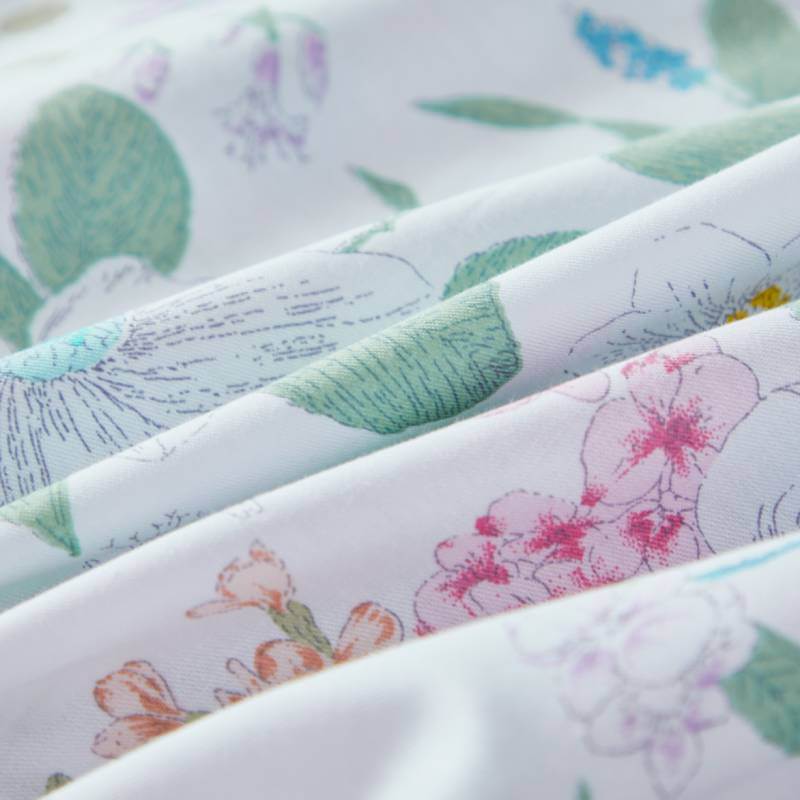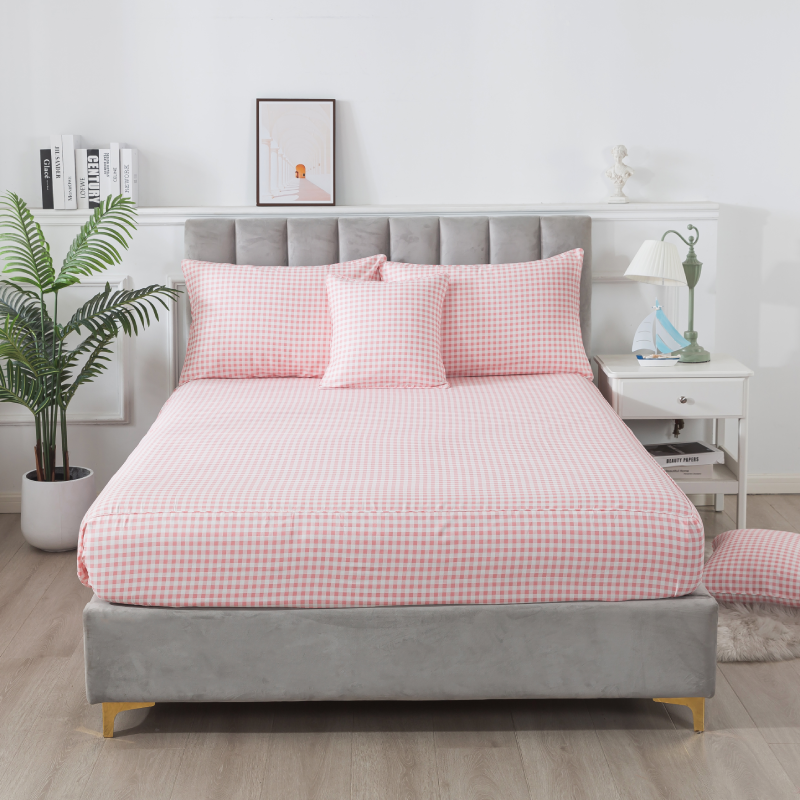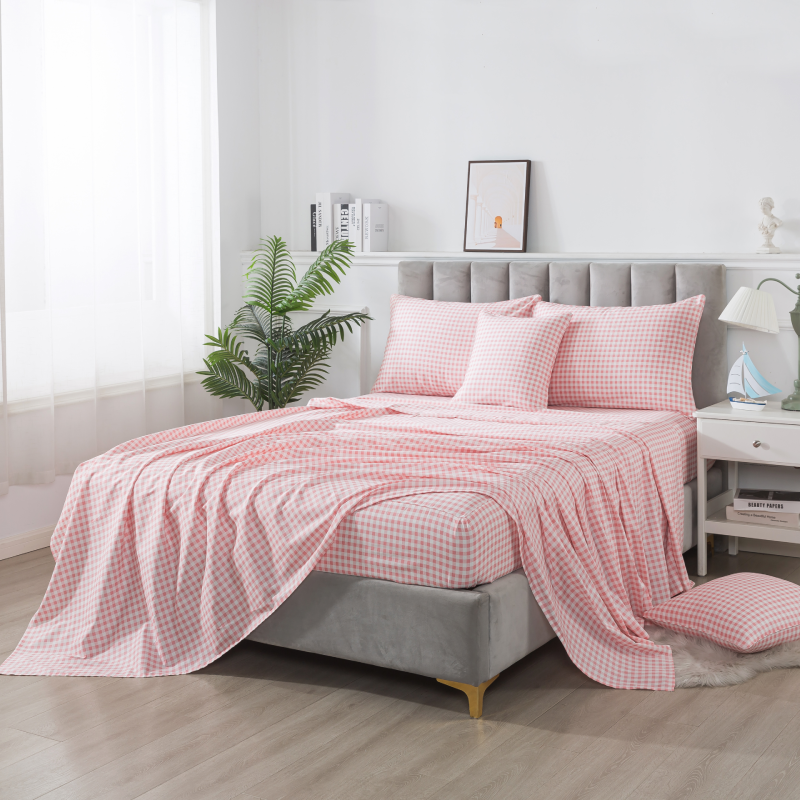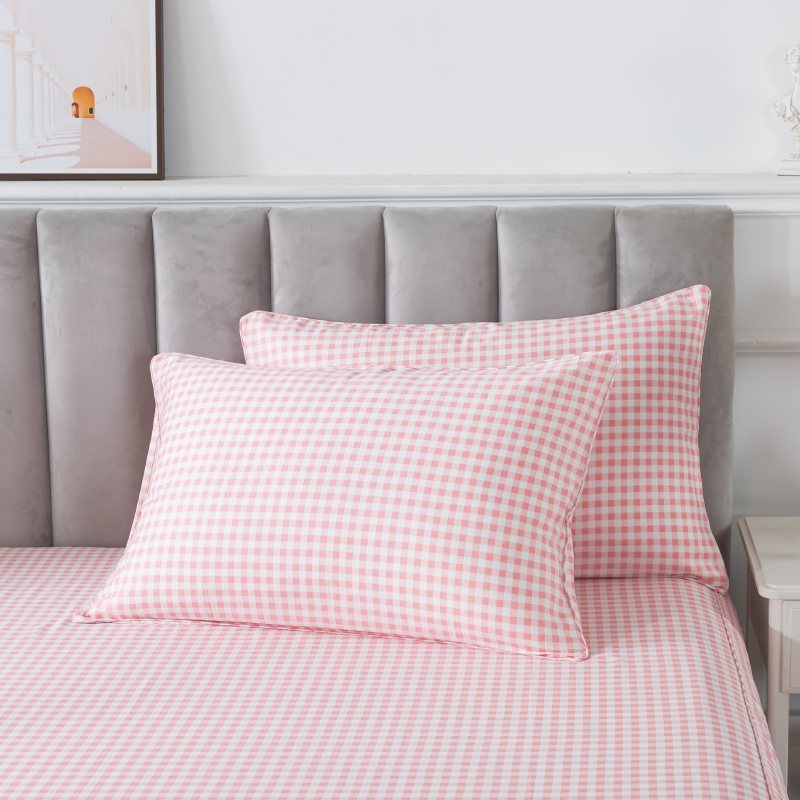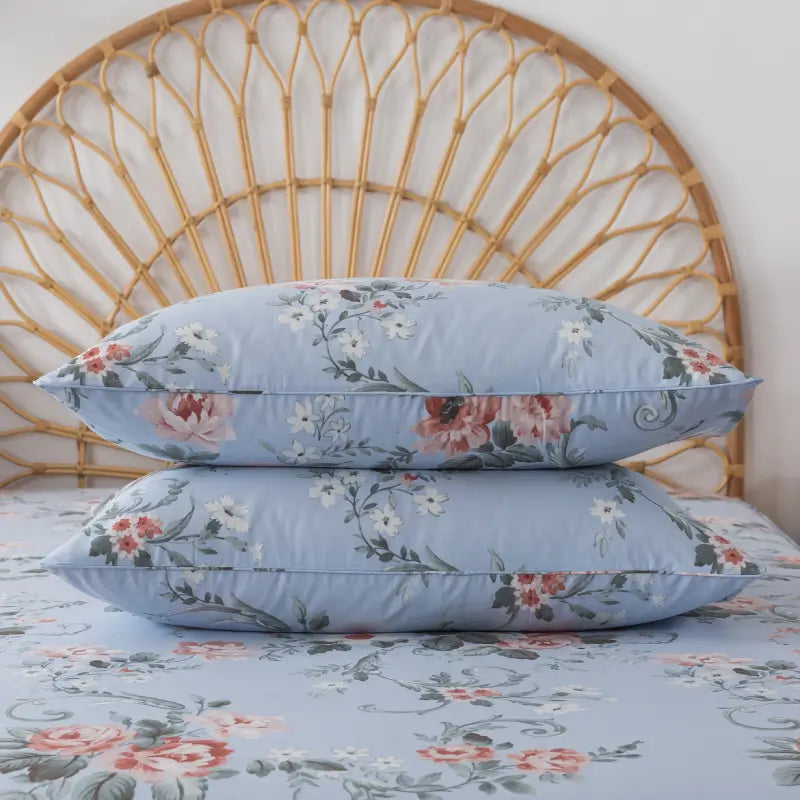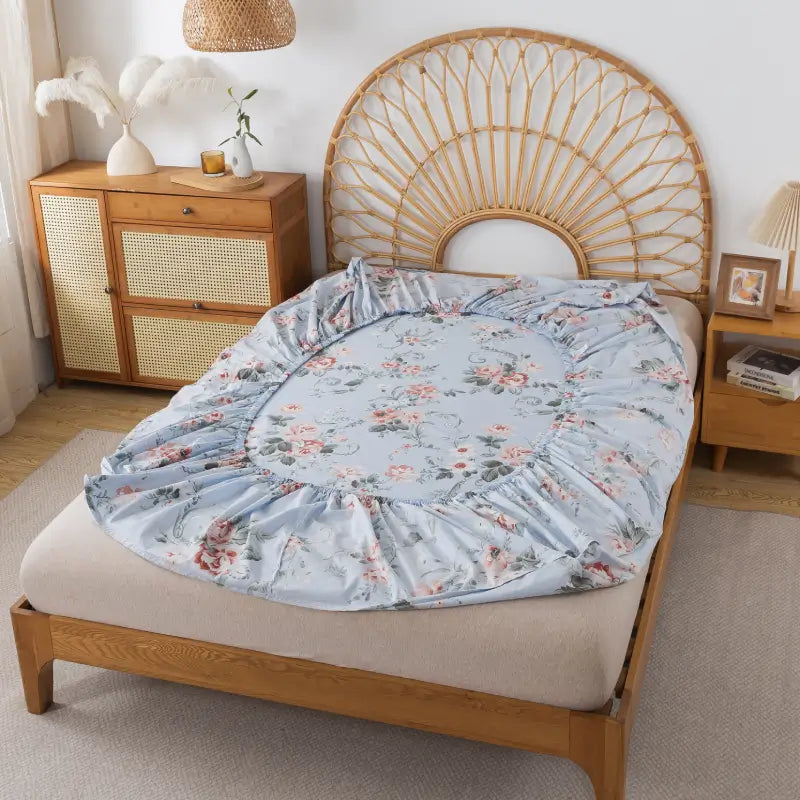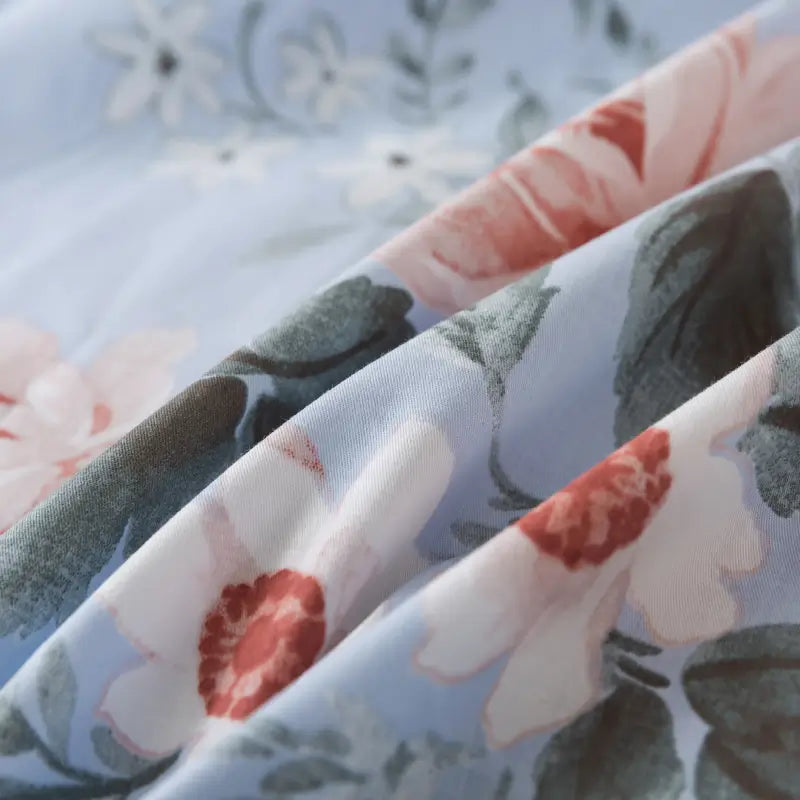
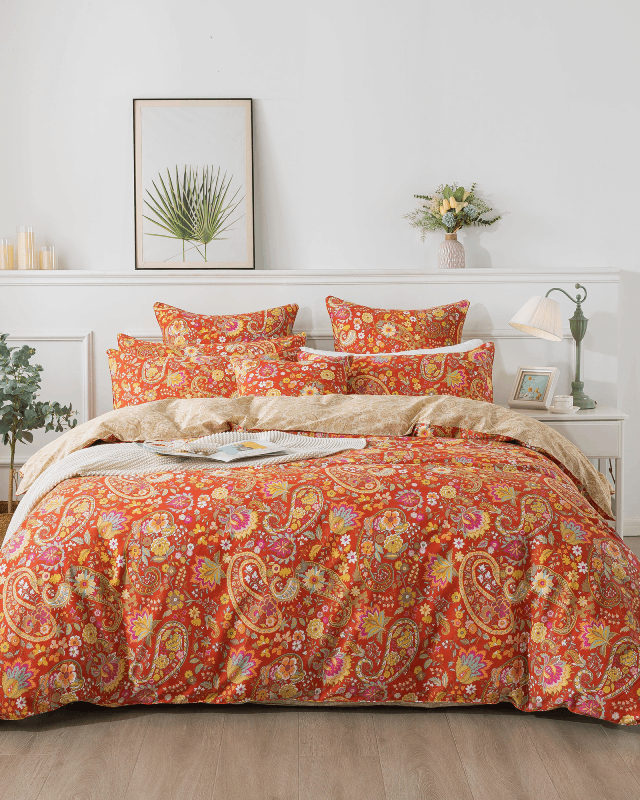
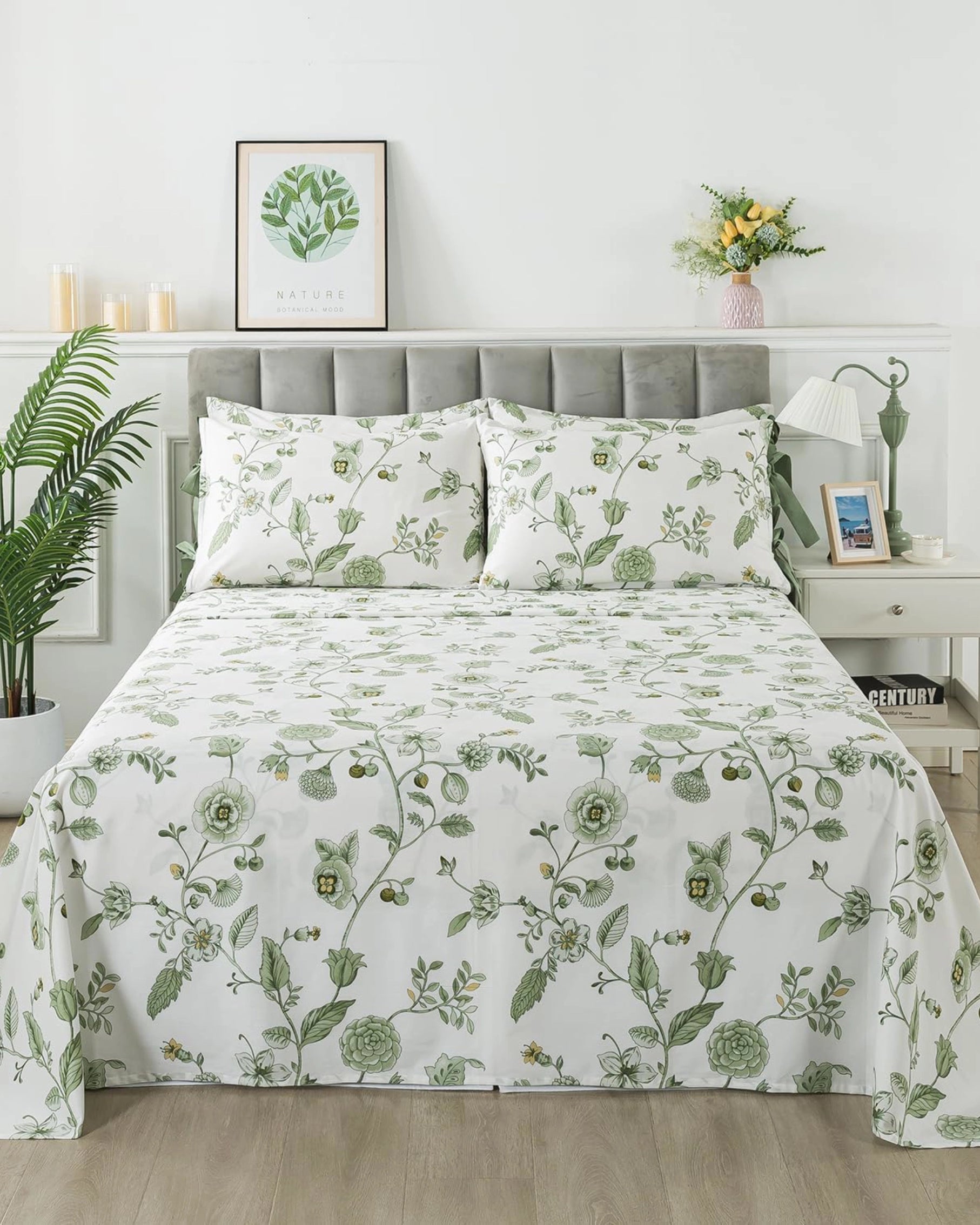


Floral bedding has long been associated with comfort and beauty, but beyond its visual appeal lies a deeper artistic narrative. It is not simply about decorating a bed—it is about translating nature, emotion, and craftsmanship into a tactile, everyday experience. In today’s design landscape, floral bedding stands at the intersection of textile artistry, interior aesthetics, and personal expression.
Floral Patterns as Visual Storytelling
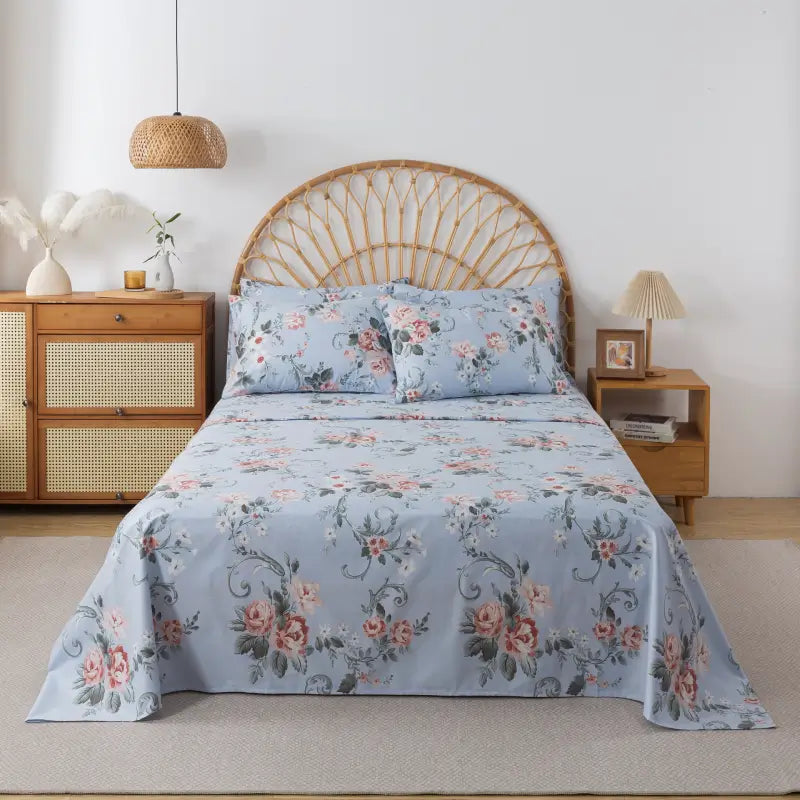
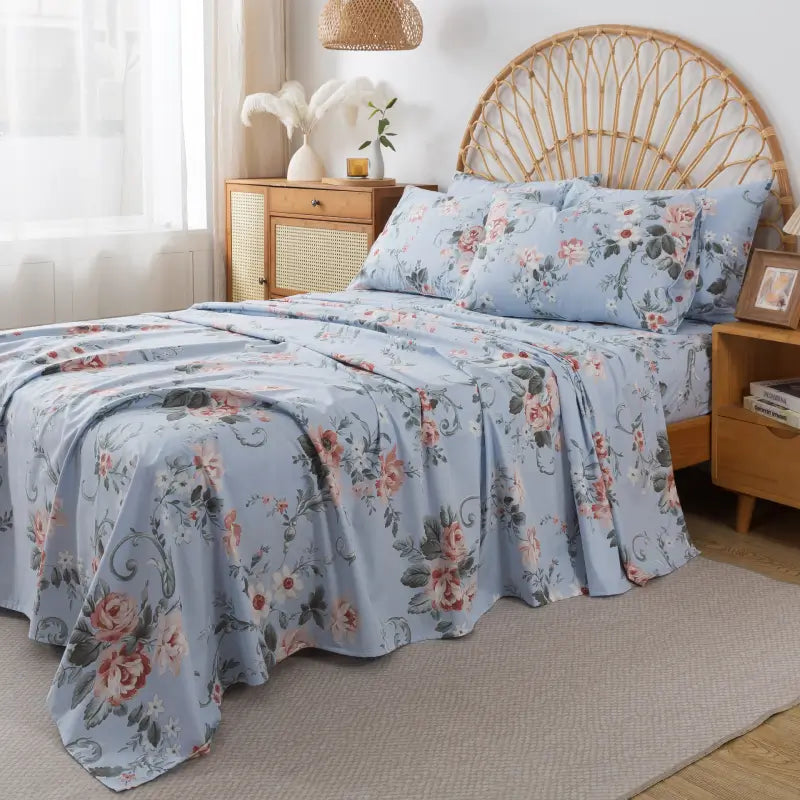
At its core, floral bedding is a form of storytelling. Each pattern—whether delicate roses, wild meadow blooms, or abstract botanicals—carries its own mood and narrative. Designers often draw inspiration from natural environments, historical art movements, and seasonal transitions.
Soft, muted florals evoke a sense of calm and nostalgia, reminiscent of countryside living and slow mornings. In contrast, bold and oversized floral motifs introduce energy and modernity, transforming the bed into a focal point of the room.
This storytelling aspect allows floral bedding to do more than complement a space—it defines it. A bedroom with carefully selected floral textiles becomes an immersive environment, where visual elements align with emotional tone.
The Craft Behind the Design
The artistry of floral bedding is deeply rooted in craftsmanship. From initial sketch to final fabric, the process involves multiple stages of refinement.
Designers often begin with hand-drawn illustrations or watercolor paintings, capturing the organic flow and imperfections of real flowers. These designs are then translated into textile patterns using advanced printing techniques, ensuring that every petal and leaf retains its depth and nuance.
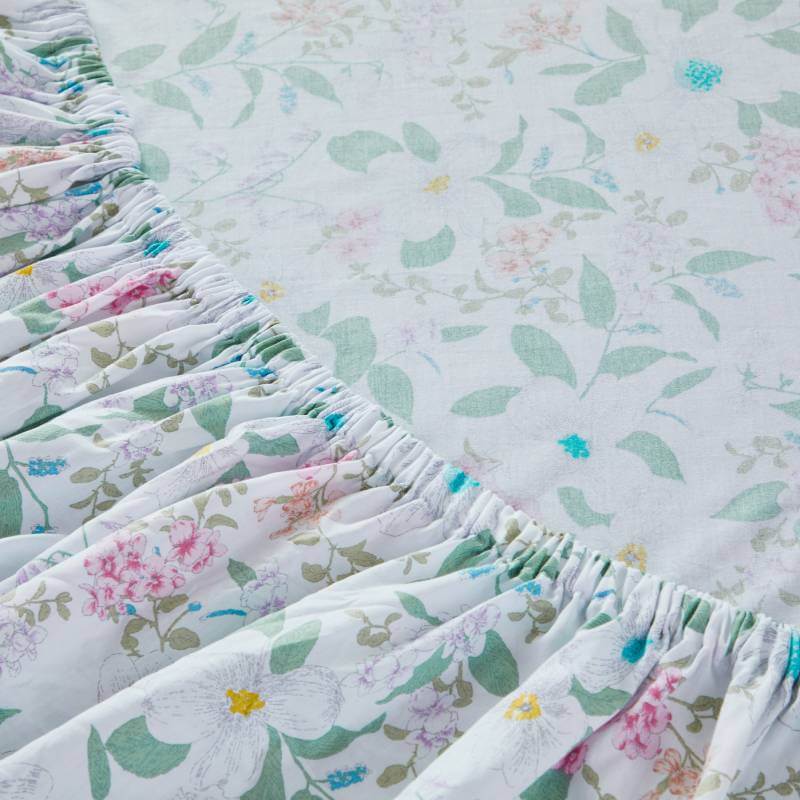
Material selection further enhances the artistic quality. Fabrics like 100% cotton—especially double gauze or long-staple cotton—provide a soft, breathable canvas that complements the visual delicacy of floral patterns. The natural texture of cotton subtly diffuses printed colors, creating a more refined and less artificial appearance.
Attention to detail is critical. Fine stitching, piping edges, and balanced color palettes all contribute to the overall composition, much like elements in a painting.
Color Theory and Emotional Atmosphere
Color plays a central role in the artistic impact of floral bedding. Thoughtful color combinations can influence mood, perception of space, and even sleep quality.
Pastel tones—such as blush pink, sage green, and soft lavender—create a serene and calming atmosphere. These palettes are particularly effective in promoting relaxation and restfulness.
Deeper tones, including navy, burgundy, and forest green, add sophistication and depth. When paired with floral motifs, they create a striking contrast that feels both elegant and grounded.
Neutral-based florals, often built on ivory or beige backgrounds, offer versatility. They blend seamlessly with various interior styles while maintaining a subtle artistic presence.
The balance between background color and floral elements is essential. Too much contrast can feel overwhelming, while too little may diminish the design’s visual interest. Skilled designers navigate this balance to achieve harmony.

Floral Bedding as Functional Art
Unlike traditional artwork, floral bedding serves a dual purpose—it is both decorative and functional. This duality is what makes it uniquely compelling.
Everyday use introduces movement and change: fabrics drape, wrinkle, and shift with daily life. These natural variations add a dynamic quality to the design, making it feel alive rather than static.
High-quality floral bedding maintains its integrity through repeated washing and use. Durable fabrics ensure that colors remain vibrant and patterns stay defined, allowing the artistic value to persist over time.
In this sense, floral bedding becomes a form of “living art”—one that evolves with the rhythms of daily life while continuing to provide comfort.
Integrating Floral Bedding into Modern Interiors
One common misconception is that floral bedding is limited to traditional or vintage-style interiors. In reality, it can be adapted to a wide range of design aesthetics.
In minimalist spaces, subtle floral patterns can introduce softness without disrupting clean lines. A neutral floral duvet can act as a gentle focal point, adding warmth to an otherwise restrained environment.
For more eclectic or maximalist interiors, layered florals—combined with textured throws and complementary patterns—create a rich, visually engaging space.
The key lies in proportion and balance. Pairing floral bedding with solid-colored elements, natural materials like wood or linen, and controlled color palettes ensures that the overall design remains cohesive.
The Sensory Experience of Floral Textiles
Art is not limited to what we see—it extends to what we feel. Floral bedding engages multiple senses, enhancing its artistic impact.
The softness of cotton against the skin, the breathability that keeps the body comfortable throughout the night, and even the subtle rustle of fabric all contribute to a holistic experience.
When design and material are aligned, the result is a seamless integration of aesthetics and comfort. The visual beauty of floral patterns is reinforced by the physical pleasure of high-quality textiles.
A Timeless Expression of Beauty
Floral bedding endures because it connects us to something universal: nature. Despite evolving trends in interior design, floral motifs remain relevant, continuously reinterpreted through new techniques and perspectives.
Whether expressed through delicate vintage prints or bold contemporary patterns, floral bedding captures a timeless essence. It reflects both the artistry of its creators and the individuality of those who choose it.
In the end, floral bedding is more than a design choice—it is an artistic statement woven into daily life.